
Road trips sound simple until you hit the kind of bottleneck that turns a two-hour drive into an afternoon project. To keep expectations realistic, this list uses INRIX’s busiest U.S. corridor rankings for 2024, which estimate how much time drivers lose during the peak hour on specific road segments.
The goal here isn’t to shame any city, it’s to help travelers plan smarter: pick better departure times, build in buffer time, and know which approaches to major metros regularly seize up.
Each roadway below names the direction and the exact segment that made the ranking, plus the peak hour that tends to be worst. If you’re heading through these zones, a small schedule tweak can feel like a superpower.
1. I-95 Southbound, Stamford, CT (Westport to Indian Field Road)
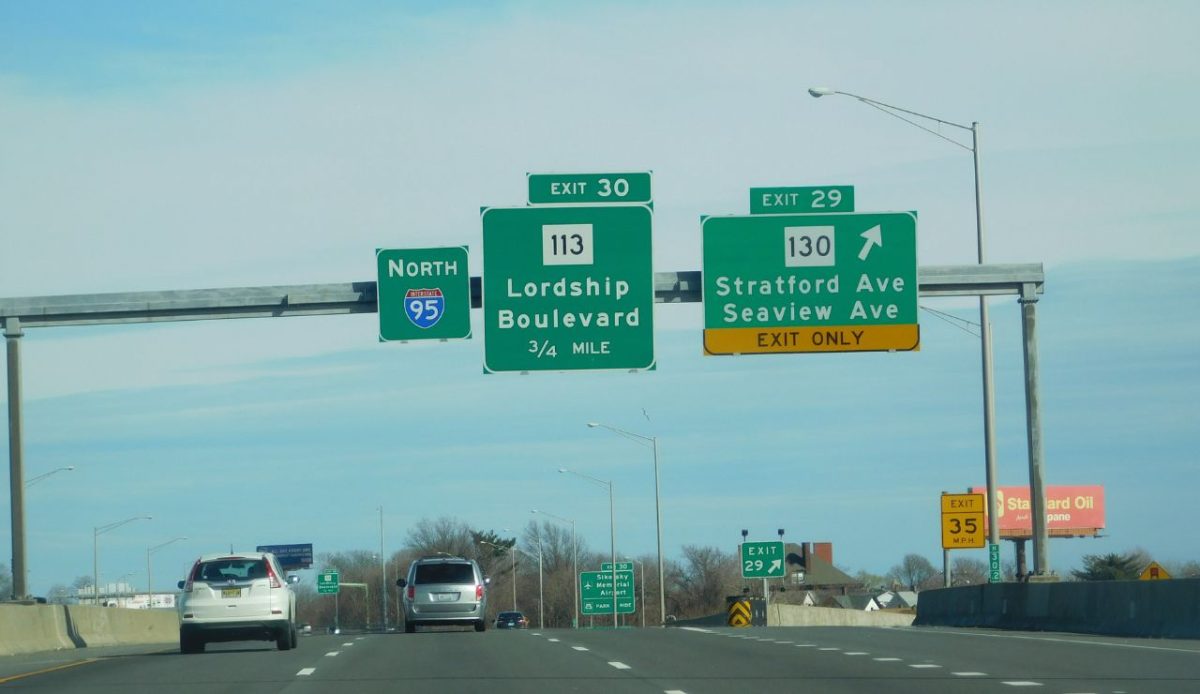
Stamford’s stretch of I-95 southbound between Westport and Indian Field Road is the country’s top congestion magnet, and it’s not close. INRIX estimates 38 peak minutes lost at 8:00 a.m., adding up to about 151 hours over the year for drivers repeatedly hitting that rush window.
For travelers, this segment can snarl beach traffic, airport runs, and any north–south swing through coastal Connecticut. Small incidents ripple fast because there aren’t many parallel routes that move well.
If you must pass through, aim for late morning or early afternoon, and treat Friday mornings as a special kind of chaos. Even a 30–60 minute shift can change the whole drive.
2. I-93 Southbound, Boston MA (Charles River to Pilgrim’s Highway)
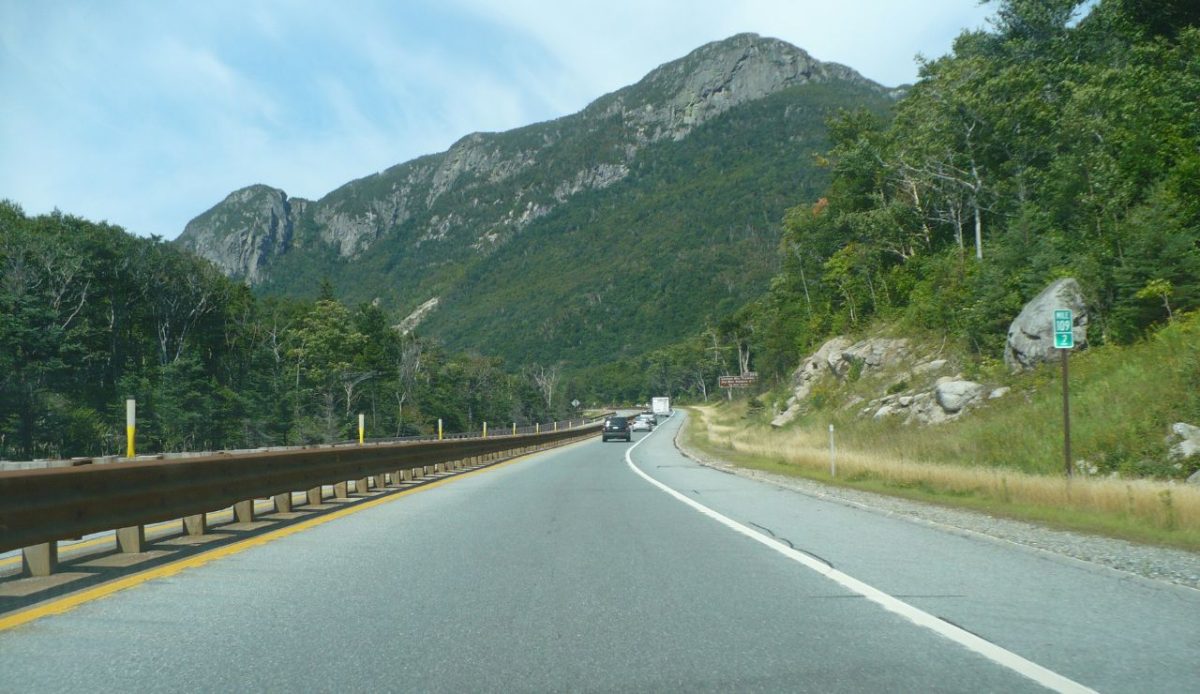
Boston’s I-93 southbound from the Charles River to the Pilgrim’s Highway connection is a classic “looks fine, then suddenly isn’t” corridor. In INRIX’s 2024 rankings it sits #2, with about 27 peak minutes lost around 3:00 p.m. and roughly 109 hours lost across the year.
That timing matters for travelers because it overlaps with early airport departures, day trips back from the North Shore, and the start of weekend escapes toward the South Shore and Cape routes.
If you’re driving this segment, plan to clear downtown before mid-afternoon or wait until after the post-work wave fades. In Boston, a few miles can feel like a whole new time zone, fast.
3. US-80 Eastbound, Dallas TX (I-635 to Forney)
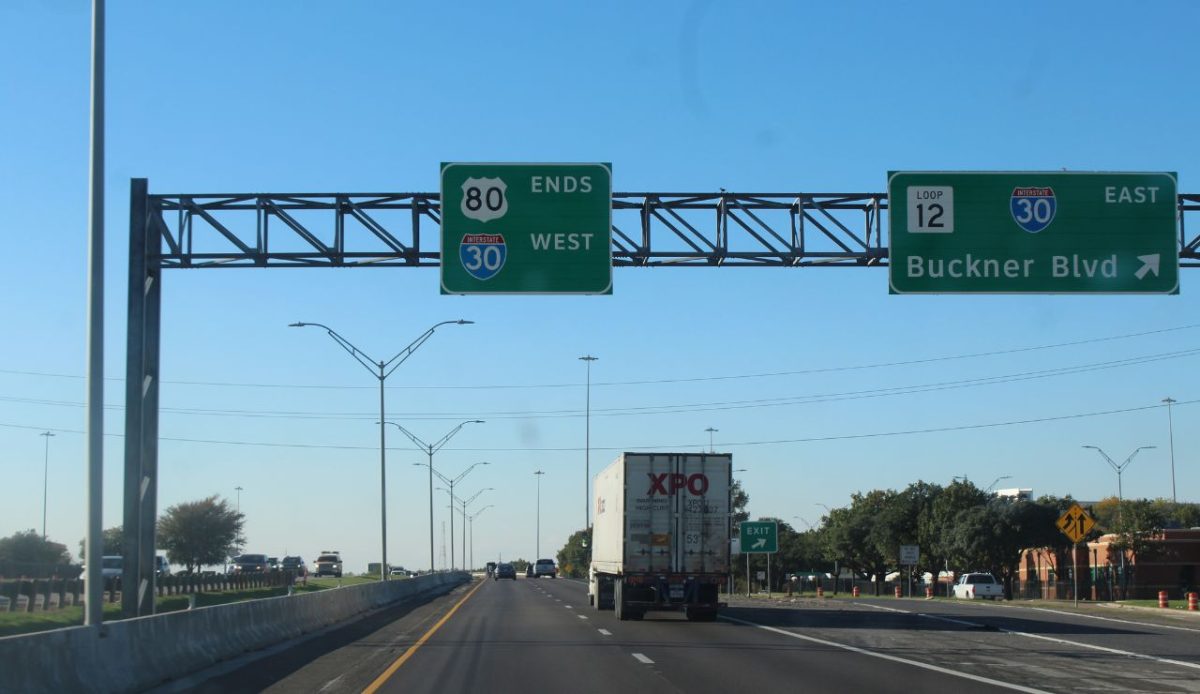
Dallas lands in the top three with US-80 eastbound from I-635 out to Forney, a commuter-heavy approach that also catches travelers heading toward East Texas. INRIX tags the worst pinch point at about 5:00 p.m., with 22 peak minutes lost and an estimated 88 hours lost over the year for repeat peak-hour trips.
Because this is a key connector for suburban growth, traffic volume builds early and stays sticky through the evening, especially when weather or crashes knock speeds down.
If you’re road-tripping through Dallas, treat late afternoon as a no-go window on this segment. Leave before lunch, or push your arrival closer to dinner when flow usually improves.
4. I-278 BQE Westbound, New York City, NY (I-495 Interchange to Tillary Street)
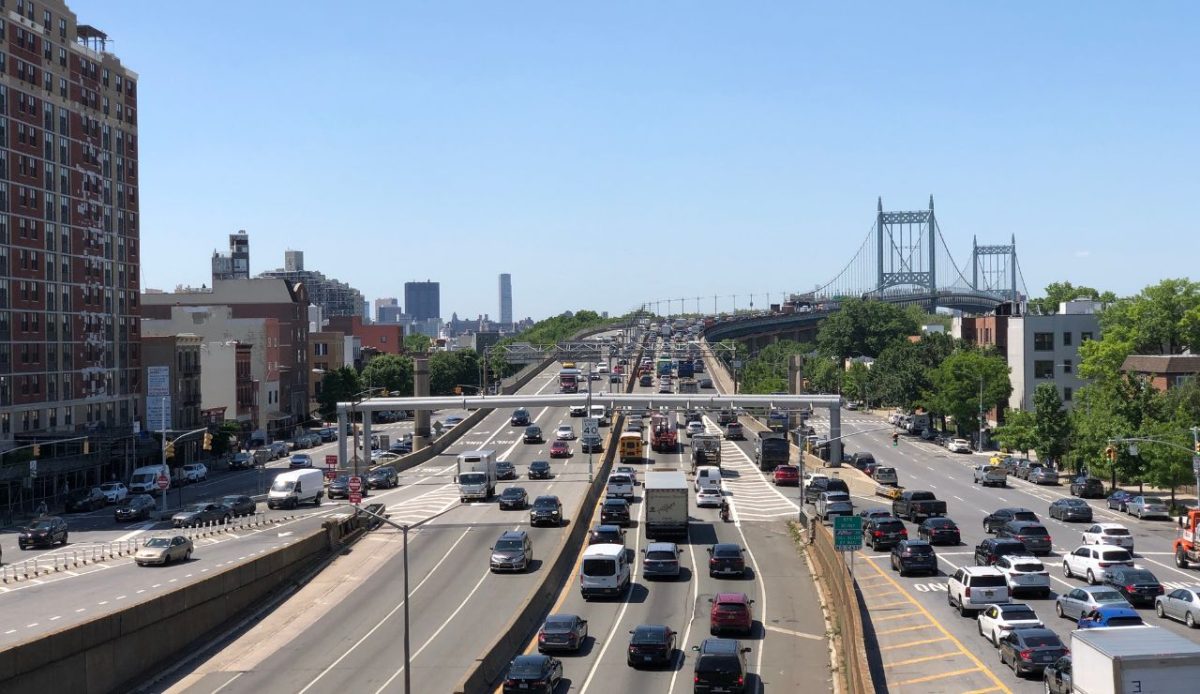
New York City’s Brooklyn-Queens Expressway section of I-278 westbound, running from the I-495 interchange to Tillary Street, is a frequent reality check for anyone who thinks they can “just drive through.” INRIX ranks it #4, peaking around 4:00 p.m. with 21 minutes lost and about 85 hours lost across the year.
This corridor is a gateway for travelers moving between Long Island, Queens, and Brooklyn, so it blends local trips, deliveries, and through traffic into one slow stew.
To reduce pain, avoid late afternoon and watch for tunnel and bridge approach backups that spill onto the BQE. If you can shift to off-peak, the same route can feel shockingly normal.
5. I-55 Southbound, Chicago IL (I-90 to South Cicero Avenue)
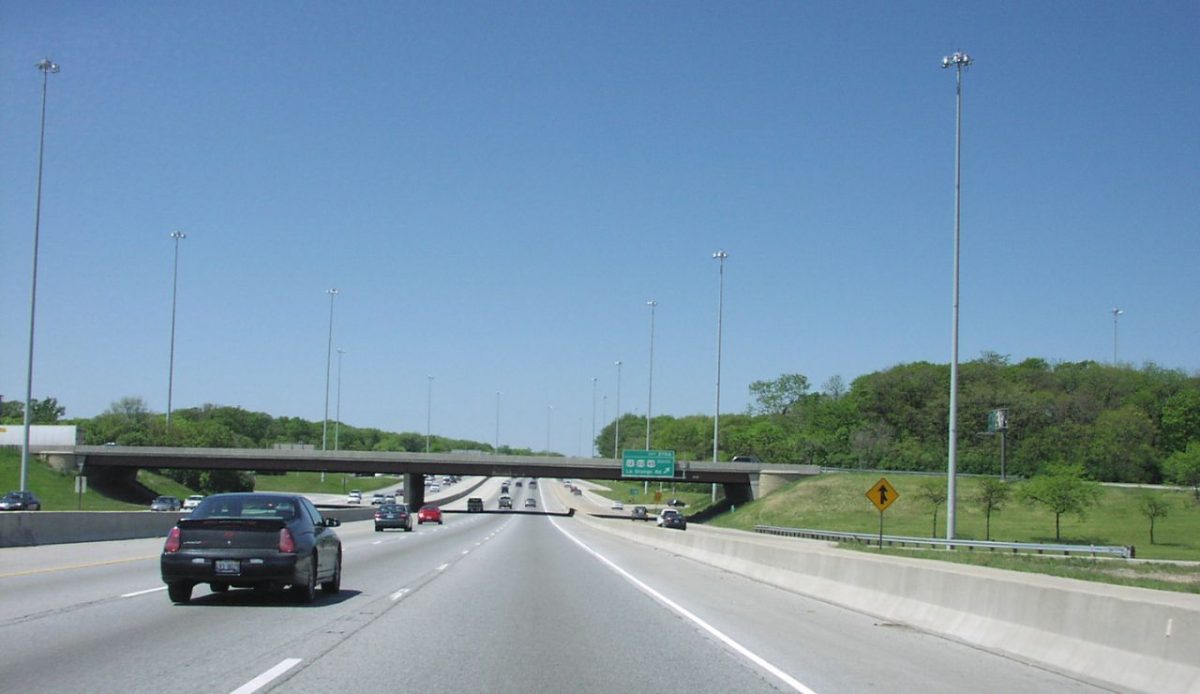
Chicago’s I-55 southbound (the Stevenson Expressway) from I-90 down to South Cicero Avenue sits at #5, and it’s a big deal for travelers because it’s tied into the region’s core interchange patterns. INRIX shows the worst squeeze around 4:00 p.m., with about 20 peak minutes lost and roughly 79 hours lost over the year.
This segment can complicate airport runs, downtown hotel check-ins, and any drive that tries to stitch together multiple Chicago neighborhoods in one afternoon.
If you’re passing through, plan your city crossing for midday or later evening. The Stevenson can look clear on a map, then surprise you with stop-and-go that arrives out of nowhere.
6. I-90 Eastbound, Chicago IL (Cicero Avenue to West Fullerton Avenue)
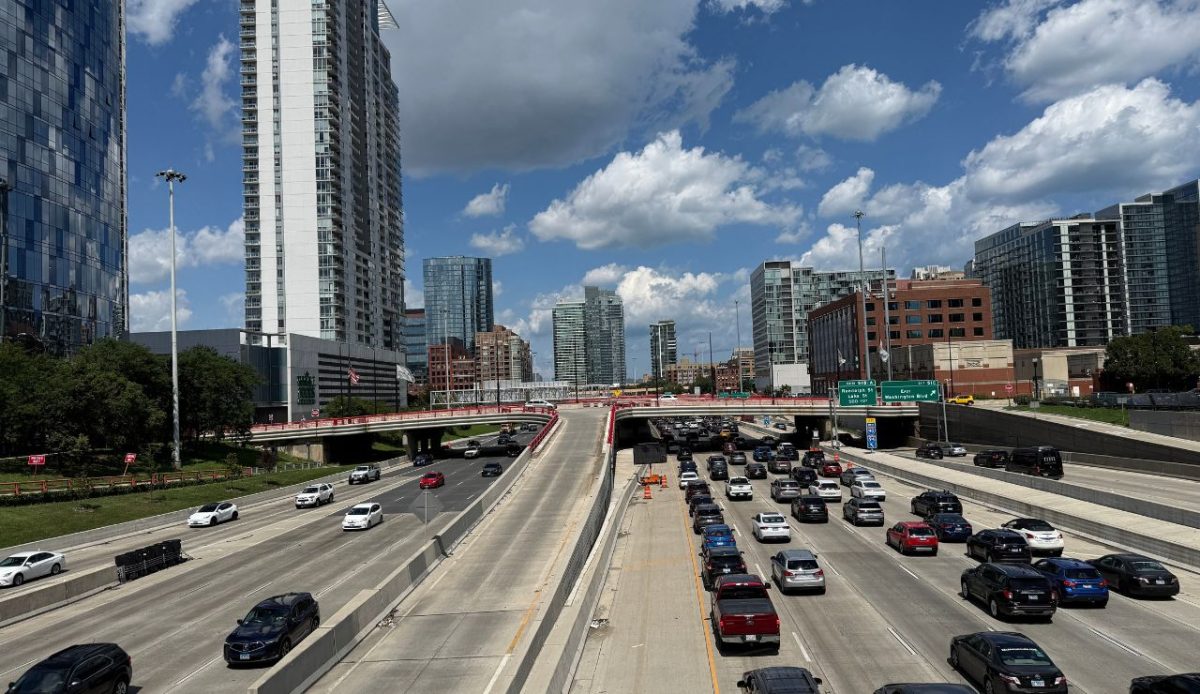
Another Chicago entry: I-90 eastbound from Cicero Avenue to West Fullerton Avenue, part of the Kennedy Expressway system, ranks #6 nationally. INRIX reports peak trouble at about 8:00 a.m., with 20 minutes lost in the peak hour and an estimated 79 hours lost across the year for drivers repeating that rush.
For travelers, this matters if you’re coming in from the western suburbs, connecting to downtown attractions, or trying to make a morning flight after a hotel stay outside the Loop.
Your best move is to dodge the morning surge or leave much earlier than you think you need. In Chicago, “just one exit” can translate into a coffee break you didn’t plan for.
7. I-90 Eastbound, Chicago, IL (Cicero Avenue to Ohio Street)
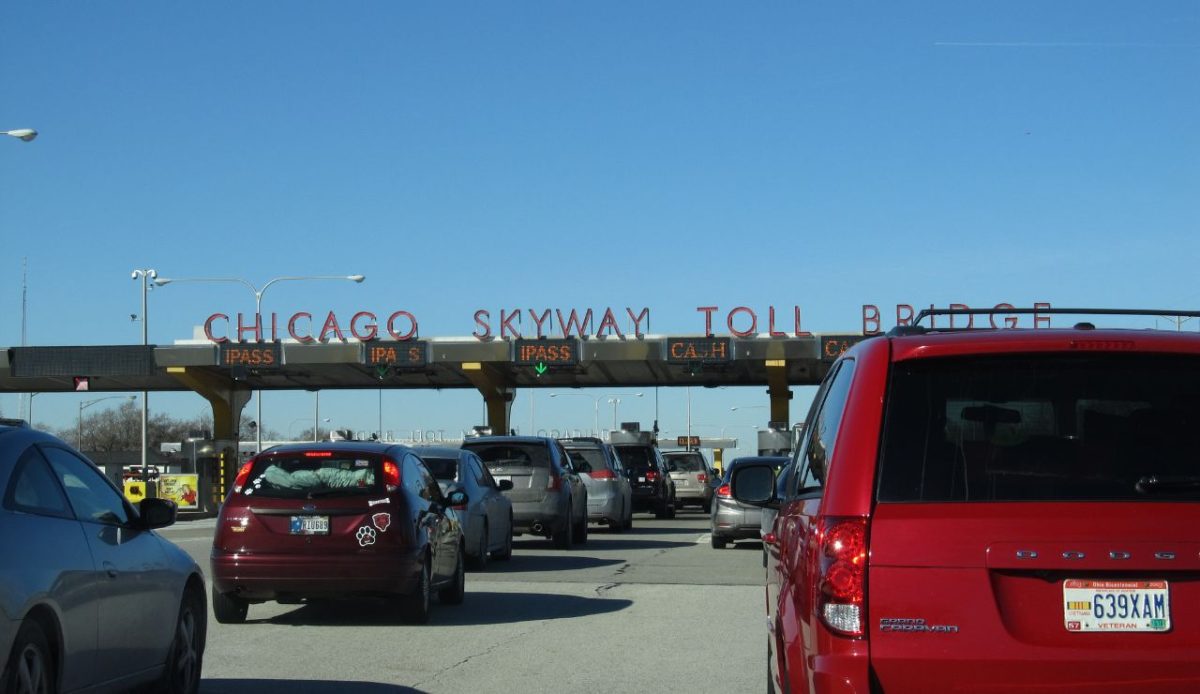
Chicago shows up again at #7 with I-90 eastbound from Cicero Avenue to Ohio Street, another Kennedy Expressway segment that funnels straight toward the city center. INRIX lists an 8:00 a.m. peak, with 19 minutes lost in the rush hour and about 76 hours lost over the year for repeat peak trips.
This is the kind of corridor where a minor slowdown quickly becomes a full-on crawl, because so many routes converge and there’s limited room to reroute without adding miles.
If your trip involves a morning museum start or an early downtown meeting, build extra buffer time. Better yet, enter the city after the morning peak and save yourself the stress tax.
8. Cross Bronx Expressway Southbound, New York City, NY (Bruckner Expressway to Walter Gladwin Park)
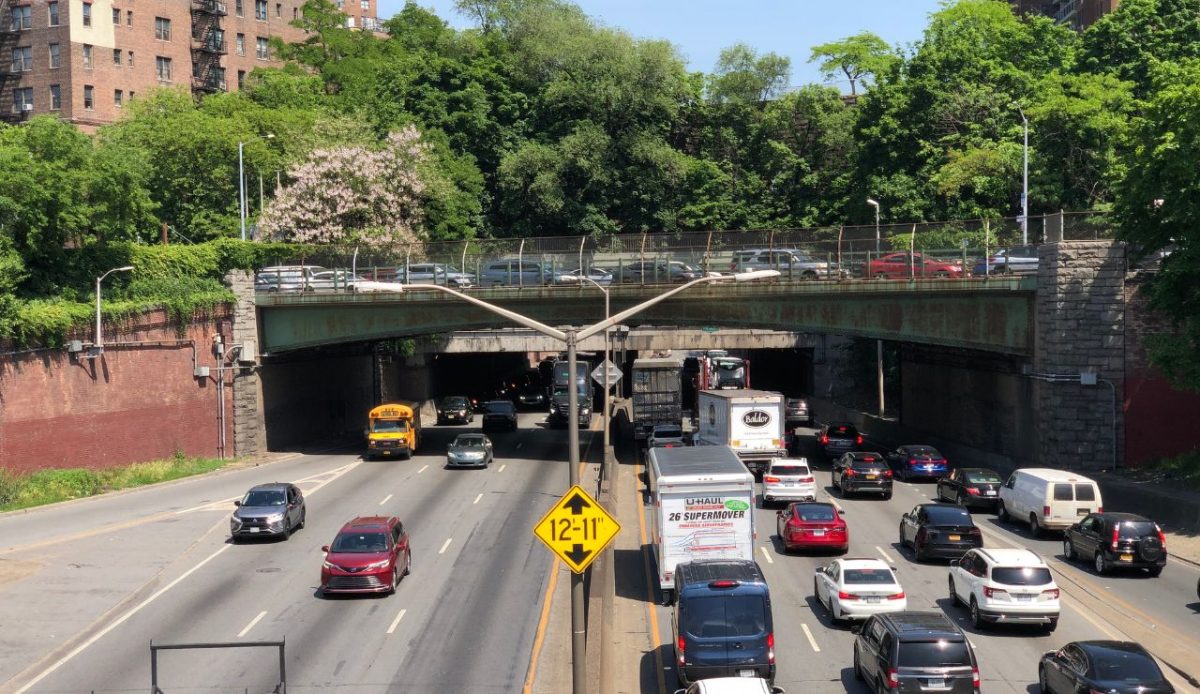
The Cross Bronx Expressway is basically a legend, and not in a fun way. INRIX ranks the Cross Bronx Expressway southbound from the Bruckner Expressway to Walter Gladwin Park at #8, with the worst slowdown around 4:00 p.m., about 17 peak minutes lost, and roughly 67 hours lost over the year.
Travelers feel this when trying to connect between New England routes, the George Washington Bridge approaches, and New Jersey-bound corridors; everything intersects here.
If you can avoid this stretch, do it. If you can’t, schedule it for late morning or late evening and keep an eye on incident alerts, because a single crash can turn “slow” into “stationary.”
9. I-290 Eastbound, Chicago IL (South Wolf Road to Harlem Avenue)
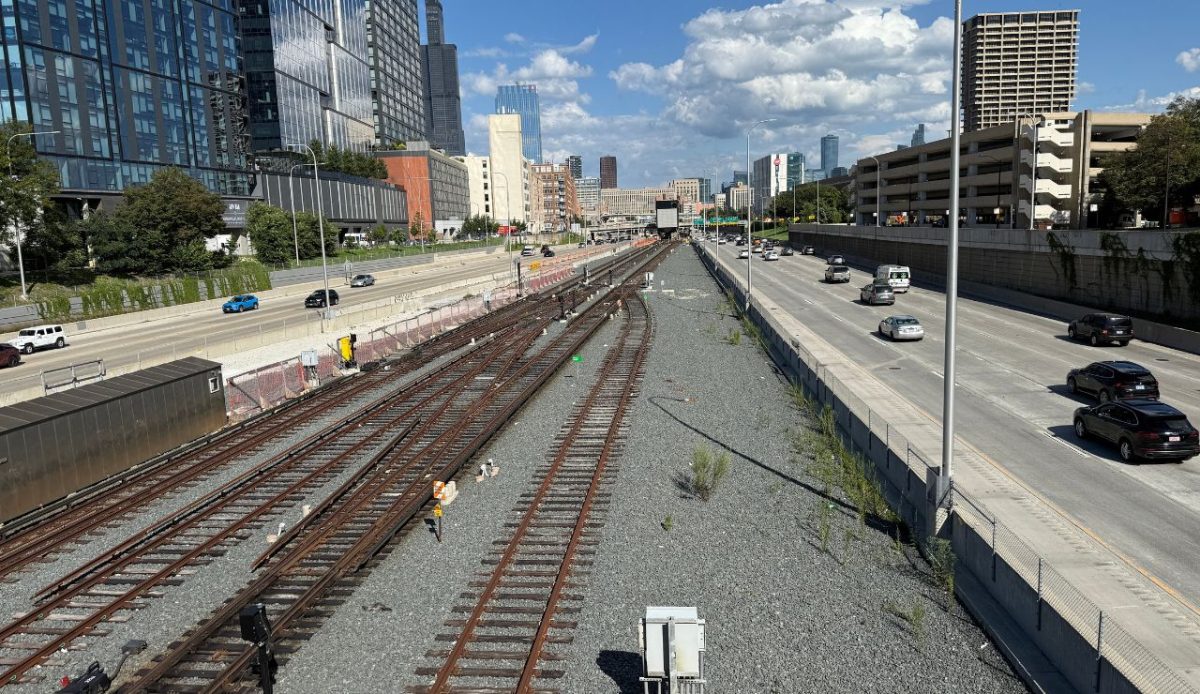
Chicago’s #9 entry is I-290 eastbound (the Eisenhower Expressway) from South Wolf Road to Harlem Avenue. INRIX pins the worst window at about 5:00 p.m., with 13 peak minutes lost and an estimated 66 hours lost across the year for drivers who hit it repeatedly at rush hour.
This segment is a common path for travelers linking the western suburbs with downtown, and it’s often packed with a mix of commuters, construction zones, and event traffic headed toward the city core.
If your plan includes an afternoon arrival, build a cushion and don’t expect steady speed. A smart play is to shift your city entry earlier, then park once and use transit or walking for the rest.
10. I-90 Westbound, Chicago, IL (West Ontario Street to West Irving Park Road)
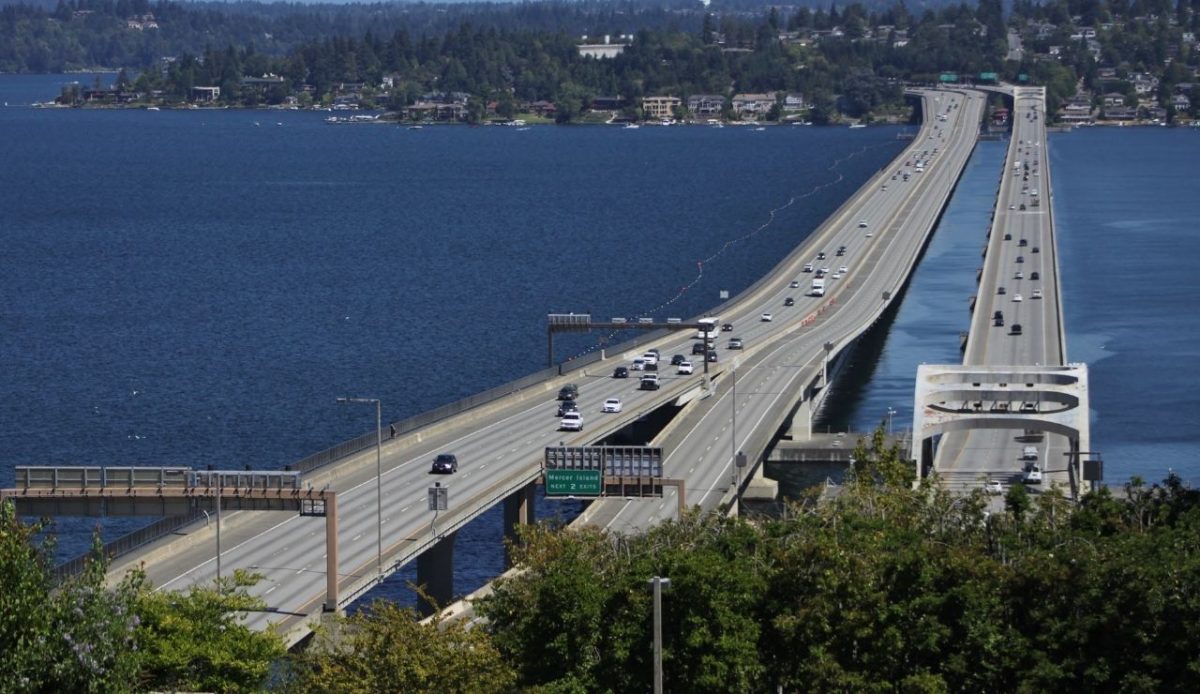
Rounding out Chicago’s cluster, INRIX places I-90 westbound from West Ontario Street to West Irving Park Road at #10. The corridor peaks around 4:00 p.m., with about 13 minutes lost during the worst hour and roughly 64 hours lost over the year for drivers repeating that rush schedule.
For visitors, this can hit right when you’re leaving downtown hotels, heading toward neighborhoods on the Northwest Side, or trying to escape the city before dinner plans in the suburbs.
If you’re timing a departure, either leave before mid-afternoon or wait until later evening. In heavy traffic, short hops between exits can take longer than an entire scenic drive outside the metro.
11. I-605 Southbound, Los Angeles, CA (Pomona Freeway to Firestone Boulevard)
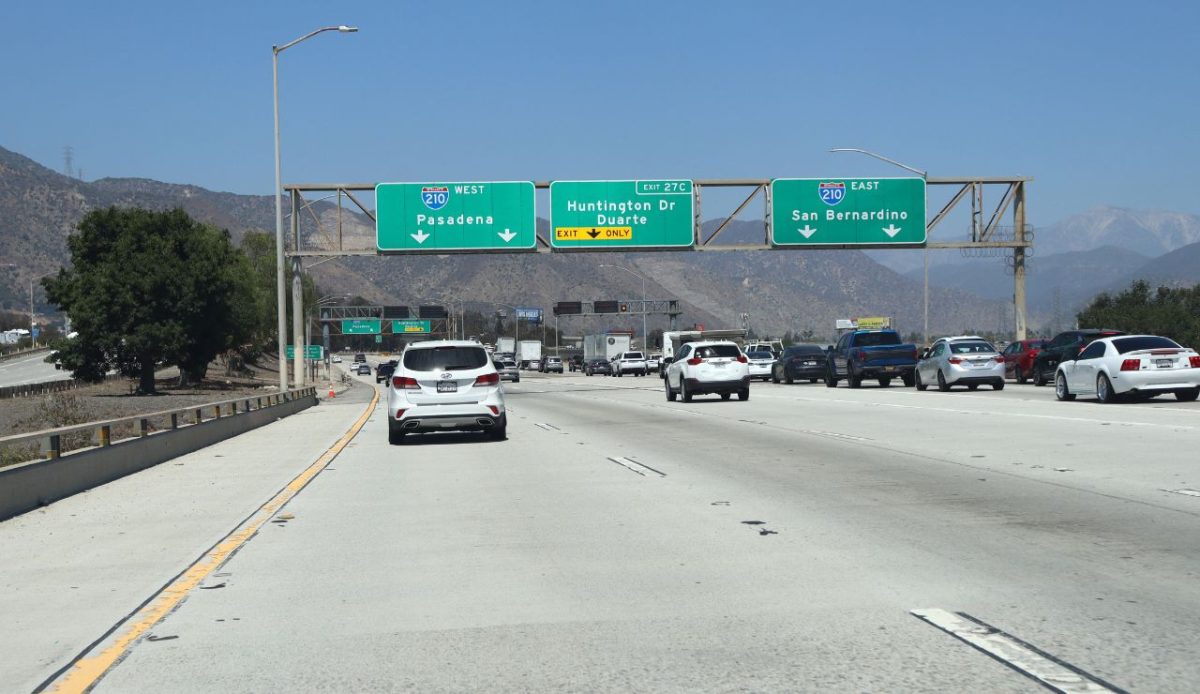
Los Angeles joins the list at #11 with I-605 southbound, running from the Pomona Freeway connection down to Firestone Boulevard. INRIX flags 4:00 p.m. as the worst hour, with about 13 peak minutes lost and an estimated 64 hours lost over the year for drivers who repeatedly travel the segment at that peak.
This matters for travelers crossing the LA basin between theme parks, beaches, and airport corridors, because the 605 is a key north–south spine that absorbs spillover from nearby freeways.
To keep your schedule intact, avoid stacking this drive on top of a late-afternoon check-in or dinner reservation. In Southern California, the safest ETA is the one with extra buffer baked in.
