
Border checks aren’t just about passports, agents watch for signs a visitor may break entry rules. Many countries expect you to show you’ll leave on time, won’t work on a visitor stay, and can support yourself. Confidence won’t help if your story and paperwork don’t match.
Below are behaviors that commonly trigger extra questions, bag searches, or refusal of entry. They’re not “tricks”, they’re red flags officers are trained to test quickly and consistently. Most are avoidable with basic prep and straight answers.
Use this as a pre-flight check: be consistent, carry what you can explain, and declare what must be declared. Do that, and the interview usually stays short, boring, and drama-free, the best kind.
1. Vague or inconsistent travel purpose

If you say you’re “just sightseeing” but your plans look like something else, expect follow-up questions. Border officers compare your answers to bookings, invites, past travel, and what’s in your bag. A vague or shifting itinerary can read like you’re hiding the real reason for the trip.
Keep your purpose simple and consistent: tourism, visiting family, a conference, a wedding, whatever is true. Have the basics ready: where you’re staying, how long, and what you’ll do. If you’re attending an event, carry the registration or invitation.
Most refusals start with mismatched stories, not dramatic scandals. Even “small” untruths can be treated as misrepresentations and create long-term travel headaches.
2. “I’m not working”… while clearly planning to work

A common crackdown area is visitors who “won’t work” but plan to take meetings, freelance, or do paid gigs. Some countries draw a hard line: if you’re doing work for a local company, earning money, or providing services, you may need a work visa, even if you call it “remote.”
If your trip includes business activity, check what’s actually permitted for visitors and be ready to explain it. Bringing a laptop isn’t suspicious; saying you’ll “figure out some client work” can be. Officers listen for who benefits and where the work is based.
The safest move is clarity: travel for tourism, or apply for the right permission. Trying to wordsmith your way through the interview is how people get turned around at arrivals.
3. No believable plan for money or onward travel

Showing up with no plan for where you’ll sleep, no idea how you’ll pay, and no clear way home is a classic trigger. Many border systems expect visitors to be able to support themselves and cover a return or onward journey. If you can’t explain your budget, officers may assume you’ll work illegally or overstay.
You don’t need a briefcase of paperwork, but you should know your key details. Hotel address, a realistic trip length, and proof you can pay for it all can defuse suspicion fast. If someone is funding you, be ready to explain that relationship.
This is less about being rich and more about being credible. A coherent plan beats a “we’ll see what happens” vibe at a border desk.
4. Overstays and “serial tourist” patterns
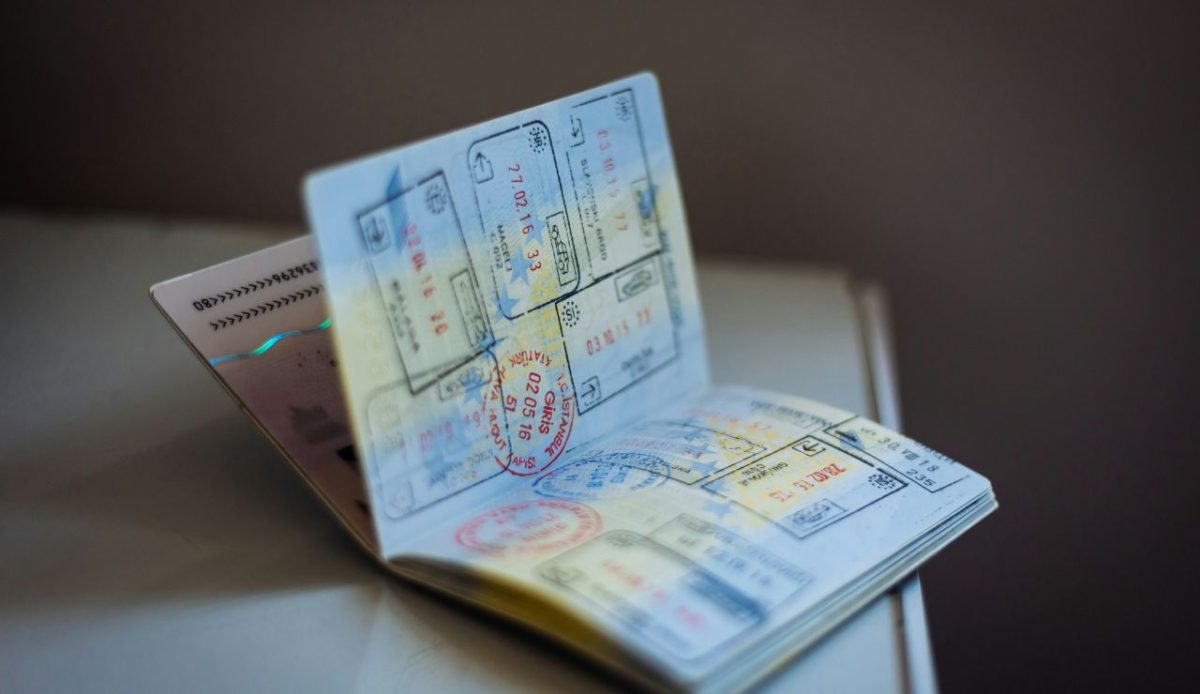
Overstaying, even by a little, is one of the fastest ways to get flagged on future trips. Border systems increasingly track entries and exits digitally, so “I thought I had extra days” won’t land. In the Schengen Area, the common short-stay limit is 90 days in any 180-day period, across member countries.
Agents also watch for ‘living’ in a country through back-to-back visits. If your travel history looks like you’re using tourist entry to stay long-term, expect tougher questions. That can apply even if each trip is technically short.
Count days carefully and don’t assume stamps tell the whole story. If you need longer, use the correct long-stay route instead of gaming the clock.
5. Contradictions in forms, answers, and travel details

Border interviews are short on time, so officers rely on consistency. If your landing card, visa application, and spoken answers don’t line up, you may get pulled aside. Common slip-ups include wrong addresses, fuzzy dates, undeclared prior refusals, or forgetting a connecting flight.
Stress makes people ramble, and rambling creates contradictions. Answer the question asked, keep it factual, and don’t guess, if you don’t know, say so and check your booking. If your plans changed, explain the change clearly.
Being nervous isn’t a crime, but being inconsistent can look like concealment. A calm, repeatable timeline is one of the best “travel documents” you can bring.
6. Not declaring food, plant, or animal items
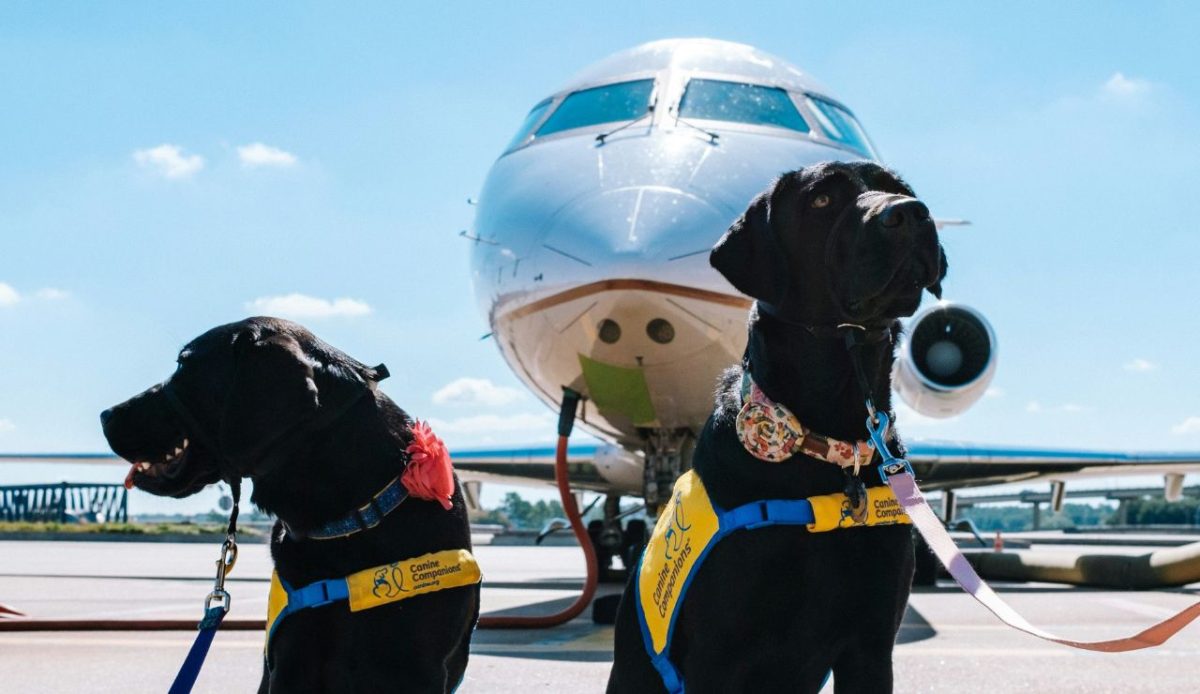
Trying to sneak snacks, fruit, meat, or ‘just a little’ food through customs is an easy way to earn a fine. Countries with strict biosecurity, like Australia and New Zealand, treat undeclared food, plant material, and animal products seriously. They’d rather you declare and surrender an item than hide it.
The behavior that gets cracked down on isn’t bringing something, it’s failing to declare it honestly. Officers and detector dogs are trained for this, and ‘I forgot’ isn’t always accepted as an excuse. Dirty hiking boots and outdoor gear can also raise biosecurity concerns.
When in doubt, declare. A truthful declaration usually keeps the process simple, even if the item can’t come in with you.
7. Carrying meds in sketchy ways
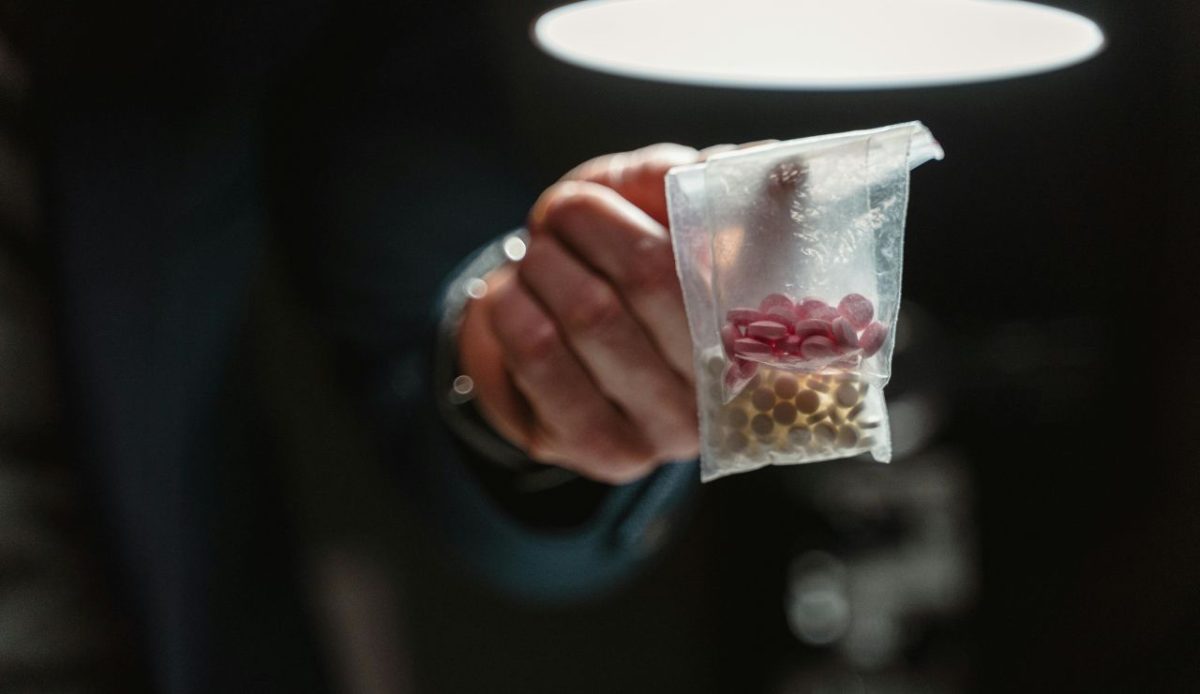
Medication issues at the border usually come from packaging and paperwork, not from having a condition. Loose pills, unlabeled bottles, or big quantities can look like trafficking. Controlled medicines often have extra limits and documentation rules.
Keep prescriptions in original packaging and carry a copy of the prescription or a doctor’s letter when possible. If a medicine is controlled at your destination, check rules before you fly, some places require prior approval. Don’t assume a U.S. prescription covers you.
Skip mailing meds ahead or trying to replace them abroad without checking local law. A little prep can prevent long delays or confiscation.
8. Bringing “personal shopping” that looks commercial
Border agents get suspicious when your ‘vacation shopping’ looks like a pop-up store. Multiple new phones, stacks of boxed electronics, or dozens of identical luxury items can trigger questions about resale. Many countries treat commercial imports differently and expect duties, taxes, or permits.
If you’re carrying high-value goods, keep receipts and be ready to explain what’s yours and what’s a gift. Don’t downplay value or guess, customs forms are legal declarations. Even if you bought items abroad, you may still need to declare them on arrival.
This isn’t about punishing shoppers; it’s about enforcing import rules consistently. Honest declarations and clear proof of purchase usually keep the process straightforward.
9. Getting combative, sarcastic, or trying to “document” the stop
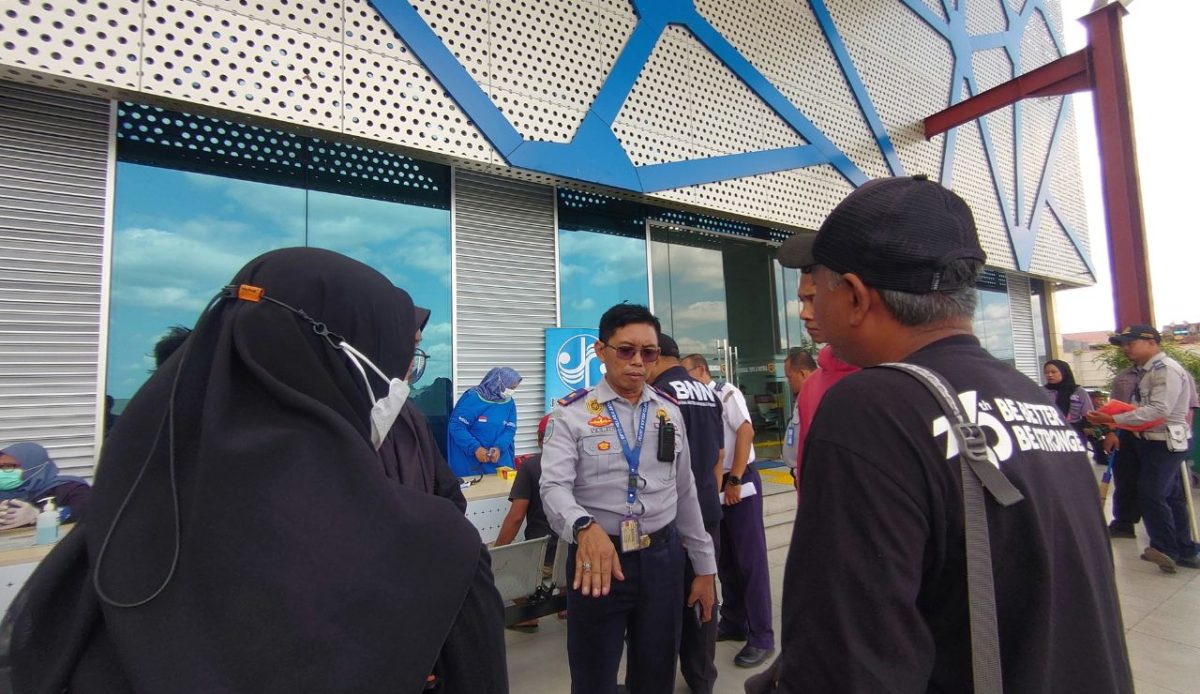
A common way to escalate a routine arrival is attitude. Border interviews are legal screenings, not customer service, and officers have discretion to ask questions and inspect baggage. Talking over them, joking about rules, or getting combative can lead to secondary screening.
Another trigger is treating the inspection like content: filming without permission, live-streaming, or refusing to put your phone away. Even if recording is allowed somewhere, it can be seen as interference and won’t help your case. Follow directions first, ask questions after.
If something feels unfair, stay calm and factual. Cooperation doesn’t guarantee entry, but hostility is the fastest way to lose time, or lose the trip.
