
Fodor’s No List acts like a caution label for tourism, not a ban list. Editors say it points to places where visitor volume strains ecosystems, housing, or basic services, so travelers can change timing and habits instead of adding to peak stress.
For 2026, the No List was released in November 2025, and it names eight destinations worldwide. Only one entry is in the United States, yet the reasoning behind it shows how similar signals can apply domestically when demand rises faster than management capacity.
That U.S. entry is Glacier National Park. The flag ties climate pressure to intense summer crowding and limited road access. The value is the mechanism behind the warning, because the list aims to steer choices that lower strain.
Editorial Criteria Behind The No List
Fodor’s says it builds the No List from reporting, interviews, and public data, then narrows it to places where tourism pressure is now visible. The focus is on measurable limits such as waste handling, water supply, traffic flow, or habitat disturbance.
A site can be famous and still omitted if management is keeping pace. A site can also be flagged even when it remains wonderful, if a short peak season concentrates too many visitors into a few corridors, and the cost is carried by residents or sensitive land.
The list is written in a restrained tone because it aims for behavior change, not shame. A quiet flag can still be strong guidance when it points to capacity problems that travelers can influence when they go and how they move.
Why Glacier National Park Was Flagged
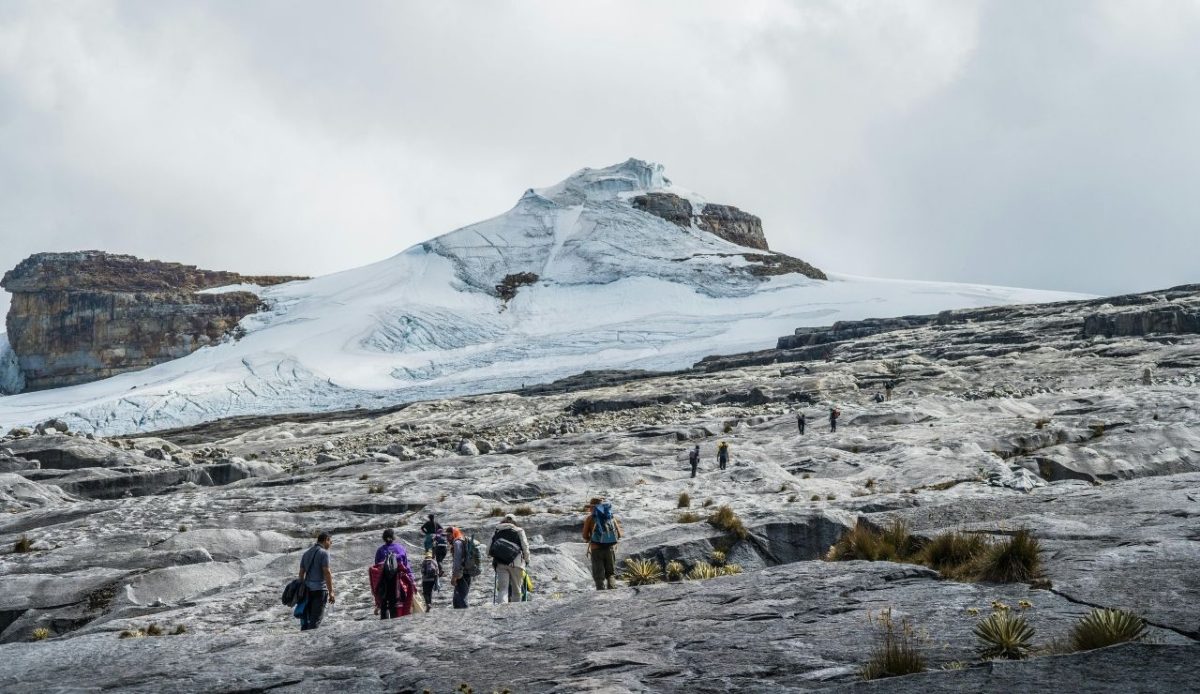
Glacier is singled out because climate change and visitation interact in a tight footprint. Federal science describes major glacier retreat since the early 1900s, and the park has warmed faster than the global average, shifting snowpack and raising fire risk.
Tourism demand clusters in midsummer, when many visitors drive Going to the Sun Road and converge on a few trailheads. Vehicle queues and parking turnover become limiting factors, which is why timed entry and related controls are used to manage flow.
Fodor’s also links the surge to last-chance travel, where people hurry to see ice before more loss occurs. The motive is understandable, but it can intensify congestion and emissions, adding pressure during the park’s sensitive season.
How Other U.S. Places Can Fit The Same Pattern
The No List logic can translate to other U.S. destinations even when they are not named in 2026. Watch for places where access runs through one road, one ferry, or one small airport, because demand spikes cannot be spread across many entry points.
Another signal is reliance on limited water, seasonal fire resources, or a fragile shore and dune system. When agencies add reservations, close areas for restoration, or cut parking to protect habitat, capacity is being recalculated.
Housing pressure can be a parallel trigger. When short-term lodging growth pushes workers out and services thin, basic operations get harder. Fodor’s frames this as a tourism system issue where visitor comfort costs are shifted onto locals.
What Travelers Can Do With The Warning In 2026
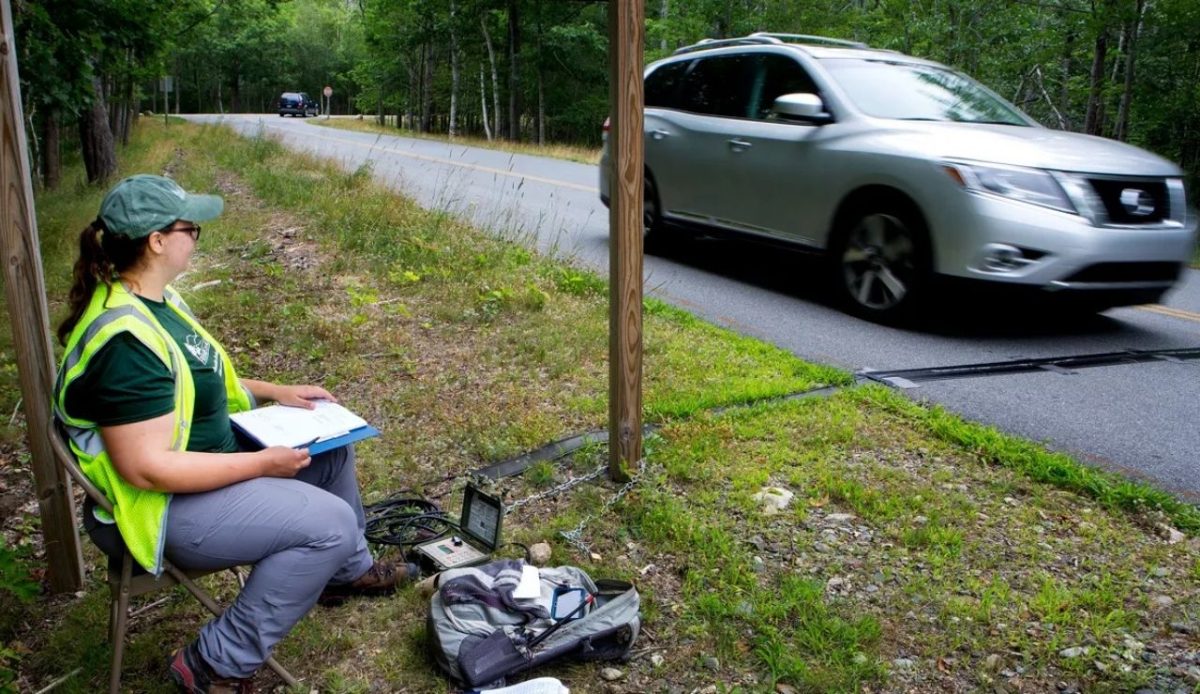
A flag is most useful as a planning constraint. If a trip still makes sense, shift travel to shoulder months and midweek days, when services and trails have recovery time. This spreads demand without removing the economic benefit that gateway towns rely on.
Inside parks, reduce car reliance. Use shuttles where offered, choose one base area per day, and avoid stacking sunrise and sunset drives that repeat the same corridor. Small route choices lower congestion at choke points and cut idling emissions.
Follow the management signal that created the warning. If timed entry exists, treat it as a capacity limit, not a hurdle to dodge. If a trail closes for restoration or wildlife, pick another plan to avoid shifting stress onto fragile zones.
Why The Flag Stays Quiet But Still Matters
Fodor’s keeps the message restrained because travel decisions react to framing. A harsh warning can trigger backlash or a rebound surge from people who treat lists as challenges. A quieter tone pushes readers to see capacity management, not culture conflict.
The approach also protects nuance. A destination can face strain while still being safe, welcoming, and well-run. By focusing on mechanisms like crowd concentration and climate exposure, the list avoids implying that residents oppose visitors as a group.
For 2026, the single U.S. entry makes the point sharply. Glacier is flagged because trends are converging, not because it lacks appeal. The quiet label invites travelers to adapt, so access remains possible without accelerating damage.
