
In many well-known U.S. vacation areas, visitor numbers keep climbing while roads, pipes, and public facilities stay the same size. These towns and parks were built around a resident base plus short summer peaks, not steady demand every month. When the same corridors, lots, campgrounds, and restrooms run near capacity for weeks, wear turns into breakage. More traffic grinds pavement edges, overflow parking crushes shoulders, and trash loads rise faster than pickup cycles. Crews spend more time patching than improving, and service gaps become normal during busy stretches. Small failures then spread quickly.
This article explains how overtourism strains infrastructure through clear mechanisms, not reputation. The focus is on controls that were adopted because unmanaged volume created safety risks or pushed systems beyond operating limits. Timed entry, vehicle reservations, shuttle substitutions, and conservation measures are treated as signals that capacity was exceeded. Each section shows a different pressure point, from narrow roads to water supply, and describes what starts failing first when demand stays high. Attention is kept on physical systems and on the practical fixes used to keep them running.
Cadillac Road Limits In Acadia
Acadia National Park requires vehicle reservations for the Cadillac Summit Road, a response to heavy demand at one of its most visited spots. The park reports more than 4 million visits a year and says visitation has surged almost 60 percent in a decade, producing severe crowding at many destinations. As drivers target a single summit, queues form on approach roads, and parking fills quickly. When that surge repeats daily, pavement and drainage at pullouts take extra stress, and unsafe overflow patterns develop on a corridor with few alternatives. The reservation rule signalsthat unmanaged traffic was pushing the road and lot past limits.
The National Park Service ties the reservation approach to a transportation plan approved after years of work to address traffic congestion and public safety. By assigning arrival windows, the system reduces the bursts that overload the entrance and the summit lot at the same time. That smoothing effect lowers the chance that cars will circle for spaces or stop along shoulders, which can crush vegetation and weaken road margins. The park also describes adaptive monitoring, so the rule can be adjusted as conditions change. In practice, the permit works as a load cap that protects a small piece of infrastructure from constant peak use.
Timed Entry Controls Arches Traffic
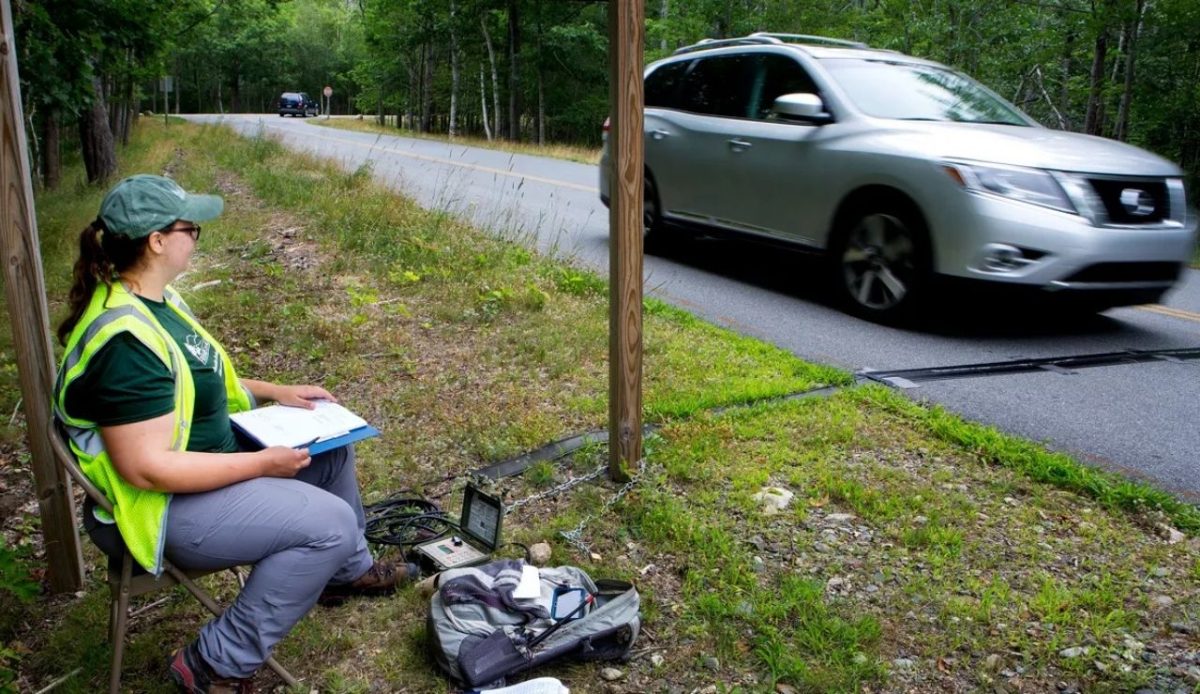
Arches National Park created a timed entry pilot after visitation rose sharply and demand clustered into the same daytime hours. The park reports visitation grew 74 percent between 2011 and 2021 and says the increase was concentrated during certain hours, causing congestion and increased resource damage. When parking areas fill, vehicles circulate on the main drive looking for spots, which raises crash risk and adds wear to road edges and pullouts. Frequent stop-and-go traffic also concentrates braking loads in the same curves and intersections. Timed entry is used to spread arrivals so that those short, intense overload periods occur less often.
For recent seasons, the park has run ticketed entry during set months and daytime hours, with entry before early morning or after late afternoon left open. That structure works like a pressure release because the busiest window is the one most likely to exceed parking and roadway capacity. By limiting how many vehicles can enter per hour, congestion at key destinations is reduced, and staff can focus on repairs instead of constant traffic control. Reservations are handled through Recreation.gov, which makes compliance checkable at the gate. The tool is an admission that the access system cannot safely handle unlimited demand at peak times.
Muir Woods Uses Parking Reservations
Muir Woods National Monument uses a parking and shuttle reservation system because high visitation meets limited road and lot capacity. The National Park Service warns that as visitation increases, public safety risks rise, since limited parking has led to unsafe, illegal parking and foot traffic along narrow roads. Those conditions are infrastructure stress signals because shoulders and road edges become unofficial lots, and pedestrians share tight lanes with moving vehicles. Drainage gets blocked, and sight lines shrink, so small incidents can close the only approach. That choke point can trigger backups that spill into nearby valley roads.
The reservation system is described by the park as a way to better manage visitation levels, reduce overcrowding, and improve safety while protecting surrounding resources. By requiring a reserved arrival for parking or the shuttle, the flow of cars is capped before the access road is saturated. That prevents the pattern of cars stopping wherever space appears, which damages margins and forces more enforcement and maintenance. It also reduces circling and idling in the same narrow corridor. Here, the control exists becausethe infrastructure is too small to absorb unlimited demand without unsafe spillover.
Zion Restricts Oversized Vehicles
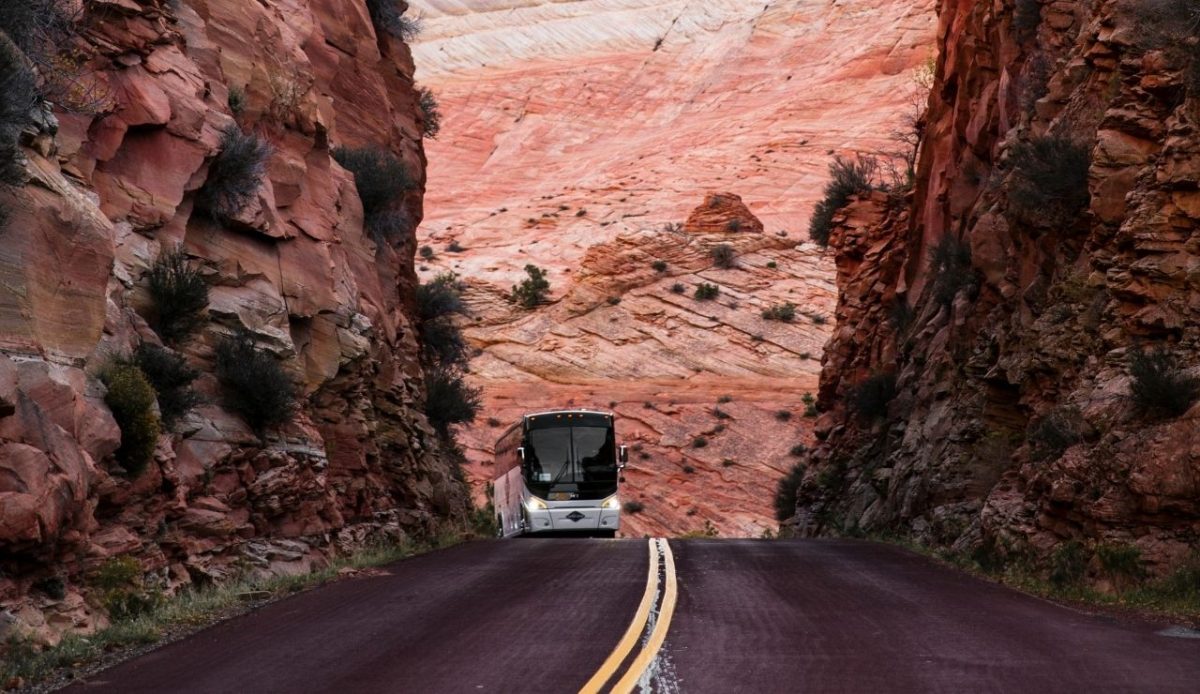
Zion National Park is restricting large vehicles on the Zion Mt Carmel Highway starting June 7, 2026, after safety studies showed oversized rigs cannot safely stay in the lane and exceed bridge weight limits. The park says the change will improve safety, preserve historic features, and reduce delays on the route. This is an infrastructure protection move because the highway, tunnel, and bridges were built for smaller vehicles, and repeated scraping or stuck traffic can damage parts that are difficult to repair. Tourism demand has increased the number and size of vehicles trying to use the corridor at once.
The park explains that vehicles wider or taller than the limits cannot pass through the tunnel in a single lane, and that overweight vehicles exceed limits on four bridges. Under the old escort method, traffic was stopped so large vehicles could move through one at a time, creating long delays and frequent congestion. By enforcing the limits, the stop-and-start pattern is reduced, and risk is concentrated less often at the tunnel portals. Large vehicles are routed around the corridor, shifting pressure away from the most fragile section. Access is narrowed to prevent damage to infrastructure that is hard to rebuild.
Grand Canyon Waterline Breaks Force Limits
At Grand Canyon National Park’s South Rim, infrastructure failure has forced direct limits on visitor services. In December 2024, the National Park Service announced greater water restrictions after a new break in the Transcanyon Waterline, and said the park would remain in conservation mode until repairs were made and storage tanks recovered. Because that line supplies core facilities, a break turns water into a scarce resource for residents and visitors. When demand is high, the buffer in storage tanks is used faster, so disruptions become more severe. The episode shows how a busy gateway can be constrained by one critical line.
The same release listed operational changes tied to the break, including closures of camper services and turning off water spigots in Mather Campground, along with added conservation measures. Those steps show how a single utility failure can force immediate reductions in what a destination can support. Overtourism does not cause every pipe break, but high visitation raises baseline use, leaving less slack when an aging system fails. Visitors are asked to shorten showers and limit water use, which signals a system operating near its limit. A physical break triggers restrictions that keep the park running on reduced supply.
