
Traffic has become a defining part of travel in the United States, but in some vacation regions, it now shapes the entire experience. Long before visitors reach a trail, beach, or landmark, time is already lost in slow-moving lines of cars. What once felt tolerable increasingly decides whether a trip feels relaxing or draining.
These conditions are not temporary. Fixed entry points, narrow corridors, and seasonal visitor surges push road systems beyond their limits. Parking shortages and limited alternatives magnify every slowdown.
When congestion controls arrival timing and daily movement, it changes how trips are judged. The following regions show where traffic has crossed that threshold and now shapes the journey from the first mile.
1. Great Smoky Mountains Gateway Region
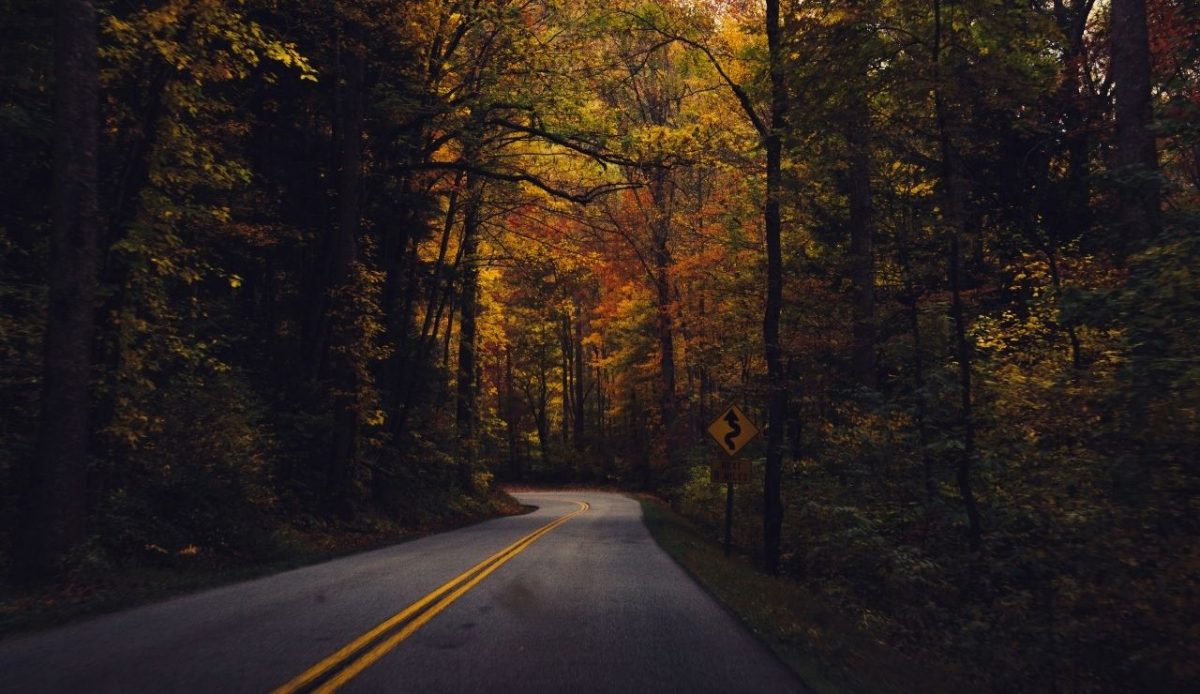
Gateway towns near the Great Smoky Mountains depend on a few winding corridors that also handle daily errands. During summer weekends and fall color peaks, inbound lines build well before the boundary. Delay is pushed by slow entry turns and stalled movement near key trailheads.
Parking inside the park is fixed while demand arrives in waves. Cars circle lots, stop for drop-offs, and rejoin the same narrow roads, so delay compounds. Service gaps can hinder reroutes, and minor crashes are magnified by limited shoulders.
Trips get planned around congestion rather than views. Earlier departures are chosen, midday driving is avoided, and town reservations can be missed. Many visitors trim activities because road time consumes daylight.
2. Central Florida Theme Park Region
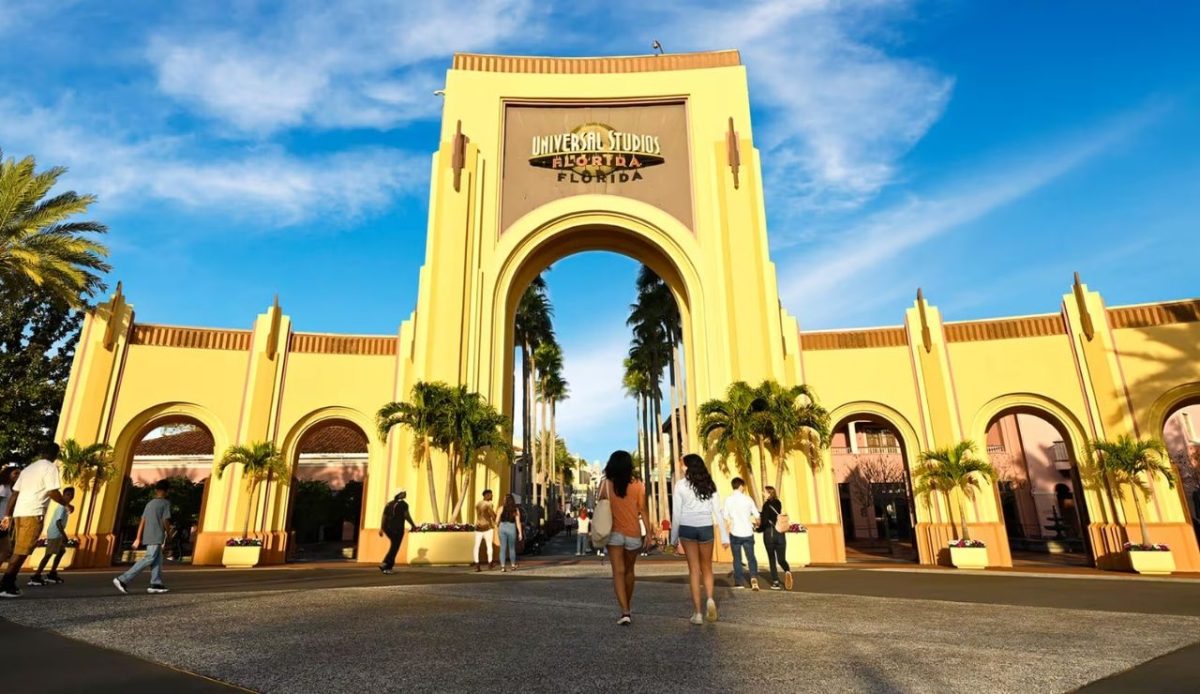
Orlando’s theme park belt funnels cars onto I-4 and a few interchanges linking hotels, parks, and rental routes. Entry surges and exit waves create two daily peaks. When a crash occurs, gridlock spreads because nearby surface streets are already near capacity.
Work zones are frequent, yet added lanes lag behind visitor growth. Short distances can take a long time, turning dining slots and timed rides into risky bets. Parking queues at major parks spill onto arterials and disrupt signal timing.
Travelers adjust to protect the day. Park hopping is reduced, midday hotel breaks are skipped, and reservations are booked with larger buffers. The trip can feel like logistics when a road delay keeps erasing planned hours.
3. Cape Cod Peninsula
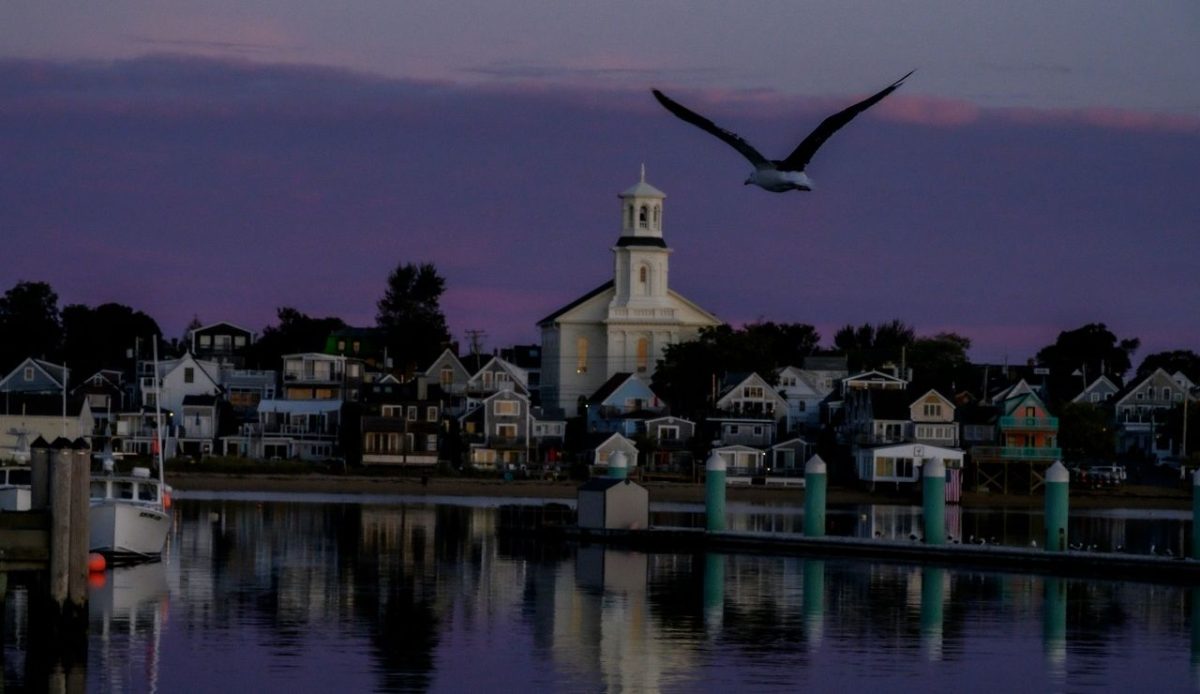
Cape Cod is reached mainly by two canal bridges that act as a hard gate for the peninsula. On summer changeover days, arrivals and departures converge, so backups form well inland. Once the bridge approaches a jam, there is no parallel route to drain the queue.
Roads beyond the bridges are narrow and intersection-heavy, so a stalled mainline spills into towns. Small speed drops can trigger stop-and-go waves that last for hours. The pattern repeats most weekends from late June through August.
Visitors shift travel days or leave before dawn. Some shorten stays to avoid the return slog, while others book closer to the bridge to cut exposure. When access time doubles, a quick beach trip can feel unjustified.
4. Jackson Hole And Grand Teton Gateway
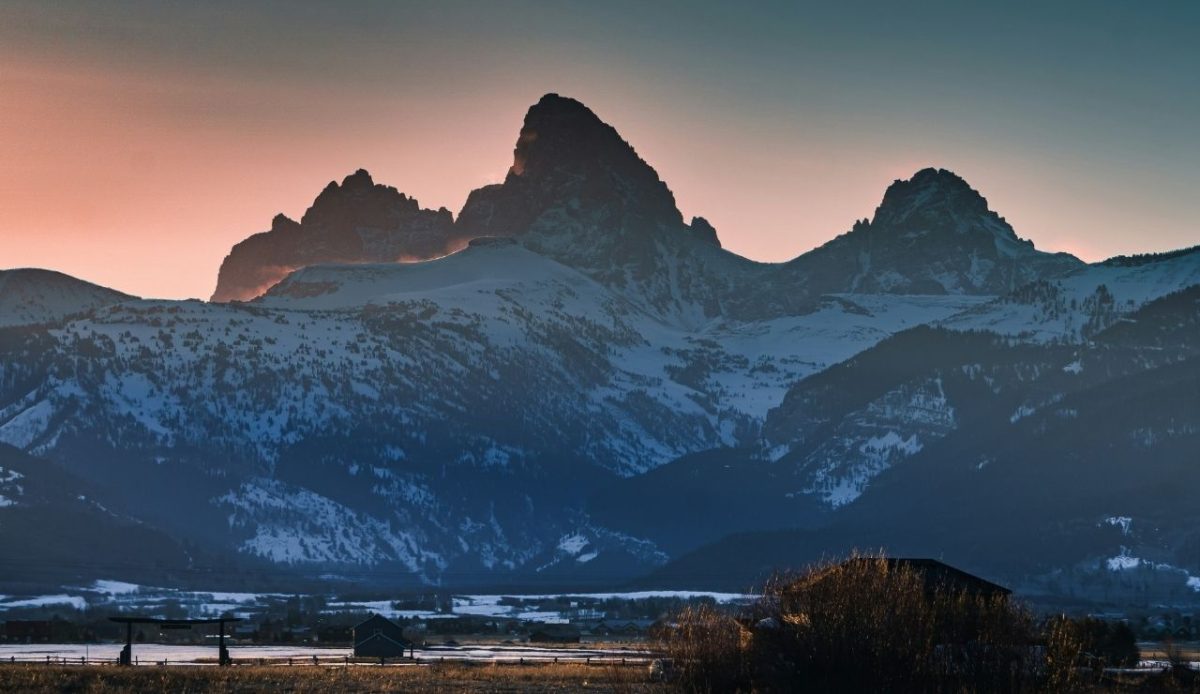
Jackson Hole funnels visitors through a valley where few highways link town, Teton Village, and the park gates. Summer demand rises as wildlife crossings slow speeds, and shoulders stay tight. One lane closure can stretchthe delay for miles because detours are scarce.
Parking demand in Grand Teton clusters at lakes, trailheads, and pullouts. When lots fill, drivers loop and wait, pushing congestion back toward the gate. Road work on US 191 or within the park can compress flow into short windows.
Trips are reshaped by the bottleneck. Sunrise starts are favored, midday repositioning is avoided, and dinner times are planned around uncertain return travel. Many visitors cut stops because every move carries a time penalty.
5. Sedona Red Rock Region
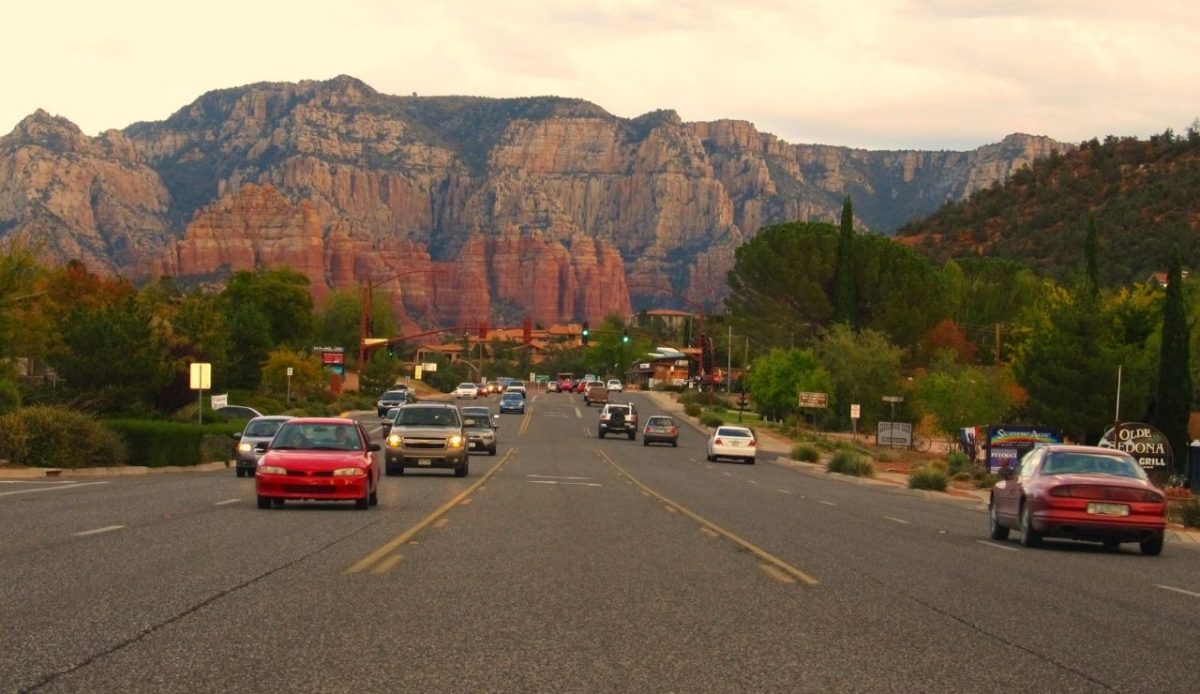
Sedona’s visitor core relies on SR 179 and SR 89A, routes that also serve residents and freight. Peak season brings heavy inflow to trailheads with limited turn lanes. Congestion is created less by distance and more by repeated slowdowns at access points.
Parking drives much of the delay. When parking fills, cars circulate through roundabouts and side streets, then reenter the corridor. Shuttles were added to cut vehicle counts, yet arrival waves still overload the narrow approaches.
Road time shrinks the itinerary. Short moves between sites can take longer than expected, so visitors pick one area and stay put. When quick repositioning fails, the region becomes harder to enjoy on a standard weekend.
6. Yosemite National Park Gateway Region

Yosemite Valley concentrates cars on a small loop with limited parking turnover. During high demand, vehicles are pushed in one direction and stop often for pedestrians and pullouts. Gridlock occurs when lots fill, and circulation breaks down.
Timed entry and reservation systems were adopted to manage volume. Capacity is controlled before the gate, which can reduce internal jams but adds planning friction. Late arrivals may wait a long time for parking or lose access for the day.
Schedules become rigid. Arrival windows are treated like appointments, midday moves are minimized, and backup plans are needed for trailheads. A spontaneous drive through the valley is harder when demand is regulated.
7. Zion National Park Gateway Region
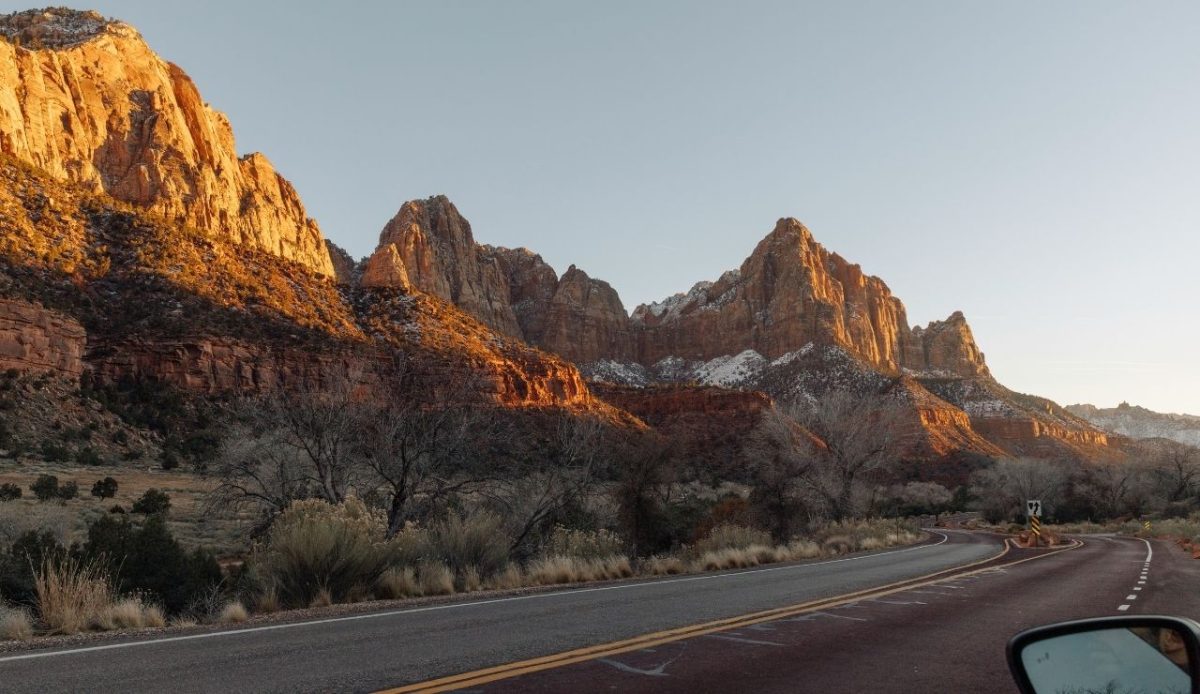
Zion Canyon has one main road through the core, and private vehicles are restricted after congestion makes movement unreliable. In peak season, access is handled by shuttles that replace personal driving. Canyon gridlock is reduced, but pressure shifts to gateway staging.
Parking and boarding in Springdale become the pinch points. Visitors arrive early to find a space, then wait for buses during surges. When lines build, hiking plans slip, and time is lost before reaching the trail.
Traffic still sets the tone even without cars in the canyon. Late arrivals face fewer options, return trips can stack at closing time, and meals are planned around shuttle timing. A day can fall apart if access is reached too late.
8. Acadia National Park And Mount Desert Island
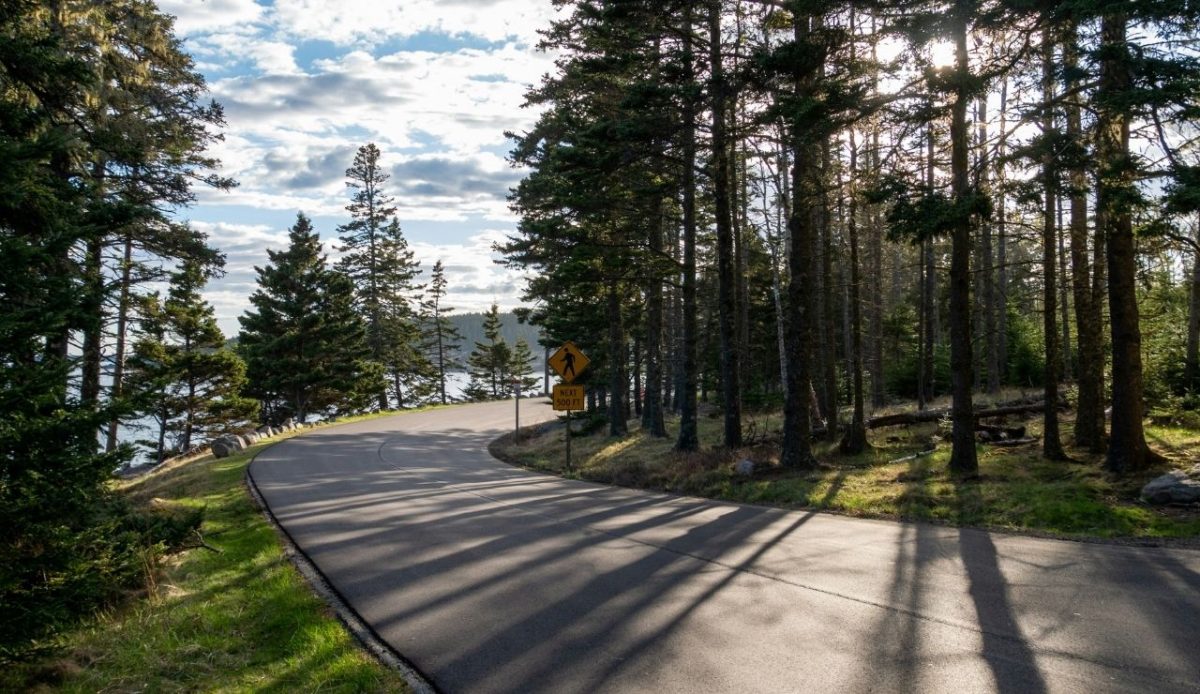
Mount Desert Island draws heavy summer traffic onto a compact road network shared with residents. Routes into Bar Harbor and the Park Loop Road funnel cars through short segments with few passing options. When volume rises, slow speeds spread across the island quickly.
Cadillac Mountain access became a focal point as queues formed on the summit road. A vehicle reservation system meters demand and keeps traffic moving. Even with that control, parking at popular trailheads fills early and triggers circulation loops.
Visitors adjust by choosing fewer driving hops. Sunrise and sunset plans are timed to avoid peak flow, and errands in town are batched. The island feels smaller when road delay turns short transfers into long commitments.
9. Lake Tahoe Basin
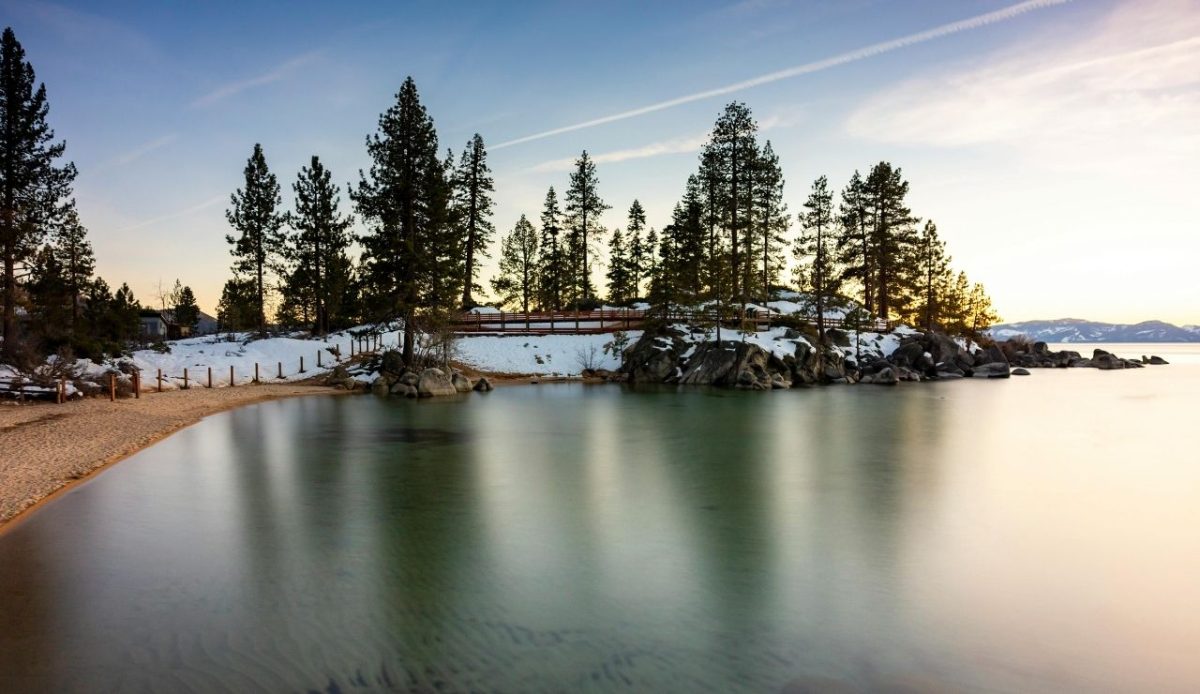
Lake Tahoe traffic runs on state highways that also carry regional through trips. Summer beach days and winter ski weekends load the same corridors at the same hours. Limited shoulders and steep grades help slowdowns propagate far from the shoreline.
Weather and incidents have outsized effects because detours add many miles. Chain controls, spin-outs, and crash scenes are managed on narrow segments, so long queues form quickly. Parking demand near beaches and trailheads adds to turning conflicts that block lanes.
Visitors often stay near one base and reduce day trips around the lake. Dining times are spaced wider, and return drives start early. When a scenic loop becomes a multi-hour crawl, repeat visits are reconsidered.
10. Outer Banks Barrier Islands
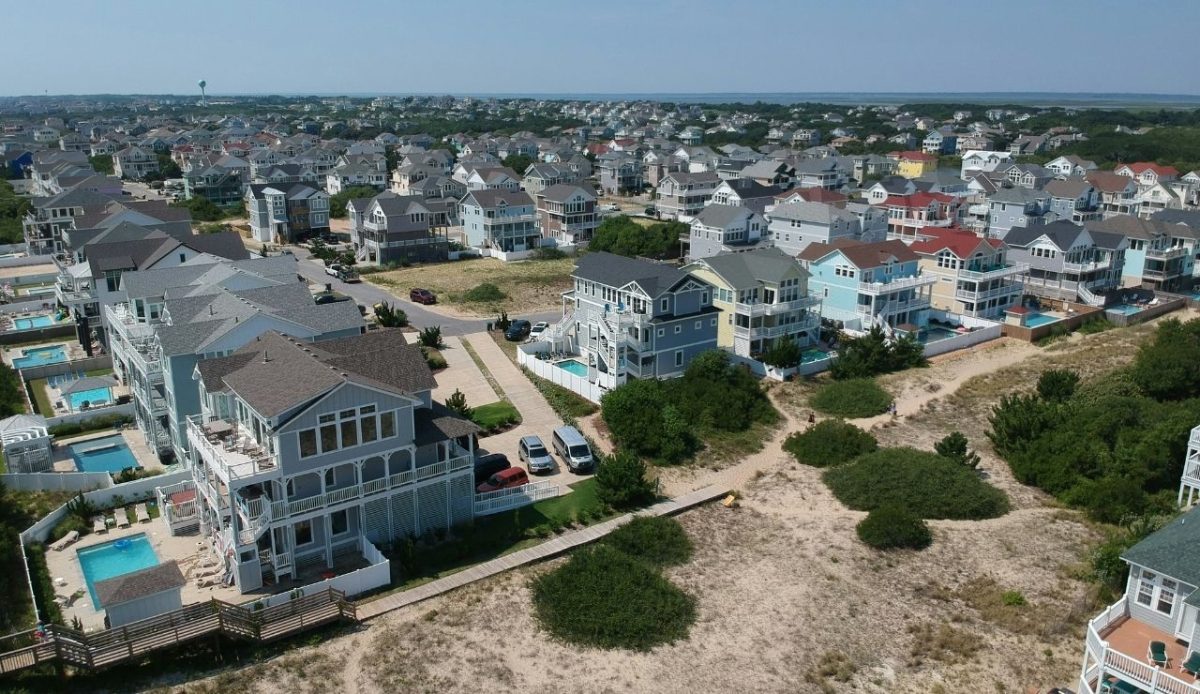
The Outer Banks are reached by a small set of bridges and causeways that act as one entry funnel. On summer turnover days, rental schedules synchronize thousands of cars. A queue at one bridge can back up into mainland highways.
Once on the barrier islands, there are few parallel roads. Beach access points, ferry connections, and drawbridge openings can slow down the same corridor used by everyone. Tropical weather threats add another layer because evacuation routes overlap visitor routes.
Travelers reduce risk by arriving midweek or at off hours, or by staying longer to avoid swap day surges. Day trips between islands are trimmed, and dinner plans stay local. When access feels fragile, the region can lose its easy vacation appeal.
11. Florida Keys Corridor
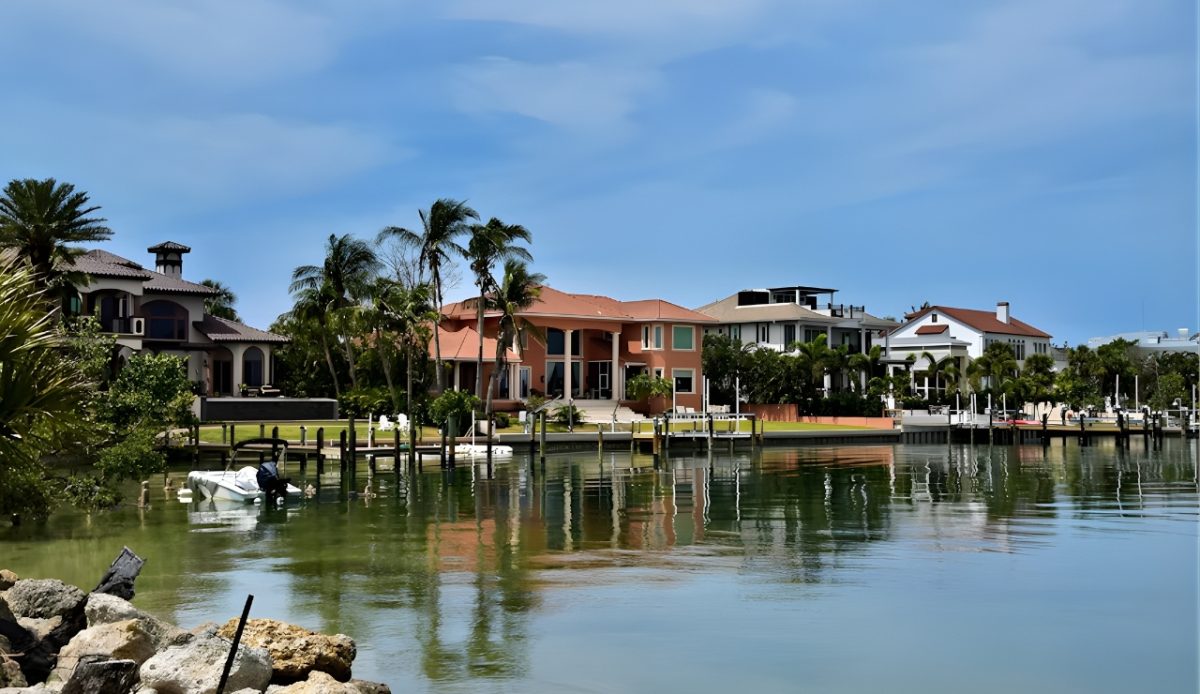
The Florida Keys depend on US 1, a single spine road linking islands over long bridges. Peak travel compresses traffic into one line with limited passing. When speeds drop, the slowdown travels both directions because there is no practical alternative.
Signals and left turns in island towns interrupt flow, and crashes are cleared slowly on bridge segments. Event weekends add surges that overwhelm small parking areas and force circulation. Routine errands can become time sinks when spaces fill.
Visitors cope by shifting their arrival earlier and keeping plans close to lodging. Return drives are started before checkout pressure begins. If the trip back feels punishing, the destination is less likely to be chosen again.
