
Dining out in the U.S. can surprise first-time travelers because menu prices are only the start. Sales tax, service fees, and tipping stack on top, and tourist districts often price in demand. A simple brunch can jump fast once drinks, add-ons, and extras hit the bill.
Costs also vary street to street. Downtown cores, waterfronts, and event zones run higher, while local spots a few stops away can feel normal again. Portion sizes don’t always offset the total, especially for families.
These 11 cities are where visitors most often feel the gap between expectations and reality. Plan ahead: check menus, budget for tax and tip, and treat prime locations as a premium, not the baseline.
1. New York City, New York
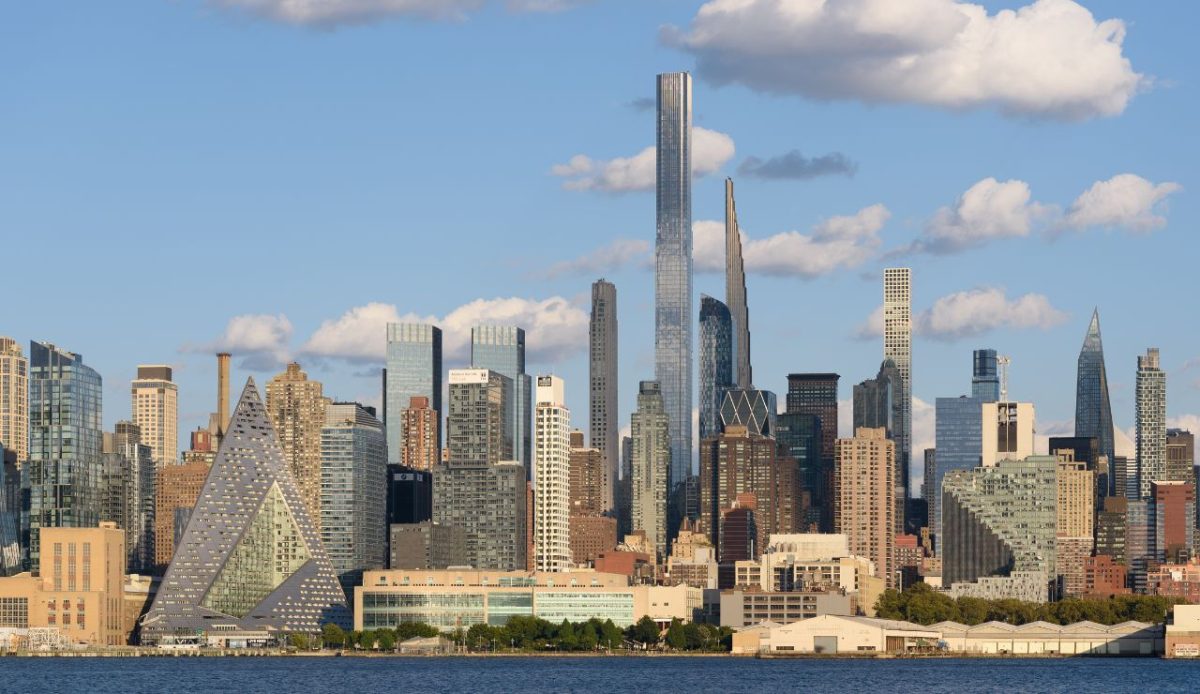
New York City delivers endless food choices, but it also stacks costs in ways first-timers miss. Popular neighborhoods price entrées high, then sales tax and a standard tip push totals up quickly. Add a cocktail, and a “casual” dinner can land in special-occasion territory.
Tourist corridors intensify it. Midtown, Times Square, and prime Manhattan blocks often charge more for the same items you’d find cheaper in outer boroughs. Reservations and peak hours can also nudge you toward pricier menus.
To avoid shock, look at full menus before you sit down, consider lunch specials, and take the subway a few stops for neighborhood spots. Budgeting an extra 25–30% beyond menu prices usually keeps the math honest.
2. San Francisco, California

San Francisco dining costs hit travelers with a one-two punch: high base prices and common added fees. Rent and labor costs show up on menus, and many restaurants include service charges or health surcharges that raise the final bill before tipping even begins.
Where you eat matters. Waterfront areas, Union Square, and trendy corridors can run noticeably higher than neighborhood cafés, yet portions may feel smaller than visitors expect. Parking and rideshare costs can quietly add to the “meal.”
Plan by scanning the restaurant’s fee policy and total pricing online. Consider dim sum, taquerias, and food halls for great value, and don’t assume a listed price is the out-the-door total. In this city, the fine print often costs real money.
3. Los Angeles, California
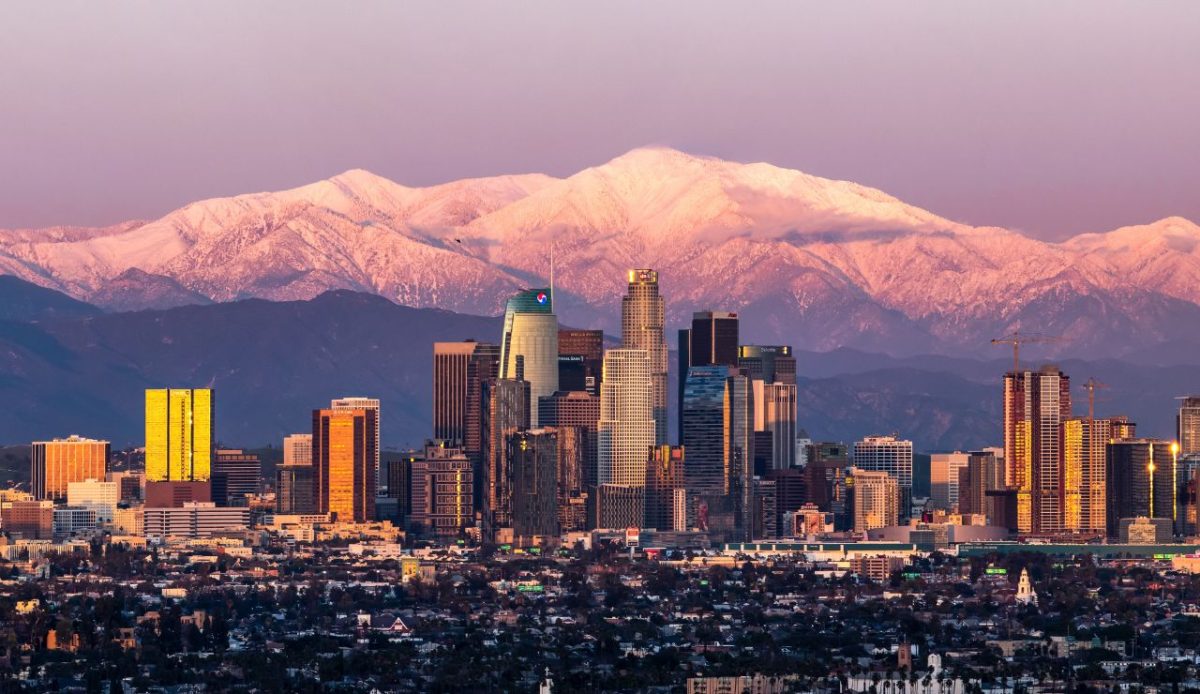
Los Angeles can feel casual, but dining totals often surprise because the city encourages add-ons. Barbecue staples, trendy tacos, and chef-driven spots often cost more than the casual vibe suggests, and long lines can push you toward pricier backups. Add drinks and the bill climbs quickly.
Location drives the swing. Beach cities, West Hollywood, and celebrity-adjacent neighborhoods price for demand, while parking fees and valet can cost as much as an appetizer. Even coffee runs can get pricey in hotspot areas.
To keep costs sane, target neighborhood gems in Koreatown or Eastside corridors, and choose places with clear pricing. Split plates, skip impulse add-ons, and factor in parking before you pick a reservation.
4. Boston, Massachusetts

Boston shocks diners with big-city pricing in a smaller footprint. Seafood, steakhouses, and modern New England menus often start high, and downtown restaurants lean into business and tourist demand. Add tax and tip, and even a simple dinner can feel steep.
Neighborhood choice matters. The Seaport, Back Bay, and near-Fenway areas can run pricier than Cambridge or Somerville, but visitors staying central often default to the most expensive zones. Reservations also steer you toward higher-end rooms.
To reduce sticker shock, prioritize lunch and early-week dining, and look for set menus or bar seating. Grab coffee and pastries from local bakeries, and save the splurge for one iconic seafood meal instead of paying premium prices all trip.
5. Seattle, Washington
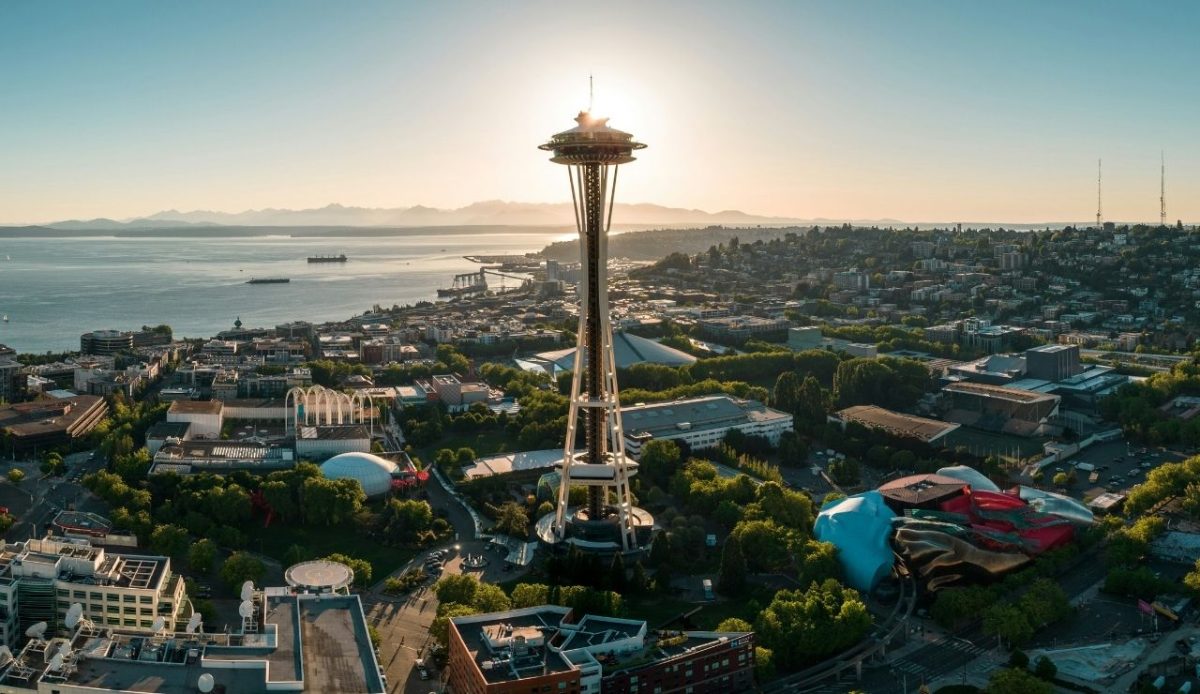
Seattle’s dining costs surprise travelers because “casual” can still be pricey once you see the total. High wages and strong demand lift menu prices, and drinks add up fast. A burger-and-beer night can become a real budget line item.
Tourist zones amplify it. Pike Place-adjacent spots and waterfront dining often cost more than equally good places a short ride away. Specialty coffee culture means even daytime snacking can quietly rack up charges.
Plan with value in mind: mix one standout seafood meal with food trucks, teriyaki, and neighborhood cafés. Use happy-hour windows, and choose counter-service when you can. In Seattle, small choices across a day make the difference.
6. Miami, Florida
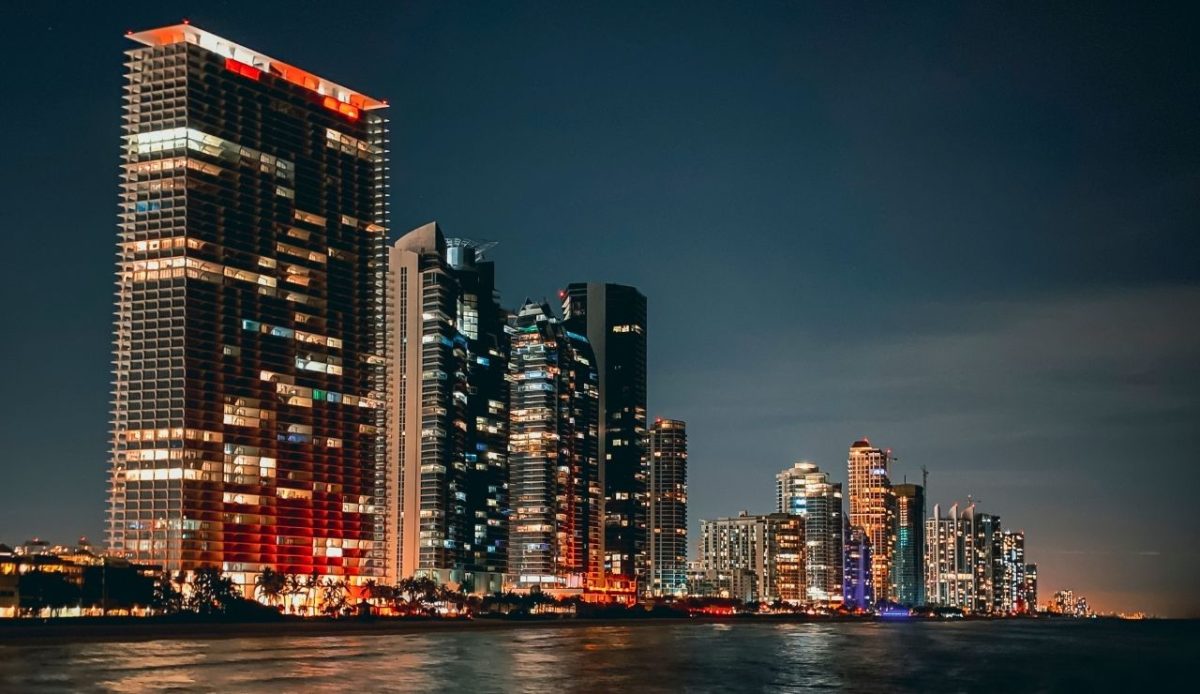
Miami dining shocks first-timers because the city layers “scene” pricing on top of tourist demand. Beachfront and nightlife districts charge premium entrée prices, and service fees can make the final bill jump. Drinks and upscale sides escalate totals quickly.
Neighborhood choice changes everything. South Beach and waterfront hot spots run higher than Little Havana or parts of Wynwood, but visitors who stay near the sand often pay the convenience tax at every meal.
To stay in control, check menus and fees before you sit down and consider lunch for trendy locations. Balance splurges with Cuban cafeterias and counter-service spots, and remember that parking or rideshare surcharges can act like an extra course.
7. Honolulu, Hawaii
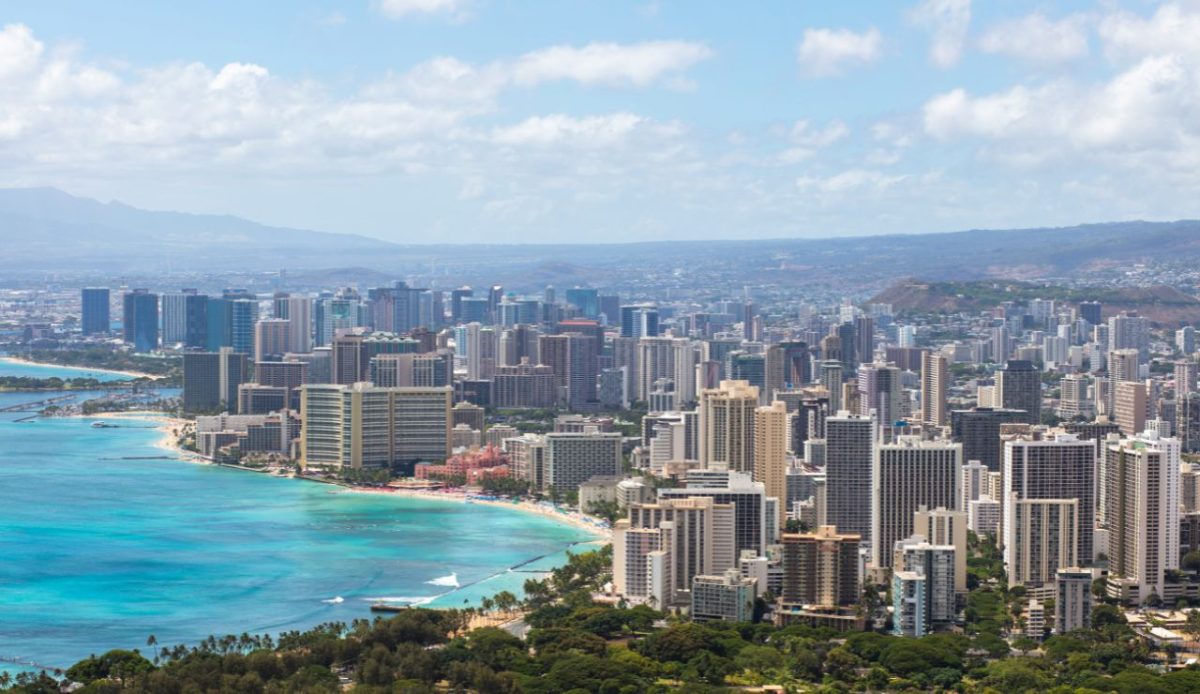
Honolulu dining surprises mainland visitors because island logistics raise prices. Imported ingredients, limited space, and heavy tourism push menu numbers up even for everyday meals. Add resort-area markups and tipping, and totals climb fast.
Waikīkī is the main shock zone. Restaurants price for foot traffic, and drinks can cost as much as an entrée elsewhere. Even “quick” bites near the beach can feel expensive, especially for families.
To eat well without overspending, go a few neighborhoods out for plate lunches, poke shops, and local bakeries. Use farmers’ markets for snacks, and treat oceanfront dining as a planned splurge. Here, distance from the tourist core often equals better value.
8. Washington, D.C.
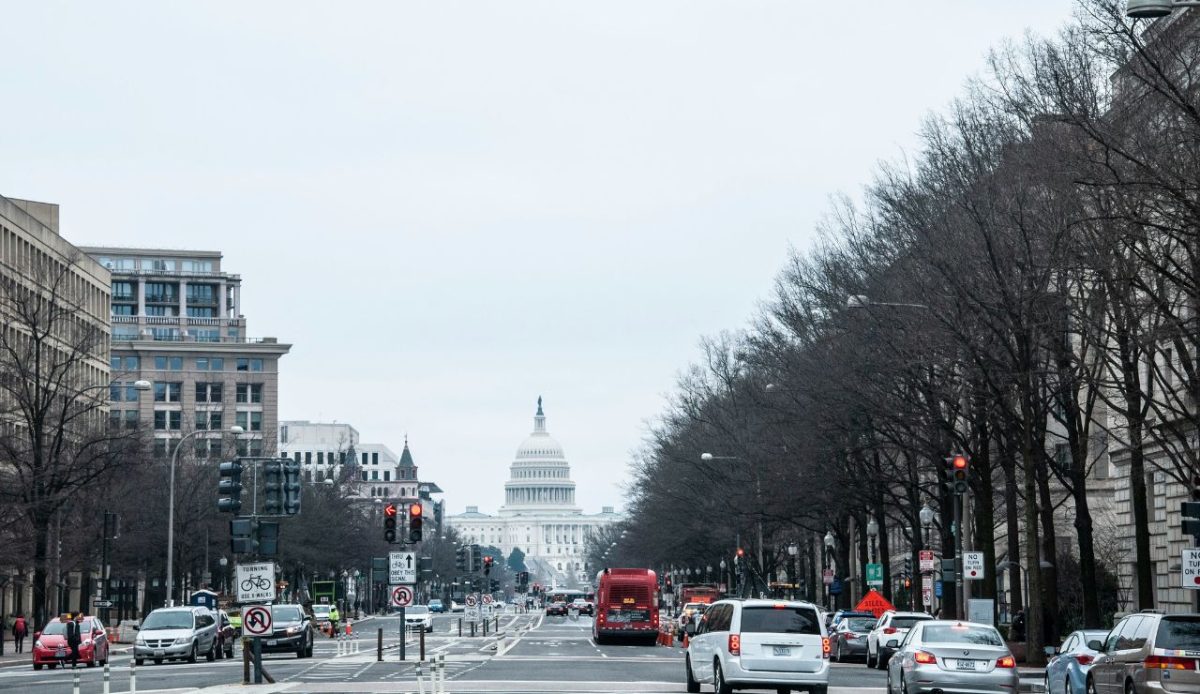
Washington, D.C. surprises diners because many visitors eat in the priciest zones by default. Capitol Hill, downtown, and museum-adjacent areas charge premium prices tied to business travel and tourism, then add tax and tip on top. Coffee and lunch can feel inflated.
Service models add friction too. Some restaurants include service charges or suggested gratuities that confuse first-timers, and deals disappear in peak seasons. Portion sizes don’t always match the check.
For better value, eat where locals do: corridors in Shaw or Columbia Heights, plus Arlington across the river. Use lunch specials, fast-casual ethnic spots, and food halls to balance one nicer dinner. In D.C., location matters as much as cuisine.
9. San Diego, California
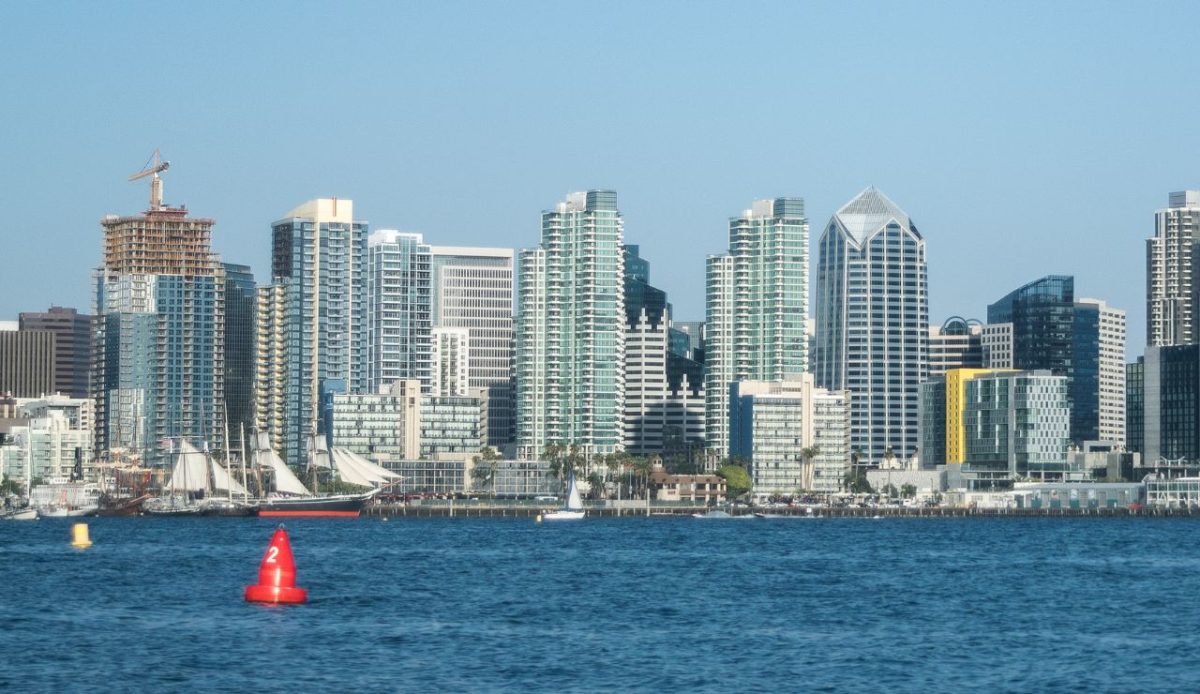
San Diego looks laid-back, but dining costs can hit hard in beach neighborhoods. Gaslamp, Little Italy, and coastal areas price for tourism and limited parking, so even casual seafood and tacos can cost more than expected. Craft beer and cocktails raise totals quickly.
Visitors also pay for convenience. Waterfront views, patio seating, and walkable districts come with higher menu prices, plus tax and tip. Add parking or rideshare, and the “cheap” meal becomes a pricey outing.
To keep surprises down, mix in neighborhood taquerias and markets away from the shoreline, and use lunch as your splurge. Check happy-hour menus, split shareable plates, and plan parking before you choose a restaurant. Here, the view often has a price tag.
10. Austin, Texas
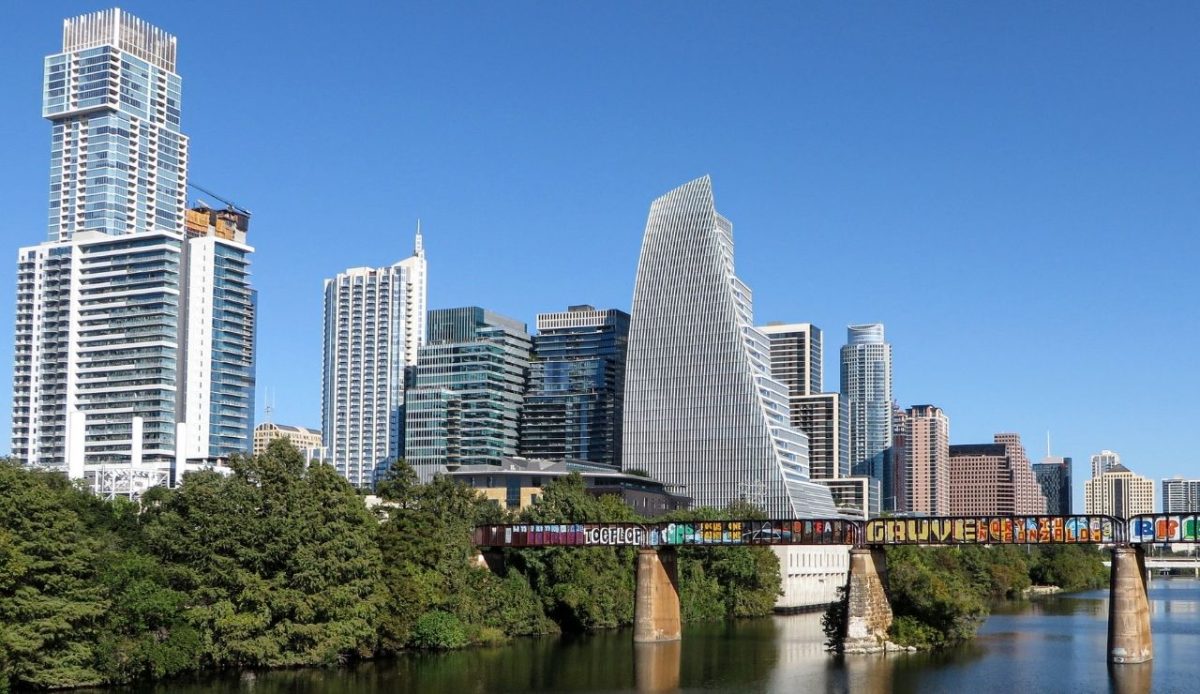
Austin’s food scene is famous, and that fame drives prices in ways newcomers don’t expect. Barbecue staples, trendy tacos, and chef-driven spots often cost more than the casual vibe suggests, and long lines can push you toward pricier backups. Add drinks and the bill climbs quickly.
Festival weeks amplify sticker shock. Downtown and South Congress restaurants’ prices for peak demand, and rideshare surges make dining out feel doubly expensive. Portions vary, so value isn’t guaranteed.
To manage costs, plan one must-try barbecue meal, then balance it with food trucks, counter-service Tex-Mex, and lunch specials. Check menus, share large plates, and avoid dining right after big events let out. In Austin, timing can matter as much as taste.
11. Las Vegas, Nevada
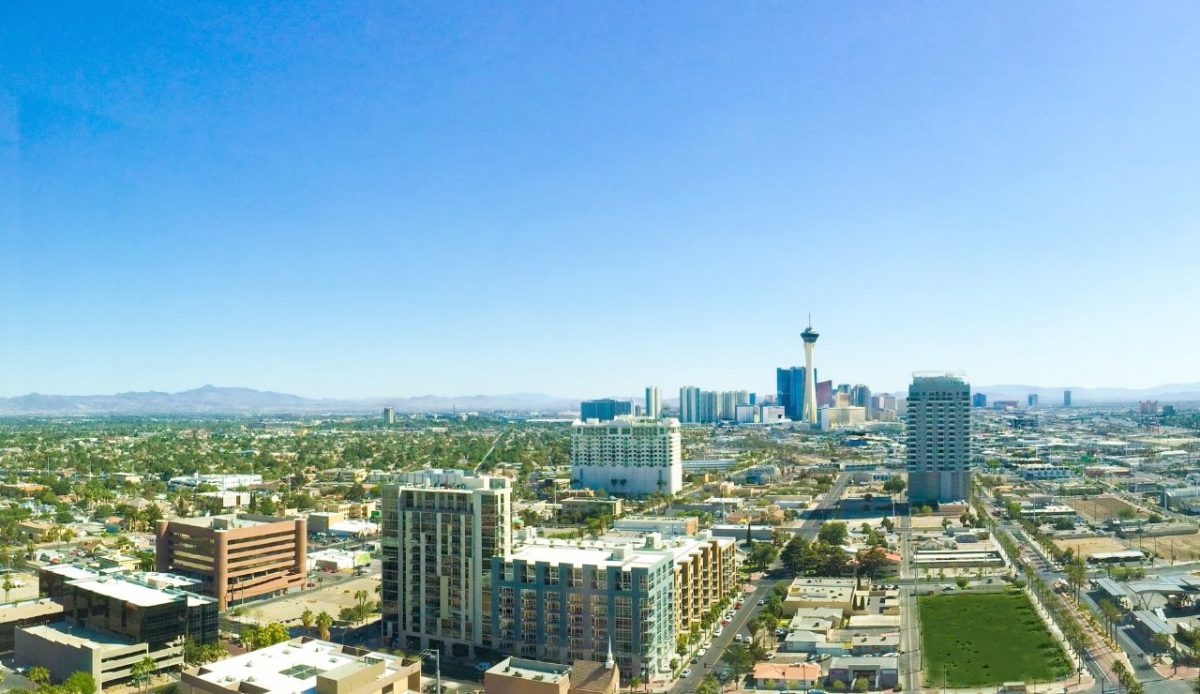
Las Vegas dining shocks first-timers because resort pricing turns meals into entertainment. On the Strip, restaurants pay high rents and capture foot traffic, so even familiar chains can cost more. Add cocktails and show-night demand, and totals jump.
Extra charges pop up quickly. Service fees, pricey bottled water, and “small plate” menus can inflate a check without feeling like you ordered much. Food courts and celebrity venues aren’t always cheaper; they’re just faster.
For better value, go slightly off-Strip for locals’ favorites, or use happy hours and prix-fixe deals. Set a drink budget before you sit down and check gratuity rules. In Vegas, the meal can be part of the gamble.
