
Some U.S. trails are famous for views, but they’re also known for rescues, severe injuries, and occasional fatalities when conditions turn or hikers overestimate their margins. This list focuses on routes where steep terrain, fast-changing weather, water hazards, or isolation have repeatedly created real emergencies.
“Never return from” isn’t a dare; it’s a reminder that small mistakes compound when help is far away. Even experienced hikers can be caught by heat, lightning, slick rock, hypothermia, or simple exhaustion.
If you hike any of these, plan conservatively: check current conditions, start early, carry more water than you think, and turn around before you’re forced to. The safest summit is the one you can walk away from.
1. Half Dome Cables (Yosemite National Park, California)
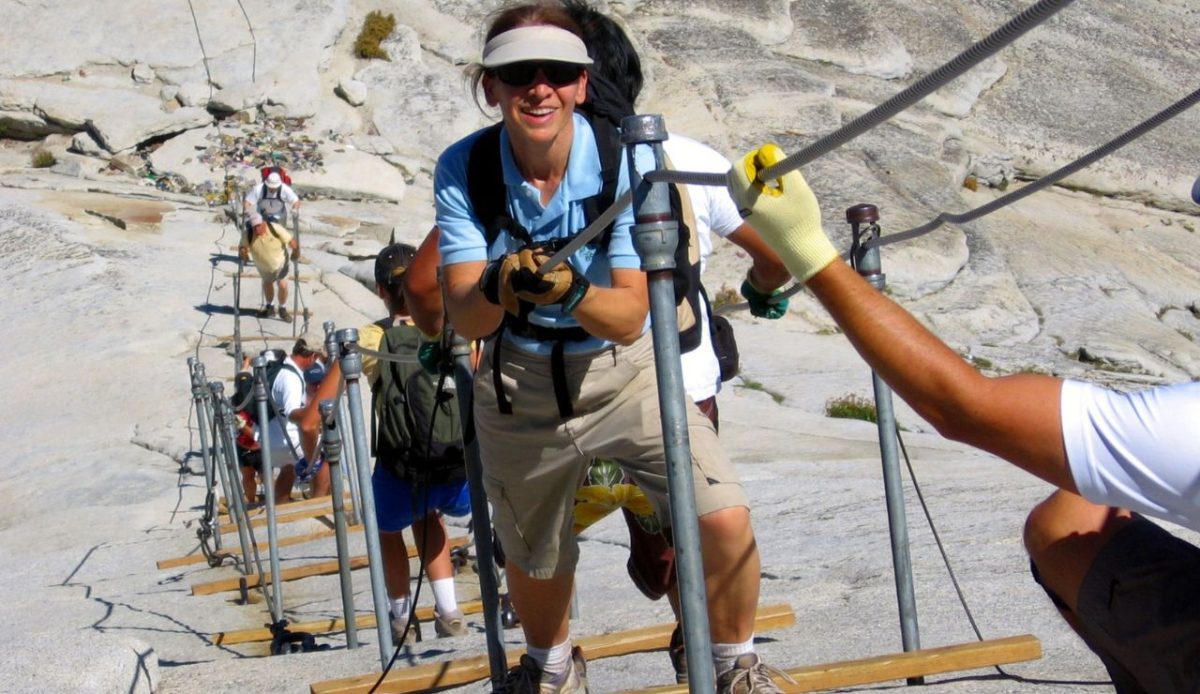
Half Dome’s cable route is essentially a steep granite ramp with handrails, and friction is everything. When the rock is wet, icy, or crowded, a slip can become a long fall in seconds, especially on the smooth middle section.
Many incidents happen when hikers push past weather changes, underestimate the climb down, or attempt the cables without gloves and steady footing. Thunderstorms can roll in quickly and make the surface slick, and lightning is a real risk on exposed granite.
Treat this as a conditions-dependent climb, not a casual walk. Go only with a solid forecast, turn around if the cables feel unsafe, and keep extra time in your plan for slow traffic on the ascent and descent, so you’re not rushing when fatigue hits.
2. Angels Landing (Zion National Park, Utah)
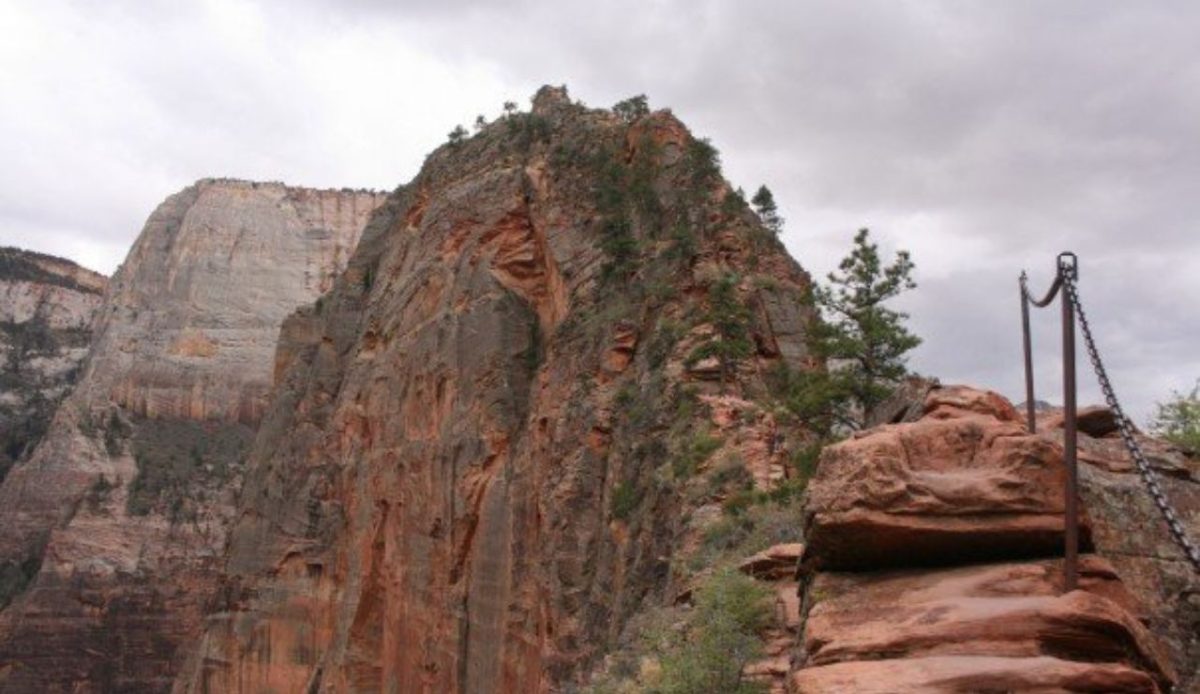
Angels Landing is short on mileage but big on consequence: narrow rock, steep drop-offs, and chain-assisted sections where balance matters more than speed. Bottlenecks can form, and passing other hikers is often the riskiest moment, because there’s little room for error.
Falls have happened on and near the spine, and wind gusts or wet rock can turn a confident step into a scramble, especially for hikers carrying bulky packs. The route also tempts tired hikers to push through fear rather than back off.
Go only if you’re comfortable with exposure, keep three points of contact on the chains, and don’t force a pass. If crowds spike or weather shifts, the smartest move is turning around early, before commitment replaces judgment.
3. Grand Canyon Rim-to-Rim (Arizona)
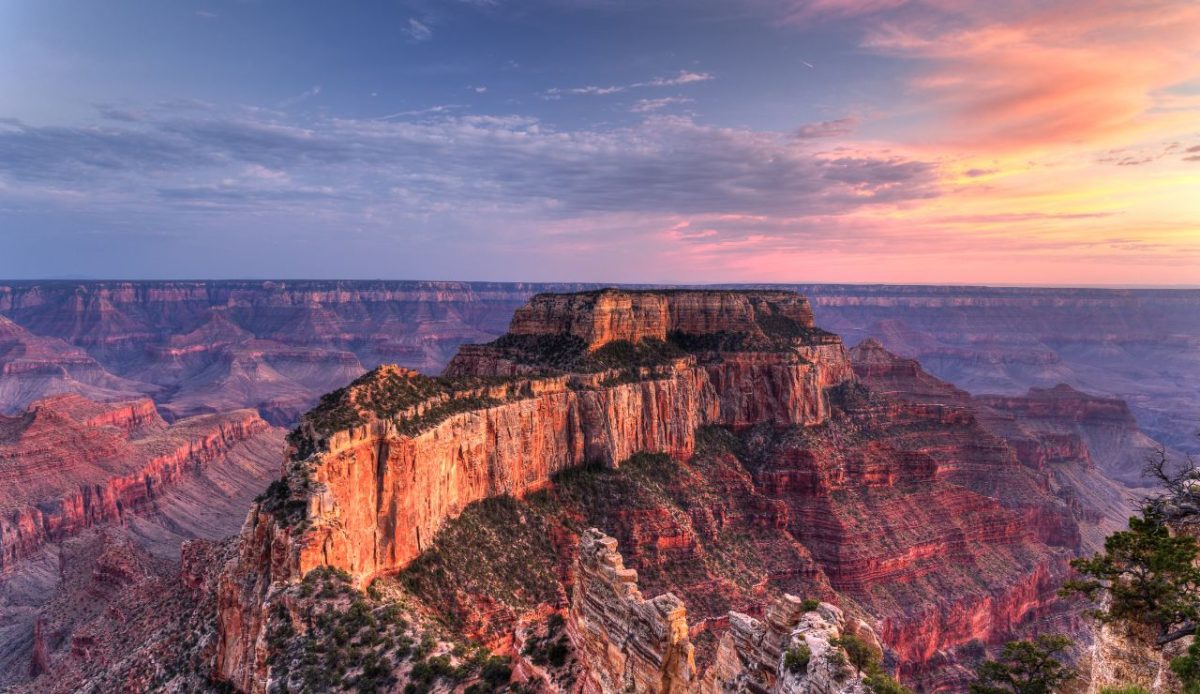
Rim-to-Rim is a serious endurance hike with huge elevation change and long stretches where the canyon heat can overwhelm even fit hikers. In summer, inner-canyon temperatures can spike while the rims feel mild, creating a dangerous mismatch in planning.
Heat illness, dehydration, and hyponatremia are common themes in Grand Canyon rescues, especially when hikers try to do the full crossing in a single day. Once you’re deep, turning back is hard, and help may be delayed.
Start before sunrise, carry an electrolyte strategy, not just water, and pace for the climb out, not the descent in. If conditions or your body say “no,” treat that as the trip report and stop.
4. Mount Whitney Trail (Inyo National Forest, California)
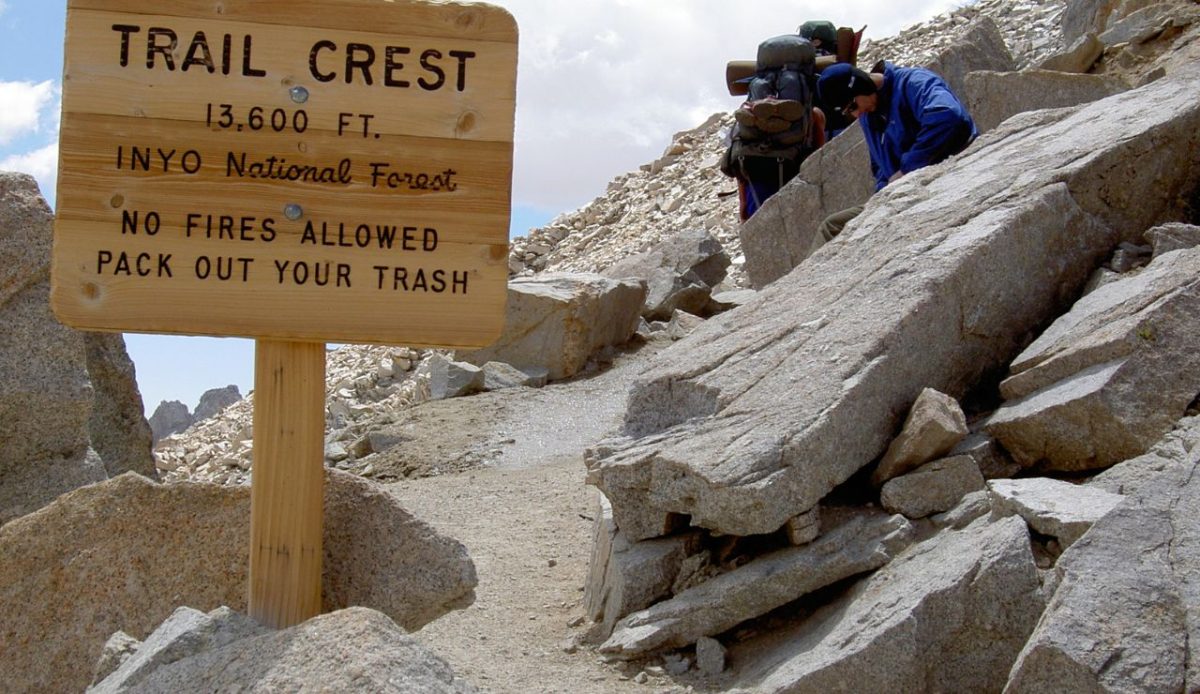
Mount Whitney’s main trail is well-built, but altitude is the hidden tax. Many hikers arrive from sea level, start too fast, and then run into headaches, nausea, or worse as oxygen drops and the switchbacks keep coming, turning a “long day” into a medical problem.
The weather also changes quickly above treeline. Afternoon storms, cold wind, and sudden temperature drops can hit when hikers are far from shelter and already exhausted from the long approach and the equally long descent.
Acclimatize if you can, start in the dark to beat storms, and watch for symptoms that don’t improve with rest and food. Turning around early is not failure; it’s the correct response to altitude, dehydration, or cold stress.
5. Longs Peak Keyhole Route (Rocky Mountain National Park, Colorado)
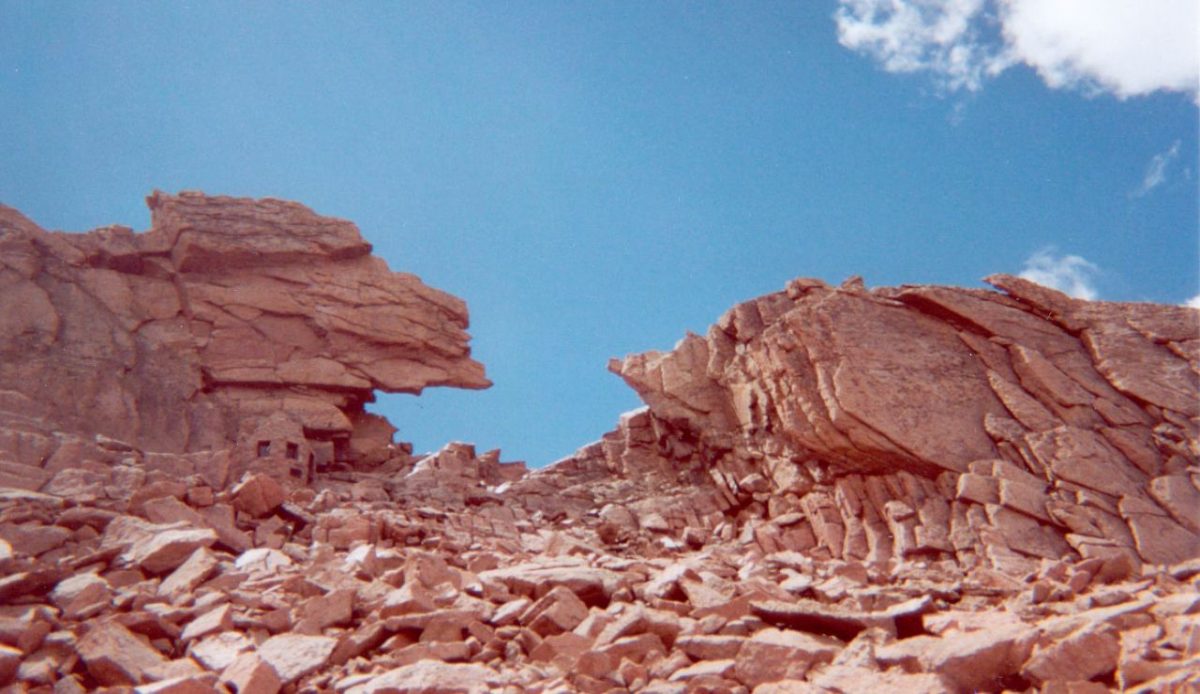
Longs Peak’s Keyhole Route is a hike until it isn’t. Above the Keyhole, you’re on exposed ledges and scrambling terrain where route-finding matters, and mistakes can send people onto loose rock or into technical ground when visibility drops.
Colorado’s high-country weather is a constant threat. Lightning, graupel, and sudden wind can hit fast, and the descent is often more hazardous than the climb because tired legs and wet stone don’t mix.
Start extremely early, know the turnaround time before you leave the trailhead, and don’t “just see how it goes” past the Keyhole. If clouds build, you’re not losing time by retreating; you’re buying safety and energy for the walk out.
6. Kalalau Trail (Nā Pali Coast, Kaua‘i, Hawai‘i)
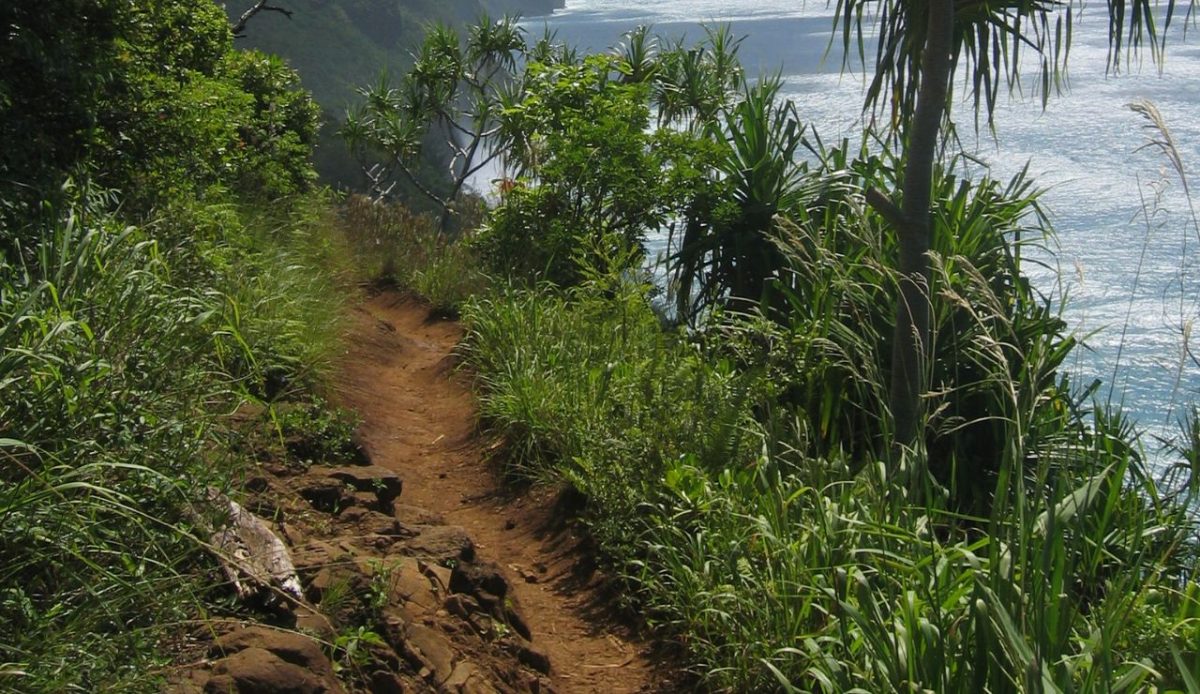
Kalalau is stunning, but it’s also narrow, steep, and carved into eroding coastal cliffs, with drop-offs that feel immediate. Sections can turn muddy and slick after rain, and a single misstep can mean a fall where rescue is difficult, and weather can delay helicopters or boats.
Water is the other hazard. Streams can surge during flash floods, trapping hikers or making crossings unsafe, and ocean conditions near beaches can be dangerous even for strong swimmers, with currents that change quickly.
Respect closures and weather alerts, give yourself buffer days, and avoid crossing swollen streams. Footwear with real traction matters here, and so does patience; waiting for safer conditions is often the best decision.
7. The Narrows (Zion National Park, Utah)
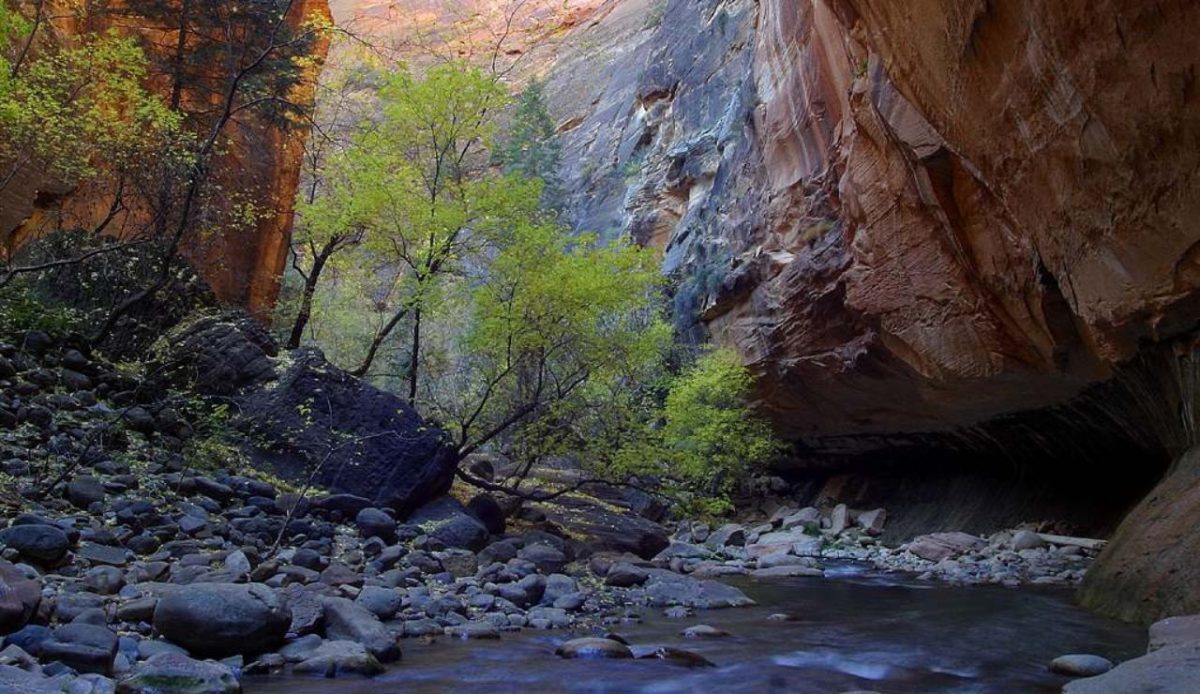
The Narrows puts you in the river for much of the route, which means footing is unstable and the canyon can funnel water with little warning, and there’s limited high ground to escape. Even when the sky is clear above you, storms far upstream can trigger flash floods.
Hypothermia is another quiet risk. Cold water plus shade and wind can drain body heat fast, especially if you’re wet for hours and stop moving, or if you’re underdressed for the season.
Check flow rates and flash-flood forecasts before you enter, rent proper canyon footwear if needed, and turn around at the first sign of rising, muddy water. In a slot canyon, “wait it out” can be the wrong gamble. A sturdy walking stick also helps prevent ankle injuries on slick stones.
8. Knife Edge Trail (Mount Katahdin, Maine)
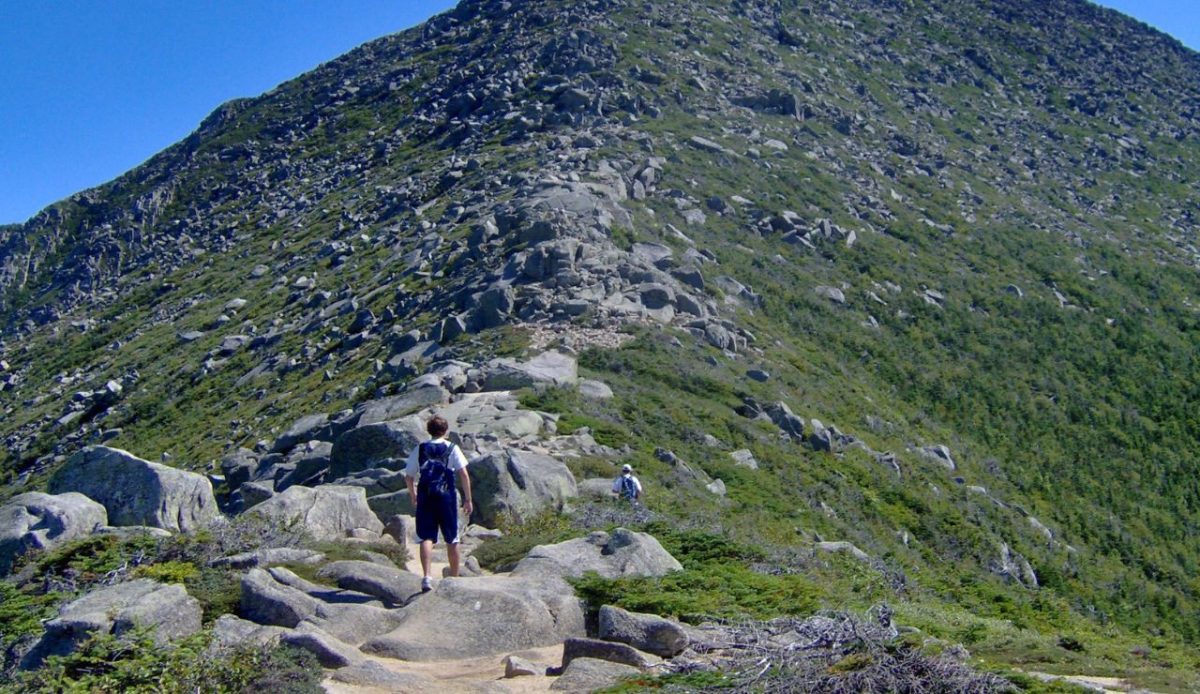
Katahdin’s Knife Edge is exactly what it sounds like: a narrow ridge with steep drops, constant exposure, and scrambling moves that require steady hands. Weather in Baxter State Park can change quickly, and fog can make the ridge feel disorienting, and cold rain can arrive without much notice.
Even on a good day, fatigue is a factor. Many hikers reach the Knife Edge after a long approach, and tired legs plus slick rock is a bad combo when every step is a balance check and handhold.
Go only in stable weather, keep your pack light, and commit to slow, deliberate movement. If wind picks up or clouds roll in, bail early; this ridge doesn’t offer many safe “pause points,” and late-day descents raise the stakes.
9. Huntington Ravine Trail (Mount Washington, New Hampshire)
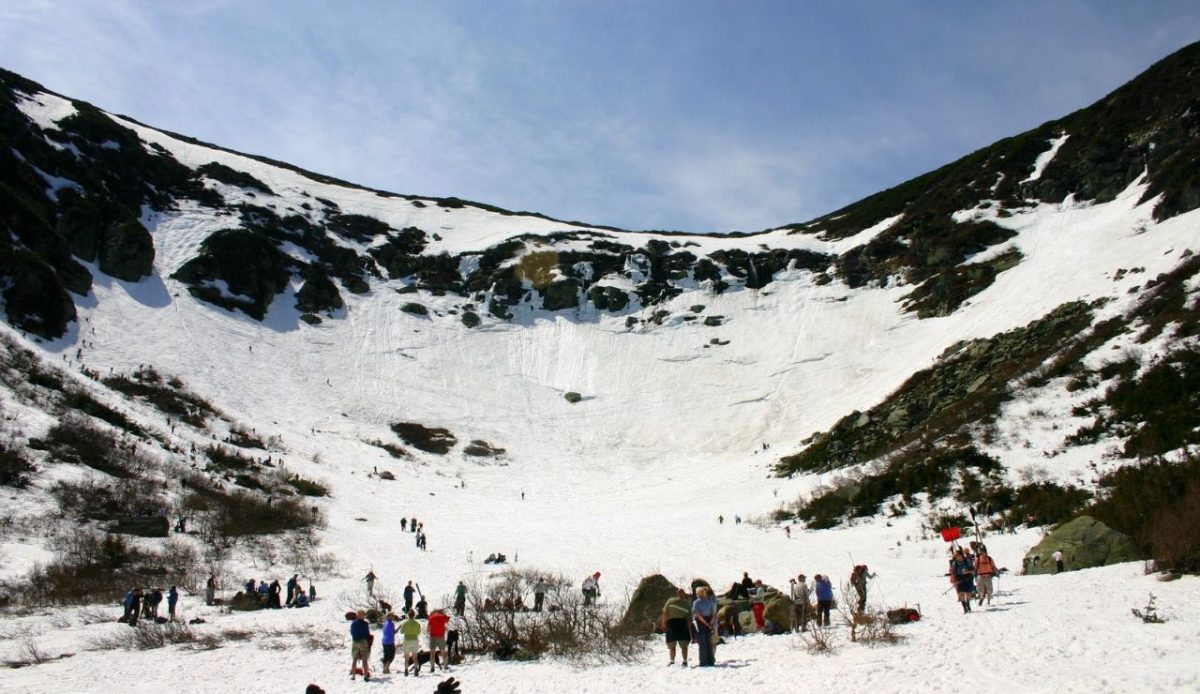
Huntington Ravine is a steep, rocky route that crosses slabs and scrambles where a fall can be serious, and injuries can be hard to evacuate from the ravine. It’s often described as more of a mountaineering-style hike than a casual trail, especially when the rock is wet.
Mount Washington’s weather reputation is earned. Strong wind, sudden fog, and fast temperature drops can turn navigation and footing into the main challenge, even in summer, because much of the route is exposed above treeline.
Choose this only if you’re comfortable scrambling, carrying layers, and traction for shoulder seasons, and know your escape options. If conditions degrade, dropping back to safer trails is the correct call, not a defeat.
10. Lost Coast Trail (King Range National Conservation Area, California)
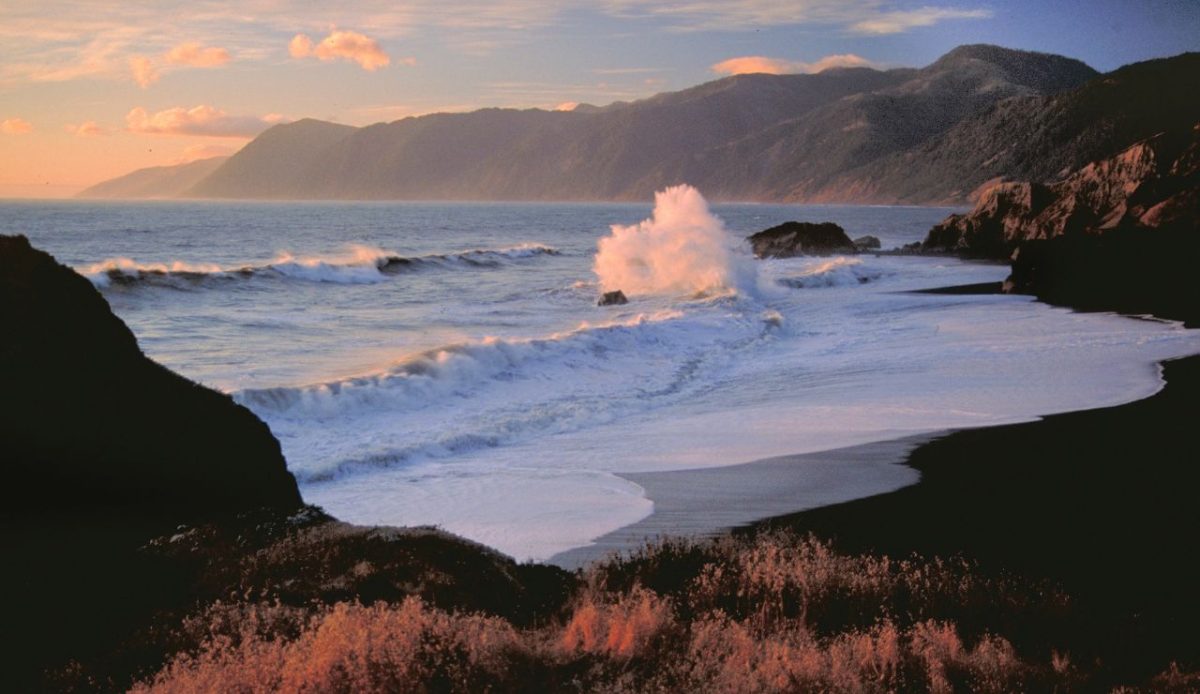
The Lost Coast Trail is remote shoreline hiking where tides, surf, and isolation set the rules. Certain “impassable at high tide” zones can trap hikers against cliffs if timing is off by even an hour, and there are long stretches with no quick exit or easy resupply.
Footing is slow and punishing: loose cobbles, slippery rocks, and sand that eats energy. Add cold water crossings and coastal weather, and small problems, blisters, soaked gear, and an ankle roll, can snowball.
Plan with tide tables, carry a real communication option, and pack for wet conditions even on sunny forecasts. If you miss a tide window, wait it out safely rather than forcing a sketchy traverse.
11. The Maze District Routes (Canyonlands National Park, Utah)
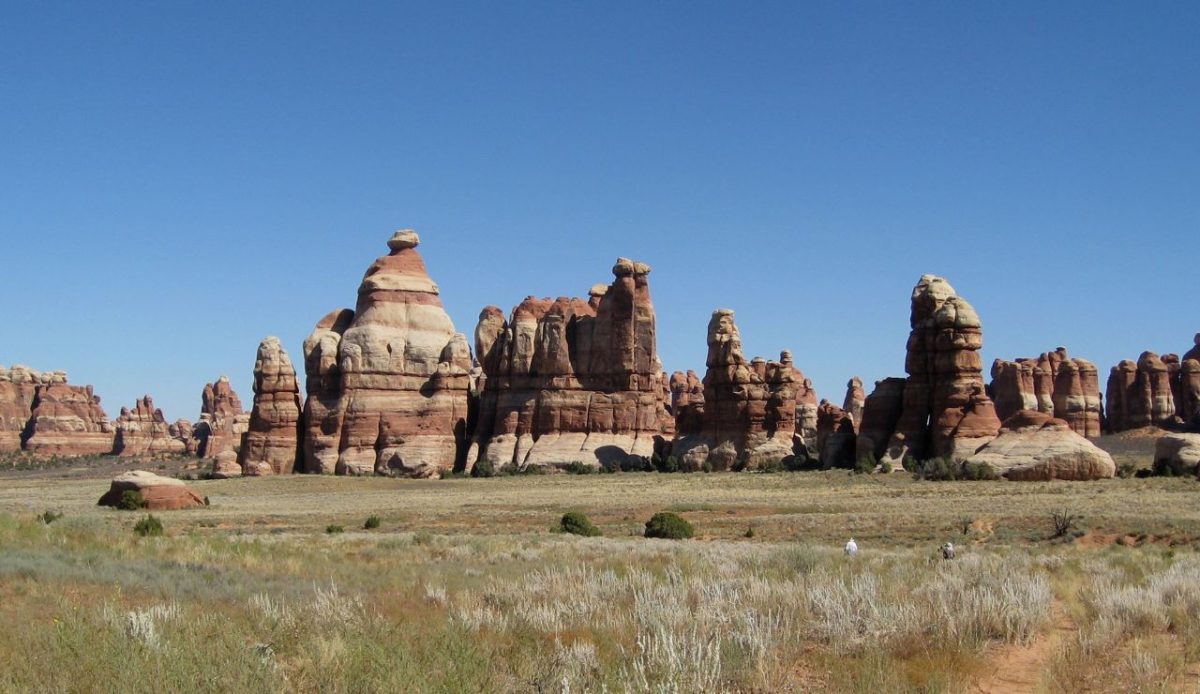
Canyonlands’ Maze is named honestly: vast desert, few signs, limited cell service, and terrain that can look the same for miles, especially on slickrock benches and washes. Navigation errors here don’t just cost time; they can strand hikers without shade, water, or a clear route back.
Heat and dehydration are the big threats, but exposure works both ways. Nights can be cold, storms can make roads impassable, and rescues may take longer because access is so limited.
Treat this like a backcountry expedition. Carry redundant navigation, cache or over-carry water, and have a plan for delays, including vehicle issues on the approach roads. If you’re unsure of the route, don’t “wing it”, in the Maze, uncertainty compounds fast.
12. Timberline Trail (Mount Hood, Oregon)
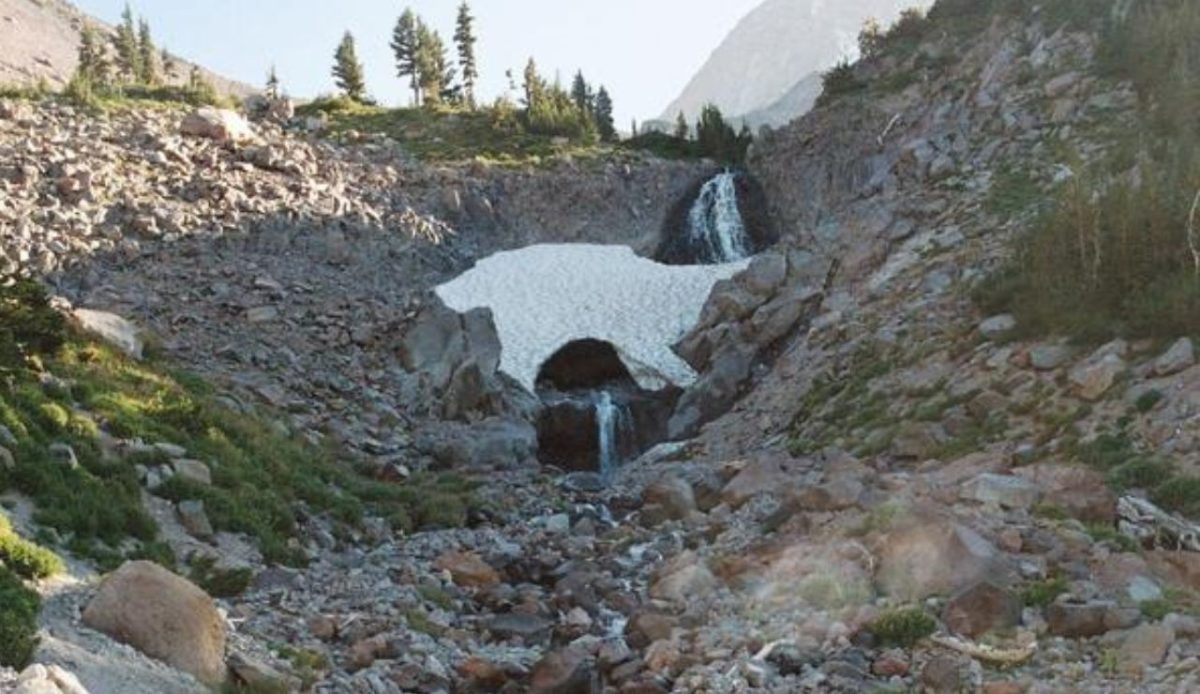
Mount Hood’s Timberline Trail circles a glaciated volcano, and the challenge isn’t a single climb; it’s repeated river crossings fed by snowmelt. Later in the day, water rises, logs shift, and a misstep can mean a cold, fast sweep downstream, which becomes dangerous when you’re alone or tired.
Weather and visibility can also swing quickly around the mountain. Fog can erase landmarks, and wind-driven rain can chill hikers who planned for a sunny loop, especially outside peak summer.
Start crossings early, unbuckle your pack straps for safety, and don’t force a ford that feels wrong. Bring layers and a navigation backup, because “easy to follow” can change fast when clouds drop, and the tread blends into pumice and rock.
13. Mist Trail (Yosemite National Park, California)
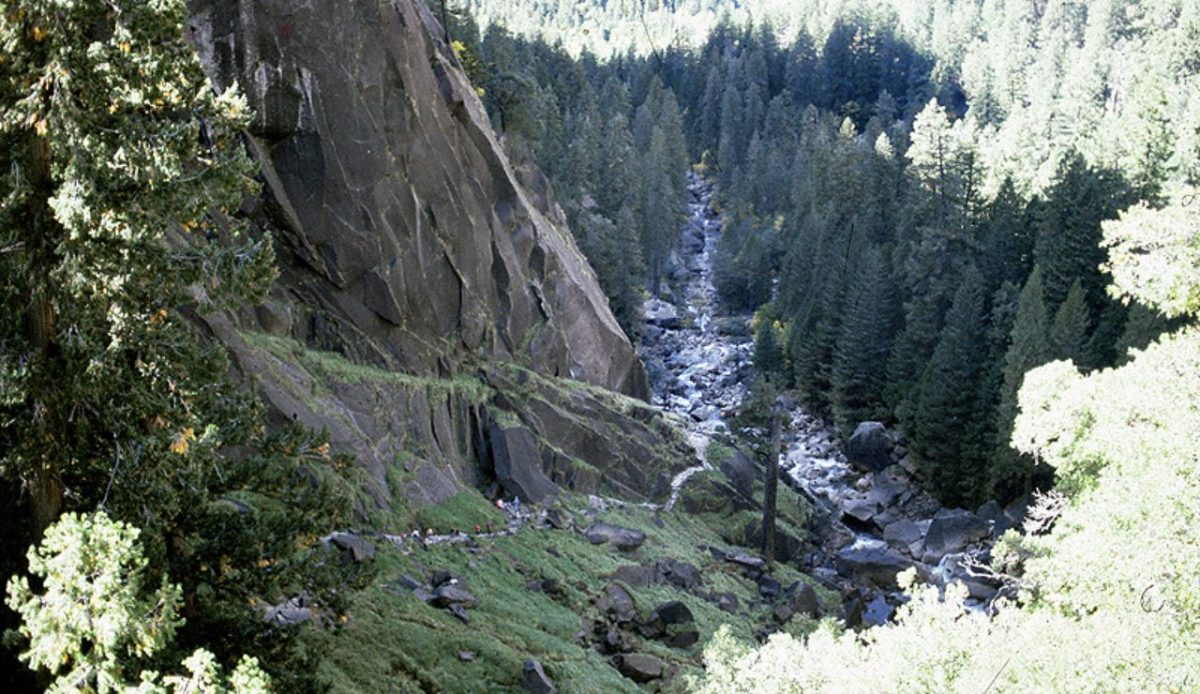
Mist Trail is popular and paved in places, which can make it feel safer than it is. Near Vernal and Nevada Falls, spray and polished granite steps create a slick surface where slips and falls can happen, especially when crowds compress the pace.
In spring and early summer, high water increases spray and reduces traction. In winter conditions, ice can appear quickly, turning stair sections into a hazard for anyone without traction.
Go slow, keep space between groups, and treat the wet stone like ice. If conditions look sketchy, use alternate routes when available. The trail’s danger isn’t distance; it’s the short, slippery sections that punish impatience.
14. Presidential Traverse (White Mountains, New Hampshire)
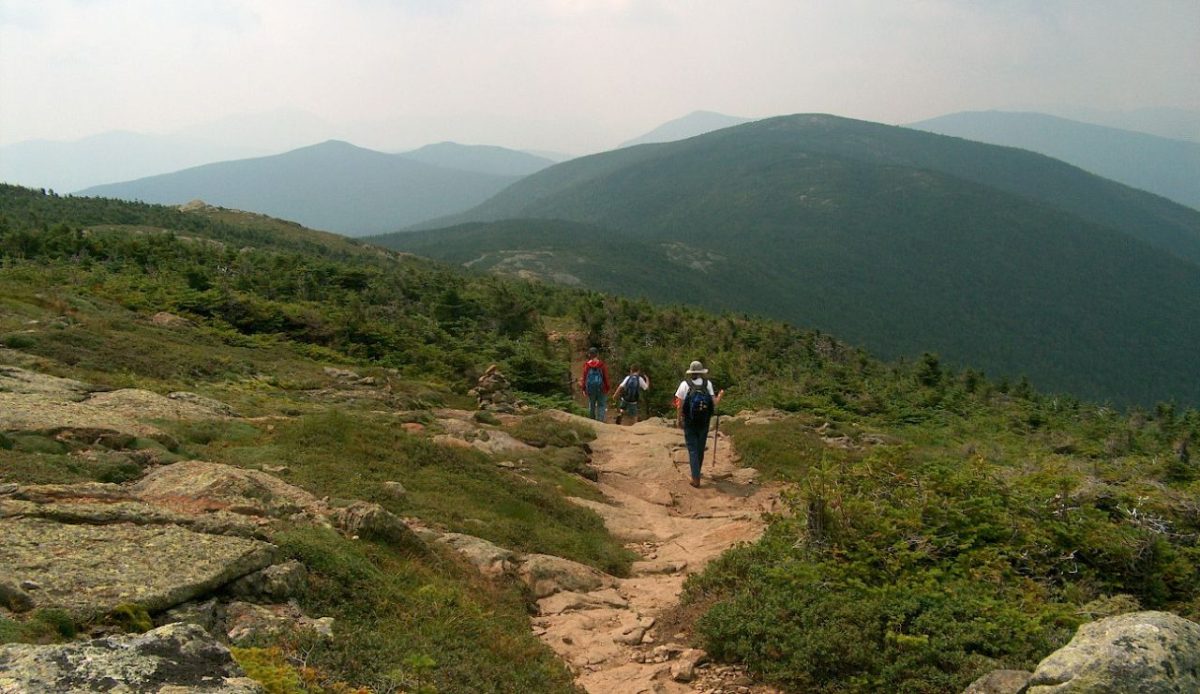
The Presidential Traverse is a long, exposed ridgeline hike where the weather can be the main obstacle, not the distance. Much of the route stays above treeline, so there’s little shelter from wind, lightning, or sudden cold rain.
Because it’s a traverse, bailouts can be limited once you commit, and fatigue stacks up over multiple peaks. Navigation also gets harder in fog, when cairns are easy to miss and the landscape turns uniform.
Pick a stable forecast, start early, and carry layers even in midsummer. Know your exit trails before you begin, and be willing to shorten the route. On ridgelines, “good enough” conditions can change in minutes, and the margin disappears fast.
