
Bali’s visitor economy runs on quick transactions, short rides, and online bookings. Those same touchpoints create openings for fraud when travelers move fast and pay in cash. Losses can look like normal service fees until you add them up.
Most problems start with a small decision, such as where to exchange money, which ATM to use, or who to trust for documents. Once a loss occurs, time pressure and language gaps can block recovery. Banks, licensed desks, and platform payments lower exposure.
The sections below describe seven scam mechanisms that repeatedly hit visitors. Each explains the trigger, the method, and the control point that prevents it. Use the list as a checklist before arrival and during detours.
1. Money Changer Recount Shorting
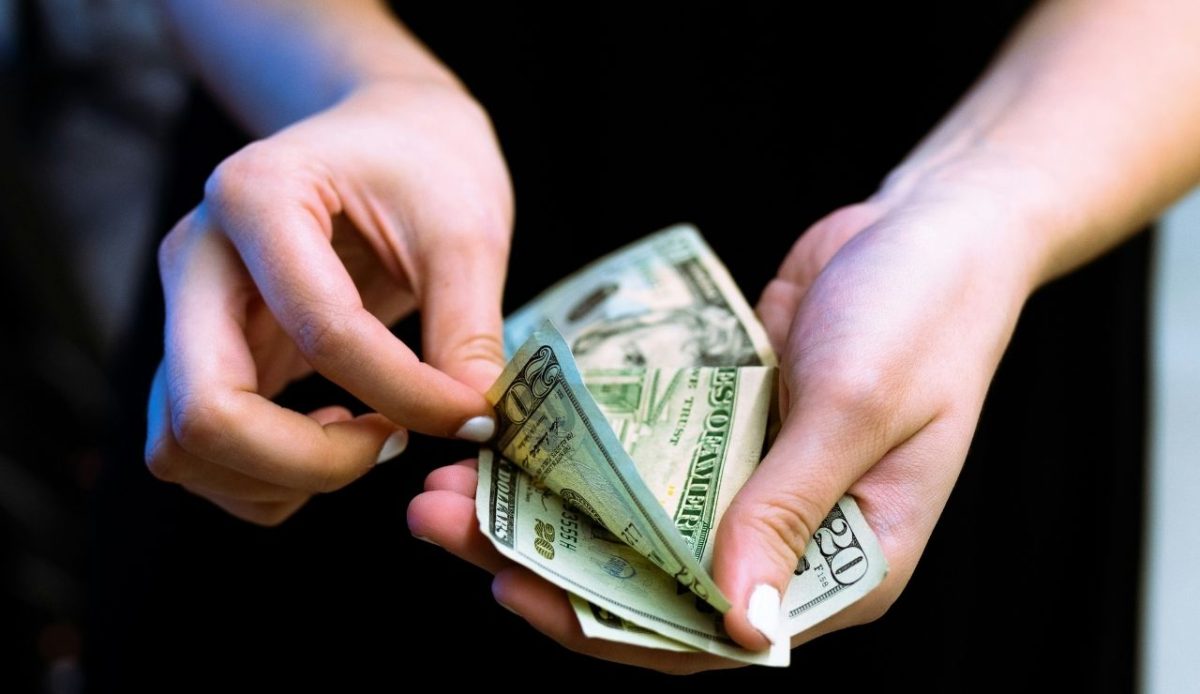
Small exchange kiosks may post attractive rates, then profit through a recount switch. After you hand over cash, the clerk counts correctly once, then insists on counting again.
During the second count, notes are folded, slid under the stack, or swapped while you are distracted. The setup is common on busy streets in Kuta, Legian, and other visitor strips where turnover is high. You leave short, and the gap shows up when you try to pay for transport or dinner.
Recovery is rare because there is no clear record of the first count. Your leverage is at the counter. Count slowly, confirm once, and refuse recounts. Choose regulated exchangers or bank desks and keep a receipt that matches the posted rate.
2. ATM Skimming And Card Traps
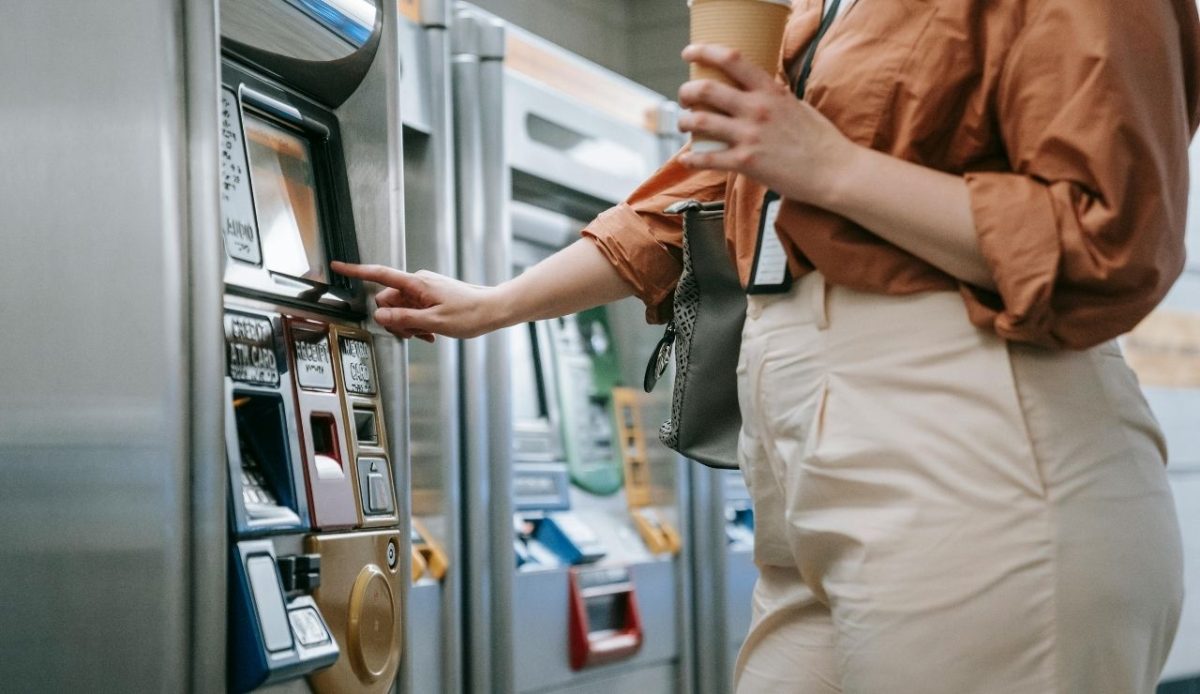
Some standalone ATMs are targeted with skimmers, pinhole cameras, or card trapping sleeves. The goal is to capture your card data or hold the card so you panic and accept help.
A common add-on is a sticker with a fake support number. When you call, the scammer guides you to enter codes, share details, or step away while the card is removed. Unauthorized withdrawals may appear the same day or after travel.
Risk drops when withdrawals happen inside staffed bank lobbies. Cover the keypad, decline help from strangers, and check for loose parts around the slot. Set lower withdrawal limits in your banking app. If a machine retains your card, go to the bank counter immediately.
3. Taxi Overcharge And App Cancellation Tricks
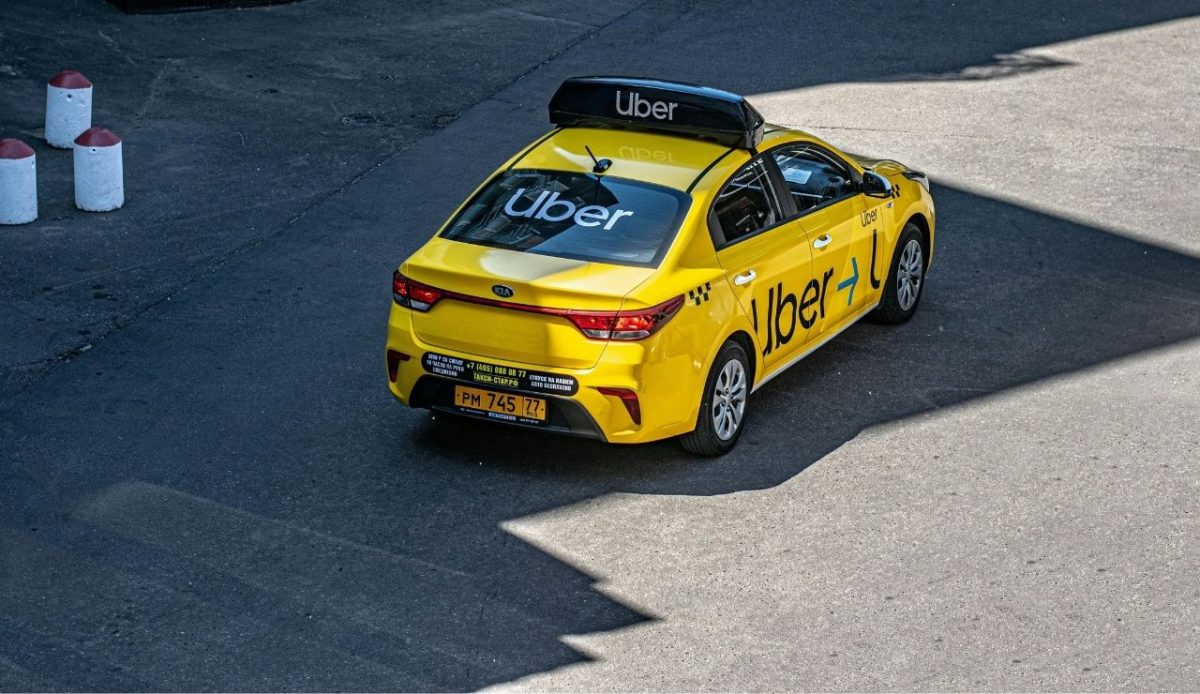
Overcharge scams often start at airports, nightlife zones, and beach hubs where demand is high. A driver offers a flat fare, claims the meter is broken, or says a minimum price applies.
Some operators also mimic ride-hail branding, then ask you to cancel the app booking and pay cash. Once the trip begins, the price can rise through invented tolls, long detours, or a last-minute fee at drop off. Disputes are pushed into pressure because you want to exit with your bags.
Start by locking the ride to an official channel. Use verified apps or airport taxi desks linked to a known operator. Match the plate and driver photo, keep the trip in the app, and accept pricing only by meter or in-app fare.
4. Roadside Police Cash Demands
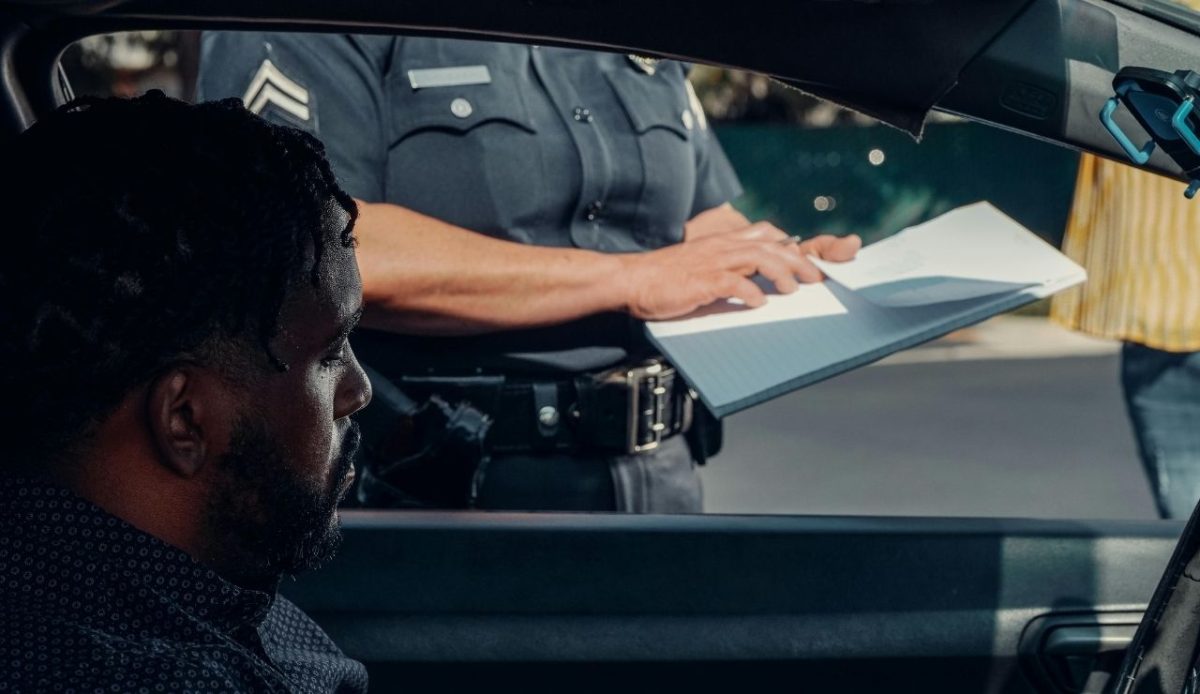
Some visitors report traffic stops that shift from enforcement to a cash request. The setup is an alleged violation, such as a helmet rule, a license issue, or a paperwork check.
Instead of issuing a ticket, the officer suggests an immediate payment to settle the matter. The amount is negotiated on the spot, and the traveler may be told the alternative is a station visit or vehicle hold. The pressure works because you are late and unsure of the procedure.
What protects you is insisting on formal steps. Stay calm, ask for a written ticket, and request to handle it at the station. Avoid cash roadside and keep copies of your license, rental agreement, and passport photo page on your phone.
5. Fake Electronic Visa Websites
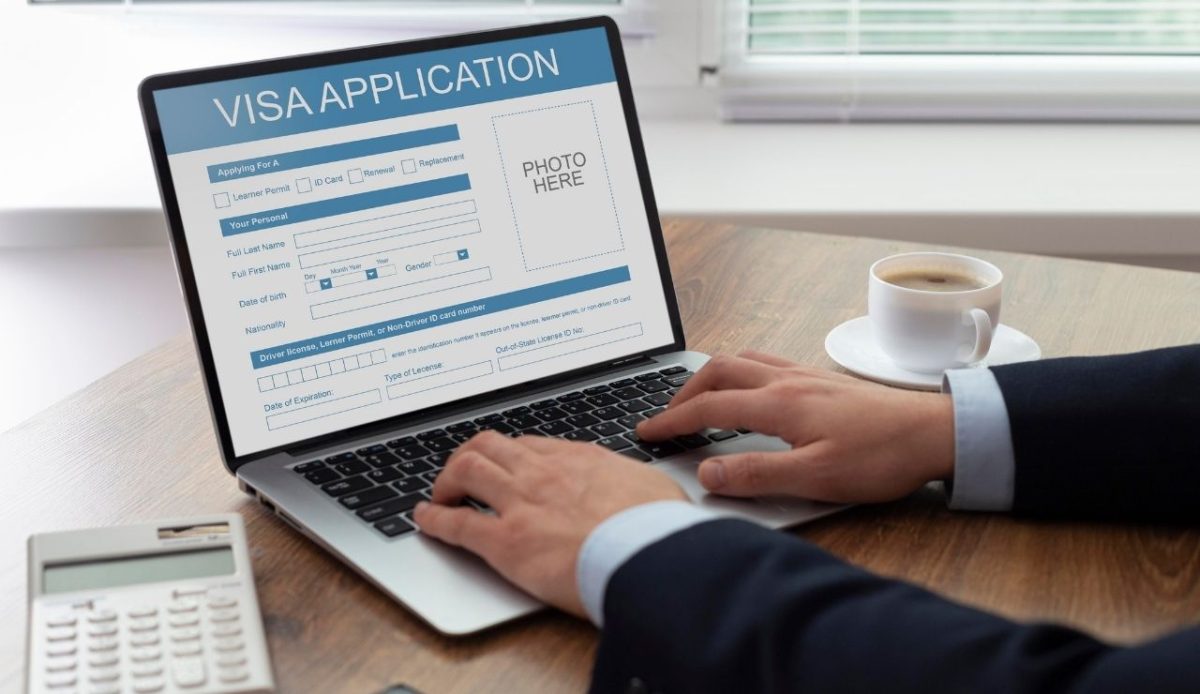
Visa scams target travelers before departure by copying official-looking application pages. You are routed through ads or search results to a site that collects passport data and inflated fees.
Some sites deliver a document that looks valid but cannot be verified upon arrival. Others provide nothing after payment, leaving you to reapply under time pressure or risk denial of boarding. The harm is amplified because errors are discovered at check-in or immigration.
Protection starts with the exact web address. Apply only through the Indonesian government immigration portal and avoid third-party links sent by strangers. Pay by methods that allow disputes and save confirmations in offline storage.
6. Villa Deposit And Booking Fraud

Accommodation fraud uses stolen villa photos, fake reviews, and urgent discount claims. A listing is posted on social media or a cloned site, and then you are pushed to pay a deposit outside the platform.
Once paid, the contact may stall with excuses until your arrival date, then disappear. Sometimes a real villa exists, but your booking was never made, so you arrive with no reservation and no refund. Peak season makes replacement stays expensive.
Reduce loss through platform safeguards and verification. Book through established marketplaces with secure checkout and confirm details using contact info found independently. Do not wire money for a first booking, and keep message logs for disputes.
7. Counterfeit Or Contaminated Alcohol

Unsafe alcohol incidents in Indonesia have been linked to counterfeit spirits and methanol contamination. The scam is supply-based; bottles are refilled or mislabeled, then sold as branded products.
Risk rises when drinks are unusually cheap, poured from open bottles, or sourced from unlicensed sellers. Symptoms can begin quickly and may require emergency care, ending a trip, and creating medical costs. Because the liquid looks normal, travelers cannot detect it by taste.
Lower risk by controlling sourcing and serving conditions. Choose known venues, avoid unsealed bottles, and skip bargain shots. If a drink tastes chemical or causes illness, stop immediately and seek medical help, then contact your insurer.
