
Egypt’s pyramids were built as sealed ritual structures meant to protect a ruler after death. In some pyramids, carved spells describe killing enemies, binding spirits, and taking divine strength. Those lines targeted the afterlife, yet they later sounded like threats.
As the Old Kingdom religion faded, readers met the violent imagery without its rules. Protective formulas were recast as curses, and stories spread about hidden rooms and deadly guardians. Legends attached themselves to monuments that most people could not enter.
This article tracks twelve killer legends tied to pyramids and their texts. Each section shows how a belief or inscription becomes a fear story for visitors, using what is known from translations and site records.
1. Unas Pyramid Cannibal Hymn
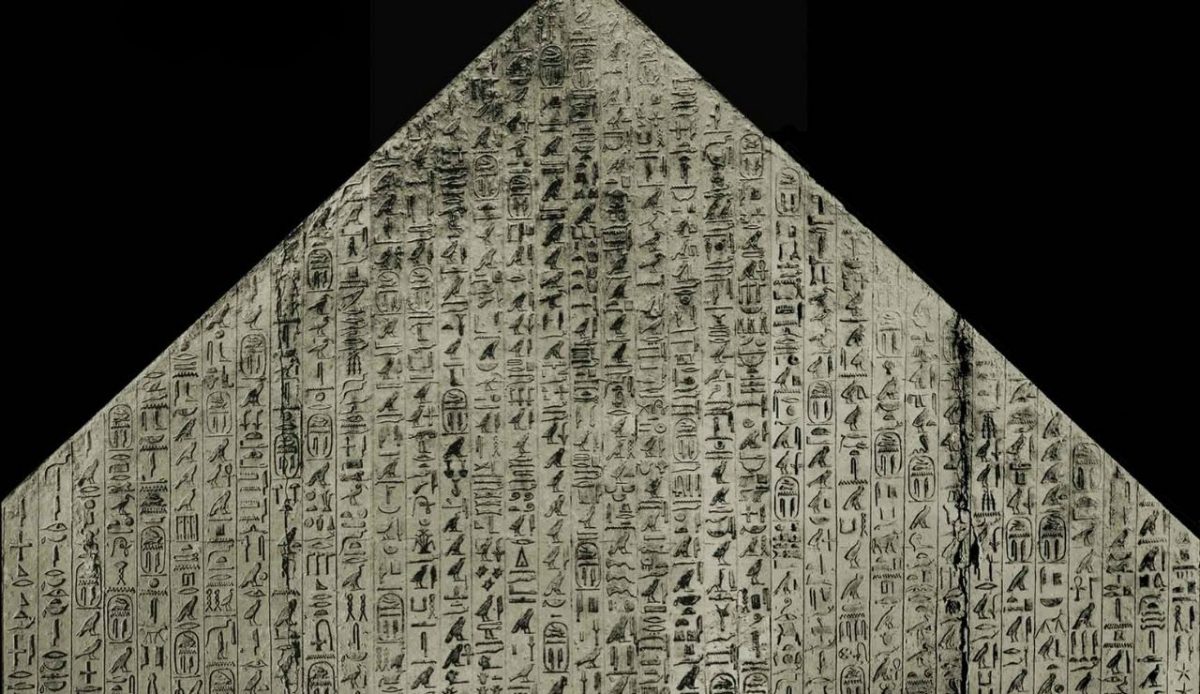
Unas’s pyramid at Saqqara carries early Pyramid Texts, including the Cannibal Hymn, which portrays the king as a hunter of gods. The ruler is said to seize divine beings, slaughter them, and eat their bodies to gain their powers.
The mechanism is transferred by consumption. By taking flesh and blood, the king is remade as stronger than rivals in the next world. Violence is presented as a required step for authority, not as moral punishment or revenge.
When modern readers encounter these lines, the imagery feels like a warning tied to the building. Because the text sits inside a pyramid, the place itself gets blamed, and a killer legend forms around the entry.
2. Teti Pyramid Cannibal Texts
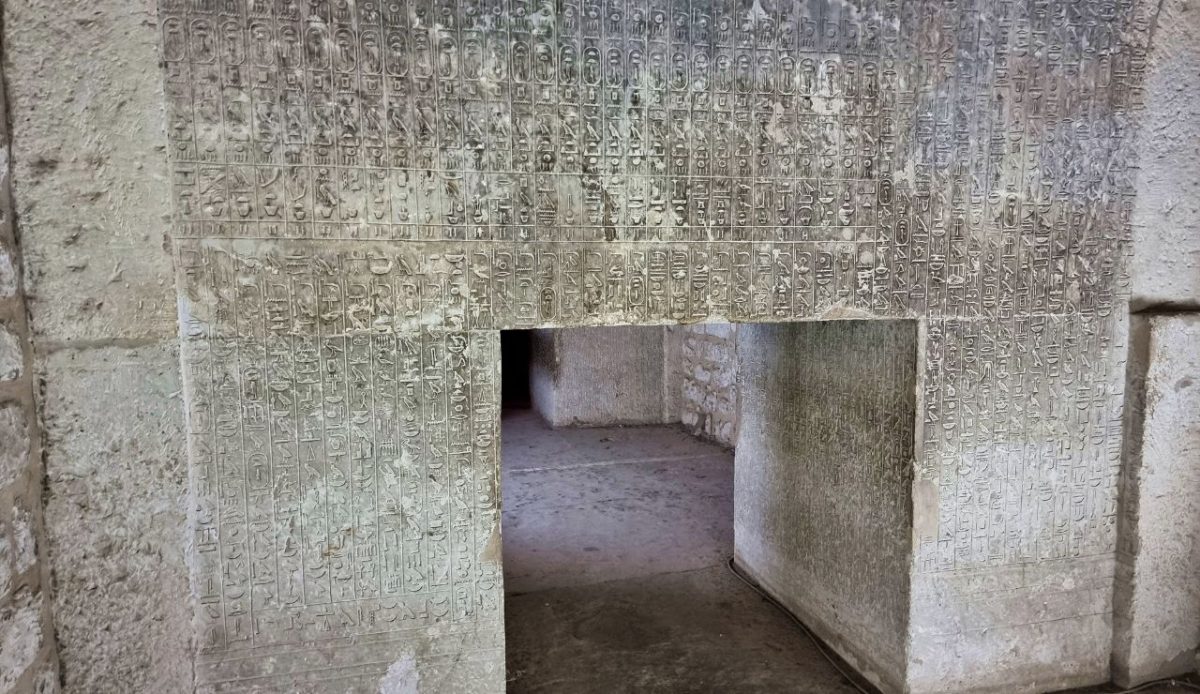
Teti’s pyramid also preserves Pyramid Text passages that repeat the cannibal theme and extend it to hostile forces. The king is promised dominance through the destruction of opponents who try to block his ascent.
Here, the mechanism is defensive aggression. Enemies are named, bound, and rendered powerless through spoken and written formulas. The text treats lethal force as a tool for stability, meant to keep the royal spirit moving upward.
Later audiences often treat the same lines as a threat aimed at intruders. Because Teti’s pyramid was robbed and reopened across centuries, each new entry encouraged a fresh retelling of a deadly curse again.
3. Pepi I Pyramid Death Spells
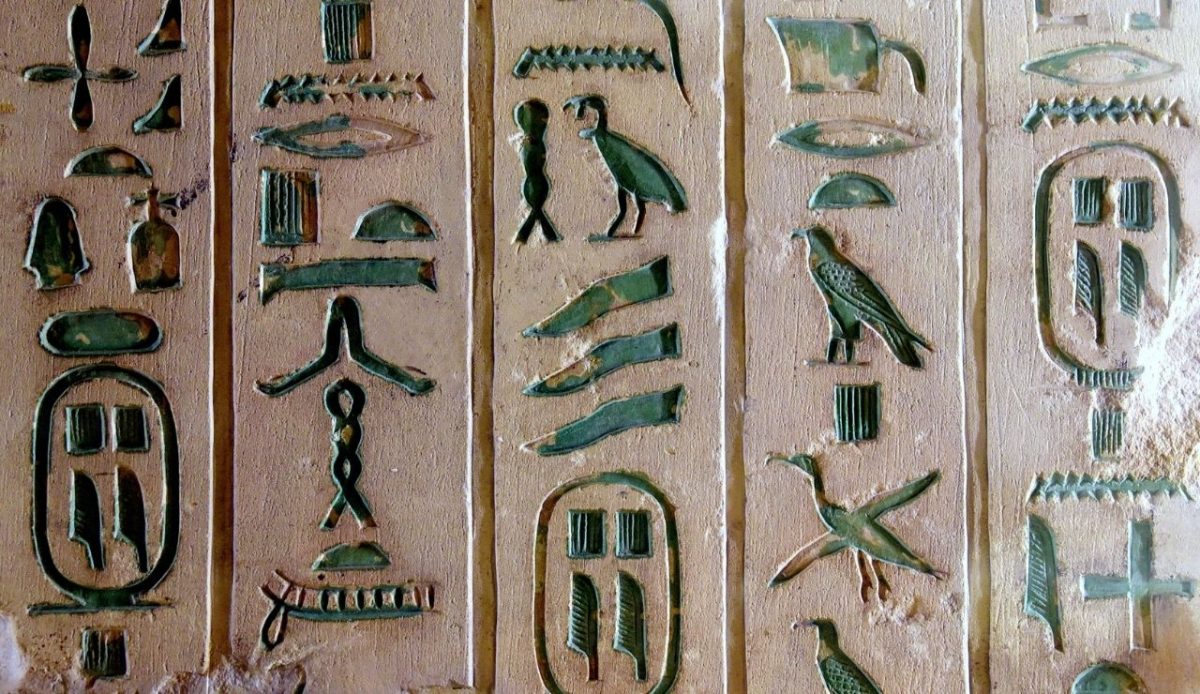
Pepi I’s pyramid inscriptions include spells that describe enemies being cut down before they reach the king. Threats are framed as real forces that could interrupt rebirth, not as ordinary criminals in a human court on earth.
The mechanism is performative speech. By carving and reciting the words, the Egyptians expected the act to occur in the unseen realm. An opponent is immobilized, struck, and removed so the ruler can merge with protective gods.
Modern readers may treat that language as a booby trap in text form. Once the spells are taken literally and aimed at visitors, the pyramid becomes a place where death is thought to follow curiosity.
4. Merenre I Pyramid Texts
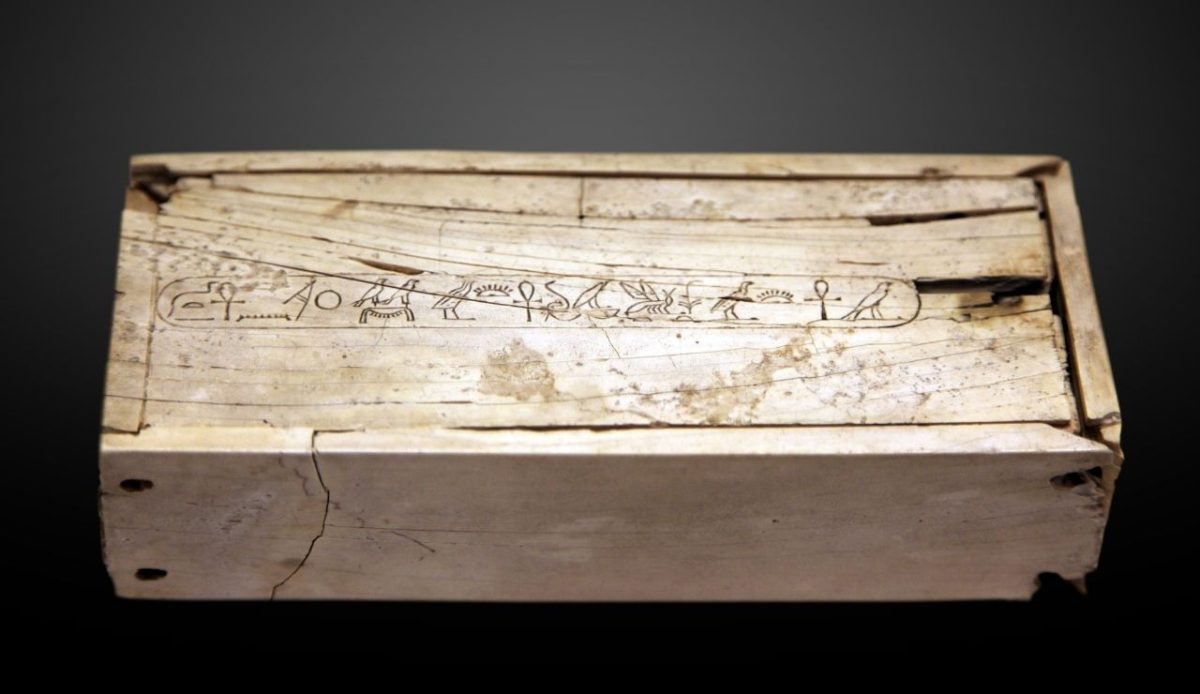
Merenre I’s pyramid at Saqqara carries texts that focus on preventing ambush during the king’s passage. The writing calls on deities to strike first and to clear a route through hostile spirits.
The mechanism is preemptive violence under divine authority. If danger is removed before contact, the king keeps momentum and avoids decay. The pyramid’s chambers act as a scripted environment where protection is enacted step by step.
In later centuries, the idea of a place that strikes first turned into a killer legend about the building itself. The missing context makes the text sound like a standing order to harm whoever crosses the threshold at all.
5. Pepi II Pyramid Curse Texts
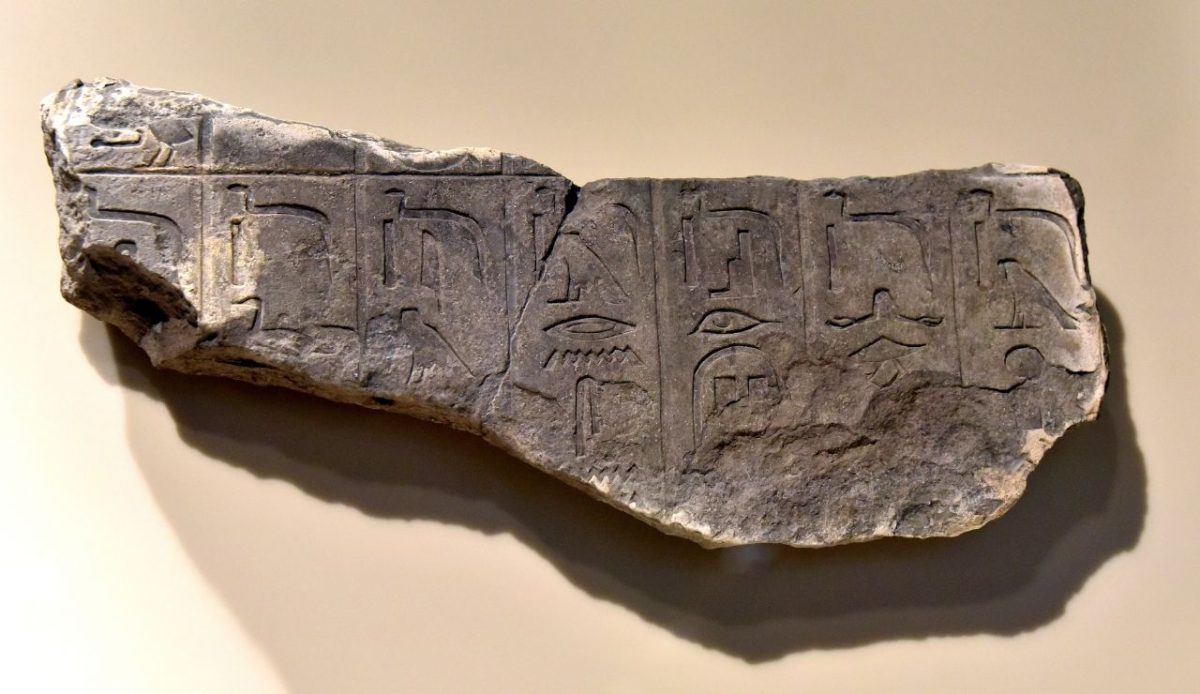
Pepi II’s pyramid contains a large body of spells that treat disorder as lethal to royal survival over time. Instead of describing traps, the texts promise that hostile forces will be destroyed or erased by the gods.
The mechanism is cosmic enforcement. By naming the threat and assigning divine punishers, the inscriptions aim to keep the burial intact forever. Damage to the tomb is treated as an attack on order, so a violent response is justified.
Modern curse stories often borrow this logic and aim it at people who enter. A protective spell becomes a murder tale once the reader assumes the target is any visitor rather than a supernatural enemy.
6. Cannibal Gods Slaughtering Enemies
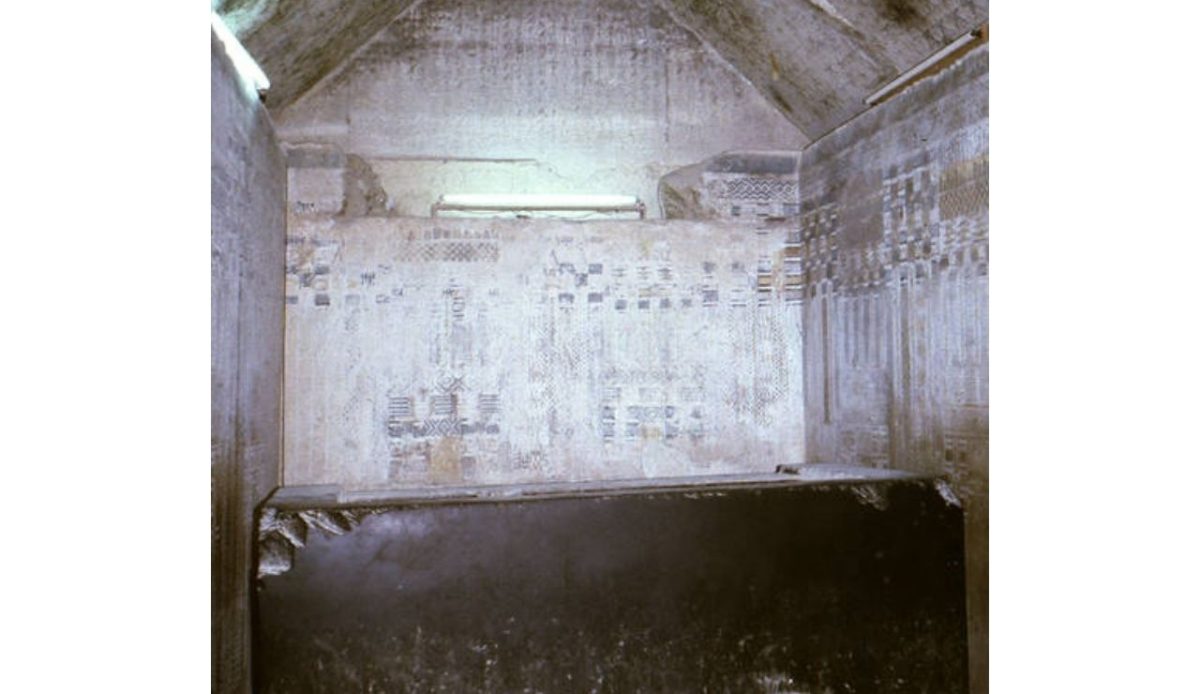
Across several pyramids, the inscriptions describe divine butchers who kill on behalf of the king. Enemies are hunted, dismembered, and consumed so that opposition cannot follow the ruler into the sky. The scenes read like battle reports written for eternity.
The mechanism is delegated killing. The king is protected because gods act as agents who execute threats in a realm humans cannot see. These figures turn the pyramid into a command space where violence is authorized through sacred speech.
Later storytelling shifts the agents from gods to the monument. When the divine role is forgotten, people imagine the pyramid itself as the killer, and a legend forms around unseen guardians.
7. Shezmu The Butcher God
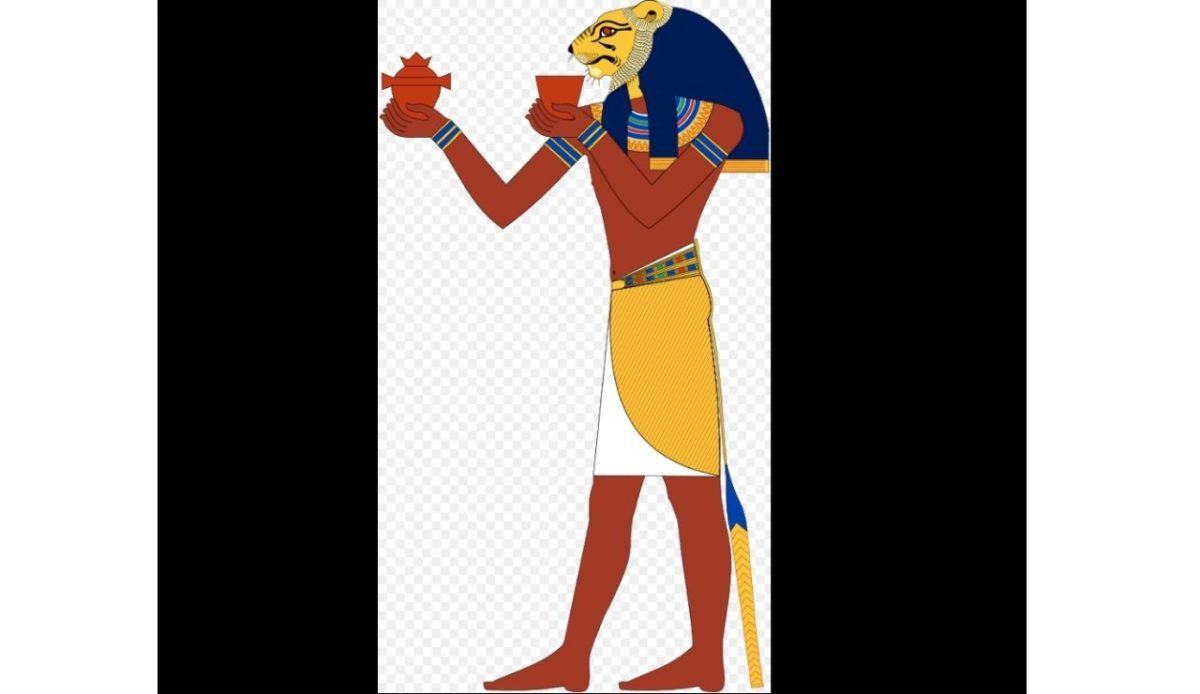
In Pyramid Text imagery, Shezmu appears as a violent divine worker who crushes and processes enemies for the king. He is linked with slaughter and pressing, turning foes into fuel for royal renewal. His role signals that mercy is not expected.
The mechanism is ritualized execution. By assigning destruction to a named deity, the texts give the king a reliable enforcer who can act without hesitation. The threat is credible because it is built into the cosmic system that the Egyptians accepted.
Later audiences focused on the gore and ignored the ritual purpose. That narrowing created a killer legend where an ancient butcher spirit guards the pyramid corridors and strikes at intruders.
