
Asian mountain passes act as choke points where a single road or trail carries most movement across high terrain. Altitude, cold, and unstable slopes raise the cost of small mistakes, and services are often hours away. These corridors stay in use because alternatives are limited.
Deaths typically follow a chain that starts with a trigger like an avalanche, flash flooding, low oxygen, or a skid on ice. Once traffic stops, rescue teams face blocked approaches, thin air, and poor visibility.
The nine passes below are tied to documented fatal incidents. Each section explains the access route, the constraint that drives risk, and the season when the hazard peaks, without relying on dramatic language.
1. Salang Pass, Afghanistan
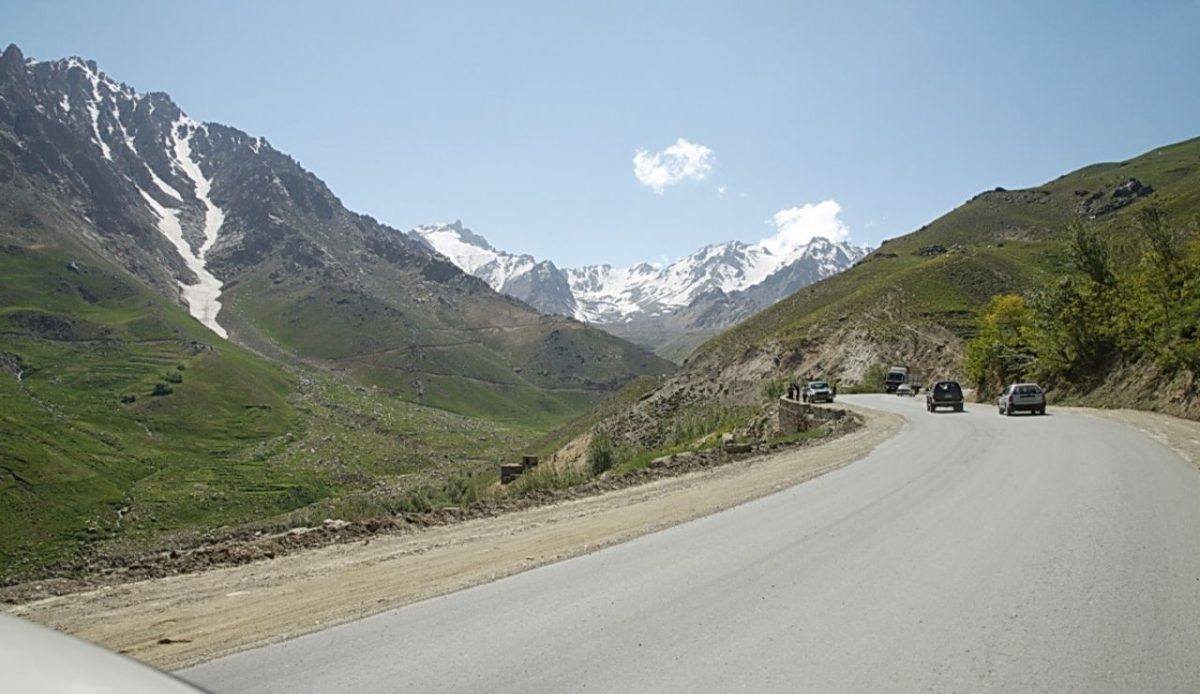
Salang Pass is the main north-south road link through Afghanistan’s Hindu Kush and includes the Salang Tunnel. Traffic is funneled into a high altitude corridor where detours are long, and roadside shelter is scarce.
The dominant hazard is avalanche burial on the approaches during intense winter storms. Snow slides block both sides, trapping vehicles in place, and delaying heavy equipment that could clear lanes or reach the injured.
In February 2010, a series of avalanches on the southern approach killed about 175 people, one of the deadliest road avalanche events in the region. The same confinement problem reappears when crashes or fires occur in the tunnel.
2. Babusar Pass, Pakistan
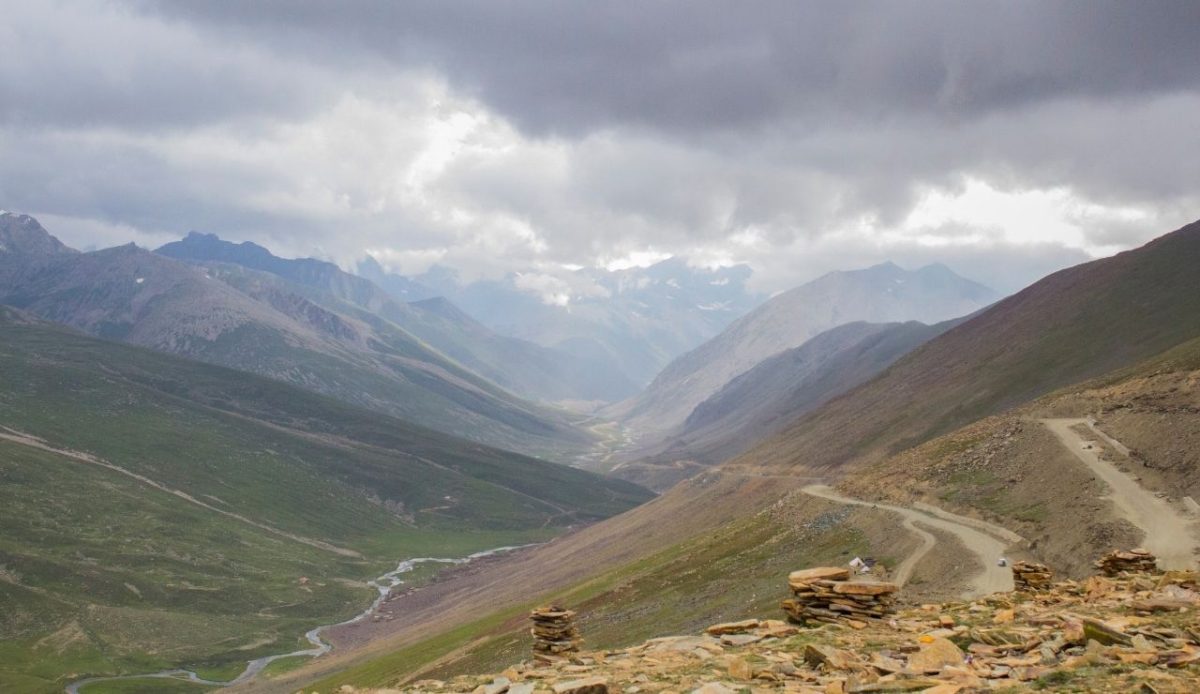
Babusar Pass connects Diamer in Gilgit Baltistan with the Kaghan side during the summer road season. It runs along steep valleys where drainage channels meet the roadway with little buffer space.
The key failure mode is cloudburst-driven flash flooding that carries rocks, mud, and water across the road surface. Vehicles can be swept off the alignment, and landslides often seal the route behind stranded traffic.
In July 2025, officials reported that tourists were killed and others were missing after floods and landslides hit the area near Chilas and blocked a major route. Costs rise when travelers must reroute via longer highways or wait for helicopter-supported clearing.
3. Thorong La, Nepal
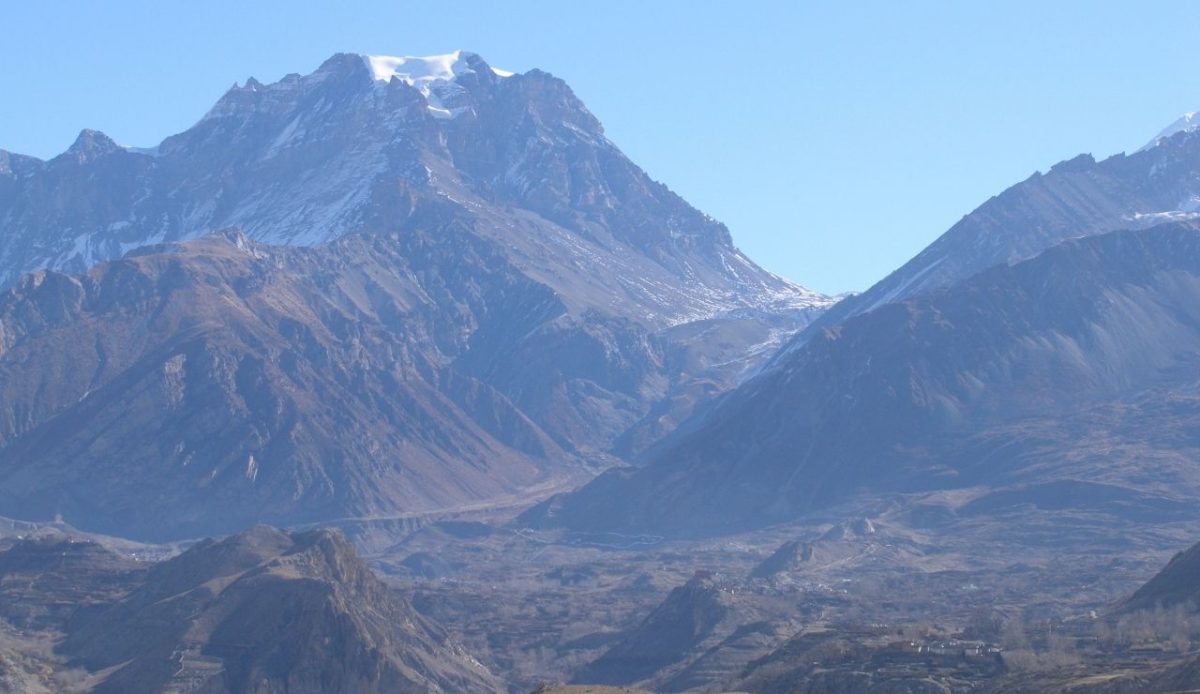
Thorong La is a trekking pass on Nepal’s Annapurna Circuit at about 5,416 meters. Crossing is done on foot with limited shelter near the crest and a long travel time to reach the lower elevation.
The primary risk is a rapid weather shift paired with hypoxia. Snow and wind reduce visibility and slow movement, while low oxygen levels increase fatigue and impair judgement, making turn-back decisions harder.
Reuters reported that blizzards and avalanches in October 2014 killed at least 29 people and that rescue teams brought stranded hikers down from Thorong La. Evacuation costs can rise when helicopters are needed, and weather windows are short, delaying safe descent opportunities.
4. Nathu La, India
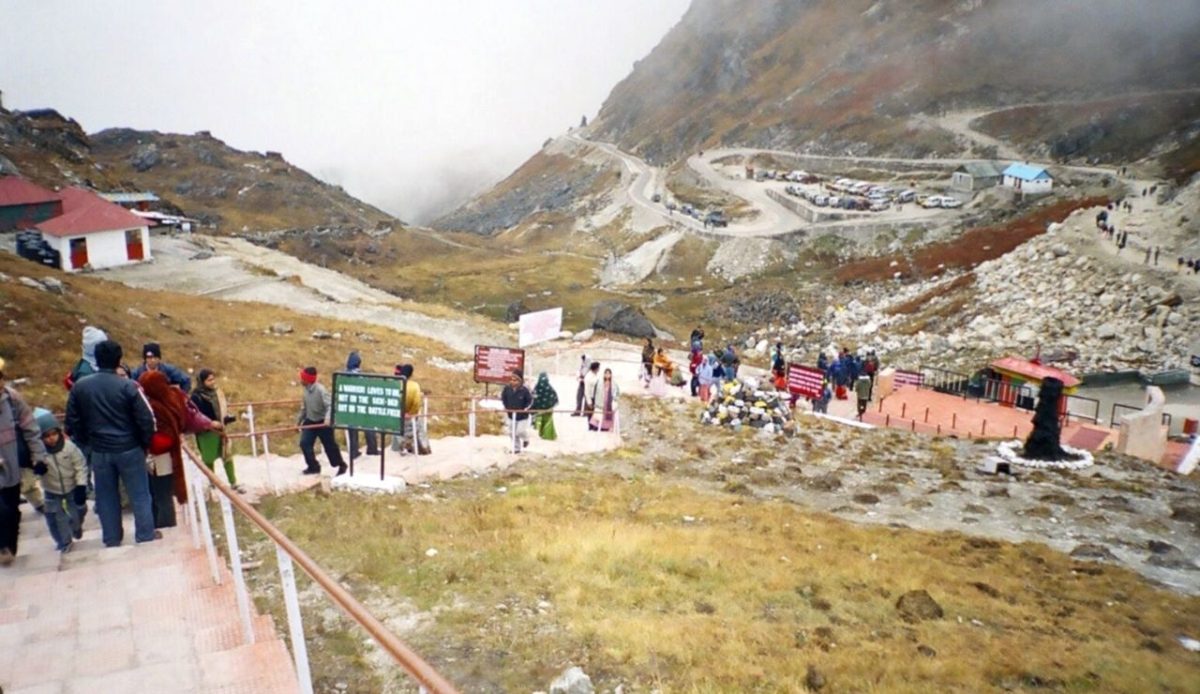
Nathu La is a high mountain pass in Sikkim on the route toward the India-China border. Tourist movement is permit-controlled, and convoys still traverse avalanche paths above the road.
The lethal mechanism is loose snow or slab release onto stopped vehicles in a narrow corridor. Once buried, extraction is slow because heavy machines must be brought up steep roads, and the air is thin for crews.
Reuters reported that an avalanche in April 2023 killed seven tourists near the pass and that many were rescued alive after vehicles were hit. Seasonal risk peaks after heavy snowfall when daytime warming destabilizes the surface layers, increasing slide probability.
5. Rohtang Pass, India
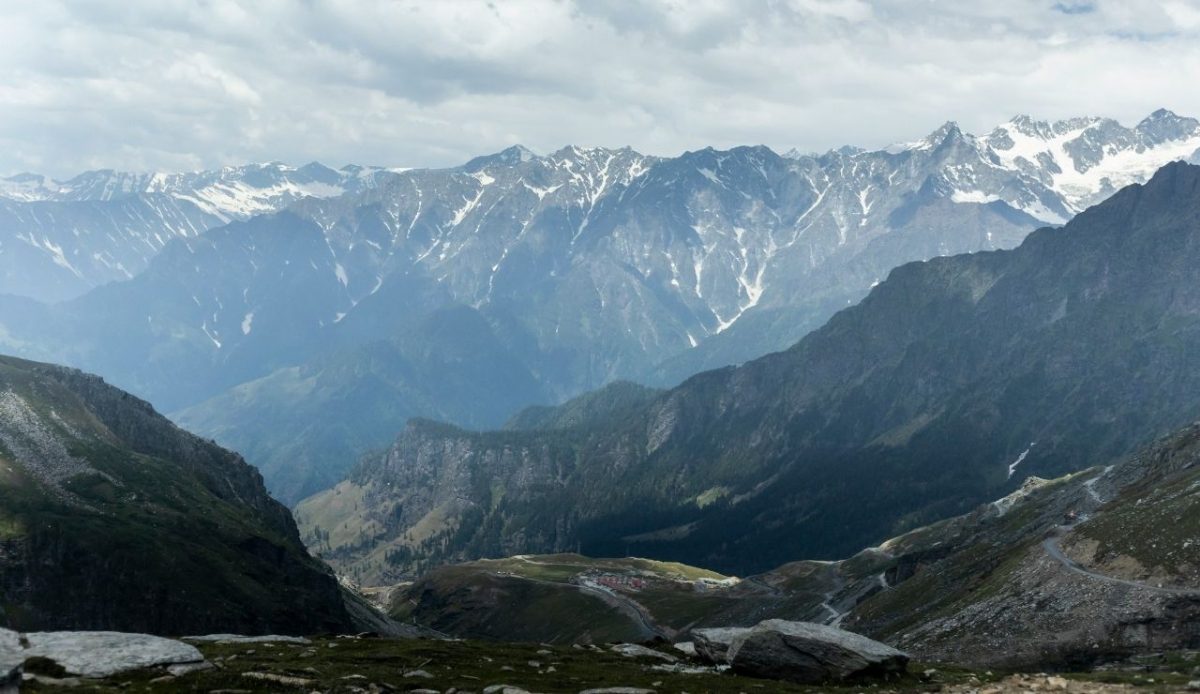
Rohtang Pass links Manali with Lahaul on a steep road that clings to slopes above deep gorges. Traffic includes local transport and visitors, and lane width narrows at curves and water crossings.
The main constraint is loss of traction on wet pavement, ice, or loose gravel, followed by a long drop with limited barrier protection. Even a low-speed skid can end in a gorge fall, and recovery takes hours.
NDTV reported that on July 6, 2025, a car with a valid permit skidded off the Manali Rohtang road near Rani Nallah and fell into a gorge, killing four. Costs rise when travelers must hire 4×4 drivers or wait through closure periods during weather-related shutdowns.
6. Khardung La, India
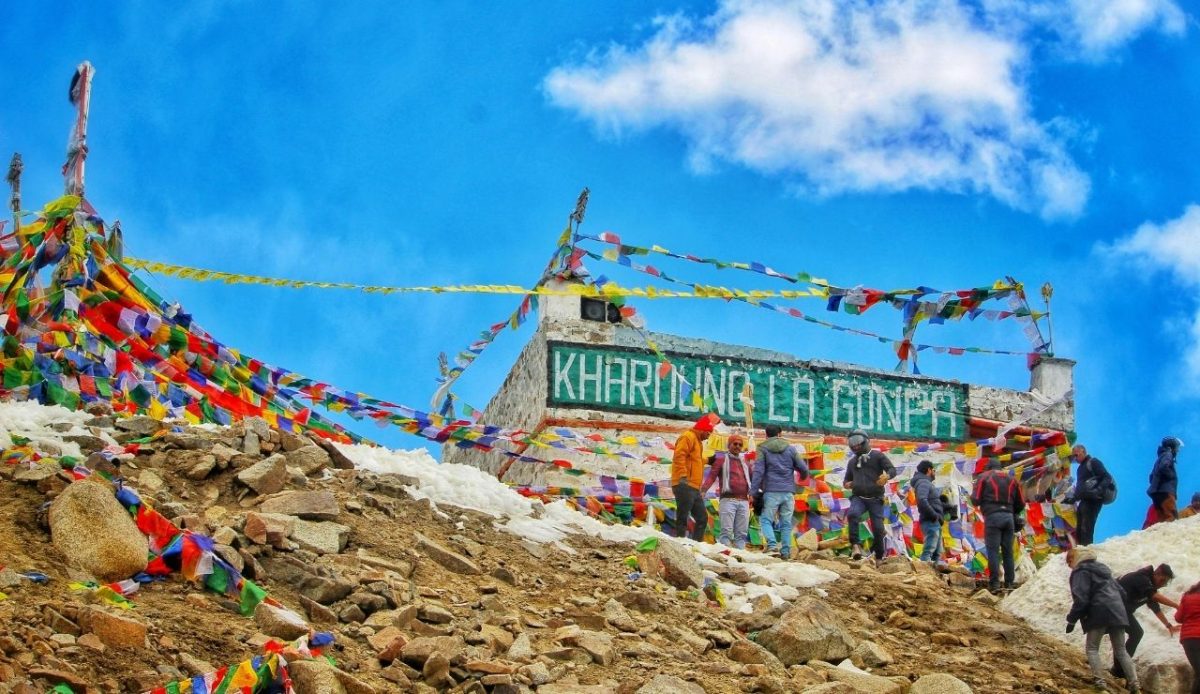
Khardung La sits above 5,000 meters on a road network north of Leh in Ladakh. Access is by vehicle on narrow mountain lanes where passing space is limited and services are concentrated back in Leh.
The dominant hazard is the combination of altitude stress and cliff-edge driving. Hypoxia can slow reaction time and worsen outcomes after a crash, while cold conditions affect braking and tire grip.
NDTV reported in October 2022 that four tourists died after their vehicle skidded off the road and fell into a deep gorge near the Khardung La area. Risk rises during snow periods when hidden ice forms on shaded bends and curves, and roadside clearing is delayed by weather and low visibility.
7. Zoji La, India
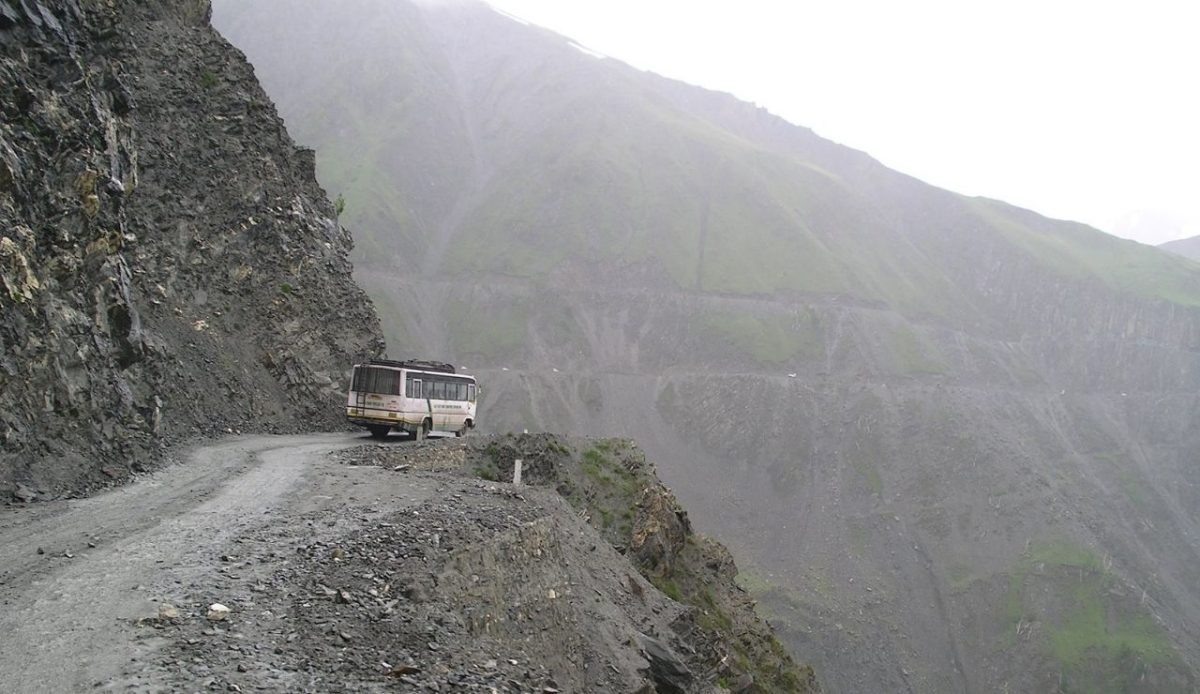
Zoji La is the high pass corridor that links the Kashmir Valley with Ladakh via the Srinagar-Leh route. The road carries mixed traffic through exposed bends with steep drop-offs and limited shoulder width.
The core risk is a vehicle leaving the road on a curve, often after braking on loose material or wet patches. Rescue is slowed by distance, unstable slopes, and the need to control traffic on a one-lane alignment.
Kashmir Observer reported in July 2024 that a vehicle fell into a deep gorge on Zojila Pass, causing deaths and critical injuries. Seasonal hazard increases during rain or fresh snow when grip changes over short distances and visibility drops quickly.
8. Lowari Top, Pakistan
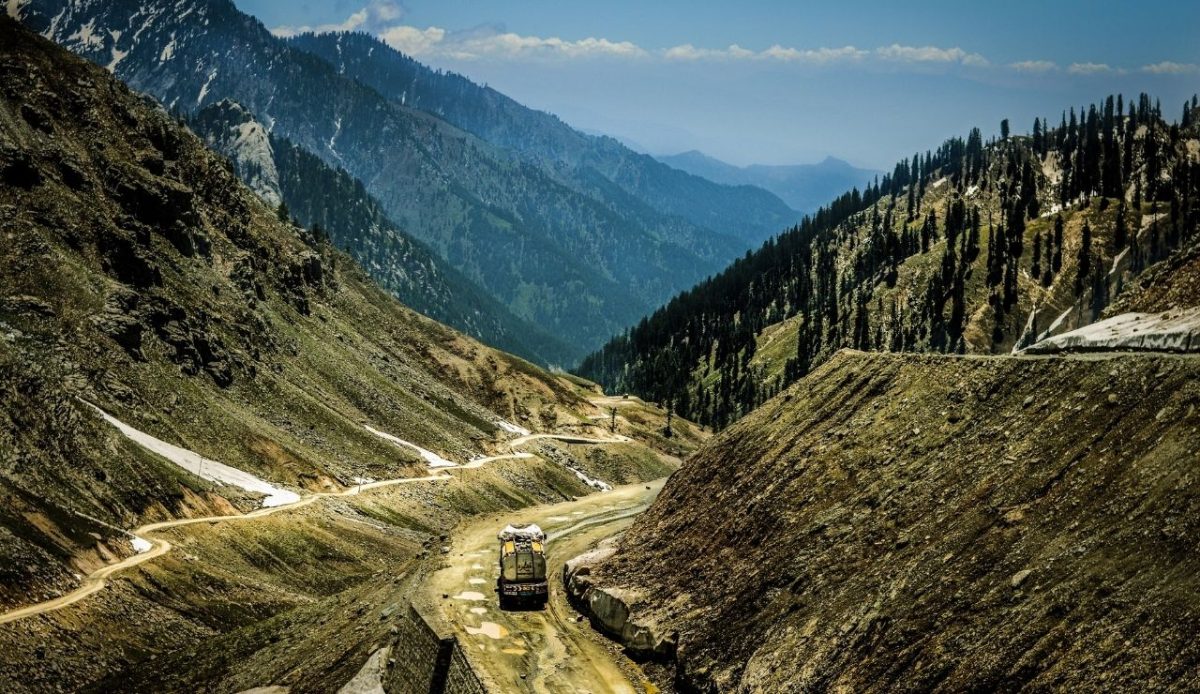
Lowari Top is the mountain pass route between Upper Dir and Chitral in northern Pakistan, near the Lowari Tunnel corridor. It is used by long-distance passenger vehicles on a narrow road with limited guardrails.
The main constraint is that a single steering or brake failure can send a loaded vehicle into a ravine. Fog and rain reduce visibility, and rescue requires moving down steep terrain to reach survivors.
Express Tribune reported on April 30, 2017, that a passenger coaster fell into a ravine near Lowari Top, killing 11 and injuring others. Costs increase when operators delay trips for safer daylight windows or use slower alternate routes.
9. Bolan Pass, Pakistan
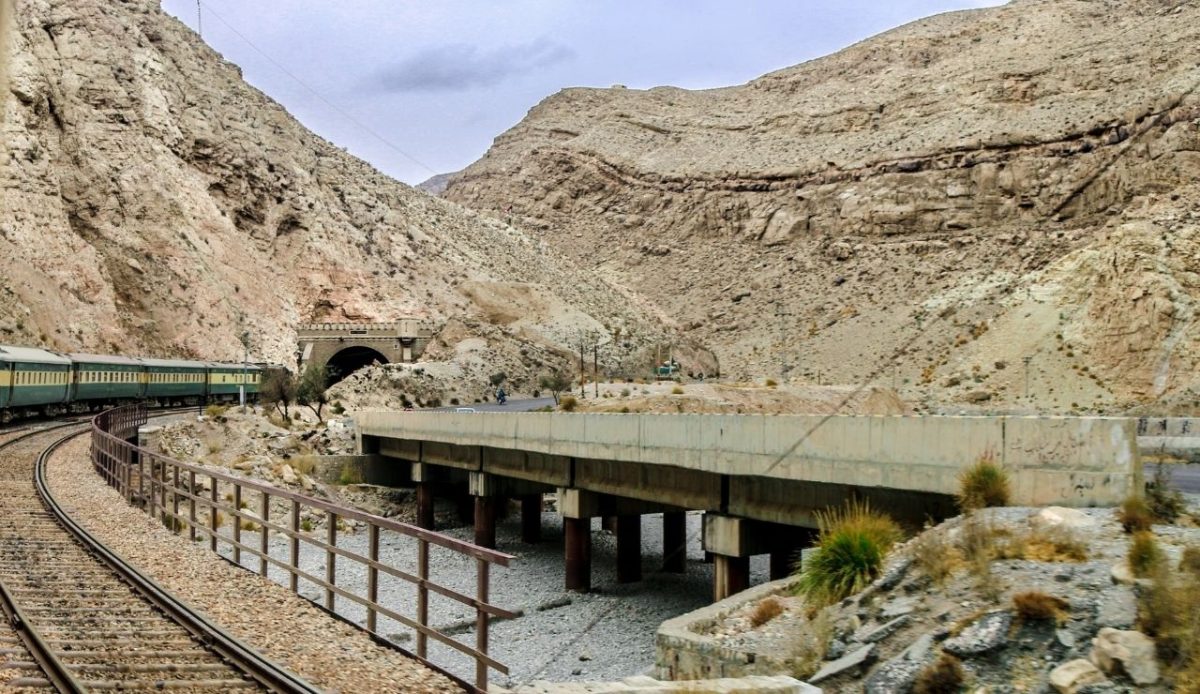
Bolan Pass is a mountain corridor in Balochistan where road and rail lines run through narrow valleys and tunnels. Traffic concentrates at fixed choke points, which shifts the main danger from terrain to security incidents.
The key constraint is limited exit options once a train or convoy is stopped in rugged country. Damage to the track or a tunnel entrance can trap passengers while responders travel long distances to reach them.
Reuters reported that the Jaffar Express was hijacked in March 2025 after militants blew up the track and took passengers hostage in the Bolan Pass area, and that the army later put the death toll at 31. Risk rises during active insurgent periods rather than winter storms.
