
Times Square in Midtown Manhattan operates as a managed movement zone around Broadway and Seventh Avenue near West 42nd Street. Pedestrian flow is prioritized, while curb access for loading and emergency response stays limited, keeping circulation under pressure.
Demand concentrates between West 42nd and West 47th Streets, where theaters and the Times Sq 42 St station complex converge. When volumes spike, fixed widths and exit placement force merging and slow travel at crosswalks.
In 2026, the main negatives come from repeatable mechanisms, zoning that requires illuminated signs, activity zones for performers, DOT controls on plaza use, and closures tied to events. These systems decide where people can stop and which routes stay open.
1. Daily Crowding in the Core Blocks
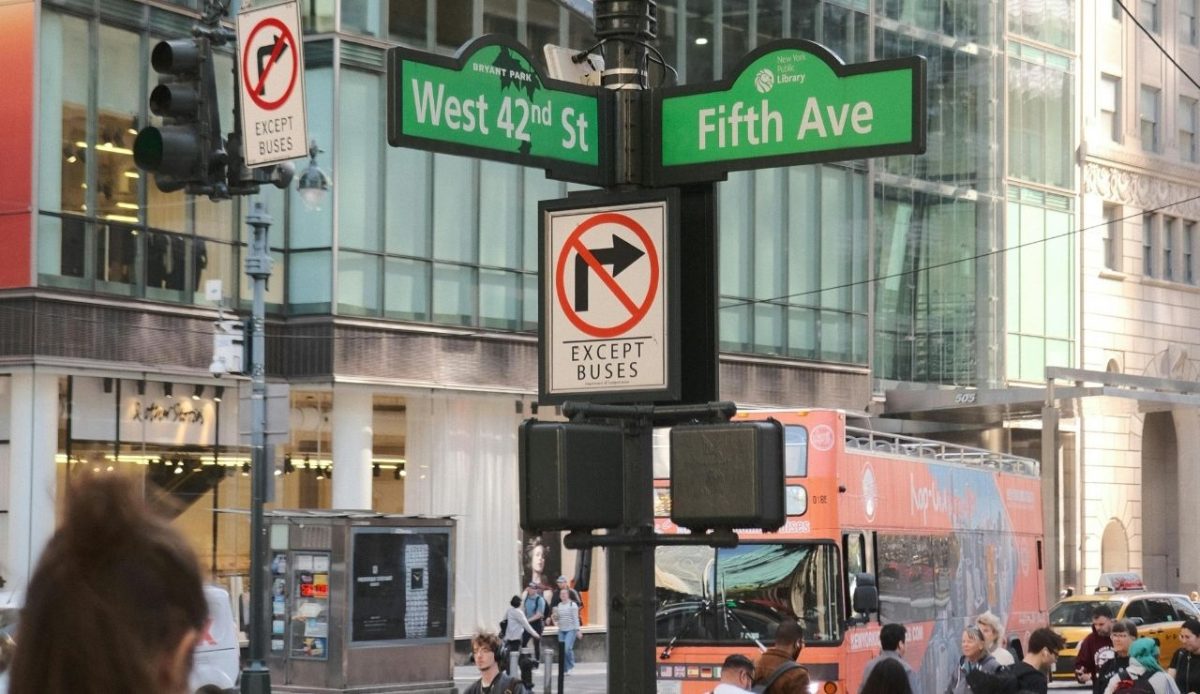
The core between West 42nd and West 47th Streets carries most foot traffic because the theater doors, chain stores, and plaza seating concentrate there. Since block length and sidewalk width cannot expand, adding visitors raises density rather than capacity.
High density changes behavior. People stop to take photos near the red steps at Duffy Square, then the queue spills into walking lanes and forces detours on weekend evenings in summer.
NYC pedestrian management relies on barriers and staff during peaks, which keeps movement possible but reduces choice. As a result, even short crossings can take longer when the same few nodes absorb most arrivals.
2. Subway Exits Overload Sidewalks
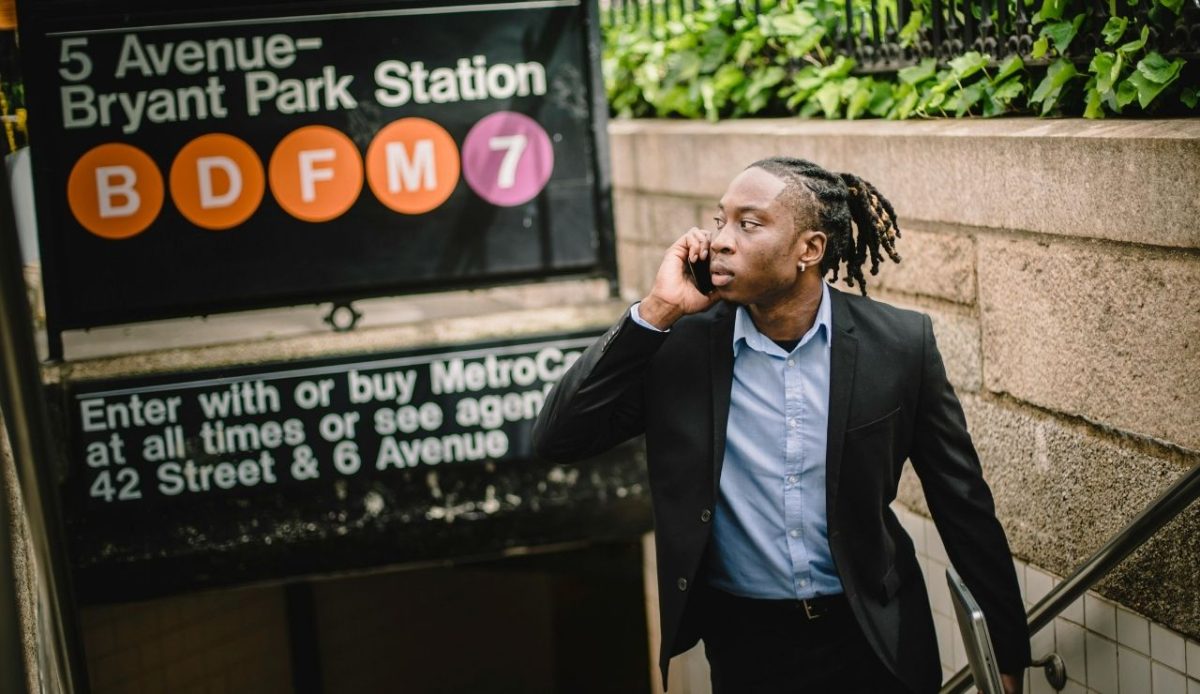
Times Sq 42 St is a multi-line station with exits feeding Seventh Avenue, Broadway, and West 42nd Street within a few hundred feet. Because stairways surface at fixed corners, passengers concentrate on the same curb cuts.
When trains discharge, riders pause to reorient under bright signage, and that pause creates a standing layer in front of the stairs. The effect is a pinch point that slows people who are not using the subway at all.
Barrier placement and police direction are used to keep entrances clear, especially near 42nd Street crossings. That response preserves safety, yet it also turns sidewalks into managed channels with limited room to stop.
3. Performer Zones Limit Street Use
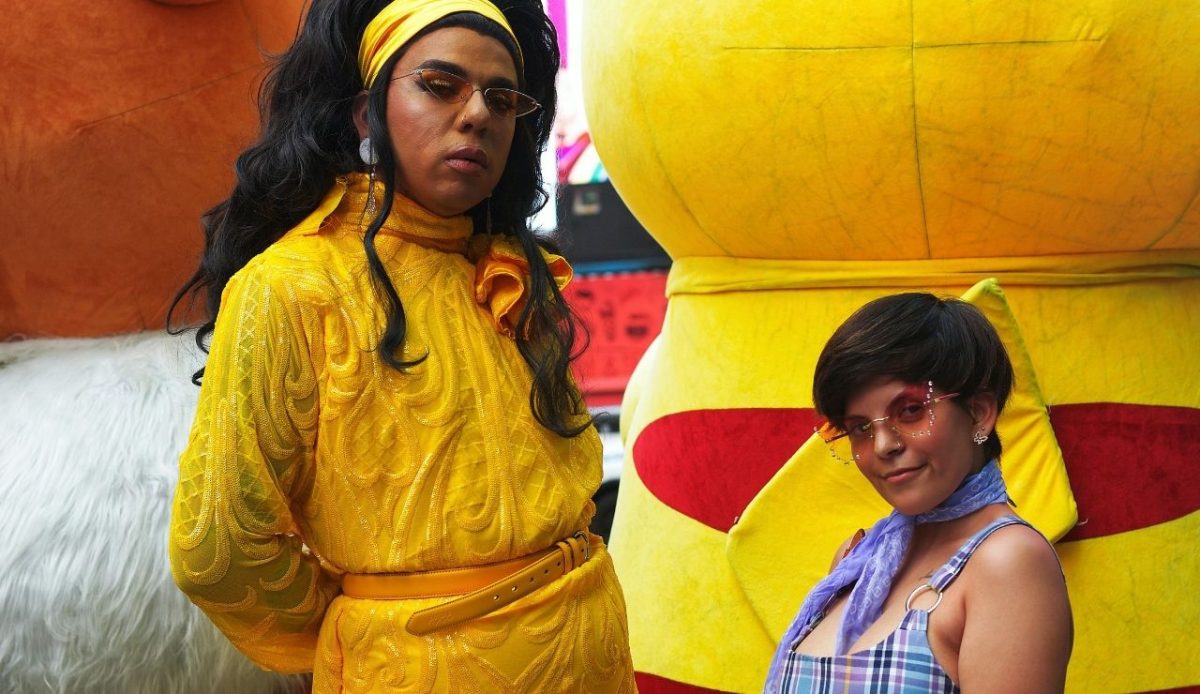
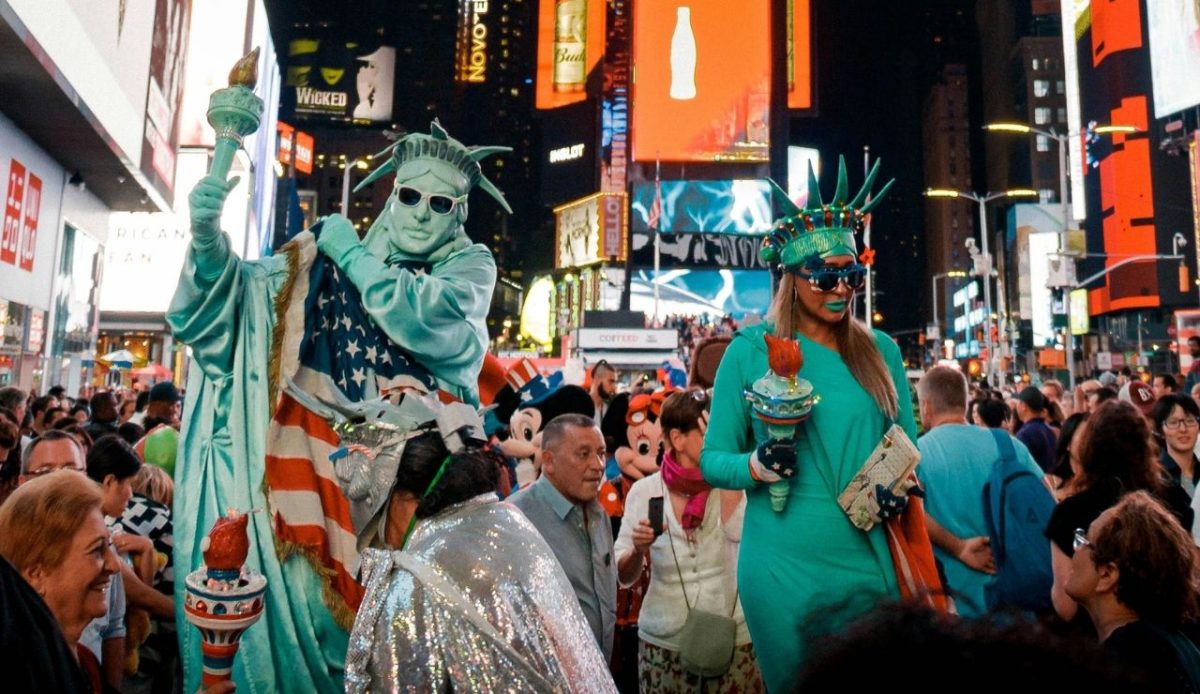
Local Law 99 created designated activity zones in Times Square plazas to separate performers and costumed characters from moving pedestrian traffic. The zones are mapped to specific plaza segments, so informal work is confined to marked rectangles.
Confinement concentrates audiences. When a performer draws a crowd near Broadway and West 45th Street, viewers bunch inside the zone and spill to the edge, blocking the through path.
Enforcement focuses on location rather than behavior, and the risk rises when someone steps outside the boundary. The rule reduces disputes, but it also makes street use feel procedural because space cannot adjust to demand.
4. Mandatory Signage Creates Ad Saturation
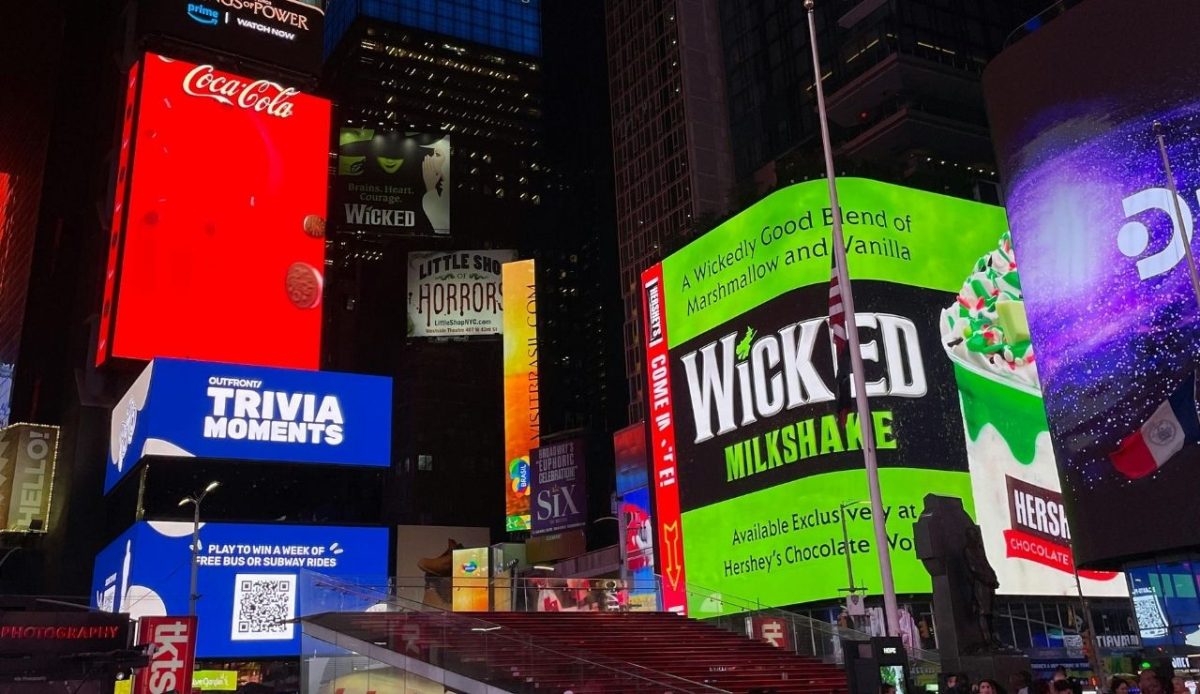
Times Square has a special signage district where zoning rules require large illuminated signs on key frontages, including corners facing Broadway. Because sign coverage is mandated, brightness and motion are not optional features of the streetscape.
Mandated displays affect navigation. At intersections like Broadway and West 44th Street, competing screens pull attention upward and reduce the visibility of directional signs and street names.
Since the requirement is embedded in land use rules, the city cannot dial it down for comfort without changing zoning. The outcome is a permanent commercial signal load that remains intense even during low crowd periods.
5. Events Regularly Block Normal Access
Large events repeatedly rewrite access in Times Square, with New Year’s Eve producing the clearest template for barriers and checkpoints. The bowtie area is divided into pens, and entry is controlled at specific avenues and cross streets with limited reentry.
Once barricades go up, normal crossing options shrink. People who work in nearby buildings on West 44th Street face longer walks because the direct route is closed.
These controls are an administrative response to crowd safety and policing limits, yet they also normalize shutdown logic for other events. In 2026, temporary closures feel routine because the same infrastructure is reused.
6. Sudden Security Closures Disrupt Movement
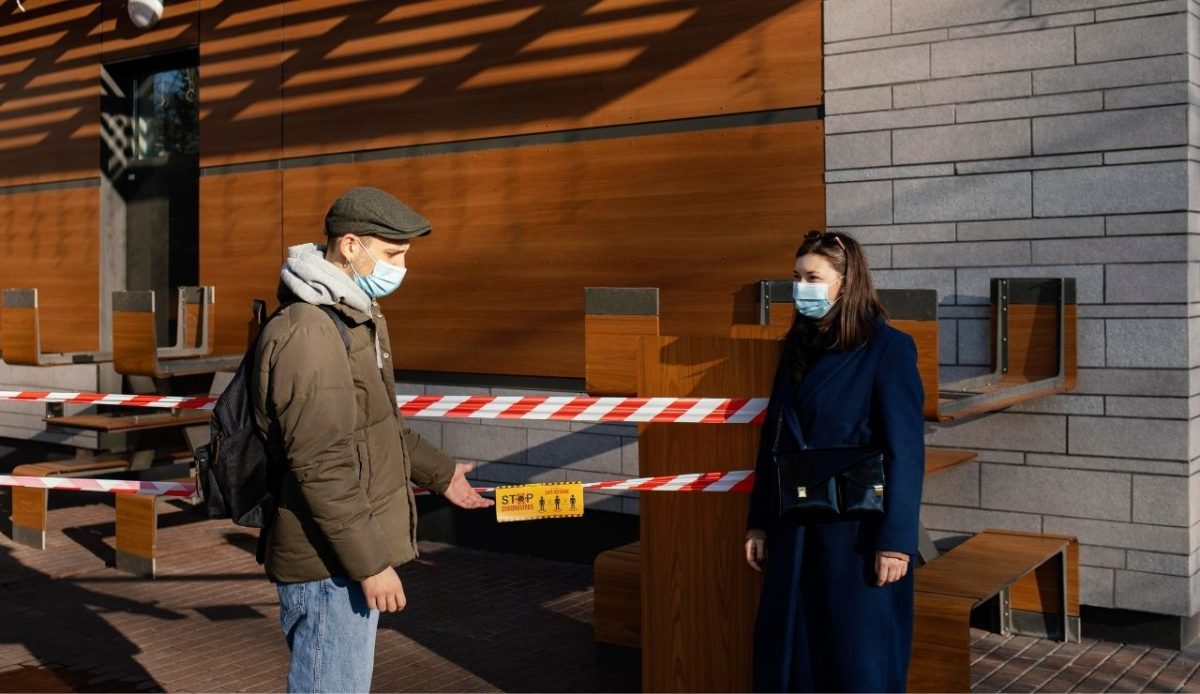
Times Square is treated as a high-risk public space, so security alerts can trigger fast perimeter controls around Broadway blocks within minutes. Because the grid is narrow near the bowtie, closing one segment pushes thousands into the next open crosswalk.
Rapid closures affect transit and street access at the same time. If West 42nd Street is restricted, buses and taxis divert, and pedestrian spillover loads the plazas after work hours.
Police direction and temporary fencing manage the surge, but the response reduces predictability for anyone trying to meet, shop, or commute. In 2026, the friction comes from uncertainty as much as from crowding.
7. Visitor Volume Overwhelms Sanitation
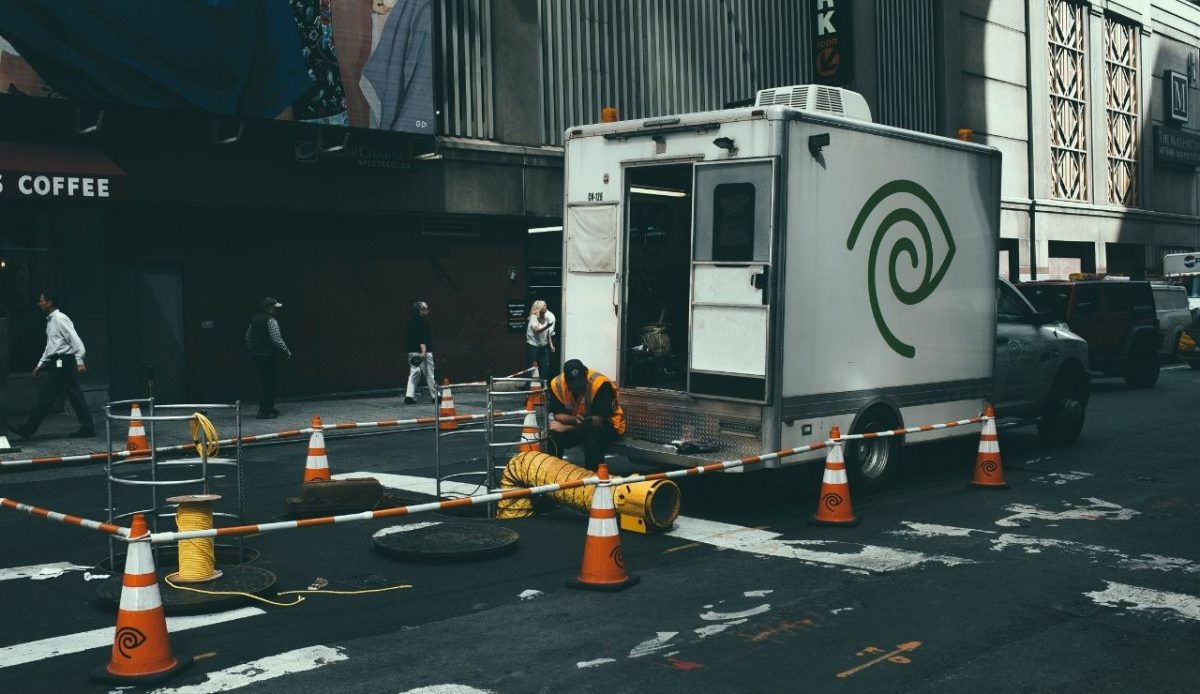
Times Square produces heavy sanitation demand because visitor volumes reach the hundreds of thousands on many days and concentrate in a few plaza blocks. Trash accumulation rises with takeout packaging and short dwell times, so bins fill faster than in residential districts.
Overflow affects circulation. When bags stack near Broadway and West 45th Street, walking lanes narrow, and cleaning crews must work in the same space as dense foot traffic.
The Times Square Alliance and city sanitation operations increase frequency, but fixed truck access and curb rules limit how fast material can be removed. In 2026, cleanliness depends on continuous intervention rather than stable capacity.
8. Chain Stores Replace Diverse Retail
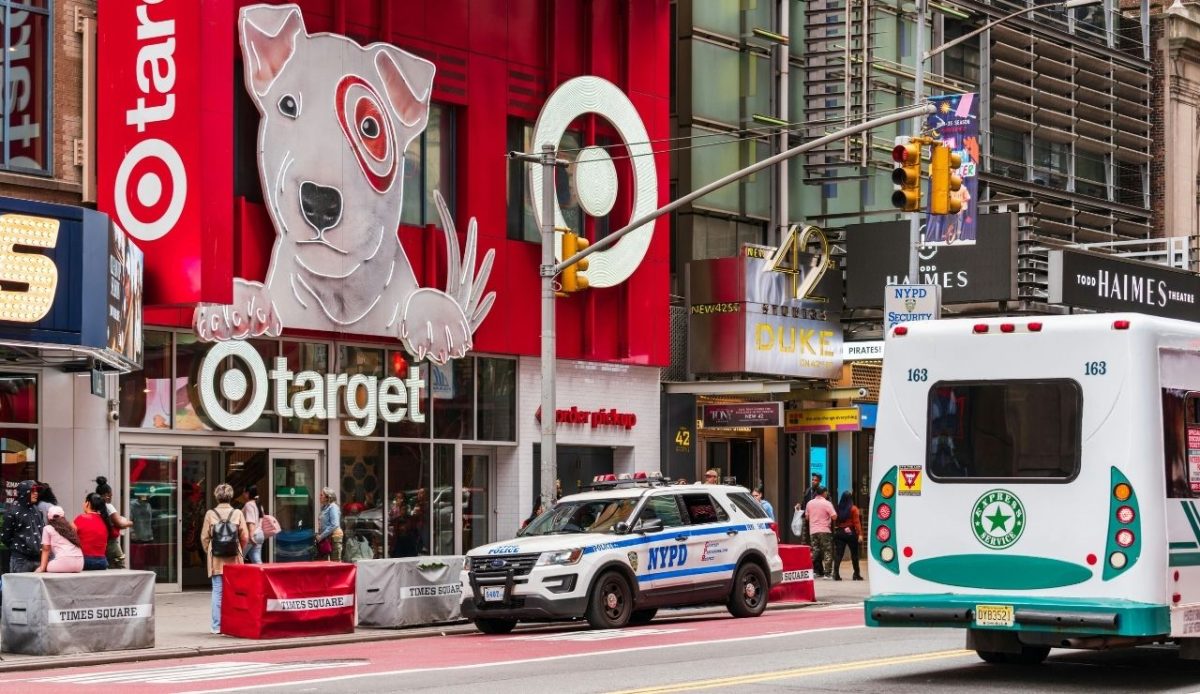
Retail leasing in Times Square is priced for national brands that can absorb high rent and short lease cycles on prime corners. When costs rise, smaller operators exit, so street-level uses tilt toward souvenir shops, fast food, and ticketed attractions.
This concentration affects daily function. On West 42nd Street, many storefronts aim at one-time purchases, which increases queueing and curbside crowding at entrances.
Local economic policy cannot easily counter this because zoning allows broad retail categories, and landlords optimize for credit tenants. In 2026, the district offers limited practical services, even though it occupies some of the city’s most visible blocks.
9. Traffic Detours Congest Nearby Streets
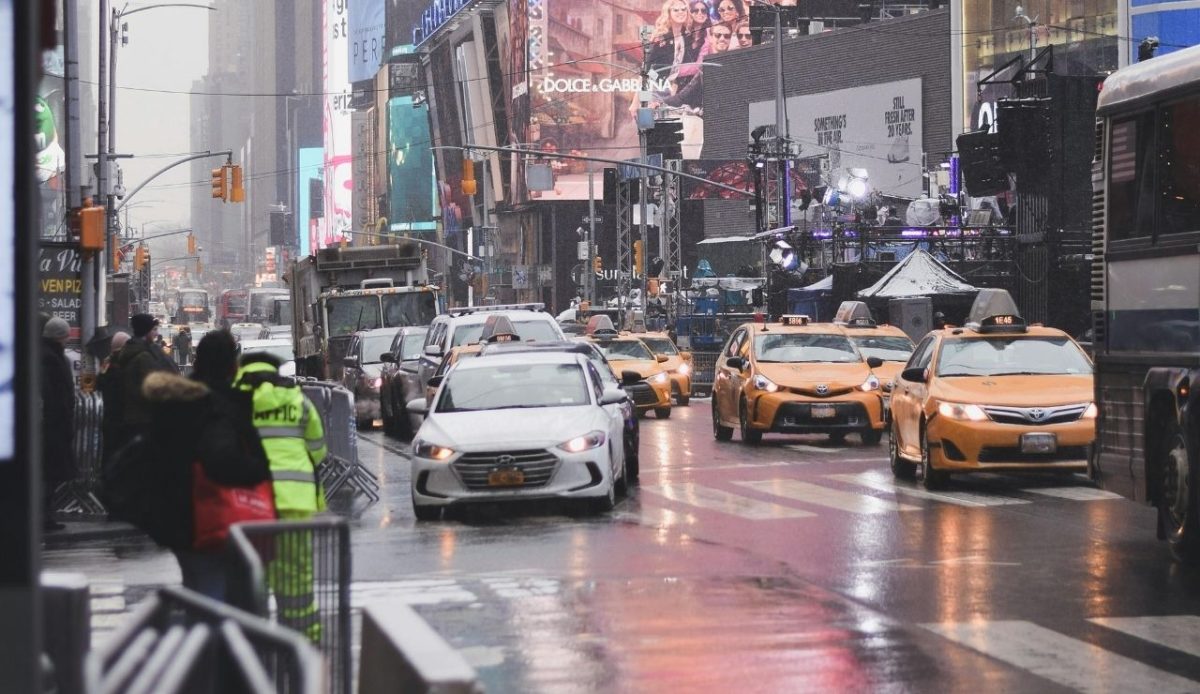
Traffic controls and pedestrian priority measures restrict through vehicle movement on Broadway near the bowtie and redirect cars to parallel streets. Because the Midtown grid has limited east-west capacity, detours compress into a few crossings like West 45th Street.
Detours shift congestion rather than removing it. Delivery vans circle to find legal curb space, then double-parking rises, which block buses and force riders into the street.
NYC DOT can adjust signals and curb rules, but fixed building lines and loading demand limit how much capacity can be created. In 2026 surrounding blocks absorb the spillover, so the problem spreads beyond the plaza itself.
