
Major European museums have traditionally offered open public access with flexible daytime schedules. In recent years, many institutions have reduced operating hours due to staffing limits, conservation needs, and revised visitor management. These shifts are increasingly noticeable for travelers planning short city visits.
Reduced hours may include later openings, earlier closures, or fewer open days each week. While these changes support collection care and operations, they can affect tourists with limited time or fixed itineraries.
This article highlights nine major European museums that have cut public visiting hours and explains how these changes affect travel planning.
1. Louvre Museum
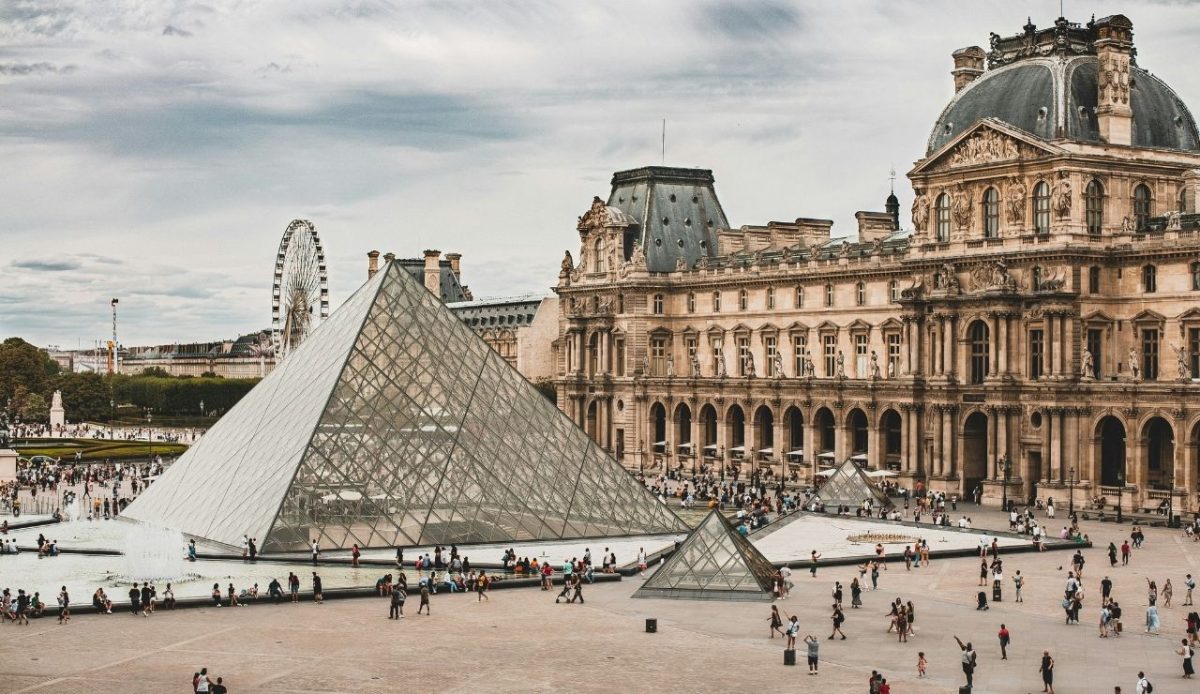
The Louvre Museum remains one of Europe’s most visited cultural institutions, but its public hours have become more limited. In recent years, the museum has reduced late evening openings, concentrating visitor access into standard daytime periods. This shift affects travelers who previously relied on extended hours to avoid crowds.
Staffing limitations and conservation requirements are often cited as reasons for these changes. By narrowing visiting windows, the museum can better manage security and gallery maintenance across its vast exhibition spaces.
For visitors, this means planning entry times more carefully. Same-day flexibility is reduced, particularly during peak travel seasons when demand is highest.
2. British Museum
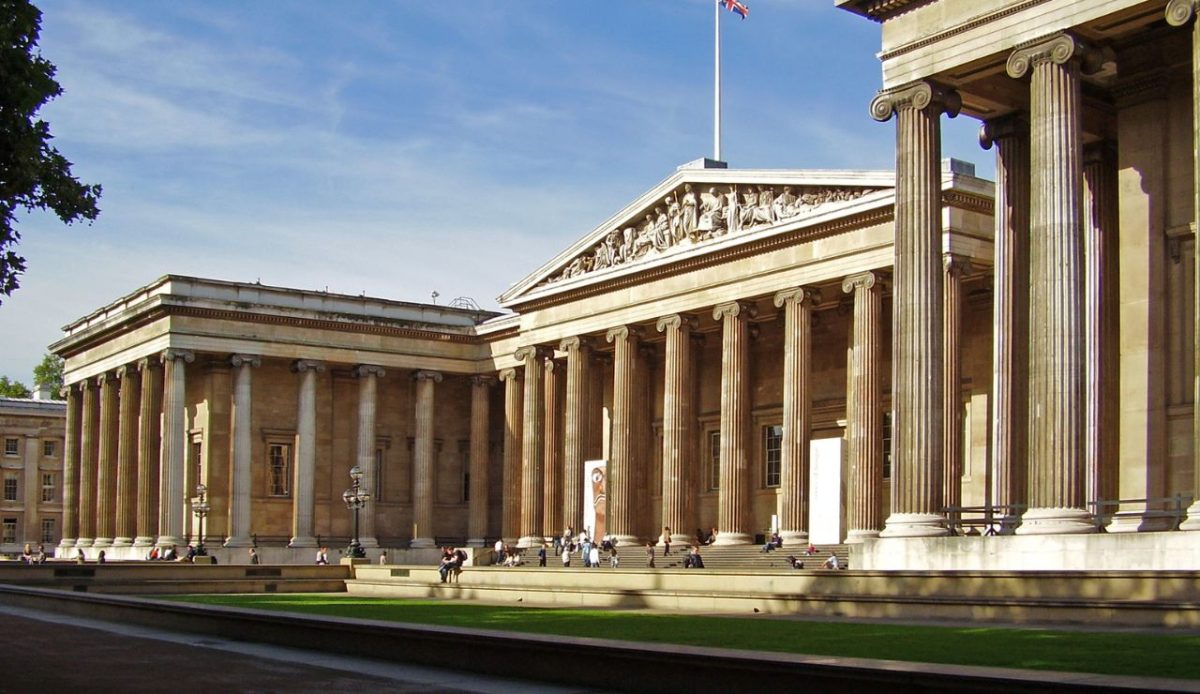
The British Museum has adjusted its public schedule by limiting evening access and standardizing closing times. While daytime hours remain consistent, fewer late openings are now available compared to previous years. This impacts visitors who prefer quieter evening visits.
Operational challenges and staffing pressures have contributed to these changes. Concentrating visitor flow into fixed hours helps the museum maintain safety and manage its large public spaces more efficiently.
Travelers should be aware that arriving later in the day offers less flexibility than before. Planning visits earlier has become increasingly important to ensure full access.
3. Prado Museum
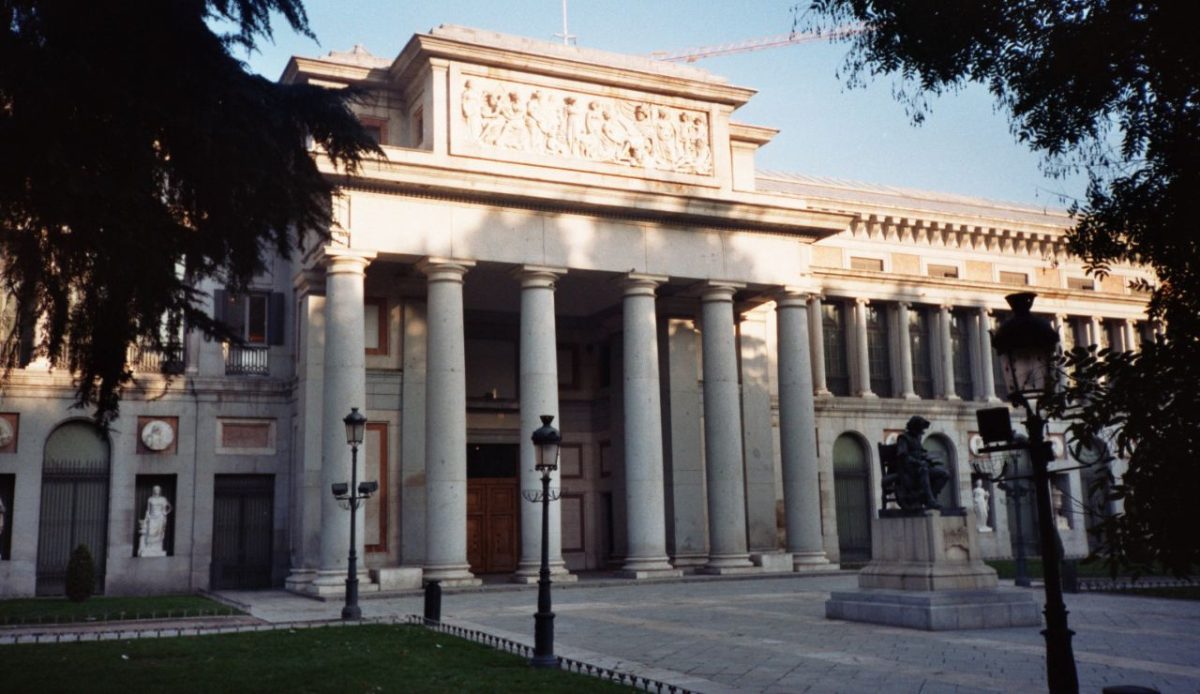
The Prado Museum has modified its visiting schedule by tightening daily opening hours. Earlier closing times on certain days reduce the availability of late afternoon visits, particularly during off-peak seasons. These adjustments reflect a shift toward controlled visitor management.
Museum officials have emphasized the need to balance public access with conservation efforts. Shorter hours allow staff to focus on preservation and gallery upkeep without overnight operations.
For travelers, reduced hours mean fewer options for same-day planning. Visitors must align their itineraries closely with the museum’s published schedule.
4. Vatican Museums
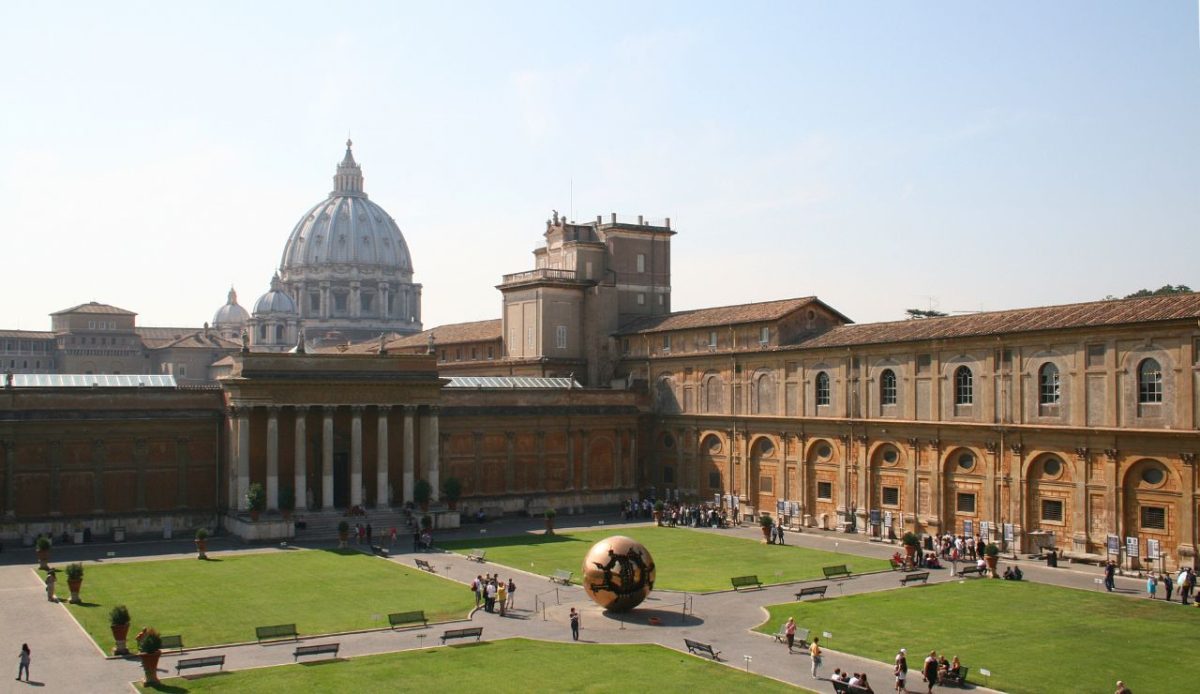
The Vatican Museums have introduced more structured visiting hours, limiting spontaneous entry opportunities. While early morning access remains popular, evening openings are now less frequent and often tied to special dates. This narrows the flexibility for casual visitors.
Crowd control and security considerations play a central role in these decisions. Concentrating visits into defined time blocks helps protect sensitive artworks and manage large daily attendance numbers.
As a result, travelers must plan visits carefully. Walk-in access later in the day is increasingly uncommon, especially during high tourist periods.
5. Rijksmuseum
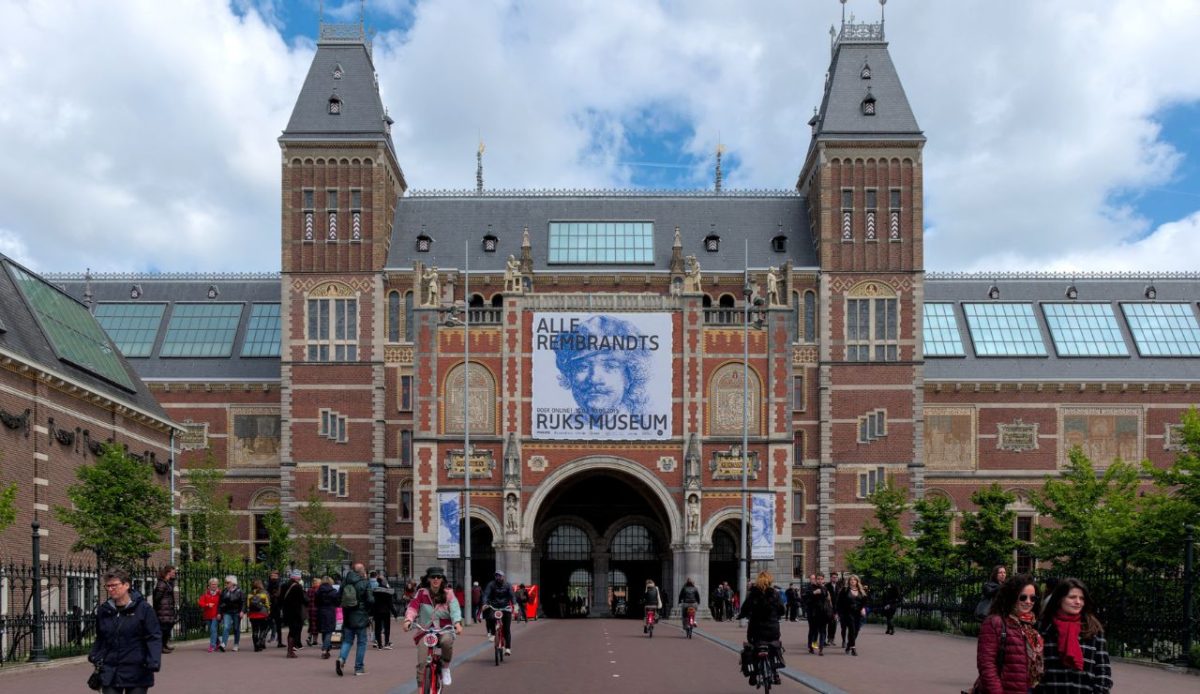
The Rijksmuseum has adjusted its public schedule by reducing extended opening hours that were once available several days a week. Evening access is now limited to select days or special programs, shifting most visits into daytime hours. While core opening times remain steady, flexibility for spontaneous visits has decreased.
These changes reflect staffing availability, operational efficiency, and collection care priorities. More concentrated hours allow the museum to maintain consistent gallery supervision and stable conservation conditions across its large exhibition spaces.
For travelers on short stays in Amsterdam, planning ahead is now more important. Visiting earlier in the day has become the most dependable way to ensure full access.
6. Uffizi Gallery
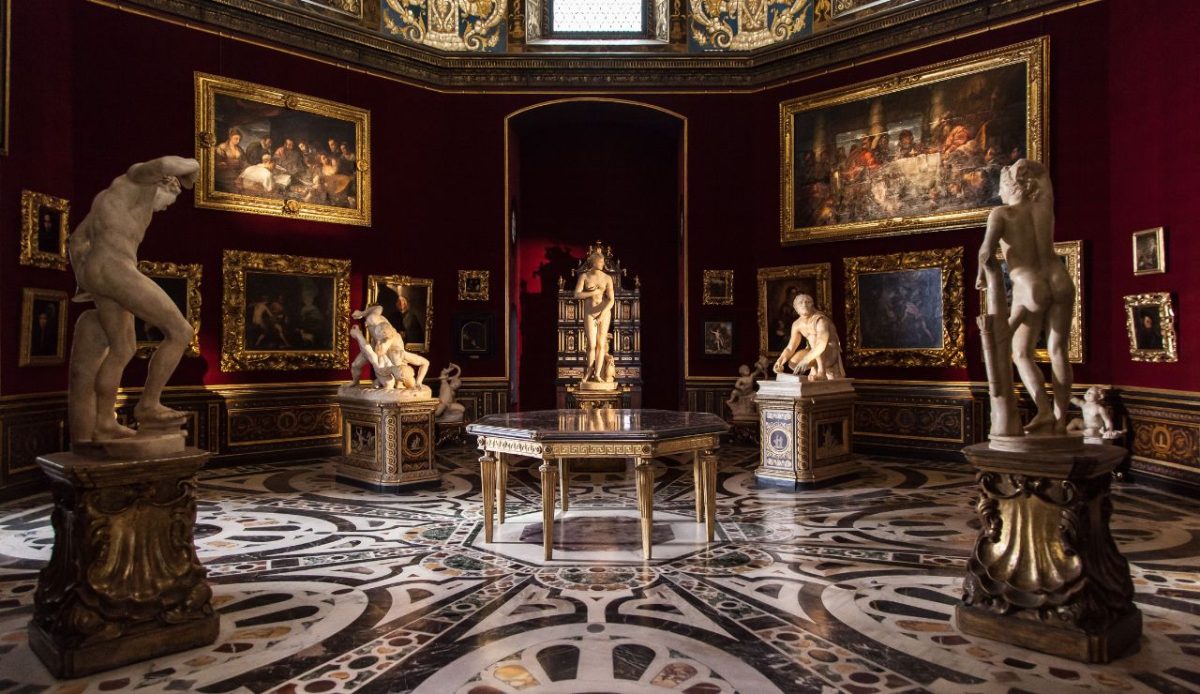
The Uffizi Gallery has reduced late-day access as part of broader efforts to regulate visitor flow. Earlier closing times on certain days affect travelers who plan museum visits after exploring Florence’s historic center. These adjustments have gradually reshaped daily tourism schedules in the city.
Museum administrators point to conservation priorities and staffing balance as driving factors. Concentrated visiting hours allow for better environmental control within the gallery’s historic interiors and reduce strain on preservation systems.
For travelers, tighter entry windows mean less flexibility. Missing a scheduled time can significantly limit the opportunity to see the collection during short visits.
7. Hermitage Museum
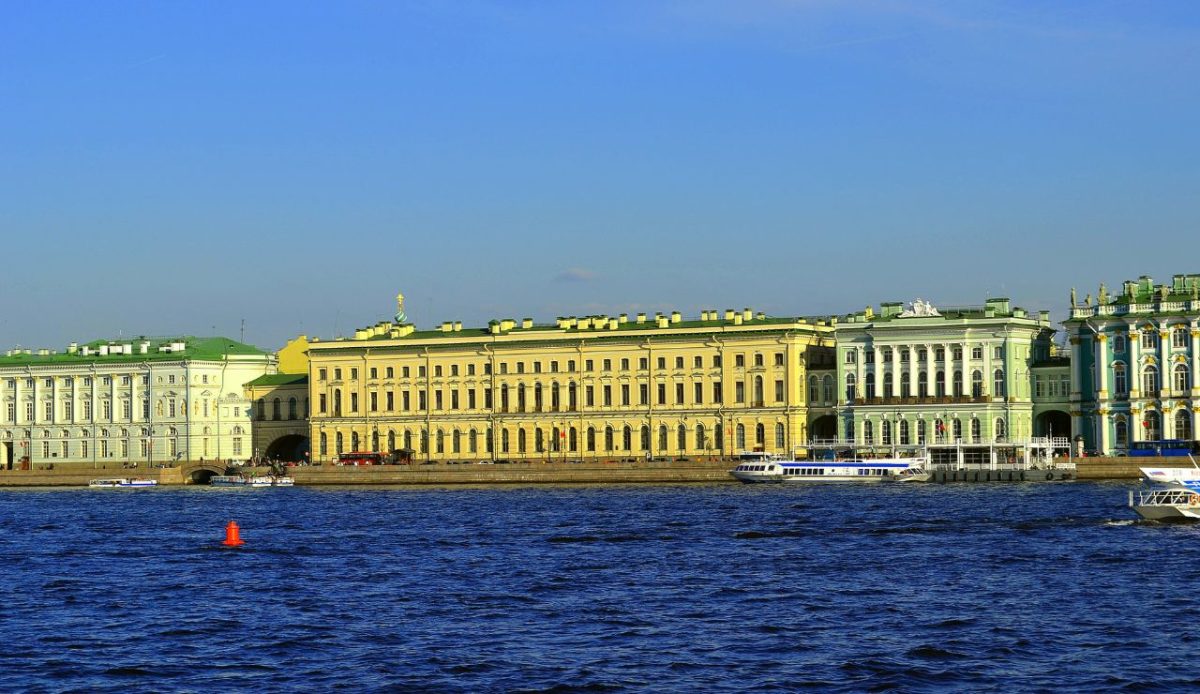
The Hermitage Museum has modified its public hours by limiting evening access and standardizing weekly schedules. Some galleries now close earlier than in previous years, affecting how much visitors can experience in a single visit. These changes are especially noticeable during peak tourist periods.
The revised schedule supports conservation work and reduces operational demands across the museum’s large and complex buildings. Fixed hours help staff manage security, climate control, and visitor movement more consistently.
As a result, travelers are encouraged to arrive earlier. Late-day visits no longer provide the same level of access across the full museum complex.
8. Museo Reina Sofía
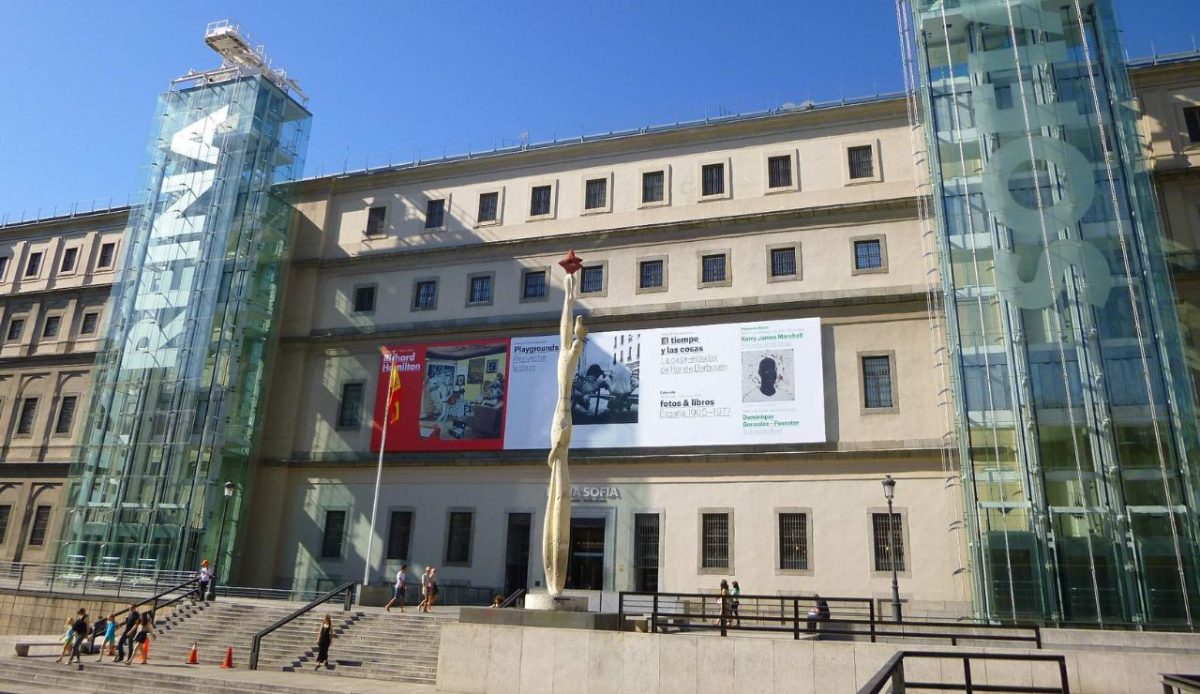
Museo Reina Sofía has streamlined its visiting schedule by scaling back extended evening access. While free entry periods remain available, overall public hours are more clearly defined than in the past. This shift affects visitors who rely on flexible evening sightseeing plans.
Museum officials cite staffing consistency and operational efficiency as key reasons. Concentrated hours allow better crowd distribution and improve oversight in high-traffic galleries housing modern and contemporary works.
For travelers, careful timing is now essential. Arriving late in the day may result in limited gallery access or shortened viewing time.
9. National Gallery
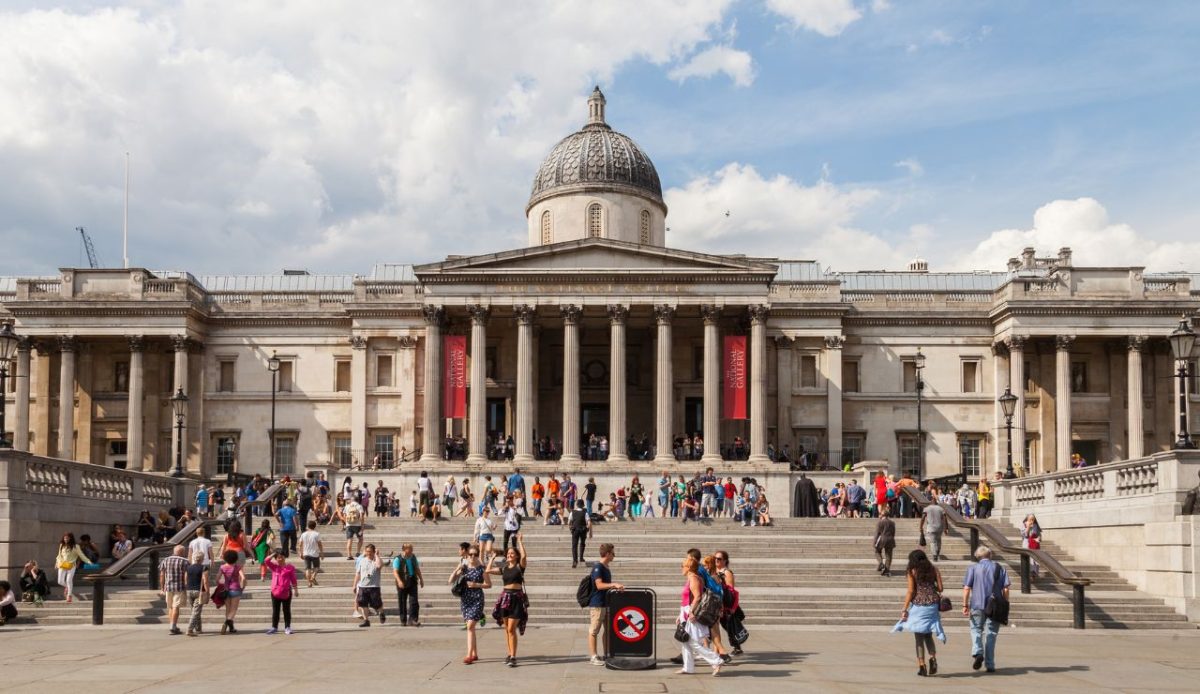
The National Gallery in London has reduced the number of late opening days, prioritizing standard daytime access. Evening visits are now less frequent and often linked to scheduled events rather than regular hours. This limits spontaneous after-hours museum trips.
Staffing pressures and visitor flow management have influenced these decisions. Maintaining predictable hours helps ensure consistent gallery supervision and supports conservation standards for the permanent collection.
For tourists, reduced evening access means planning ahead is increasingly important. Daytime visits now offer the most dependable opportunity to explore the galleries.
