
Public beaches have long been shared spaces, offering free access to coastlines that shape local identity and tourism. In recent years, however, that access has quietly narrowed in several coastal towns, often without clear public notice.
This shift is rarely caused by a single decision. Instead, zoning changes, private development, erosion, and regulatory adjustments gradually reshape how beaches are used. Over time, public entry points shrink while restrictions grow more visible.
For travelers and residents alike, these changes affect vacation planning and daily use of the coast. Understanding where and why access is changing helps explain a broader trend shaping shorelines worldwide.
1. Malibu, California
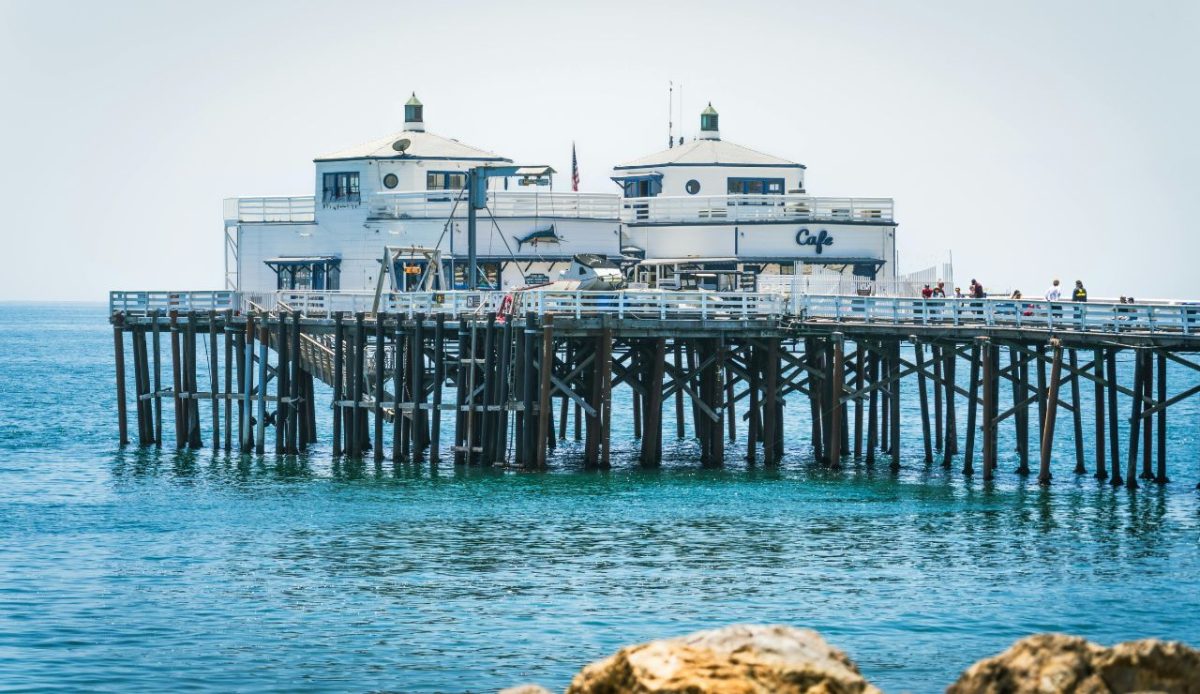
Malibu’s coastline is often associated with openness, yet public access has steadily become harder to navigate. While state law protects beach access, practical entry is limited by narrow pathways, parking restrictions, and unclear signage that discourages visitors.
Luxury development along the coast has reshaped how people reach the shoreline. Homes built close to access points create physical and psychological barriers, even when beaches themselves remain legally public.
As a result, visitors may technically have access but struggle to exercise it. The beach still exists, but reaching it increasingly requires local knowledge and persistence.
2. Palm Beach, Florida
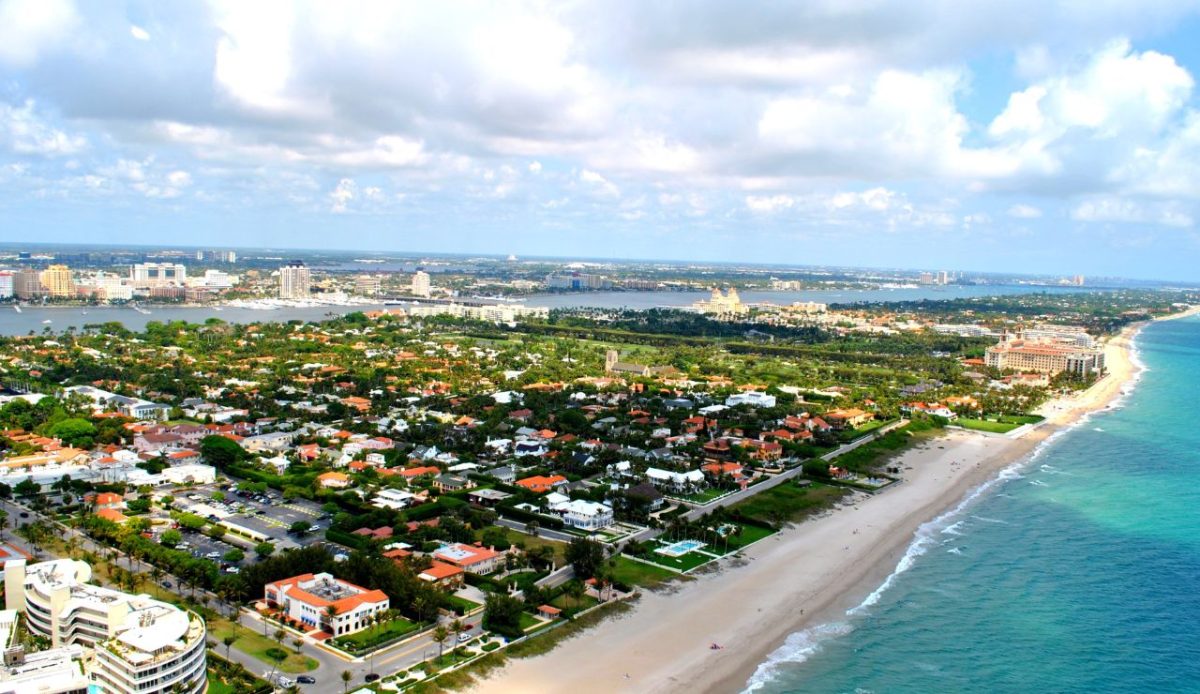
Palm Beach presents a coastline where public and private spaces blur together. While beaches are legally public below the high-water mark, most access points run through private land or controlled entrances that are not always clearly marked.
Over time, limited public parking and reduced entry paths have narrowed who can comfortably reach the shore. Visitors unfamiliar with local rules may assume the beaches are entirely private, especially when access signage is minimal.
This gradual restriction changes how the coastline functions. The beach remains visible and technically public, but meaningful access has become far less straightforward for day visitors and tourists.
3. Cape May, New Jersey
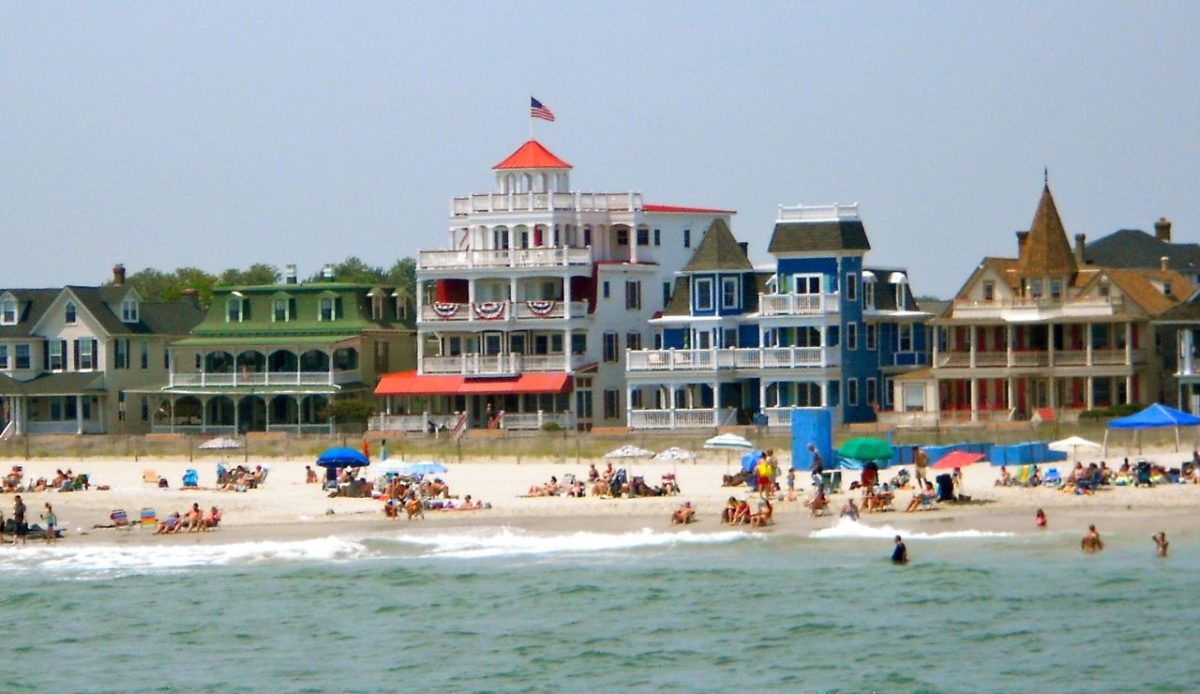
Cape May’s beaches remain popular, but access is increasingly shaped by local regulations and fees. Seasonal beach tags, limited entry points, and controlled amenities influence who can use the shoreline and during which months.
While these measures support maintenance, safety, and crowd management, they also reduce spontaneous access for visitors. Travelers arriving unexpectedly may find access dependent on timing and availability.
Over time, this system subtly redefines public space. The beach is still shared, but its availability is closely tied to seasonal rules, enforcement practices, and local policy decisions.
4. Laguna Beach, California
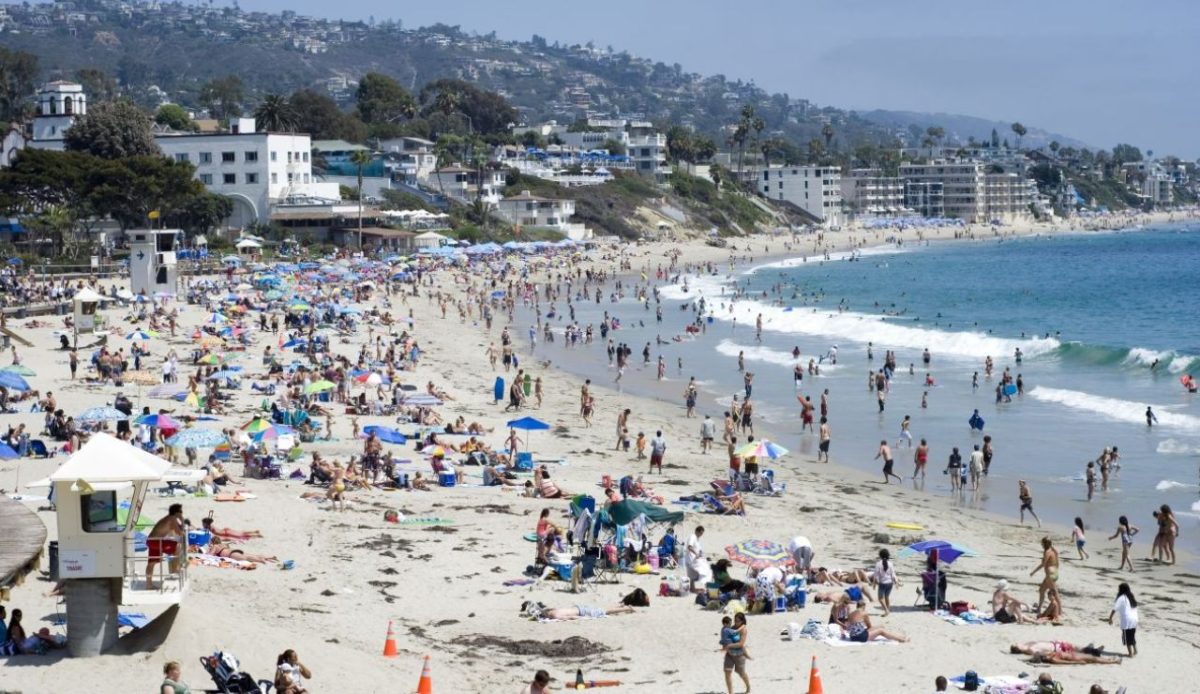
Laguna Beach features small coves separated by cliffs and private development. Although many beaches are public by law, access routes are often hidden, steep, or poorly marked, especially for first-time visitors unfamiliar with the area.
Erosion and infrastructure limitations have further reduced usable entry points. Some stairways and paths close temporarily but remain inaccessible for long periods, with reopening timelines that are not always clearly communicated.
For visitors, this creates uncertainty. Beaches appear nearby yet feel unreachable, reinforcing the sense that access is shrinking even where legal protections and public designations still exist.
5. Nantucket, Massachusetts
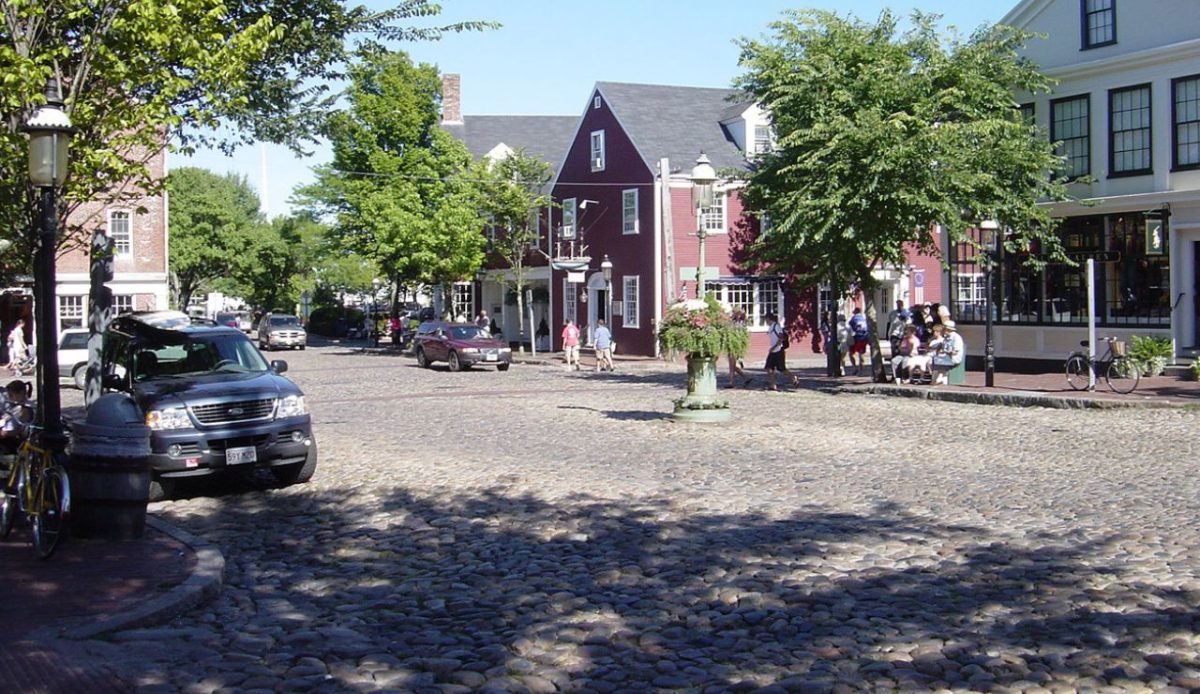
Nantucket’s shoreline is shaped by both natural forces and long-standing local customs. While beaches are broadly public under state law, access paths can shift frequently due to erosion, storm damage, and changing property boundaries along the coast.
In some areas, traditional walking routes disappear after seasonal weather events, leaving fewer practical ways to reach the water. Replacement paths are not always clearly established or publicized, creating uncertainty for visitors unfamiliar with local conditions.
This evolving landscape means beach access depends heavily on current conditions rather than fixed infrastructure. The coastline remains public in principle but increasingly variable in practice, especially from year to year.
6. Kiawah Island, South Carolina
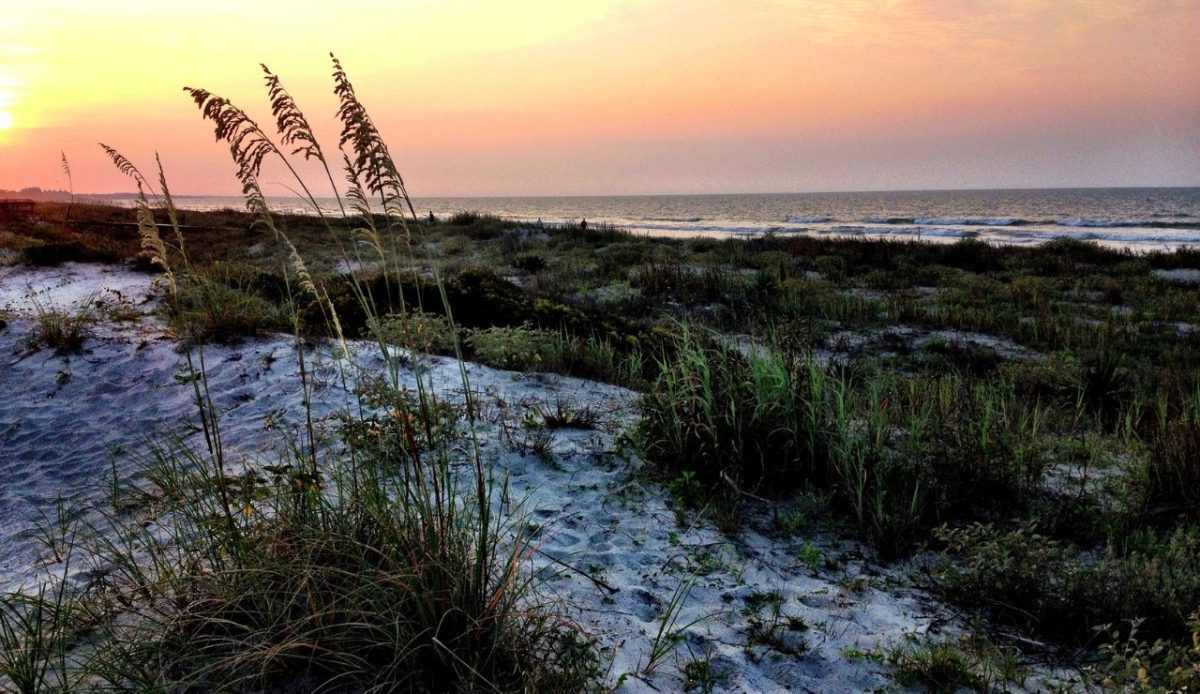
Kiawah Island is known for its carefully managed coastline, much of it bordered by private communities and resort developments. Public access exists under state law but is limited to specific entry points with controlled parking and designated walkways.
Visitors often encounter long distances between access areas, making spontaneous beach visits difficult without advance planning. Entry points may require navigating residential zones, which can feel unclear to first-time visitors.
While the beach itself is not private, the effort required to reach it effectively reduces public use and visibility. Access remains available, but its structure favors planned visits over casual public entry.
7. Carmel-by-the-Sea, California
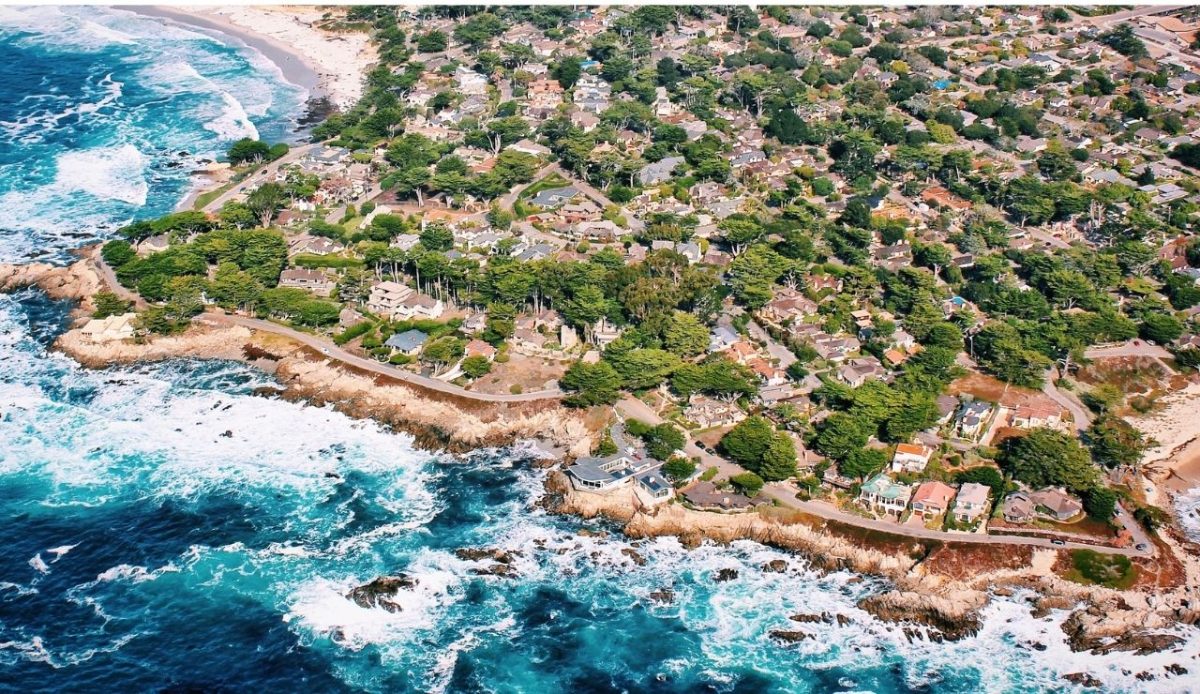
Carmel’s beach is widely admired for its natural setting, yet access is shaped by environmental protections and limited infrastructure. Preservation policies restrict the construction of new access points to protect dunes and coastal ecosystems.
Parking limitations and residential zoning influence how easily visitors can reach the shoreline, particularly during weekends and tourist seasons. Narrow roads and limited public lots add to congestion near entry areas.
These factors combine to create a beach that feels open visually but operates within narrow practical limits for the public. Access exists, but it is tightly managed by environmental and planning constraints.
8. Hilton Head Island, South Carolina
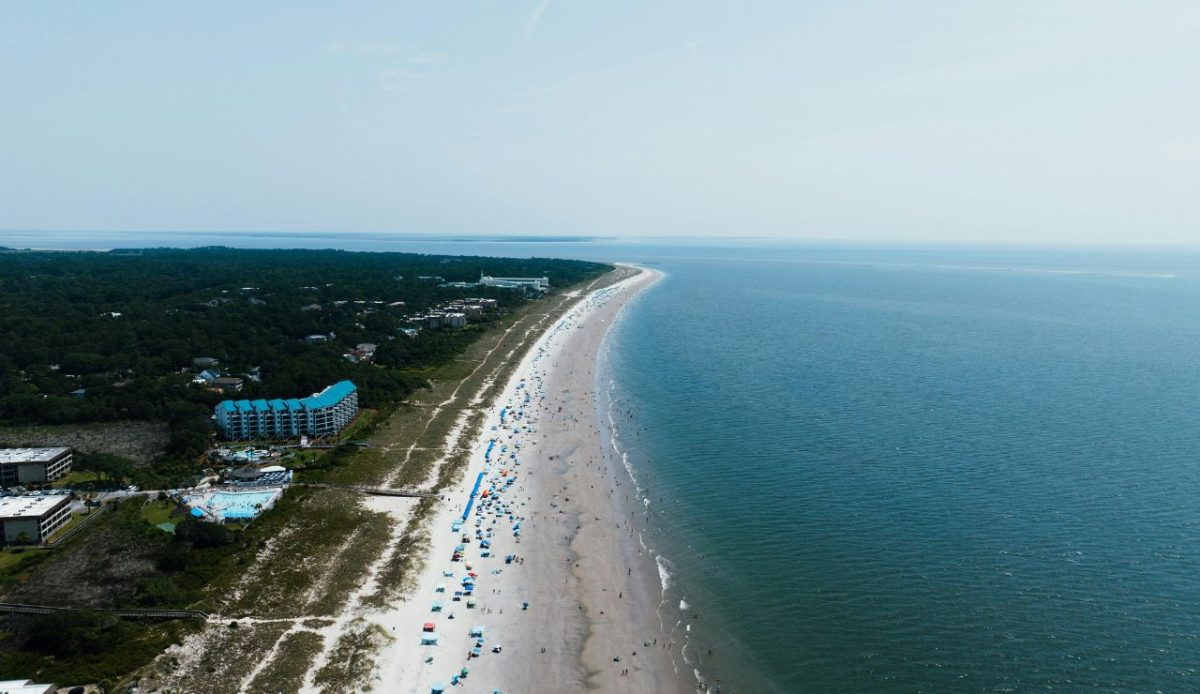
Hilton Head balances tourism with environmental management, a combination that directly affects beach access. Entry points are designated, maintained, and clearly defined, but spacing between them is wide along much of the shoreline.
Private resorts and residential developments dominate coastal stretches, leaving visitors dependent on specific public corridors. These access points often include parking limits that shape how long visitors can stay.
This structure helps preserve the shoreline but also concentrates public access into fewer areas. As a result, the beach feels less evenly accessible in everyday use.
9. Santa Monica, California
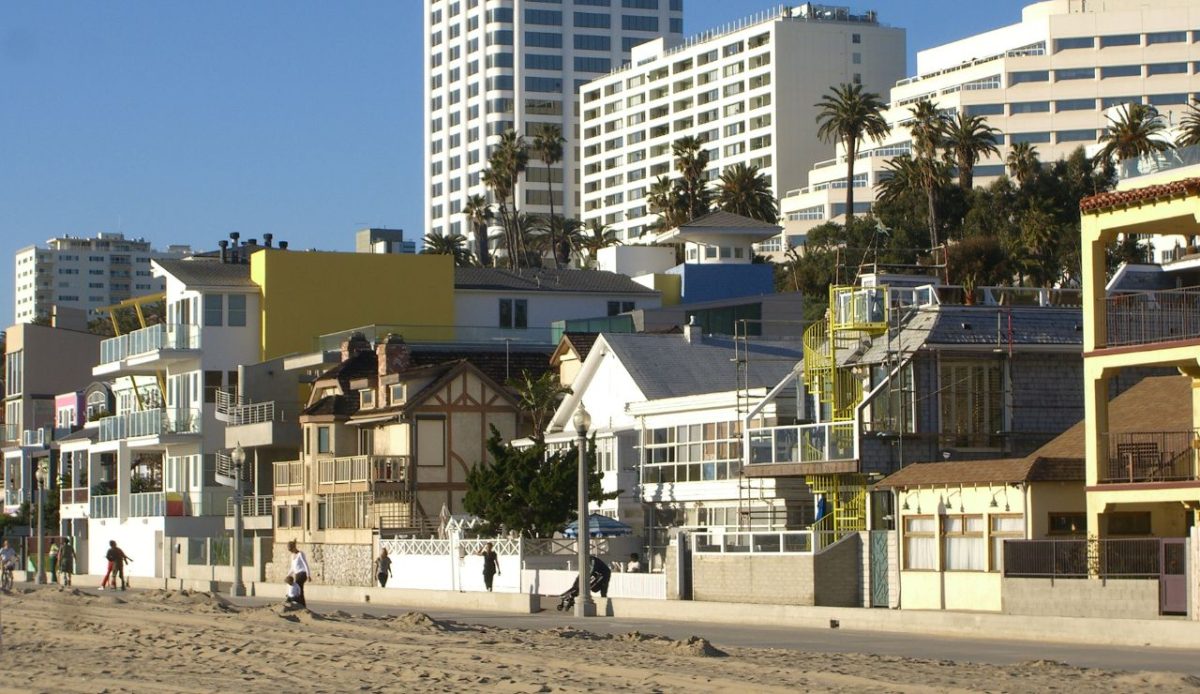
Santa Monica remains one of the most accessible urban beaches in the country, yet pressures are steadily growing. Coastal erosion and aging infrastructure affect usable beach space and the durability of access areas.
Large-scale tourism, events, and commercial activity reshape how the beach functions for everyday visitors. Certain sections become crowded or temporarily restricted during peak periods.
While access remains broad and legally protected, the overall experience reflects how even well-known public beaches face gradual limitations driven by use, maintenance demands, and environmental change.
