
Across the United States, once-wealthy towns that powered America’s industrial and economic rise are confronting stark new realities. Historic hubs that once symbolized prosperity, innovation, or natural riches have seen their fortunes dwindle as industries shifted or shuttered.
From mining capitals to manufacturing strongholds, these places thrived because of booming resources or dominant employers. Today, they face population loss, blight, and economic hardship that challenge community survival.
This guide looks at 10 once-wealthy American towns now fighting for survival. Their journeys reflect resilience in the face of decline, showing how communities adapt, rebuild, and find new purpose without forgetting their storied pasts.
1. Butte, Montana
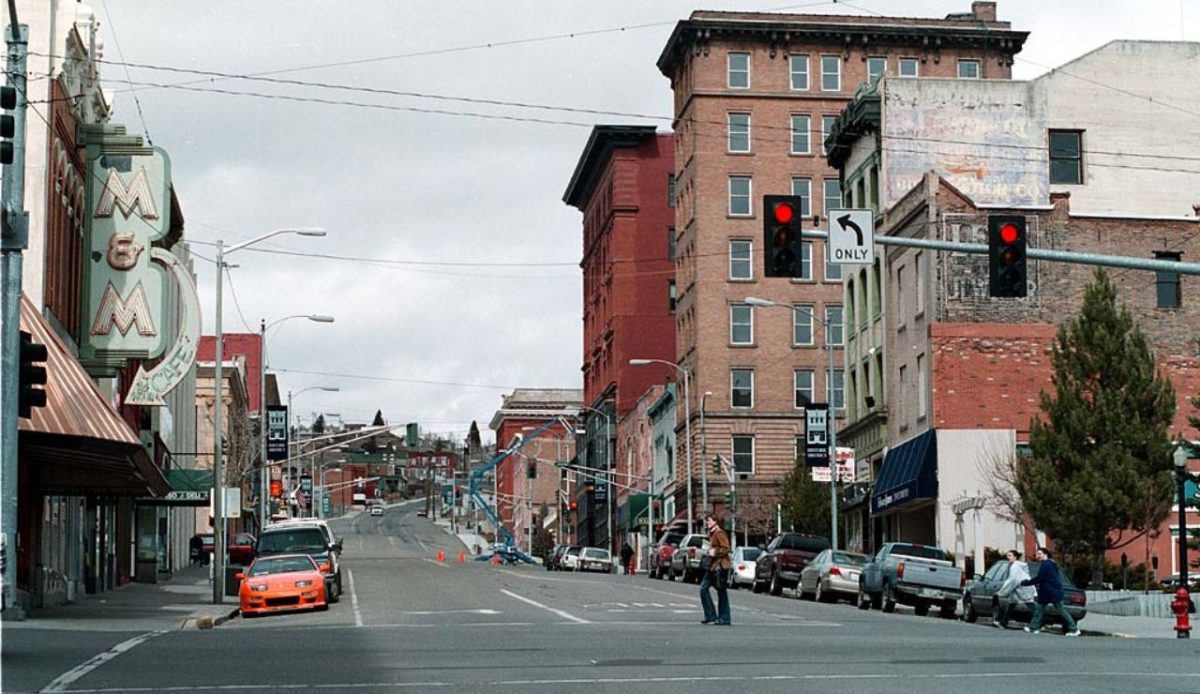
Butte was once hailed as the “Richest Hill on Earth,” thanks to its massive copper production that powered industrial growth nationwide. Its mines yielded enormous wealth in the early 20th century, attracting workers, businesses, and investors alike.
Today, that era of prosperity has faded, and the town faces environmental challenges like the Berkeley Pit, a huge mined-out pit filled with toxic water now being actively managed to protect the local watershed.
Yet Butte isn’t giving up. Heritage tourism, music festivals, and remote-worker attraction efforts have emerged as new economic drivers, drawing visitors and new residents who appreciate its rugged history and affordable lifestyle.
2. Gary, Indiana
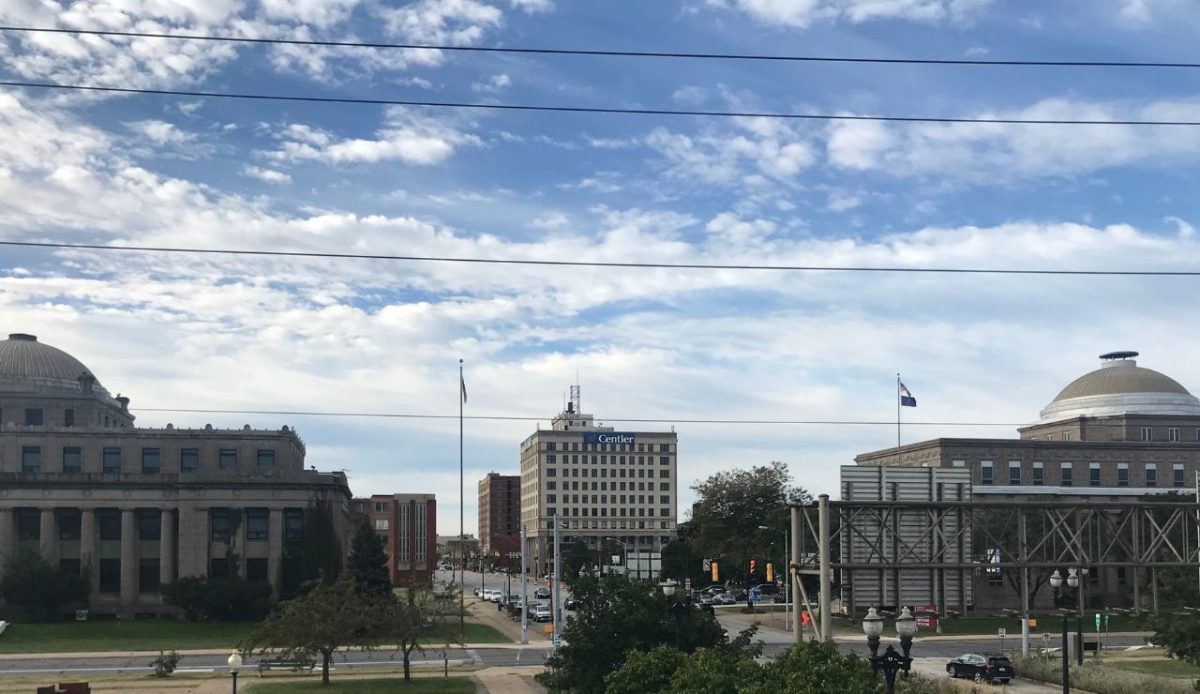
Founded in 1906 by U.S. Steel, Gary once stood as a symbol of American industrial might, with its steel mills employing thousands and fueling both local and national prosperity.
Decades of decline left vast swaths of blighted buildings and declining population, but recent efforts are bringing renewed attention. A $15 million revitalization grant and partnerships with architectural schools aim to reshape downtown and honor its historic identity.
Today, Gary works to balance preservation and innovation, proving that even deeply challenged towns can find new life through investment, creativity, and community planning.
3. Youngstown, Ohio
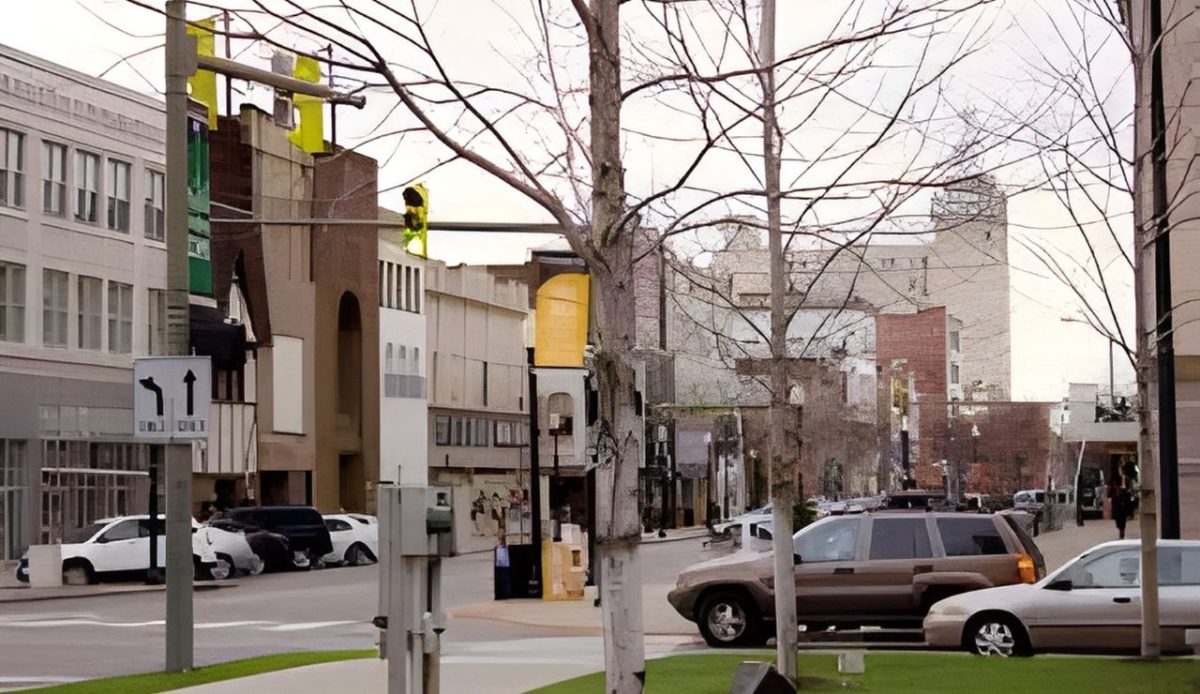
Youngstown’s story is synonymous with the decline of America’s steel industry. Once a powerful production hub, it lost tens of thousands of jobs after “Black Monday” in 1977, when steel mills began closing and shuttering operations.
For years it was a symbol of Rust Belt decay, but the city’s spirit didn’t fade. In 2025, state funding launched a tech and innovation hub focused on aerospace, defense, and advanced manufacturing, attracting new industries and opportunities.
With Amazon and other logistics projects breaking ground, Youngstown’s economy reflects a pivot from heavy manufacturing to future-oriented sectors, showing that reinvention can occur even after deep decline.
4. Natchez, Mississippi
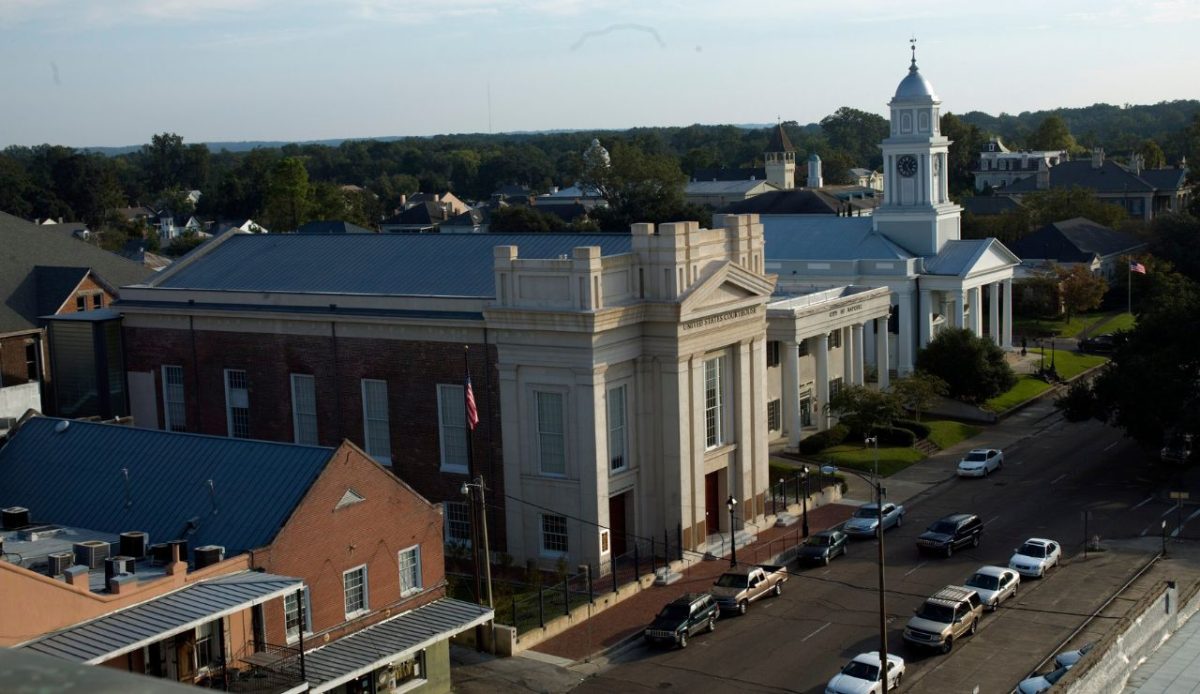
Before the Civil War, Natchez had more millionaires per capita than anywhere else in the United States, driven by the cotton trade’s massive wealth. Its antebellum mansions remain vivid reminders of that era.
As the cotton economy waned, so did local prosperity. In recent years, the town has focused on hospitality and historic preservation as economic lifelines. A major historic hotel is slated to reopen under a national brand, attracting tourism dollars.
The infusion of new building permits and renewed growth signals that Natchez’s blend of history and Southern hospitality may be the key to its revival.
5. Flint, Michigan
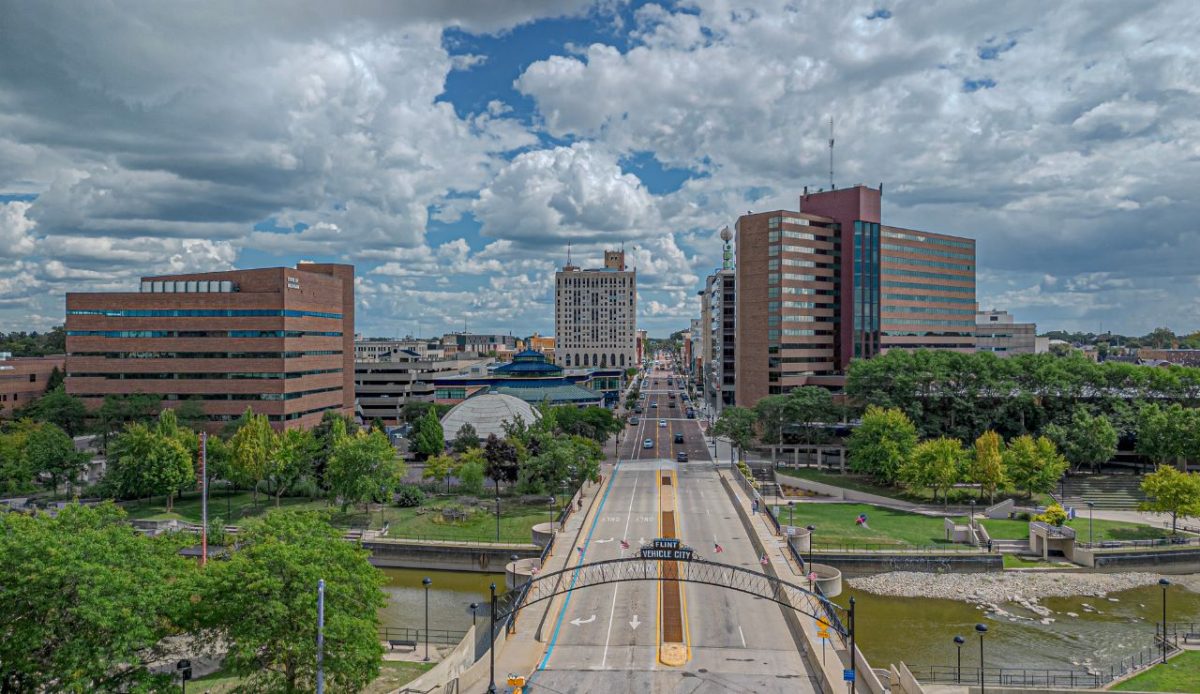
Once a cornerstone of America’s automotive industry and birthplace of General Motors, Flint enjoyed tremendous wealth in the early and mid‑20th century. Its factories produced iconic cars that defined an era and drew workers from across the country.
Hardship followed, including the widely publicized water crisis, and the city’s economy became a cautionary tale of industrial decline. Residents faced long-term challenges, yet local initiatives have sparked a cautious optimism.
Flint’s determination is evident in new industrial development, downtown revitalization projects, and community programs. With small businesses flourishing alongside cultural initiatives, the city is slowly reclaiming vibrancy while honoring its historic legacy.
6. Springfield, Ohio
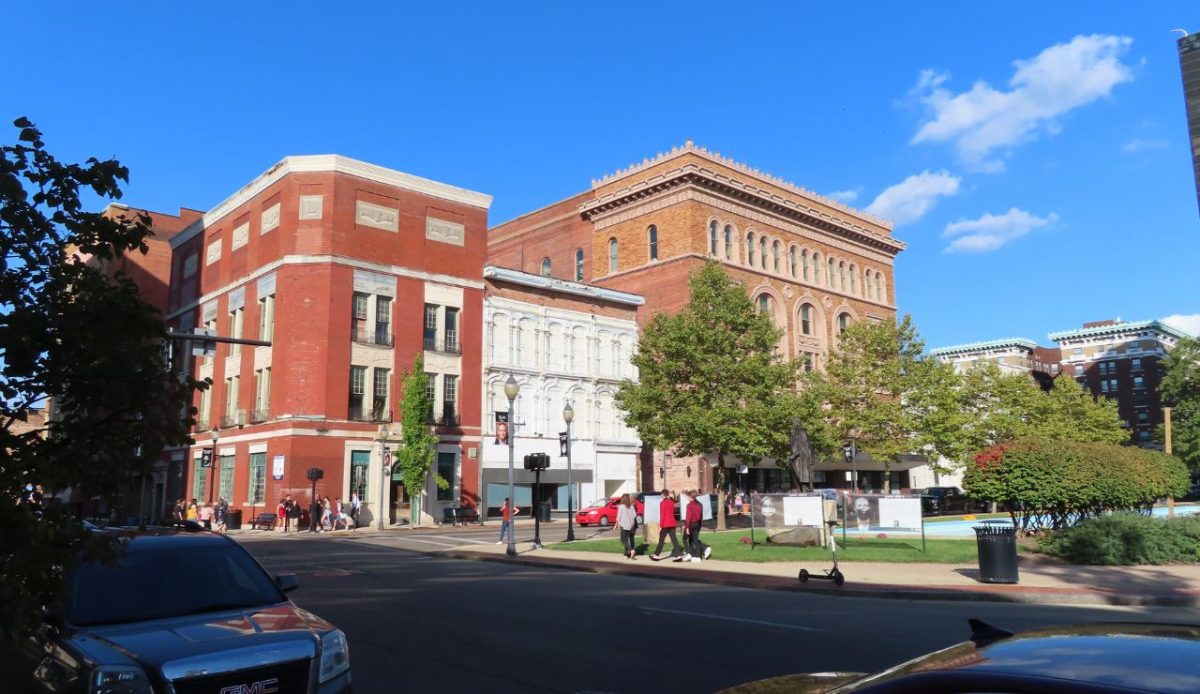
Springfield earned the nickname “Champion City” as a major agricultural equipment producer. Its factories once supplied essential tools nationwide, fueling local prosperity and innovation across multiple industries.
Today, Springfield contends with shifting demographics and economic restructuring, including immigration-driven growth and changing workforce demands. Local initiatives focus on modernizing infrastructure while preserving historic charm.
Community centers, tech incubators, and small-scale manufacturing efforts are helping Springfield adapt. The town’s resilience lies in combining its industrial heritage with forward-looking strategies that attract investment and foster social cohesion, ensuring survival amid change.
7. Camden, New Jersey
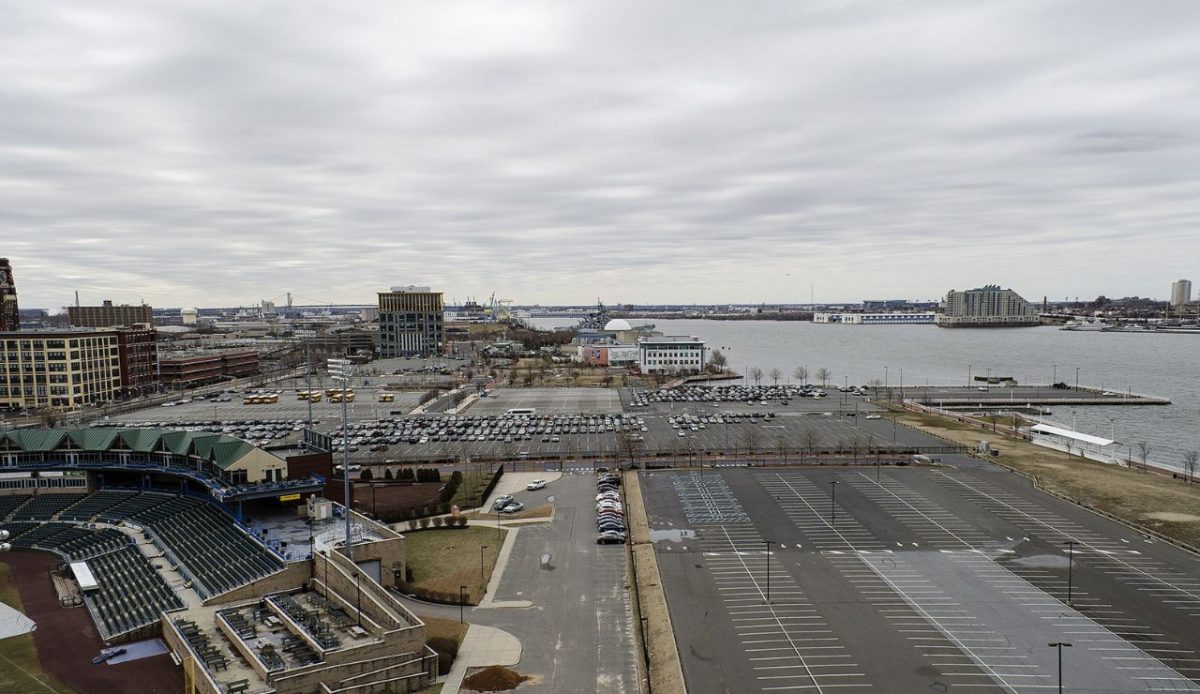
Camden was once an industrial titan, home to major companies and shipbuilding operations that fueled the regional economy during the mid-20th century. Its waterfront and neighborhoods thrived on manufacturing wealth.
After decades of decline, social challenges, and high unemployment, Camden focused on “Eds and Meds”, expanding education and healthcare employment as new economic anchors. Revitalized waterfront areas and small business initiatives support recovery.
With a growing arts scene, improved public spaces, and investment in community programs, Camden demonstrates that strategic reinvention can restore hope. Residents now see the city as an emerging hub for innovation, learning, and culture despite historic struggles.
8. Braddock, Pennsylvania
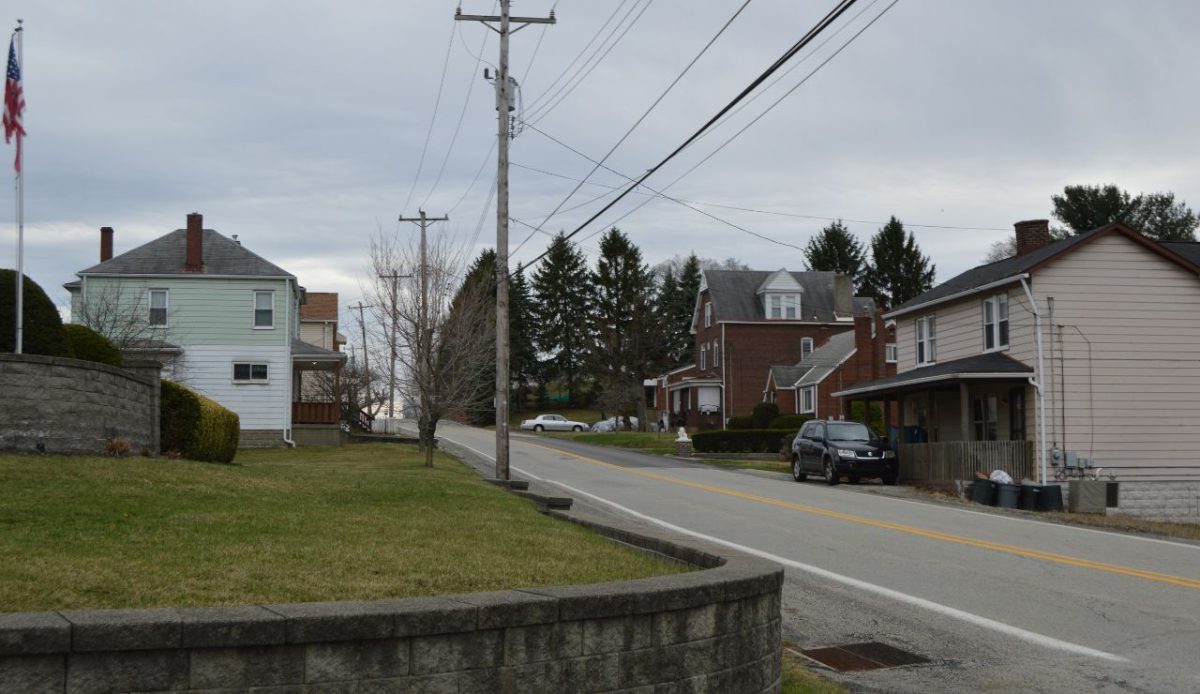
Braddock’s historic significance stems from Andrew Carnegie’s first steel mill, once anchoring a thriving industrial town with hundreds of jobs and economic stability. The town grew rapidly during America’s steel boom.
After decades of steel decline, Braddock’s population dropped sharply, leaving abandoned buildings and economic uncertainty. Recent community efforts focused on revitalizing the historic Carnegie Library and creating space for artists and cultural events.
Affordable housing, artist studios, and small business growth have injected energy into Braddock. The town is increasingly recognized as a model for post-industrial regeneration, balancing heritage preservation with modern innovation to attract new residents and visitors.
9. Cairo, Illinois
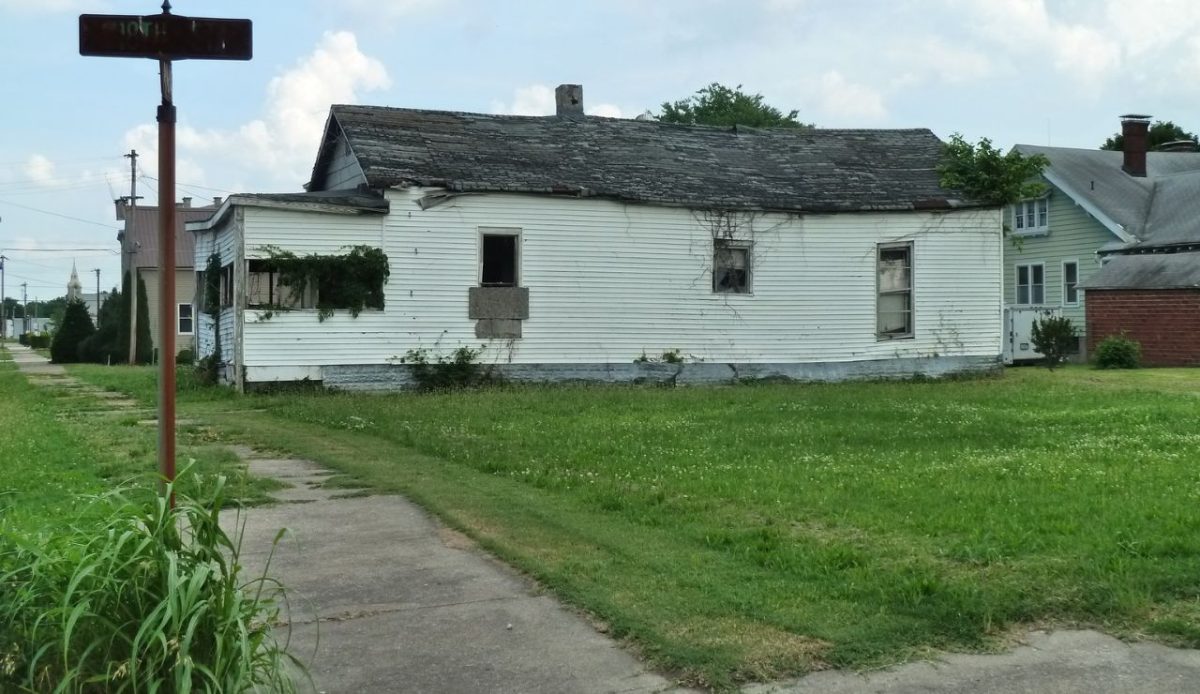
Cairo, located at the confluence of the Ohio and Mississippi Rivers, once thrived as a key port city and regional trading hub, with booming commerce supporting a diverse population.
Over time, bypassed transportation routes and social tensions led to economic decline. Essential services dwindled, leaving buildings vacant and the town struggling to maintain vitality.
Recent grassroots efforts to reopen grocery co-ops and revitalize riverfront development signal hope. Strategic investment and careful planning could restore Cairo’s historic relevance, positioning it as both a cultural landmark and a niche tourist destination for adventurous travelers.
10. Pine Bluff, Arkansas
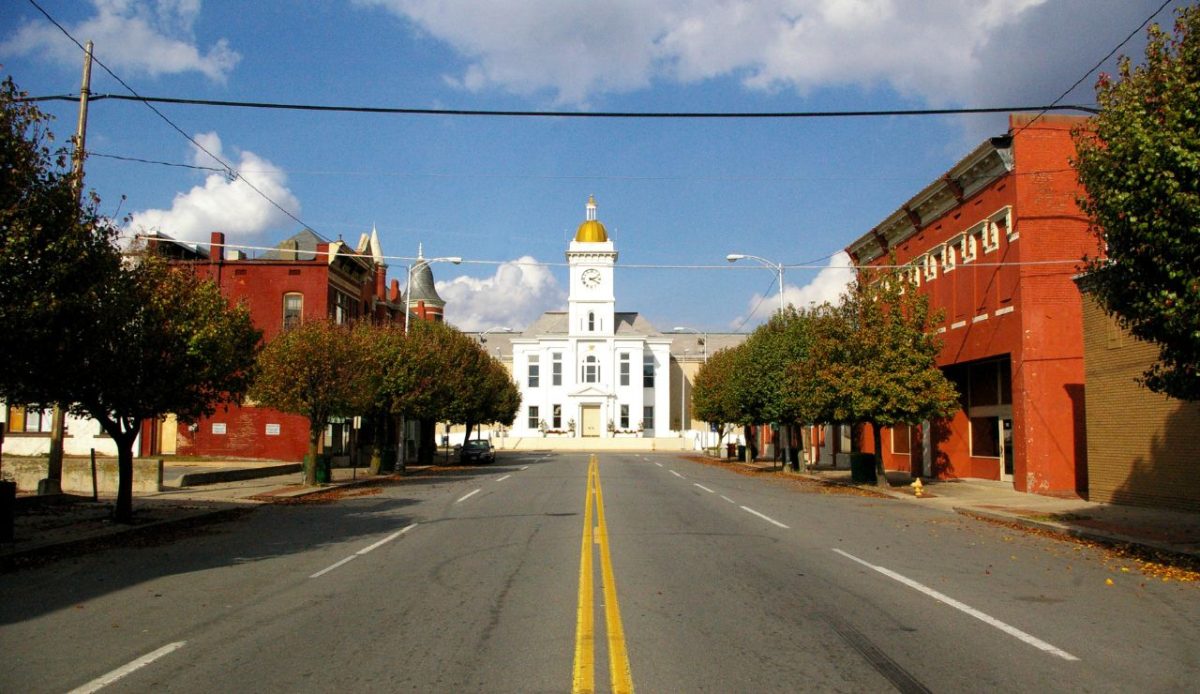
Pine Bluff was once Arkansas’s second-largest city and a center of cotton production, which drove commerce and local prosperity for generations. Its downtown district was a hub of civic and social activity.
Facing rapid population decline and economic downturns, the town approved a sales tax to fund infrastructure, business incentives, and revitalization projects. A major casino resort now serves as a potential economic anchor.
By blending historic preservation with new investment, Pine Bluff is attempting a rebirth. Community engagement, targeted development, and the leveraging of local cultural assets are key to stabilizing its economy and ensuring a sustainable future for residents and businesses alike.
