
Paris Catacombs visits run on strict conservation and safety rules, so planning matters more than most museums. Timed entry, security checks, and a one-way route shape how long the experience takes and what you can bring.
The ossuary was created after the late 1700s, when public health concerns pushed Paris to transfer remains from crowded cemeteries. Today, the public path uses a small, managed portion of the former quarry network beneath the city.
This guide highlights what a newcomer should know before arriving, using details published by the site and major tourism offices. It focuses on logistics, physical demands, and behavioral rules that can affect entry or comfort.
1. Timed Tickets Sell Out
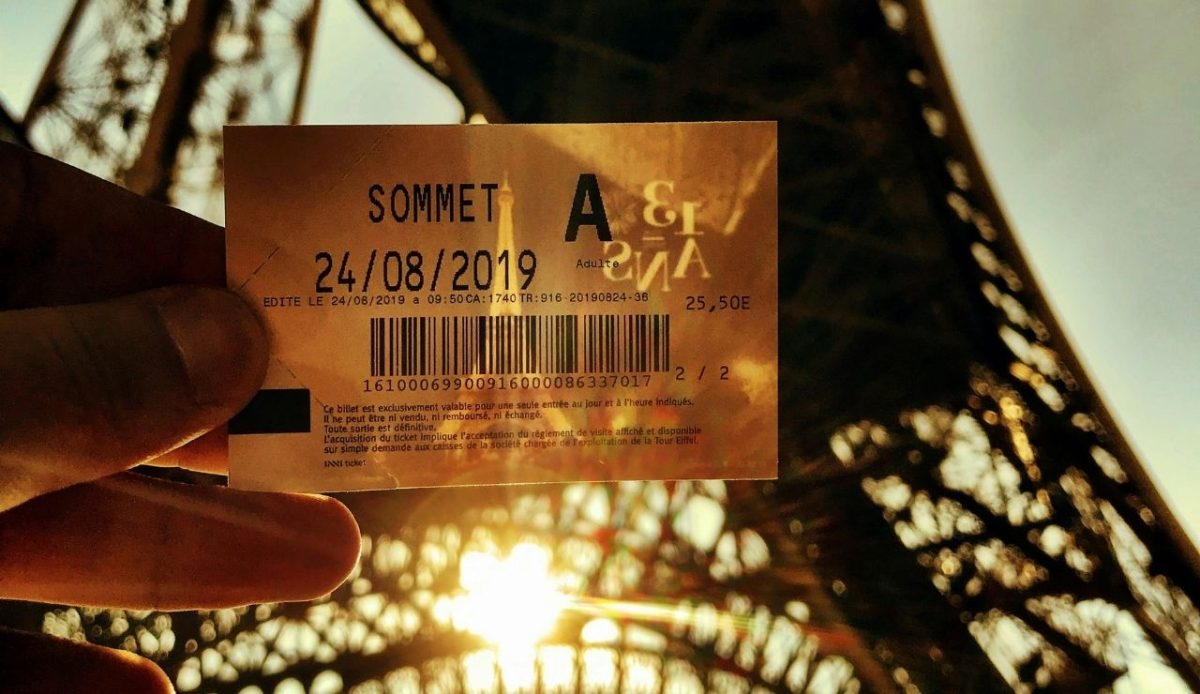
Tickets are issued for fixed arrival windows, and weekend inventory often disappears first. Purchasing through the official Catacombs operator helps avoid third-party listings that fail at scan points.
Plan to show up with a buffer for security screening and queue movement, since entry can be denied when the window closes. Timed admission is used to keep underground density within safety limits.
Keep the QR code accessible on a phone or printed copy so scanning does not slow the line. On-site sales, when offered, tend to be limited and unpredictable, so relying on walk-up plans is risky. If plans change, check the operator rules for exchanges rather than assuming refunds.
2. Hours And Last Admission Differ
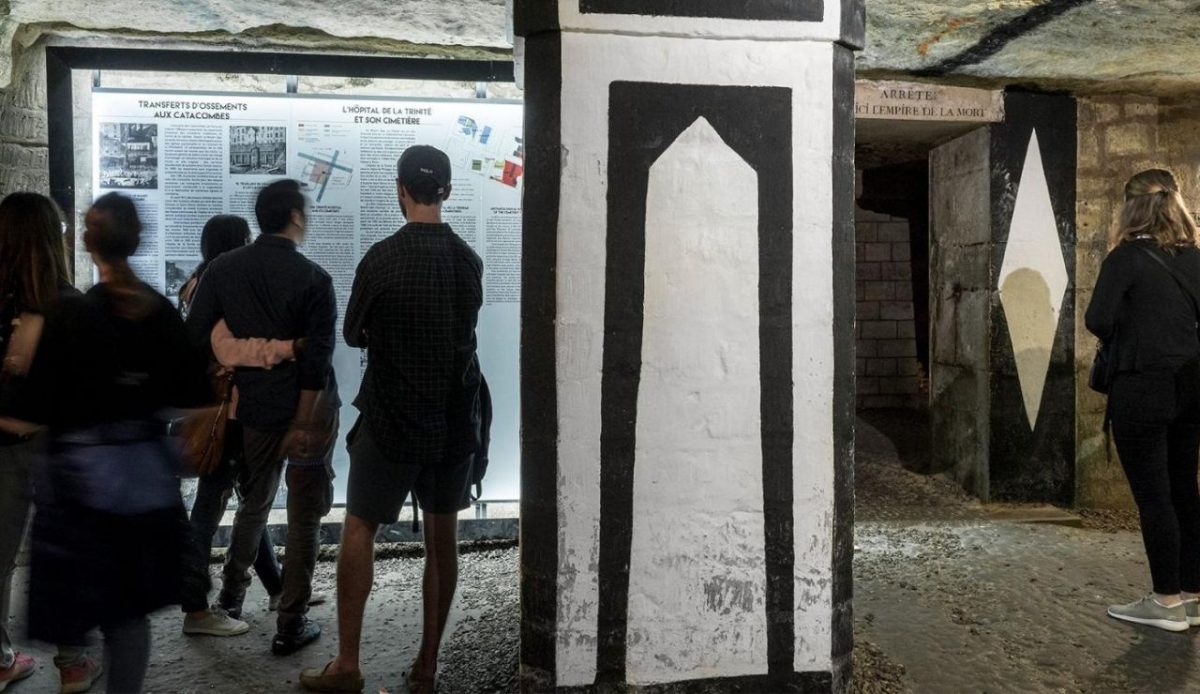
The Catacombs usually operate Tuesday through Sunday and close on selected public holidays, so verify the calendar for your week. A listed closing hour does not mean entry runs until that moment.
Admission stops earlier so staff can clear the one-way circuit and complete safety checks in the tunnels. Even with a ticket, a long queue can push you past the cutoff if you arrive at the last minute.
Check the official schedule the day before, especially around summer and winter school breaks, when hours may shift. Plan transport so you reach Denfert Rochereau with time to spare, then treat any extra minutes as a bonus, not slack in planning overall.
3. Accessibility Limits Are Strict
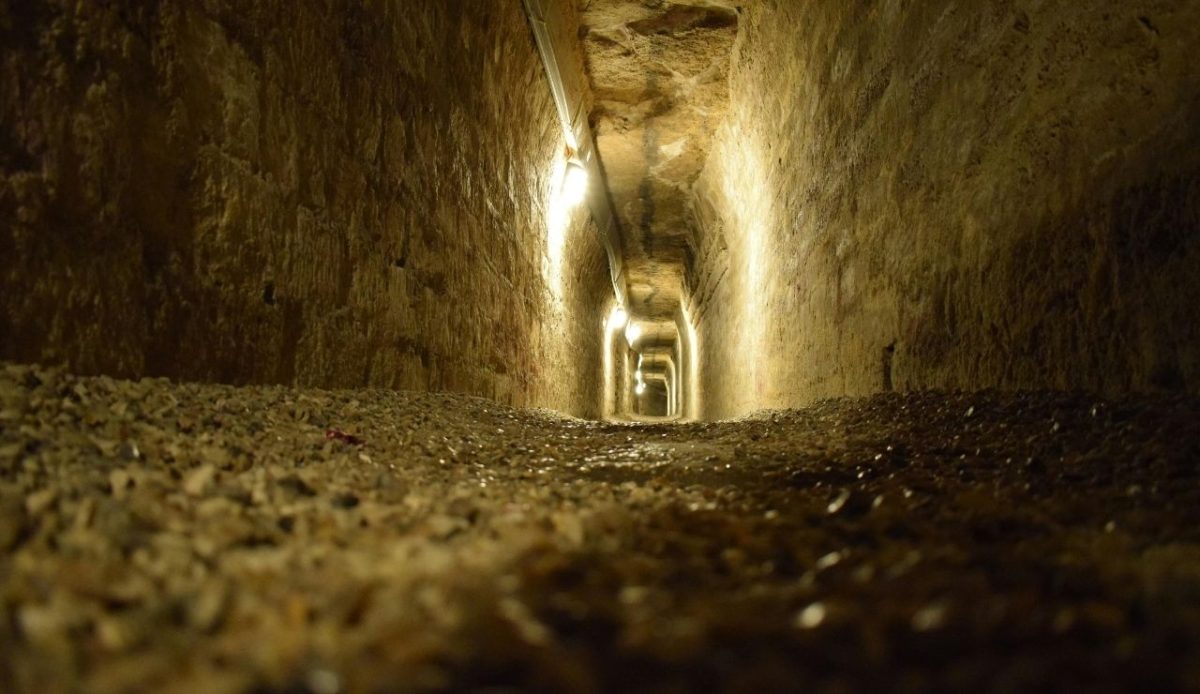
The site is not accessible for wheelchairs because the public circuit relies on stairs, narrow passages, and uneven ground. Mobility aids can also block flow in tight sections, so exceptions are not offered.
People with certain heart or breathing conditions are advised to avoid the visit, since the environment is confined and damp. Low lighting and close walls can also trigger anxiety for some visitors.
If you are unsure, review the official accessibility guidance before buying tickets and plan an alternative nearby activity. Montparnasse Cemetery and the surrounding boulevards offer easier walking without the underground constraints instead.
4. It Stays Cool And Humid
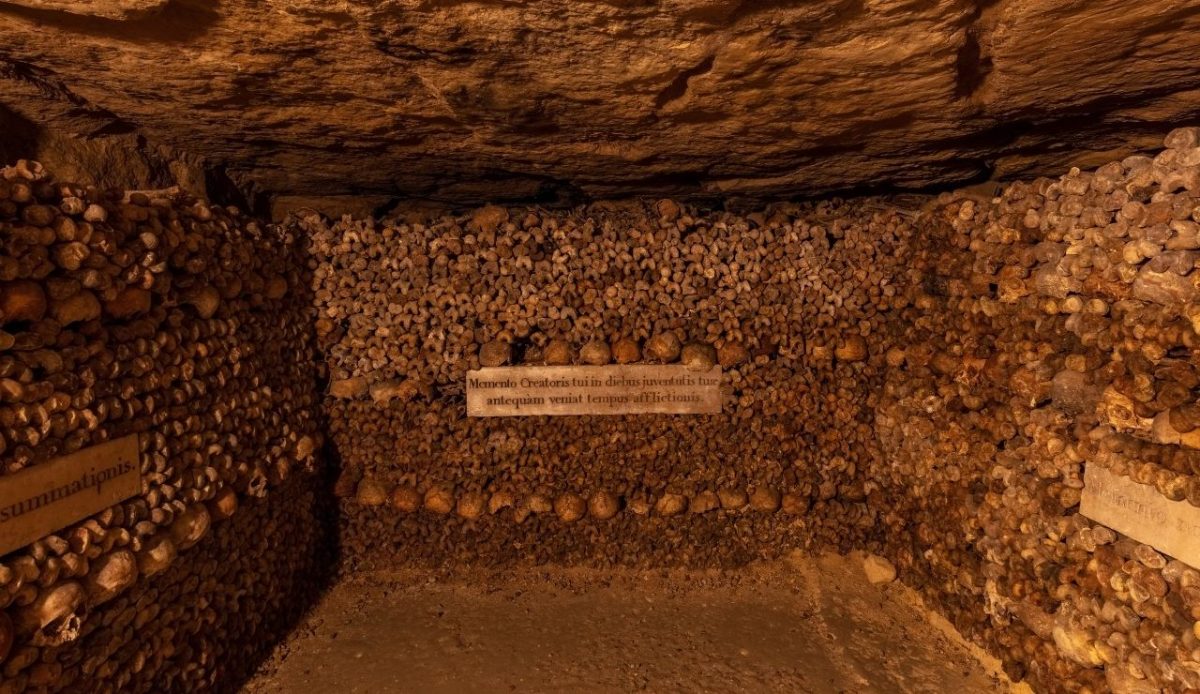
Underground conditions stay close to 14 degrees Celsius year-round, with persistent humidity that can feel chilly after a few minutes. Summer warmth above street level does not carry down, and winter coats can feel bulky once you start walking.
Pack a light layer you can carry easily, and expect damp air that can cool sweat during the stair descent. In some spots, condensation makes stone surfaces slick, so comfort and grip work together.
The stable climate supports the preservation of limestone and bone displays, so it is not adjusted for visitors. Planning clothing ahead prevents distraction and helps you keep a steady pace from entrance to exit.
5. Bag Rules Can Block Entry

Bag rules are strict because corridors are narrow and evacuation paths must stay open at all times. Oversized backpacks, suitcases, and hard cases can be refused during security screening.
There is no cloakroom, so whatever passes inspection stays with you through the stair descent, the full underground circuit, and the exit climb. Bulky items also slow movement in single-file sections.
Bring only essentials in a small bag and keep metal objects easy to present when asked. Eating is generally not allowed, and open drinks can be restricted, so plan snacks before you arrive. If you have luggage, use a station locker first to avoid losing your slot.
6. The Route Is One Way And Exits Elsewhere
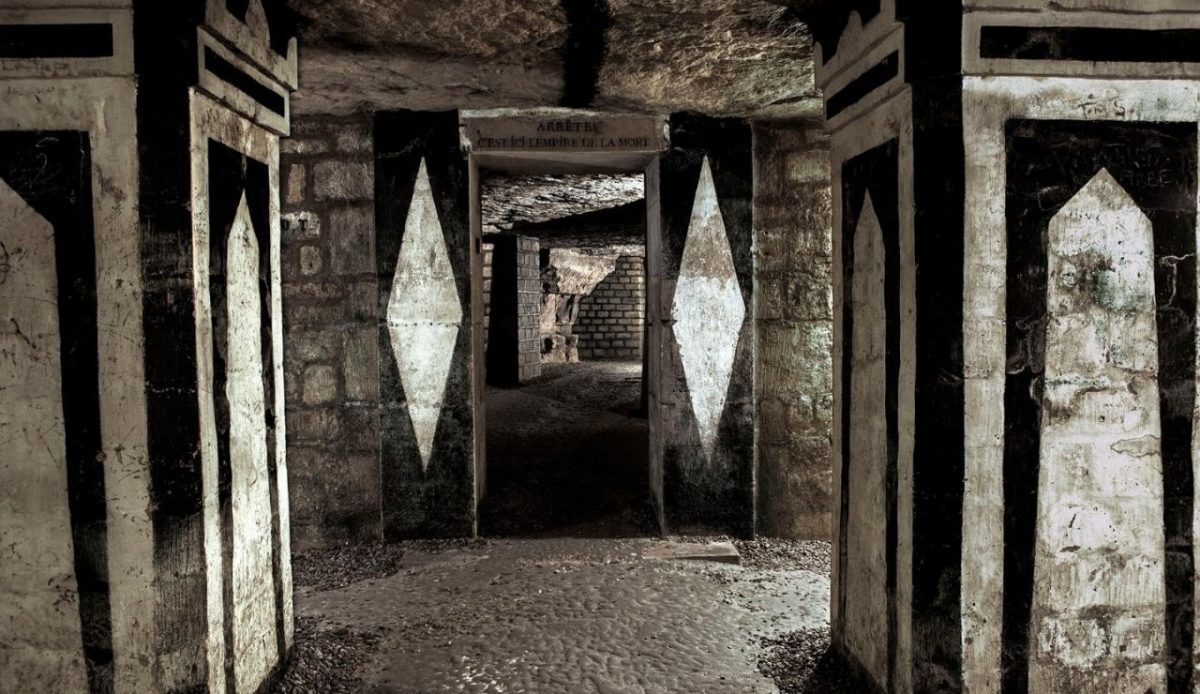
The visitor path runs one way only, so you cannot backtrack to reread plaques, change photo angles, or return for a forgotten item. This rule keeps the flow steady and limits contact with fragile surfaces.
The circuit covers about 1.5 kilometers, and many visitors spend around 45 minutes underground, depending on pace and crowding. The exit is also located away from the entrance, so your route back to transit will change.
If you are meeting others, set a street-level rendezvous near the exit rather than relying on reconnecting inside. Cell service can drop underground, and staff may discourage stopping in narrow stretches. Review the neighborhood map before you arrive.
7. Photo Rules Are Enforced

Personal photos are permitted, but gear limits are enforced. Tripods, monopods, stabilizers, and large light rigs are usually banned because they obstruct narrow corridors.
Illumination is low, so expect blur unless you brace against your own body or use a phone’s night setting. Handheld flash is generally allowed if it does not distract other visitors, so keep bursts short.
Commercial filming or shoots require authorization, and staff can stop recording if it interferes with the flow. Do not touch bone displays or walls while framing shots, since oils and friction damage surfaces over time. Fast photos keep the line moving and reduce conflict, too.
