
Many renowned warriors and commanders rest in tombs that are off global itineraries. Their burial places are supported by chronicles, state registers, museum records, or protected heritage files, yet public awareness remains low.
This article limits itself to named, visitable tombs or mausoleums with stable attribution. Sites based only on rumors, symbolic cenotaphs, or unknown locations are excluded. When reburial occurred, the chain of documentation is noted.
The goal is accuracy, not spectacle. Each entry points to a specific hero and a specific resting place with traceable evidence, such as dated inscriptions, custodial temple archives, or national listing documents. That filter keeps the list tight and reliable.
1. Yue Fei Tomb, Hangzhou, China
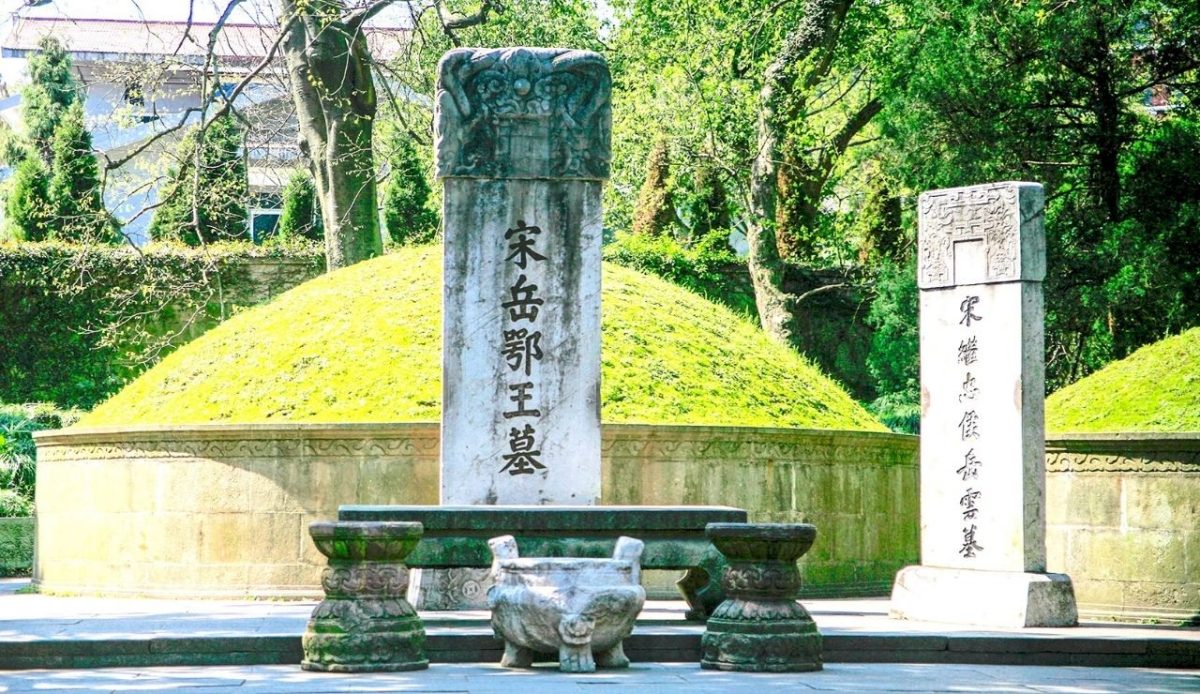
Yue Fei served as a Song dynasty general during the twelfth century and led prolonged military resistance against the Jin forces. Historical court records confirm his execution in 1142 and burial near present-day Hangzhou. The tomb sits within the Yuewang Temple complex, an area referenced in regional gazetteers dating back several centuries.
After Yue Fei was posthumously cleared of treason, official recognition of his burial site followed. Inscriptions and stone figures surrounding the tomb were added during later dynasties, reflecting shifting political views rather than uncertainty about location. The burial position itself remained consistent across documented restorations.
Today, the tomb is preserved as a protected cultural site. Despite Yue Fei’s importance in Chinese military history, the burial place receives limited international attention. Its relevance rests on continuous written documentation and confirmed geographic stability rather than architectural scale.
2. Tomb of Admiral Yi Sun-sin, Asan, South Korea
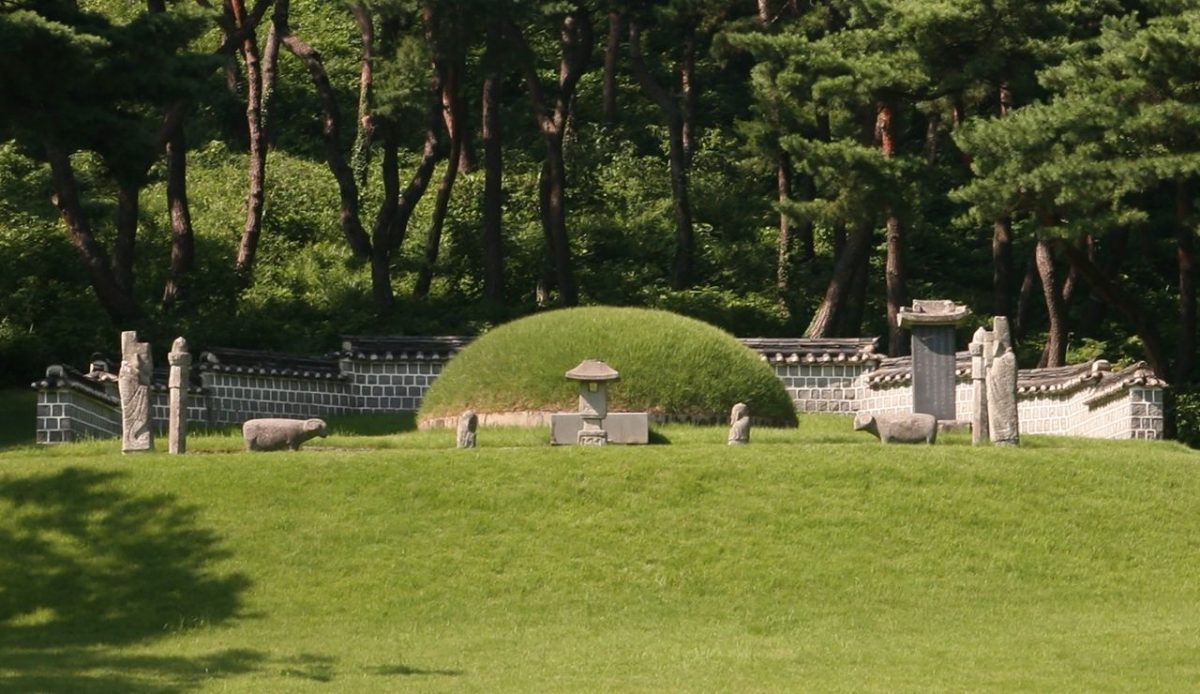
Admiral Yi Sun-sin commanded Korean naval forces during the Imjin War of the late sixteenth century. Contemporary Joseon records document his death in 1598 and burial near Asan, where his family maintained custodial oversight. The site later received formal recognition through state historical designation.
The grave was relocated during the Joseon period to align with Confucian burial principles. This transfer is recorded in royal archives, preserving continuity of identification rather than introducing doubt. Stone markers and layout follow period military memorial standards.
While Yi Sun-sin is widely studied in naval history, his tomb remains little known outside Korea. The site’s credibility depends on administrative records and uninterrupted recognition rather than legend or symbolic attribution.
3. Kiso Yoshinaka Grave, Otsu, Japan
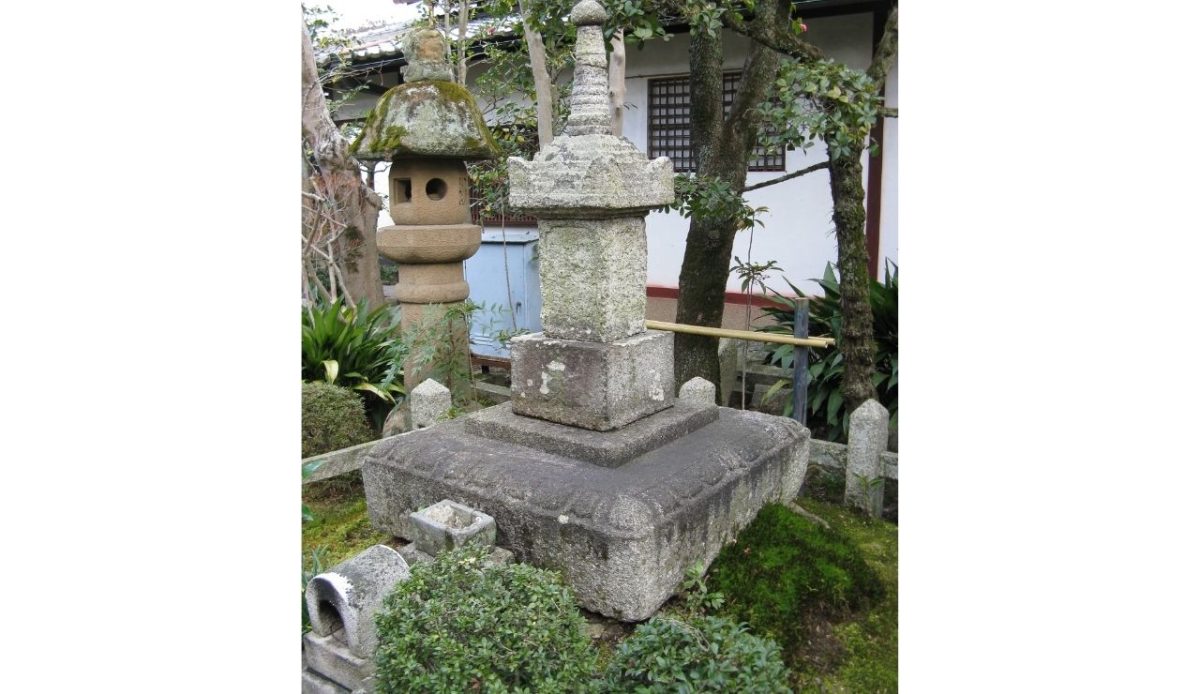
Kiso Yoshinaka was a samurai leader during the Genpei War of the twelfth century. Japanese chronicles record his death in 1184 and burial at Gichu ji temple in Otsu. Temple archives maintain a continuous association between Yoshinaka and the grave site.
The burial is modest and reflects Buddhist funerary customs of the era rather than later warrior memorial traditions. Archaeological context and temple stewardship support long-standing identification without evidence of relocation or dispute.
Despite Yoshinaka’s role in shaping early samurai politics, the grave attracts limited attention. Its significance lies in reliable medieval documentation and sustained custodianship rather than monumentality or tourism prominence.
4. Skanderbeg Memorial Tomb, Lezhe, Albania
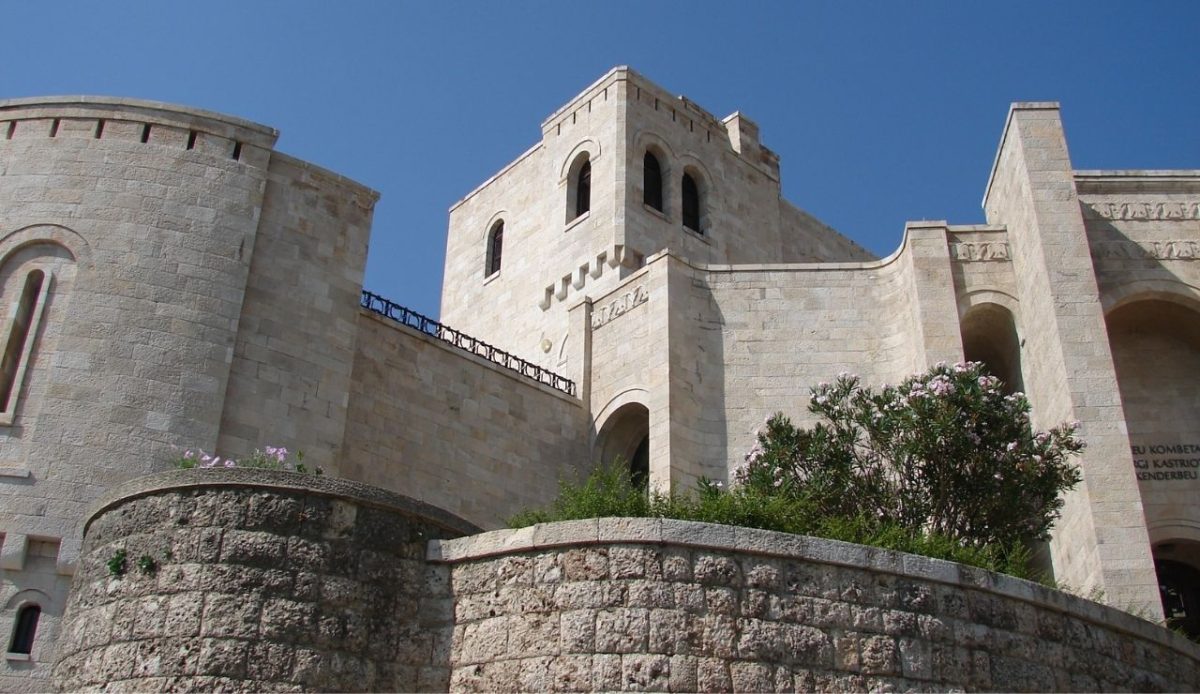
Skanderbeg led Albanian resistance against Ottoman expansion during the fifteenth century. Contemporary sources describe his burial in 1468 at the Church of Saint Nicholas in Lezhe. The site is consistently cited across Balkan historical records as his resting place.
Later accounts document the disturbance of his remains during Ottoman occupation, but the burial location itself was never disputed. Archaeological studies confirm the church’s function as a burial structure during the period.
Although Skanderbeg remains central to Albanian identity, the tomb is rarely discussed internationally. Its historical value rests on written continuity and confirmed location rather than physical preservation of remains.
5. Miyamoto Musashi Grave, Kumamoto, Japan
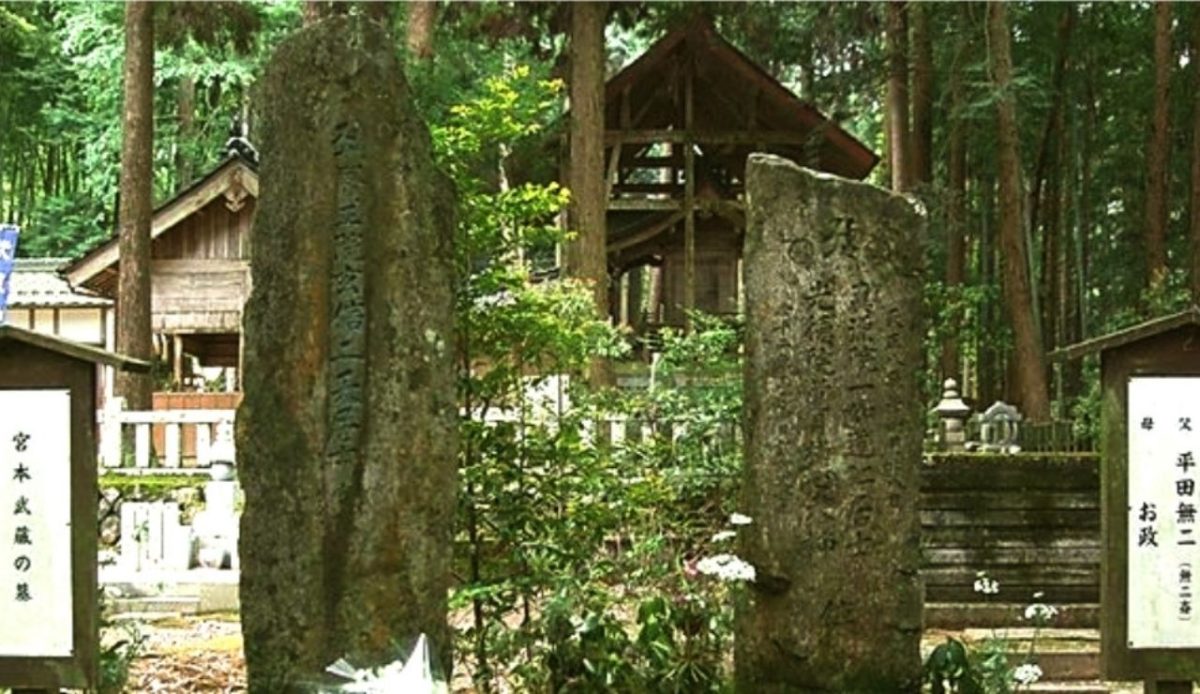
Miyamoto Musashi died in 1645 and was buried at Musashizuka in Kumamoto, according to regional records. Edo-period documents identify the site as his grave, later maintained by local authorities as a heritage location.
While secondary memorials exist, Musashizuka holds the strongest documentary support. Inscriptions and site continuity align with historical accounts of Musashi’s final years and burial arrangements.
The grave lacks an elaborate structure, contributing to its limited visibility. Its credibility depends on consistent local documentation rather than later mythmaking associated with Musashi’s reputation.
6. Shaka Memorial Grave, KwaDukuza, South Africa
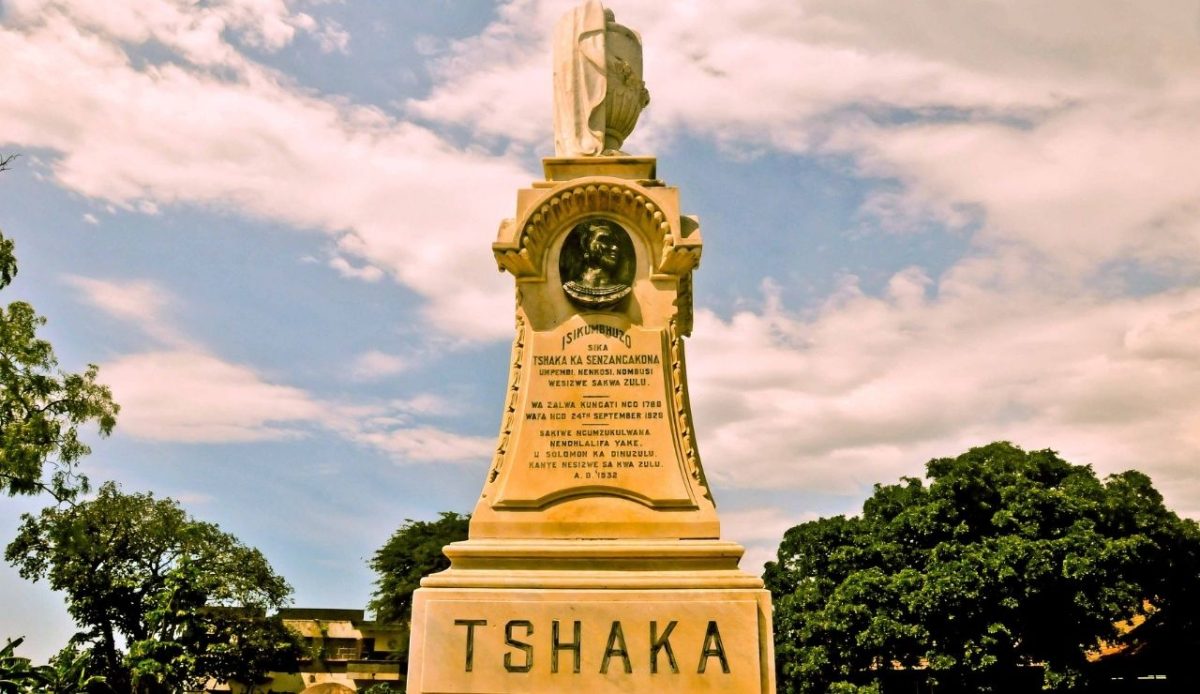
Shaka, founder of the Zulu Kingdom, was assassinated in 1828 near his royal settlement. Early colonial records and Zulu oral accounts identify a burial location near present-day KwaDukuza, later formalized as a memorial site.
The original grave was unmarked, but its location was preserved through cross-referenced testimony. Archaeological intervention remains limited to avoid disturbance, yet the geographic context aligns with documented historical events.
Despite Shaka’s influence on southern African history, the burial site remains understated. Its recognition is based on corroborated historical evidence rather than symbolic or reconstructed claims.
7. Housh Mohammad Sheedi Tomb, Sindh, Pakistan
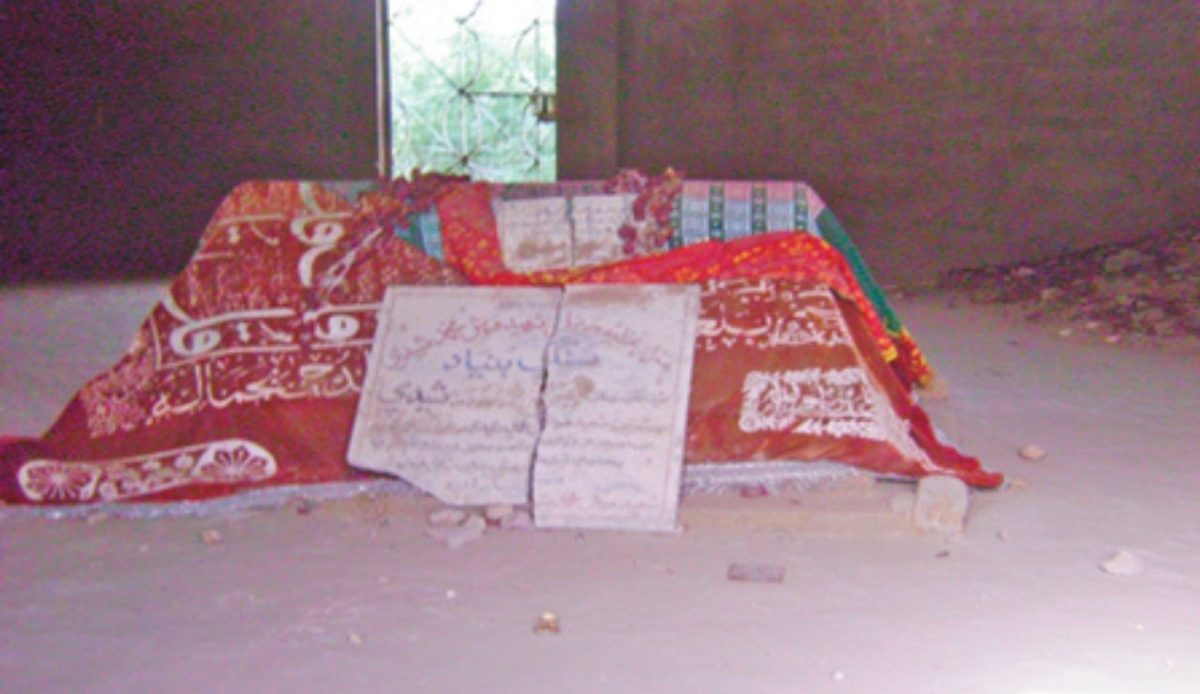
Housh Mohammad Sheedi was a Talpur-era military commander remembered for resisting British forces during the 1843 Sindh campaign. Colonial records and regional histories document his death at the Battle of Dubbo and his burial near Rahuki in present-day Sindh.
The tomb remains identifiable and has been referenced in provincial surveys and historical reporting. Its structure reflects local funerary practices rather than state-sponsored monument design. No evidence suggests relocation or symbolic reassignment.
Outside South Asia, Sheedi’s role and burial site remain largely unknown. The tomb’s relevance comes from documented resistance history and consistent geographic attribution rather than later nationalist reconstruction.
8. Mausoleum of Njegoš, Mount Lovćen, Montenegro
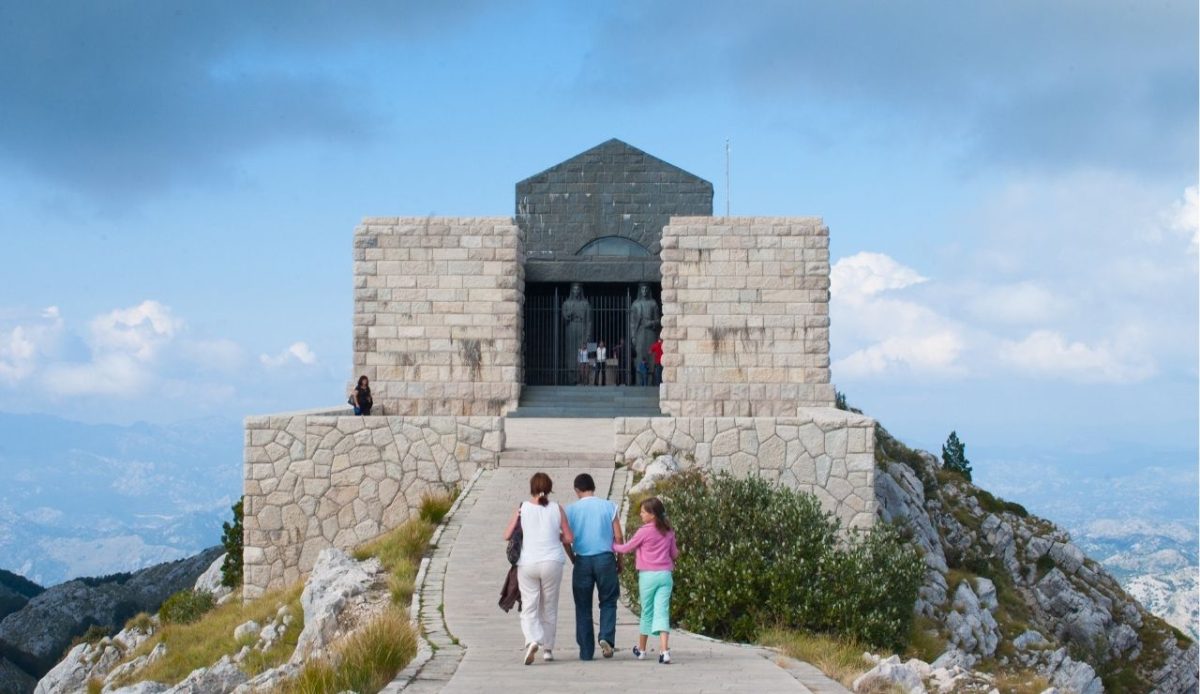
Petar II Petrović Njegoš served as ruler and military leader of Montenegro during the nineteenth century. Historical correspondence confirms his request for burial on Mount Lovćen, where his remains were later placed following political delays.
The mausoleum was constructed to house his confirmed remains, replacing earlier burial arrangements. Records detail each relocation step, preserving clear identification rather than creating ambiguity.
Despite Njegoš’s influence on regional identity, the mausoleum receives limited attention beyond the Balkans. Its legitimacy rests on documented reinterment and continuous administrative oversight.
9. Babur’s Tomb, Kabul, Afghanistan
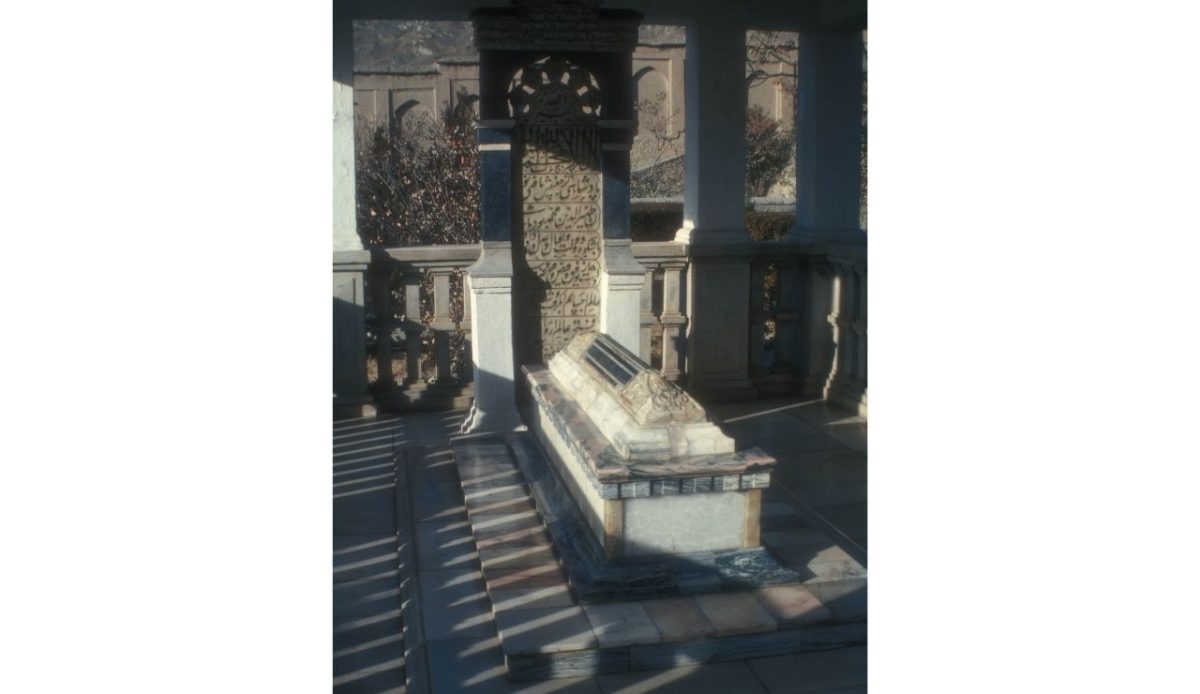
Babur, founder of the Mughal dynasty, died in 1530 and requested burial in Kabul rather than his Indian territories. Mughal chronicles and later administrative records identify his grave within the Bagh e Babur garden complex.
The tomb location remained consistent despite damage and restoration over the centuries. Archaeological surveys and conservation reports support the burial attribution without conflicting claims.
Although Babur reshaped South Asian history, his Kabul tomb remains relatively overlooked. Its importance lies in textual continuity and verified site preservation rather than monumental scale.
10. Tomb of Cyrus the Great, Pasargadae, Iran
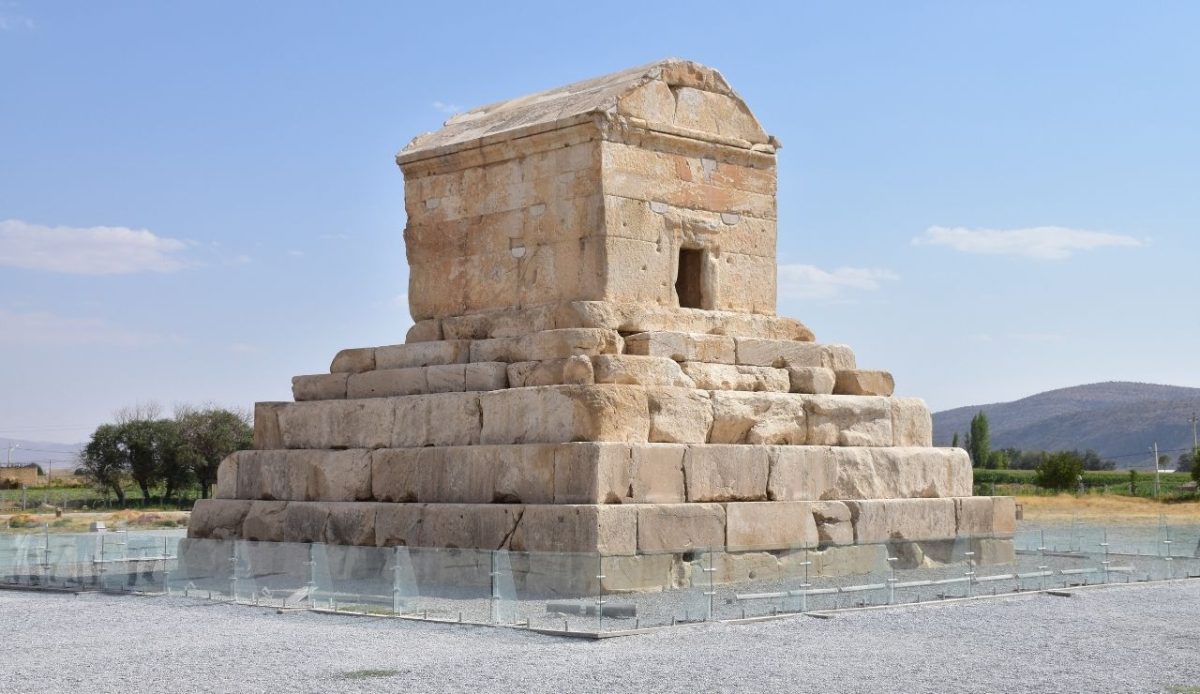
Cyrus the Great founded the Achaemenid Empire in the sixth century BCE. Classical authors described his tomb at Pasargadae, and archaeological evidence confirms the structure matches those accounts.
The tomb’s simplicity aligns with historical descriptions and has remained intact through documented periods. Inscriptions and site layout reinforce its identification as Cyrus’s burial place.
Despite scholarly recognition, the tomb is often overshadowed by larger imperial ruins. Its authenticity is grounded in the convergence between ancient texts and physical evidence.
11. Gur e Amir Mausoleum, Samarkand, Uzbekistan
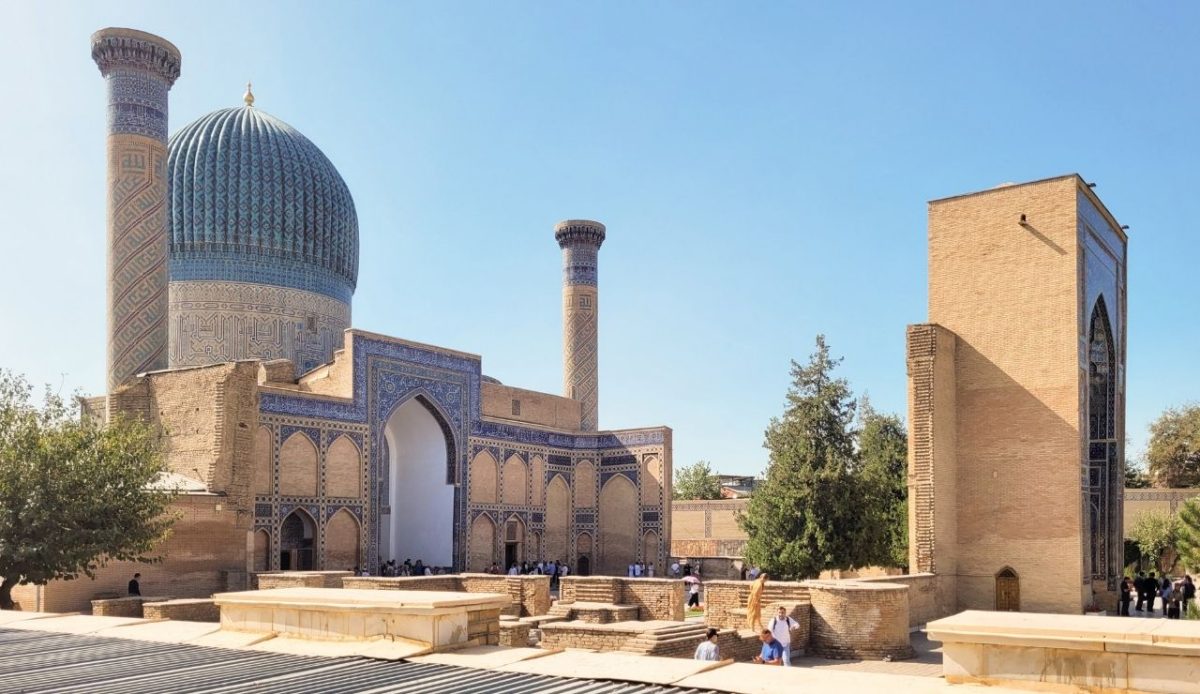
Timur died in 1405 during a military campaign, and historical records confirm his burial in Samarkand at the Gur-e Amir mausoleum. Contemporary accounts describe the interment shortly after his death.
Archaeological studies conducted in the twentieth century identified Timur’s remains and confirmed burial placement. The mausoleum also contains other Timurid family graves, clearly documented.
Although Timur influenced vast regions, his tomb remains underrepresented in general historical discussion. Its credibility rests on uninterrupted documentation and verified archaeological findings.
12. Tomb of Khalid ibn al Walid, Homs, Syria
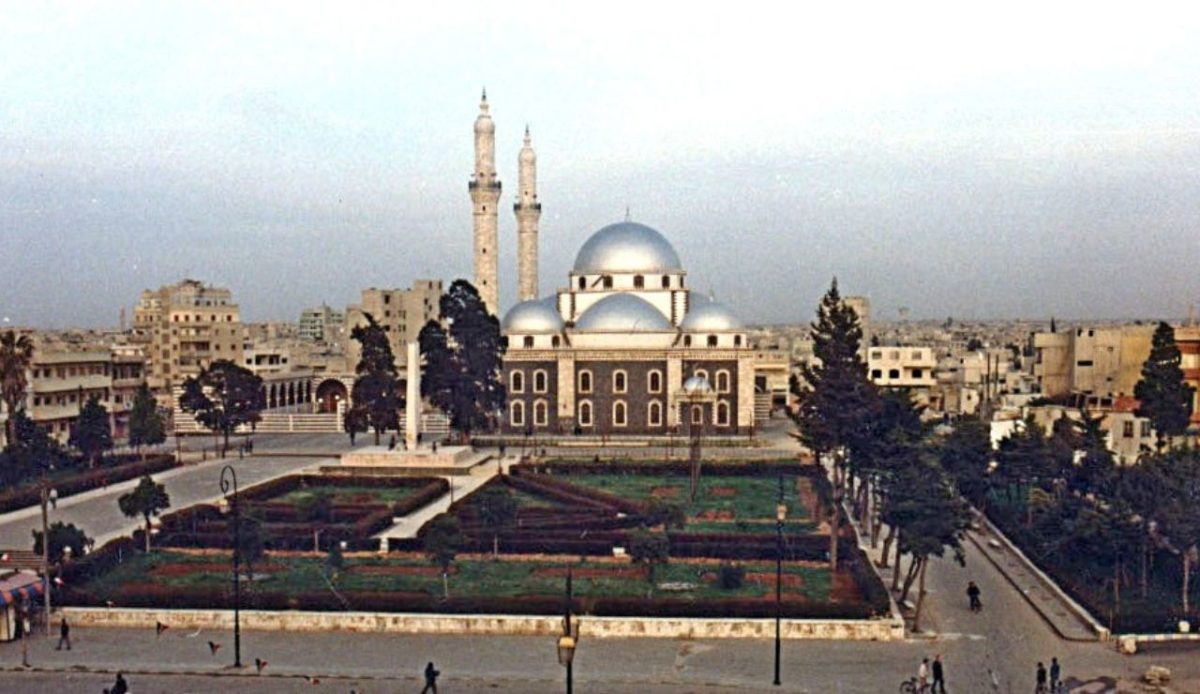
Khalid ibn al-Walid was a prominent military commander during early Islamic expansion. Medieval Islamic historians consistently identify his burial site in Homs, where a mosque later developed around the tomb.
Travel accounts from multiple periods reference the same burial location. Renovations altered surrounding structures, but the tomb position remained stable across centuries.
While Khalid’s campaigns are widely studied, his burial site receives limited global focus. Its importance lies in continuous written tradition and geographic consistency rather than legend.
