
Ski towns are marketed for lift access, yet many depend on scenery, hot water, rail links, and compact main streets. That suits travelers who want a winter break without buying passes or lessons. Many tourism offices publish non-skier plans, so museums, cafés, and shuttles stay active.
The towns below were picked for slope-free options that run in midwinter, not only during holiday weeks. Each place has simple logistics such as shuttles, trains, or car-free centers, plus indoor choices for storm days. Lodging and dining depth mattered, since a trip needs variety.
Each section names bookable experiences like gondola rides, hot springs, walks, and cultural stops. None require downhill skills, and most work for groups where nobody wants to ski.
1. Banff, Canada
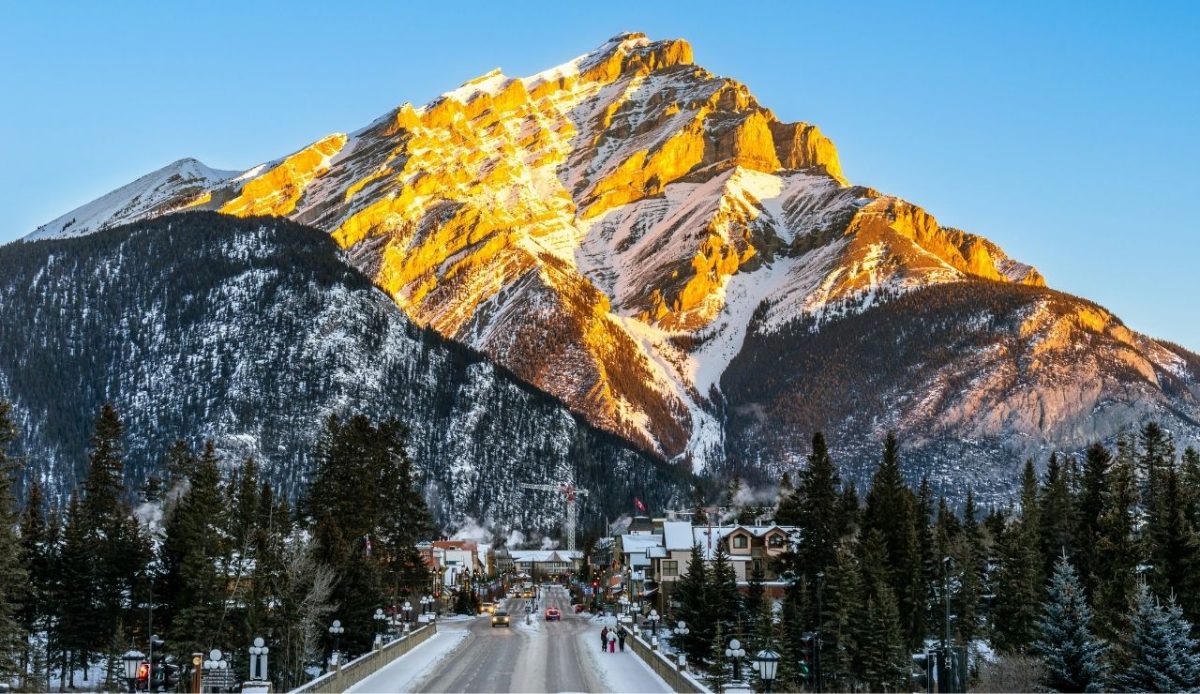
Banff sits inside Banff National Park, so the main draw is park scenery and managed access, not skiability. In winter, the town stays walkable, and shuttles link viewpoints and trailheads. Wildlife watching is common because elk are often seen near open valleys.
For sightseeing, the Banff Gondola is used by pedestrians for Sulphur Mountain views, and guided snowshoe trips run on packed routes. The Banff Upper Hot Springs adds a non-sport anchor, while indoor time can be spent at the Whyte Museum or on history walks.
Because Banff is tied to a national park, visitor services stay consistent for non-skiers. Trail reports and safety notices are posted daily, and road crews support day trips to Lake Louise viewpoints and frozen lake strolls.
2. Aspen, United States
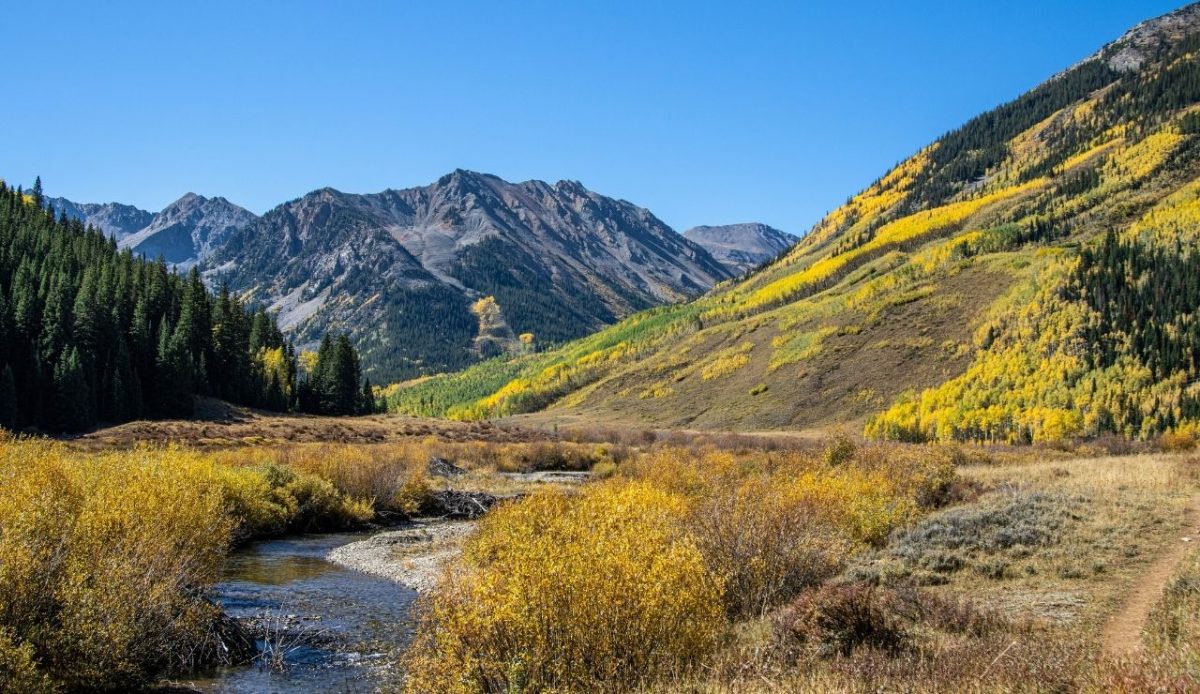
Aspen draws winter visitors through culture as much as snow sports, with a dense downtown that supports walking-based trips. The Aspen Art Museum has free entry, and galleries and music venues run winter schedules. Local history is visible in preserved buildings and mining-era streets.
Non ski bookings include sleigh rides, guided snowshoe walks, and snowcat dining rides that focus on scenery and food, not performance. Indoor options cover spa services, film screenings, and public talks tied to the town’s arts calendar.
Because the economy is diversified, a full stay can be planned without lift tickets. Many restaurants and shops sit within a short radius, and free buses connect the valley towns, so mobility is handled even on icy days.
3. Zermatt, Switzerland
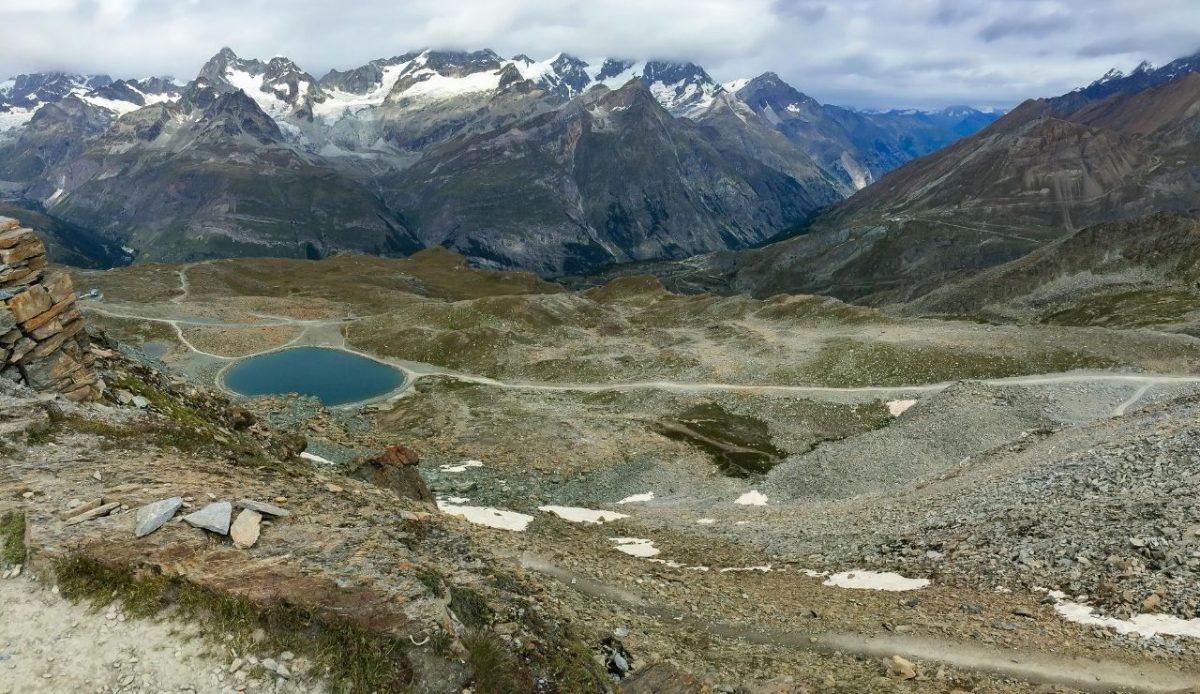
Zermatt is car-free for most visitors, so winter trips work well on foot and by electric taxi. That design reduces stress when roads are snowy, and it keeps the village quiet. Hotels, shops, and trail access points are clustered, so dining stays simple.
For signature views without skiing, the Gornergrat Railway carries riders to Matterhorn overlooks, and it runs in winter for sightseers. Marked winter hiking routes and sled runs are maintained for beginners, and museums cover alpine life and climbing history.
Because access is by train, arrivals are predictable, and parking needs are avoided. Passes are not required for village activities, and many viewpoint restaurants can be reached by rail or gondola with pedestrian access.
4. Chamonix, France
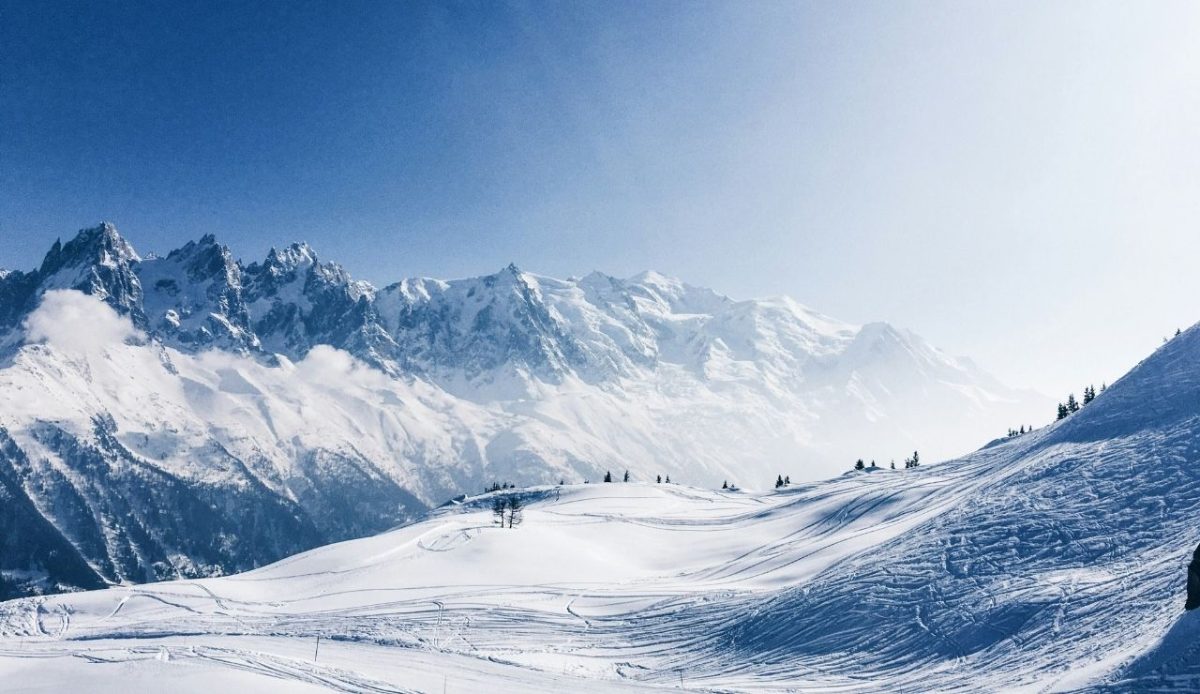
Chamonix works for non-skiers because its headline attractions are built for viewing the Mont Blanc massif. The town has a strong service base, with frequent buses and a walkable center. Winter visitors can move between areas without resort shuttles.
The Aiguille du Midi cable car is a major draw for observation decks and high altitude exhibits, and the Montenvers train links to the Mer de Glace site. Museums add structure on storm days, including alpine history and climbing displays, and cafés stay open late.
Because Chamonix is a year-round mountain center, guided valley walks and snowshoe outings are widely offered. Booking is simple, and safety briefings are standard, which helps travelers who want winter scenery without sports risk.
5. Cortina d’Ampezzo, Italy
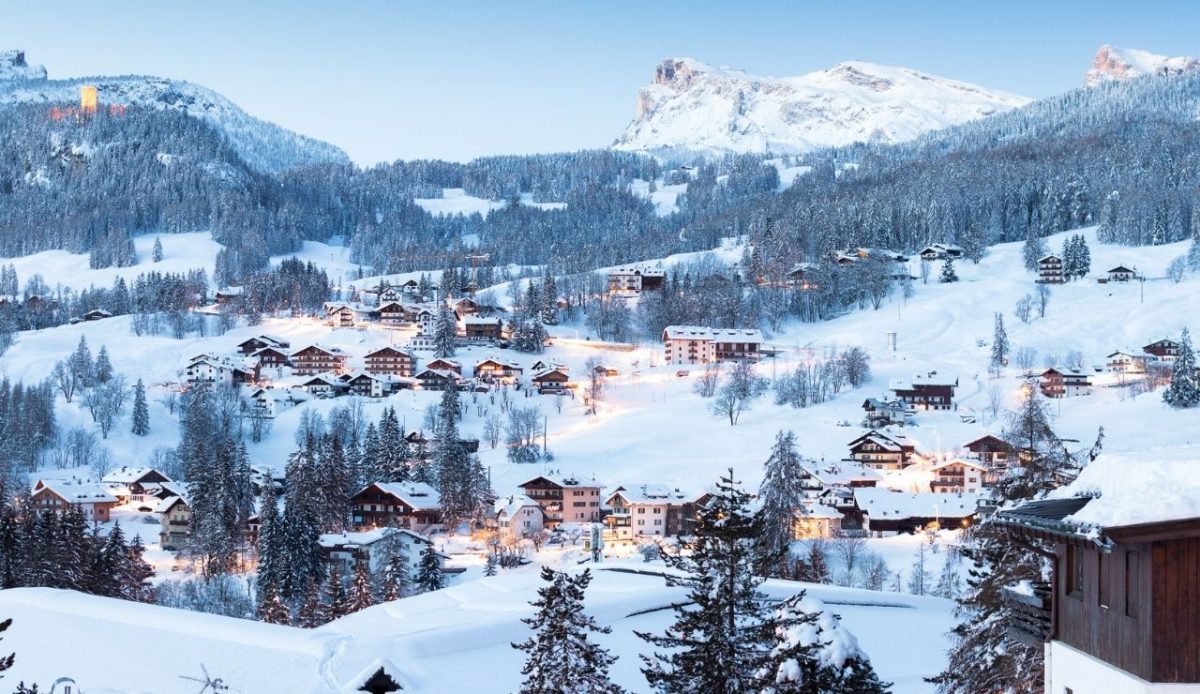
Cortina d’Ampezzo is a Dolomites town where winter visitors often come for town life and views, not just skiing. The center supports strolling, shopping, and long meals, and many hotels run wellness programs through winter. Roads are maintained well because seasonal events bring steady crowds.
Non-ski time can be planned around guided snowshoe outings on signed routes, ice skating in town, and winter walks that start near the center. Local museums cover the region’s World War history and mountain culture, which helps on low-visibility days.
Cortina also benefits from regional transport links, so day trips to nearby valleys and viewpoints can be done by bus or car service. A full itinerary is possible without ever entering a ski lift line.
6. Kitzbühel, Austria
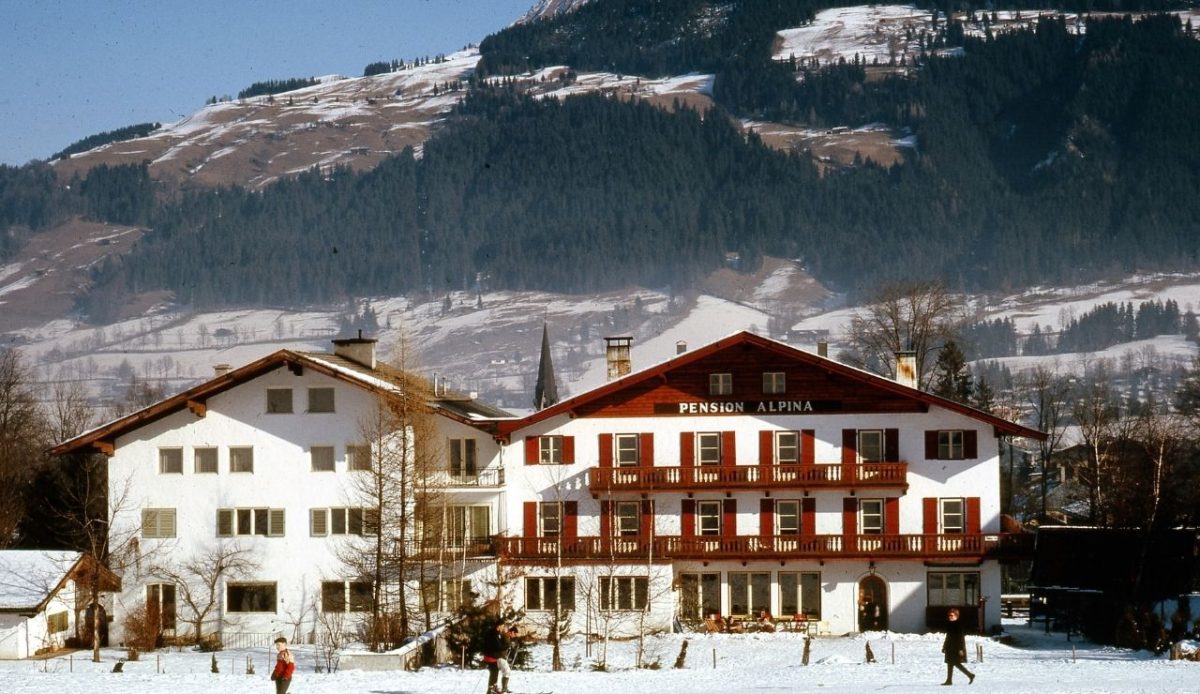
Kitzbühel is known for racing, yet its appeal for non-skiers starts in the medieval town core. Narrow streets, churches, and historic façades make it a strong winter city break. Shops and restaurants stay open late, and the compact layout supports walking even when snow piles up.
Easy winter activities are promoted locally, including ice skating, curling, and prepared toboggan runs that can be reached without technical training. Horse-drawn carriage rides and winter hiking routes add outdoor time while keeping risk low.
Regional rail access makes arrivals simple, and local buses connect nearby villages for day trips. Because many services are based in town rather than on the hill, visitors can plan a full stay without lift tickets.
7. St. Moritz, Switzerland
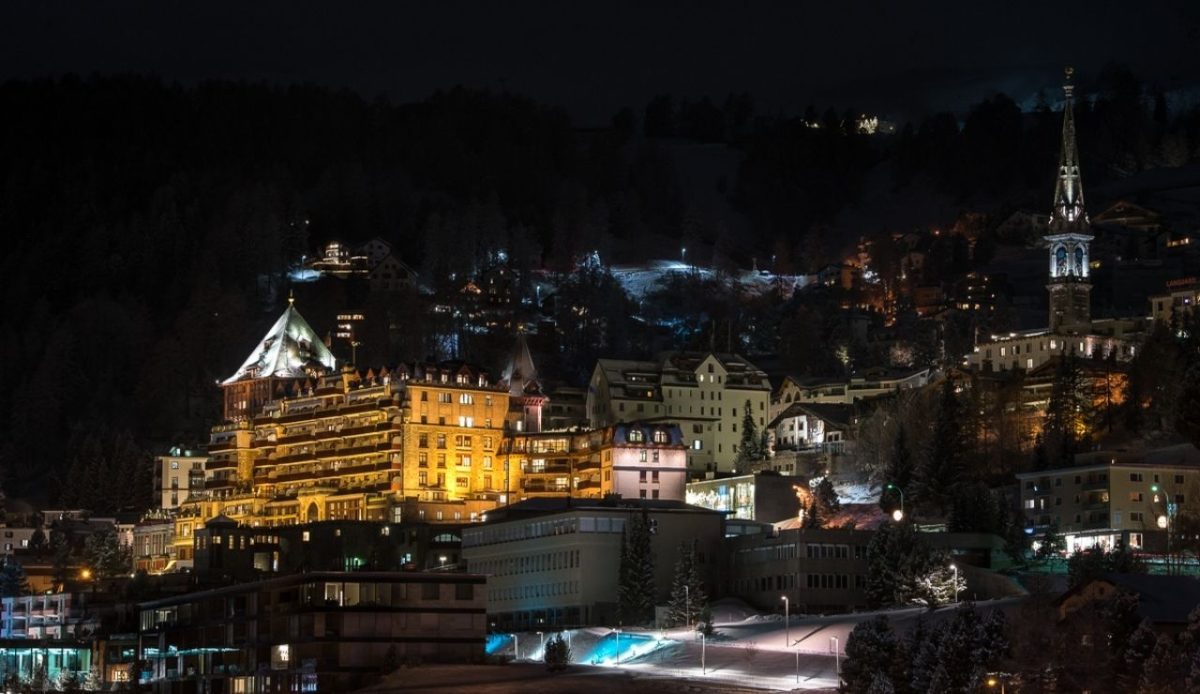
St. Moritz became famous as a winter resort before modern skiing took over, so many traditions are not slope-dependent. The town focuses on lakefront walking, wellness, and seasonal events, and hotels keep strong indoor amenities. Its altitude helps winter conditions stay stable for strolling.
The frozen lake supports skating and winter paths when conditions allow, and carriage rides are offered in the Engadin valley. Museums and galleries provide structure, and the resort calendar includes public events that draw visitors who never ski.
Transport in the region is reliable, with trains and buses linking villages and viewpoints. Because the town sells a full winter lifestyle, a trip can be rewarding without ever stepping onto a run.
8. Niseko, Japan
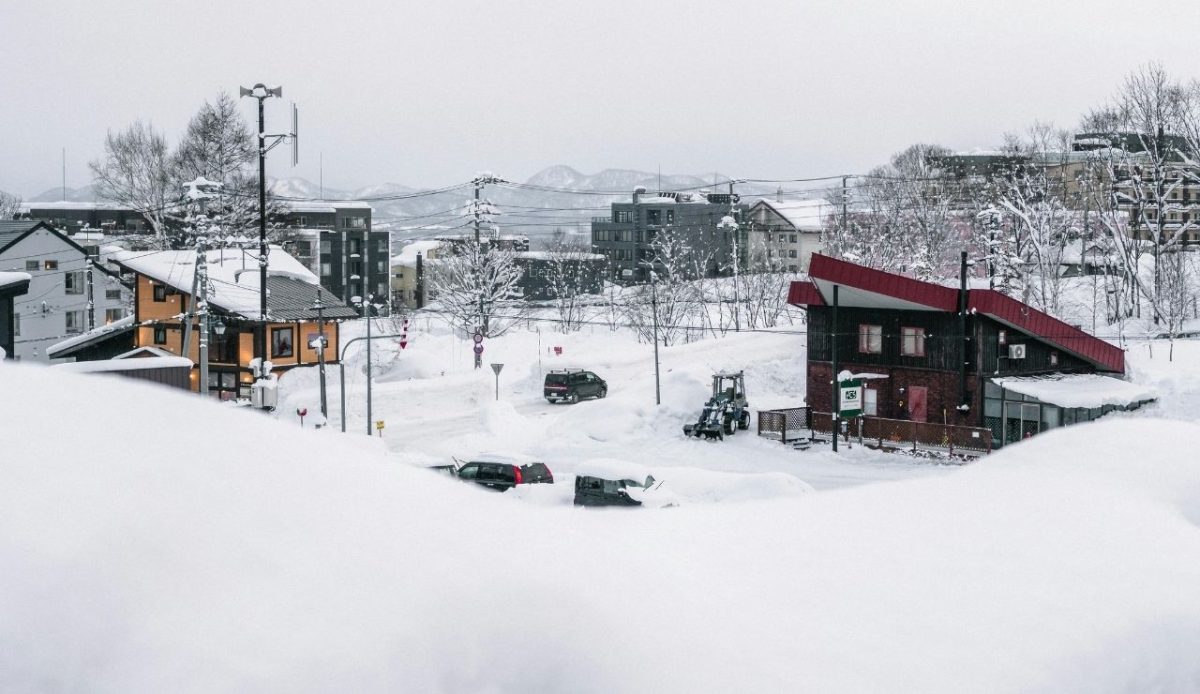
Niseko is known for snow, yet many visitors come for Hokkaido food and onsen bathing rather than skiing. The area is organized into villages with winter shuttles, so getting around is manageable without gear. Restaurants highlight local dairy and seafood, making dining a core activity.
Onsen resorts and public baths provide a dependable daily plan, especially after cold walks. Sightseeing gondola rides run in winter for views, and guided snowshoe tours and snow play parks are designed for beginners and families.
Because Japanese winter travel often centers on bathing culture, Niseko has lodging that serves non-skiers well. Booking is efficient, and multilingual services are common, which reduces friction for international visitors.
9. Queenstown, New Zealand
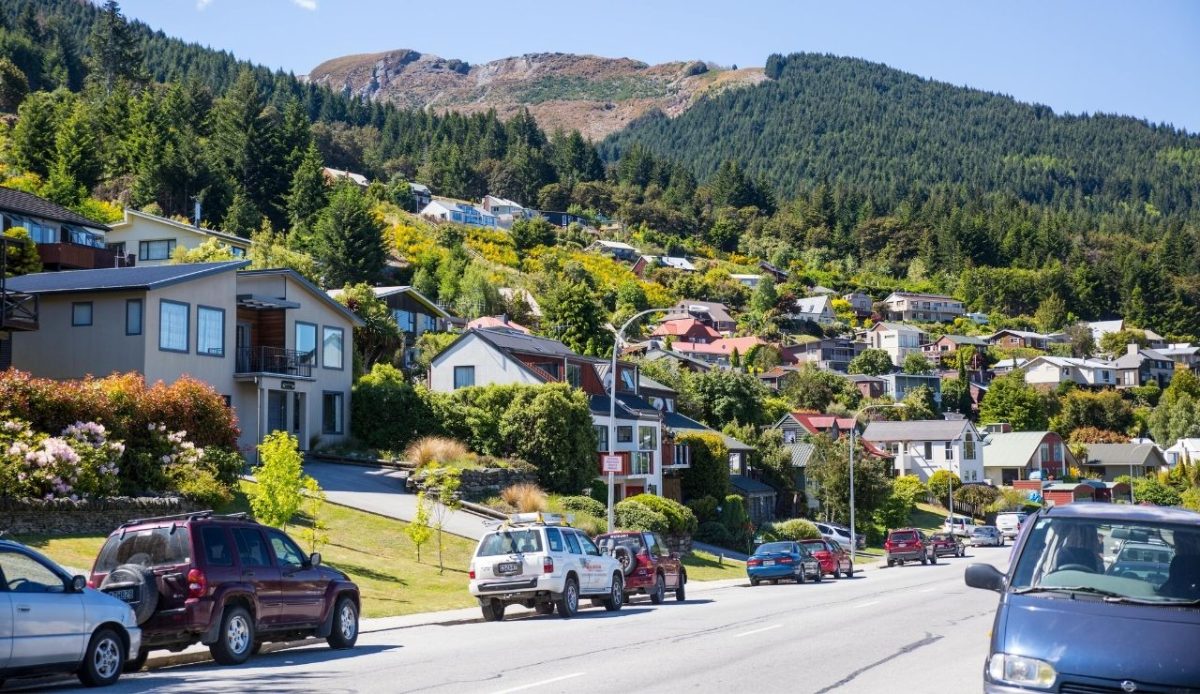
Queenstown is a year-round tourism hub, so winter trips are not limited to skiing at nearby fields. The town sits on Lake Wakatipu and has a compact center with restaurants, shops, and lakeside walks that stay open through winter. Weather shifts are handled because indoor options are common.
Sightseers use the Skyline Gondola for views and dining, and lake cruises run in winter on set schedules. Many operators focus on low-skilled activities such as scenic drives, wineries, and cultural stops, which suit travelers who avoid snow sports.
Flights connect through Auckland and Christchurch, so access is straightforward for international visitors. A multi-day plan can be built around views, food, and outings without buying a lift pass.
10. San Carlos de Bariloche, Argentina
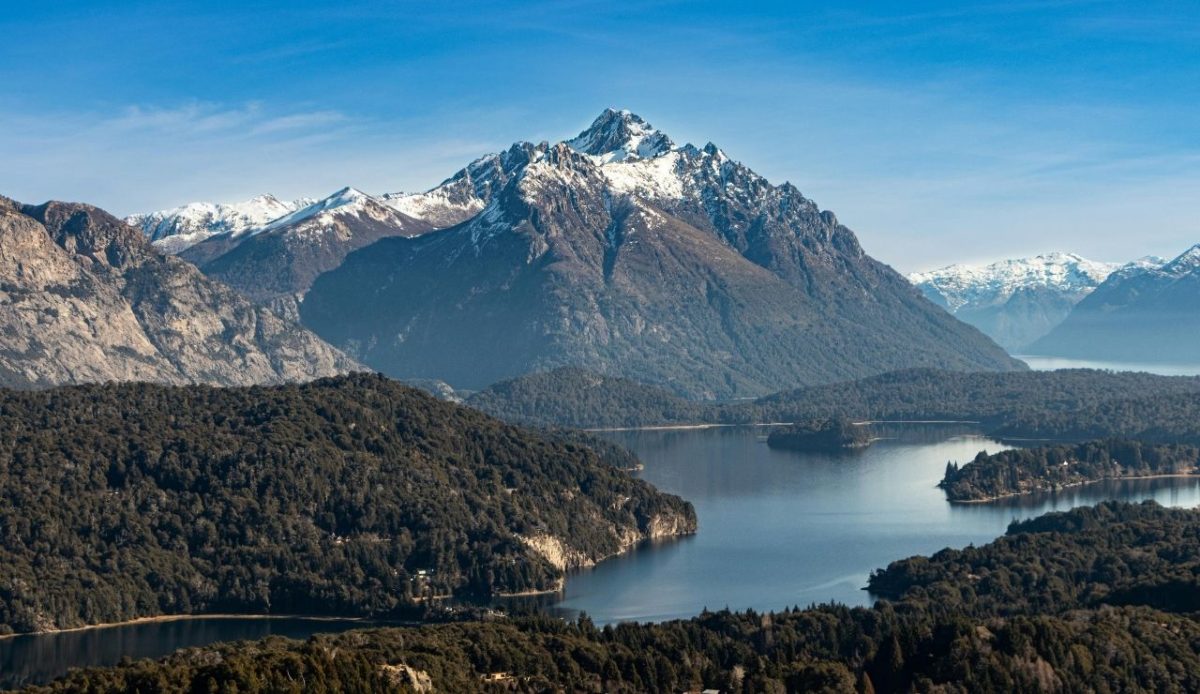
San Carlos de Bariloche is a Patagonian lake city where winter travel can center on food and views rather than skiing. The downtown has Swiss-influenced architecture and a chocolate industry, so tasting stops support easy days on foot. Lakeside promenades and viewpoints add outdoor time without gear.
Pedestrians use Cerro Otto’s cable car for panoramas, and a café and nearby circuits offer guided drives to lookouts and forests. Museums help when the weather closes in, and dining stays active through the season.
Because Bariloche is a regional transport hub, flights and buses keep it connected to Buenos Aires and other Patagonian towns. Visitors can build a full itinerary from town culture, scenic rides, and tours without touching a slope.
