
European cities are often associated with bustling streets, iconic architecture, and heavy tourist traffic, but many hide surprisingly lush green spaces.
From expansive forests to riverfront parks and bike trails, these cities prioritize nature, sustainability, and quality of life. Green areas offer quiet escapes from urban congestion and promote active lifestyles for locals and visitors alike.
This guide highlights nine European destinations where green spaces outshine crowded streets. Exploring these cities offers a refreshing blend of urban culture and natural beauty, perfect for travelers seeking calm and connection with nature.
1. Oslo, Norway
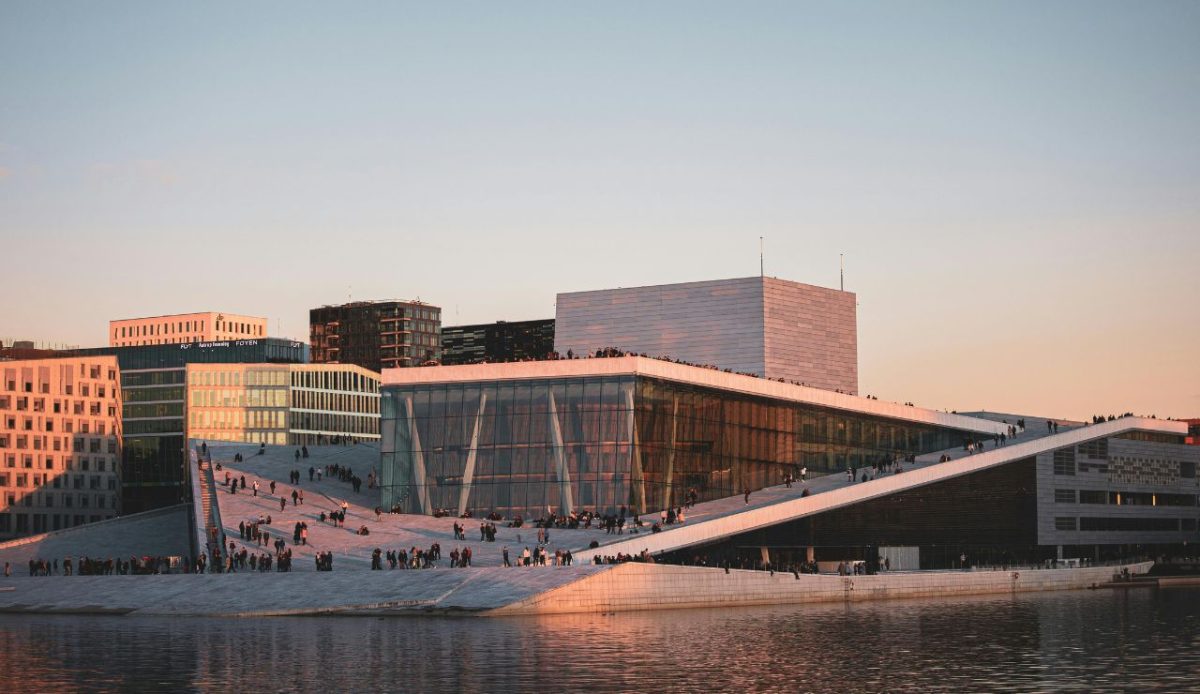
Oslo is one of Europe’s greenest capitals, with 74% of its area covered by parks, forests, and fjords. Marka forest alone offers miles of hiking and cycling trails just outside the city center.
Urban planning integrates greenery into daily life, allowing residents to move seamlessly between city streets and natural landscapes. Numerous waterfront areas provide scenic views and recreational spaces.
Travelers enjoy easy access to outdoor activities year-round, from skiing in winter to kayaking in summer. Oslo demonstrates how a modern capital can prioritize sustainability and preserve abundant green spaces.
2. Ljubljana, Slovenia
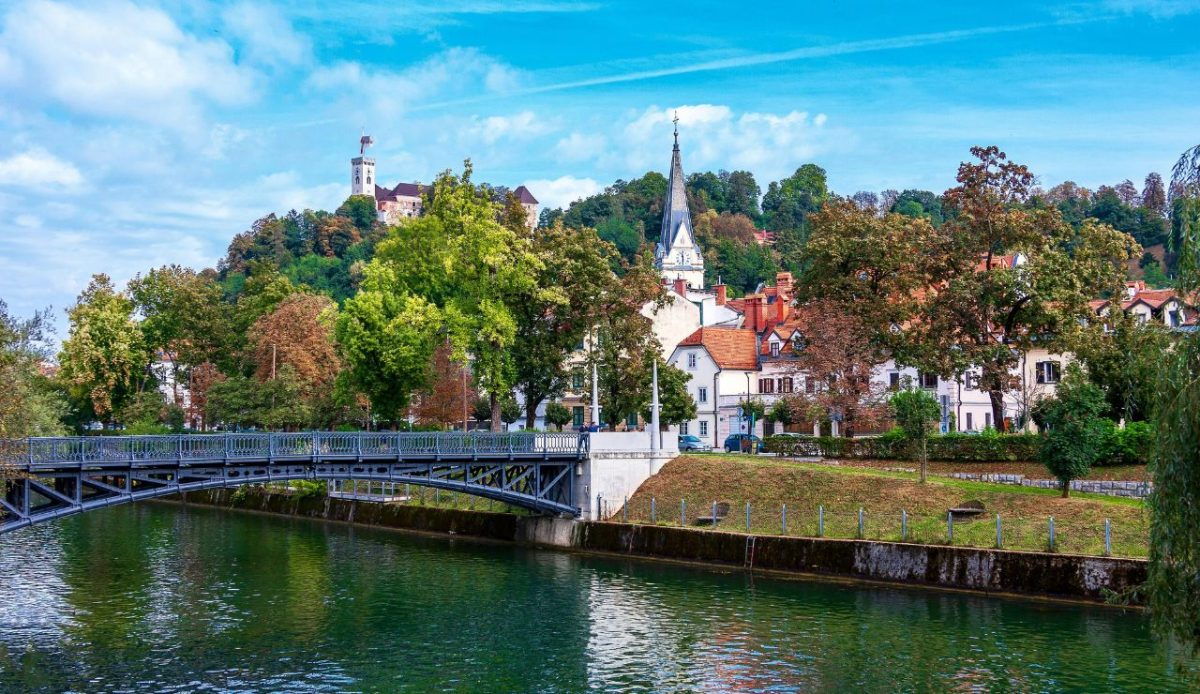
Ljubljana has earned recognition as a former European Green Capital, balancing urban life with eco-friendly design. Its car-free center and extensive bike paths promote sustainable mobility.
The green “Bee Trail” guides visitors through parks, riversides, and historical sites, emphasizing nature in the heart of the city. Public gardens and tree-lined squares create quiet havens amid cultural landmarks.
Visitors can explore urban spaces without sacrificing serenity, enjoying bike rides, riverside walks, and green architecture. Ljubljana exemplifies a city where nature is integral to urban identity.
3. Stockholm, Sweden
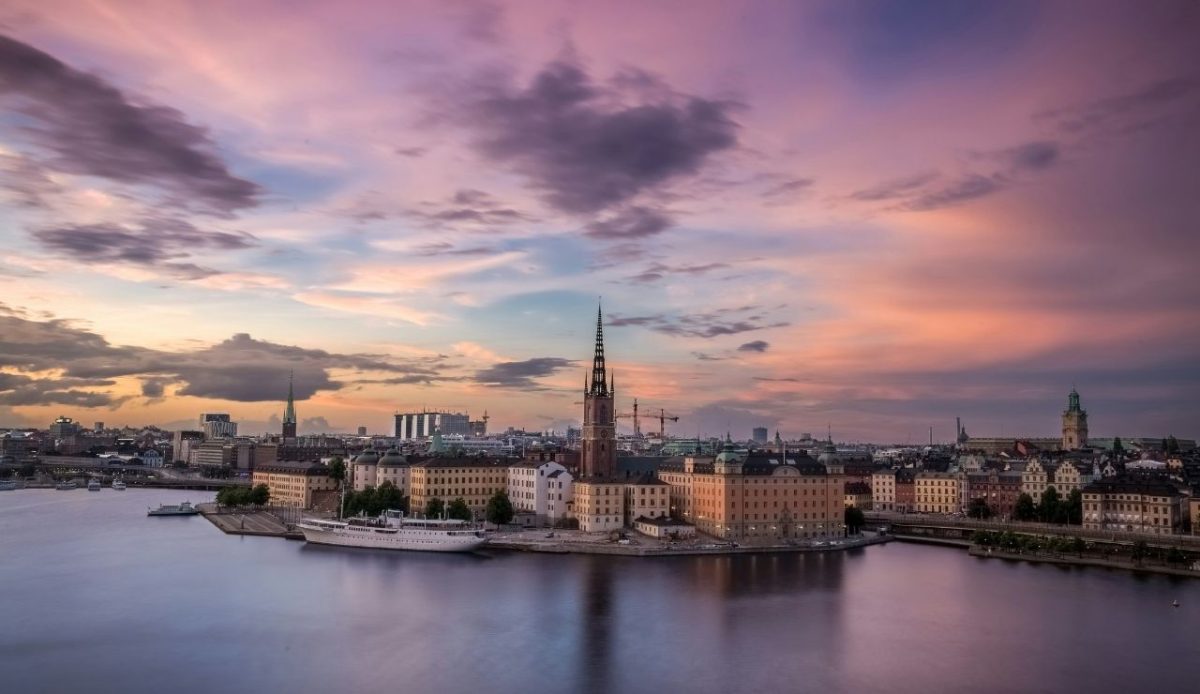
Stockholm features the Royal National City Park, Europe’s first urban national park, stretching across multiple districts and islands. This massive green area integrates forests, wetlands, and meadows into city life.
Residents and tourists alike benefit from easy access to hiking, cycling, and recreational spaces, all while remaining close to urban amenities. Parks often host cultural events, adding vibrancy to green spaces.
Stockholm’s design prioritizes harmony between nature and city infrastructure. Its green expanses make the capital a model for sustainable, livable European cities where relaxation and urban life coexist.
4. Vienna, Austria
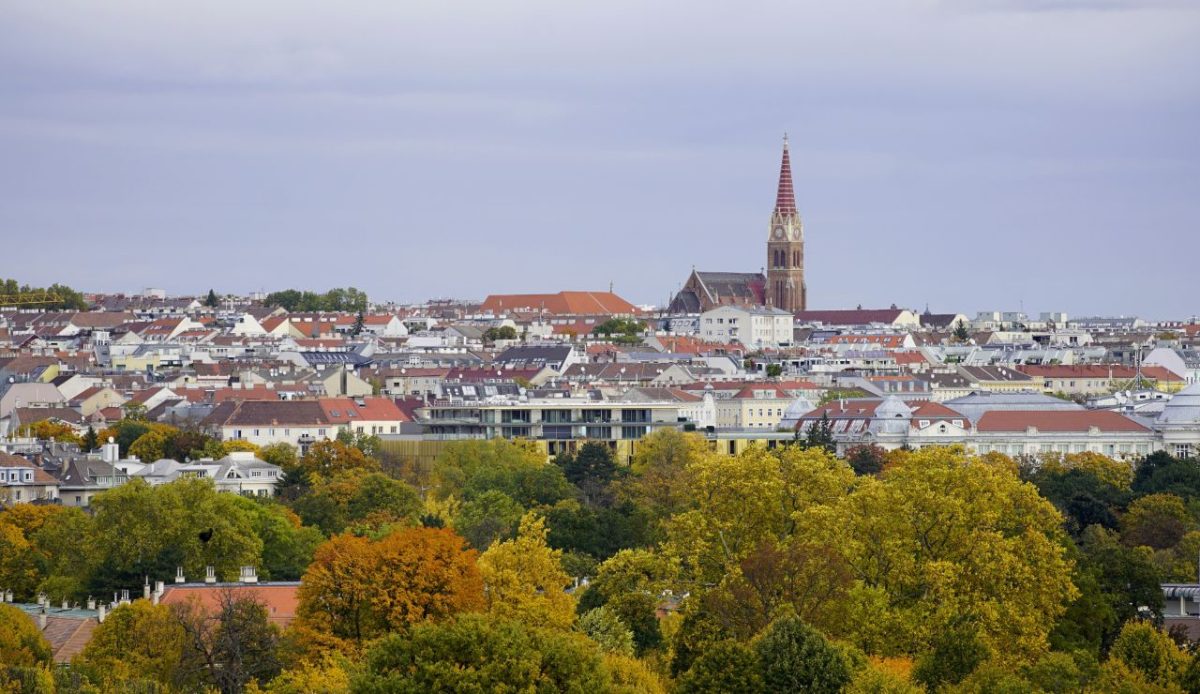
Vienna is home to over 2,000 public parks and forests, from historic city squares to sprawling woodland areas. Schönbrunn Palace gardens and the Wienerwald forest offer iconic escapes from urban congestion.
The city emphasizes walkability and public access to nature, creating a healthy balance between cultural attractions and greenery. Even in dense urban districts, tree-lined avenues and pocket parks provide quiet spots.
Travelers can combine sightseeing with outdoor leisure, exploring botanical gardens, park trails, and cycling routes. Vienna’s dedication to greenery enhances its reputation as one of Europe’s most livable capitals.
5. Copenhagen, Denmark
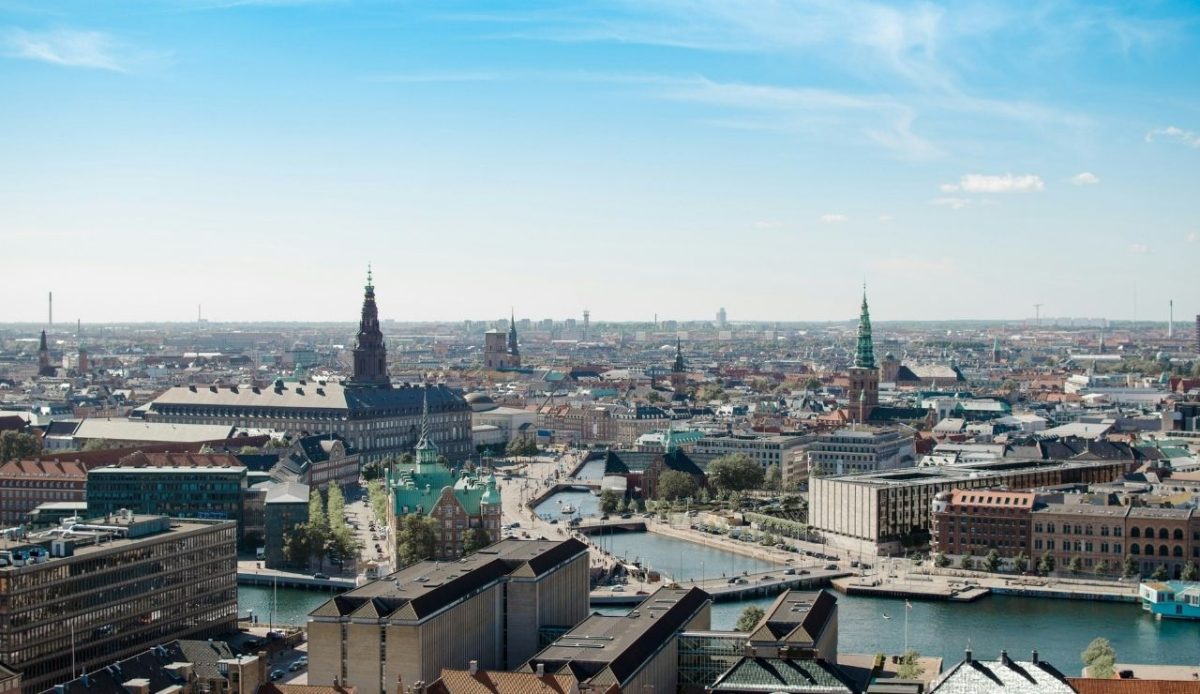
Copenhagen is renowned for sustainability and green urban planning. Cycling infrastructure dominates, connecting parks, waterfronts, and recreational areas throughout the city.
Green initiatives extend to urban farms, playgrounds, and eco-friendly public spaces. Many districts prioritize renewable energy, clean water, and pedestrian-friendly streets, merging environmental awareness with city life.
Visitors enjoy walking, biking, and relaxing in vibrant green neighborhoods. Copenhagen demonstrates how a modern city can thrive by blending environmental responsibility with accessibility and outdoor lifestyle.
6. Zurich, Switzerland
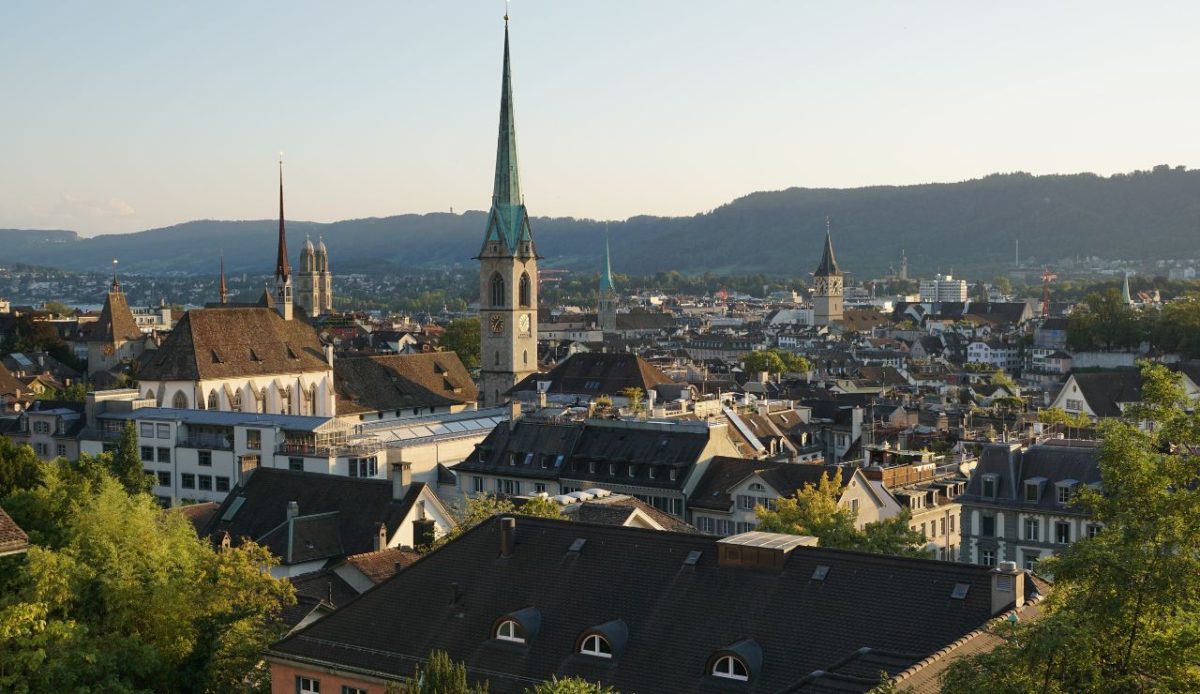
Zurich combines urban living with immediate access to nature. The Limmat River, Lake Zurich, and surrounding hills create abundant green corridors that seamlessly connect with city streets.
Public parks, riverside promenades, and hiking paths provide spaces for jogging, picnicking, and boating, all within a short distance of downtown. Zurich’s emphasis on urban greenery enhances both aesthetic appeal and quality of life.
Travelers can experience a mix of Swiss culture, city vibrancy, and natural serenity without leaving the urban core. Zurich exemplifies a balance between modern city amenities and accessible outdoor recreation.
7. Paris, France
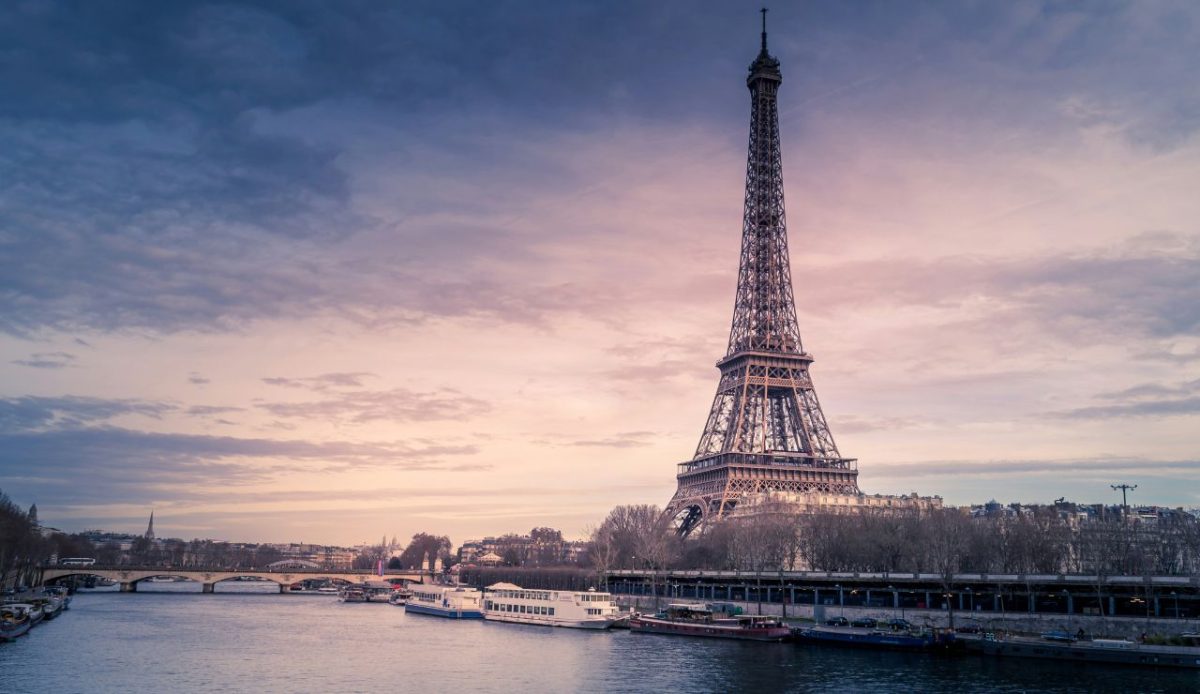
Despite being a bustling metropolis, Paris ranks highly for accessible green spaces. The city’s parks, gardens, and tree-lined boulevards offer oases away from crowded streets.
Iconic spaces like Jardin des Tuileries, Parc des Buttes-Chaumont, and Parc Monceau provide walking paths, playgrounds, and quiet corners for relaxation. Many green spaces host cultural events, outdoor markets, and open-air concerts that attract locals and tourists alike.
Visitors can explore the city’s historic architecture while enjoying natural retreats. Paris demonstrates that even large cities can integrate expansive greenery for locals and tourists alike, blending urban culture with refreshing outdoor escapes.
8. Amsterdam, Netherlands
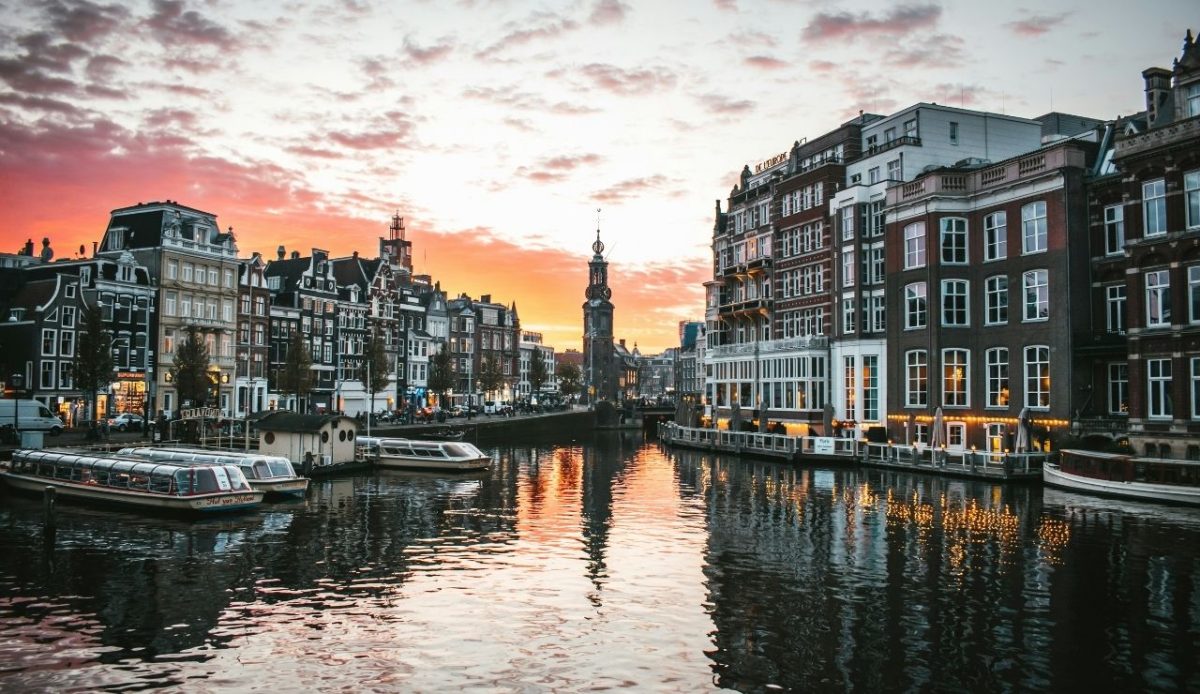
Amsterdam is famous for its canals, but its green spaces and bike-friendly streets reduce congestion and create a sustainable urban environment.
Vondelpark, Westerpark, and numerous smaller gardens offer recreation, picnicking, and cycling opportunities, blending leisure with everyday life. Green corridors, tree-lined streets, and canal paths connect neighborhoods naturally, enhancing the city’s charm and livability.
Travelers can explore the city actively on bike or on foot while enjoying tranquil park spaces and riverside walks. Amsterdam shows how urban design can prioritize greenery without sacrificing city charm, culture, or accessibility for everyone.
9. Grenoble, France
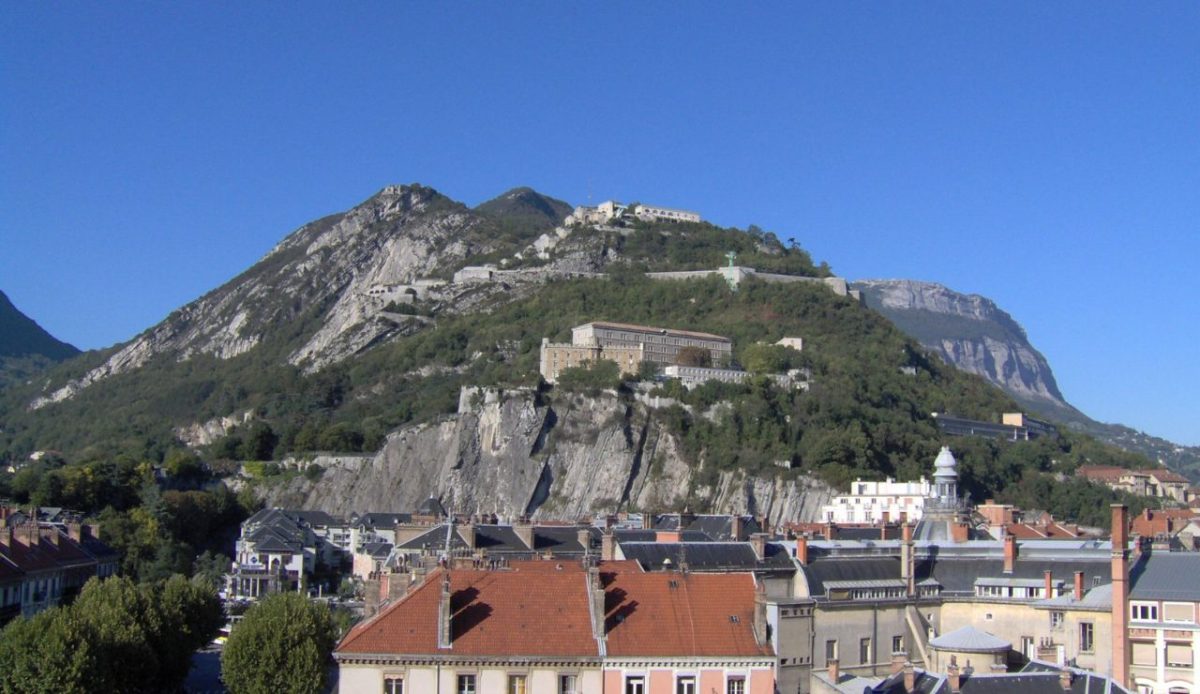
Grenoble, the 2022 European Green Capital, sits in the French Alps surrounded by natural landscapes. The city emphasizes sustainable urban development, integrating parks, pedestrian zones, and riverside walks.
Urban green spaces coexist with cultural institutions and residential districts. Hiking trails, botanical gardens, and outdoor sports areas allow locals and visitors to enjoy nature within city limits. Eco-conscious planning ensures greenery connects neighborhoods to nearby mountains and forests.
Grenoble offers a model for eco-friendly urban living. Travelers experience both alpine scenery and city life, with green spaces consistently taking center stage over crowded streets, providing calm and recreation amid urban energy.
