
Rail to the mountains works best when the last mile is handled by fixed shuttles, funiculars, or a walkable base. Winter road closures are often avoided. This list filters out places where a car is quietly assumed, even if a nearby city has trains.
Each resort was chosen for a proven chain of access in winter, including regular rail service to the area and a realistic way to reach lifts with luggage. Routes were prioritized where schedules are frequent and transfers are simple.
You will see a mix of direct rail towns and resorts reached by train, plus a short bus or cable link. The focus stays on reliability, clear logistics, and car-free movement once you arrive.
1. Zermatt, Switzerland
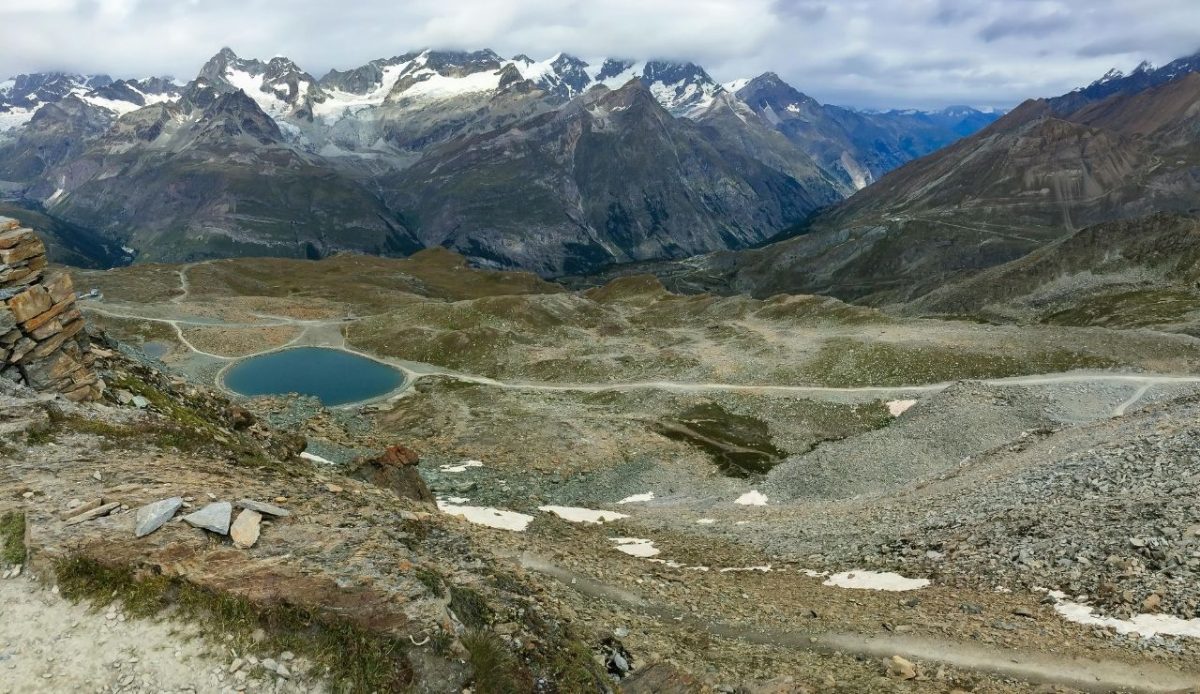
Zermatt is reached only by rail, since private cars are blocked from the village. Arrivals come through the terminal next to the main street, and electric taxis handle heavy bags. Local combustion vehicles are restricted, so streets stay quiet and predictable.
The Matterhorn Gotthard line links to Visp and Brig, where national services connect. In winter, the approach is kept open by rail operations that were built for snow conditions. Many visitors also use the Gornergrat railway as a lift-style access to high terrain.
Once checked in, most needs are met on foot. Lift hubs, groceries, and rentals sit close together, so a vehicle is not missed during a week of skiing. Even late dinners remain simple because hotels cluster near the center.
2. Wengen, Switzerland
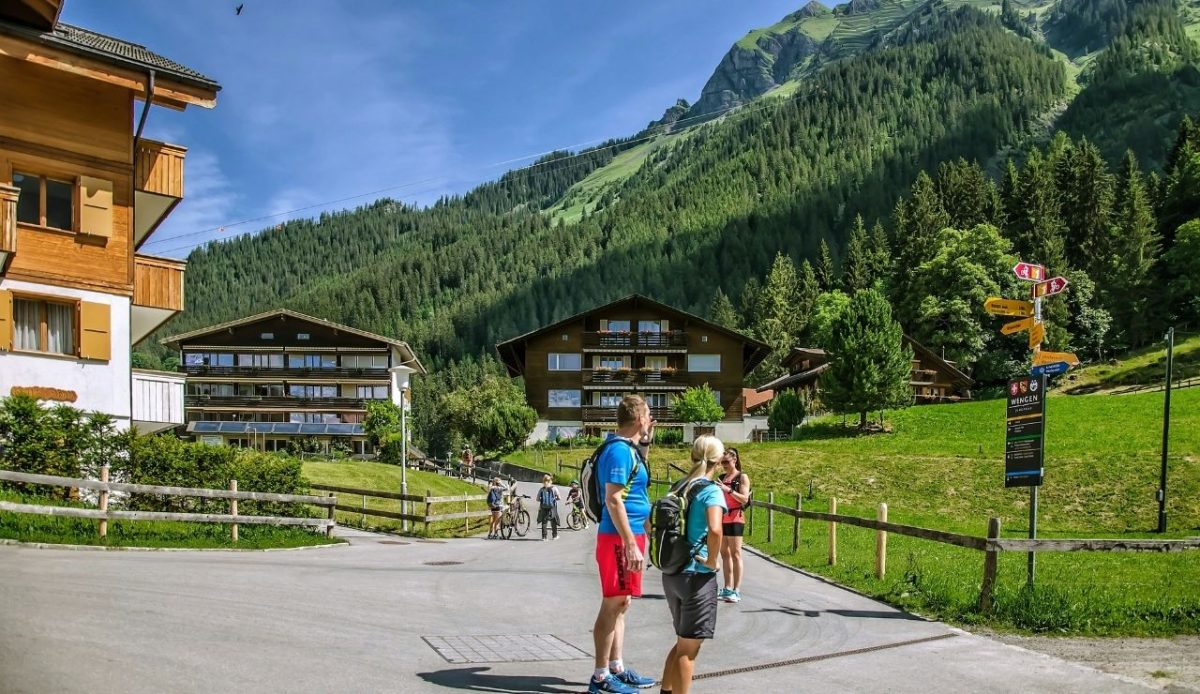
Wengen is a car-free village above Lauterbrunnen that is accessed by mountain railway. After reaching the valley by train, the Wengernalp Railway climbs to the village, so winter driving is removed. Hotel baggage service is commonly used from the platform.
The station sits within the pedestrian core, and most lodgings can be reached with a short pull of a suitcase. Ski schools, rentals, and lift ticket offices are grouped near the main route to the slopes.
Because access depends on rail and not roads, service is rarely disrupted by fresh snow. A short train ride also links Wengen to Kleine Scheidegg and onward connections, keeping day trips car-free.
3. Engelberg, Switzerland
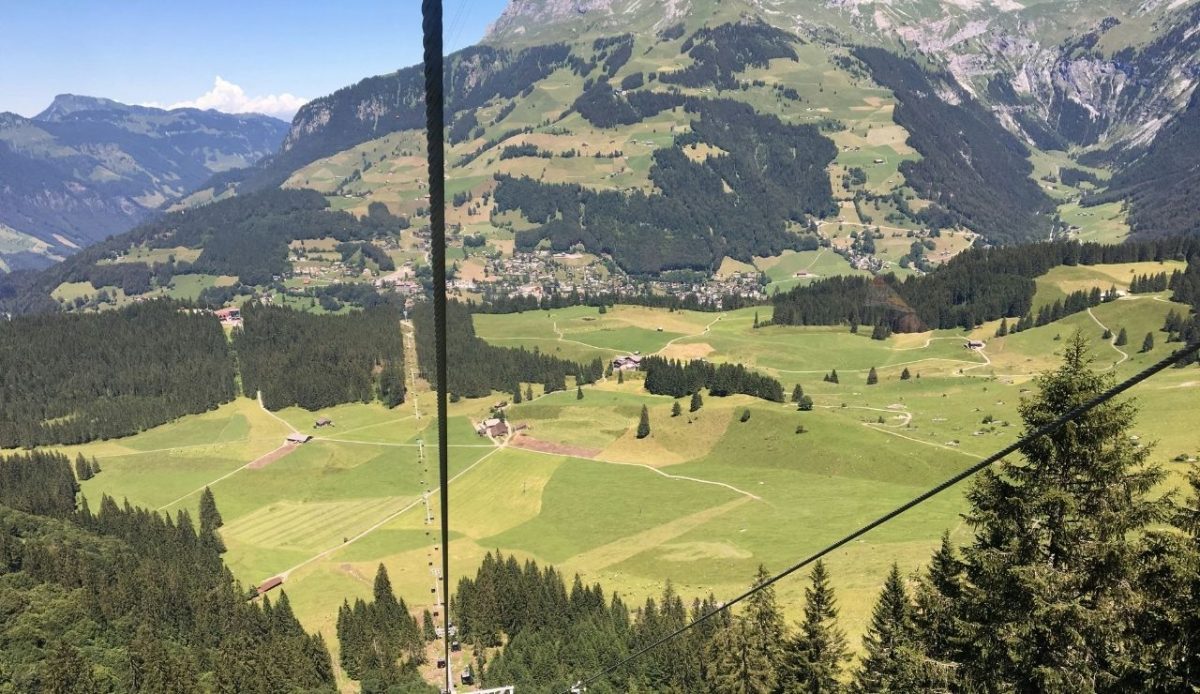
Engelberg is served by a direct rail line from Lucerne that ends in the town center. The walk from the platform to many hotels is short, and winter sidewalks are maintained for foot traffic. A car is optional from the moment you arrive.
The route is operated by Zentralbahn, with regular service timed for regional connections. Local buses run to the Titlis valley station throughout the season, and timetables are designed around ski hours. Gear can be rented near the lifts, which reduces baggage needs for train travelers.
The rail approach avoids mountain passes that can close after storms. For car-free guests, daily errands stay simple because groceries, dining, and services sit near the main streets.
4. Andermatt, Switzerland
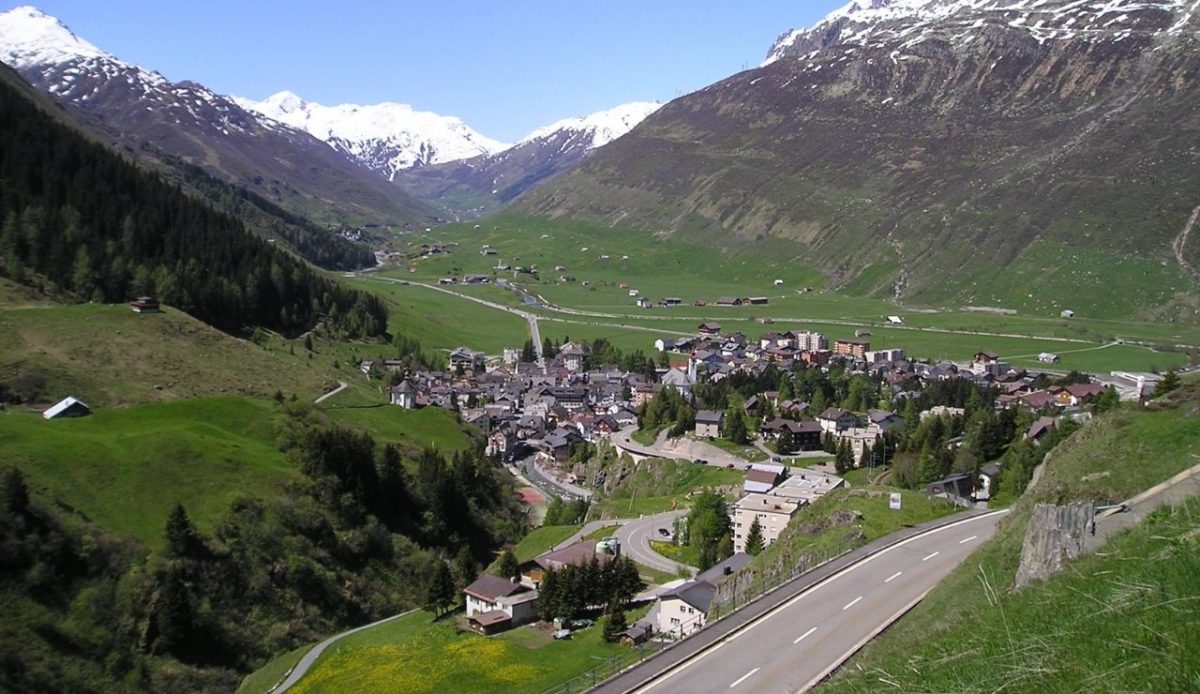
Andermatt sits on key Swiss rail corridors, so arrivals can come from Zurich, Lucerne, or the Valais without driving. The station is inside the village, and lodging is spread within easy walking distance. Winter access is supported via the Furka Base Tunnel services.
Lift access is close, including the Gemsstock cable car and links toward Sedrun via the Matterhorn Gotthard network. A local bus loop is provided in winter, so moving between base points can be done without taxis.
Storm risk is reduced because rail approaches are less exposed than alpine roads. Visitors can plan multi-day skiing across connected areas while keeping all transfers on public transport.
5. Davos, Switzerland
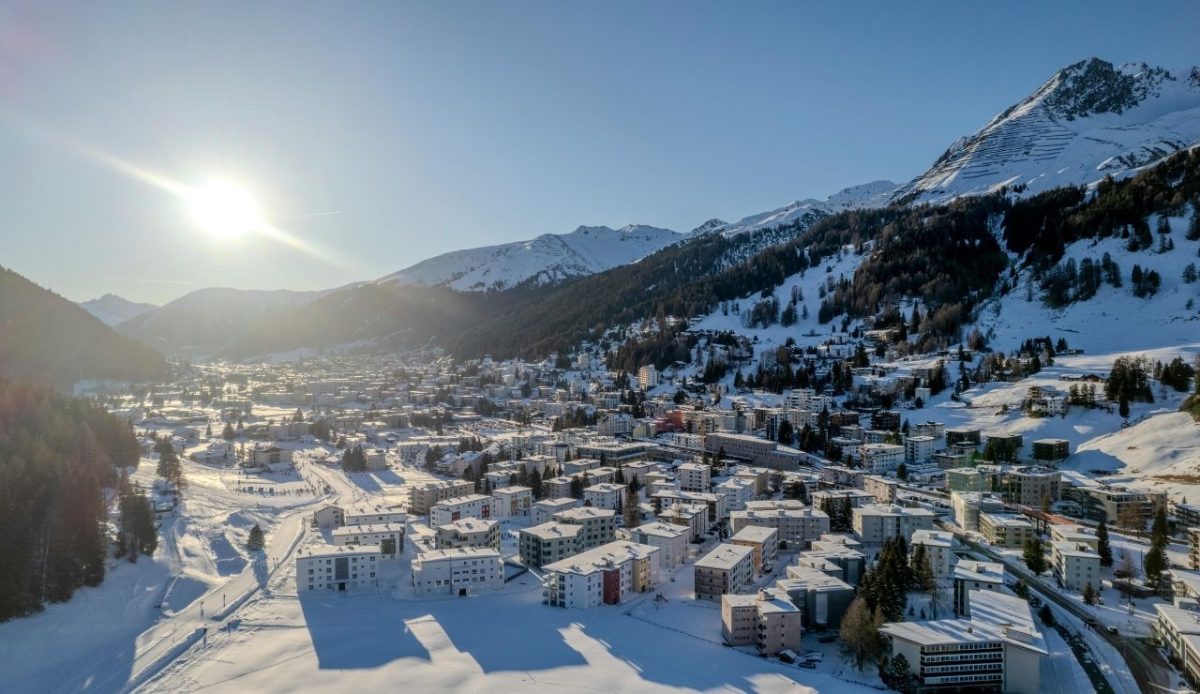
Davos is reached by rail on the Rhaetian Railway after connections through Landquart. Several stops serve the town, including Davos Platz and Davos Dorf, which helps match the right station to the hotel district.
Ski areas such as Jakobshorn and Parsenn are tied into the local bus network, and passes often cover transit. The system was designed for large winter crowds, so frequency is kept high during peak weeks. A short funicular also links to Schatzalp for additional terrain.
A car-free stay is practical because services are spread along walkable streets and transit lines. When roads are slowed by snow, rail arrivals remain steady, and luggage handling stays controlled.
6. St. Moritz, Switzerland
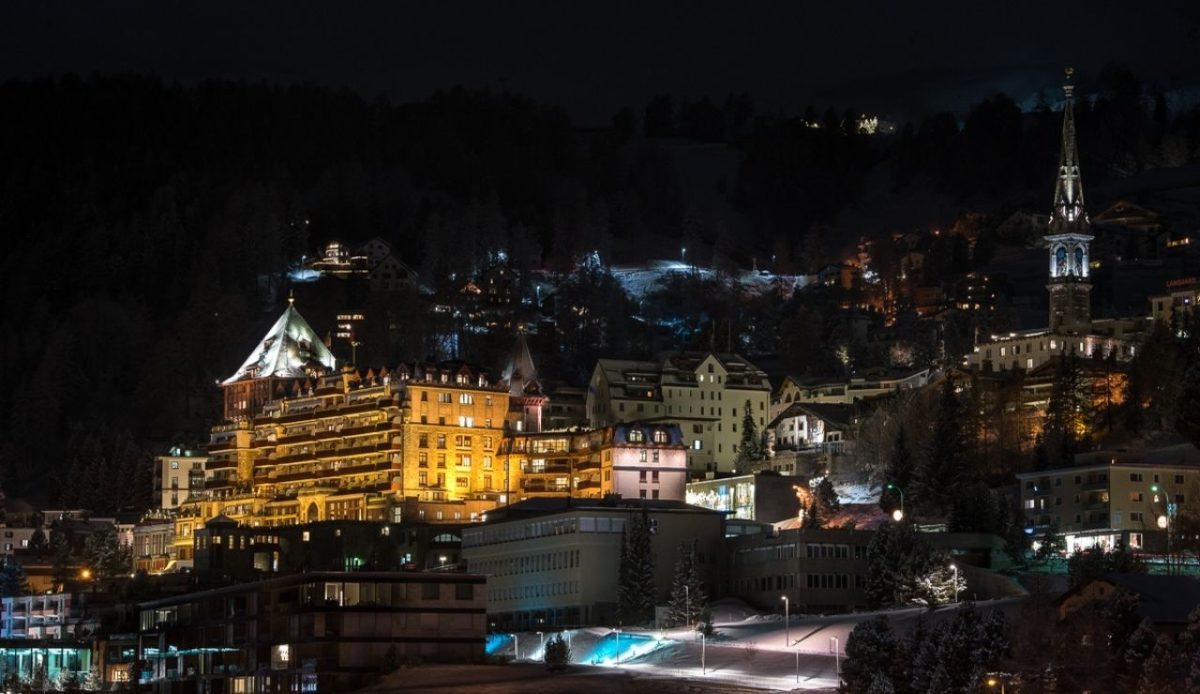
St. Moritz is served by the Rhaetian Railway, with arrivals that can be paired with scenic routes like the Bernina line. The station lies within the resort area, so transfers are not long or confusing. Hotels are also listed with clear bus links from the terminal.
Local buses connect the rail stop to lift bases across the Engadin, including Corviglia access near town. Winter service is well established because the region depends on rail for both tourism and daily travel.
Car-free visitors can pick lodging near the lake or center and still reach the slopes with public transport. Road conditions on high passes are avoided, which improves schedule certainty during storm cycles.
7. St. Anton am Arlberg, Austria
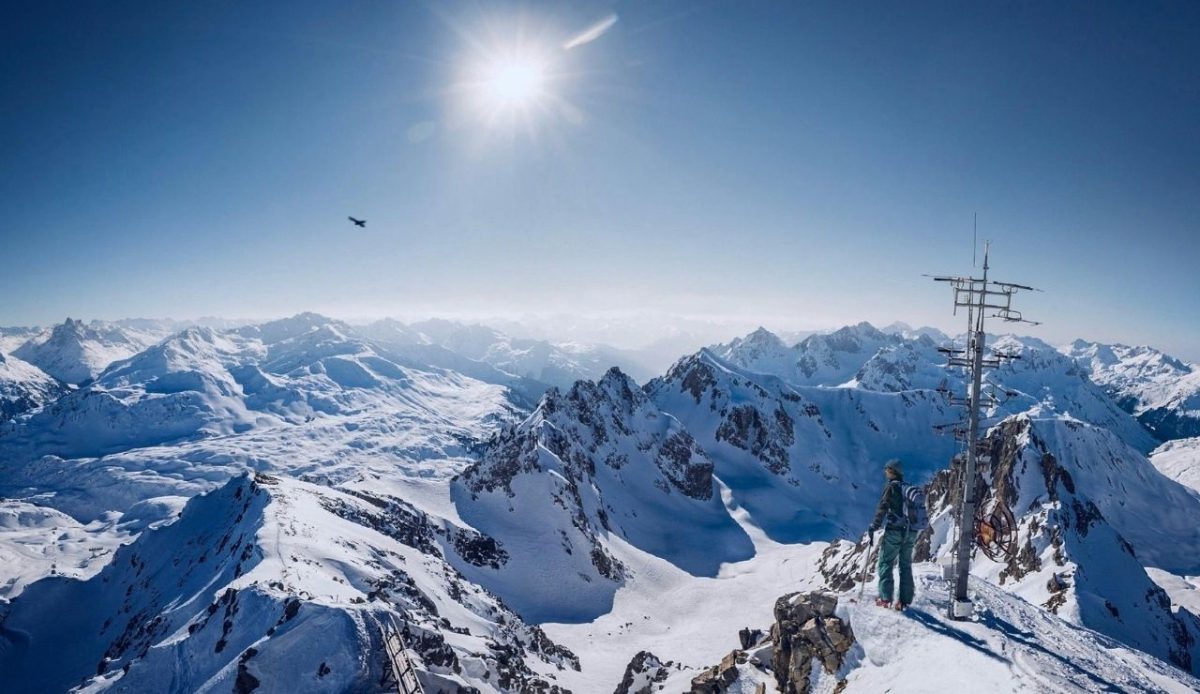
St. Anton am Arlberg has a mainline rail station with long-distance services, including Railjet trains. The platform is close to the pedestrian center, so arrival can be finished with a short walk. Luggage lockers and taxi ranks are available for heavy gear.
The Galzig and Rendl lift bases sit near town, and ski buses serve nearby villages along the Arlberg corridor. Winter timetables are stable because the route is a major east-to-west rail link. Night arrivals are supported by lit walking routes and frequent local shuttles.
A car is not required for a full week. Shops, rentals, and dining are concentrated, and return trips are simplified because trains run directly to large hubs.
8. Kitzbuhel, Austria
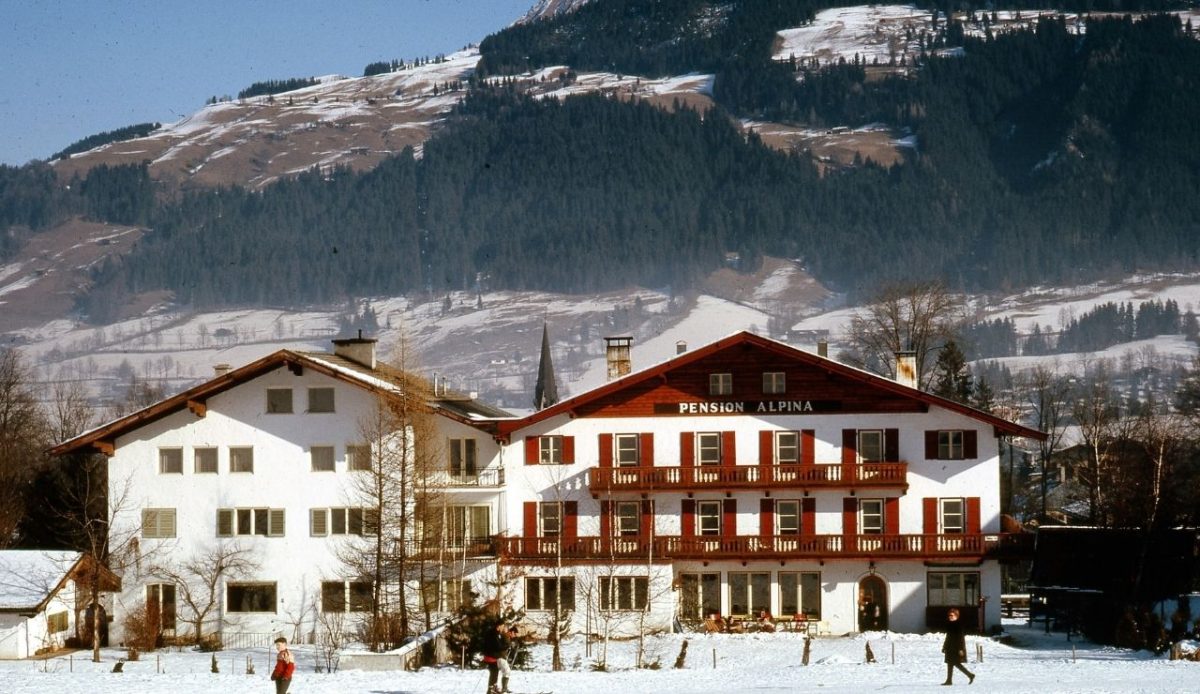
Kitzbühel is reachable by rail from Innsbruck, Salzburg, and Munich via regional and long-distance connections. Two stations serve the area, and Kitzbuhel Hahnenkamm places riders close to the flagship lift zone. From there, the gondola and rentals are a short walk.
The center is walkable, with ski buses filling gaps to outlying bases. Because the town is a year-round destination, pedestrian routes and transit information are kept clear for visitors.
Car-free travelers can stay near either station and still reach the slopes quickly. Return travel is efficient because trains run frequently through the valley, reducing missed connections in storms.
9. Zell am See, Austria
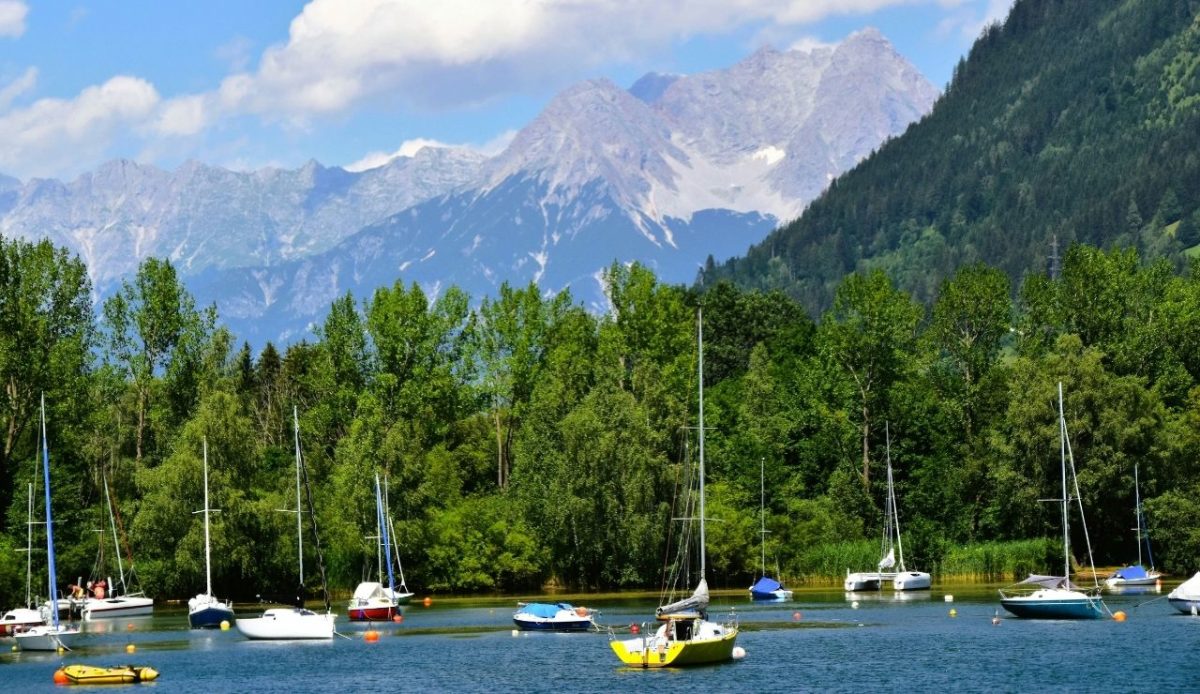
Zell am See has a rail station near the town center, with connections through Salzburg and the Tyrol corridor. Many hotels sit within walking distance, which limits transfer steps after arrival. The platform is also close to the main bus bays, and tickets are easy to buy.
The CityXpress lift base is close to the core, and ski buses extend service toward Kaprun and glacier access. In winter, routes are planned for ski traffic, so early morning and afternoon peaks are covered.
A car-free week works well because errands can be done on foot, and slopes are reached by lift or bus. Road delays around alpine passes are avoided, improving timing for short trips and weekends.
10. Schladming, Austria
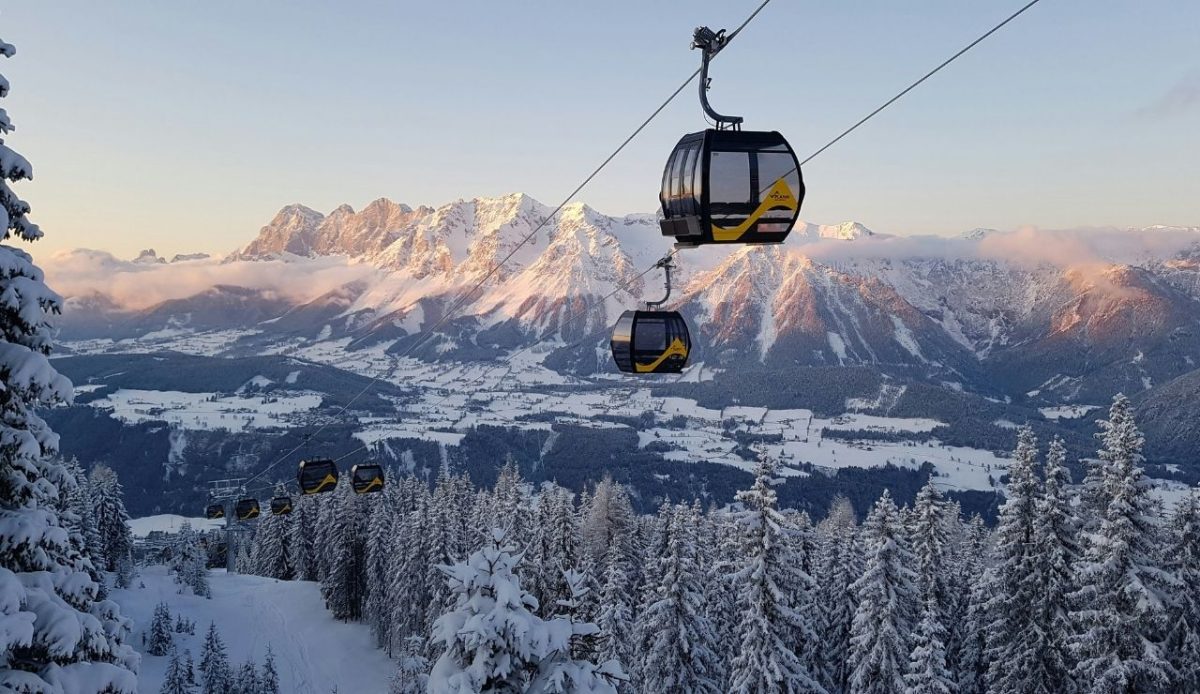
Schladming is served by rail in the Enns valley, which lets travelers arrive without mountain driving. The station sits close to the Planai sector, and many hotels are reachable on foot with winter-cleared paths. A short taxi ride can be used if bags are heavy.
Ski buses support movement across the Four Mountains area, and service is increased during event weeks. Because the resort hosts major races, transport planning is treated as core infrastructure. Stops are placed at lift bases to reduce walking in ski boots.
Car-free visitors can manage rentals, groceries, and dining within a compact center. Departures are simple because the rail line provides steady links back to regional hubs.
11. Les Arcs, France
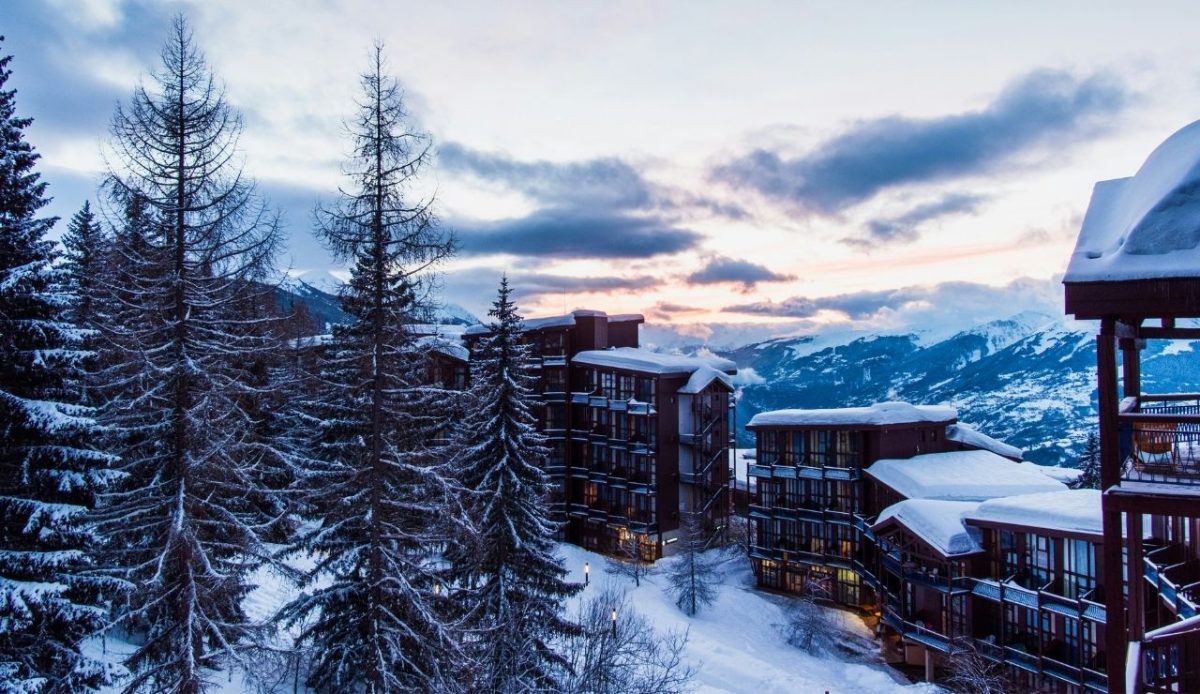
Les Arcs is built around an unusually direct rail-to-mountain transfer. High-speed and regional trains stop at Bourg Saint Maurice, where a dedicated funicular climbs to Arc 1600 in minutes. The funicular runs frequently at peak changeover times.
Once at Arc 1600, free shuttles connect to higher villages and key lift nodes across the resort. This setup keeps luggage and ski gear on fixed public links rather than winding winter roads. Many hotels advertise door-to-door access from the rail station.
A full stay can be done without cars because lodging, rentals, and ticketing are placed near transit stops. Return travel is also predictable since the funicular is timed for rail arrivals during the season.
12. Val Thorens, France
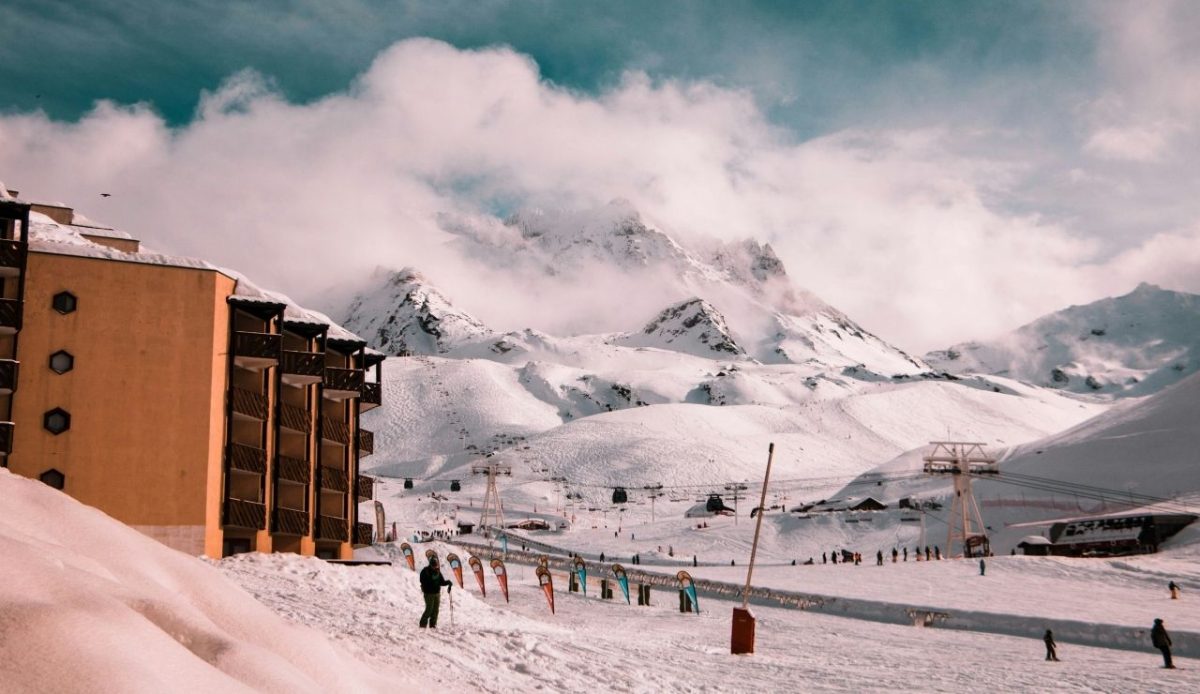
Val Thorens is reached by rail to Moûtiers, then by a scheduled winter coach that climbs the valley to the resort. The bus leg is long, but it is standardized and used by large volumes of skiers every season. Operators such as Altibus publish seasonal schedules.
Transfers are simpler when trains and coaches are matched to arrival blocks on Saturdays and peak days. Drop-offs are located near lodging clusters, and internal shuttles handle short hops within the village.
Once there, daily needs are walkable, and many properties sit near lifts. A car is not needed for shopping, dining, or reaching slopes, and return timing can be planned around timetables.
13. Chamonix Mont Blanc, France
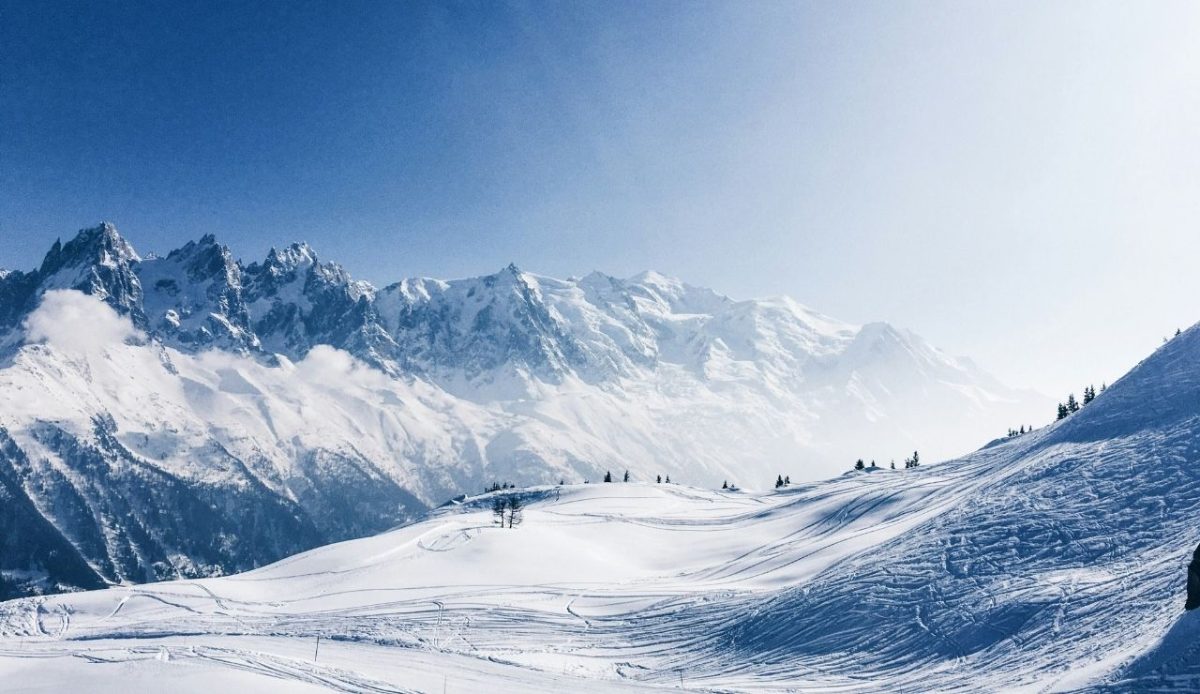
Chamonix has rail access through the Mont Blanc Express, which serves multiple stops along the valley. The line links to Saint Gervais Le Fayet and continues toward Martigny, which widens connection choices. This spreads arrival options across districts, reducing the need for taxis after the train.
Public buses link the rail line to lift sectors such as Brévent, Flégère, and Grands Montets access points. Service frequency is strongest in winter, when visitor demand is highest, and road traffic increases.
Car-free guests can base near a station and use transit for daily movement between ski areas and town services. Storm days can still be managed because transport options remain available without driving.
14. Åre, Sweden
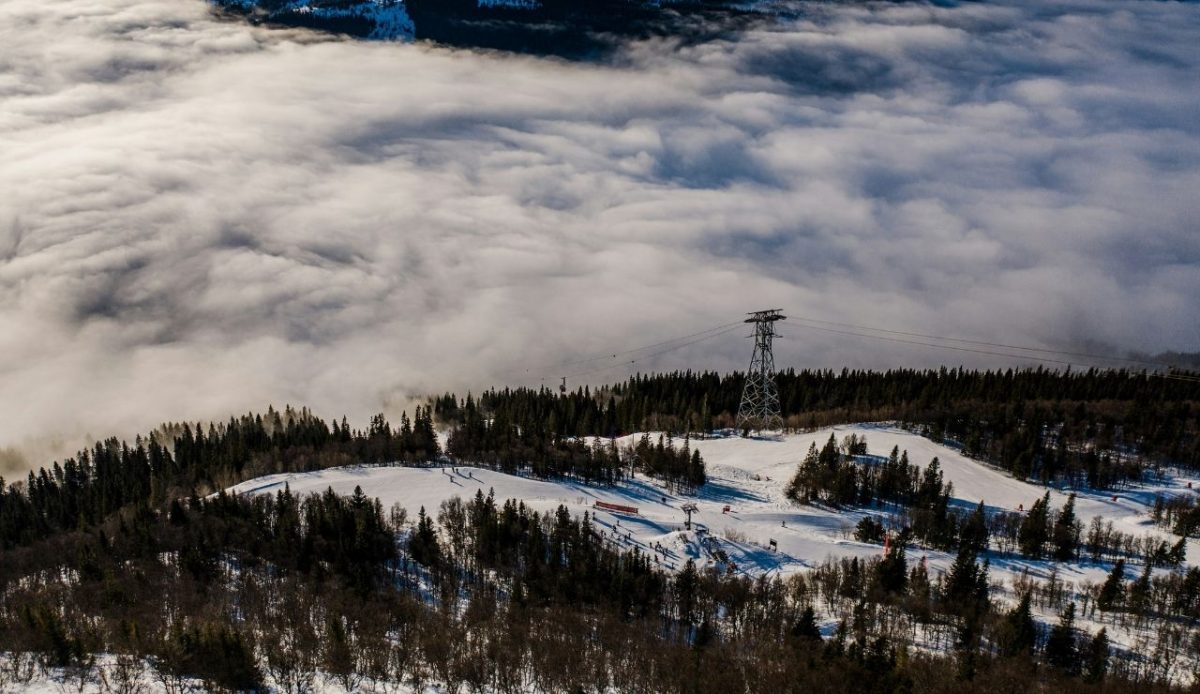
Åre is a Swedish ski town with a rail station in the village, including overnight trains from Stockholm in season. Service is provided on the main north-south corridor through Jämtland, which keeps access dependable. Arrivals step into a compact center where hotels and rentals are within short walking range.
The lift network begins near town, and local buses cover farther lodging zones and nearby Duved. Winter operations are supported by Nordic transit planning, so schedules remain consistent during snow.
A car-free trip works because daily errands can be done on foot, and most services cluster near the station area. Return travel is straightforward with reserved seat options on long-distance trains.
15. GALA Yuzawa, Japan
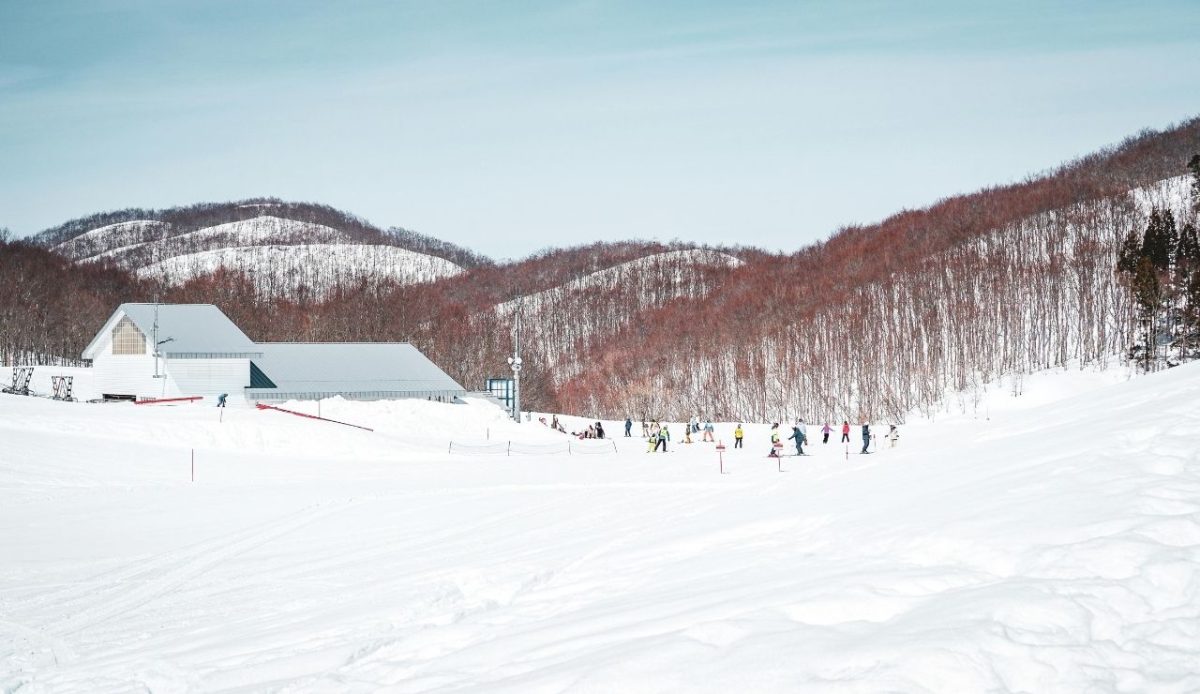
GALA Yuzawa is designed around rail access, with a Shinkansen stop built into the resort complex. Travelers can arrive from Tokyo on the Joetsu Shinkansen and walk from the train to rentals and lifts without leaving the building. The stop is operated by JR East.
This integration removes the last-mile problem entirely, which is rare in ski travel. Facilities such as lockers, tuning, and ticket counters are placed along the same indoor route.
Because no road transfer is needed, weather disruption is reduced to rail performance rather than mountain driving. For short trips, the station-to-slope time can be measured in minutes, making car-free travel genuinely easy.
