
Some places are restricted by law or treaty, so entry requires written authorization rather than a standard ticket or visa. Controls protect ecosystems, sacred communities, and sensitive sites where uncontrolled visits can cause lasting harm.
This list uses only destinations with a clear approval path run by a named authority such as a government office, treaty party, or heritage manager. Applications are reviewed, permits are issued selectively, and conditions apply before arrival.
Each section explains what limits access, who grants permission, and why the rules exist. When the public is kept out, conservation, sovereignty, or safety goals are being enforced through an official process.
1. Mount Athos, Greece
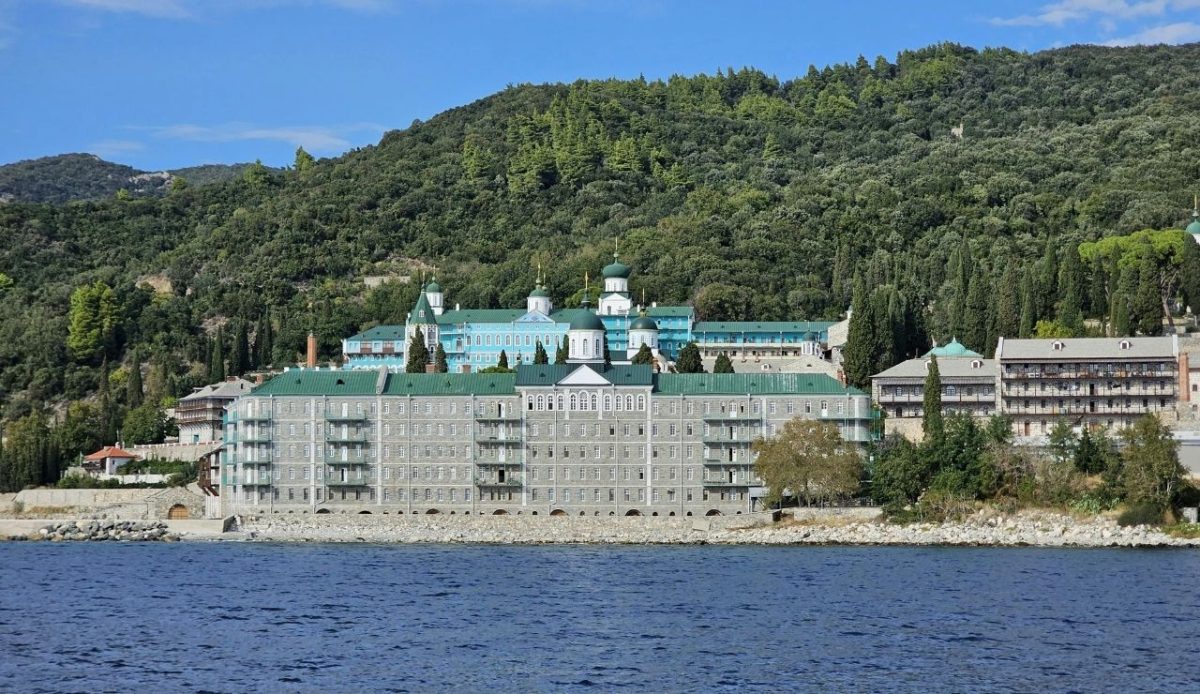
Mount Athos is an autonomous monastic region in Greece where Orthodox communities regulate daily life. The restriction aims to preserve worship routines, silence, and the operation of twenty monasteries that host pilgrims.
Entry requires a Diamonitirion issued through the Mount Athos Pilgrims Bureau. The permit is capped at about 120 per day, with only around 10 slots for non-Orthodox visitors, and it is typically valid for three nights.
Women are not permitted under the long-standing avaton rule. Approved men must pre-arrange lodging with monasteries, follow dress and conduct rules, and travel by set routes from the port of Ouranoupoli in Halkidiki.
2. Surtsey Island, Iceland
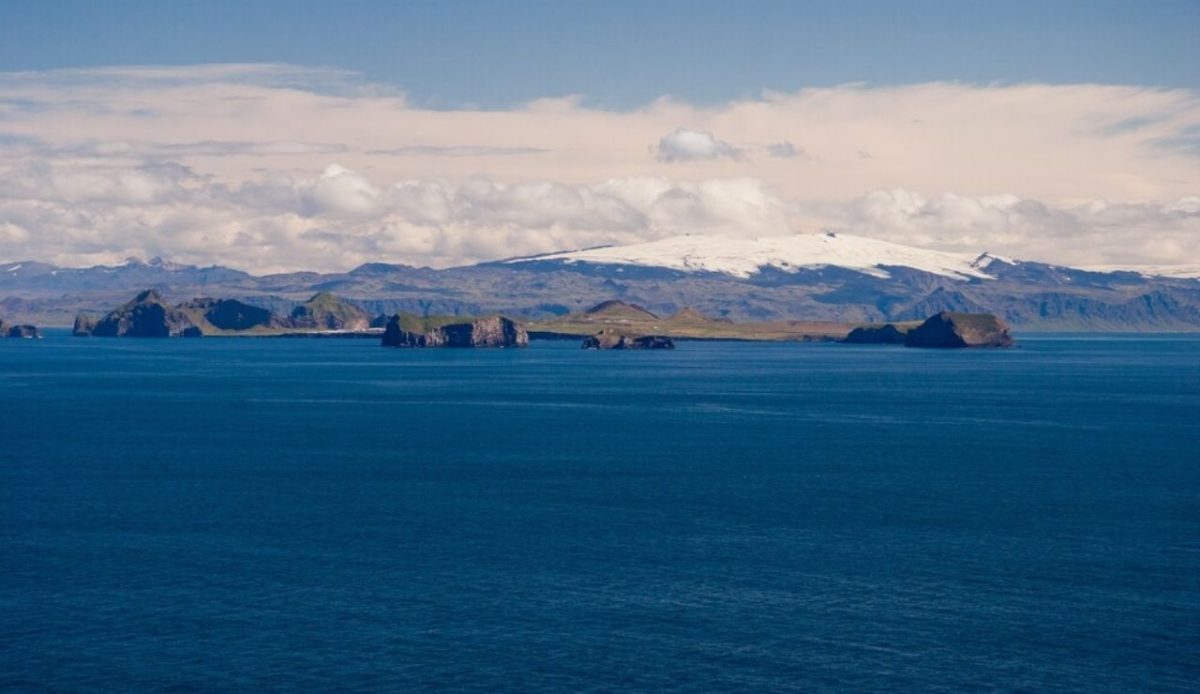
Surtsey is a volcanic island off Iceland that is protected as a nature reserve and UNESCO World Heritage site. Its value comes from tracking primary succession without outside contamination, so casual landings are prohibited.
Written permission is required from the Environment Agency of Iceland under rules tied to Regulation No. 50 2006. Permits are issued only for research or closely related projects, and approved visitors must follow strict biosecurity steps.
Travel is limited in time and scope, with controls on where people walk and what equipment is brought ashore. These limits reduce the chance that seeds, microbes, or insects from the mainland distort long-term ecological records.
3. Antarctic Specially Protected Areas
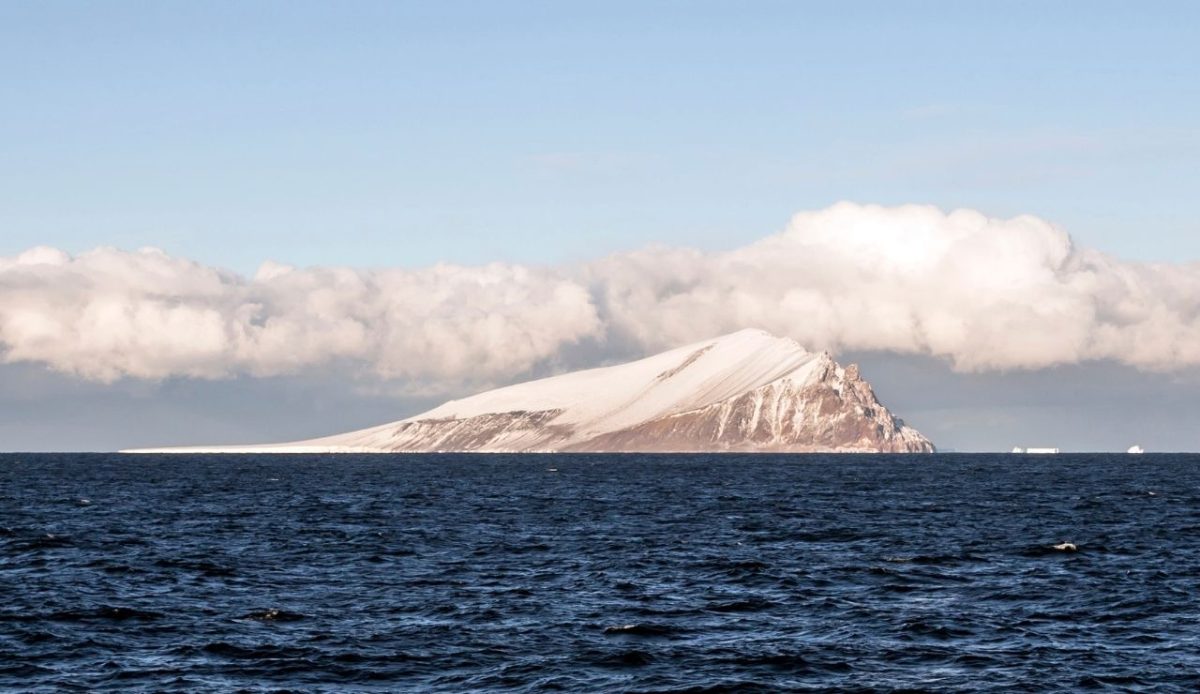
Antarctic Specially Protected Areas are the strictest protection category under the Protocol on Environmental Protection to the Antarctic Treaty. They include penguin breeding sites, historic huts, and rare moss beds where even small disturbances can persist for decades.
Access is allowed only under a permit issued by a national authority of a Treaty Party. The permit must match the area management plan, which sets entry points, waste rules, sampling limits, and reporting duties.
For example, US-based expeditions often apply through the National Science Foundation process when activities fall under US law. Unauthorized entry can breach treaty commitments and can trigger penalties under domestic implementing acts.
4. Diego Garcia
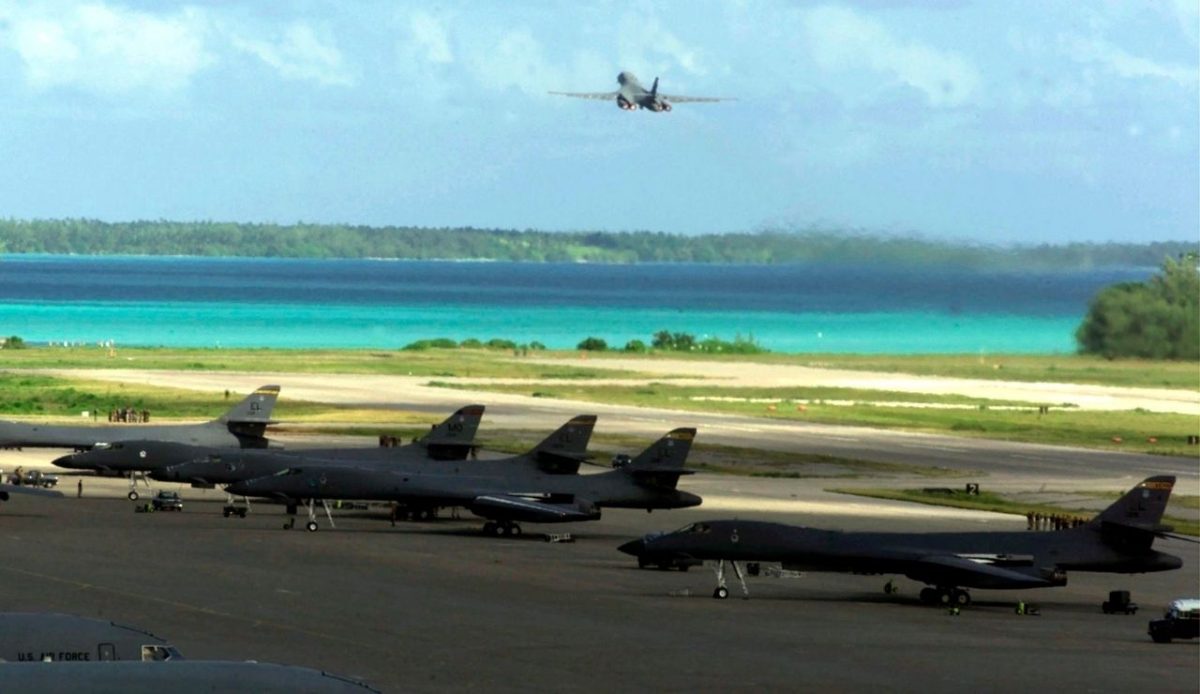
Diego Garcia is an atoll in the British Indian Ocean Territory with a major UK and US military base. Because the island is used for defense operations, it is not treated as a tourist destination and has no normal visitor route.
A permit is required before travel, and entry is generally limited to people on pre-authorized official duty or approved contract work. The UK travel guidance notes restricted access and the absence of commercial flights.
Permits may be issued for yachts only for safe passage through the wider territory, not for landing on the base island. Travel plans are checked in advance, and arrival without authorization can lead to detention and removal.
5. Northeast Greenland National Park
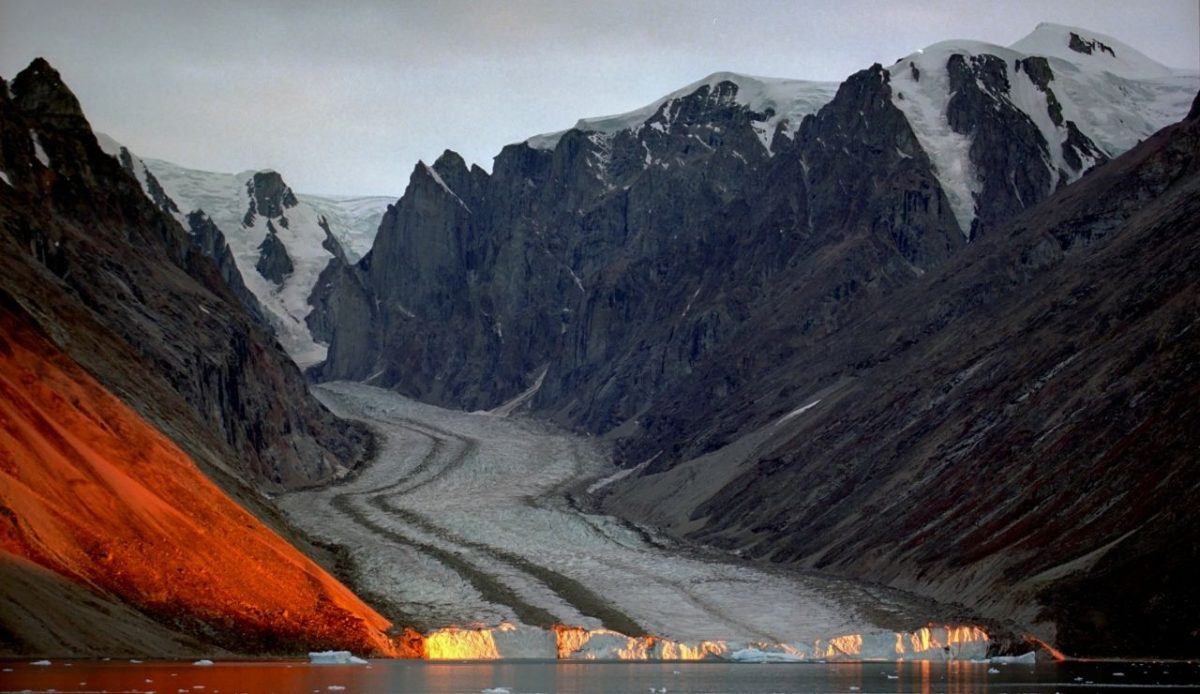
Northeast Greenland National Park covers a huge Arctic zone where wildlife and archaeology are protected, and rescue support is limited. The rules exist to reduce disturbance to musk ox, polar bears, seabirds, and fragile tundra soils.
All travel and expedition activity inside the park requires prior authorization from the Government of Greenland. Landings by boat or aircraft and depot drops are illegal without specific permission, and even low-altitude flights can require separate approval.
Applicants are expected to submit routes, safety planning, and environmental procedures, and reporting can be required after the trip. The permit system also helps officials coordinate search and rescue capacity in a region with long response times.
6. Heard Island And McDonald Islands
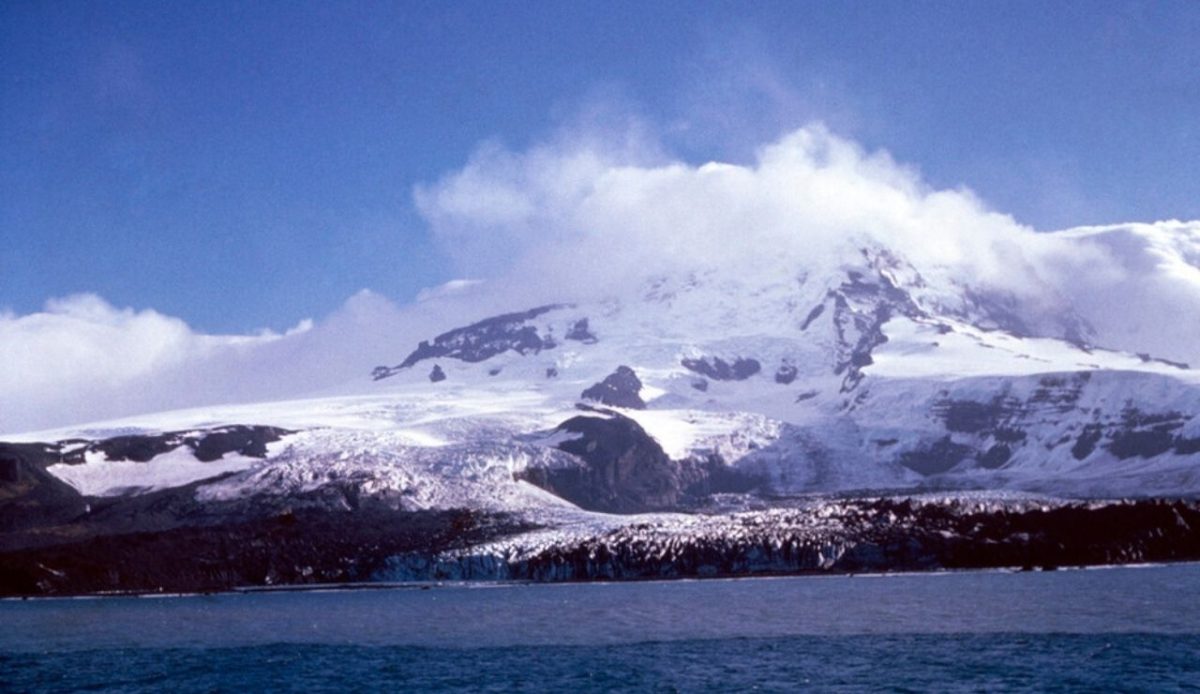
Heard Island and the McDonald Islands are Australian external territories in the subantarctic, listed for World Heritage values. They sit within a strict nature reserve setting, so access is managed to protect breeding seals, seabirds, and volcanic landscapes.
Visitors must obtain a permit from the Australian Antarctic Division, and activities must comply with conservation rules under Australia’s EPBC framework. Tour ships are rare and are restricted to specified visitor zones when permission is granted.
Biosecurity is treated as a core condition, including cleaning gear to prevent non native species from arriving by ship. Permits can limit landing sites, group size, and the handling of wildlife, with monitoring required for compliance.
7. Lascaux Cave, France
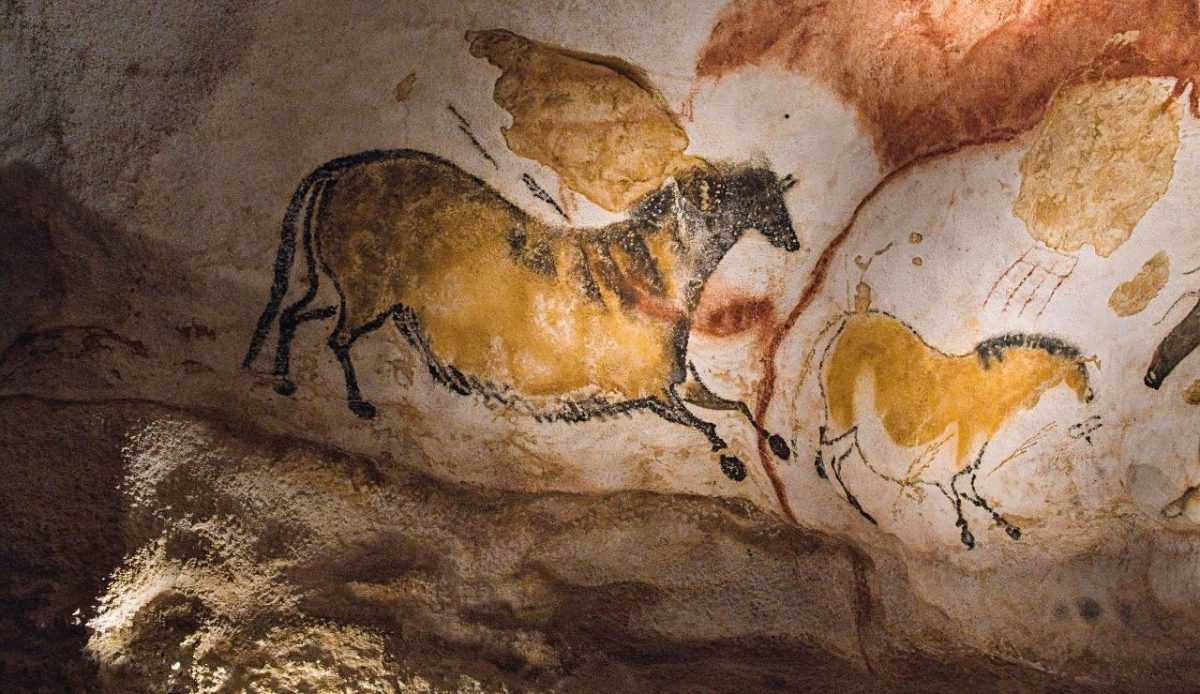
Lascaux in France contains Paleolithic paintings that were harmed after heavy visitation changed carbon dioxide and humidity levels. The original cave was closed in 1963, and replicas were built so the art could be protected.
Entry to the real cave is restricted to a small set of conservation staff and approved researchers under controlled conditions. French heritage authorities manage access rules as part of a wider preservation program for the hill and its karst system.
Monitoring tracks temperature, moisture, and microbial growth, since mold outbreaks have threatened pigments and surfaces. Approved work is time-limited, lighting is minimized, and procedures are used to avoid introducing new spores or bacteria.
