
Great bike networks can still sit next to streets where crashes are frequent, so this list pairs trail quality with injury reporting.
Each city is tied to a well-used trail or greenway and a published injury figure, such as bicyclist injuries or bicycle-involved injury collisions, taken from recent annual crash summaries.
Reported injuries reflect police reports and local definitions, so they should be read as a risk signal, not a direct ranking of danger. Many injuries occur at trail access points, crossings, and nearby arterials. Notes focus on where separation breaks down, where speeds rise, and where quick fixes like better sight lines and signal timing have been used.
1. New York City, New York

New York City has long, continuous riding on the Hudson River Greenway and East River Greenway, plus park loops in Central Park and Prospect Park that pull heavy daily volume.
NYC DOT’s 2023 bicycle crash report lists 4,829 bicyclist injuries in crashes involving motor vehicles across the five boroughs. The report separates crashes with only bikes from those with cars, which helps show how much exposure happens on streets.
Greenways reduce contact with traffic, yet riders still funnel through pinch points such as bridge approaches, greenway gaps, and turning conflicts at signals. Safety gains in protected lane corridors can be offset when a route forces a short ride on fast avenues.
2. Chicago, Illinois
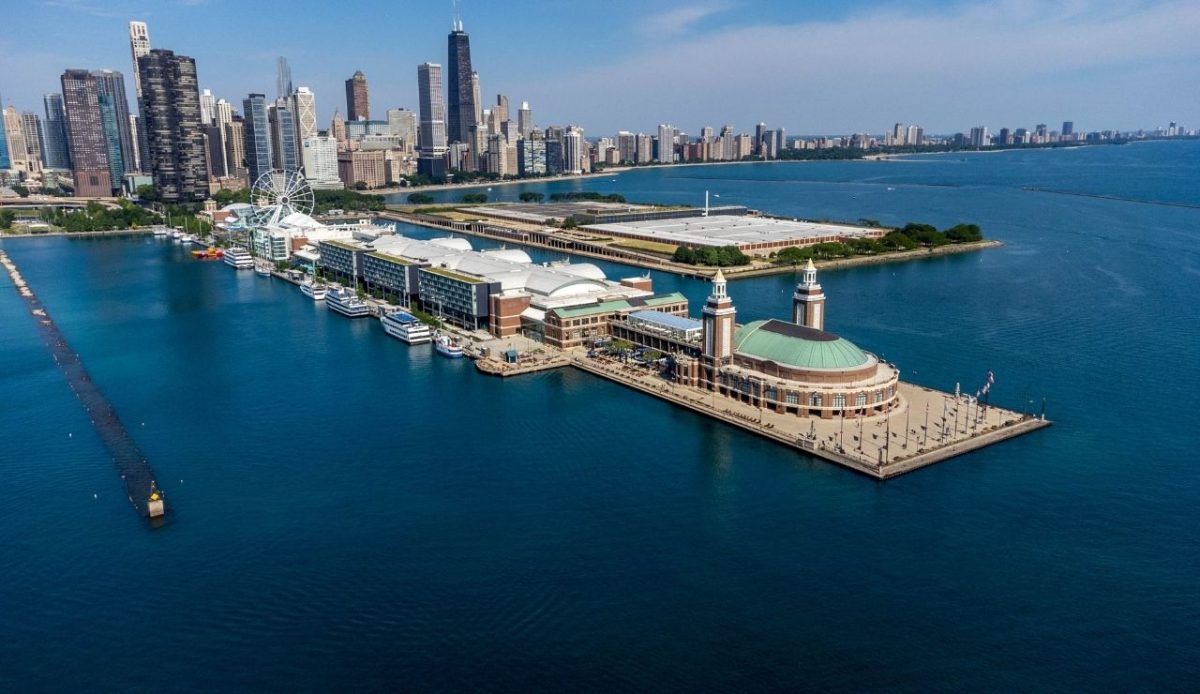
Chicago’s signature ride is the 18-mile Lakefront Trail, backed by the 606 elevated path and the North Branch Trail for longer, low-stress mileage through preserves and neighborhoods.
The Illinois DOT 2023 City of Chicago crash summary reports 1,276 injured pedalcyclists from crashes classified as pedalcyclist in the city during 2023, with injury severity split into categories used in state reporting.
Trail riding can feel separated, but many trips start or end on arterials like Milwaukee, Halsted, or Western. Intersections near trailheads and curbside door zones add risk, so protected lane continuity, loading control, and safer left turn design are key.
3. San Francisco, California

San Francisco packs big scenery into short rides with Bay Trail segments, the Embarcadero waterfront, and car-free stretches in Golden Gate Park, such as JFK Drive on weekends and during many events.
SFMTA’s 2023 to 2024 Traffic Crashes Report states there were 469 injury collisions in 2024 involving a bicycle rider. The report also tracks trends back to 2000, showing how crash counts moved with ridership and street design changes.
Many riders stay on protected lanes like parts of Valencia and Market, yet injury collisions cluster at complex junctions such as Market and Octavia and other multi-leg crossings. Door openings, left turns, and unsafe lane changes are called out as recurring patterns.
4. Phoenix, Arizona
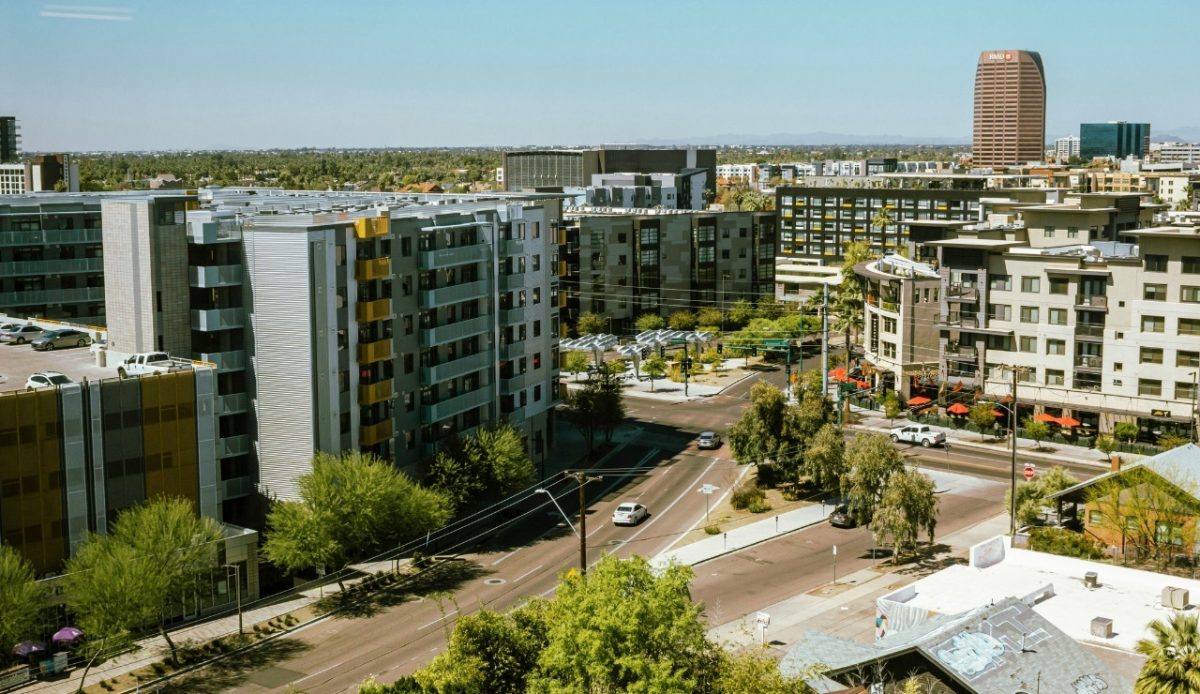
Phoenix offers long, flat miles on the Arizona Canal Trail and the Rio Salado Pathway, plus desert park links that stay rideable most of the year for commuting and fitness riding.
The City of Phoenix 2023 Traffic Collision Summary reports 262 bicyclist collisions citywide for 2023. It also lists system facts like total bike lane miles, showing how a large network can still coincide with frequent crash reporting.
Many trail miles run next to major arterials and have frequent driveway or side street crossings. Risk rises where riders leave the canal paths for downtown streets, light rail corridors, or fast multilane routes with wide turning radii and long signal cycles.
5. Washington, DC
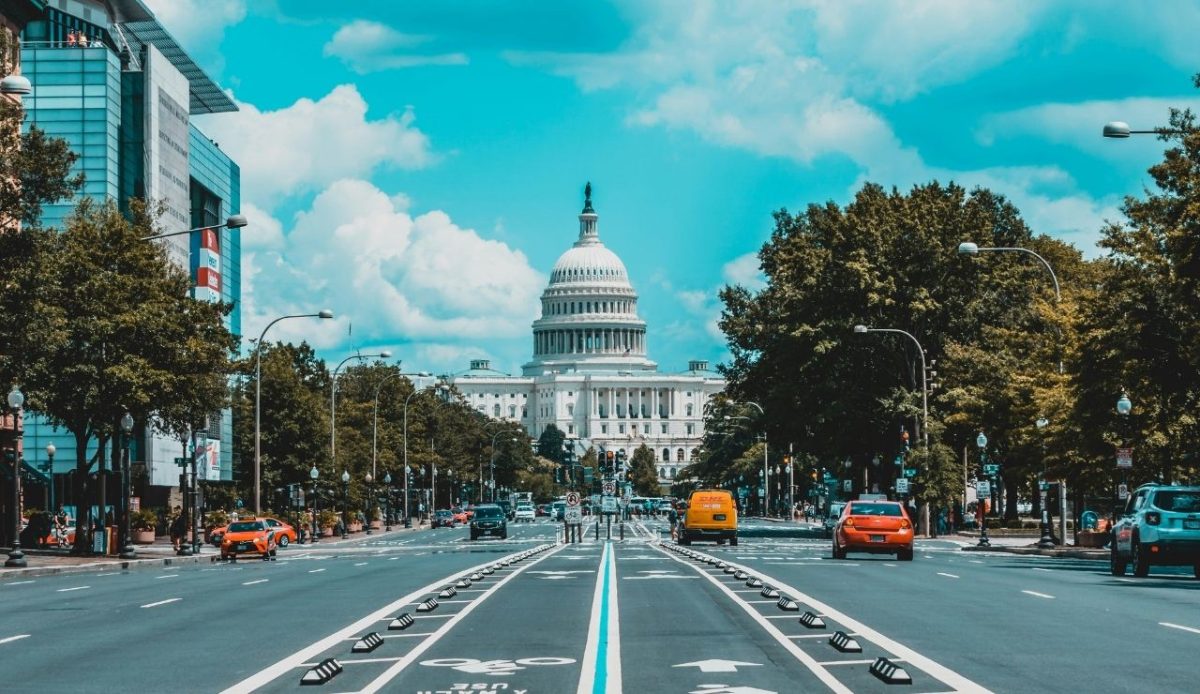
Washington, DC links major destinations with the Capital Crescent Trail, the Metropolitan Branch Trail, and the Anacostia Riverwalk Trail, making car-free mileage easy to stack.
Vision Zero DC crash reporting has shown hundreds of injured cyclists each year. A 2023 year-to-date tally reported 312 injured cyclists by November, which signals how often street riding still intersects with fast commuter traffic.
Many trail miles are separated, but injury risk spikes at trail-to-street transitions, circles, and bridges where turning movements concentrate. Protected lane gaps on major corridors can force riders into mixed traffic for only a few blocks that carry most of the risk.
6. Philadelphia, Pennsylvania

Philadelphia’s best riding clusters on the Schuylkill River Trail, the Delaware River Trail, and the Circuit network that stitches suburbs into long weekend routes.
A major Vision Zero data update reported that 1,309 pedestrians or cyclists were involved in crashes in 2023, down from 1,929 in 2019. The same reporting notes that cyclist deaths reached nine in 2023, showing severity can stay high even as totals fall.
Riverside paths feel protected, but riders often must cross high-speed connectors like Columbus Boulevard or join narrow grid streets to reach jobs and schools. Intersections at trail bridges and freeway ramps are repeat conflict zones, so signal timing and protected turns carry outsized value.
7. Seattle, Washington
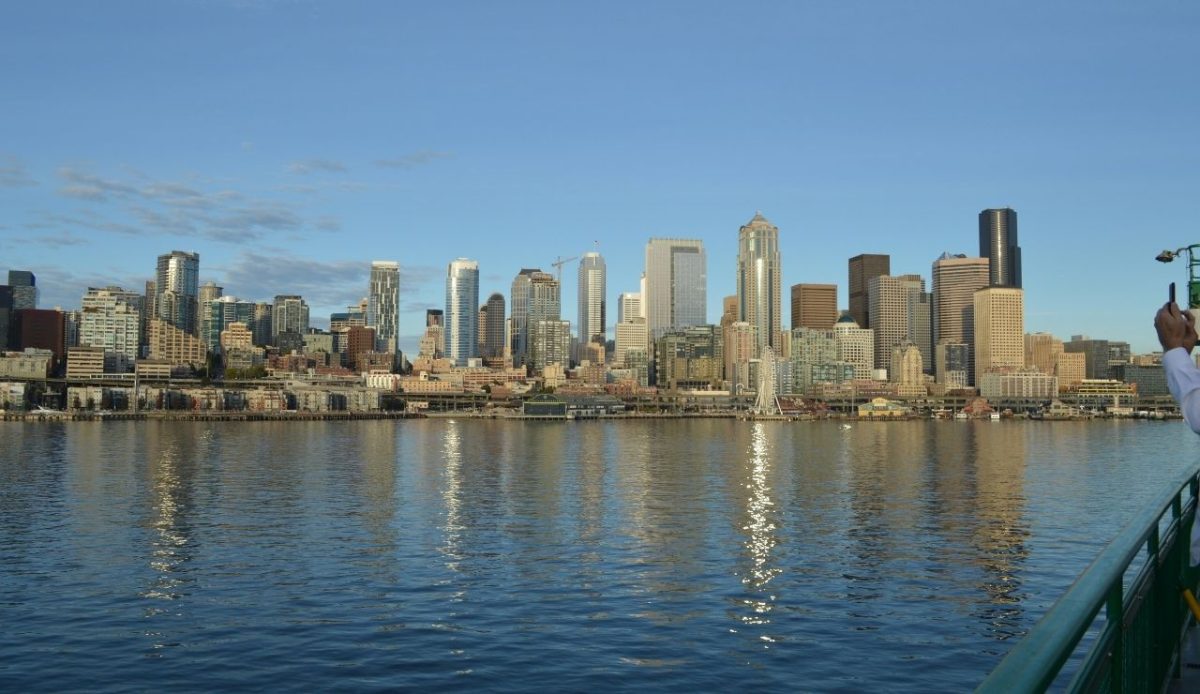
Seattle’s riding culture is anchored by the Burke Gilman Trail and the Elliott Bay Trail, with connectors like the Chief Sealth Trail for south end access.
Seattle’s 2024 Traffic Report notes that collisions where people biking were seriously injured rose from 24 in 2022 to 38 in 2023. Serious injuries are a small slice of all crashes, yet they track the highest harm outcomes that Vision Zero targets.
Trails are comfortable, but routes often pinch at bridges, freeway ramps, and steep corridor streets where speeds and sight lines change fast. When a protected segment ends, riders can be pushed into right-turn lanes or narrow paint-only lanes near busy bus stops.
8. Portland, Oregon
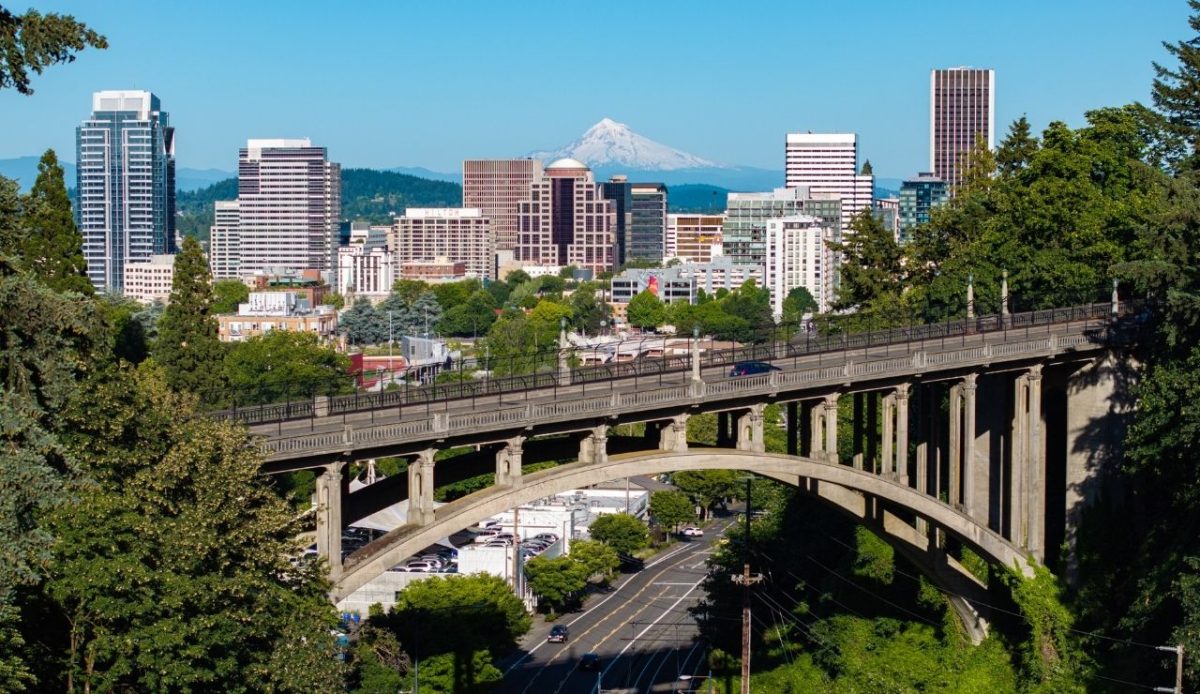
Portland is known for long off-street miles on the Springwater Corridor and the Eastbank Esplanade, plus neighborhood greenways that connect to bridges and rail corridors.
Oregon’s crash tracking cited by local safety summaries reports 220 bicyclist injuries in Portland in 2019, a level that was typical for the late 2010s. While the count is older than some entries here, it is one of the clearest published city totals.
The comfort of separated paths can hide the risk in short street connectors. Bridge approaches, industrial corridors, and high-crash arterials like 82nd create turning conflicts and speed differentials. Riders who stay on greenways still face crossings where drivers do not expect bikes.
9. Los Angeles, California
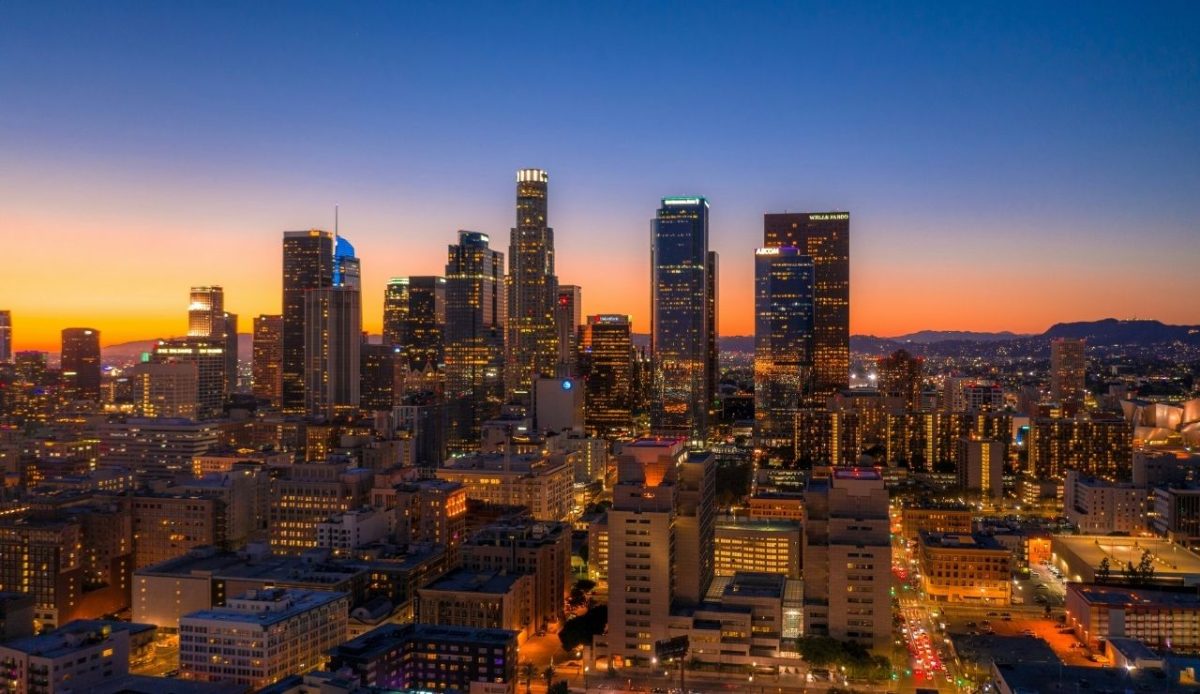
Los Angeles delivers long, flat trail riding on the Marvin Braude Beach Bike Path and on segments of the Los Angeles River bike path system, which together support high recreational volume.
SWITRS-based summaries report 3,131 bicycle crashes in the City of Los Angeles from 2020 through 2024. Even allowing for reporting variation, that total implies hundreds of police reported bike crashes each year within city limits.
Beach riding is separated from cars, but many trips shift onto boulevards to reach homes, transit, and jobs. Injury risk concentrates at crossings of wide arterials, driveway clusters near commercial strips, and downtown grid streets where turning cars and delivery stops cut into bike space.
