
First ski days can feel tense when the base area is crowded, and trails look steeper than expected. Beginner-ready resorts lower that pressure with separated learning slopes, short lifts, and clear signs so new skiers stay on easy terrain.
Good ski schools also matter. Group sizes are managed, drills are paced, and instructors keep students on gentle grades until braking and turning are reliable. That structure prevents the common mistake of ending up on a run that is beyond control.
The eight resorts below were picked for documented learning zones and layouts that keep beginners away from fast traffic. Each one supports a simple progression from carpets to green chairs, which makes the first slopes feel less intimidating.
1. Buttermilk Ski Area, Aspen, Colorado
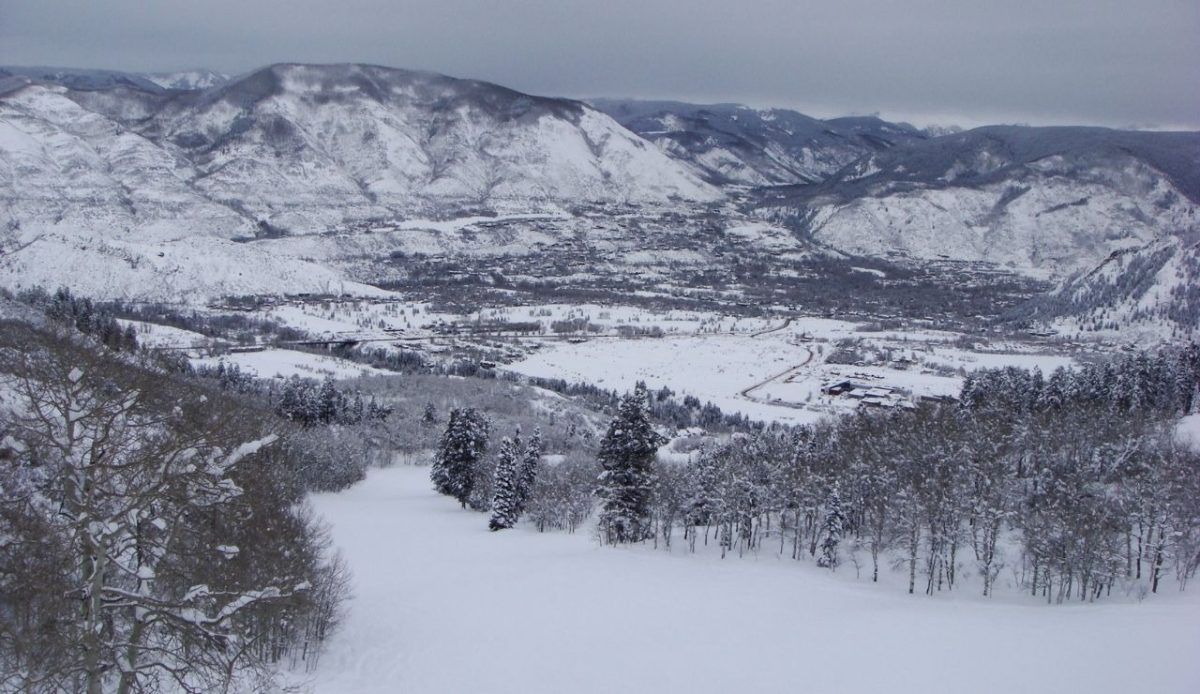
Buttermilk is often treated as Aspen’s easiest mountain, with a high share of gentle trails and a base area built around lessons. Green runs stay consistent in pitch, which lets first-timers practice turns without sudden steep rollovers.
A dedicated beginner zone at the base uses carpets and short lifts, then students can progress to mellow green terrain on West Buttermilk. That step-up design keeps early runs controlled while introducing chairlift skills at a manageable pace.
Traffic is usually calmer than at nearby expert magnets, so beginners are not pressured by fast passers. The result is more repetition, fewer wrong turns, and quicker comfort with stopping, edging, and speed checks.
2. Smugglers Notch Resort, Vermont
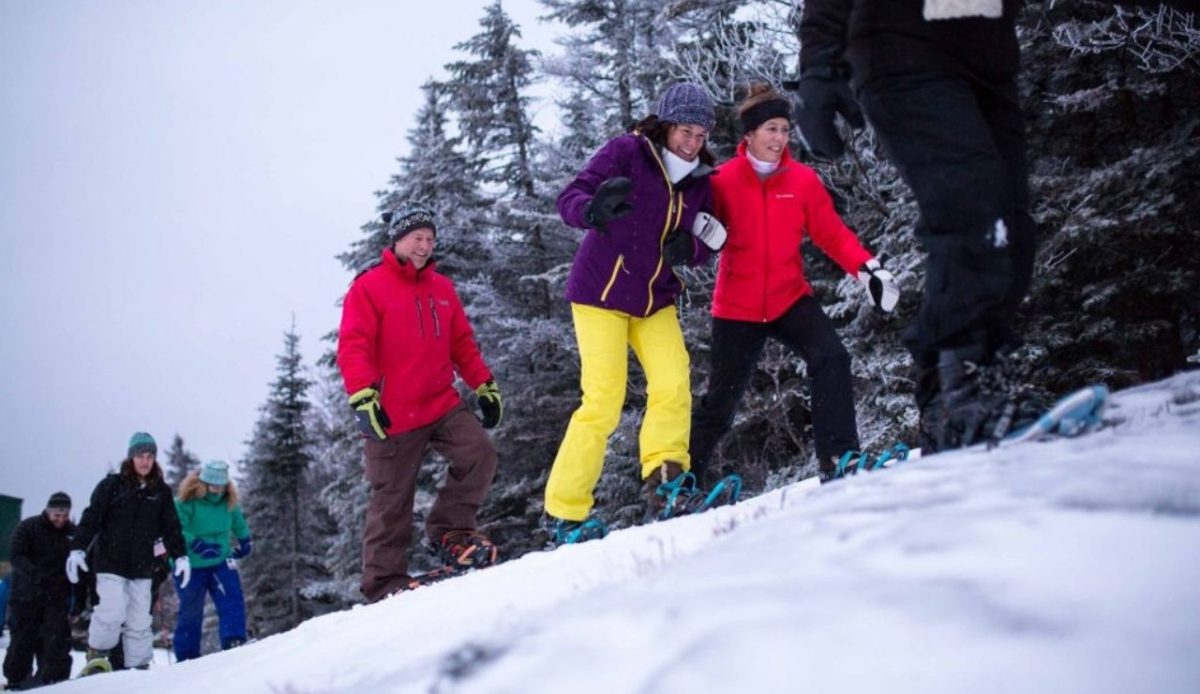
Smugglers’ Notch reduces fear by putting most true beginners on Morse Mountain, a separate peak aimed at learning and family skiing. Being off the main expert flow means fewer close passes and less noise, which helps new skiers stay focused.
Sir Henry’s Learning Hill and the Wonder Carpet support first steps before riders move onto Morse lifts. Lessons can expand gradually to longer green trails while keeping students within the same beginner-focused zone.
Navigation is simple because the learning terrain is clustered, not scattered across distant pods. That lowers the chance of picking the wrong lift or trail. With fewer decision points, beginners can repeat drills and build confidence through steady, low-risk progression.
3. Copper Mountain, Colorado
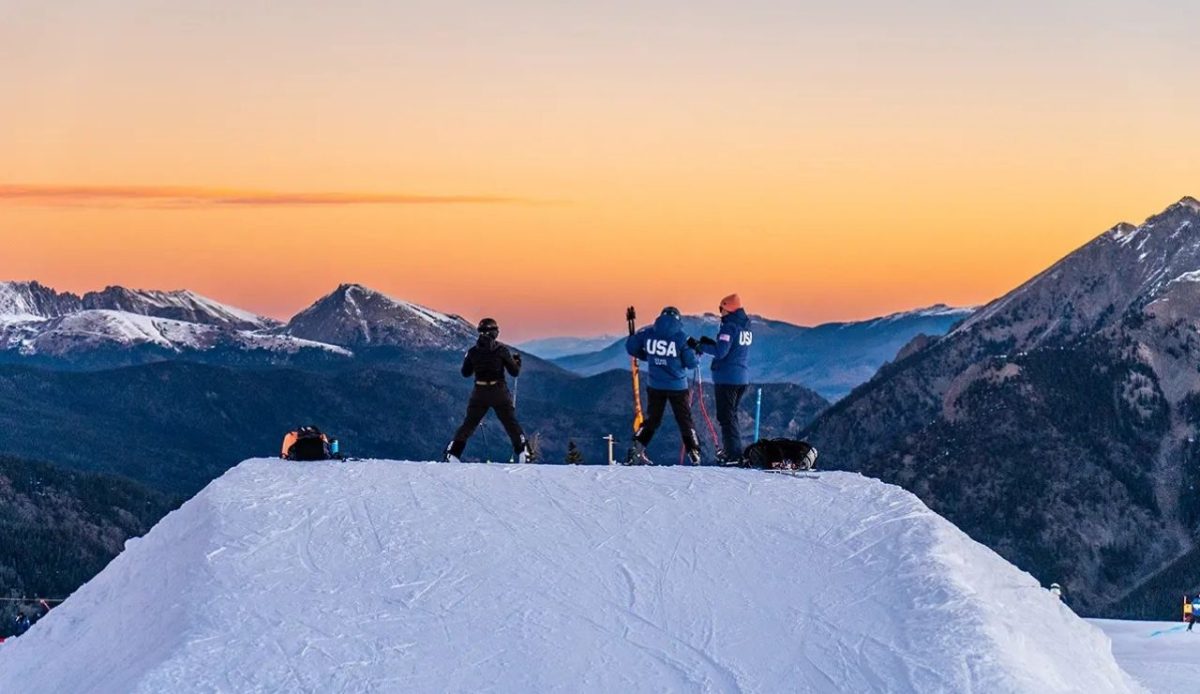
Copper Mountain is known for a layout that naturally separates difficulty across the hill. Beginner terrain is concentrated near West Village, while harder lines trend toward the center and east, so first timers are less likely to mix with experts.
West Village lifts serve wide greens such as Easy Feelin’ and other mellow cruisers that allow controlled speed. The learning area supports short laps for drills, then longer green routes can be added once turns are linked reliably.
This design also cuts down on accidental upgrades. A beginner can spend a full day in one zone without complex traverses or confusing intersections. That steadier environment helps new skiers learn chairlift rhythm, stopping distance, and basic trail awareness.
4. Northstar California Resort
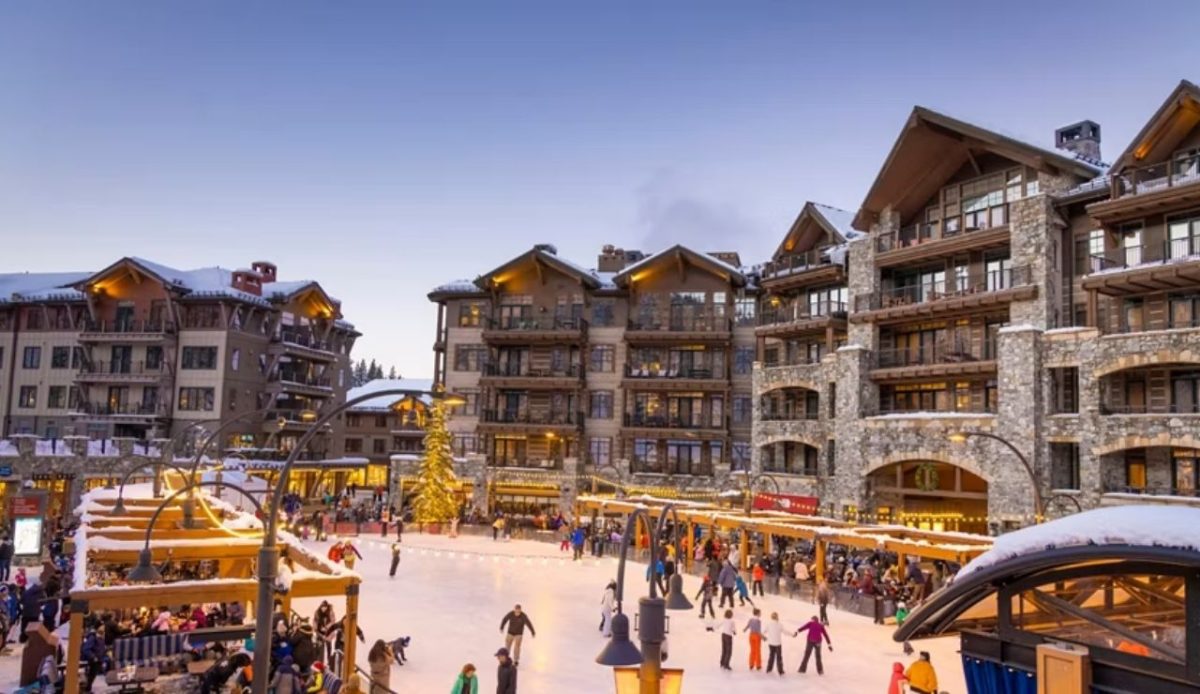
Northstar’s beginner experience is anchored by the Big Easy learning area near the base, built for first-timers. It combines wide, gentle slopes with surface lifts and a quad, so new skiers can practice without committing to long rides.
Instructors often start lessons in this zone before moving students onto longer green runs when control improves. Because the learning terrain is purpose-built, grades are predictable, and sight lines are open, which reduces surprise.
The base is organized and well signed, making it easier to return to the same practice routes. That repeatability builds muscle memory. With fewer logistics problems, beginners can put energy into stance, edging, and safe stopping.
5. Beaver Creek Resort, Colorado
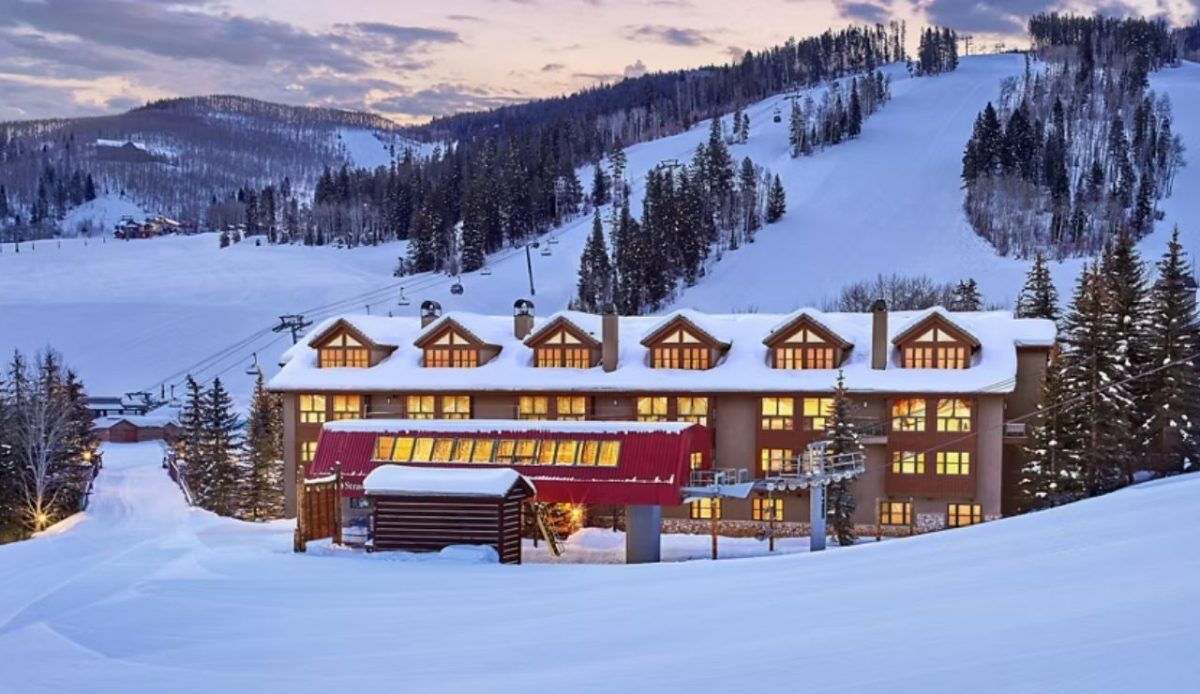
Beaver Creek added McCoy Park as lift-served terrain meant to feel welcoming for beginner and intermediate skiers and riders. The area offers broad groomed slopes where speed stays manageable, and the fall line is easy to read.
Because McCoy Park sits away from many high-speed expert routes, newcomers can practice turns without constant pressure from faster traffic. Lessons and self-guided laps work well here since the pitch stays even, and run choices remain straightforward.
Beaver Creek also tends to manage crowds well, which reduces lift stress and slope congestion. That quieter flow helps beginners learn loading, unloading, and spacing. For a first trip, fewer tense moments often mean faster improvement and less fatigue.
6. Deer Valley Resort, Utah
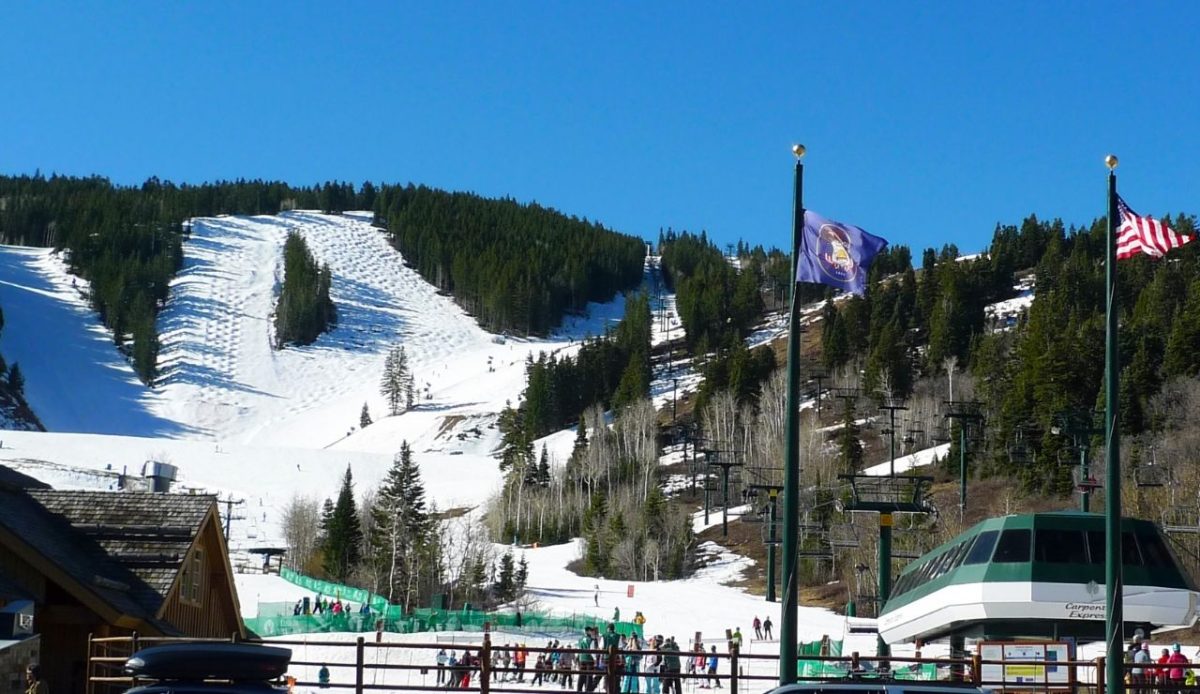
Deer Valley is skier-only and limits daily skier numbers to reduce lines and crowding. For beginners, that usually means more space to stop, reset, and practice without feeling chased by traffic.
Grooming is consistent, and green terrain is clearly marked, which supports predictable learning. Ski school progression often begins on sheltered slopes, then moves to linked easy runs once braking and turning are stable.
A calmer mountain also makes lift loading less intimidating because staff can assist without rushing. When a beginner falls, recovery time feels normal. That comfort can be the difference between quitting early and finishing the day confident.
7. Park City Mountain, Utah
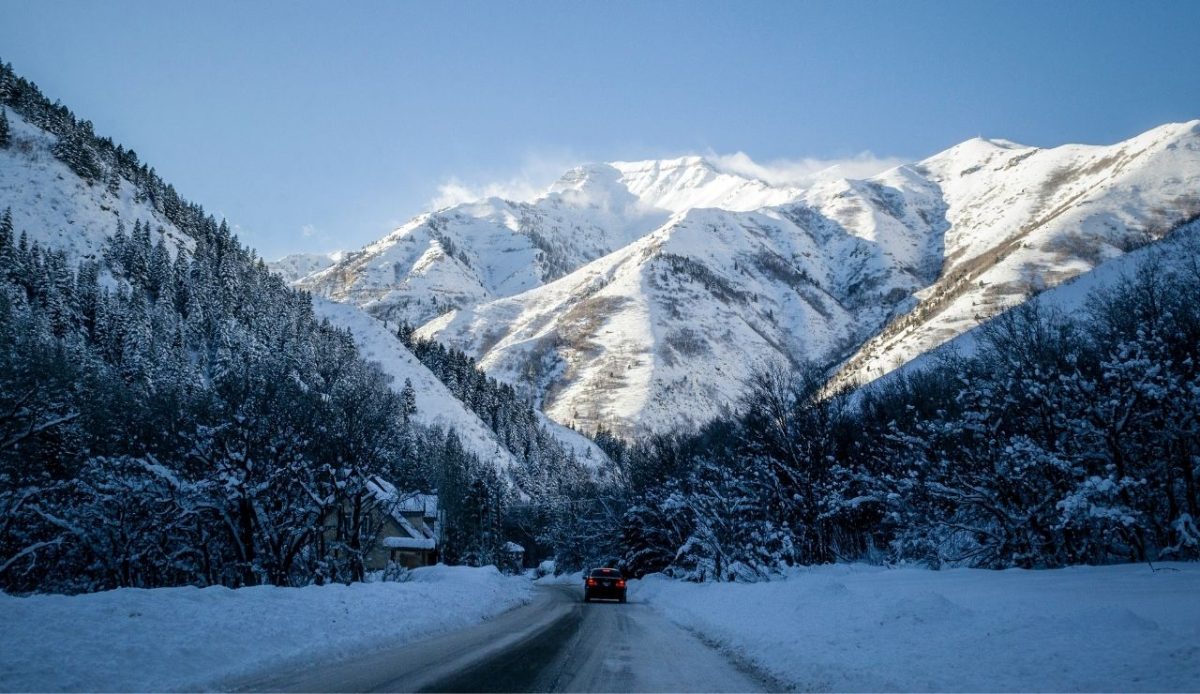
Park City Mountain built High Meadow Park as a dedicated learning area designed to improve the ski school experience and give beginners more time sliding than riding lifts. The terrain feels approachable, with gentle grades and clear boundaries.
First-timers get a defined place to start, then can branch to nearby green runs when skills improve. Because the learning zone is planned around instruction, the risk of drifting into steeper terrain is reduced.
The resort is huge, so choosing the right base matters, yet once beginners reach the learning pod, the day stays focused. Short repeatable laps build confidence quickly. With steady coaching, students can stop on command and link basic turns on greens.
8. Steamboat Resort, Colorado
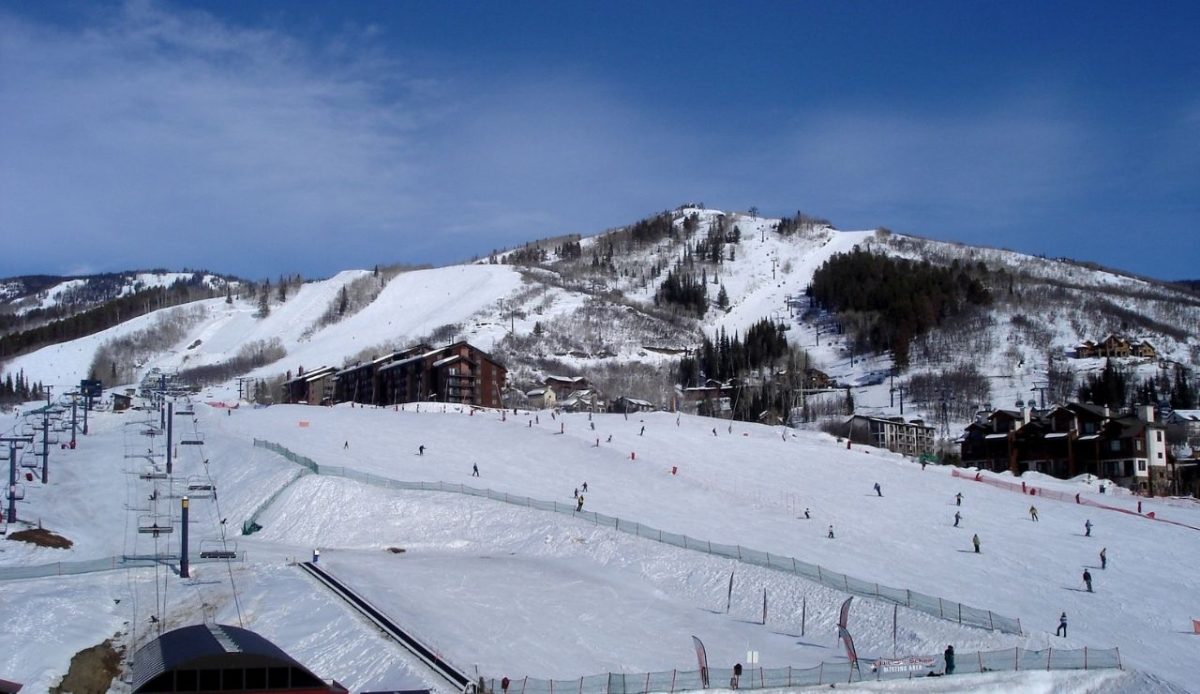
Steamboat’s Greenhorn Ranch was created as a learning centered zone where new skiers can start away from the busiest parts of the mountain. The terrain is gentle and wide, making it easier to control speed and practice turning without tight bottlenecks.
Beginner lessons build fundamentals in a supportive setting, and several lesson formats keep students grouped by ability. That reduces pressure and keeps beginners from being pushed ahead too fast.
Steamboat is also known for soft snow, which can make early falls less discouraging. With forgiving conditions, learners attempt more repetitions and recover more quickly. By the end of the first trip, many can ride a chair, manage speed, and finish green laps calmly.
