
Prairies are more than open land, they are living novels, vast and immersive. Across continents, these grasslands evoke imagery from frontier tales and pastoral poetry. Endless horizons, gentle hills, and seasonal transformations inspire travelers and writers alike.
Each prairie tells its own story, shaped by ecology, human history, and natural beauty. Some remain untouched, preserving wildlife and plant life that once covered entire continents, while others carry marks of cultivation yet retain novel-like serenity.
Visiting these prairies lets travelers step into literary landscapes. Rolling fields, wildlife, and distant horizons offer a rare glimpse of timeless beauty that feels lifted from classic stories.
1. The Flint Hills, Kansas, USA
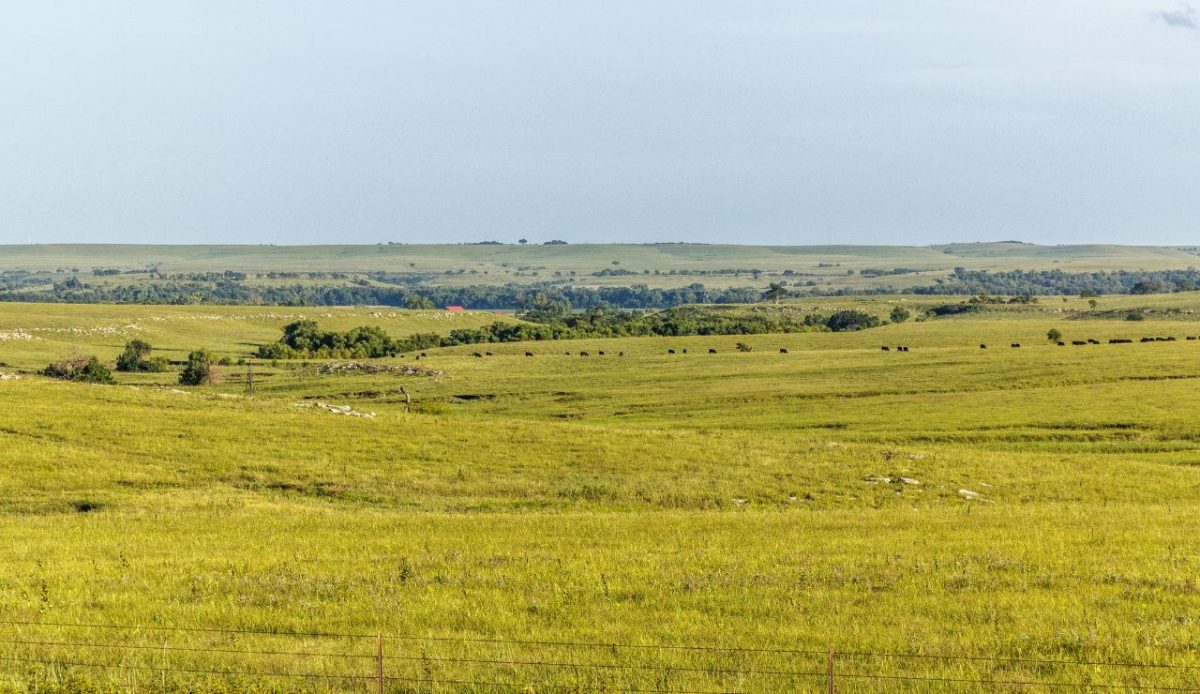
The Flint Hills are one of North America’s last intact tallgrass prairies, stretching endlessly across eastern Kansas. Writers like Laura Ingalls Wilder and Willa Cather immortalized these landscapes in their novels.
Spring brings controlled burns that sweep across the tallgrass, creating dramatic gold-and-green contrasts. Bison roam some preserved areas, adding life to the literary-inspired scenery.
Visitors experience a living prairie ecosystem, where hiking trails, scenic drives, and small towns evoke the sense of frontier life. The Flint Hills remain a window into the past, preserving both ecology and imagination.
2. The Sandhills, Nebraska, USA
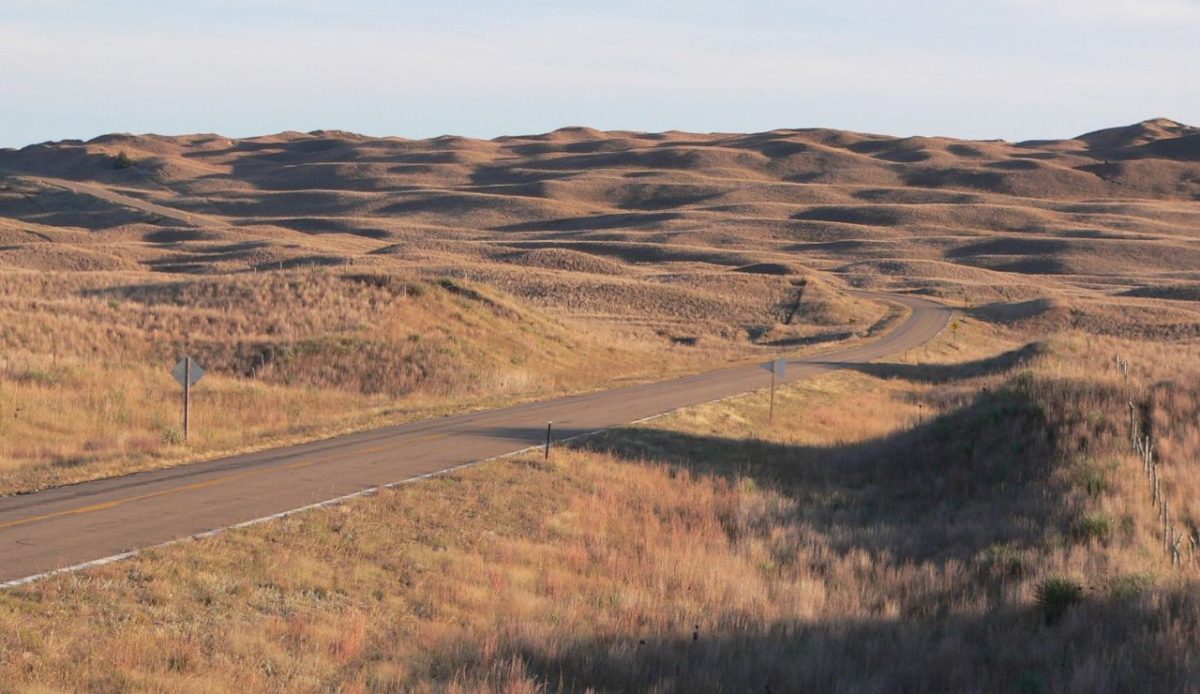
Nebraska’s Sandhills cover over 20,000 square miles with grass-stabilized dunes. These sweeping plains recall frontier novels like those of Mari Sandoz, with windswept horizons and endless sky stretching in every direction.
The rolling dunes are dotted with ranches, ponds, and wild grasses. Seasonal light and shadow reveal subtle contours that seem to shift throughout the day, creating a sense of constant movement and narrative beauty across the landscape.
Travelers find solitude and reflection here. Birdwatching, horseback rides, and scenic drives showcase a prairie ecosystem largely untouched, where the scale, silence, and openness inspire awe akin to the most vivid literary landscapes.
3. Grasslands National Park, Saskatchewan, Canada
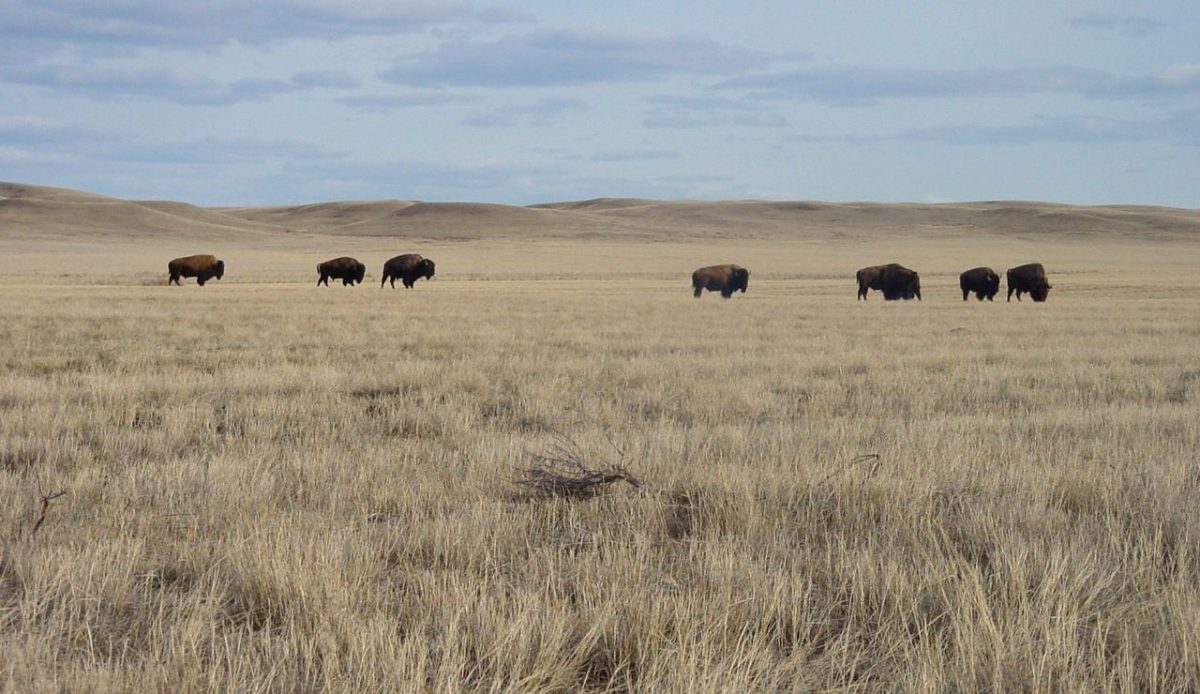
Grasslands National Park preserves Canadian prairie as described in novels like Who Has Seen the Wind. Rolling hills, open skies, and dark night skies create a remote, untouched feeling that transports visitors into another time.
The park is a haven for bison, prairie dogs, and numerous grassland bird species. Trails and scenic overlooks allow visitors to immerse themselves in natural beauty, offering solitude and quiet reflection amid wild, untamed surroundings.
This prairie captures the solitude, drama, and expansive freedom of the Canadian plains. Its vastness, wildlife, and historical context combine to make it a landscape that feels frozen in both time and literary imagination.
4. The Palouse, Washington/Idaho, USA
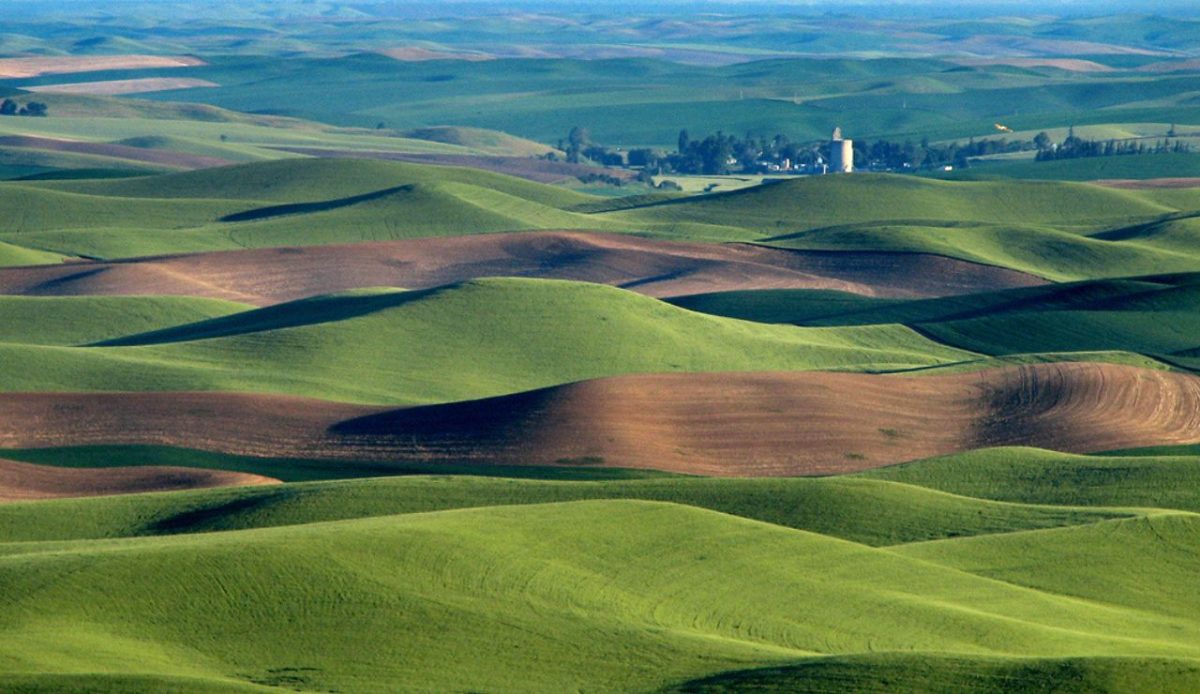
The Palouse is a cultivated prairie of rolling wheat hills that stretch across eastern Washington and parts of Idaho. The undulating fields form dramatic shadows and contours, looking as if painted from the pages of a classic novel.
Photography enthusiasts are drawn to the interplay of light over the hills. Seasonal changes, from green spring shoots to golden summer harvests, transform the landscape, emphasizing dramatic textures and cinematic perspectives.
While more agricultural than wild, the Palouse retains literary charm. Travelers can explore scenic drives, small towns, and farm roads, experiencing a prairie that blends human cultivation, poetic natural forms, and timeless beauty.
5. Badlands National Park, South Dakota, USA
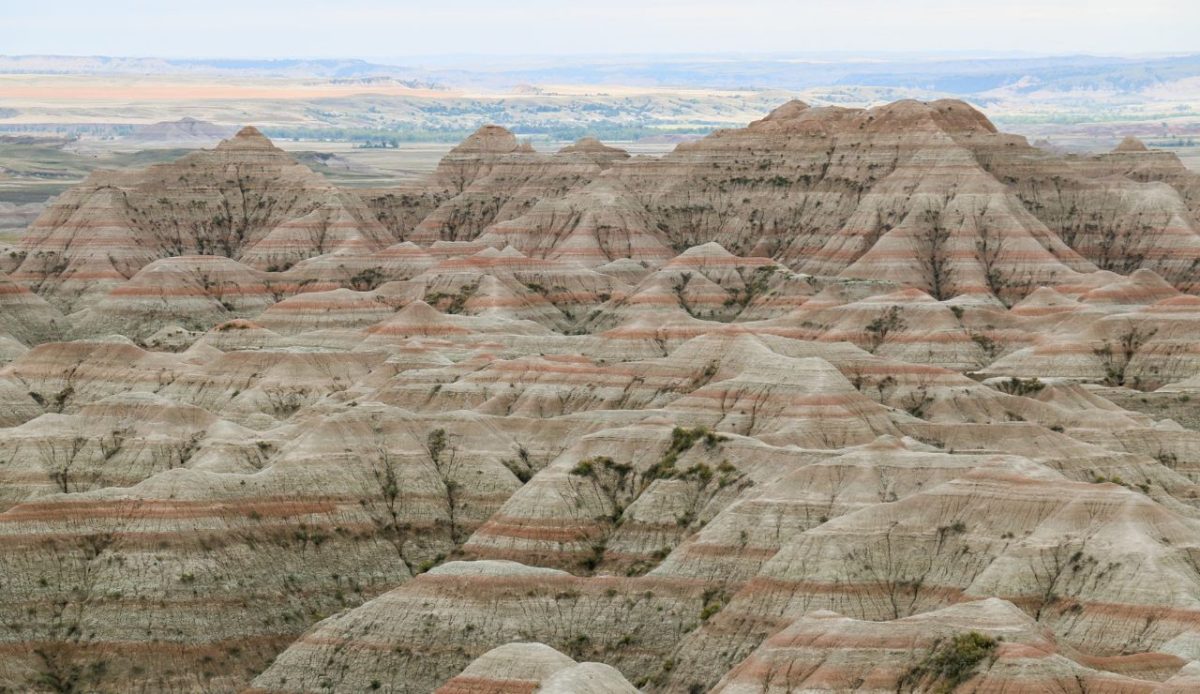
Badlands National Park combines prairie with sharply eroded buttes, pinnacles, and spires, creating dramatic scenery reminiscent of Western novels. Grasslands stretch between jagged rock formations, enhancing the park’s stark and cinematic appeal.
Bison and bighorn sheep roam the plains, while trails allow hikers to experience the contrast between open prairie and rugged terrain. The interplay of shadow, light, and geological formations evokes timeless storytelling landscapes.
Visitors leave with awe and reflection. The prairie’s stark beauty, geological drama, and natural silence provide a living canvas for both nature lovers and literary imaginations, evoking the frontier spirit.
6. Tallgrass Prairie National Preserve, Kansas, USA
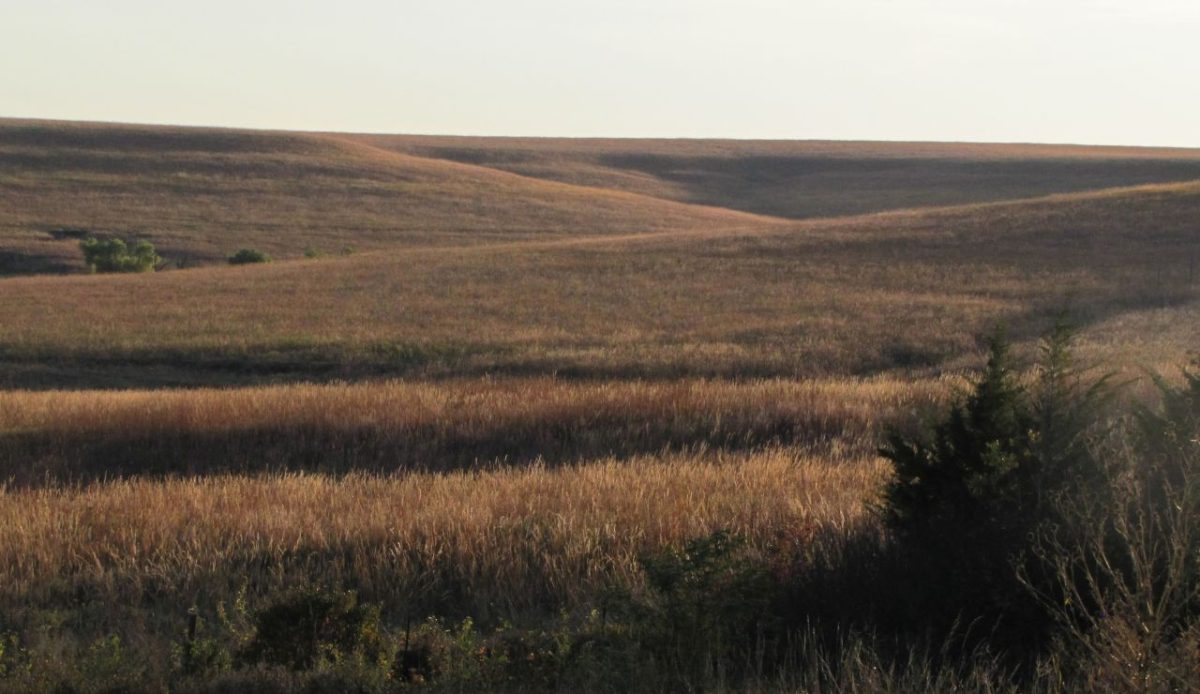
This preserve protects the iconic bluestem grasses that once covered 170 million acres of North America. Bison roam freely, creating a scene reminiscent of frontier novels and historical accounts of America’s vast plains.
Hiking trails, guided tours, and observation points allow visitors to witness prairie ecology firsthand. Seasonal wildflowers and controlled grass fires add dynamic color, movement, and drama to the vast landscape.
The preserve balances conservation with cultural history. Travelers experience a prairie that remains largely unchanged, providing a tangible connection to the literary and ecological depictions of America’s heartland.
7. The Pampas, Argentina
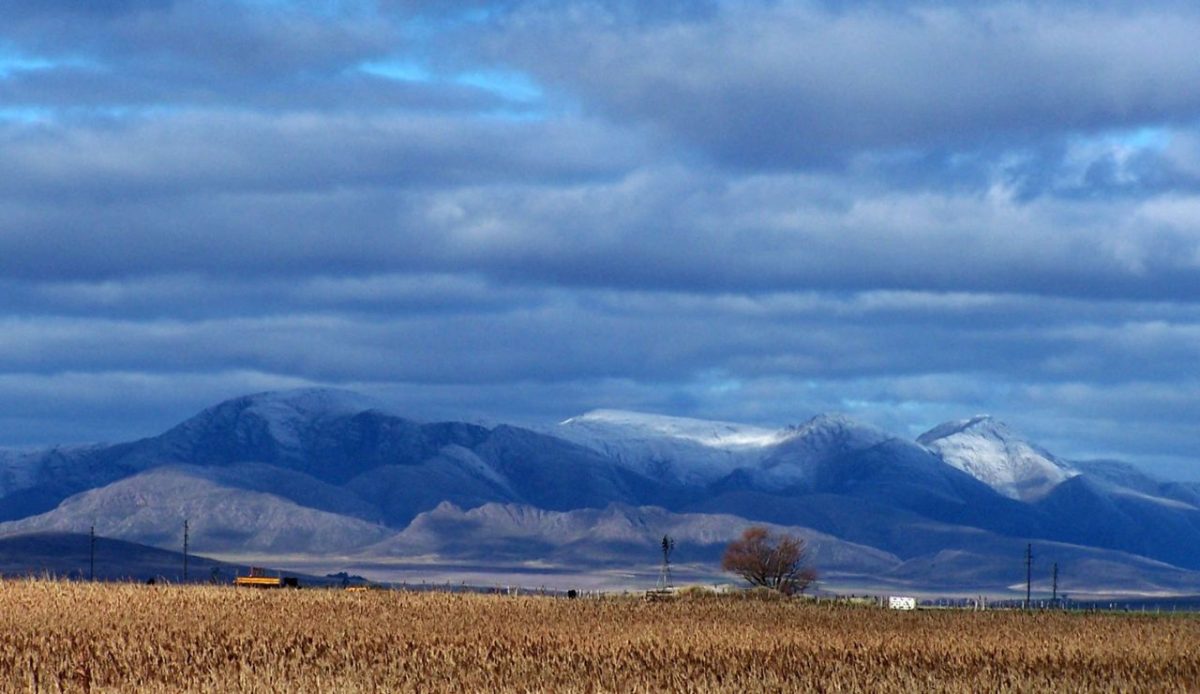
The Pampas stretch endlessly across central Argentina, forming fertile plains immortalized in gaucho literature. Wind-swept grasslands evoke romantic tales of horseback riders, open horizons, and the enduring spirit of rural life.
Cattle ranching and traditional estancias are woven into the landscape, preserving cultural practices alongside natural beauty. Seasonal light and sky patterns enhance the dramatic vistas, emphasizing scale and narrative depth.
Travelers can explore estancias, ride horseback, and witness sunsets over the grasslands. The Pampas provide a literary stage, merging gaucho culture, history, and vast natural expanses for an immersive experience.
8. Hungarian Puszta (Great Plain), Hungary
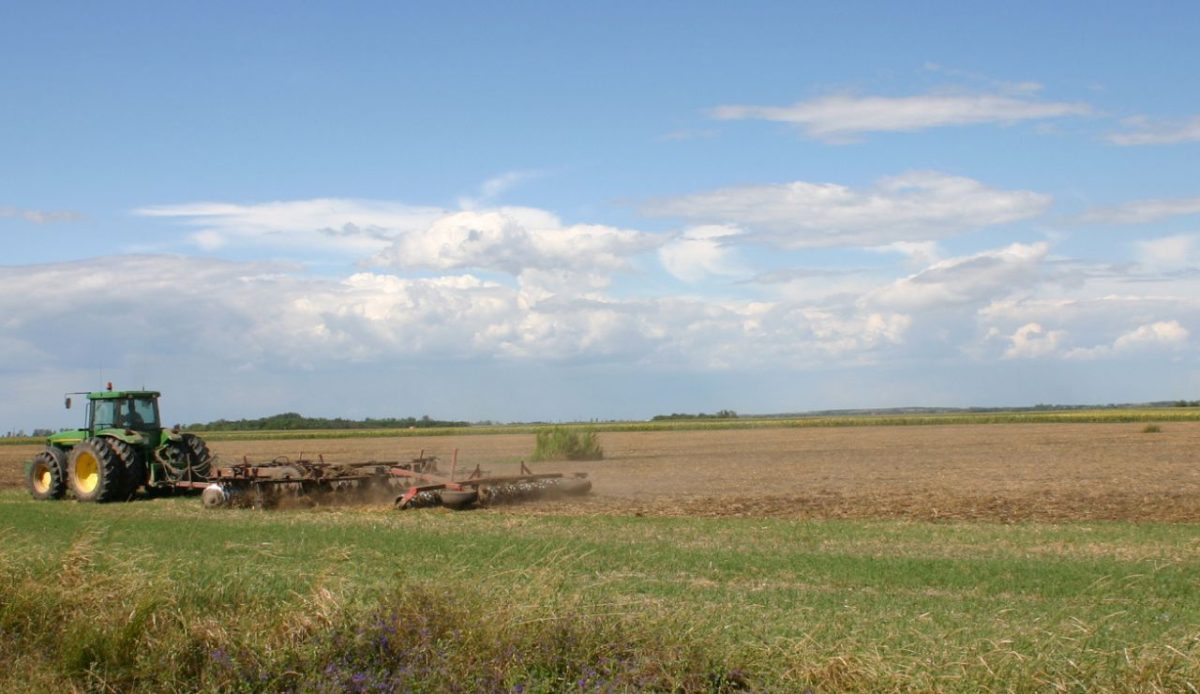
The Puszta is Central Europe’s iconic grassland, evoking 19th-century pastoral literature. Herders, livestock, and traditional techniques add cultural depth alongside the expansive natural beauty.
The flat horizon stretches unbroken, emphasizing openness and a sense of infinite space. Seasonal festivals, folklore, and local customs preserve centuries-old ways of life, reflecting literary and historical narratives.
Visitors experience both tranquility and living history. The Hungarian Puszta offers a prairie experience where literature, tradition, and landscape converge, immersing travelers in Central Europe’s cultural and natural legacy.
9. Hortobagy National Park, Hungary
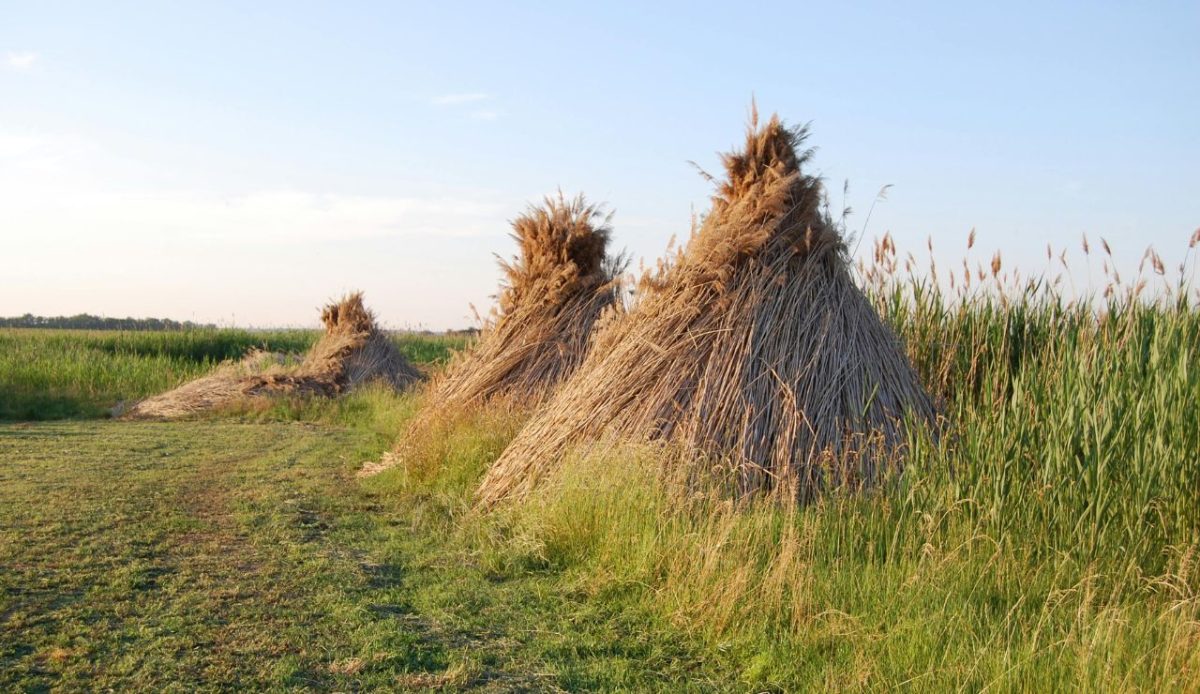
Hortobagy National Park is Central Europe’s largest continuous grassland, preserving wetlands, herding traditions, and birdlife. Its sweeping plains recall pastoral scenes described in Hungarian literature, where culture and nature merge.
Wooden bridges, traditional barns, and shepherd communities dot the landscape. Seasonal festivals and livestock demonstrations maintain cultural authenticity while creating vivid, living tableaux for visitors.
Travelers can ride horses, watch traditional herding, and observe migratory birds. The park is a living prairie where literature, ecology, and history intersect, offering a full sensory and cultural immersion.
10. Mongolian Steppe, Mongolia
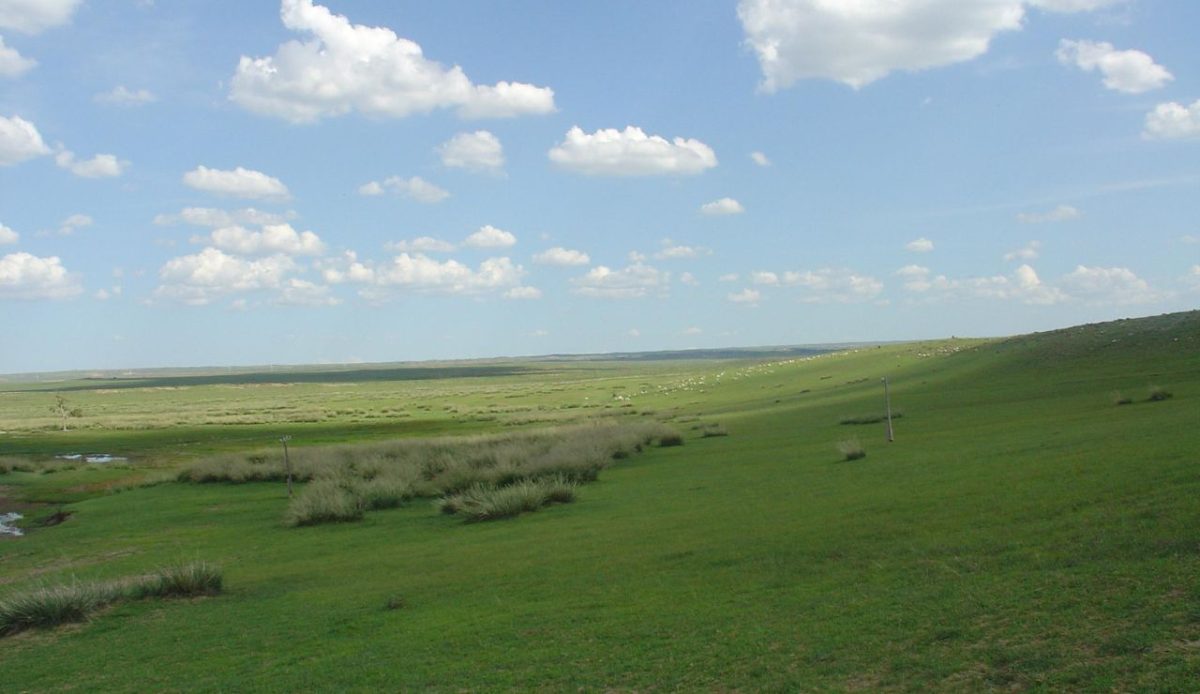
The Mongolian Steppe is the ultimate vast grassland, unchanged for millennia. Nomadic herders, yurts, and wild horses evoke scenes straight from historical epics and timeless storytelling traditions.
Rolling plains stretch to the horizon under immense skies. Seasonal changes, from lush green summer expanses to snow-dusted winter plains, offer dramatic contrasts, highlighting the raw beauty and scale of this ancient landscape.
Travelers can experience nomadic life, horseback treks, and wildlife observation. The steppe remains a timeless, living prairie, a natural stage for stories, history, and human connection to the land.
11. Konza Prairie, Kansas, USA
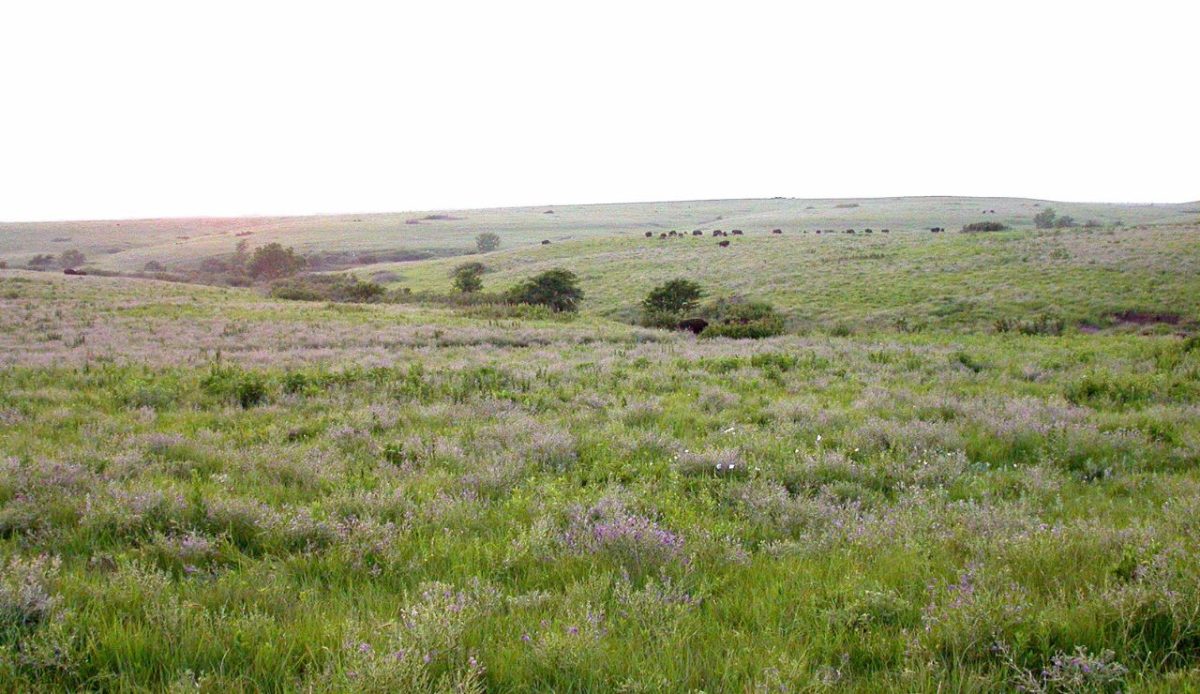
Konza Prairie combines pristine tallgrass with research conservation. Rolling hills of bluestem and native flora create a poetic prairie landscape that seems frozen in time yet constantly evolving through ecological research.
Walking trails and observation decks allow close encounters with native plants, birds, and prairie wildlife. Controlled burns maintain ecosystem health, adding seasonal visual drama to the landscape.
Visitors experience a prairie both wild and managed. Konza Prairie offers inspiration reminiscent of frontier novels, blending scientific stewardship, ecological insight, and timeless natural beauty.
12. Theodore Roosevelt National Park, North Dakota, USA
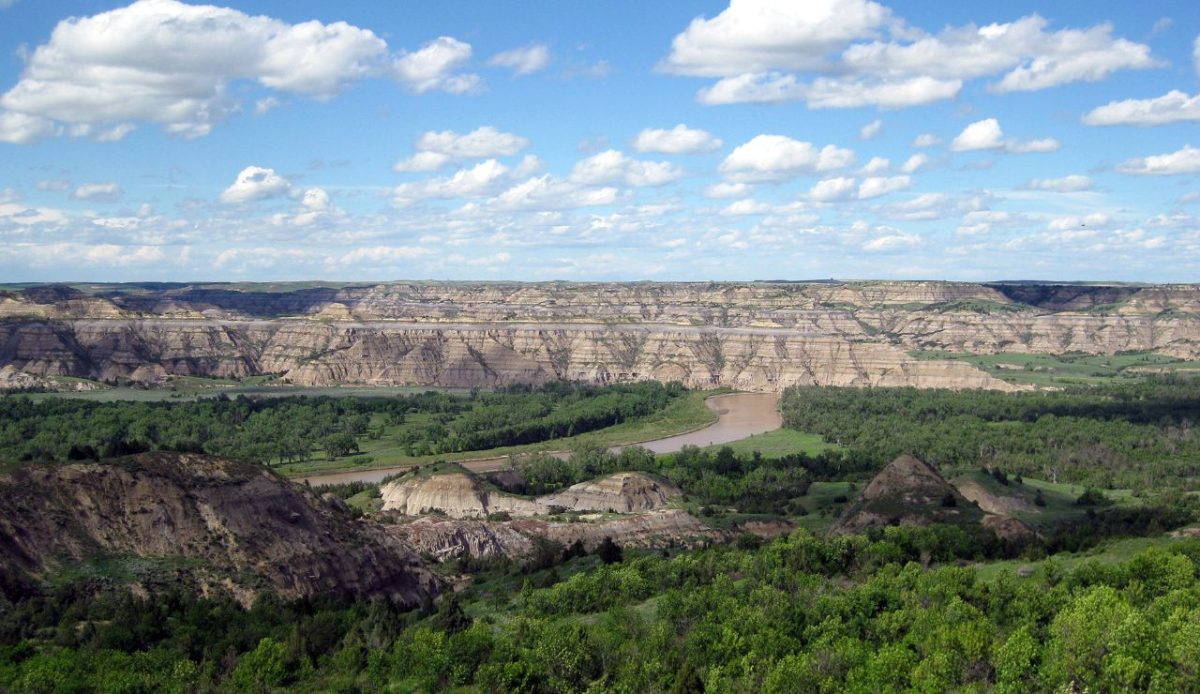
This park combines expansive prairie with rugged badlands, landscapes that inspired President Roosevelt and Western literature alike. Rolling grasslands meet dramatic eroded formations, creating a cinematic panorama.
Bison, prairie dogs, and raptors inhabit the plains. Scenic drives, hiking, and wildlife observation allow immersive experiences in an ecosystem largely untouched, reflecting the raw frontier spirit.
The park preserves historical and literary connections. Its sweeping vistas, rugged terrain, and living prairie provide travelers with a landscape where past, nature, and storytelling intertwine seamlessly.
13. The Llanos, Venezuela/Colombia
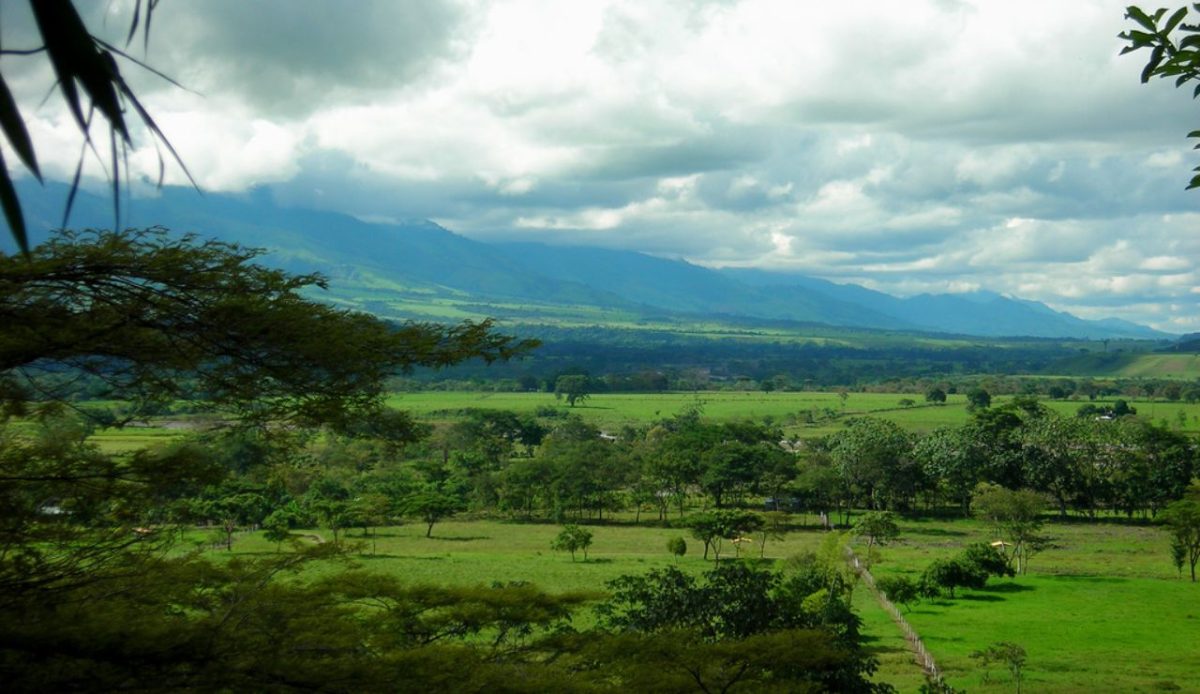
The Llanos are tropical savanna grasslands shaped by seasonal flooding, creating dramatic landscapes and changing ecosystems that transform throughout the year. Rivers, wetlands, and vast open plains define the region.
Wildlife, including capybara, caimans, and migratory birds, thrives alongside ranching communities. Seasonal variations transform the scenery, giving it a dynamic, narrative quality reminiscent of epic literature.
Travelers experience an ever-changing prairie. The Llanos blend tropical ecology, pastoral life, and epic horizons, providing a vivid, living landscape that feels pulled straight from the pages of a classic novel.
