
Cozy destinations can hide hard history. A place may feel safe, orderly, and friendly, yet earlier residents faced violence, fraud, or official abuse on the same streets.
To keep this grounded, each town below is linked to a well-documented episode in archives, government material, or reputable historical reporting. Local legend was left out, and dates are stated so the past is not blurred.
These summaries note what happened, when it occurred, and what changed afterward. Some events affected labor rights, public safety rules, or criminal justice practices far beyond one county. For visitors, that background can add clarity without turning a trip into a lecture.
1. Villisca, Iowa
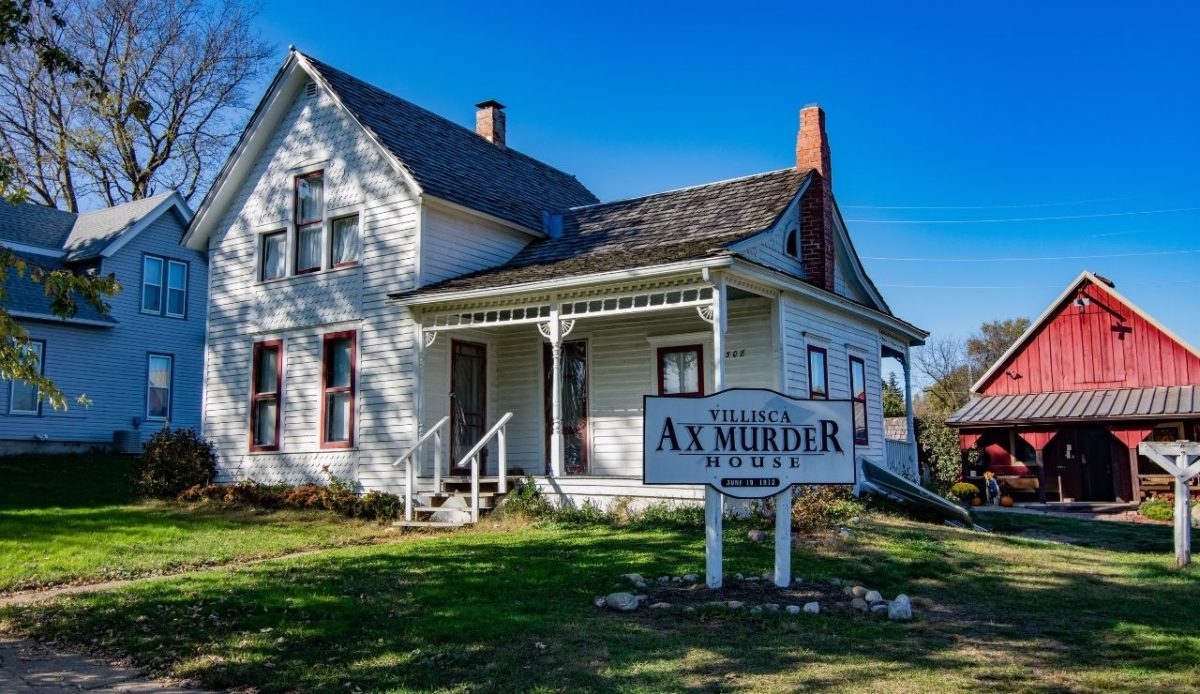
Villisca looks like a quiet farm community, with modest houses and a small main street that rarely feels rushed. Its scale makes it easy to assume little of national interest occurred here.
On June 10, 1912, eight people were killed inside the Moore family home, including six children. The attacker used an axe, and the case was never solved despite a major investigation.
The home still stands and has been preserved for visitors, which keeps the record in public view. Newspapers once covered the crime nationwide, yet the town’s current calm can make it seem distant. Many travelers leave without realizing they were steps from one of America’s most infamous cold cases.
2. Bisbee, Arizona
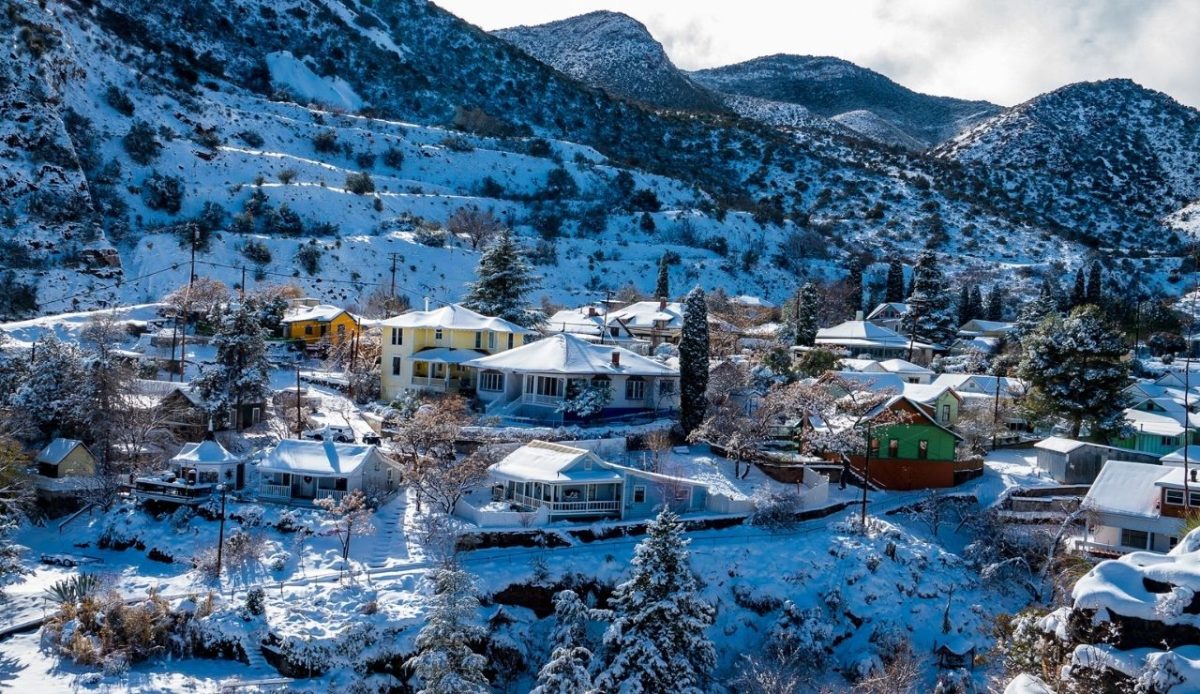
Bisbee is known for steep streets, restored brick buildings, and an arts scene that draws weekend travelers to cafes and galleries. The pleasant mood can hide how tense mining life once was.
On July 12, 1917, more than one thousand striking miners and other residents were seized by a large posse during a labor dispute. Many were forced into cattle cars and left in the desert with limited supplies.
The episode, called the Bisbee Deportation, became a national symbol of anti-union force and civil liberties violations. Federal attention followed, and testimony was gathered, yet accountability was limited. Because the town now emphasizes culture and history, many visitors never hear this story unless they seek it out.
3. Jerome, Arizona
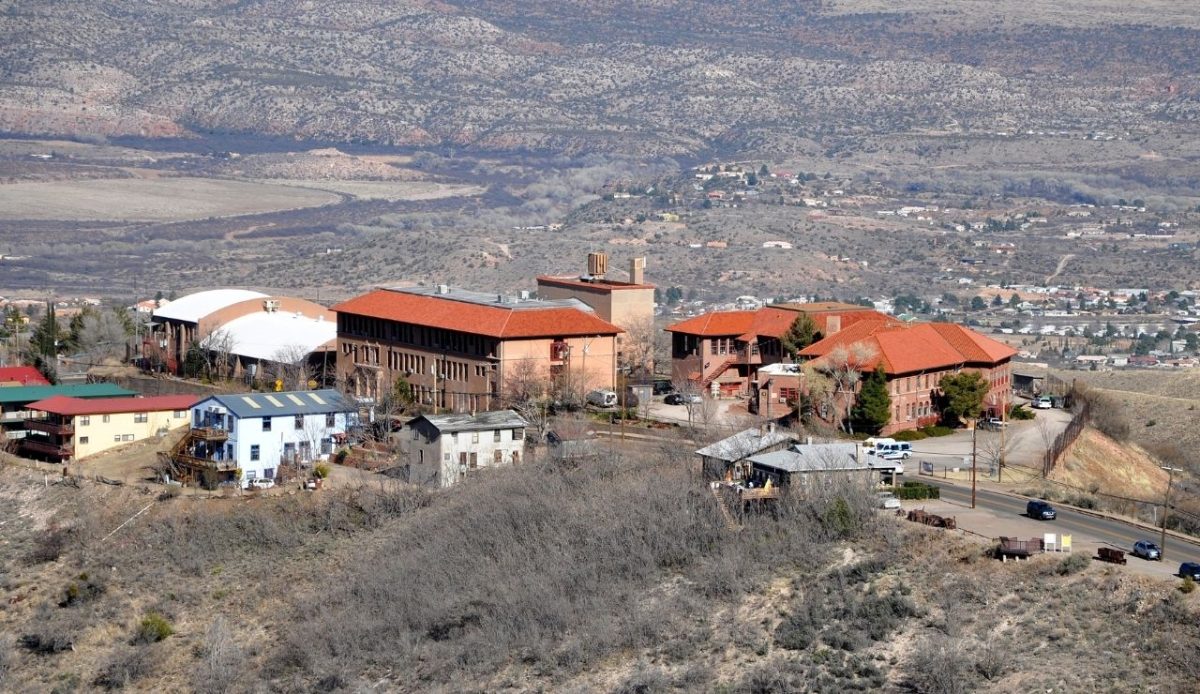
Jerome sits on a mountainside and feels compact, with narrow roads, old storefronts, and viewpoints that invite slow wandering. Its tourism image centers on charm rather than conflict.
In 1917, during a regional labor conflict in Arizona’s copper industry, hundreds of workers were expelled from Jerome in a forced removal tied to anti-union actions. The event is often discussed alongside similar deportations.
Jerome also endured repeated fires and industrial hazards during its boom years, which displaced residents and damaged housing blocks. Today, the town is promoted for art and preserved mining character, so the political violence of 1917 can be overlooked unless a visitor digs into local archives.
4. Eureka Springs, Arkansas
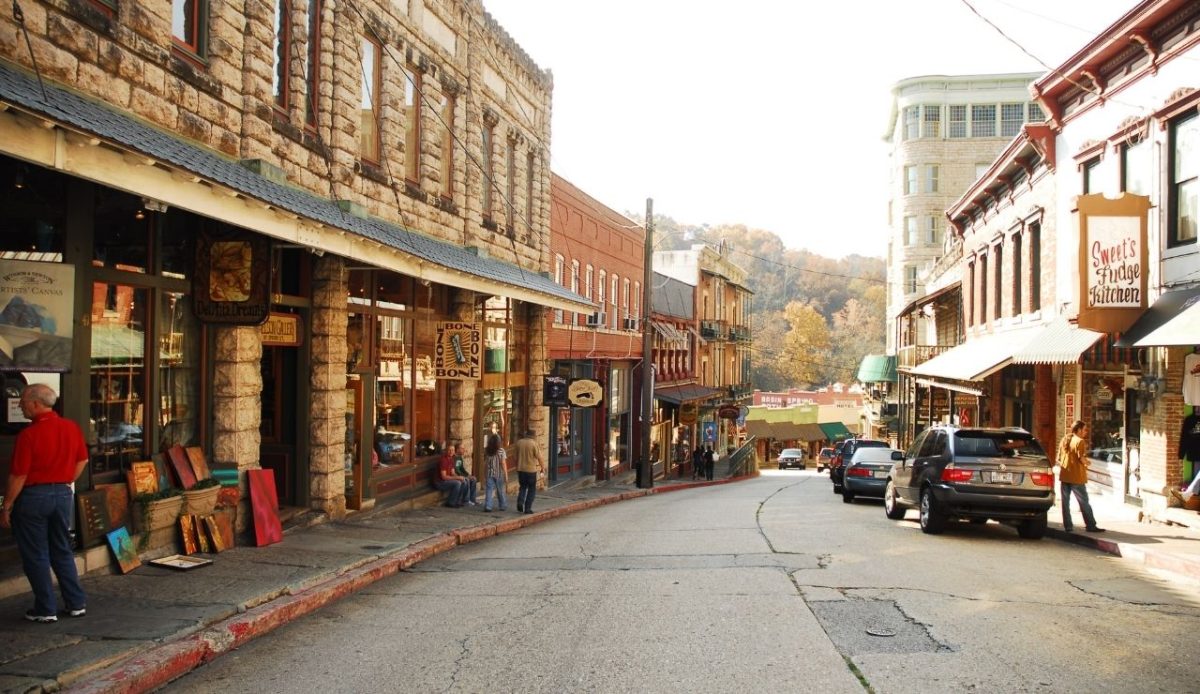
Eureka Springs attracts travelers with Victorian buildings, walkable streets, and a reputation for lodging that leans on history and relaxation. The Ozark setting encourages weekend trips and quick getaways.
From 1937 into 1940, the Crescent Hotel was used by Norman Baker, a radio personality, as part of a fraudulent cancer treatment operation. Patients were promised cures while legitimate medical care was avoided.
Federal action later targeted the scheme, and the episode remains documented in reporting and historical material. Because the hotel is now marketed as a classic stay, many guests never learn that medical deception and financial harm once operated behind the same walls.
5. Point Pleasant, West Virginia
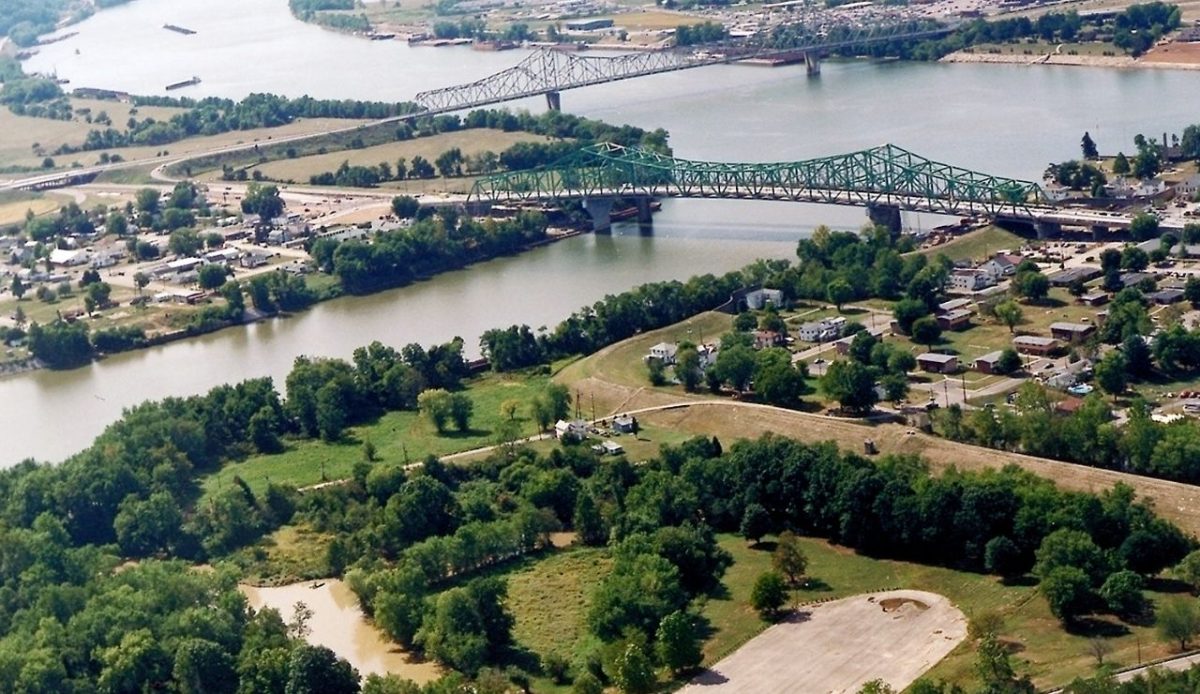
Point Pleasant sits where two rivers meet and feels like a typical small community with parks, local diners, and a short downtown strip. Its scale can make major national news seem unlikely.
On December 15, 1967, the Silver Bridge collapsed during rush hour traffic, killing 46 people. Investigations linked the failure to a critical component fracture and highlighted limits in inspection practice of that era.
Memorials now mark the loss, but the town’s everyday pace can keep the story out of sight for newcomers. The disaster helped drive nationwide attention to bridge monitoring and later inspection standards. Many visitors still do not connect the calm riverfront with one of the deadliest bridge collapses in US history.
6. Skagway, Alaska
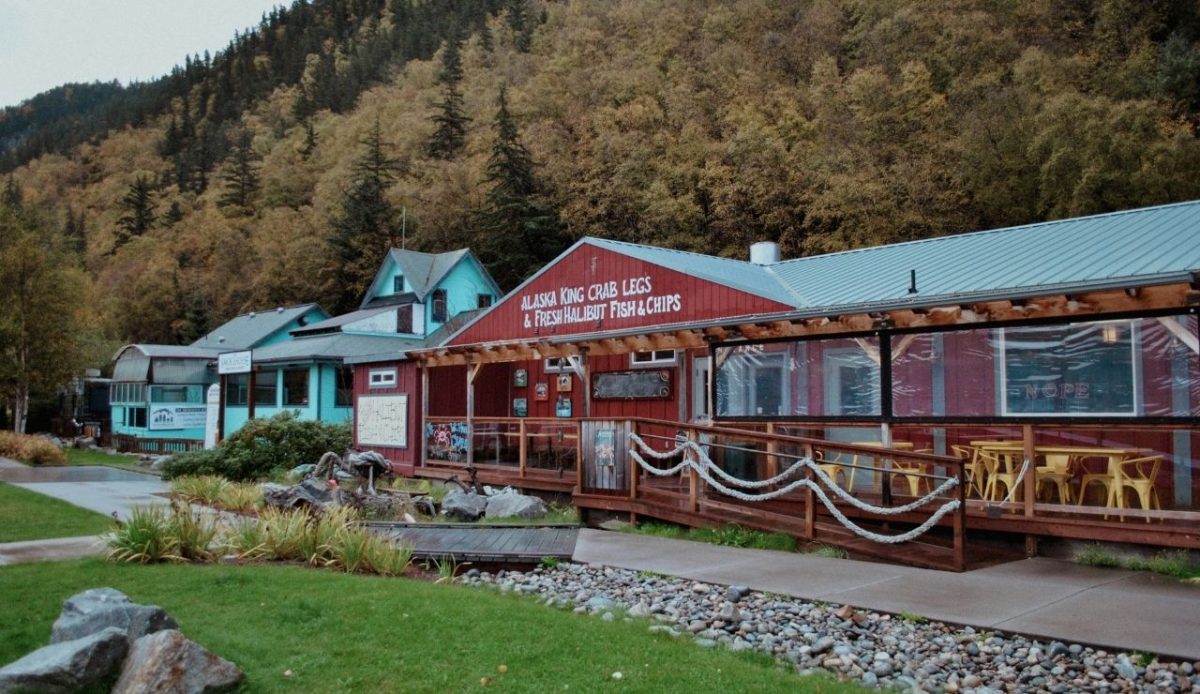
Skagway is a compact port town where restored buildings and easy walks suit day visitors arriving by ship or road. It can feel like a themed stop built for comfort.
During the Klondike Gold Rush, Jefferson Randolph Smith, known as Soapy Smith, ran cons and intimidation that affected travelers and locals. On July 8, 1898, a gunfight on a wharf ended with his death and another man fatally wounded.
That violent climax is well recorded in Gold Rush history, yet modern tourism often presents the era as harmless showmanship. The earlier reality included corruption, stolen funds, and fear among newcomers. Many visitors leave thinking mainly about scenery and shops, not about how organized crime once controlled the town’s early economy.
7. Moundsville, West Virginia
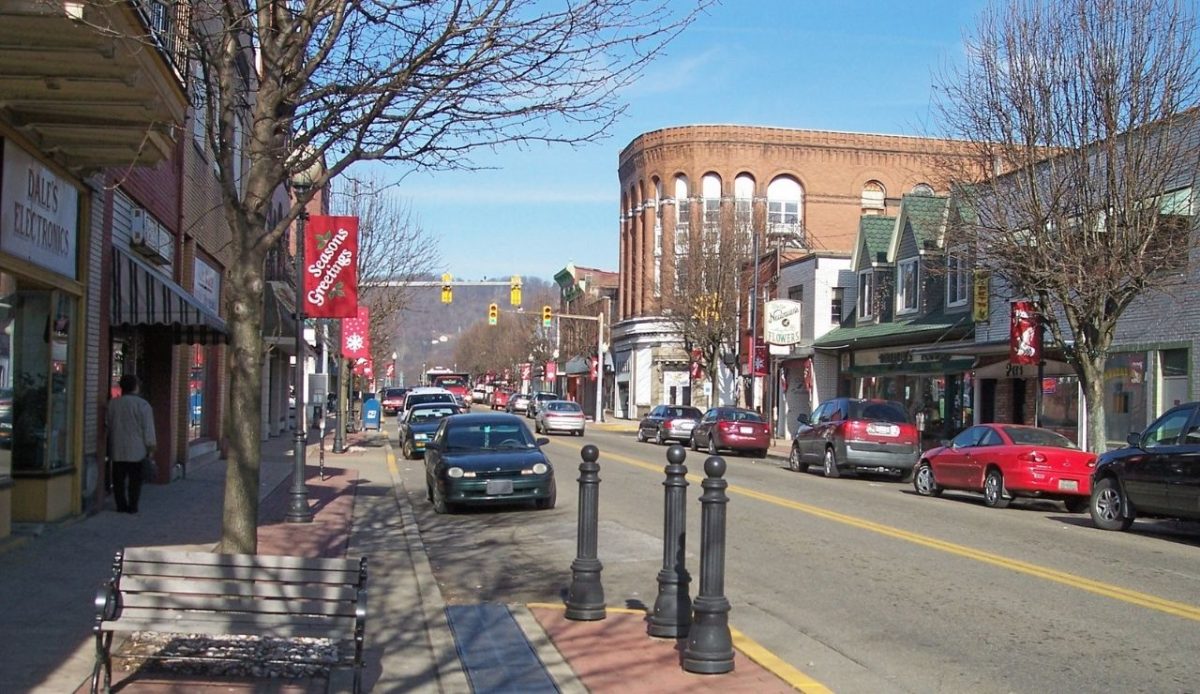
Moundsville appears to many travelers as a quiet Ohio River stop with neighborhoods, a modest business district, and nearby historic earthworks. Nothing about the streets signals a penal past.
From the 1870s until 1995, the West Virginia Penitentiary operated here. Executions were carried out by hanging and later by electrocution, and records also note riots and harsh confinement conditions over decades.
The prison is now a major landmark, but visitors may focus on tours without grasping how routine state punishment was in town life. The long operating period means generations grew up alongside a facility tied to death sentences and serious institutional violence.
8. Bath, Michigan
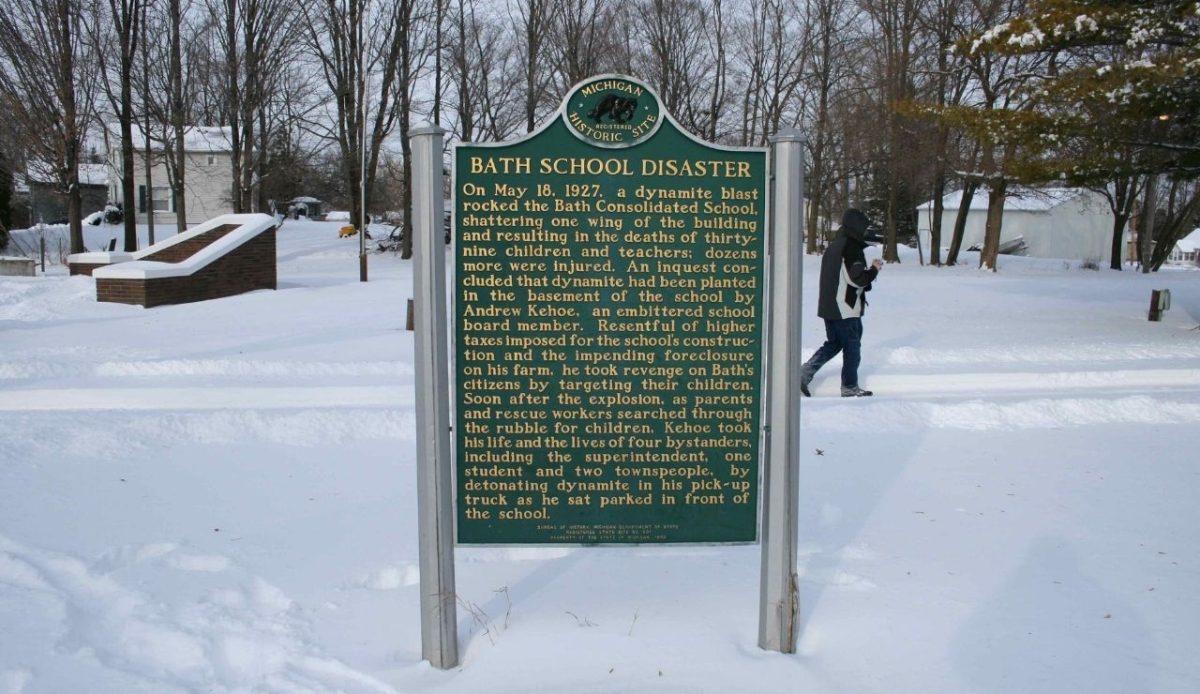
Bath is a small Michigan community that feels ordinary, with schools, farms, and residential roads that blend into the Lansing area. A casual drive gives no hint of what occurred.
On May 18, 1927, a series of explosions destroyed part of Bath Consolidated School. Forty-five people were killed in total, most of them children, making it the deadliest school attack in US history.
The violence was planned and involved explosives hidden in the building. Memorial markers exist, but they can be missed without intent. National coverage followed, yet public memory later faded. Visitors today rarely realize that a quiet township became the site of a tragedy that reshaped how Americans viewed school safety.
9. Matewan, West Virginia
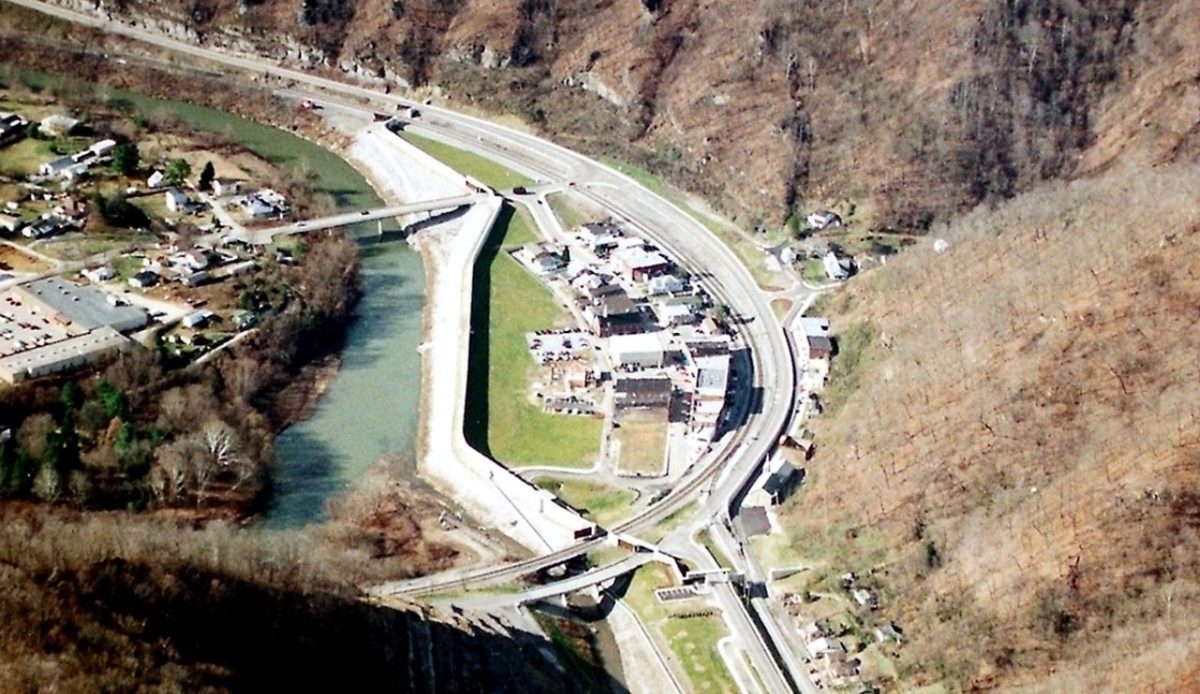
Matewan is a small West Virginia town in a narrow valley, and its size supports a close-knit feel for visitors interested in Appalachian heritage.
On May 19, 1920, a gun battle known as the Matewan Massacre broke out after agents arrived to evict union miners and their families. Several men were killed, including the town’s police chief and company agents, and the clash became a key moment in the coal mine labor wars.
The episode is documented in labor history and court-related reporting, but a short stop today may focus on murals or local landmarks. Without context, it is easy to miss that this quiet place once sat at the center of armed conflict over worker rights and corporate power.
