
Across Europe, some villages have resisted modern change more than others. Cobblestone streets, fortified walls, and centuries-old homes still shape daily life in these historic places. Their preservation comes at a price, making them some of the most expensive small destinations.
Visitors are drawn to these villages not for convenience, but for atmosphere. Limited space, strict conservation laws, and constant tourism demand have pushed costs far above average, affecting housing, dining, and everyday expenses.
Despite the high prices, these villages offer something rare. Life moves more slowly, traditions endure, and medieval architecture remains central, creating immersive environments that feel more like living history than modern Europe.
1. Bruges, Belgium
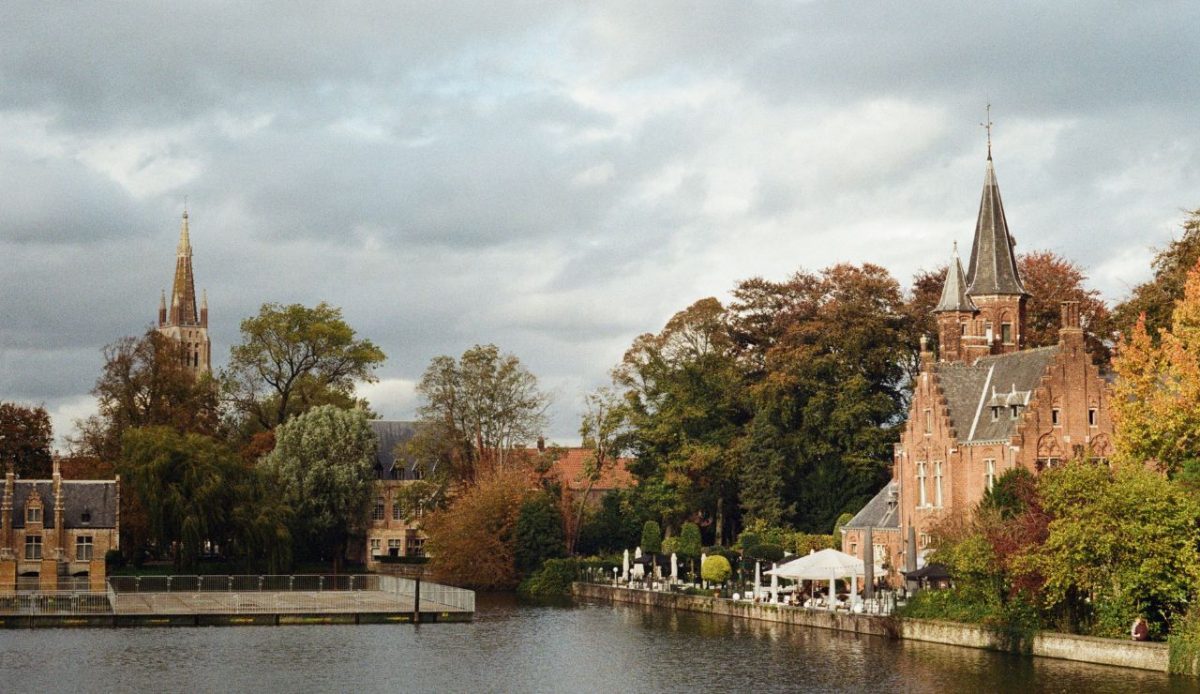
Bruges is defined by its winding canals, step-gabled houses, and historic Markt Square, all remarkably preserved since the Middle Ages. Strict building regulations ensure the medieval skyline remains untouched, contributing to high property values and living costs.
Tourism plays a major role in Bruges’ economy. Millions visit annually, driving up prices for lodging, dining, and basic services while limiting space for residential development within the historic core.
Despite the cost, daily life in Bruges feels anchored in the past. Horse-drawn carriages, bell towers, and stone bridges create an atmosphere where medieval Europe feels not recreated, but genuinely lived in.
2. Rothenburg ob der Tauber, Germany
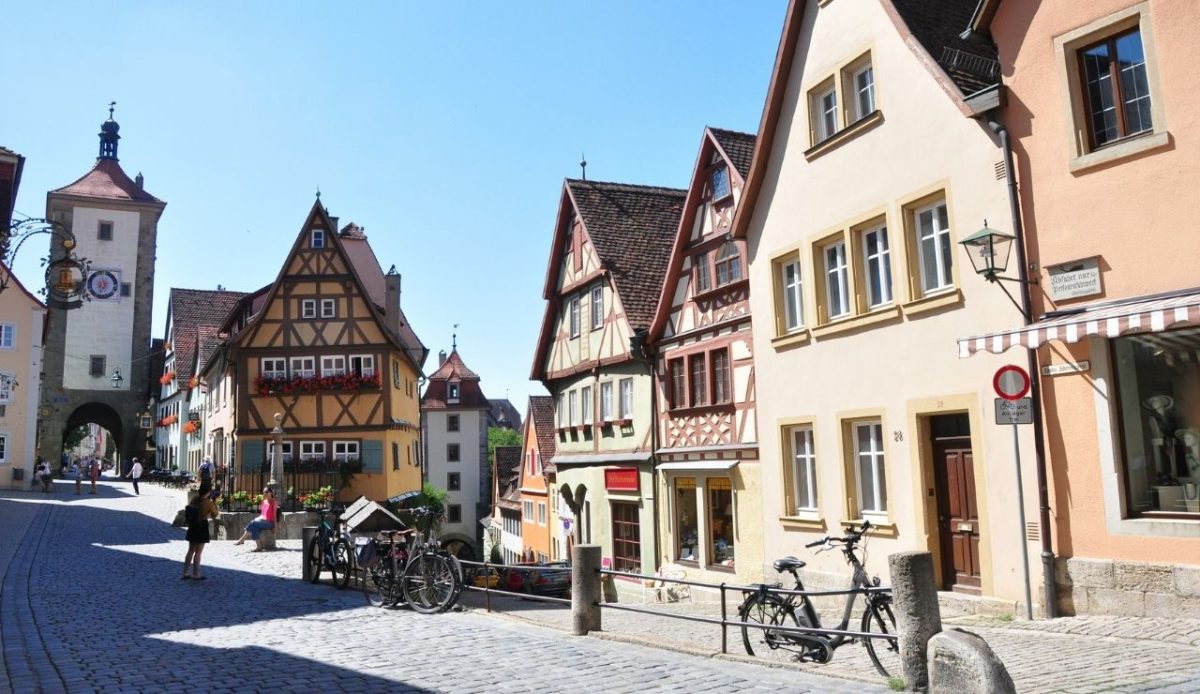
Rothenburg ob der Tauber sits along Germany’s Romantic Road, enclosed by intact medieval walls and watchtowers. Its timber-framed houses and narrow streets have changed little over centuries, preserved with exceptional care.
This preservation comes with financial pressure. Property ownership is limited, renovations are costly, and tourism sustains higher-than-average prices for food, accommodations, and daily necessities.
Living or staying here feels like stepping into a medieval illustration. The town’s visual unity, defensive walls, and historic gates maintain a timeless rhythm rarely disrupted by modern development.
3. Hallstatt, Austria
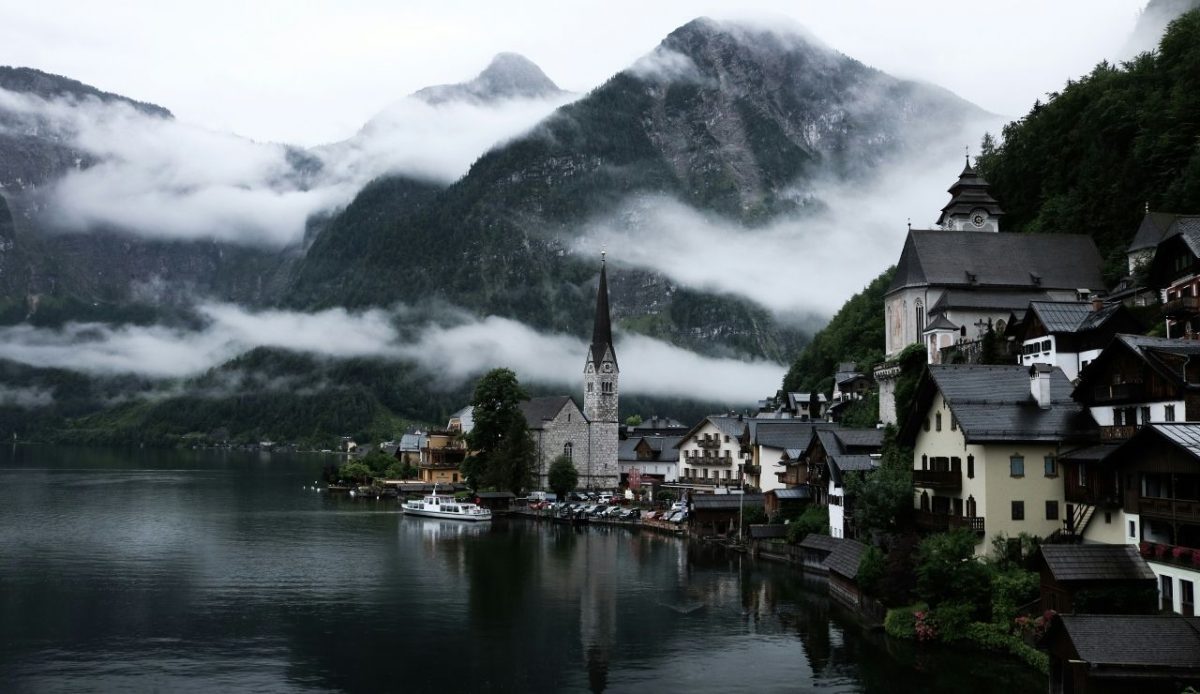
Hallstatt clings to the edge of a lake beneath towering Alpine slopes, its roots tied to ancient salt mining. The village’s compact layout and historical architecture remain largely untouched due to geographic constraints.
Space scarcity and global attention have made Hallstatt exceptionally expensive. Housing options are limited, tourism dominates the economy, and everyday costs reflect the demand placed on a tiny population.
Despite this, Hallstatt retains a medieval atmosphere. Steep stairways, wooden balconies, and centuries-old structures shape a lifestyle deeply connected to history, landscape, and tradition.
4. Óbidos, Portugal
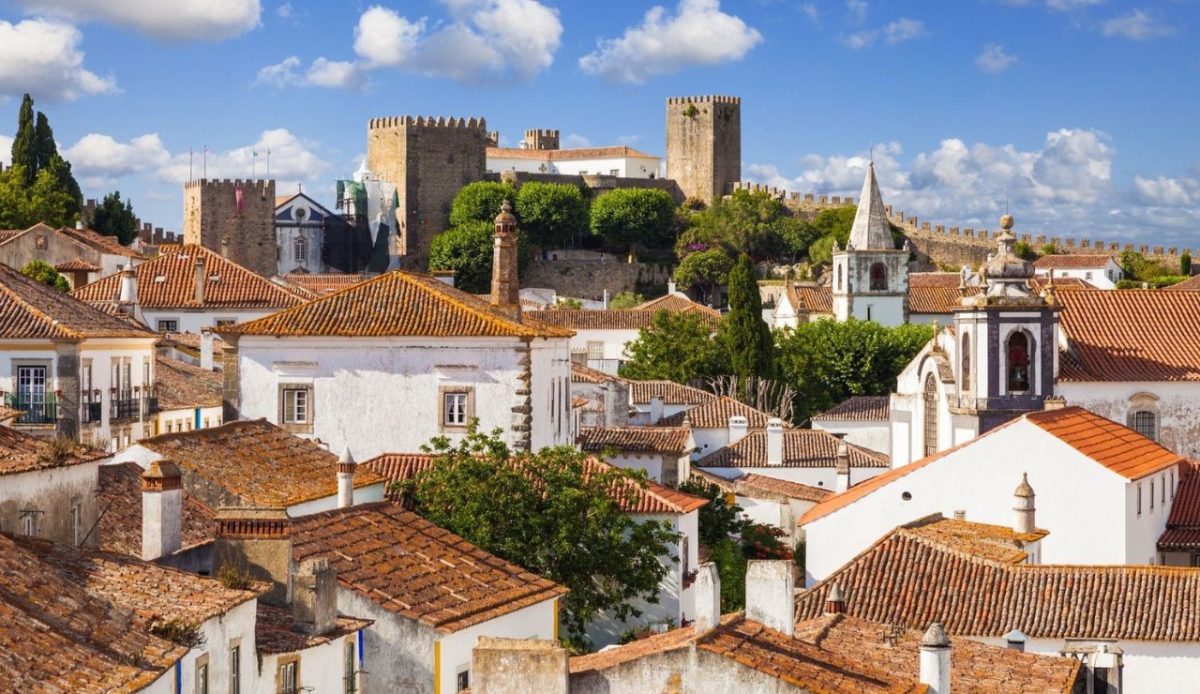
Óbidos is enclosed by medieval stone walls and filled with whitewashed houses decorated with flowers and tiled accents. Its castle ruins, narrow streets, and preserved layout reflect Portugal’s defensive architecture from centuries past.
Strict heritage protections severely limit modernization, increasing renovation costs and pushing property values higher. Tourism further raises prices, especially within the walled town, where space is finite and tightly regulated.
Life in Óbidos remains visually medieval and deliberately restrained. Daily routines unfold beneath ancient battlements, where cafés, homes, and shops operate quietly behind façades shaped by centuries of preserved design.
5. Bibury, England
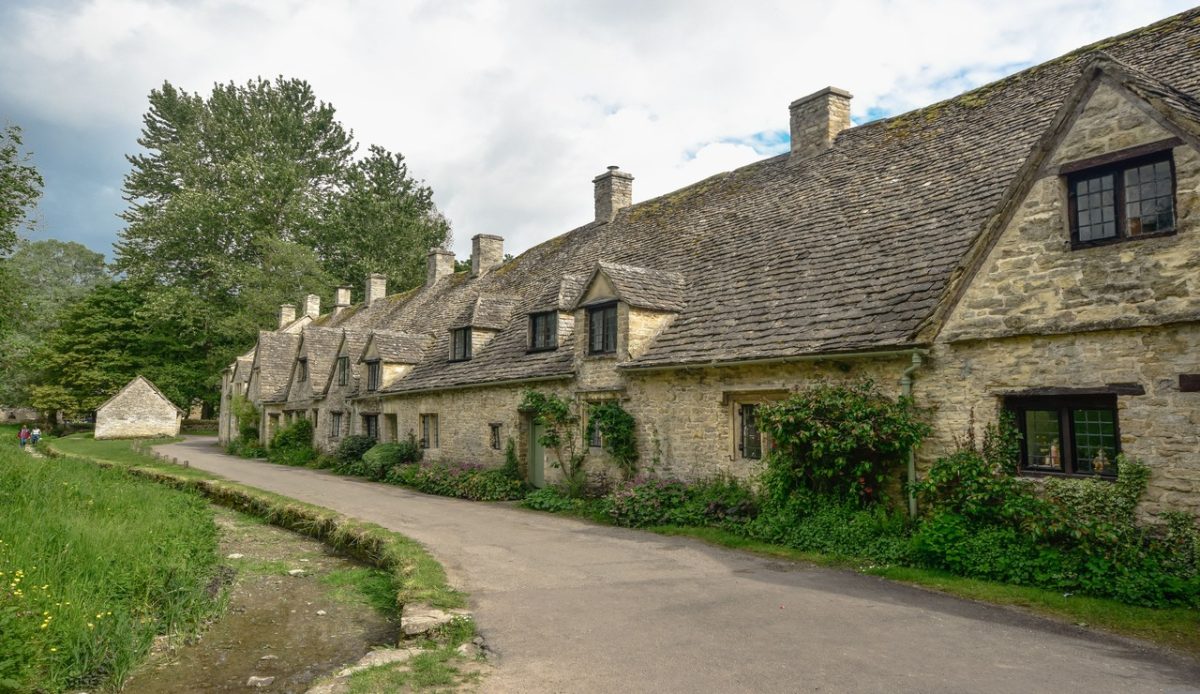
Bibury is renowned for its honey-colored weavers’ cottages along Arlington Row, often described as one of England’s most iconic medieval village scenes. Its stone buildings date back centuries and remain carefully protected.
These preservation rules contribute to high living costs. Limited housing supply, constant visitor demand, and strict maintenance standards make Bibury one of England’s most expensive rural villages to live in or visit.
Despite its size, Bibury feels untouched by time. Narrow lanes, traditional cottages, and historic layouts create an environment where modern life blends quietly into a medieval village framework shaped by craftsmanship and tradition.
6. Carcassonne, France
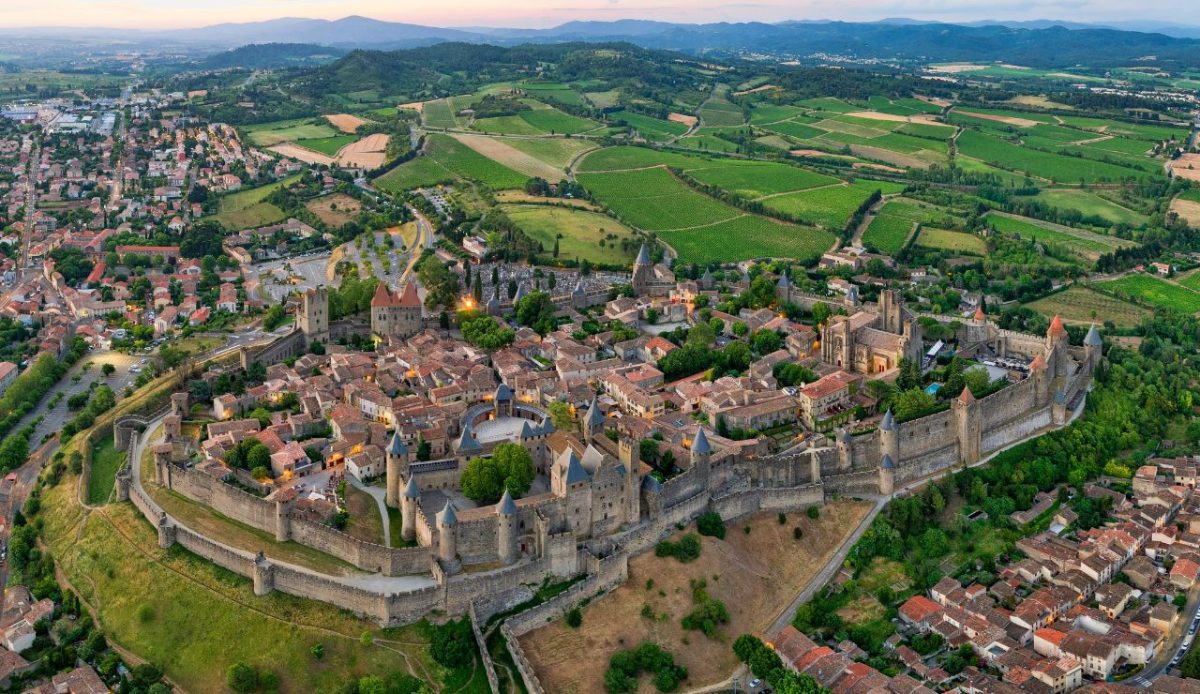
Carcassonne’s fortified citadel features towering ramparts, drawbridges, and watchtowers that dominate the surrounding landscape. The structure remains one of Europe’s most complete and visually imposing medieval defensive complexes.
Maintaining such an extensive historic site requires continuous restoration and oversight. Tourism-driven pricing affects housing, services, and dining, making daily life inside or near the citadel notably expensive.
Yet Carcassonne feels authentically medieval in scale and atmosphere. Thick stone walls, winding passages, and fortress views shape a lifestyle where history is not symbolic, but physically present at every turn.
7. Cochem, Germany
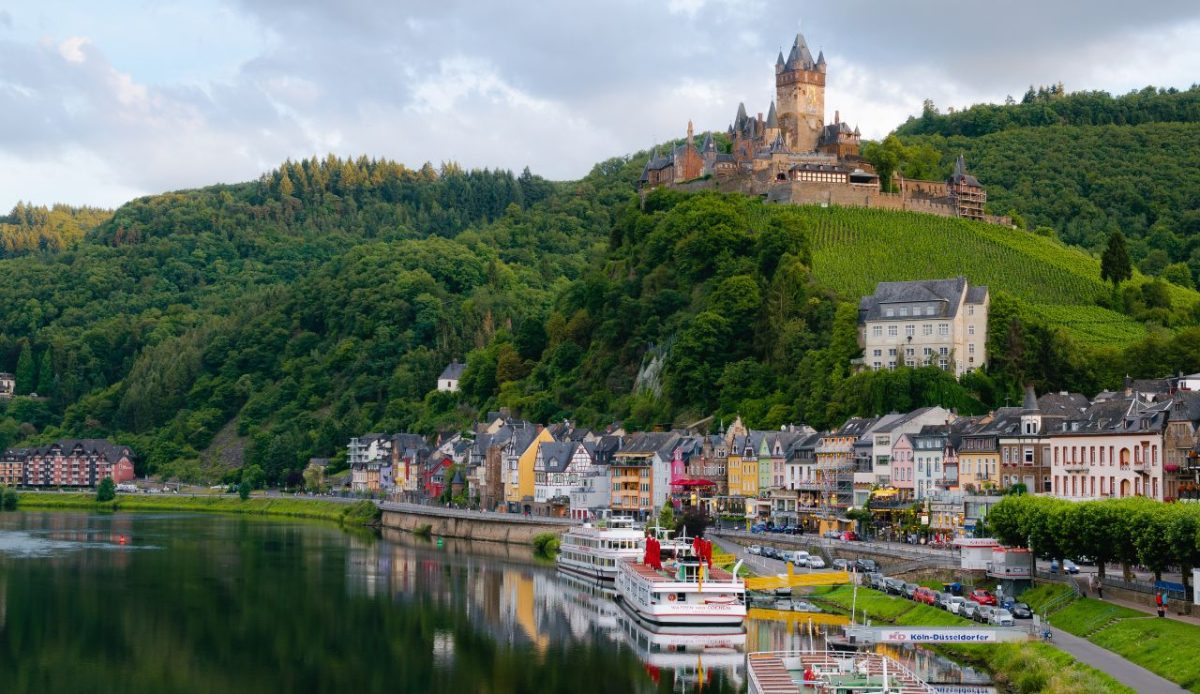
Cochem sits along the Mosel River, overlooked by a dramatic hilltop castle that defines the town’s skyline. Medieval streets, half-timbered buildings, and river trade history remain central to its identity.
Tourism and preservation efforts increase costs throughout the town. Limited space near the historic core and riverfront drives prices upward for housing, dining, and visitor accommodations year-round.
Despite modern transport links nearby, Cochem retains a strong medieval character. Castle views, narrow lanes, and historic structures keep daily life visually tied to its centuries-old past and fortified heritage.
