
Some local customs remain protected because they are tied to survival, faith, or land rights. They are kept intact through permit systems, legal zones, and community enforcement, not by marketing. Modern influence is filtered so the core rules stay stable.
Protection can be formal, such as government-backed exclusions, or informal, such as councils that set boundaries for outsiders and members. In many places, photographing rituals, entering sacred sites, or changing dress rules can bring sanctions.
The examples below focus on customs with clear barriers against outside pressure. Each is practiced today and is defended through law, recognized authority, or strict access controls that limit tourism and media access.
1. Sentinelese No Contact Rule

On North Sentinel Island, the Sentinelese keep a no-contact rule that rejects visitors. It is treated as a core safeguard because even minor exposure can introduce disease and social shock.
India backs this custom with an exclusion zone that blocks travel by boat and limits aerial approach. Permits are not issued for tourism or research, and enforcement can include arrest for intrusion.
The rule stays strict because self-sufficiency depends on keeping external goods and relationships out. Hunting, fishing, and shelter making continue with local materials, and outside trade is not allowed to form. That boundary has been defended for generations despite intense outside curiosity.
2. Mount Athos Avaton Law
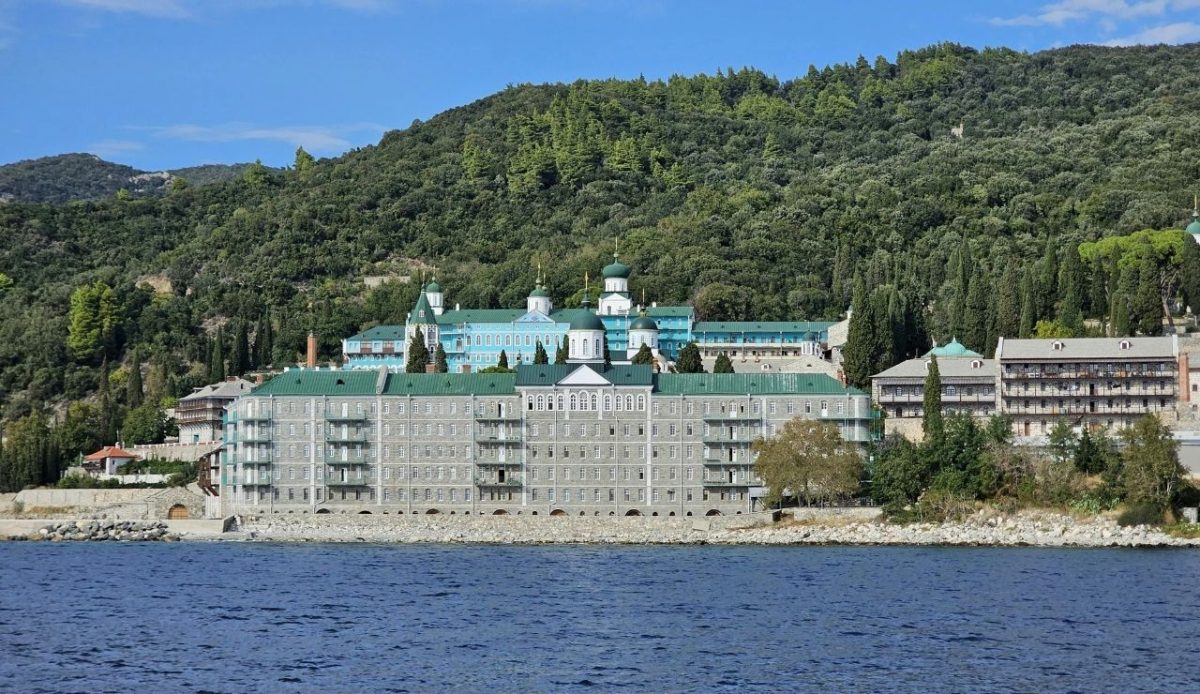
Mount Athos in Greece follows the Avaton rule, which bars women and restricts entry for men. This practice is framed as essential to monastic discipline and has been maintained for centuries.
Access is controlled through a permit system and daily visitor limits. The area has a special legal status, so the restriction is enforced through state-backed administration, and unlawful entry can be prosecuted.
Modern tourism pressure is managed by quotas, screening, and strict conduct rules inside monasteries. Visitors must follow dress standards and movement limits, and stays are time-bound to protect daily prayer. Phones and filming are often limited to keep the setting from turning into a spectacle.
3. Okinoshima Sacred Entry Taboos
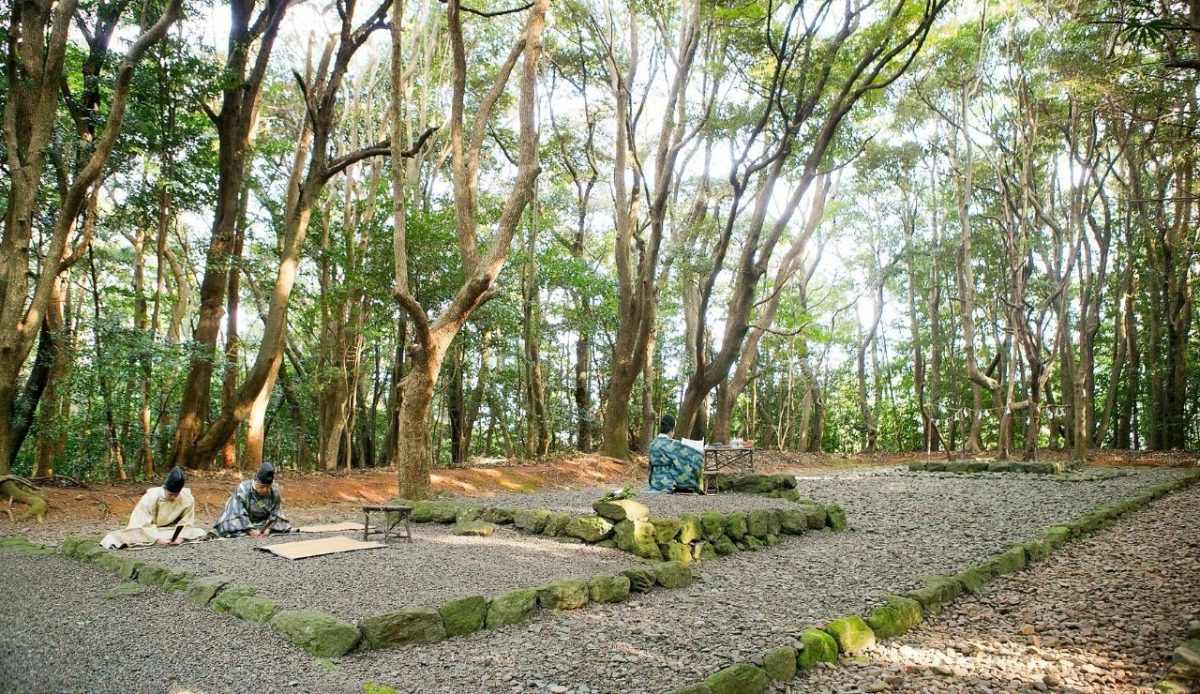
Okinoshima, a sacred island linked to Munakata Shrine in Japan, is governed by strict ritual taboos. Women are not permitted, and men who enter must follow purification requirements set by shrine tradition.
Access is rare and tightly managed, with no open tourism. Visits are limited to specific rituals, and rules against taking objects or recording help prevent the site from being treated as a public attraction.
These boundaries keep the island’s religious function ahead of heritage marketing. By limiting entry, the community prevents outside behavior, media attention, and commercial demands from reshaping how rites are performed over time.
4. Hopi Ceremony Access Rules

Hopi ceremonial cycles in northern Arizona are protected through strict visitor rules. Many ceremonies are closed, and photography or audio recording is prohibited because it can disrupt the meaning.
Tribal authority controls access to villages and plazas during ritual periods. Signs, guides, and local enforcement are used to stop filming and to remove people who refuse to comply with community expectations.
These limits keep ceremonies from being adjusted for spectators. Ritual timing follows agricultural and spiritual calendars, not media schedules. By controlling documentation, the Hopi reduce outside pressure to simplify, stage, or explain sacred work.
5. Driglam Namzha Dress Code
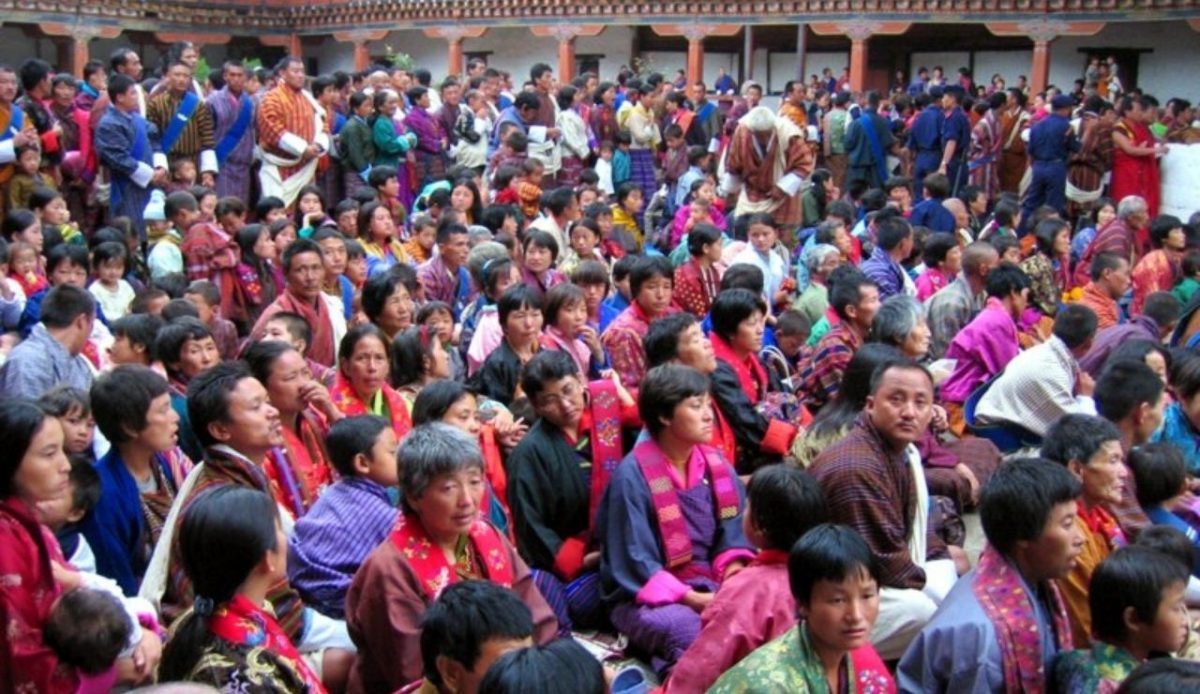
Bhutan’s Driglam Namzha sets formal rules for dress and conduct in public life. National clothing is required in government offices, schools, and official events, so norms stay visible.
The policy is enforced through institutions rather than private choice. People who arrive out of code can be turned away from offices or corrected by supervisors, which keeps expectations consistent across generations.
Because the rule applies in civic settings, outside fashion trends have limited influence on public identity. Traditional dress also signals respect and social order in daily interactions, so the practice stays practical, not ceremonial, even as media access expands.
6. Nyepi Day of Silence
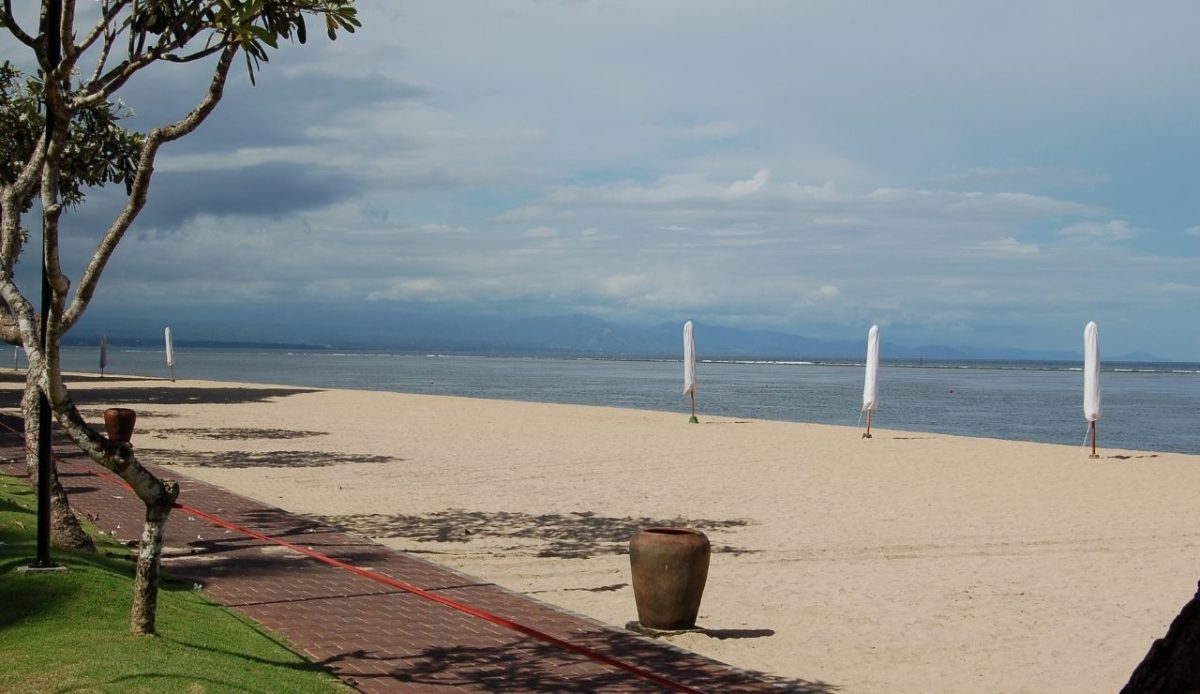
Nyepi in Bali is a day of silence enforced across the island under Balinese Hindu tradition. Movement, work, and entertainment stop, and the public space is kept quiet for an entire day.
Restrictions are organized through local community units and security patrols. Roads are empty, many lights stay off, and the airport has been closed during Nyepi, showing that the custom is backed by formal coordination.
Tourists are expected to comply, so the rule is not limited to insiders. Because the shutdown is repeated yearly with strict limits, modern nightlife and advertising cannot take over. The practice remains a living civic boundary, not a symbolic gesture.
7. Amish Ordnung Rules
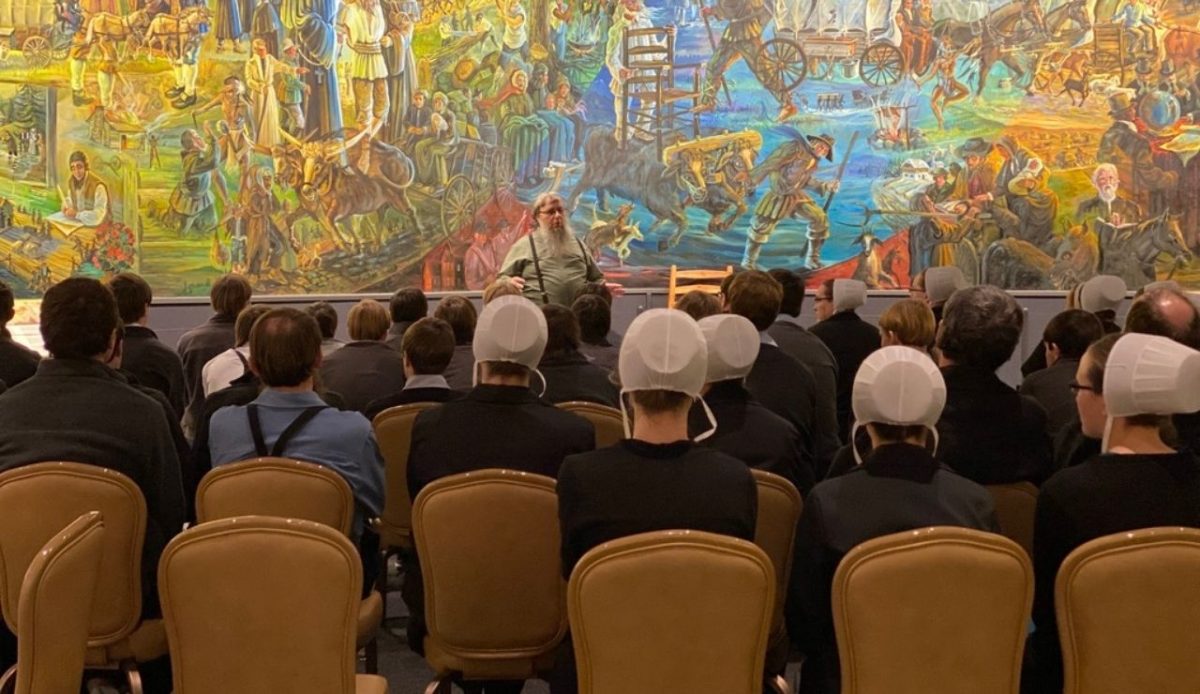
Old Order Amish communities use the Ordnung, a set of church rules that limits technology, dress, and schooling. The purpose is to protect humility, shared labor, and separation from outside social pressures.
Enforcement is internal through church discipline and community accountability. In the United States, court rulings have also supported Amish limits on compulsory schooling beyond eighth grade, reducing state intrusion.
Because change requires group consensus, modern devices enter slowly and selectively. Phones, cars, and internet access are often restricted or mediated through non-Amish contacts. These boundaries keep daily life organized around community ties rather than individual convenience.
8. Sámi Reindeer Herding Rights In Norway

In Norway, reindeer husbandry in the Sámi area is protected as a right tied to Sámi status. Participation is limited to rights holders, which blocks outsiders from taking over herding routes and decisions.
National law regulates grazing districts, seasonal movement, and management bodies. Development projects that affect pastures can trigger consultation duties, giving traditional land use a formal place in planning.
The custom remains strict because it is a working livelihood shaped by climate and animal behavior. Modern infrastructure is negotiated around migration patterns when possible, rather than replacing them. Legal limits help keep herding knowledge intact across generations.
