
Amish Country trips go best when visitors plan for slower roads, limited tech, and strong privacy norms. Communities in places like Lancaster County and Ohio’s Holmes County are working and worshiping, not performing for tourists. Good manners here are practical. A respectful approach also keeps everyone safer around horses, buggies, and narrow lanes. The tips below focus on common moments where visitors slip up and aim to reduce stress for you and for residents. Bring patience, carry cash, and assume property is private unless a sign invites customers. If you are unsure, step back and ask politely.
1. Slow Down Early For Buggies
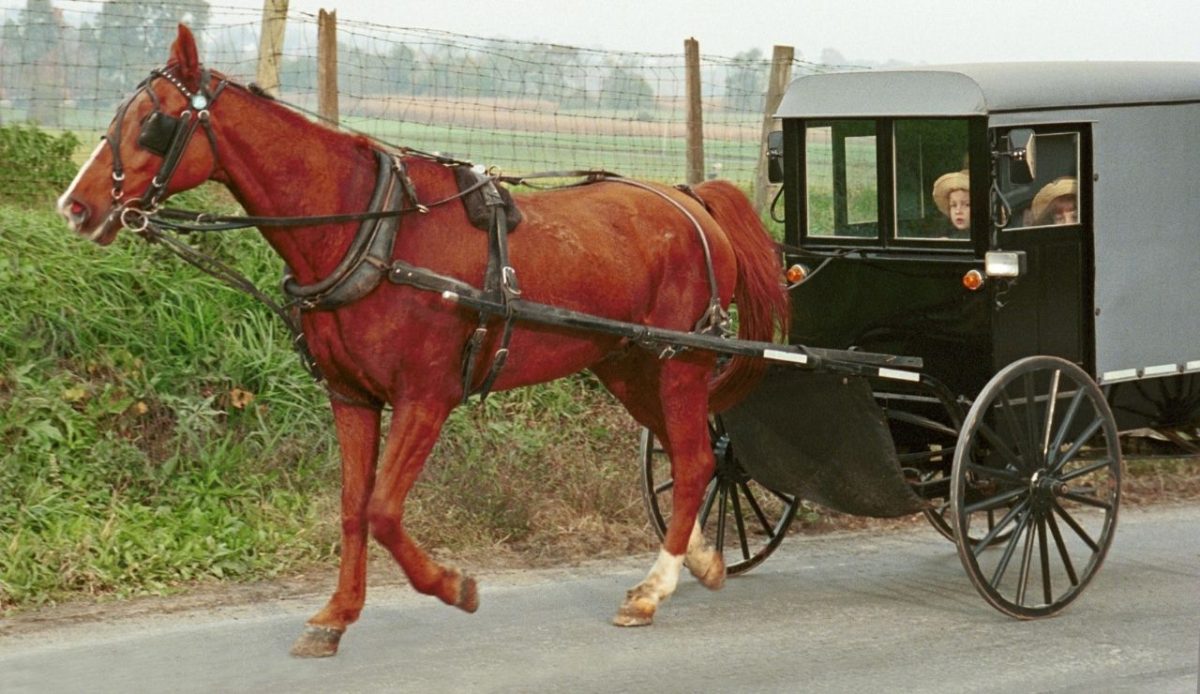
Slow down as soon as you notice a buggy ahead, even if it rides the shoulder. Local driving advice in Amish areas warns that late braking invites rear crashes and panic passes. Ease off the accelerator, scan for oncoming traffic, and watch for hand signals from the driver. Many roads are narrow, and sightlines change quickly near hills and bends. Leave a long buffer so you are not forced to choose between hard braking and a risky pass. Your delay is brief, yet it can keep a horse calm and keep everyone safer. Expect farm driveways, cyclists, and slow vehicles in the same stretch, so steady speed control matters more than reaching the limit.
2. Skip The Horn Around Horses
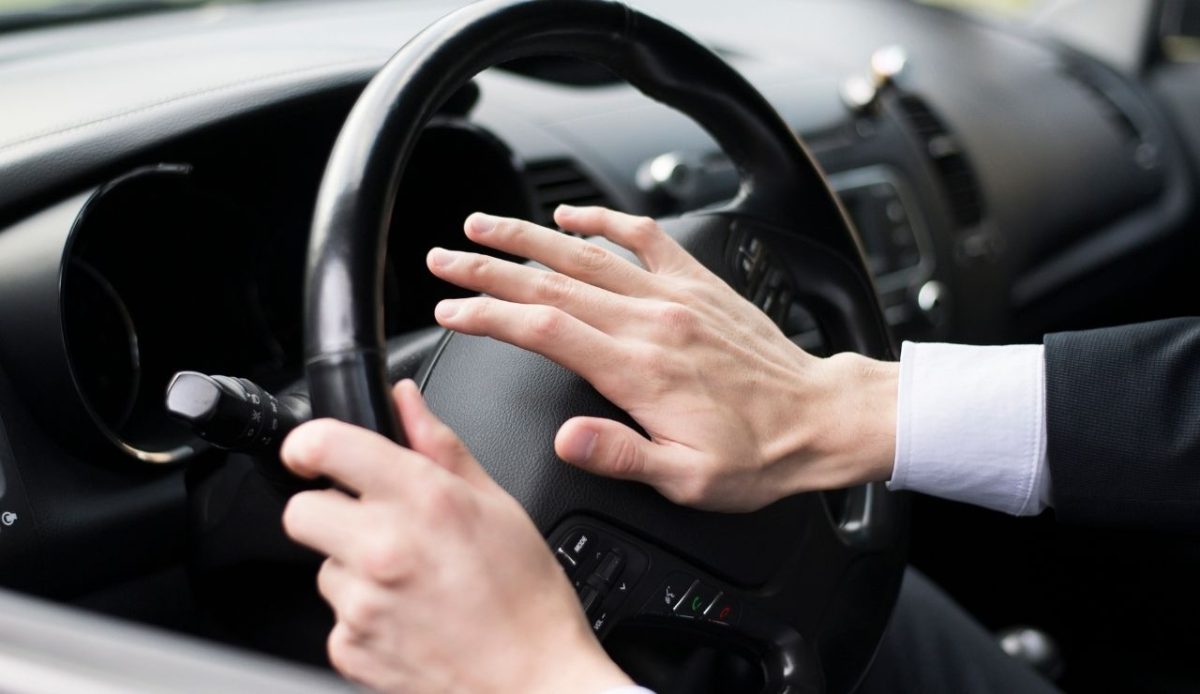
Avoid using your horn around horses unless an immediate crash is otherwise unavoidable. A sudden blast can trigger a startle response that the buggy driver may not correct quickly. Instead, reduce speed, give room, and wait for the right passing stretch. Noise from revving, engine braking, or loud motorcycles can have a similar effect, so keep your driving smooth. If you need to communicate, signal with your lights only when safe, and do not crowd the buggy. Calm behavior lowers risk for the animal, the driver, and the cars behind you. If kids want to wave, ask them to stay quiet at open windows.
3. Leave Room At Stops And Starts
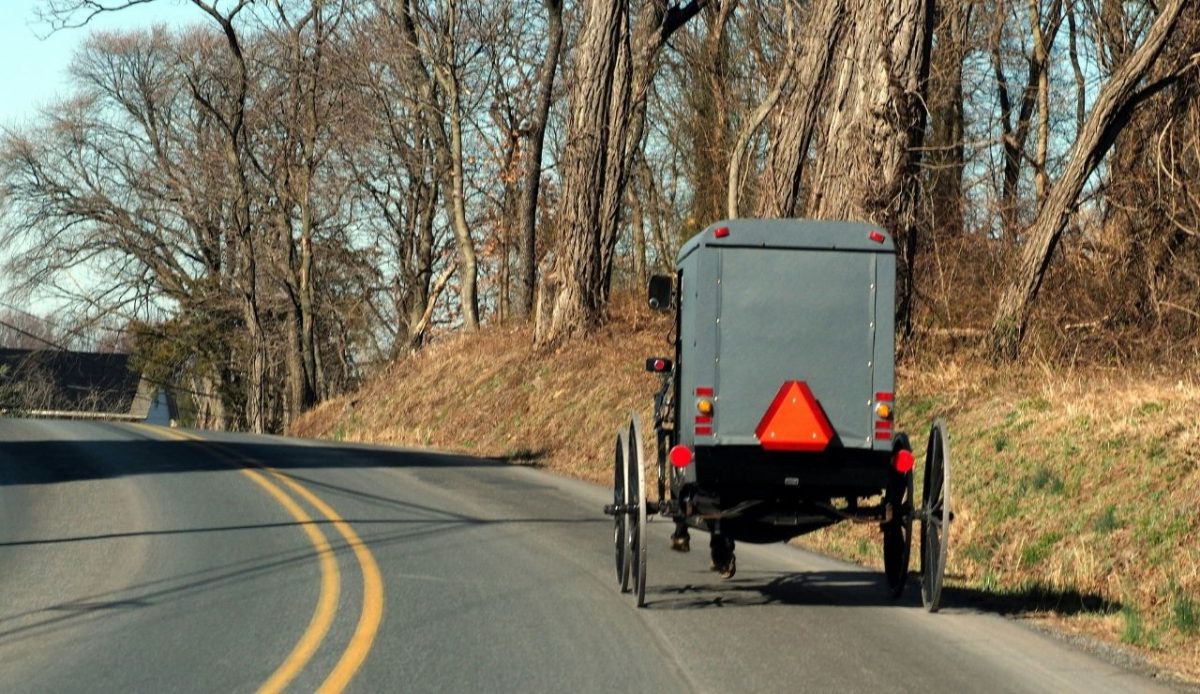
Leave extra following distance behind a buggy, especially when approaching a stop sign or traffic light. Buggies can slow sooner than you expect, and some may roll slightly when stopping on a slope. Space also helps if the horse shifts sideways or if the driver needs room to adjust reins. Road edges may be gravel or soft, so a buggy might drift away from the shoulder to avoid ruts. When you stop, avoid pulling alongside unless the lane is clearly wide enough. Do not flash high beams as a cue, since that can confuse drivers and stress horses. At multiway stops, wait for the driver’s signal rather than guessing.
4. Drive Carefully At Dusk And Curves
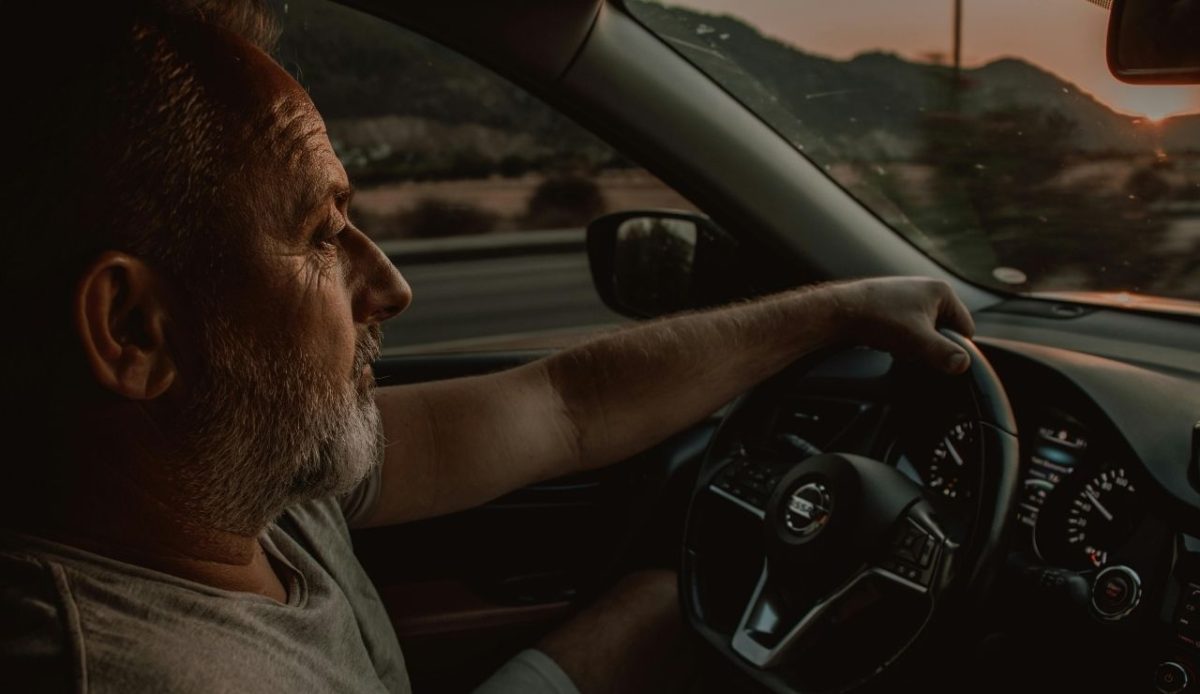
Plan your driving for low-visibility stretches, especially at dusk, dawn, or in fog. On curving rural roads, a buggy can appear suddenly after a bend, and closing speed can be deceptive. Lower your speed before the curve, keep both hands on the wheel, and be ready for farm vehicles pulling out. Sun glare in the day can hide a slow vehicle in front of you, so use your visor and add distance. At night, buggies may have reflective markings, yet they still blend into dark backgrounds. Delay passing during these periods because judging gaps becomes harder. Treat every hillcrest as a place where you might need to slow, not a place to accelerate.
5. Use Low Beams Near Buggies
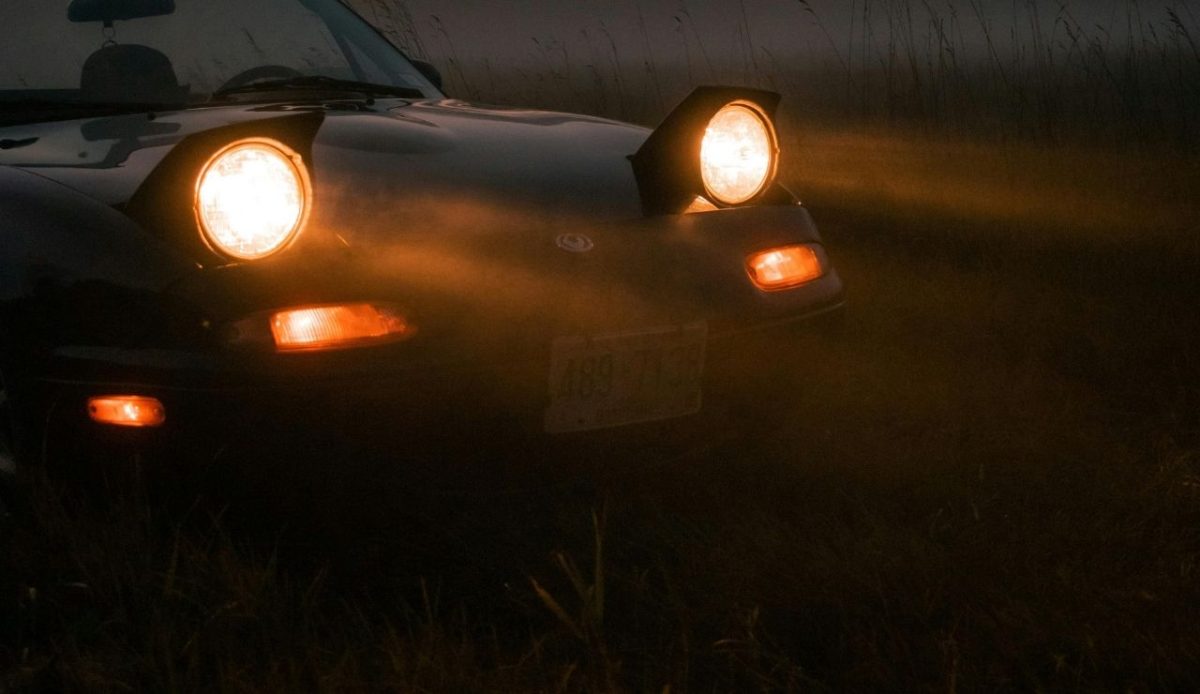
Use low beam headlights when you are close to a buggy at night, and dim your lights early for oncoming traffic. Bright beams can make it harder for the buggy driver to see the road edge, and the glare may unsettle the horse. Keep a larger gap than you would behind a car, since your lights and engine noise reach the animal first. Watch for reflective triangles or lanterns, but do not assume they guarantee visibility in rain. If the buggy turns into a driveway, wait until it is fully off the road before returning to normal speed. Put your phone away, since a glance can erase the time you built with extra distance.
6. Avoid Photos With Recognizable Faces

Do not take photos that show Amish people’s faces in a clear, recognizable way. Many visitors assume public roads make any image acceptable, but local etiquette guidance stresses privacy over permission. That concern increases when pictures are shared online, where they can spread beyond your control. Focus your camera on landscapes, barns, and buggies from a distance instead. If a person enters your frame, lower the camera and wait. Even when someone does not object in the moment, the image can still feel intrusive. Choose restraint, and you will avoid the most common complaint locals raise. It also sets a good example.
7. Do Not Ask Anyone To Pose

Never ask Amish residents to pose for a photo, even if you think you are being friendly. Requests like that can put someone in a social bind, since refusing may feel impolite. Do not try to sneak a selfie that includes a person behind you, because it creates the same problem with less honesty. Keep conversations focused on the purchase when you are shopping, or on a brief greeting when you pass. If you want a portrait-style memory, use cultural centers or guided sites that clearly allow it. A smoother visit comes from accepting boundaries without debate. On tours, follow posted rules and ask staff what is allowed.
8. Never Touch Or Feed Tied Horses
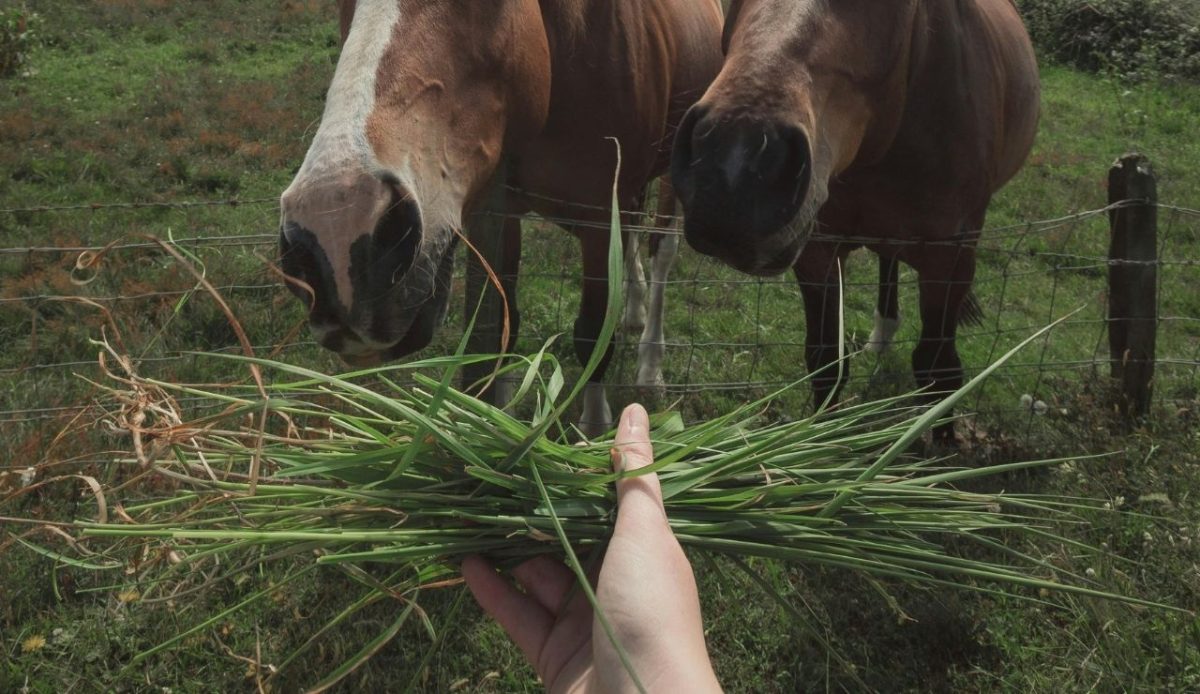
Do not pet or feed a horse that is tied to a rail or harnessed to a buggy. A calm horse can still react if a stranger reaches toward its face or offers food. Feeding also risks upsetting the animal’s routine or causing a bite. Avoid flash photos near the horse, since sudden light can trigger a startle response. Keep a safe distance, speak softly if you must pass close by, and avoid quick movements. If you are traveling with children, hold hands in parking areas where buggies are lined up. If you want to learn about horse care, ask at a stable or tour site rather than testing boundaries here. Safety is the main goal.
9. Bring Cash And Small Bills

Carry cash, including small bills, before you start visiting stands and small shops. Many Amish-run businesses do not accept cards, and some do not have electronic point of sale systems. Having cash keeps checkout quick and avoids putting a seller in the position of refusing a payment method. Try to offer close to exact change when possible, since a small cash box may not hold many large bills. Bring a bit more than you expect to spend, since baked goods, produce, and crafts add up fast. An ATM may not be close on backroads, so plan one stop in town before you head out for the day. Keep cash secure and dry.
