
The American South is shaped by traditions tied to specific communities, calendars, and shared spaces rather than vague regional ideas. Many of these practices developed through local history, faith, foodways, and music, then stayed relevant through regular public use. Some are neighborhood-based, others draw national attention, yet all rely on participation rather than performance alone. These traditions continue because people plan, teach, and repeat them across generations. The following examples reflect documented customs with clear geographic roots and ongoing practice, showing how Southern charm is sustained through routine gatherings, collective memory, and social responsibility.
1. Mardi Gras Krewe Culture In New Orleans
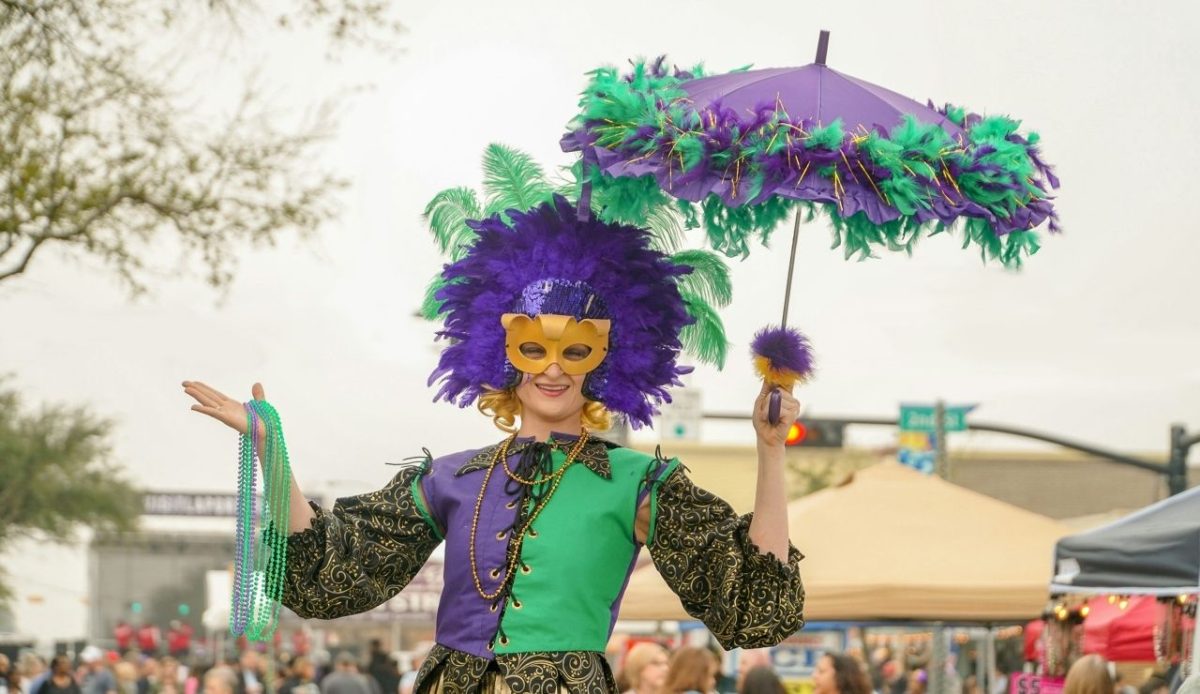
Mardi Gras in New Orleans is organized through krewes that manage parades, balls, and community events throughout Carnival season. Each krewe follows scheduled routes and long-standing rules that shape how floats, throws, and costumes appear. The season begins on Epiphany and builds toward Fat Tuesday, keeping the city on a shared timeline. Local participation is central, with families returning to the same viewing spots each year. While tourism is significant, neighborhood identity drives decisions about parade order, themes, and traditions that connect present celebrations to centuries of local history.
2. Sunday Second Lines And Social Aid Clubs
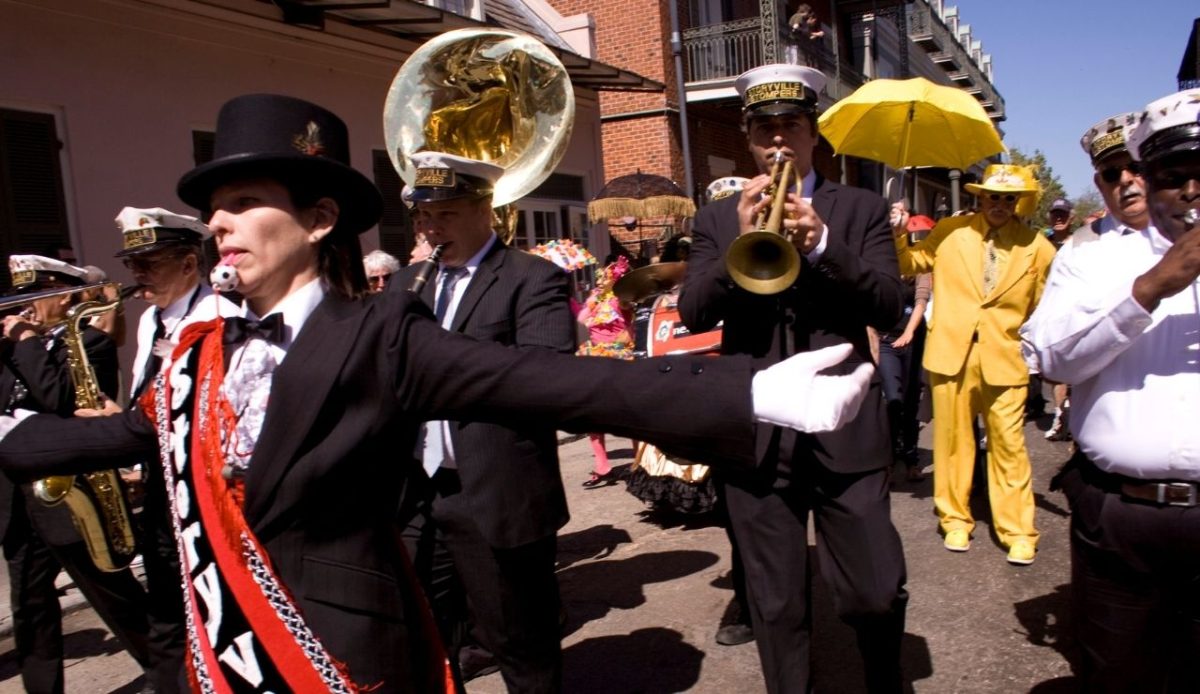
Second line parades in New Orleans are hosted by Social Aid and Pleasure Clubs that formed to provide financial and social support within Black communities. A brass band leads the procession while dancers follow through residential streets, turning ordinary blocks into temporary gathering spaces. Permits and published routes maintain structure, yet movement and dance remain improvised. These events usually happen on Sundays and often honor members, fund services, or mark anniversaries. The tradition remains active because clubs plan months, reinforcing mutual care while keeping music and movement visible in public life.
3. Sacred Harp Shape Note Singing Conventions
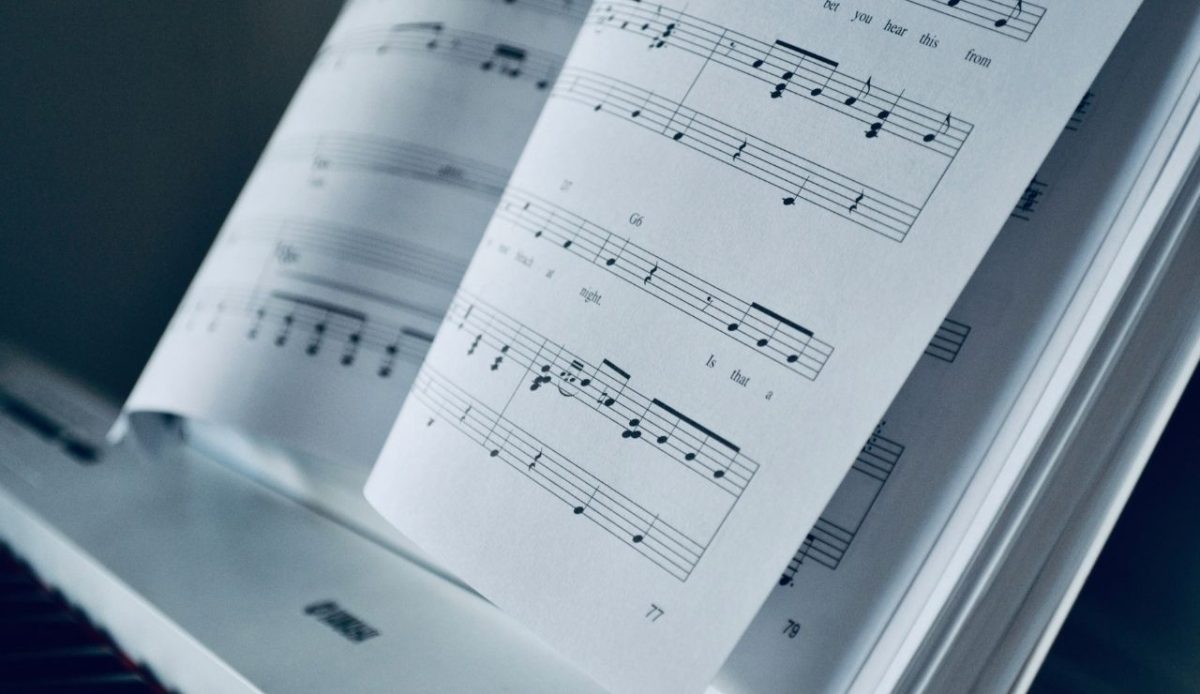
Sacred Harp singing is practiced across rural parts of Alabama and Georgia through scheduled conventions held in churches and community halls. Singers gather in a hollow square and face one another rather than an audience, emphasizing participation over performance. Music is read using shape note notation from a standardized book that has changed little since the nineteenth century. Anyone may join after learning the basic forms, which keeps the tradition open. All-day singings often include shared meals, linking music to hospitality and reinforcing its role as a communal responsibility rather than a staged event.
4. Gullah Geechee Praise House Song Traditions
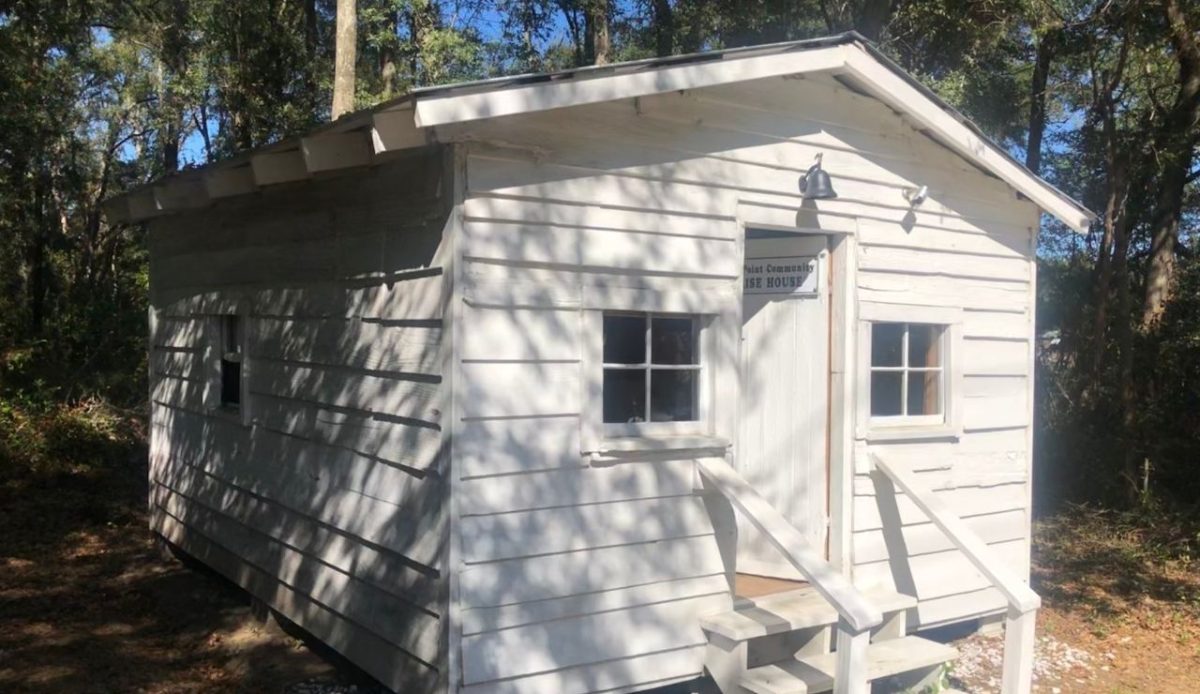
On the Sea Islands of South Carolina and Georgia, Gullah Geechee communities maintain praise house traditions centered on spiritual songs and call and response worship. Practices like the ring shout involve circular movement, rhythmic clapping, and footwork that traces West African influences. Songs are passed orally and used during Watch Night services and local gatherings, keeping language and memory active. Elders guide younger participants, ensuring continuity through direct teaching rather than written records. These traditions remain closely tied to place, reflecting how isolation and shared history preserved distinctive cultural forms along the coastal South.
5. HBCU Homecoming Campus Reunions
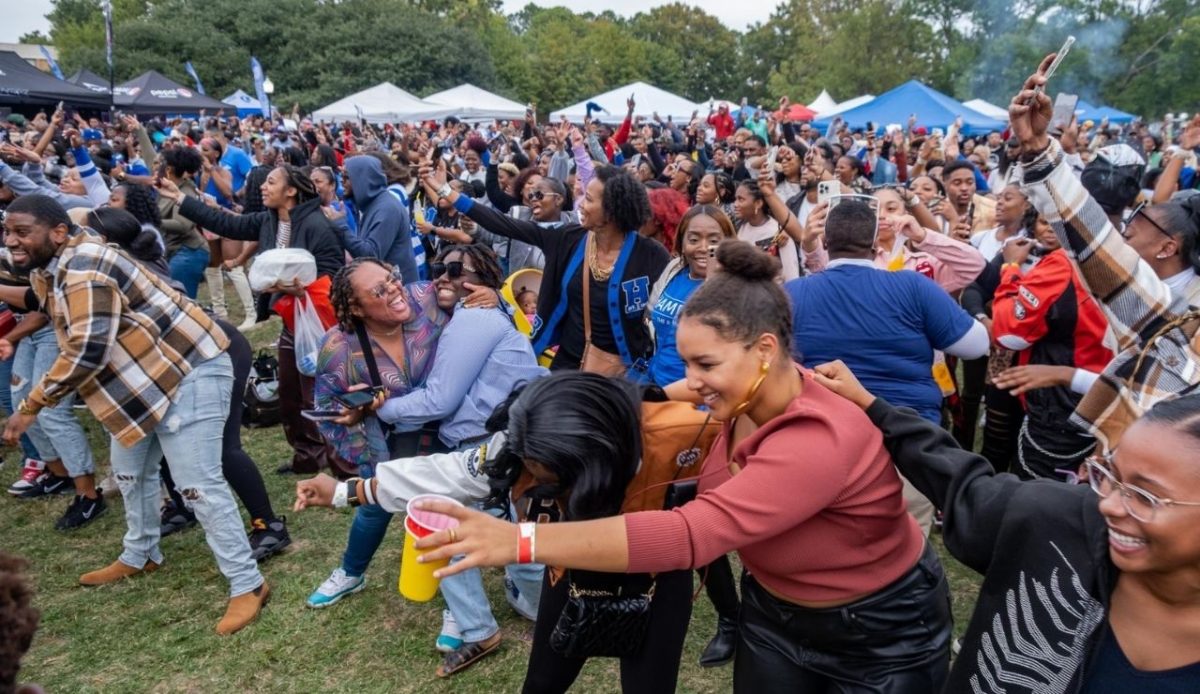
Homecoming at Southern historically Black colleges and universities functions as a large-scale reunion with established rituals beyond football games. Alumni return for parades, step shows, and band performances that highlight campus identity. Events are scheduled annually and involve students, graduates, local businesses, and families. Marching bands and drumlines often draw crowds larger than the game itself, reflecting their cultural importance. These gatherings strengthen networks for mentorship and fundraising while reinforcing institutional pride. The tradition persists because it connects multiple generations to the same campus spaces through repeated ceremonial structure.
6. Kentucky Derby Race Day Rituals
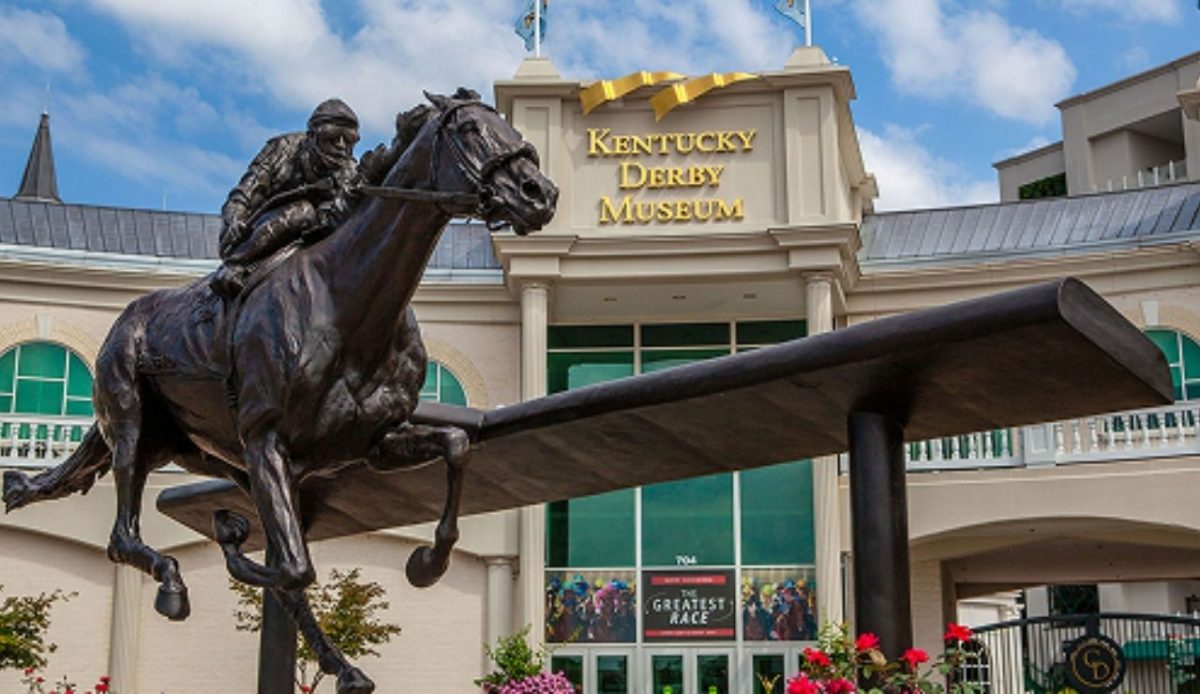
The Kentucky Derby in Louisville is defined by rituals that extend well beyond the horse race itself. Race day includes the serving of mint juleps, formal attire, and the singing of My Old Kentucky Home before post time. These elements follow a fixed order each year, creating familiarity for attendees and viewers alike. The presentation of a rose garland to the winning horse reinforces symbolic continuity. Held annually at Churchill Downs, the event functions as a regional marker of time and tradition, drawing both residents and visitors into a shared ceremonial experience.
7. Carolina Whole Hog Barbecue And Pig Pickins
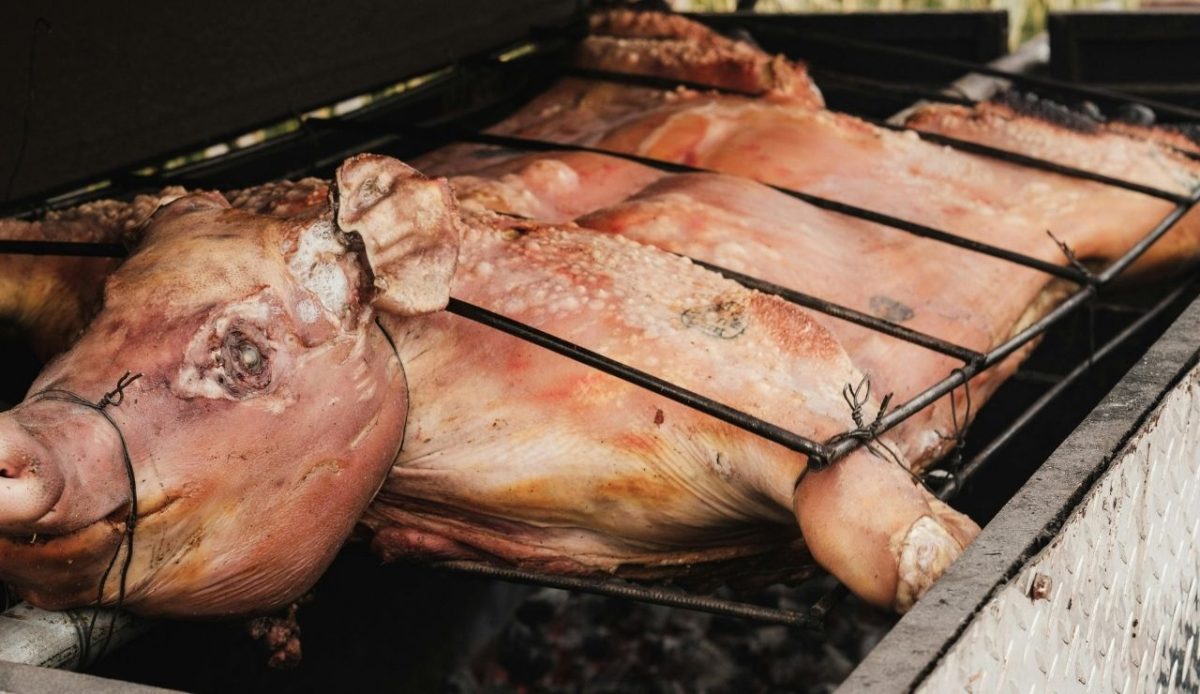
Whole hog barbecue in the Carolinas is a labor-intensive cooking tradition tied to community events, elections, and family gatherings. An entire pig is slow-cooked over wood coals, then chopped and served with regional sauces that vary by county. Pig pickins bring people together for informal meals where conversation is as important as food. The process often lasts overnight, requiring cooperation and planning. This method remains relevant because it reinforces shared work and local taste preferences, with pitmasters passing techniques directly to younger cooks through repeated practice.
8. Roadside Boiled Peanuts In Summer Travel
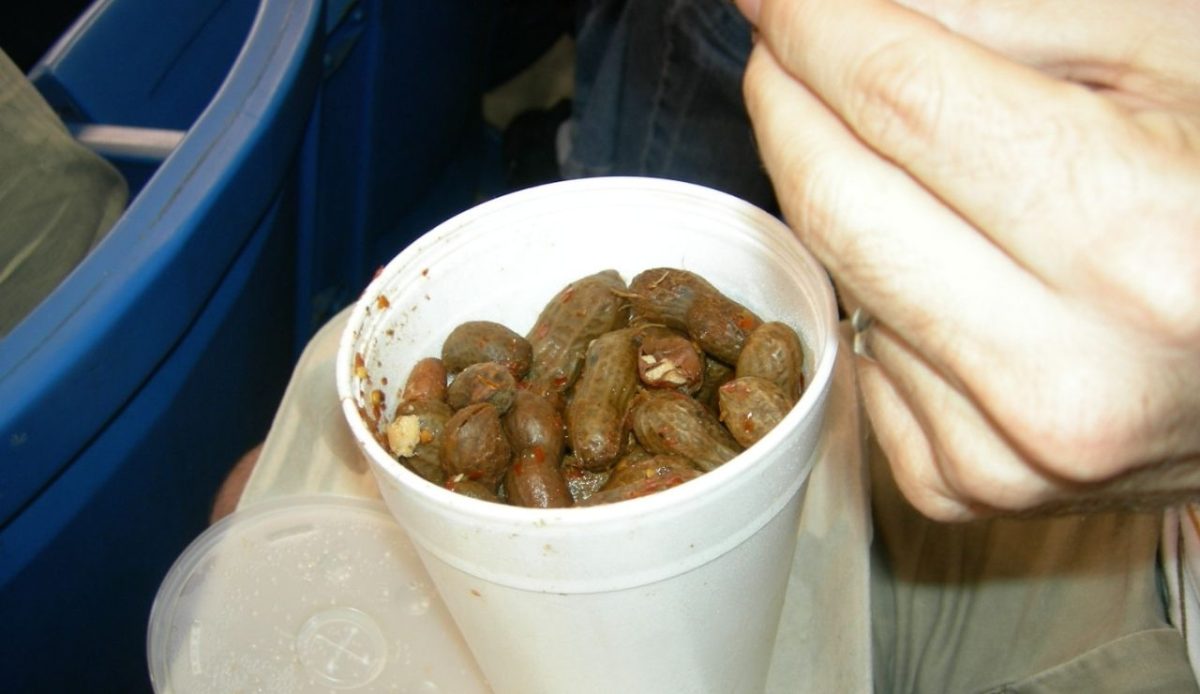
Boiled peanuts are a warm-weather roadside tradition across Georgia, South Carolina, and northern Florida. Vendors cook raw peanuts for hours in salted water, selling them from small stands along highways and rural roads. Hand-painted signs guide travelers to familiar stops, creating informal loyalty among customers. The snack is eaten communally, often shared in cars or at picnic tables. Preparation methods vary slightly by seller, encouraging return visits. This simple food custom endures because it aligns with seasonal rhythms, local agriculture, and casual social interaction during long Southern drives.
9. Gee’s Bend Quilting In Rural Alabama
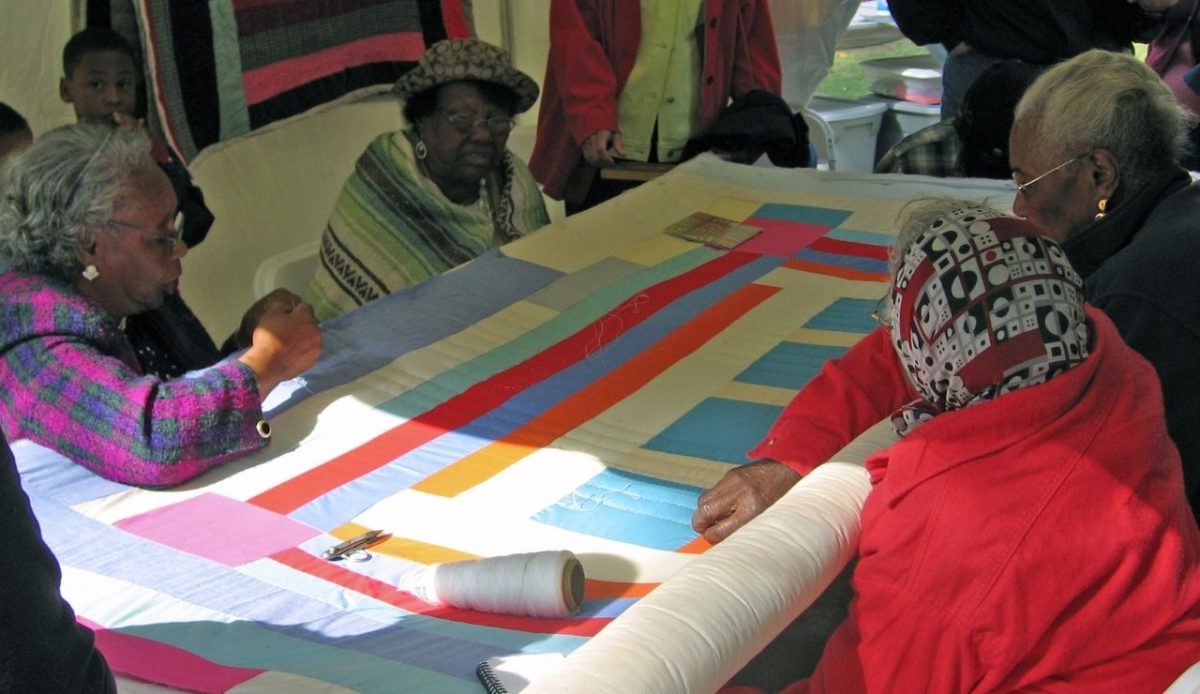
Quilting in Gee’s Bend, Alabama, developed as a practical household skill and evolved into a recognized cultural tradition. Women use recycled clothing and fabric scraps to create bold, improvised patterns without strict templates. Techniques are shared within families and among neighbors, preserving consistency across generations. Quilts are still made locally for everyday use as well as exhibitions, keeping production rooted in place. The tradition reflects community resilience and creativity, maintained through regular making rather than formal instruction. Its continued practice shows how functional crafts can become lasting cultural identifiers.
10. Juneteenth Commemorations Rooted In Galveston
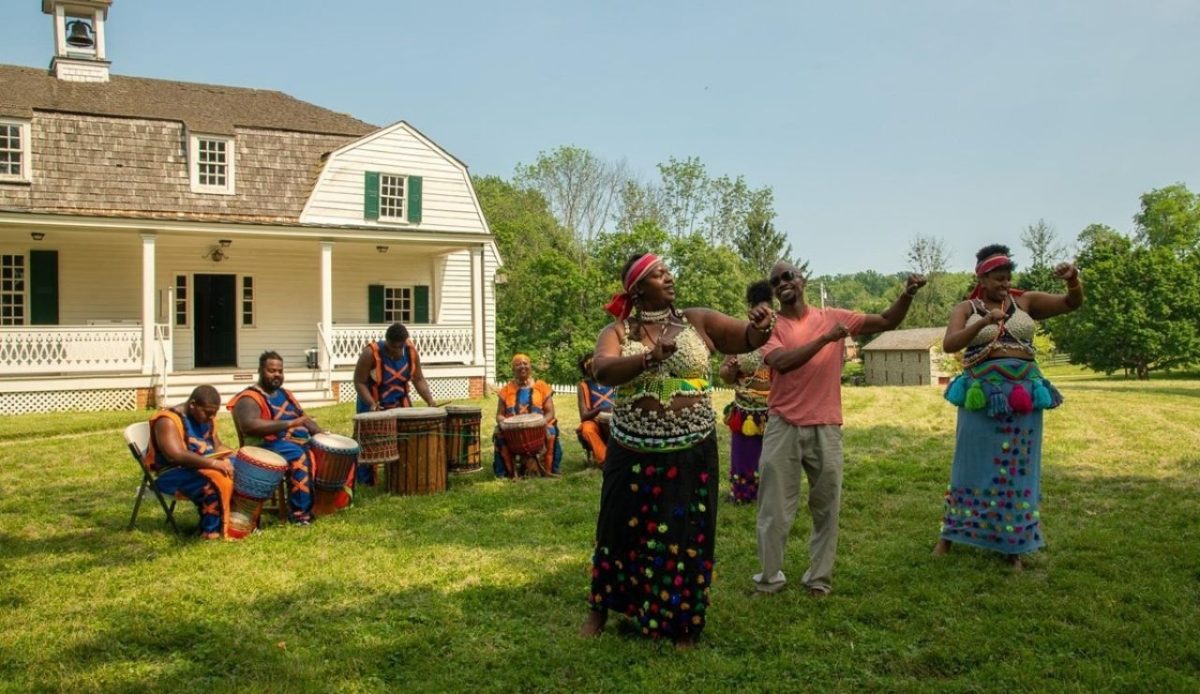
Juneteenth originated in Galveston, Texas, after the announcement of emancipation on June 19, 1865. Early celebrations included prayer, public readings, and shared meals organized by formerly enslaved communities. Over time, gatherings expanded into parades, educational events, and family reunions across the South. Some communities purchased land specifically to host annual observances, ensuring continuity. Today, Juneteenth remains both celebratory and instructional, linking local history to civic awareness. Its endurance comes from organized remembrance that combines tradition, education, and community presence in public spaces.
11. Gulf Coast Crawfish Boils And Viet Cajun Style
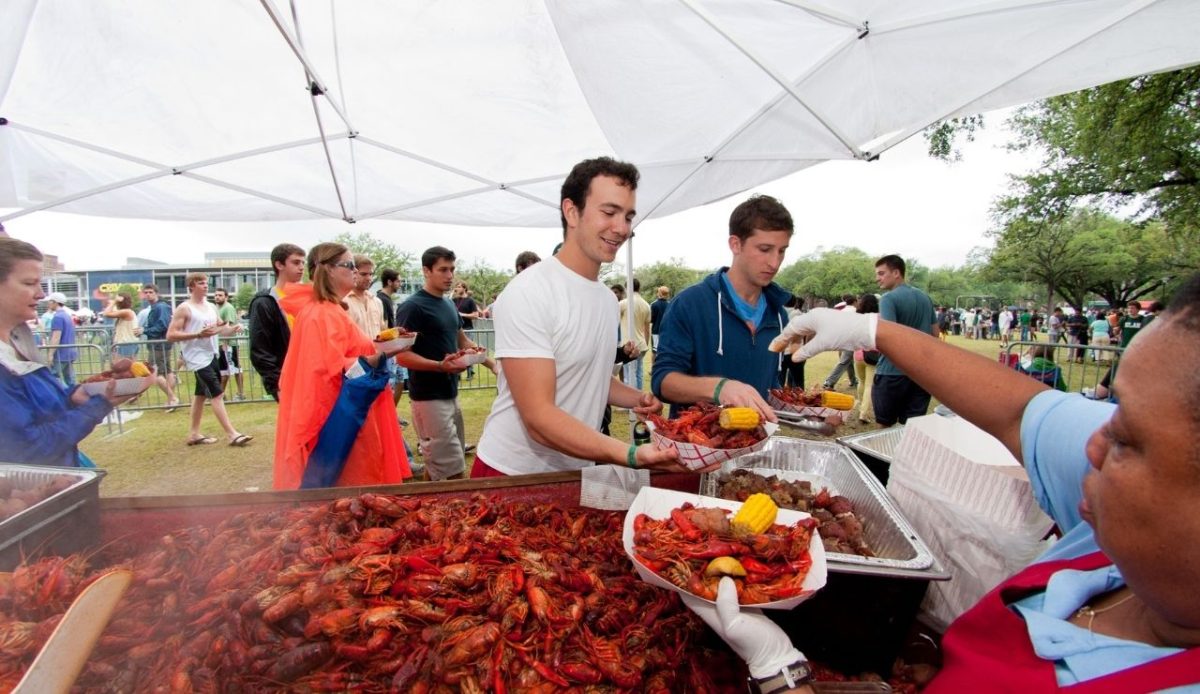
Crawfish boils are seasonal gatherings along the Gulf Coast where seafood is cooked quickly and shared at long tables. Participants peel crawfish by hand, encouraging conversation and instruction between experienced hosts and newcomers. In Houston and nearby areas, Viet Cajun style developed as Vietnamese communities adapted the tradition, using garlic, butter, and spices added after boiling. This variation has become a recognized regional practice rather than a novelty. The boil remains popular because it relies on cooperation, timing, and shared eating, reinforcing social bonds through an interactive food ritual.
