
Sustainable travel is increasingly important for environmentally conscious travelers. Eco-friendly destinations prioritize conservation, renewable energy, and community-based tourism, offering immersive experiences that respect nature and culture. From pristine forests to protected marine areas, these locations show how tourism can benefit local communities while minimizing ecological impact. In this article, we highlight ten destinations leading the way in sustainability, where travelers can enjoy adventure, culture, and nature responsibly, learning how their visits support environmental preservation.
1. Costa Rica

Costa Rica is a pioneer in eco-tourism, with vast rainforests, national parks, and protected wildlife reserves. Travelers can explore cloud forests, volcanoes, and rivers while staying in eco-lodges powered by renewable energy. Conservation programs allow visitors to participate in reforestation, wildlife monitoring, and turtle protection initiatives. Sustainable practices are embedded in local tourism, ensuring minimal environmental impact. Costa Rica’s approach demonstrates how nature-focused experiences can educate travelers and support communities, making it a global example of responsible and immersive eco-friendly travel.
2. Iceland

Iceland combines breathtaking landscapes with a commitment to sustainability. Geothermal energy powers much of the country, and eco-friendly tour operators emphasize low-impact adventures. Travelers can explore glaciers, waterfalls, and volcanic landscapes while supporting initiatives like sustainable hiking and wildlife protection. Local guides teach about fragile ecosystems, responsible tourism, and reducing carbon footprint. Iceland shows that even destinations reliant on tourism can prioritize environmental protection, offering visitors unforgettable experiences that balance awe-inspiring nature with eco-conscious practices.
3. New Zealand

New Zealand is known for eco-conscious policies and sustainable tourism initiatives. National parks, hiking trails, and marine reserves are managed to protect native species and habitats. Visitors can engage in wildlife tours, eco-lodging, and regenerative farming experiences. Community-based tourism ensures benefits reach Māori communities while preserving cultural heritage. Travelers learn to minimize impact through responsible hiking, kayaking, and guided tours. New Zealand exemplifies adventure, education, and sustainability intersecting, providing experiences that inspire environmental stewardship.
4. Bhutan

Bhutan’s commitment to Gross National Happiness includes strict environmental protections and maintaining over 70% forest cover. Travelers can experience eco-lodges, treks, and cultural tours that emphasize low-impact tourism. Festivals, monasteries, and rural villages offer insight into sustainable living and community cohesion. Bhutan restricts visitor numbers, focusing on high-value, low-impact tourism to preserve nature and culture. Visitors witness how environmental mindfulness shapes national identity, offering a travel experience where spirituality, culture, and sustainability coexist harmoniously.
5. Norway

Norway integrates eco-friendly practices into tourism, emphasizing renewable energy, responsible hiking, and conservation. Travelers can explore fjords, glaciers, and northern lights excursions while staying in eco-certified accommodations. Sustainable transportation, such as electric ferries and trains, reduces environmental impact. Outdoor activities like kayaking, cycling, and guided wildlife tours focus on education and preservation. Norway ensures travelers enjoy natural beauty while supporting local communities and protecting fragile ecosystems, inspiring environmentally responsible adventure.
6. Kenya

Kenya combines wildlife conservation with sustainable tourism initiatives. National parks and reserves implement anti-poaching measures and community-based eco-lodges. Travelers can go on safari with guides emphasizing ethical wildlife interactions, supporting local communities through revenue-sharing and education. Conservation-focused tours allow participation in reforestation, wildlife monitoring, and cultural experiences with Maasai and other indigenous groups. Kenya demonstrates how responsible tourism can protect ecosystems, benefit communities, and create memorable adventures while preserving heritage for future generations.
7. Slovenia

Slovenia is a European leader in sustainable tourism, featuring eco-friendly cities, protected landscapes, and green transportation. Travelers can explore Triglav National Park, cycle through lush valleys, or stay in eco-lodges prioritizing energy efficiency and waste reduction. Local initiatives promote slow travel, organic cuisine, and cultural preservation. Educational programs teach visitors about biodiversity, water conservation, and sustainable development. Slovenia shows how small destinations can implement effective eco-tourism policies, allowing travelers to enjoy nature responsibly while supporting local communities.
8. Palau
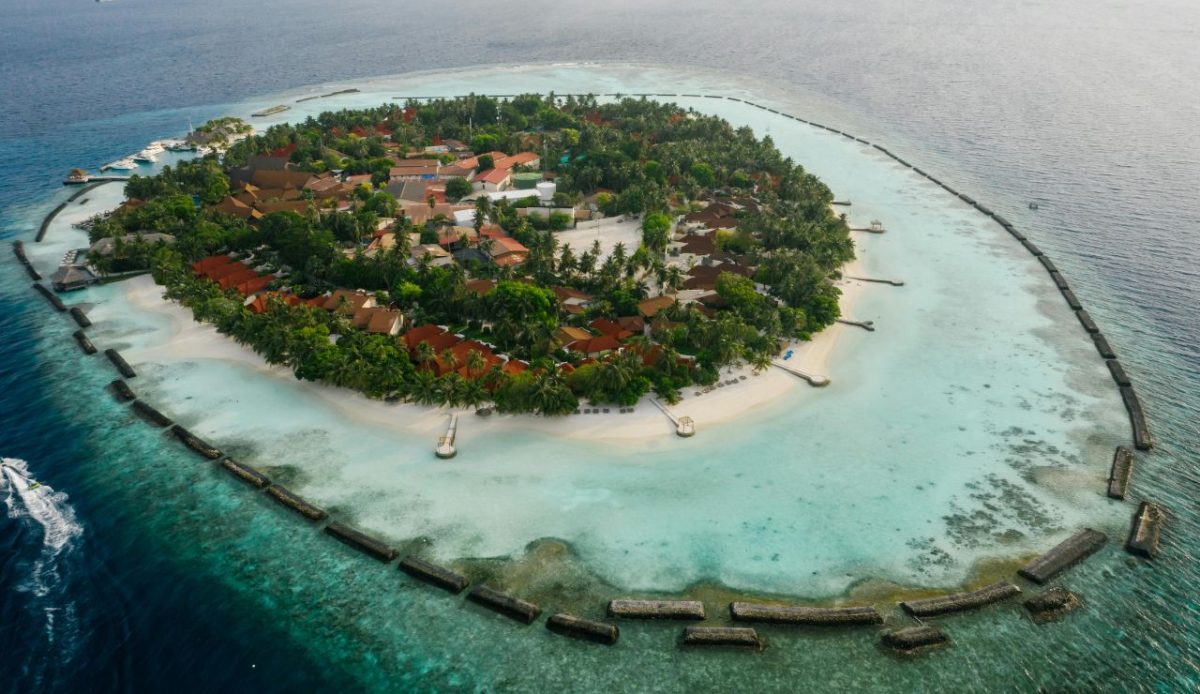
Palau, an island nation in the Pacific, is renowned for its marine conservation efforts. The country restricts fishing, enforces sustainable tourism, and protects coral reefs. Travelers can snorkel, dive, or kayak in crystal-clear waters while learning about marine ecosystems and conservation initiatives. Local guides emphasize low-impact practices to preserve biodiversity. Palau demonstrates how destinations dependent on natural resources can balance tourism with sustainability, offering immersive experiences that educate visitors, support communities, and ensure the long-term health of fragile coastal and marine environments.
9. Portugal

Portugal is increasingly recognized for eco-friendly tourism, with green hotels, sustainable surf schools, and protected natural areas. Visitors can explore national parks, coastal cliffs, and renewable energy projects. The country emphasizes responsible travel, offering cycling routes, hiking trails, and eco-certified accommodations. Local communities benefit from sustainable tourism programs, preserving culture and landscapes. Travelers experience authentic, low-impact adventures while learning about conservation efforts. Portugal exemplifies how Europe can combine natural beauty, adventure, and sustainability.
10. Galápagos Islands, Ecuador
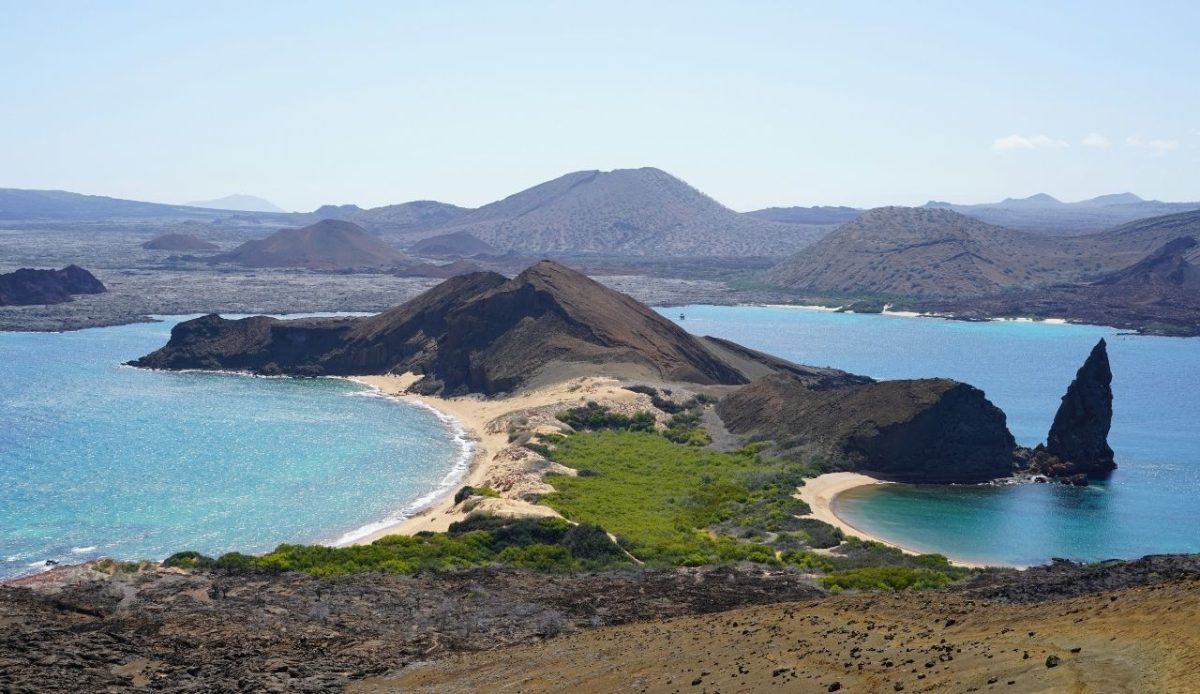
The Galápagos Islands are a prime example of eco-tourism balancing nature and visitation. Strict regulations protect unique species and habitats, limiting visitor numbers and promoting guided tours. Travelers can snorkel, hike, and observe wildlife with minimal impact. Conservation programs educate about biodiversity, invasive species control, and habitat restoration. Local guides and eco-lodges prioritize sustainable practices. The Galápagos demonstrate how tourism can coexist with fragile ecosystems, giving travelers a chance to experience rare wildlife while contributing to conservation and sustainable travel.
