
Mongol culture, with its rich history of nomadic traditions, horseback riding, and communal life, continues to influence parts of Central Asia today. From architecture and festivals to daily rituals and cuisine, remnants of the Mongol Empire’s legacy shape how communities live, celebrate, and interact. Travelers can witness centuries-old practices preserved in rural and urban areas, where ancient customs coexist with modern life. In this article, we explore seven destinations where Mongol heritage still impacts daily life, offering immersive experiences for those seeking cultural depth beyond history books.
1. Ulaanbaatar, Mongolia
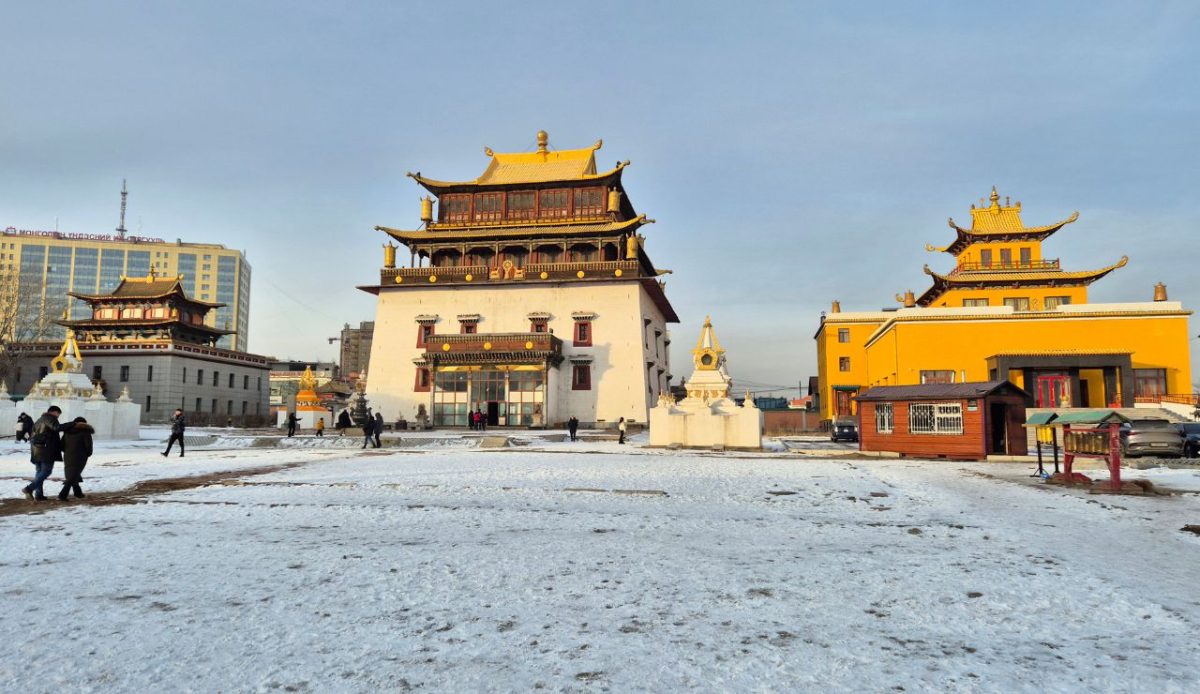
Ulaanbaatar, Mongolia’s capital, blends modern urban life with traditional Mongol culture. Yurts (gers) still appear on city outskirts, and local markets offer traditional foods like buuz dumplings and dairy products. Festivals such as Naadam celebrate horse racing, wrestling, and archery, preserving ancient customs. Despite contemporary development, residents maintain nomadic connections through family traditions, seasonal migration, and cultural practices. Travelers notice how modern buildings coexist with centuries-old practices, creating a city where Mongol heritage remains visible and deeply integrated into daily urban routines.
2. Karakorum, Mongolia
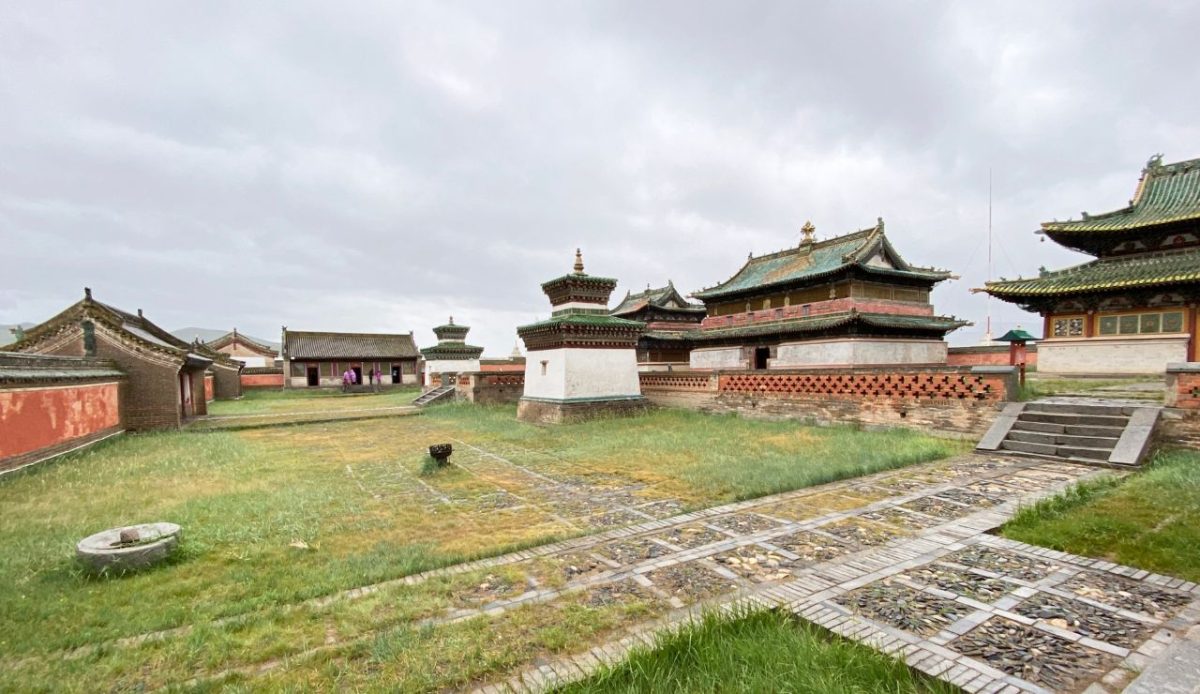
Karakorum, once the Mongol Empire’s capital, retains its historical and cultural significance. Ruins of temples, fortresses, and monasteries are interwoven with small villages where traditions persist. Local communities practice herding, horseback riding, and crafts passed down through generations. Festivals and local rituals continue to honor Mongol history. Travelers can interact with residents who maintain oral storytelling traditions and traditional cuisine. Karakorum provides a rare glimpse into the enduring influence of Mongol culture, showing how ancient practices are preserved while integrating with modest modern developments.
3. Kharkhorin, Mongolia
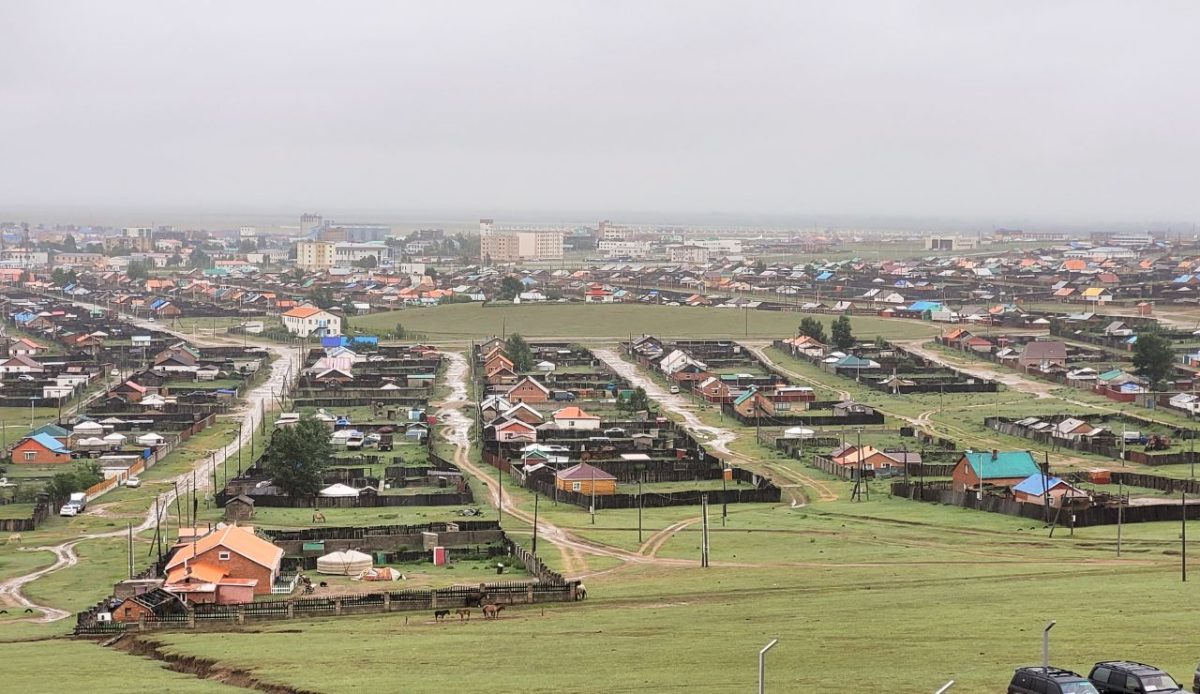
Kharkhorin, near the Orkhon Valley, showcases Mongol culture through daily life and historic landmarks. The Erdene Zuu Monastery, built atop Karakorum ruins, blends spiritual traditions with Mongol architecture. Local nomadic families continue herding livestock, maintaining seasonal migration and yurt living. Traditional crafts, music, and cuisine are integral to the community. Travelers observe how everyday activities reflect centuries-old patterns, from horse care to communal meals. Kharkhorin offers an immersive experience where history, religion, and lifestyle merge, showing Mongol culture alive in ceremonial and ordinary moments.
4. Terelj National Park, Mongolia
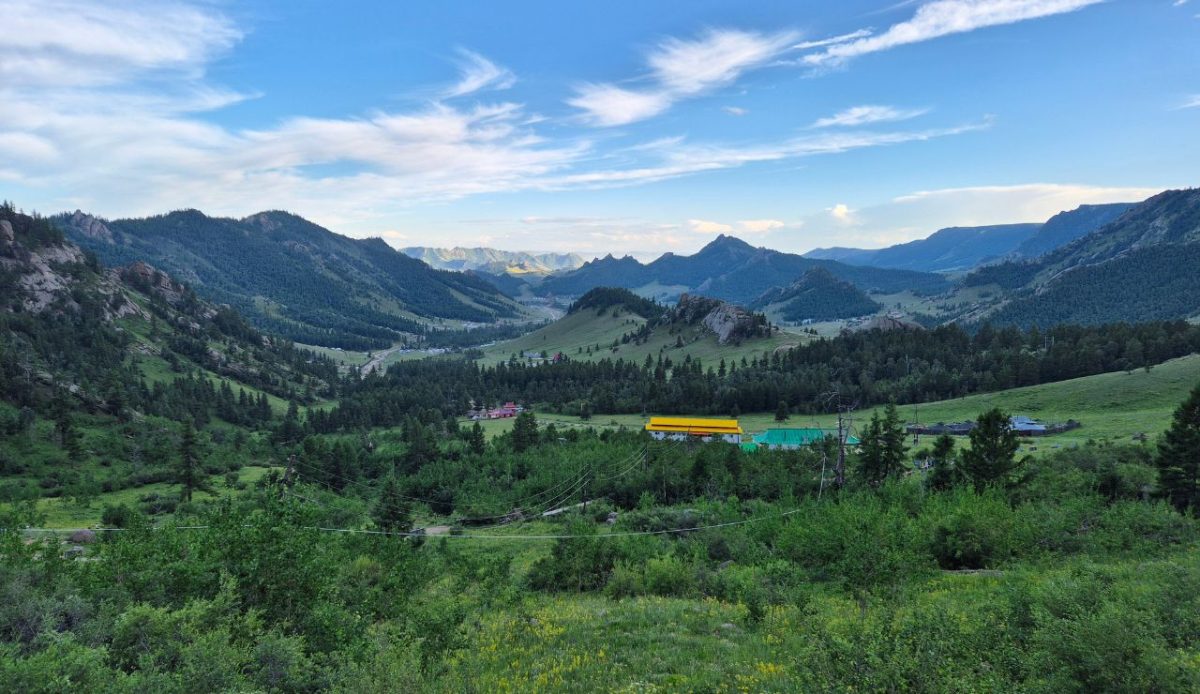
Terelj National Park combines breathtaking landscapes with living Mongol traditions. Nomadic families camp in gers, herd livestock, and welcome travelers to share meals and participate in daily routines. Horseback riding and archery offer insight into traditional skills essential to Mongol heritage. Seasonal festivals celebrate community, music, and dance, connecting visitors to centuries-old customs. The park’s natural beauty complements cultural immersion, allowing travelers to experience Mongolia’s unique lifestyle firsthand. Terelj exemplifies how Mongol culture thrives outside urban centers.
5. Orkhon Valley, Mongolia
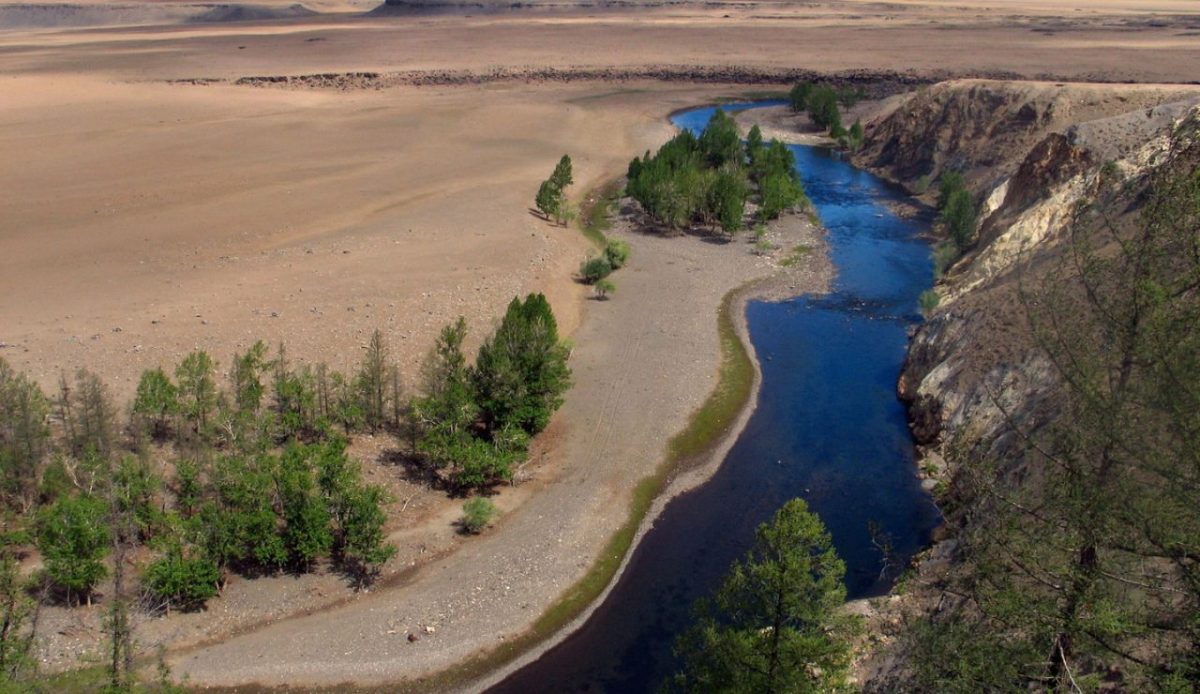
The Orkhon Valley, a UNESCO World Heritage site, is both a historical and cultural heart of Mongolia. Ancient burial mounds, fortresses, and temples coexist with pastoral communities maintaining nomadic lifestyles. Horseback riding, dairy production, and traditional music are integral to daily life. Festivals honor ancestral spirits and historical events, linking past and present. Travelers can observe storytelling, horsemanship, and crafts practiced centuries ago. The Orkhon Valley illustrates how geography, history, and culture combine to preserve Mongol heritage in a living, breathing environment for visitors.
6. Khovd Province, Mongolia
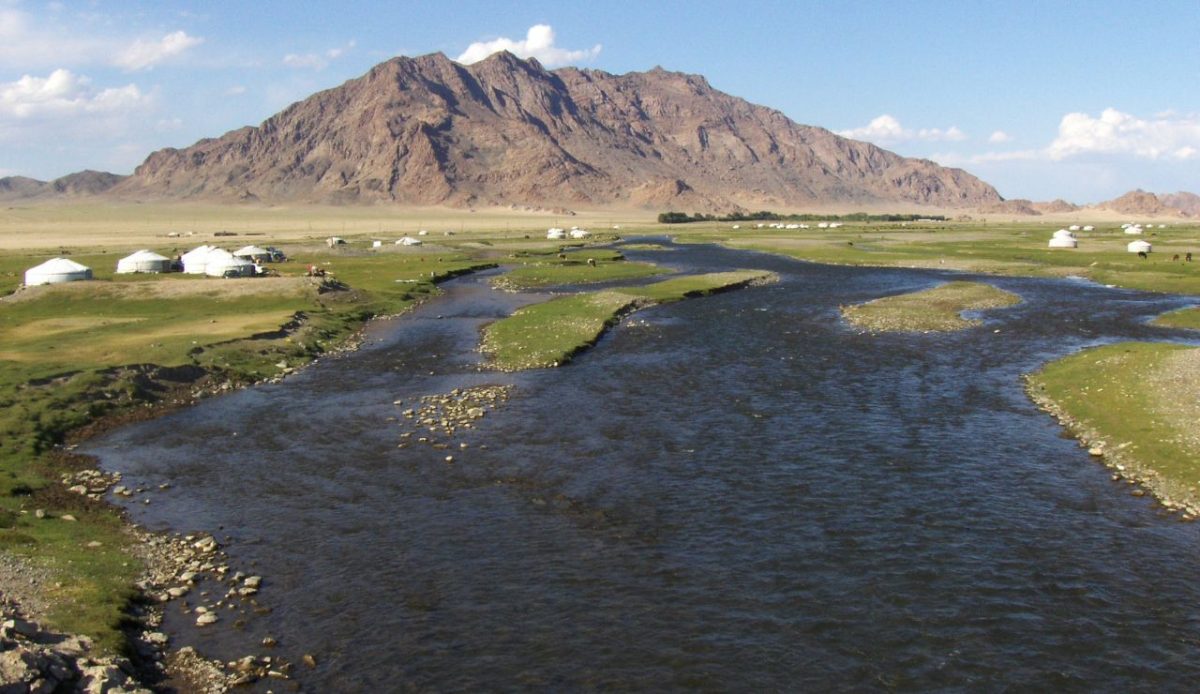
Khovd Province, located in western Mongolia, is a region where Mongol traditions remain remarkably intact. Diverse ethnic groups maintain unique customs, including traditional clothing, music, and horsemanship. Nomadic herding dominates livelihoods, with families moving seasonally and living in gers. Local markets and festivals display Mongol cuisine, handicrafts, and competitive sports like wrestling. Travelers notice how daily routines, from cooking to livestock care, are influenced by practices passed down through generations. Khovd shows how Mongol culture continues to shape social structures and personal life across a vast, rugged landscape.
7. Bayankhongor, Mongolia
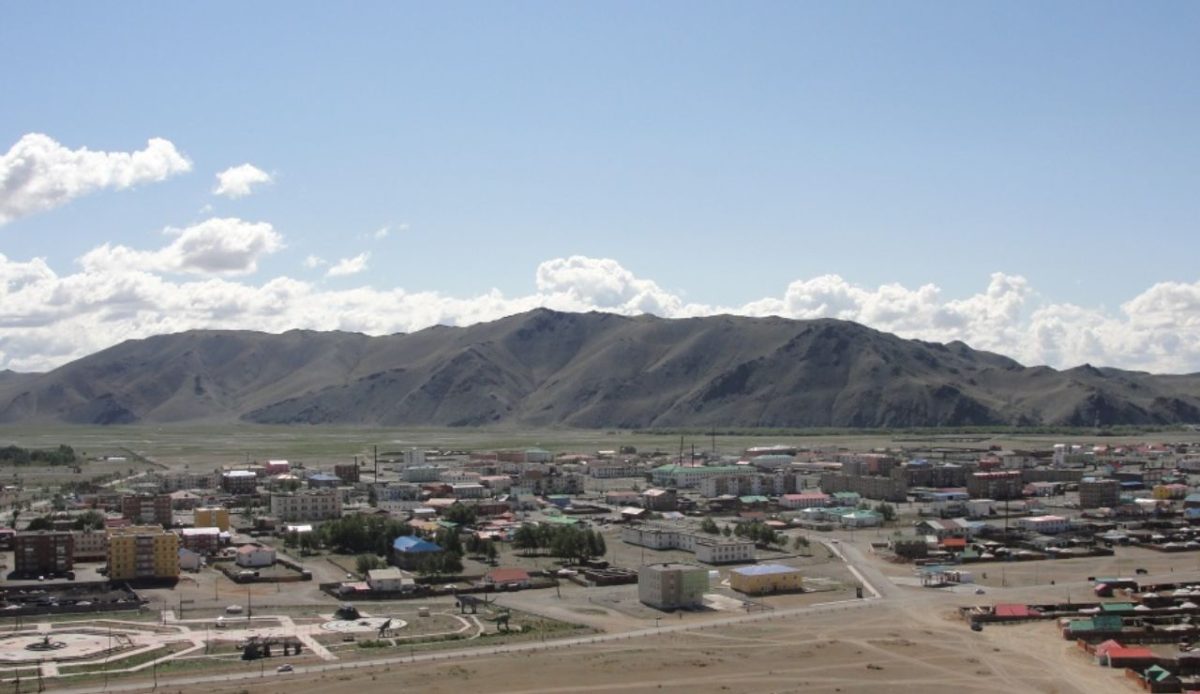
Bayankhongor Province offers an authentic glimpse into Mongolia’s nomadic heritage, with communities maintaining yurt living, herding traditions, and seasonal migration. Festivals celebrate traditional sports, music, and horse riding, preserving cultural identity. Residents continue crafts, including leatherwork, weaving, and traditional cooking. Travelers can witness how daily routines, from milking livestock to communal meals, remain influenced by centuries-old Mongol practices. Bayankhongor shows that even in a modernizing world, ancient Mongol traditions continue to shape lifestyle, community, and identity.
