
Winter travel on big snow terrain is not just a longer hike with thicker clothing. Route finding can be lost in flat light, and small errors can turn into emergencies when the wind rises or temperatures drop. The treks below involve glaciers, ice caps, or very high passes where rescue may be delayed, and camps must be managed safely for days. They are best suited to travelers who already know avalanche basics, cold injury prevention, and how to move confidently on snow with the right tools. Many of these routes also require roped glacier travel, sled hauling, and strict decision-making when forecasts shift, so experience is expected, not optional.
1. Greenland Ice Cap Crossing
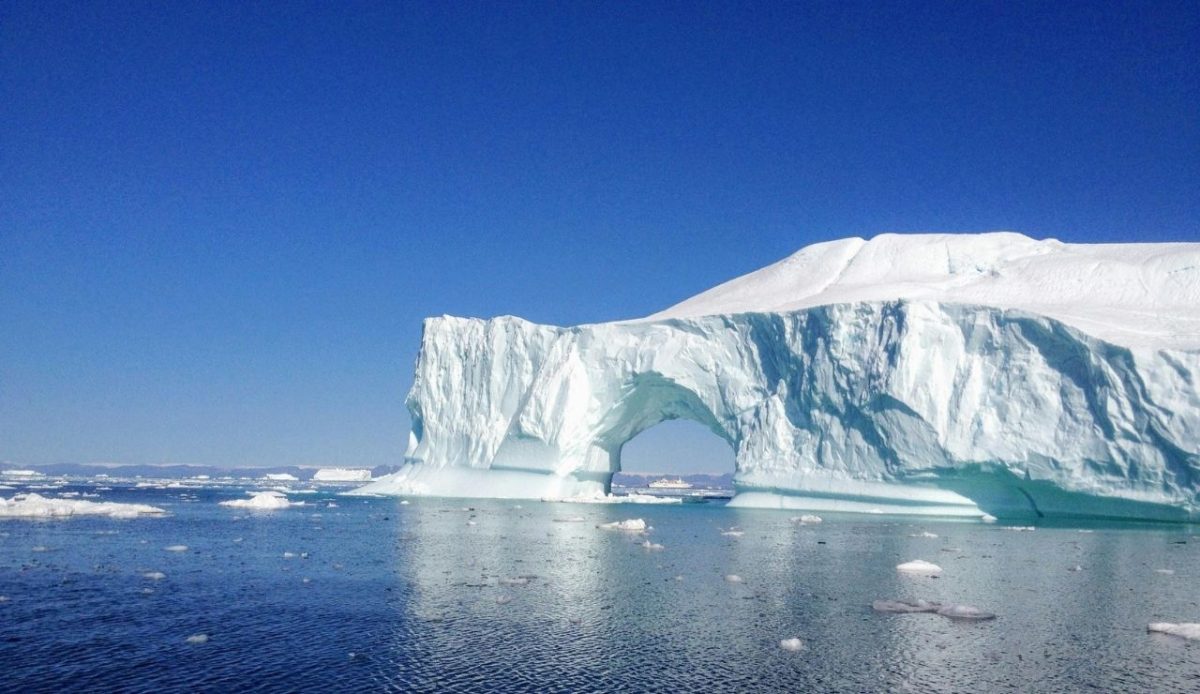
Greenland’s inland ice is crossed on skis while a loaded pulk is pulled for days in a row, often with no landmarks to confirm direction. Whiteouts are common, so navigation must be done by compass, GPS, and disciplined pacing. Near the margins, crevasse zones can be encountered, and safe lines must be chosen. Stoves, fuel, and food are carried for the full push, and storms may force tent-bound rest. Cold injury is avoided through dry layers, steady hydration, and reliable shelter systems. If a binding breaks or a stove fails, repairs must be done on the spot. With aircraft access weather limited, self-rescue planning is part of the route.
2. Svalbard Crossing To Newtontoppen
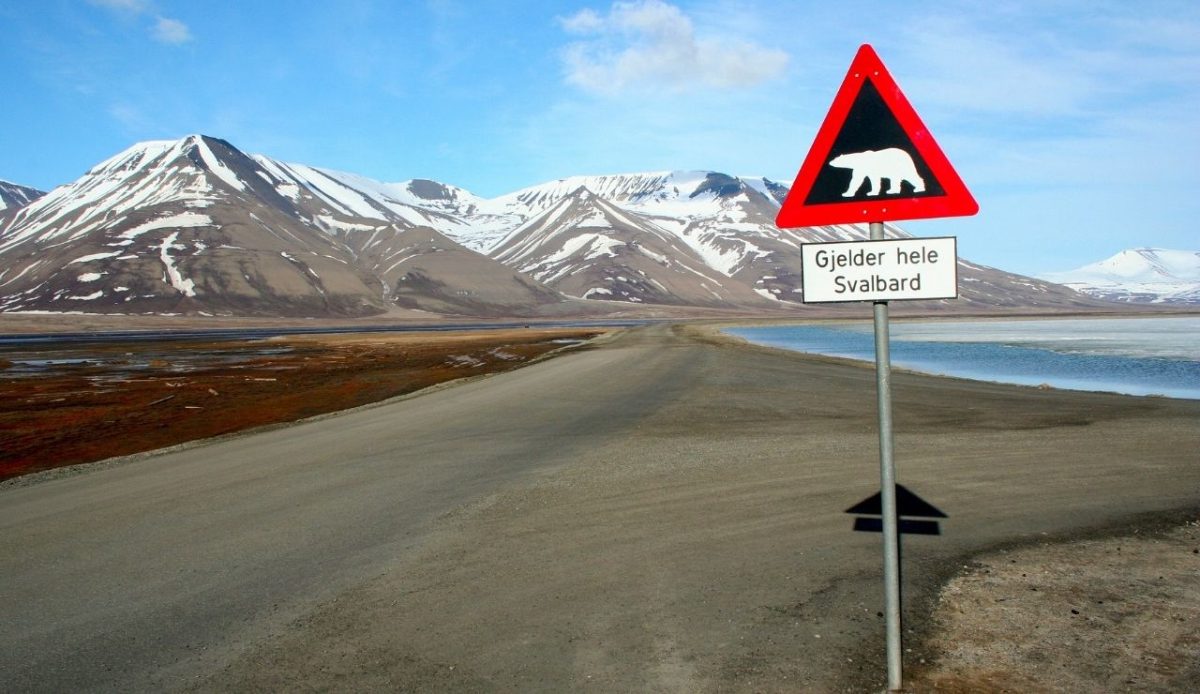
A Svalbard ski crossing toward Newtontoppen combines Arctic travel with a real wildlife threat. Outside Longyearbyen and other settlements, a polar bear watch is kept at camp and during breaks, and deterrent protocols are followed. Pulks carry tents, food, and fuel, since shelters are not available along most lines. The weather can swing from clear to zero visibility fast, so strict navigation habits are required. Glaciers and sea ice may be used, which means crevasse awareness and ice judgment are needed. Satellite contact is planned, yet self-care and steady camp routines must hold. Fatigue is managed early.
3. Southern Patagonian Ice Field Traverse
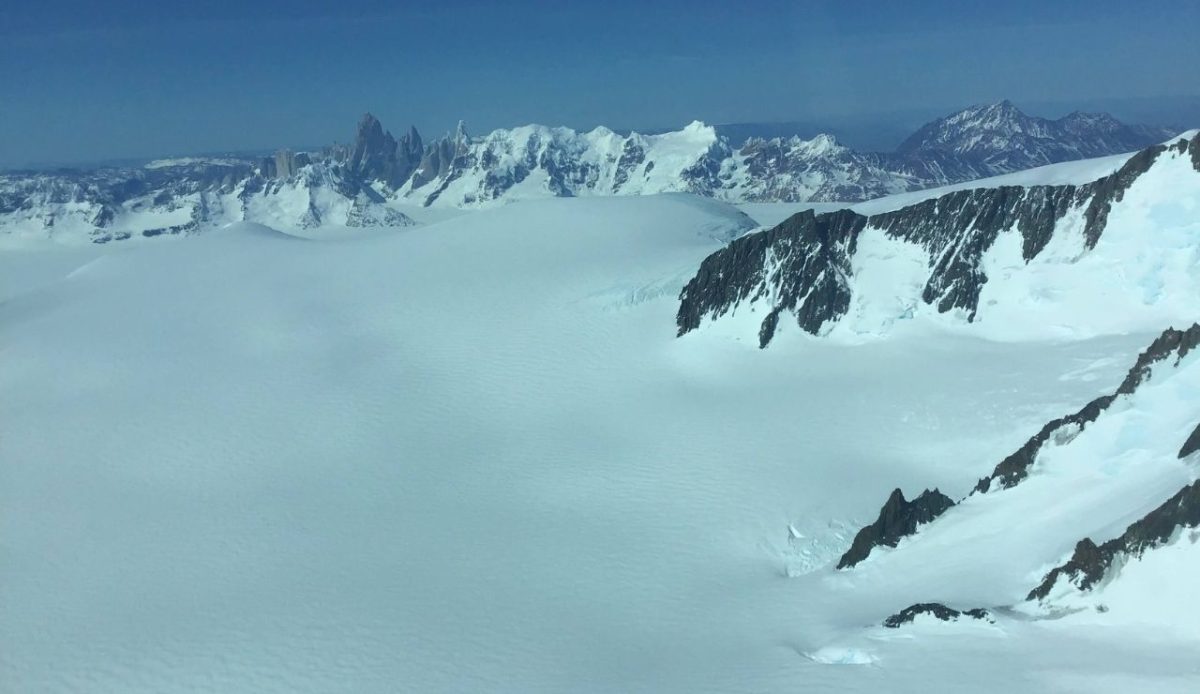
The Southern Patagonian Ice Field traverse is a committed glacier expedition where wind and storms set the schedule. Teams move roped across broken ice, probing snow bridges and choosing lines around crevasse mazes. Camps are built on snow with anchors that must hold in sustained gusts, and whiteouts can erase contrast for hours. Loads are heavy because food and fuel are carried between distant access points. When weather pins a group down, rationing and morale management are tested. Because retreat routes are complex, only seasoned parties should attempt it. Navigation is done by waypoints, while map skills remain a backstop if devices fail.
4. Vatnajökull Ice Cap Traverse
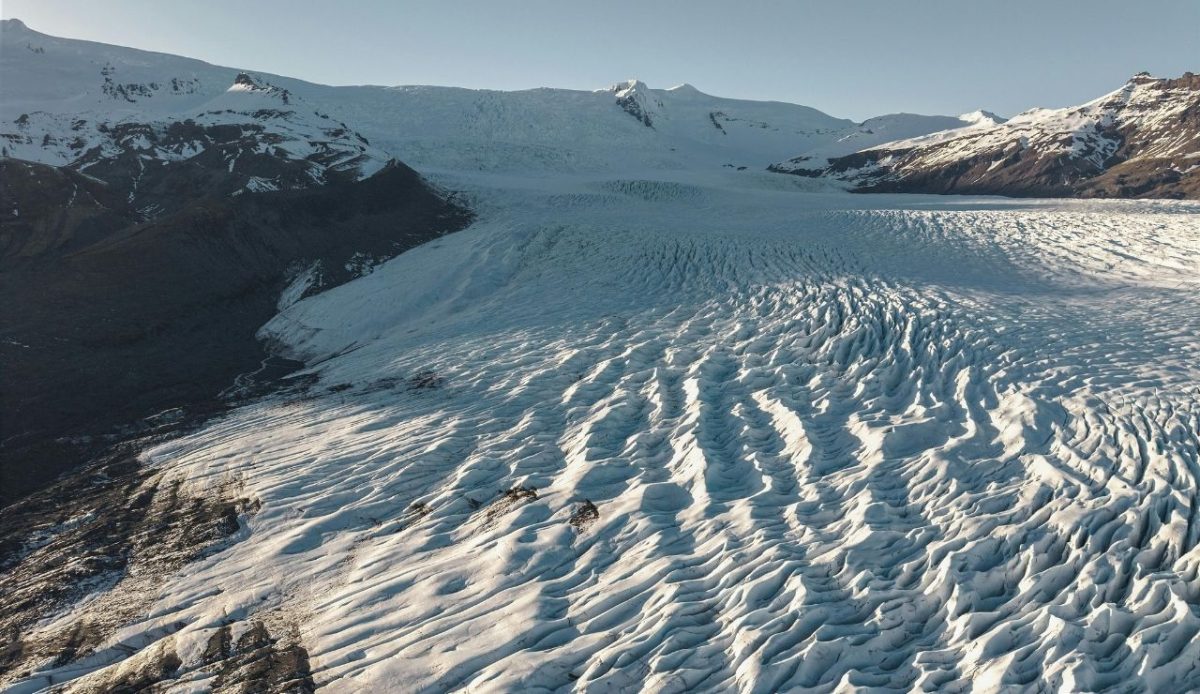
A Vatnajökull traverse in winter is deceptive because the surface can look smooth while hazards sit beneath fresh snow. Wind-driven spindrift and long whiteouts are routine, so direction must be held by instruments and careful timing. Crevasses are present on many outlet glacier zones, and safe spacing and rope systems may be required on certain lines. Sled hauling over hard sastrugi adds strain to knees and hips. If conditions worsen, turning back is not always simple because landmarks vanish. Teams with glacier training and strong cold camp practice are the right match for this route. Night travel is sometimes chosen.
5. Biafo Hispar Snow Lake Traverse
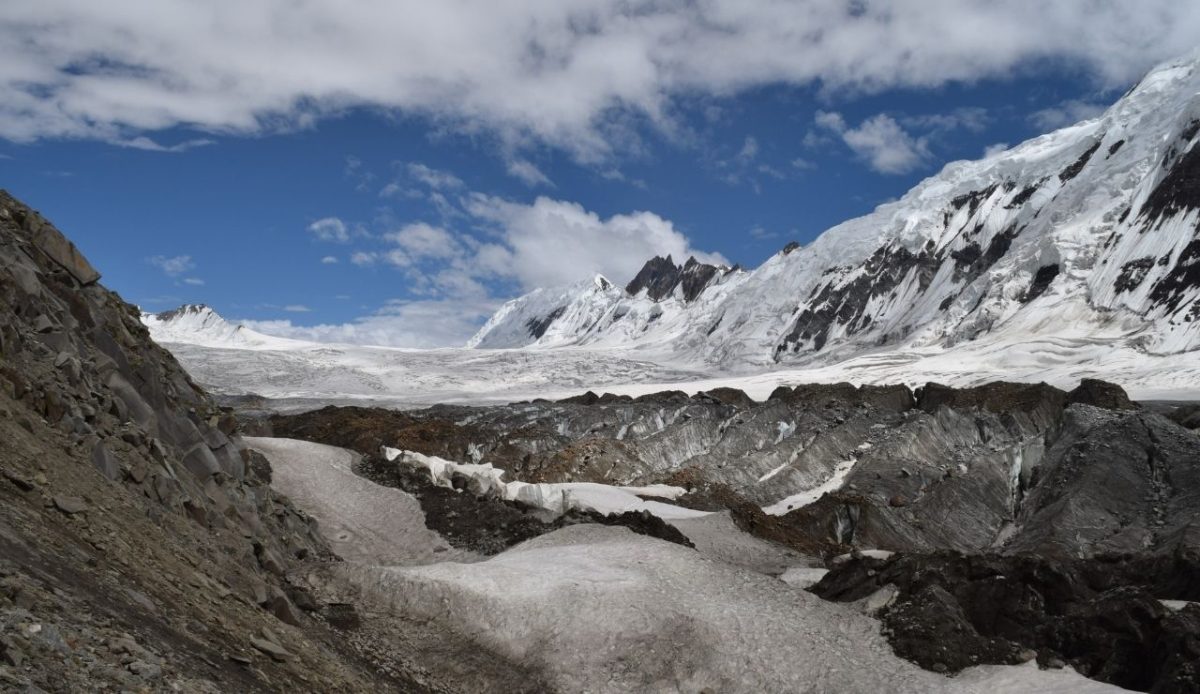
The Biafo Hispar Snow Lake crossing links two vast Karakoram glaciers through remote terrain far from quick help. Days are spent on ice, snow, and loose moraine, with stream crossings and shifting seracs adding risk. Altitude builds fatigue, so pace control and acclimatization planning matter as much as fitness. Camps are placed on glacier surfaces where melt patterns can change footing overnight. Because the trek is long and resupply is limited, food planning must be conservative, and gear repairs must be handled in the field. Prior high altitude trekking plus glacier sense are expected. The weather can close passes.
6. Bhutan Snowman Trek
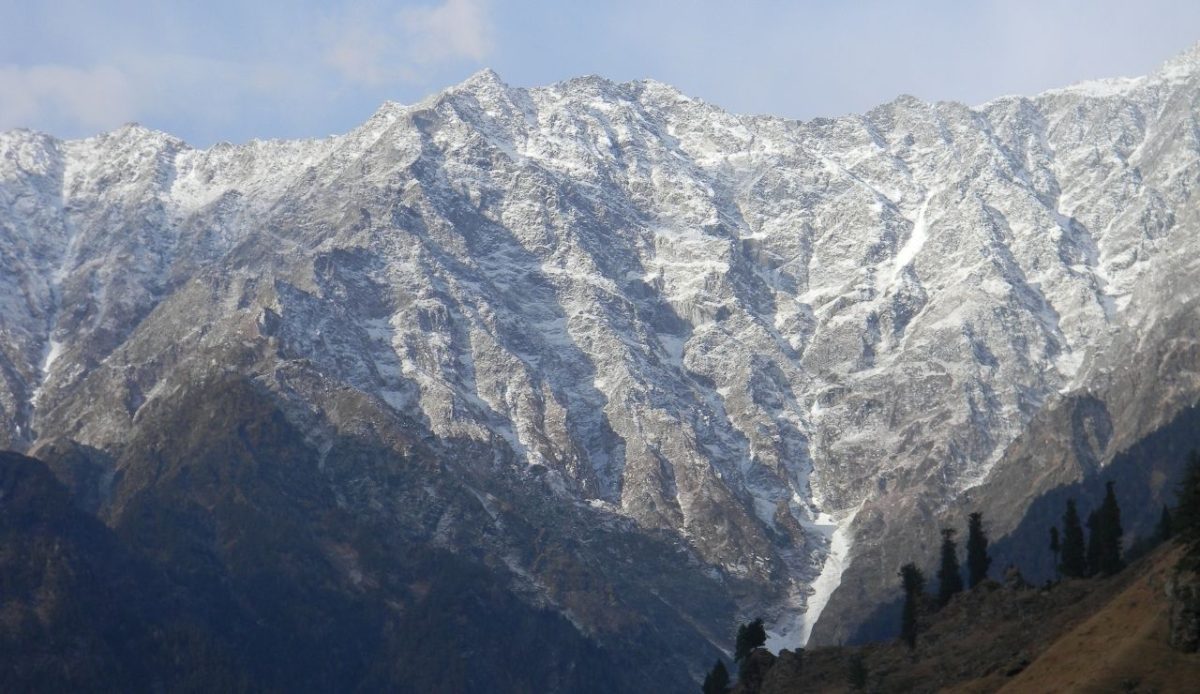
Bhutan’s Snowman Trek crosses a string of high passes where snow can block routes even during planned windows. Multiple days above five thousand meters raise the odds that headaches, nausea, or sleep loss will be felt, and decisions must be made early. Resupply points are scarce, so packs and animal loads must cover long stretches. Storms can shut a pass and force a reroute, and guides may turn groups around for safety. Because evacuation is slow and permits are controlled, only trekkers with proven altitude history and steady pacing habits should attempt this demanding circuit. Nights can drop well below freezing.
7. Wapta Traverse
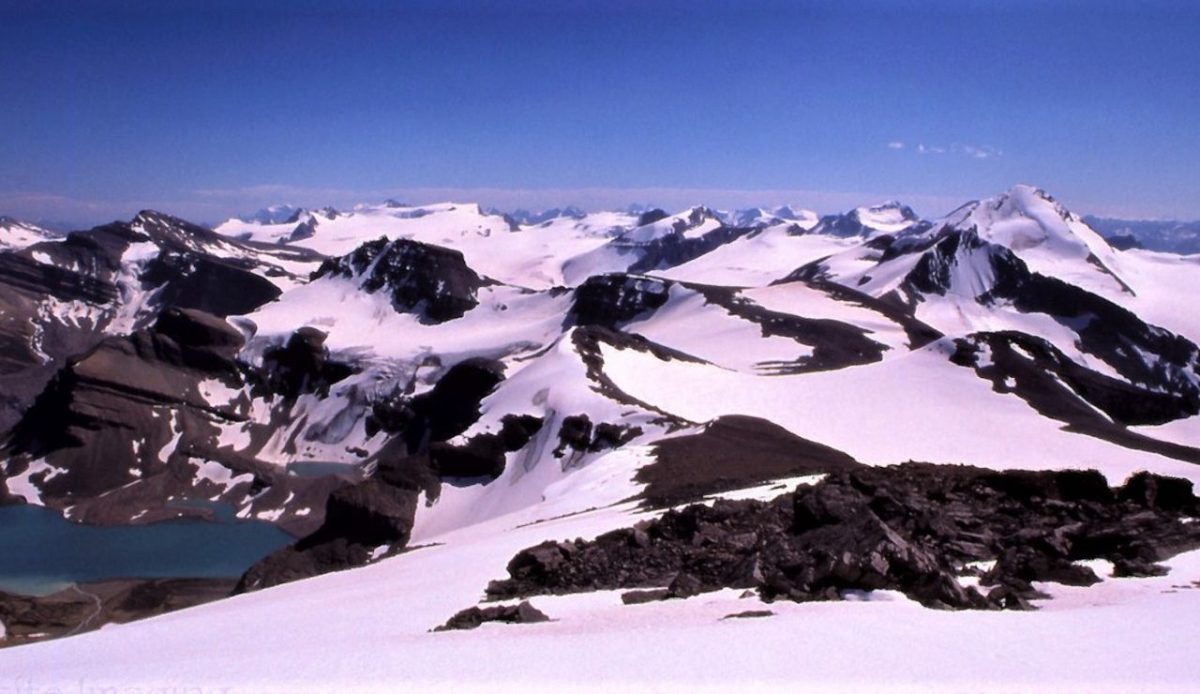
The Wapta Traverse is a hut-to-hut ski route across the Wapta Icefields, but it remains serious winter terrain. Parties travel on glaciers where crevasses can be hidden by wind slab, so rope skills and rescue practice are needed. Avalanche conditions change quickly with storms, and route choices must be made with terrain traps in mind. Even with huts, whiteouts can delay movement and force extra nights, so food margins must be planned. Because help may be delayed by weather, strong partners, solid leadership, and conservative decision-making are required throughout the trip. Travel usually starts early.
8. Chamonix To Zermatt Haute Route
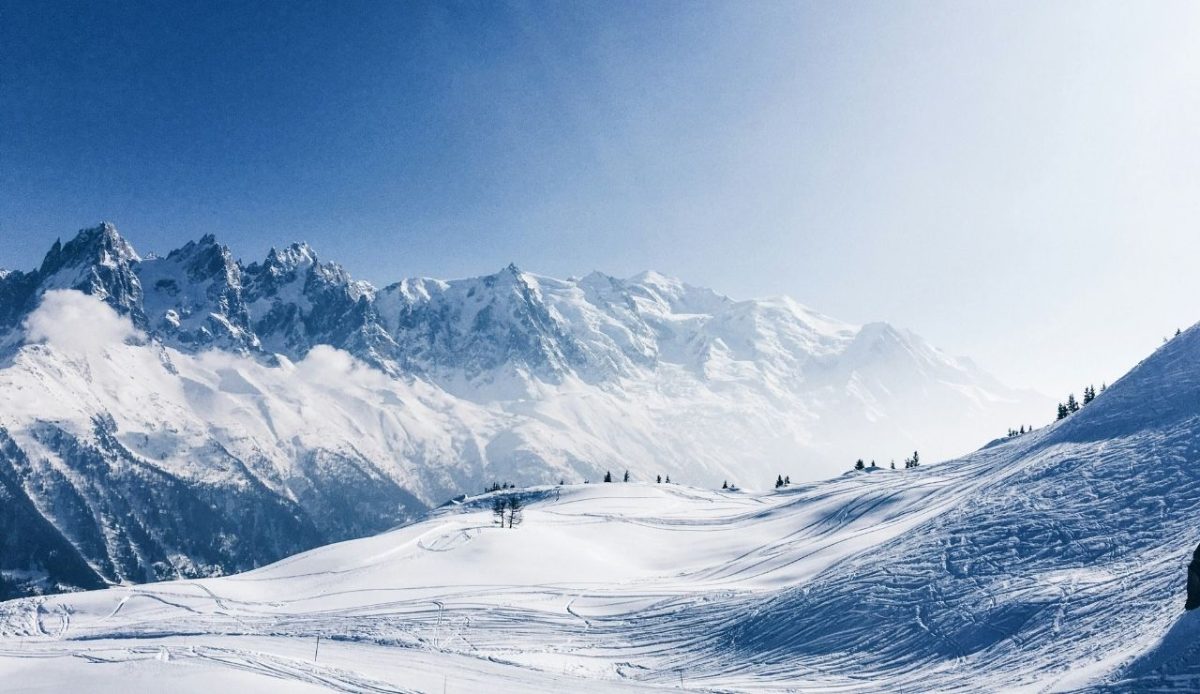
The Chamonix to Zermatt Haute Route on skis links two major Alpine valleys through high cols and glacier basins. Crevasses are common, and avalanche exposure can be significant depending on the season, so daily plans must track snowpack and temperature. Navigation is complex in flat light, and a wrong line can put a team under seracs or onto unsafe slopes. Many days are long, with sustained climbs that punish poor pacing. Although guides can be hired, the route is best for travelers who already understand glacier travel, efficient transitions, and emergency response in winter mountains. Weather windows are narrow.
9. Sarek Winter Crossing
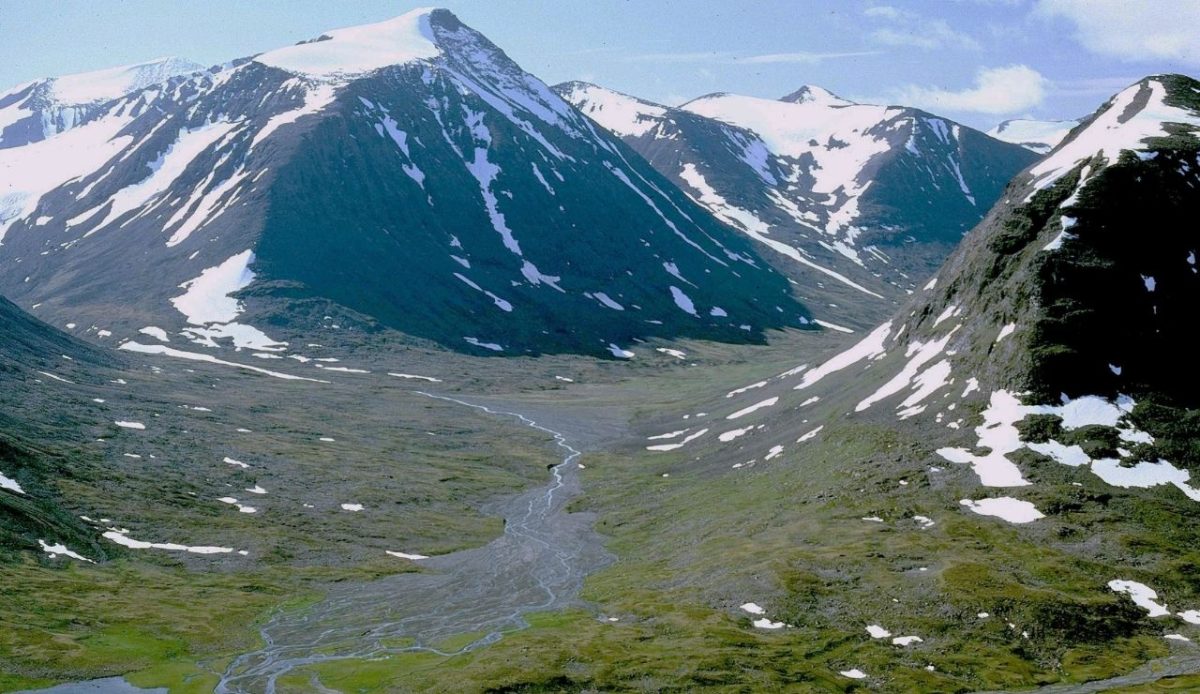
A winter crossing of Sweden’s Sarek is done without marked trails, staffed huts, or easy escape routes. Travelers pull pulks through deep snow, ford or bridge frozen rivers, and pick campsites that will not drift in overnight. Forecasts can be limited, and sudden wind can erase tracks quickly, so navigation must be constant and conservative. Cold management is a daily task, since wet gloves or boots can end the trip. Because rescue may take a long time, only people with strong winter camping skills and proven judgment should take on Sarek in midwinter. Injury care, stove repair kits, and spare tent parts are carried to keep the group going.
10. Kalindi Khal Trek
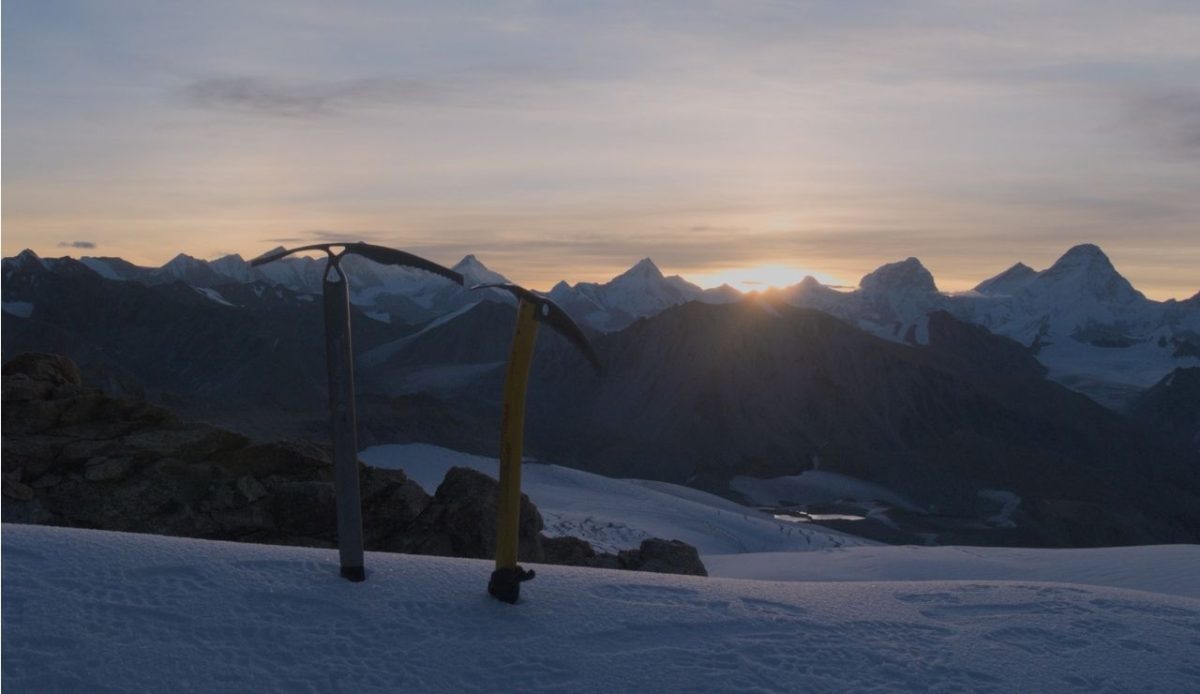
Kalindi Khal is a high Himalayan trek that links the Gangotri area with the Badrinath side through glaciated basins and a very high pass. Long stretches are traveled on snow and ice, where crampon work and safe spacing can be required. Altitude makes small issues larger, and acclimatization must be planned with rest days and conservative climbs. Camps are set on glacier surfaces, so drainage and tent placement must be chosen with care. Because the weather can shut the route and evacuation is difficult, this trek suits only experienced high altitude travelers with solid snow travel skills and calm decision making.
