
World War II sites can change how people understand the conflict because the evidence remains in real streets, rooms, and shorelines. Archives, preserved structures, and curated artifacts keep these locations tied to documented events, not legend. Travelers often feel the weight of choices made by states and armies when they see names, damage patterns, and personal items left behind. The places below were selected for direct wartime relevance, strong preservation, and clear interpretation that connects visitors to specific outcomes. Plan for timed entry, follow site rules, and expect material that is demanding but historically precise.
1. Auschwitz Birkenau Memorial and Museum, Poland
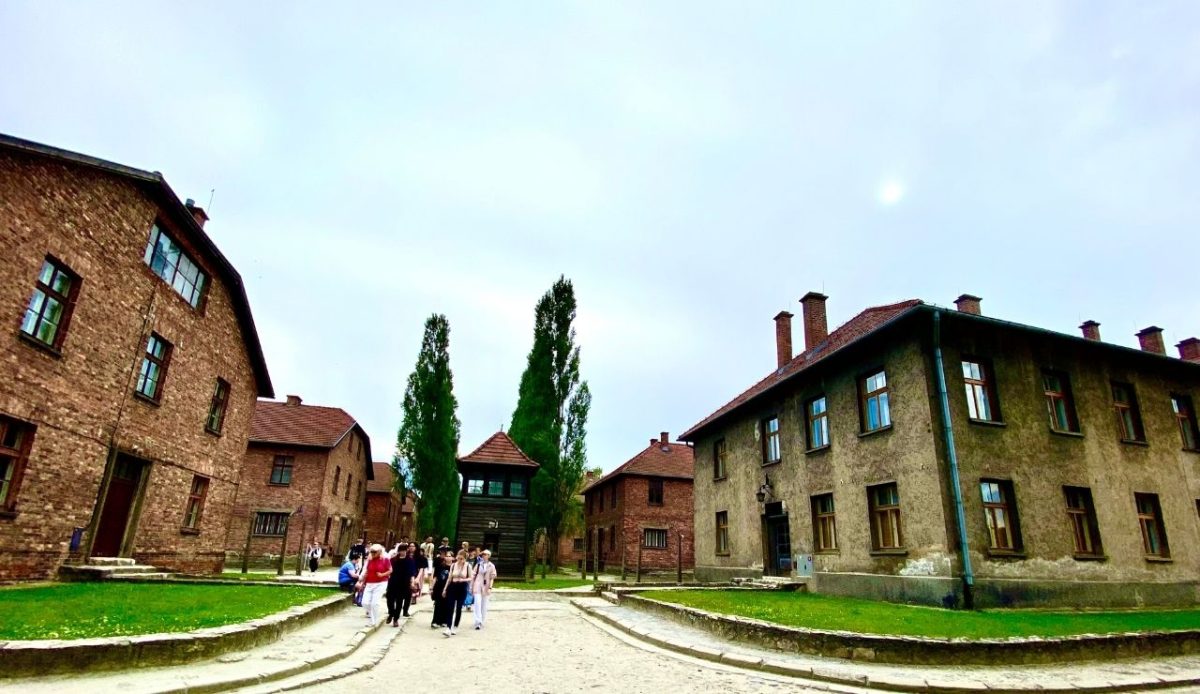
At Auschwitz-Birkenau in Oswiecim, visitors face an intact record of Nazi imprisonment and mass murder from 1940 to 1945. Original barracks, guard posts, and the rail approach show how deportations were processed. Displays are built from transport lists, camp files, and belongings taken from victims, so claims can be checked against sources. Much of the complex has been kept conserved, allowing the physical trace of the crimes to remain visible and testable. Guided interpretation explains why certain ruins were left as they were, and why conservation is prioritized over rebuilding for comfort.
2. Normandy American Cemetery, France
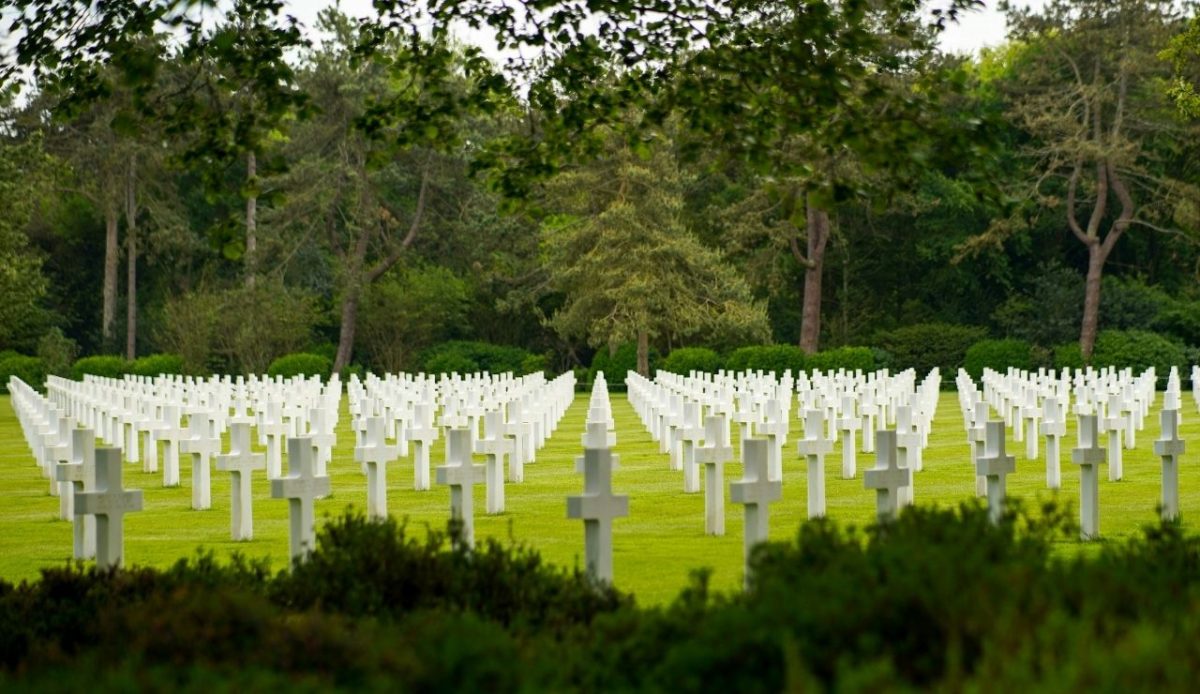
Normandy American Cemetery at Colleville-sur-Mer overlooks Omaha Beach, linking the burial ground to the landing zone of June 6, 1944. Rows of markers and the Wall of the Missing document loss during the invasion and later fighting in France. ABMC maps and tablets summarize units, objectives, and casualty totals, so visitors can place a name within a specific operation. The setting makes the distance from surf to bluff clear, and the cost of gaining it is not abstract. A visitor center provides context on the campaign timeline, while site staff maintain records that connect families to confirmed burial locations.
3. Pearl Harbor National Memorial, United States
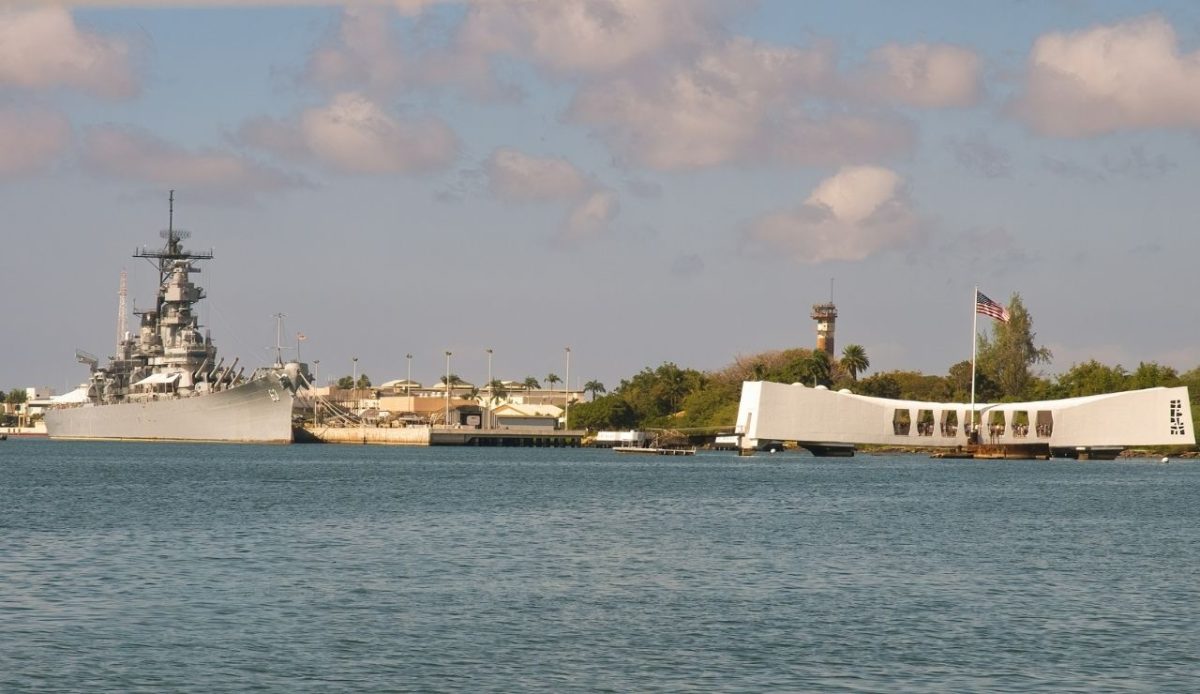
Pearl Harbor on Oahu is visited to understand the December 7, 1941, attack and the rapid shift it forced in U.S. policy. Exhibits use ship logs, photographs, and eyewitness accounts to explain what happened across the harbor that morning. Reaching the USS Arizona Memorial places visitors above a sunken battleship where many sailors were killed and remain entombed. The experience is framed around verified facts, not spectacle, and it clarifies why the Pacific war expanded so quickly afterward. Nearby exhibits also outline defense planning, intelligence limits, and the chain of decisions that led from shock to mobilization.
4. Hiroshima Peace Memorial, Japan
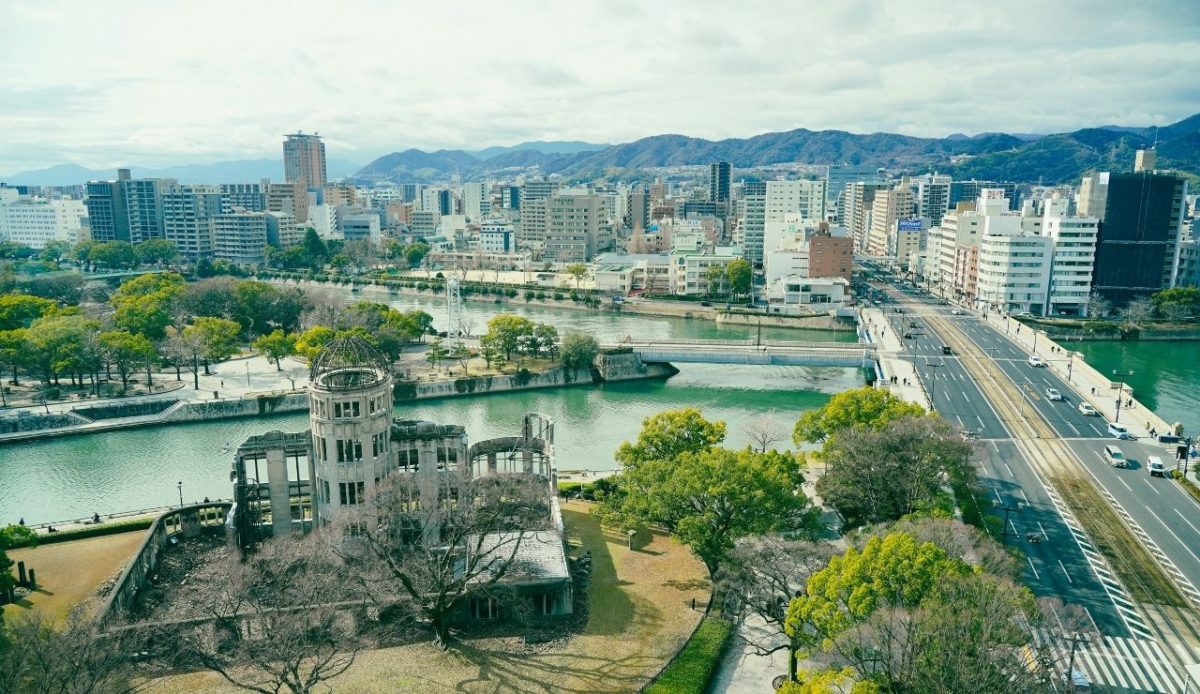
Hiroshima Peace Memorial Park centers on the Genbaku Dome, preserved near the atomic blast’s hypocenter on August 6, 1945. The ruin was retained as a structural witness, while surrounding memorials mark civilian loss across the city. The museum presents medical data, survivor testimony, and official documents to trace immediate injuries and long-term health effects. By tying exhibits to a specific city block, the site forces visitors to confront how wartime choices can reshape urban life in a single day. UNESCO recognition supports ongoing preservation, and interpretation explains both the military context and the humanitarian aftermath.
5. Anne Frank House, Netherlands
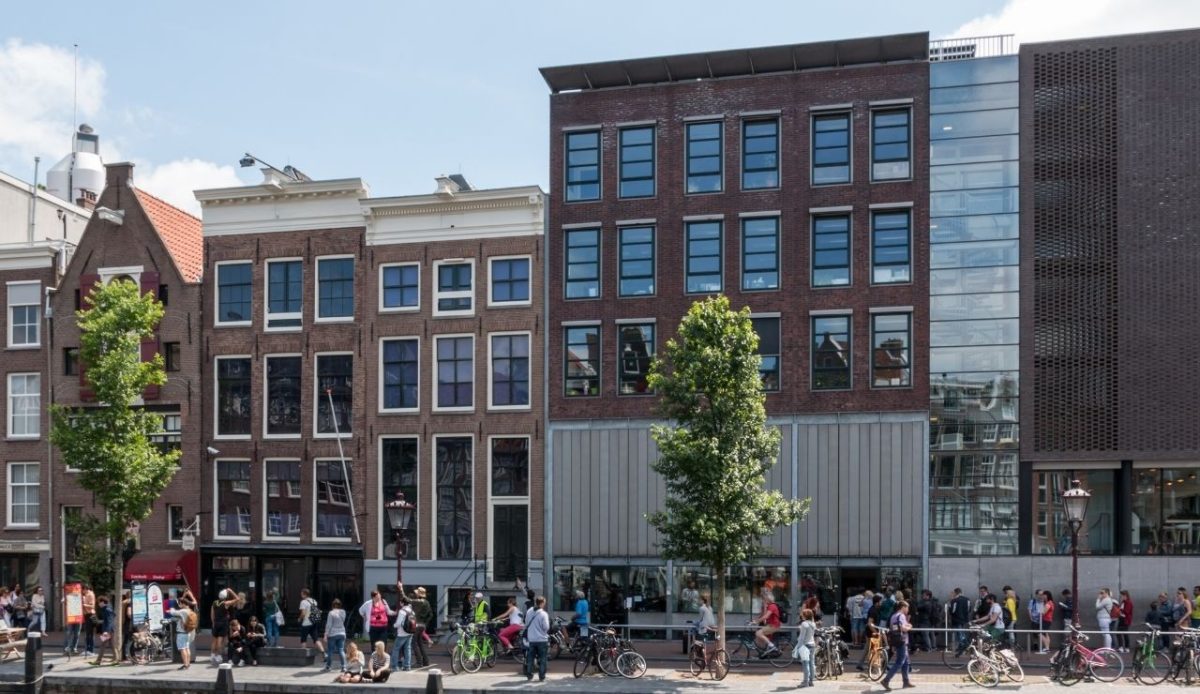
The Anne Frank House in Amsterdam preserves the canal building where eight people hid during the German occupation. Visitors move through the bookcase entrance into the annex, then into rooms kept close to their wartime condition. Interpretation relies on the diary, family correspondence, and records of anti-Jewish measures that narrowed options for safety. Because the rooms are small and the route is controlled, the site conveys practical constraints of hiding, including noise, schedules, and fear of discovery. It also explains the wider network of helpers and the later arrest, tying a personal story to documented deportation policy.
6. Oradour-sur-Glane Memorial, France
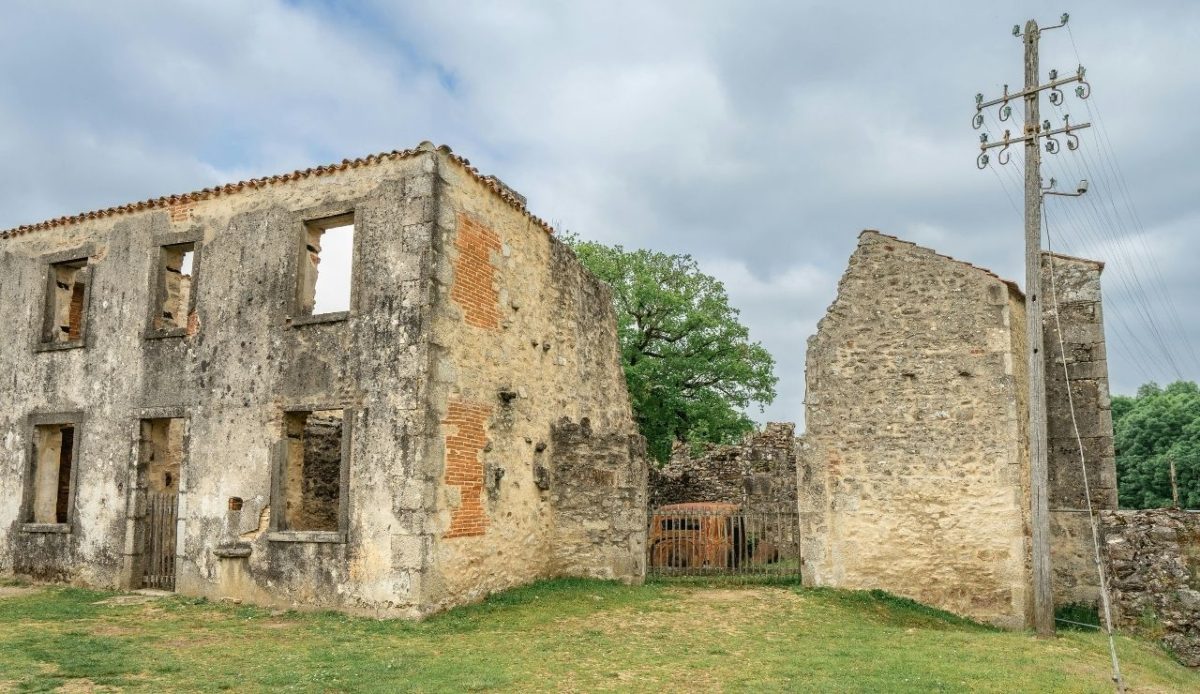
Oradour-sur-Glane in central France was left in ruins after a Waffen SS unit killed hundreds of residents on June 10, 1944. The preserved streets include burned shops, a damaged church, and abandoned vehicles, all kept as evidence rather than rebuilt as normal housing. An adjacent memory center provides court records, photographs, and testimony that identify perpetrators and trace the event within the occupation rule. The intact ruins make the reality of civilian reprisal policy immediate and hard to dismiss. Clear signage and controlled access help protect fragile remains, while guiding visitors toward documented context instead of rumor.
7. Warsaw Rising Museum, Poland
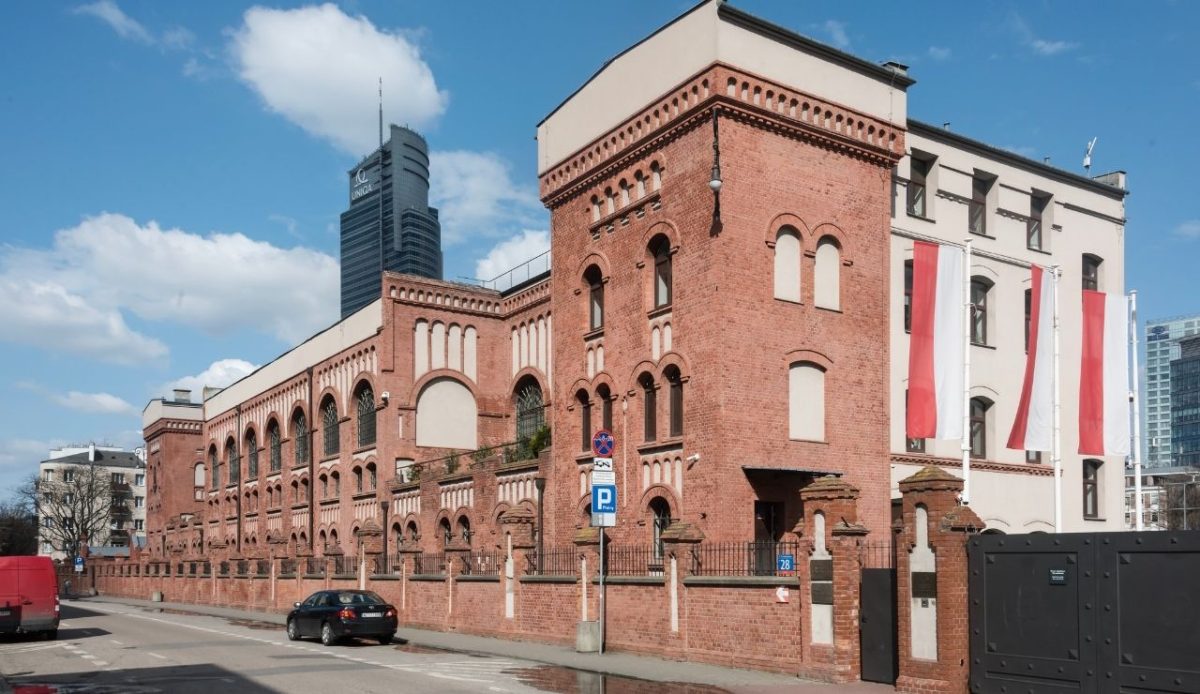
Warsaw Rising Museum covers the 1944 uprising organized by the Polish underground and the destruction that followed its defeat. Collections include clandestine press items, weapons, film, and personal effects that were gathered with source notes and dates. Exhibits explain urban combat, civilian medical care, and the forced removal of residents after the fighting ended. By presenting the uprising as both military and social history, the museum clarifies how occupation policy and retaliation influenced the postwar city. Recorded interviews and timelines let visitors cross-check events at street level against German and Polish documentation.
8. Bletchley Park, United Kingdom
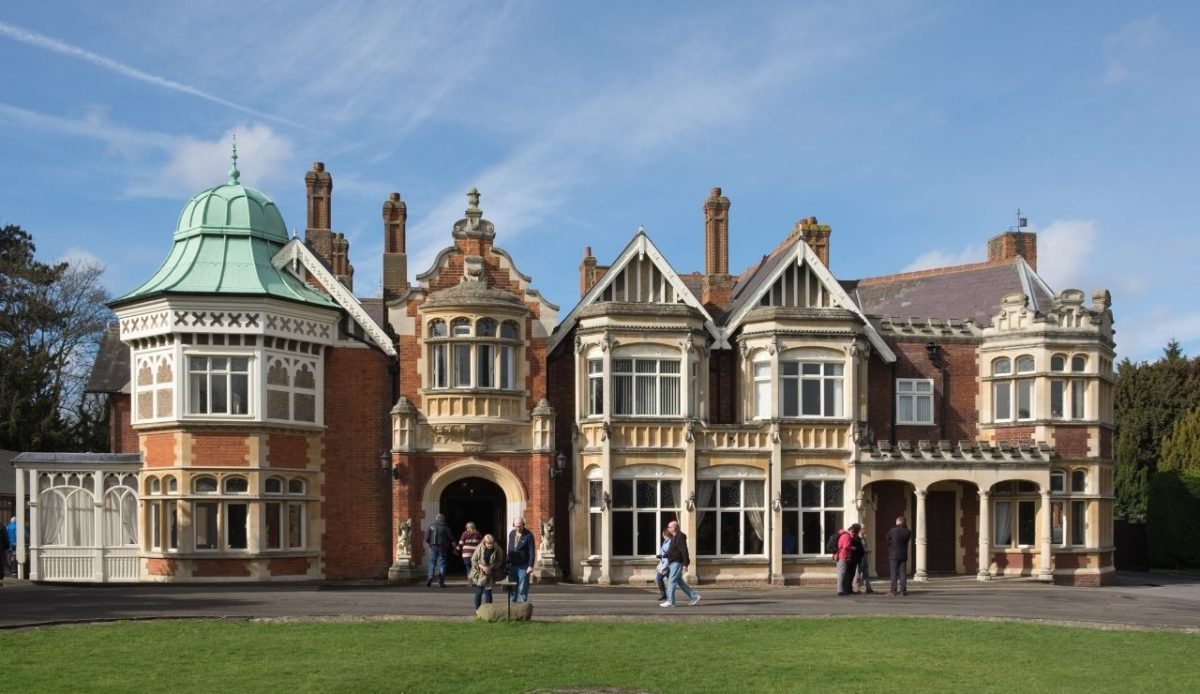
Bletchley Park near Milton Keynes was Britain’s main codebreaking hub, where encrypted Axis messages were intercepted and analyzed. Preserved huts, offices, and equipment outline how analysts, linguists, and engineers worked in shifts under strict secrecy. Displays cite declassified files that connect intelligence outputs to convoy protection, air operations, and strategic planning. Unlike front-line memorials, this site shows how information worked to influence battlefield outcomes without requiring a weapon to be fired by the people on site. It also covers postwar secrecy and the later release of records that changed what the public knew.
9. Manzanar National Historic Site, United States
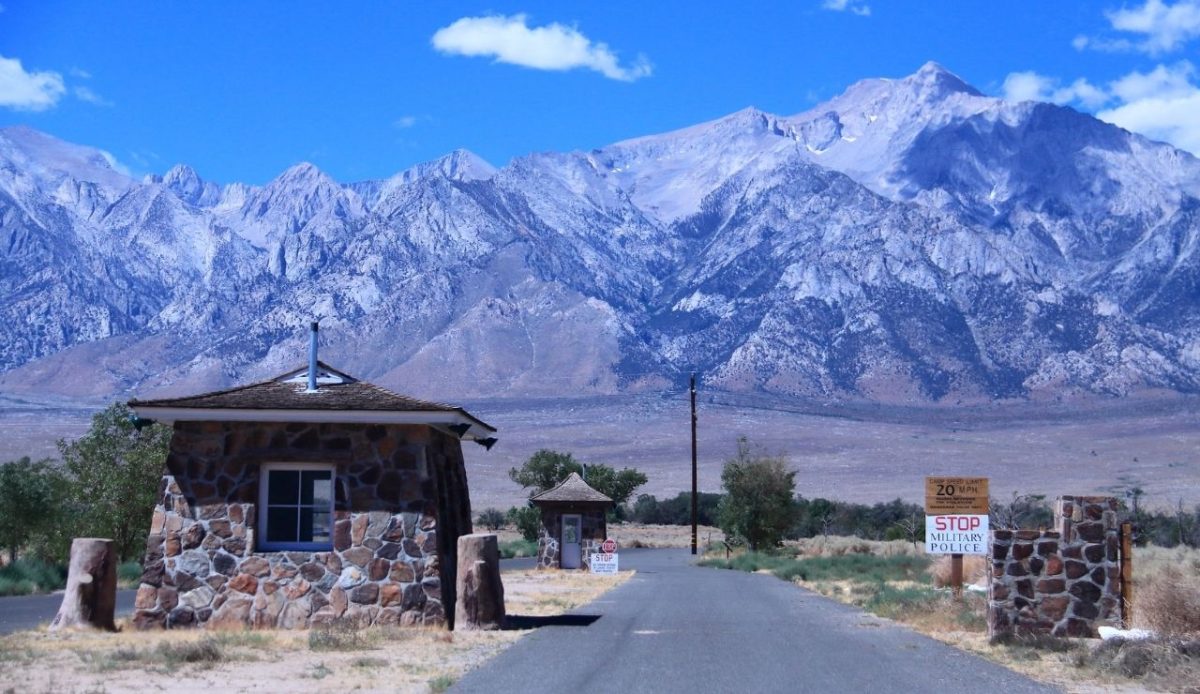
Manzanar in California was one of the largest U.S. incarceration camps where Japanese Americans and immigrants were confined during the war. Reconstructed barracks, mess halls, and guard infrastructure are paired with federal orders, registration forms, and photographs. Interpretation explains how property was lost, how daily life was regulated, and how loyalty tests were imposed on citizens. The site is managed for public learning, and its documentation connects wartime fear to concrete legal actions that suspended rights. A cemetery monument and oral histories add voices, while ranger programs place Manzanar within the camp system.
10. Yad Vashem, Israel
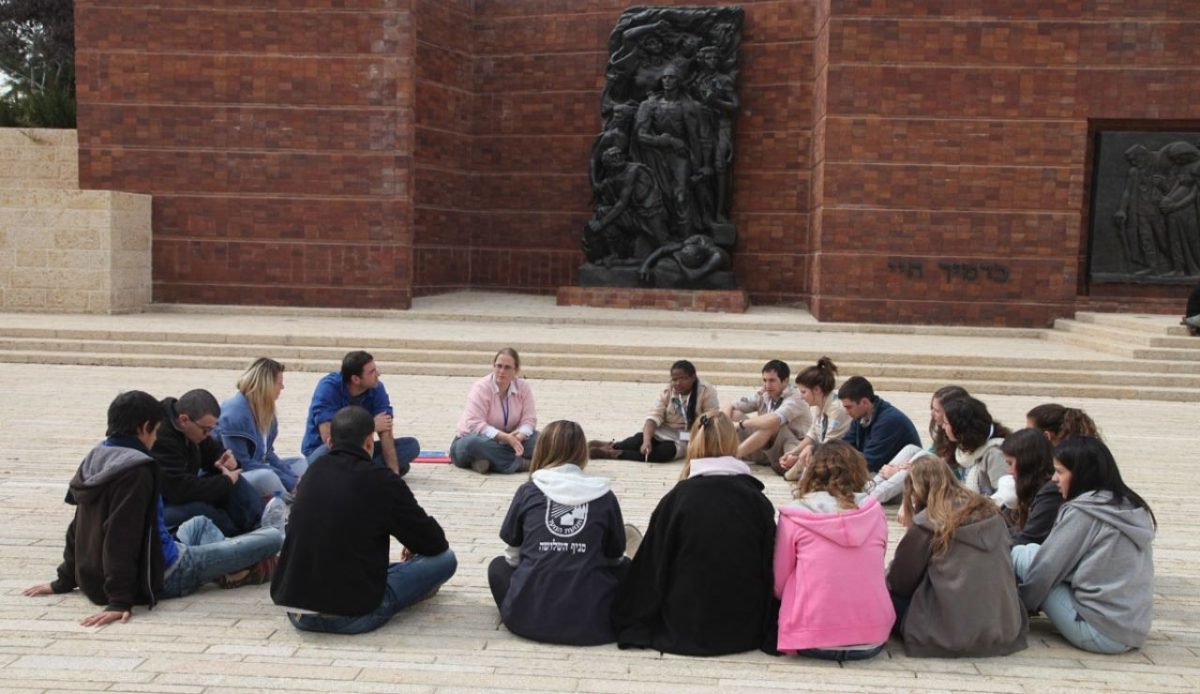
Yad Vashem in Jerusalem serves as Israel’s official center for Holocaust remembrance, documentation, and research. The museum route is supported by testimony, transport data, ghetto and camp records, and photographs that can be traced to repositories. Memorial spaces focus on names and communities, which keeps attention on documented victims rather than statistics alone. Visitors learn how Nazi policy spread across occupied Europe and how postwar efforts were organized to preserve evidence for education, trials, and family recovery. The Righteous Among the Nations program is explained, showing how rescue actions were recorded and verified.
