
Travel places often shift from quiet to crowded after a few guidebook mentions, new flight routes, or a national tourism push. For 2026, the best time to visit is right before that jump, when lodging and transport work smoothly, but the streets still feel local. The eight picks below were chosen because credible outlets and tourism programs have recently spotlighted them while visitor volume remains lower than nearby favorites. Each spot is practical to plan, yet still off the default path. Expect small-scale operators, fewer packaged tours, and better odds of finding space in peak months without paying top-tier prices.
1. Chiriquí Province, Panama
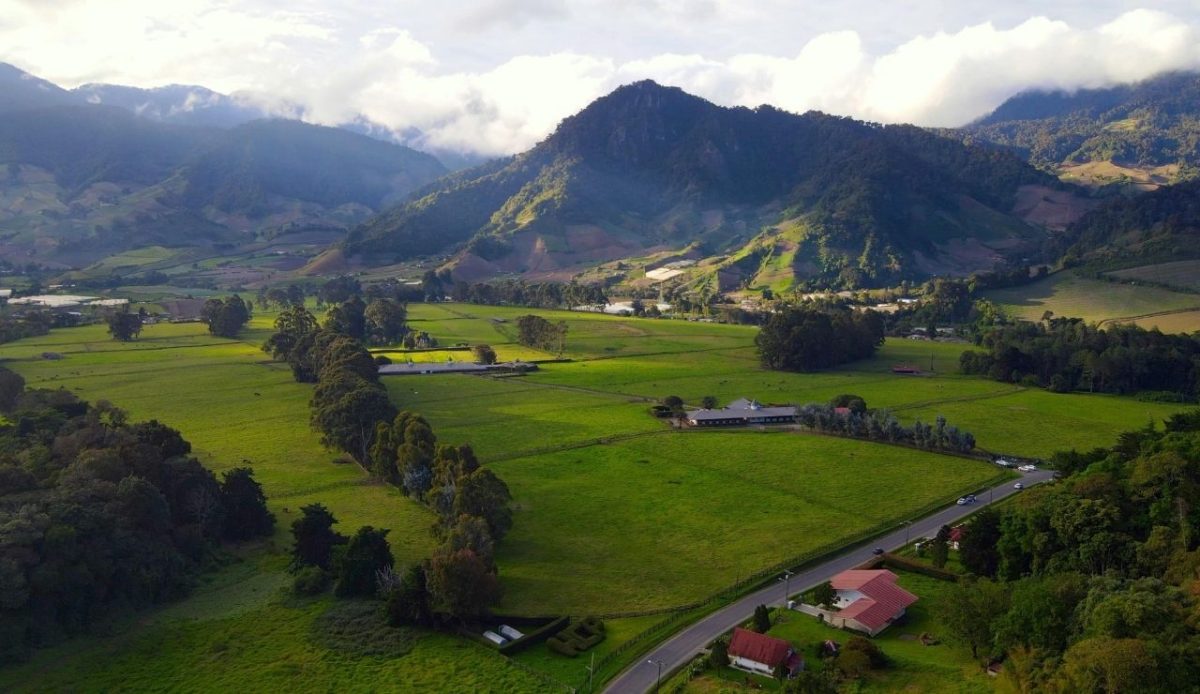
Chiriquí in western Panama offers two distinct settings in one trip, breezy Pacific beaches and cool coffee highlands near Boquete. Recent coverage has linked its rising visibility to small eco lodges and easier road access, not to large resort buildouts. Many visitors still pass through on the way to Costa Rica, so the province keeps a low overnight count outside holiday weeks. In 2026, travelers can book guides for whale watching, hiking, and farm tours while crowds remain lighter than in Panama’s better-known zones. It also has reliable bus links and domestic flights that make short stays realistic for newcomers.
2. Danube Delta, Romania
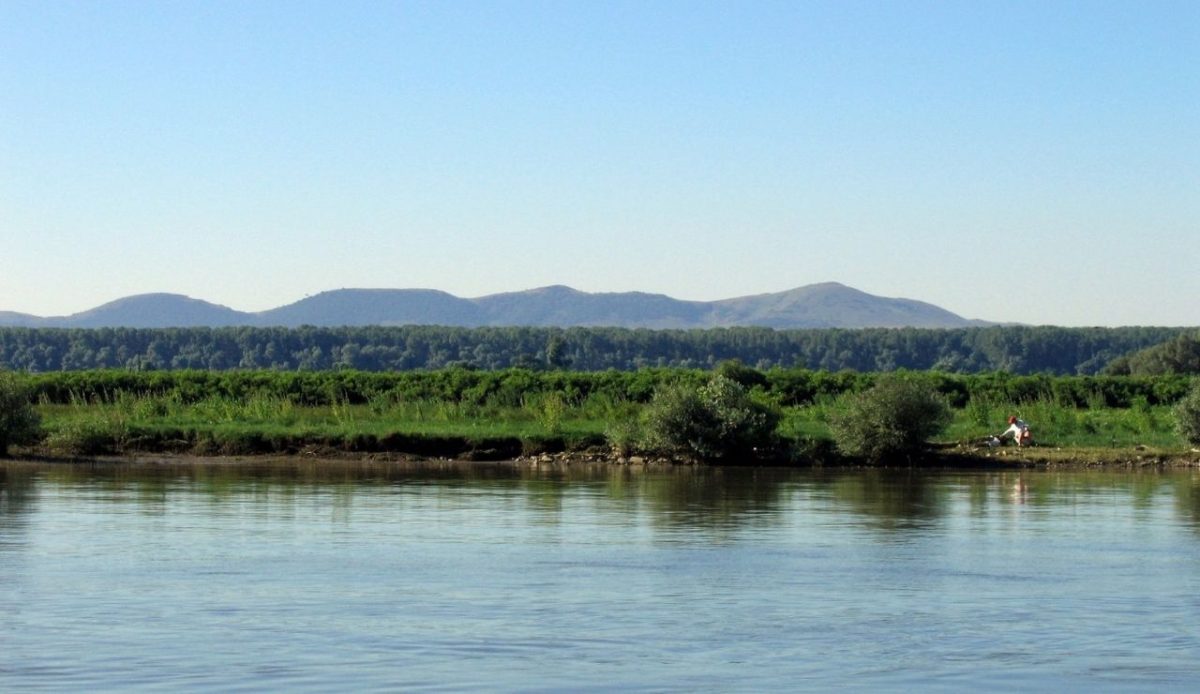
Romania’s Danube Delta stays quiet because moving around depends on boats, channels, and local pilots rather than big highways. Reader recommendations for 2026 have emphasized birdlife, fishing villages, and guesthouses reached from Tulcea before transferring by water. That structure limits day trippers and keeps spending inside the communities that host visitors. Plan for slower schedules, cash in small settlements, and guided routes timed to migratory seasons. With interest growing but logistics still selective, 2026 is a smart year to go before mass tour operators scale up. Spring and early fall are often best.
3. Tinos, Greece
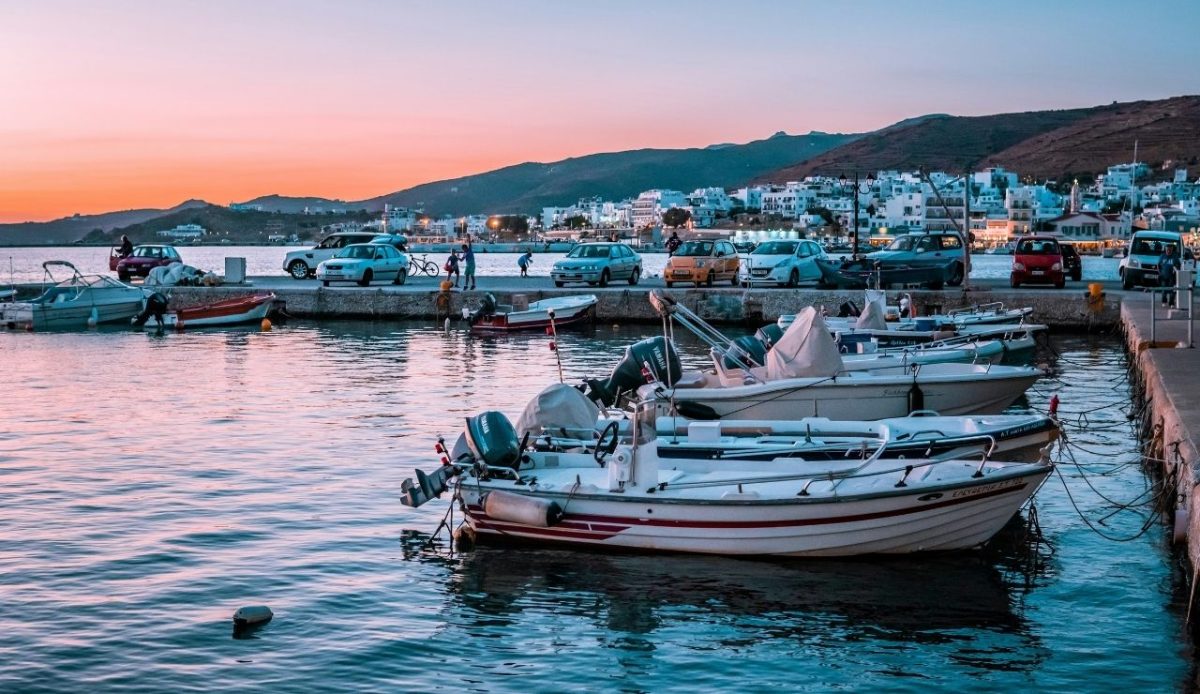
Tinos is close to Mykonos yet runs on a calmer rhythm, which is why recent travel reporting has framed it as a Cyclades alternative for people tired of packed beaches. Ferries are frequent, but hotel supply is smaller, and the nightlife brand is muted, so the island draws families, hikers, and food-focused travelers instead of party crowds. You can base in a port town, then day trip to marble craft villages, pigeon houses, and hilltop paths without long drives. In 2026, it should still feel underbooked compared with nearby headline islands. Reserve a scooter early in summer, since supply can tighten even when rooms remain available.
4. Folegandros, Greece
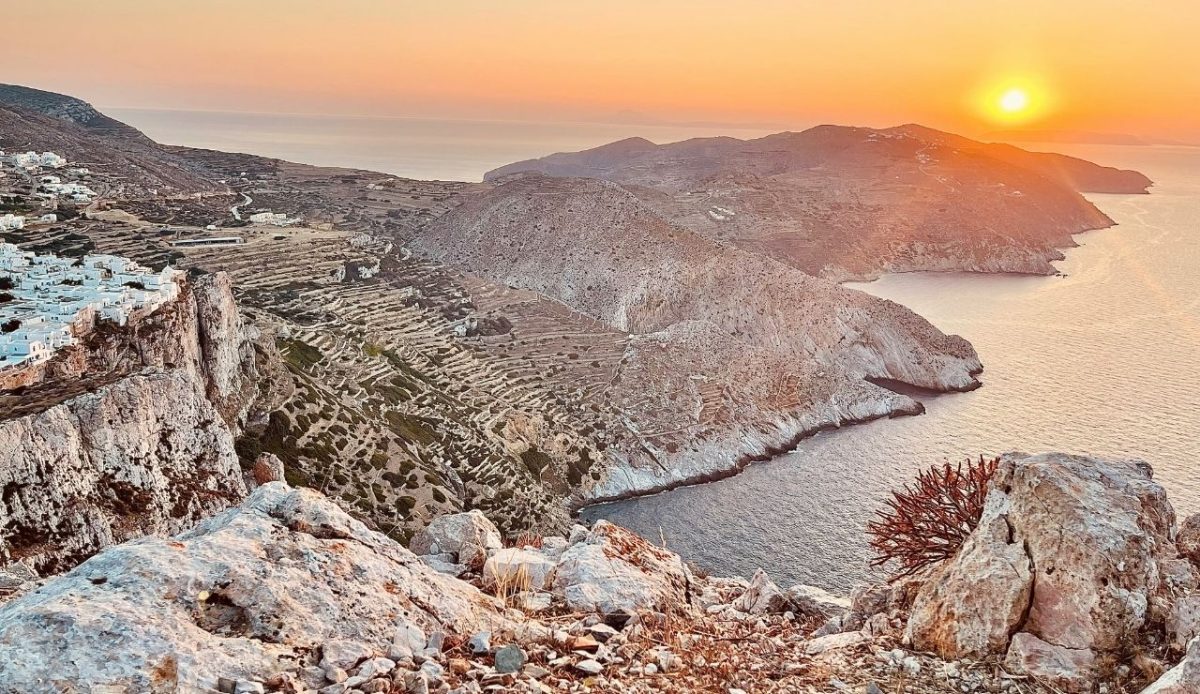
Folegandros has been singled out in 2026 discovery lists as a smaller Cycladic island that many travelers skip, even though it is on established ferry lines. Development is constrained by terrain and strict building rules, so the number of beds grows slowly and the feel stays low-key. Days center on walking routes, small coves, and a compact main town rather than big attractions. Because capacity is limited, the place can flip from quiet to fully booked as awareness spreads. Visiting in 2026 offers a better chance of finding availability at fair rates. Late May and September usually give pleasant weather with fewer ferry crowds.
5. Lleida Province, Spain
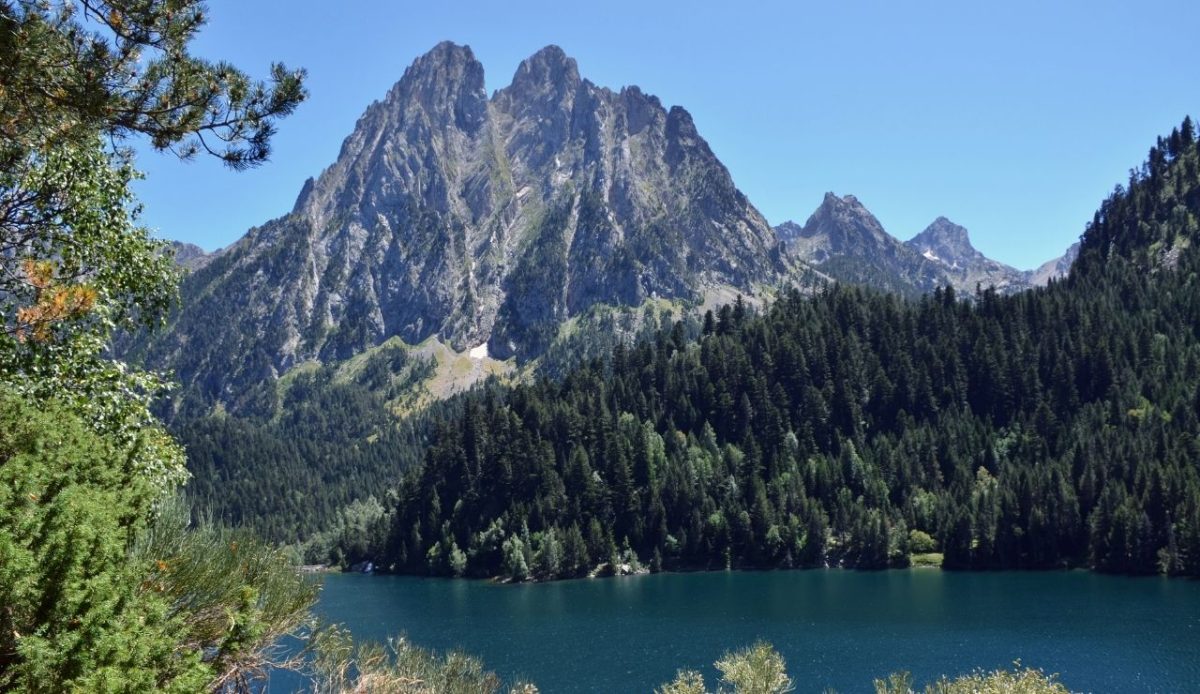
Lleida province, stretching into the Catalan Pyrenees, has been highlighted for sustainability recognition while remaining far less visited than Barcelona and the coast. That balance matters because awards can raise curiosity without immediately changing visitor volume. The area supports hiking, Romanesque churches, small ski stations, and reservoir towns, with rail and road links that make planning straightforward. Local tourism offices promote year-round trips, so pressure is spread beyond peak summer. In 2026, travelers can see mountain parks and heritage sites before the region becomes a standard add-on to Catalonia itineraries.
6. Sarawak, Malaysia
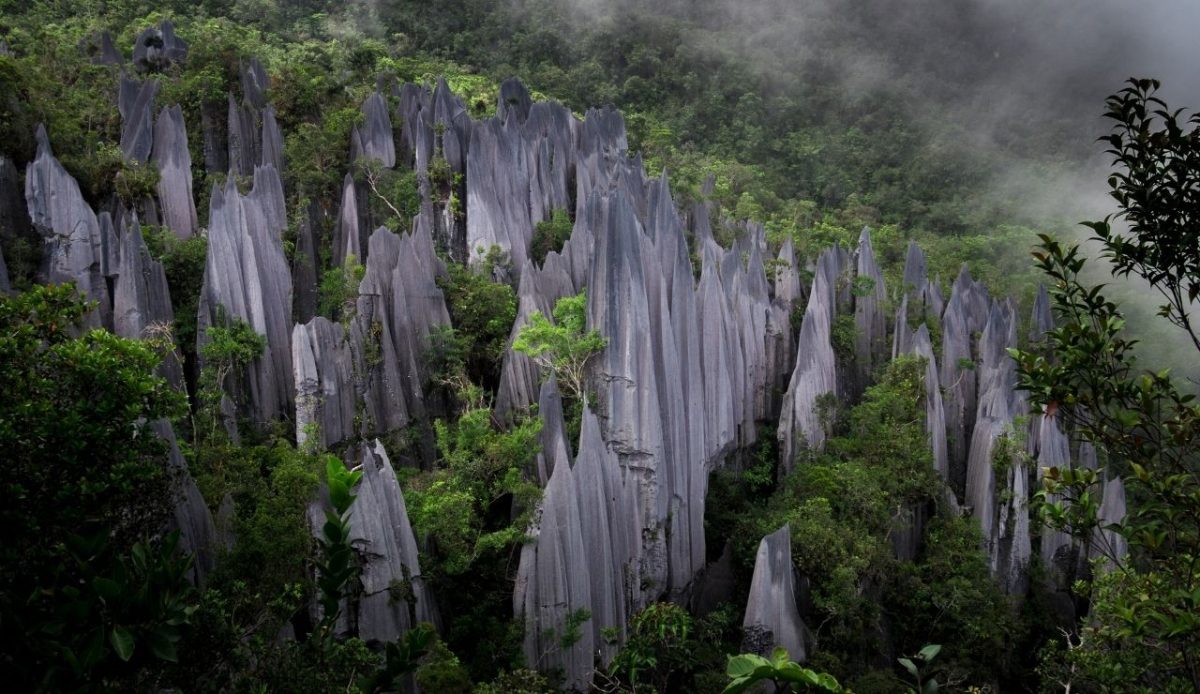
Sarawak on Malaysian Borneo, is likely to gain attention as Visit Malaysia 2026 campaigns ramp up and airline partnerships point travelers east. Kuching already has strong hotel choices and tour operators, yet visitor counts remain lower than in parts of Sabah, which keeps trips feeling more flexible. Popular routes include national parks, river communities, and cave systems, with permits and guides arranged through regulated channels. Expect steady improvements in information and transport as promotion increases. Going in 2026 puts you ahead of the wave that often follows a national travel year.
7. Oulu, Finland
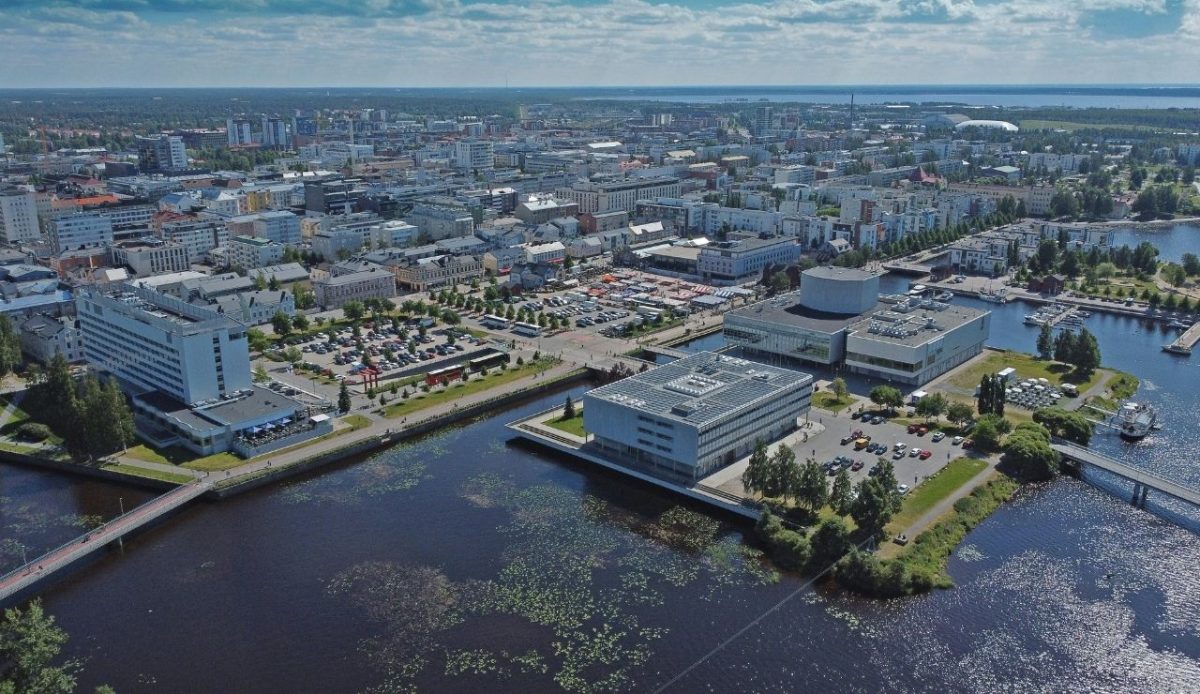
Oulu in northern Finland has been repeatedly recommended for 2026 by major travel roundups, yet it is not a default stop for first-time visitors. The city’s draw comes from events, design culture, and easy access to nature trails, all supported by reliable public services. It works well for travelers who want a lived-in place rather than a single monument. Winter offers sauna routines and sea ice activities, while summer brings long daylight and cycling routes along the water. Because attention is rising slowly, 2026 should still deliver space in restaurants, rentals, and regional trains. Prices also tend to stay stable.
8. Helgeland Region, Norway
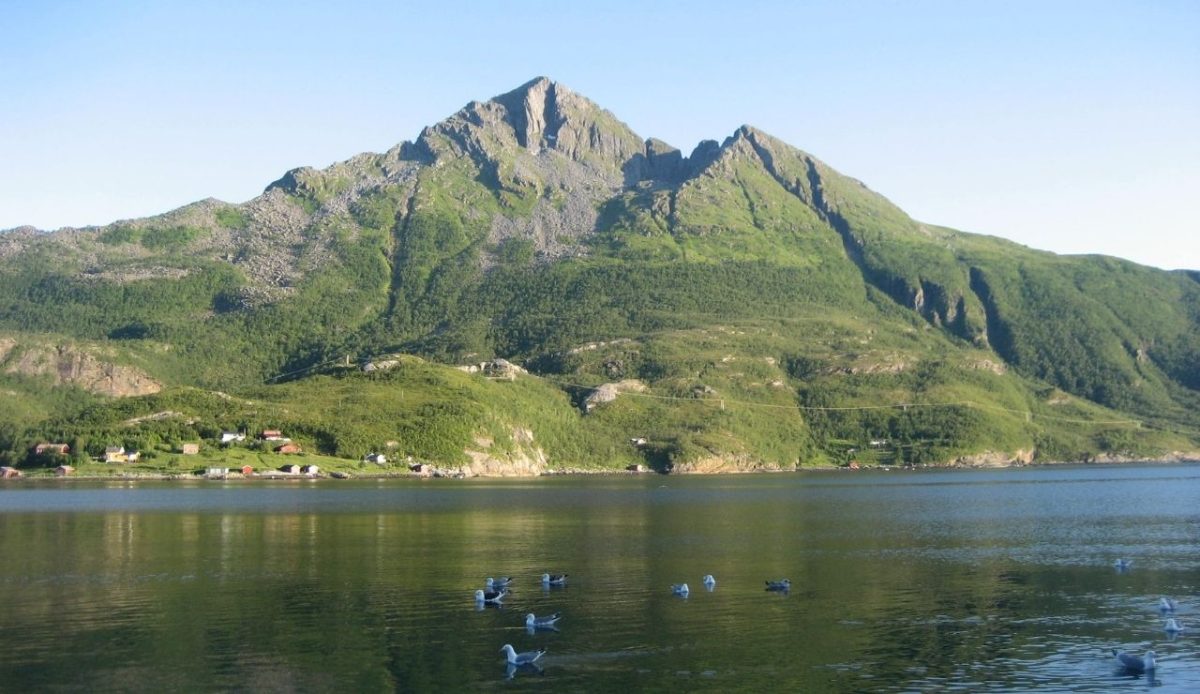
Norway’s Helgeland coast is south of the Lofoten Islands, offering island hopping, coastal hikes, and ferry links with far less name recognition. Recent reporting has connected the region to small group travel and community-based stays, which typically attract early adopters before broader tour catalogues move in. Logistics require intention, since buses and boats run on schedules that reward planning, and that alone keeps casual traffic down. In 2026, you can build an itinerary around local museums, fishing culture, and quiet harbors without battling peak season queues. As awareness grows, expect accommodation to tighten first.
