
Europe’s capitals boast some of the world’s most iconic architecture, historic landmarks, and vibrant culture. Yet many of these cities face serious preservation challenges due to overtourism, environmental pressures, and aging infrastructure. Balancing modernization with heritage protection is an ongoing struggle. From crumbling façades to overcrowded historic districts, these challenges threaten the very charm that attracts millions of visitors each year. This article highlights ten European capitals where preservation is critical, offering travelers insight into the delicate balance between tourism and cultural conservation.
1. Rome, Italy
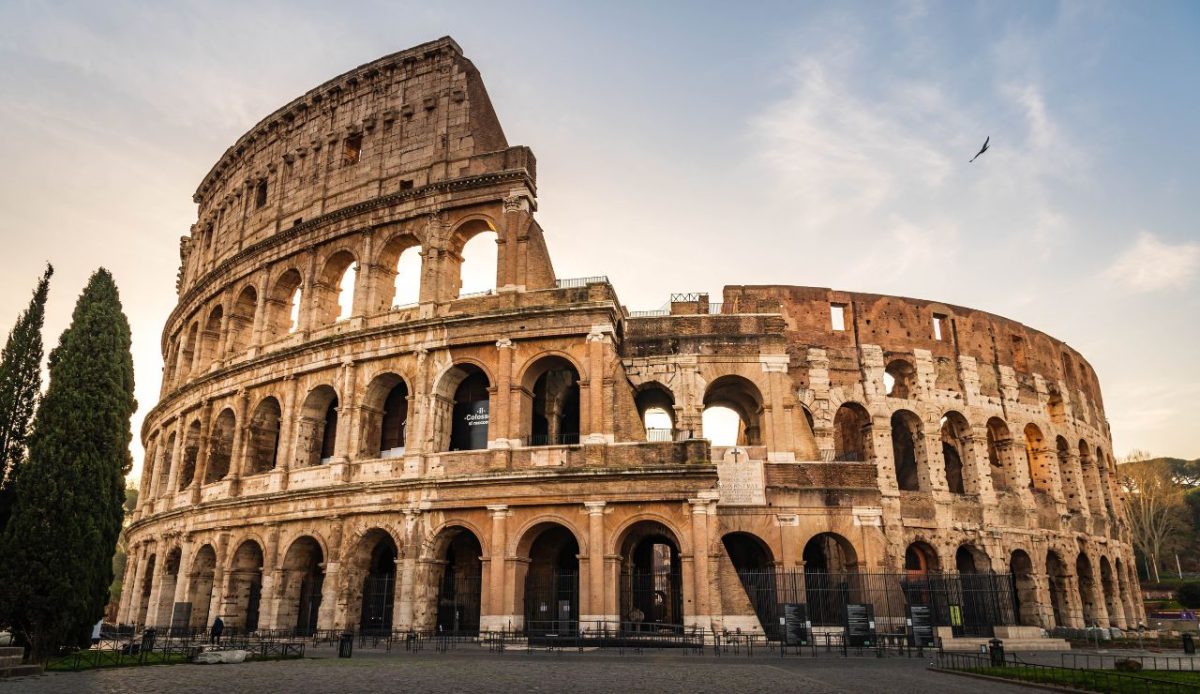
Rome’s ancient monuments, including the Colosseum and Roman Forum, face constant wear from millions of tourists annually. Vibrations, pollution, and foot traffic threaten fragile structures, while modern urban development adds pressure. Authorities work to preserve historic sites through restoration projects and regulated visitor flow. Travelers are encouraged to respect rules and avoid crowded areas during peak hours. Despite challenges, Rome’s combination of history, art, and culture remains unmatched. Preservation efforts aim to ensure that future generations can continue to marvel at its iconic architecture and rich heritage.
2. Paris, France
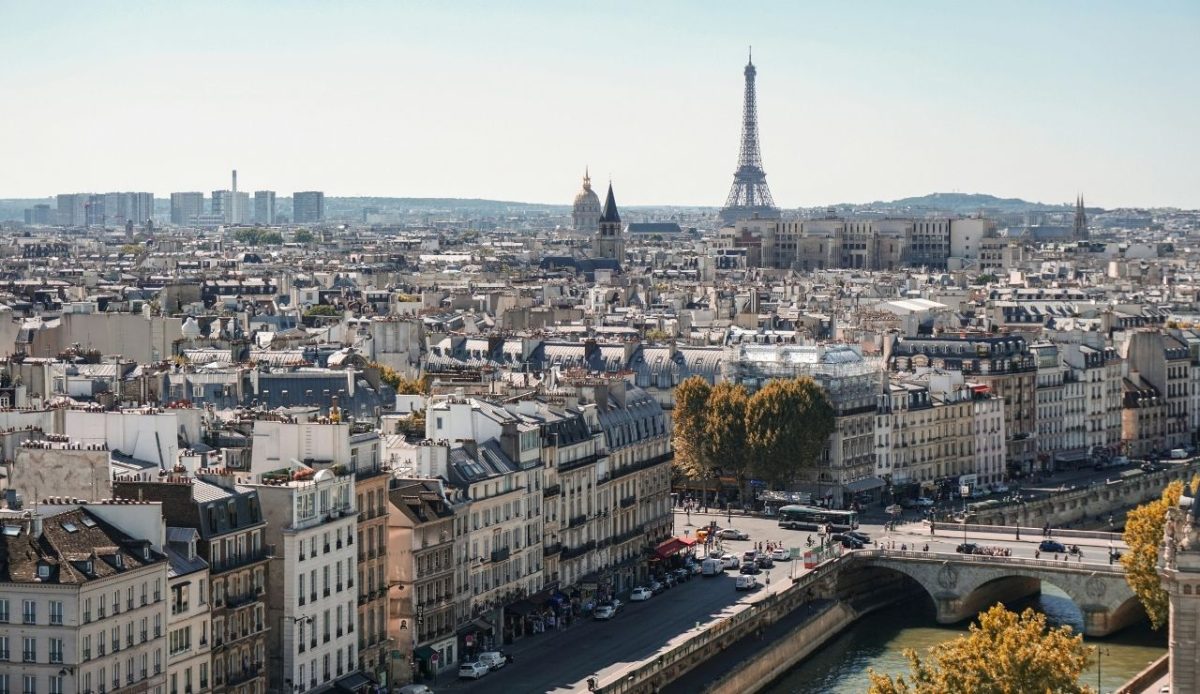
Paris, with its historic boulevards and monuments, grapples with wear from millions of visitors each year. The Eiffel Tower, Notre-Dame Cathedral, and Musée du Louvre require ongoing conservation. Pollution, climate change, and foot traffic accelerate deterioration. Local authorities implement visitor limits, restoration projects, and sustainable tourism initiatives. Travelers who support local preservation help protect the city’s cultural wealth. Even amid challenges, Paris offers iconic architecture, world-class museums, and charming streetscapes that inspire visitors while highlighting responsible tourism.
3. Prague, Czech Republic
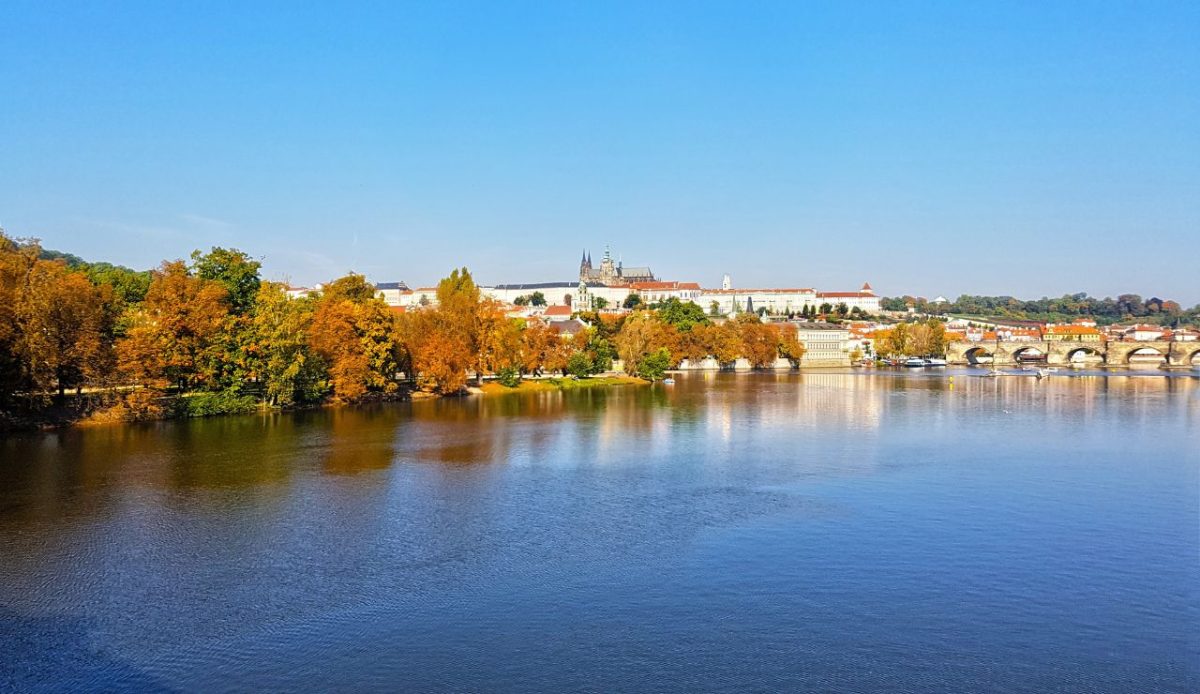
Prague’s historic center, a UNESCO World Heritage site, faces pressures from tourism, urban development, and environmental factors. Charles Bridge, Prague Castle, and Old Town Square require careful maintenance. Authorities limit events and monitor tourist flow to reduce wear. Restoration projects protect centuries-old buildings, frescoes, and sculptures. Visitors can explore cobblestone streets, riverfront views, and cultural landmarks while contributing to preservation by respecting public spaces. Prague demonstrates how a historic capital can balance tourist interest with conservation, preserving its enchanting architecture and atmosphere.
4. Athens, Greece
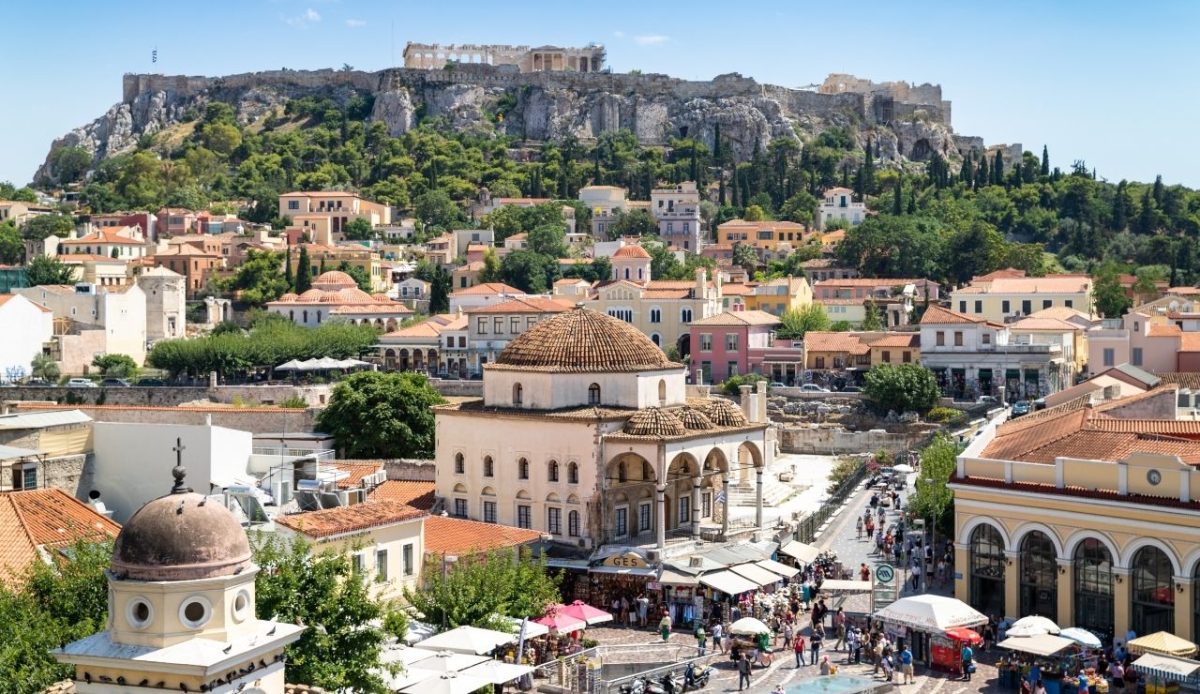
Athens, the cradle of Western civilization, struggles with preservation due to pollution, urban sprawl, and tourist traffic. Ancient monuments like the Acropolis, Parthenon, and Agora face weathering and structural stress. Conservation teams undertake restoration and protective measures while regulating visitor access. Travelers can support these efforts by adhering to rules and exploring off-peak areas. Despite challenges, Athens’ vibrant history, rich culture, and lively streets offer an unforgettable experience, allowing visitors to enjoy the city responsibly while protecting Greece’s heritage.
5. Lisbon, Portugal
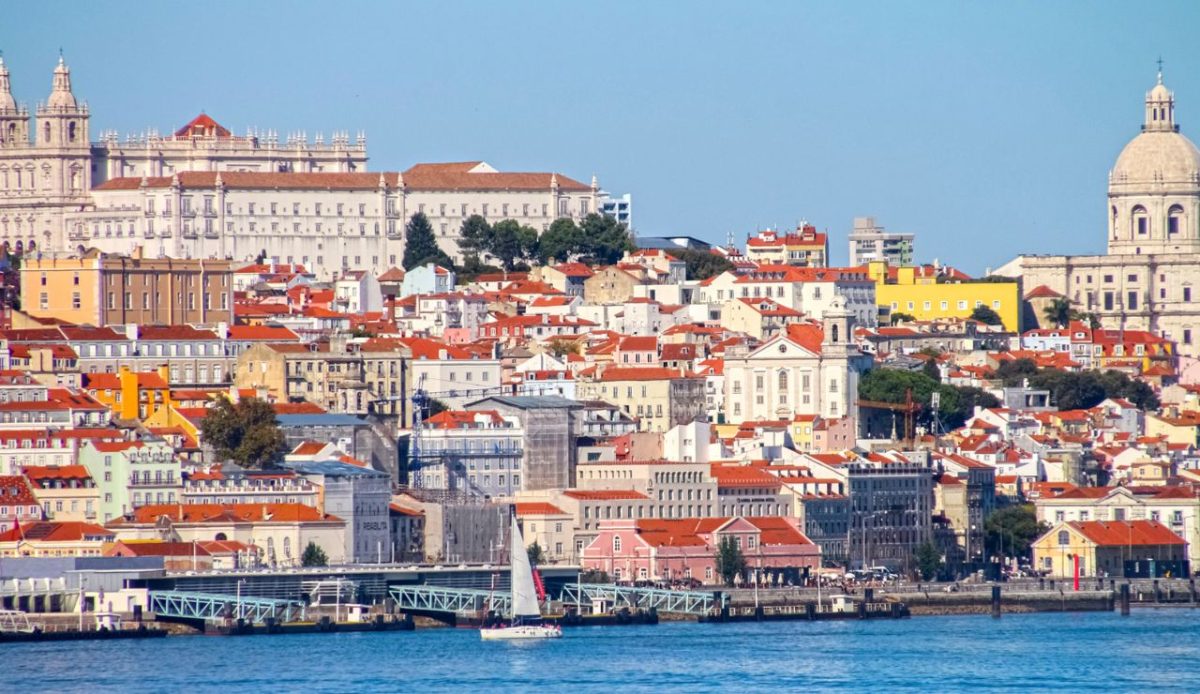
Lisbon’s historic neighborhoods, colorful tiled facades, and waterfront areas face preservation challenges from earthquakes, climate conditions, and growing tourism. Alfama, Baixa, and Belém require restoration to maintain character and architectural integrity. Sustainable tourism initiatives encourage responsible travel, limiting overcrowding and supporting local businesses. Visitors can explore tram-lined streets, historic squares, and viewpoints while respecting conservation measures. Lisbon’s charm, fado music, and culinary culture remain captivating while supporting long-term preservation.
6. Budapest, Hungary
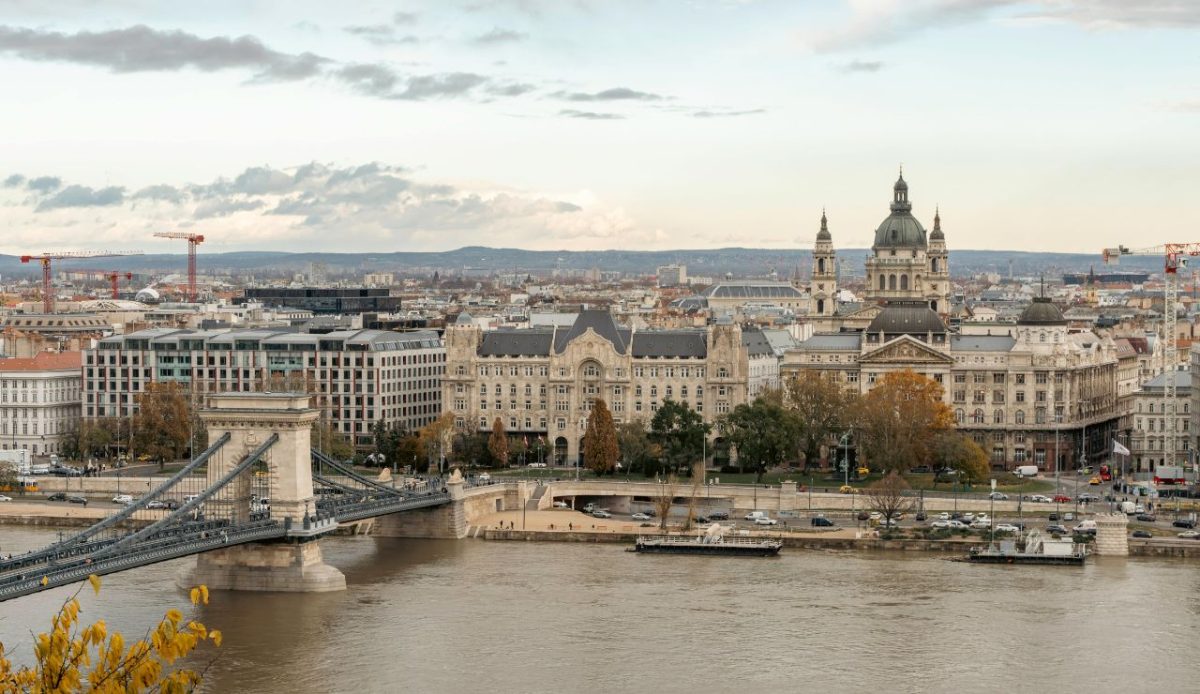
Budapest faces challenges in preserving its historic thermal baths, bridges, and Baroque architecture due to tourism, climate, and urban growth. Landmarks like Buda Castle, Chain Bridge, and Parliament require careful restoration. Authorities manage crowding and promote heritage awareness to maintain cultural integrity. Travelers are encouraged to follow regulations, respect local guidelines, and explore lesser-known areas. Despite preservation pressures, Budapest offers stunning river views, spa culture, and historic neighborhoods. Engaging responsibly lets tourists enjoy beauty while supporting conservation initiatives.
7. Vienna, Austria
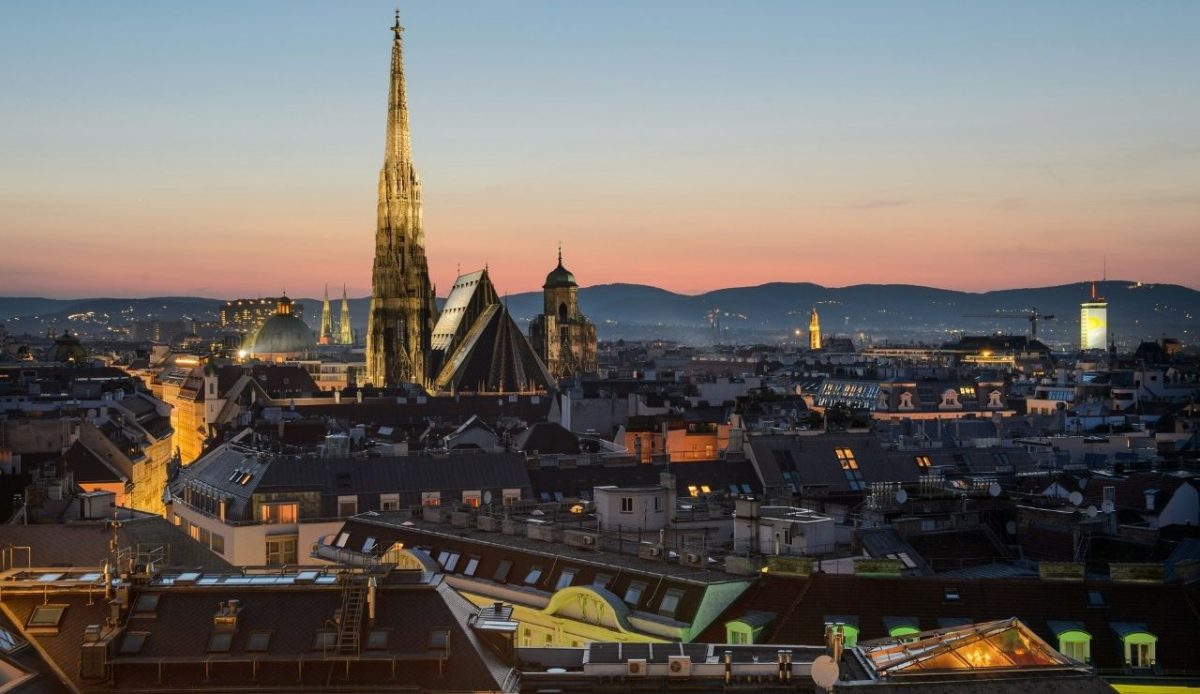
Vienna, with its imperial palaces, historic cafés, and Baroque streets, faces preservation challenges from urban development and tourist demand. Sites like Schönbrunn Palace and St. Stephen’s Cathedral require ongoing restoration and visitor management. Authorities monitor tourism impact and enforce conservation measures. Travelers can experience music, museums, and historic districts responsibly by following guidelines. Vienna’s blend of classical elegance and vibrant cultural life remains alluring. Awareness of preservation ensures tourists enjoy Austria’s capital while protecting its heritage for future generations.
8. Amsterdam, Netherlands
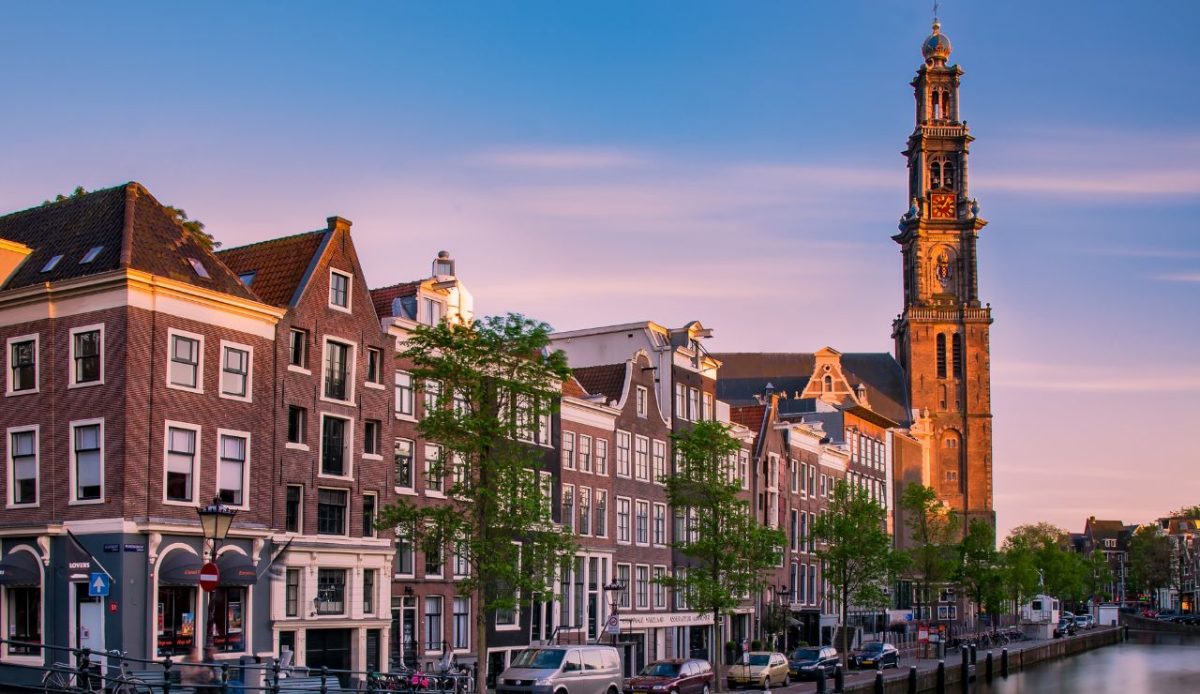
Amsterdam’s canals, historic houses, and museums face overcrowding, climate effects, and aging infrastructure. Heritage sites like the Anne Frank House, Rijksmuseum, and canal belt undergo careful conservation and visitor management. Authorities implement measures such as timed entry, restricted boat traffic, and sustainability initiatives. Travelers can enjoy cycling, art, and canals while respecting preservation guidelines. Despite challenges, Amsterdam’s charm, cultural richness, and unique architecture remain compelling. Responsible tourism ensures the city continues to inspire visitors without compromising historic integrity.
9. Kraków, Poland
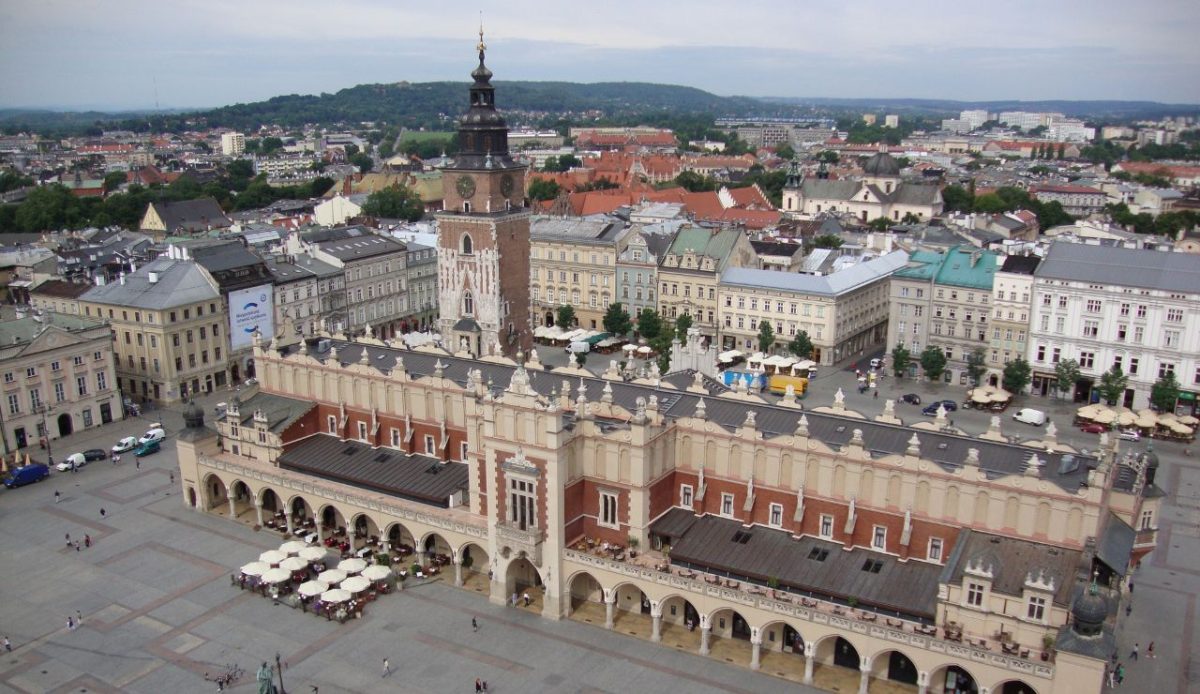
Kraków’s medieval Old Town, Wawel Castle, and historic churches face pressures from tourism, pollution, and aging infrastructure. Authorities manage visitor flow, maintain historic sites, and promote local conservation projects. Travelers are encouraged to explore responsibly, avoid overcrowding, and support preservation. Despite challenges, Kraków offers a rich history, Gothic architecture, and vibrant cultural experiences. Visitors can enjoy museums, local cuisine, and scenic squares while contributing to the city’s sustainability. Kraków shows how historic capitals can remain alluring while balancing tourism with heritage protection.
10. Florence, Italy

Florence, the heart of the Renaissance, struggles with preservation due to tourism, pollution, and structural aging of iconic landmarks like the Duomo, Uffizi Gallery, and Ponte Vecchio. Local authorities monitor crowding, enforce conservation rules, and conduct continuous restoration. Travelers can experience art, architecture, and local culture responsibly by respecting regulations. Florence’s rich artistic heritage, historic streets, and culinary delights remain captivating. By following preservation-minded practices, tourists help ensure that this cultural gem continues to thrive while protecting its masterpieces for future generations.
