
Across parts of the Middle East, pockets of real greenery appear where climate and geography allow it. Indian Ocean monsoon moisture, coastal wetlands, and high mountains with higher rainfall can support dense plant cover and humid air. The destinations below were chosen because their lush conditions are produced by recurring natural systems rather than decorative irrigation. Timing matters, since several places turn green during defined seasons, while others stay wet year-round. Each section notes what creates the tropical feel and what visitors should expect on the ground. The focus stays on nature, not resort gardens.
1. Salalah and the Dhofar Coast, Oman
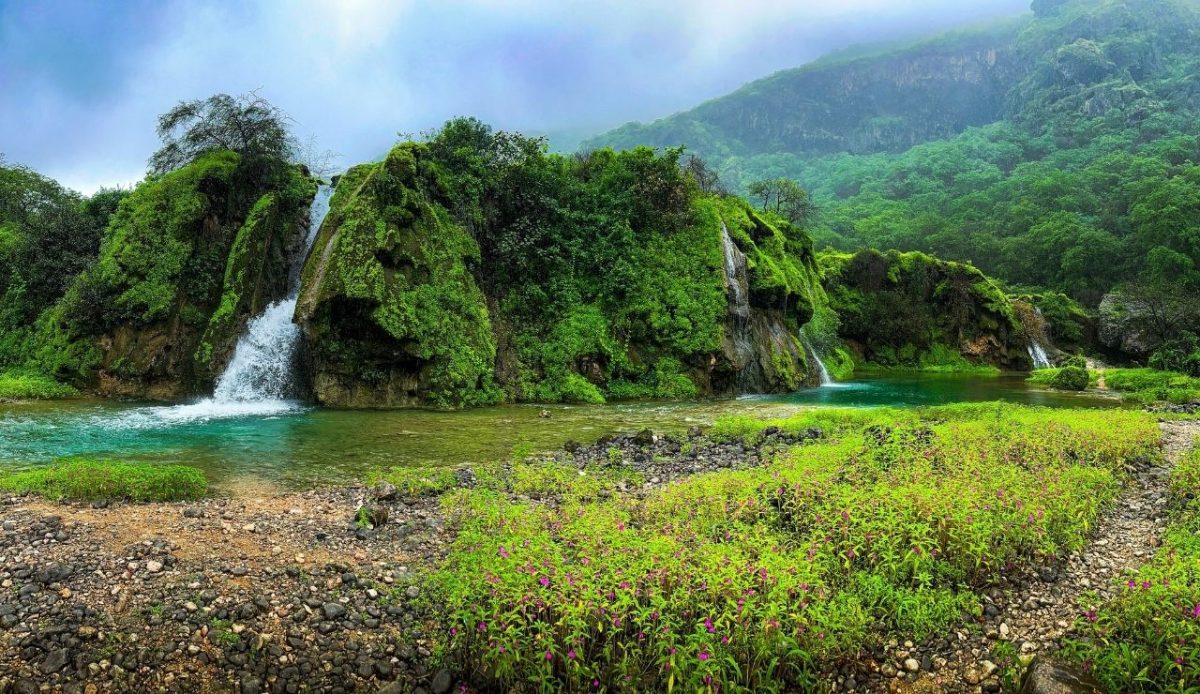
Salalah and the Dhofar coast change dramatically during khareef, usually from June to September. Moist winds off the Arabian Sea bring low cloud, drizzle, and cool air that keep hillsides green for weeks. Grasses spread on slopes, seasonal springs run, and frankincense groves benefit from the extra moisture without heavy pumping. Because the shift is weather-driven, the same routes can look dry outside the season. Plan for damp mornings, slippery trails, and lighter clothing than you would pack for the Gulf summer. Visibility can drop in fog, so driving should be done slowly on coastal roads at times.
2. Wadi Darbat, Dhofar, Oman
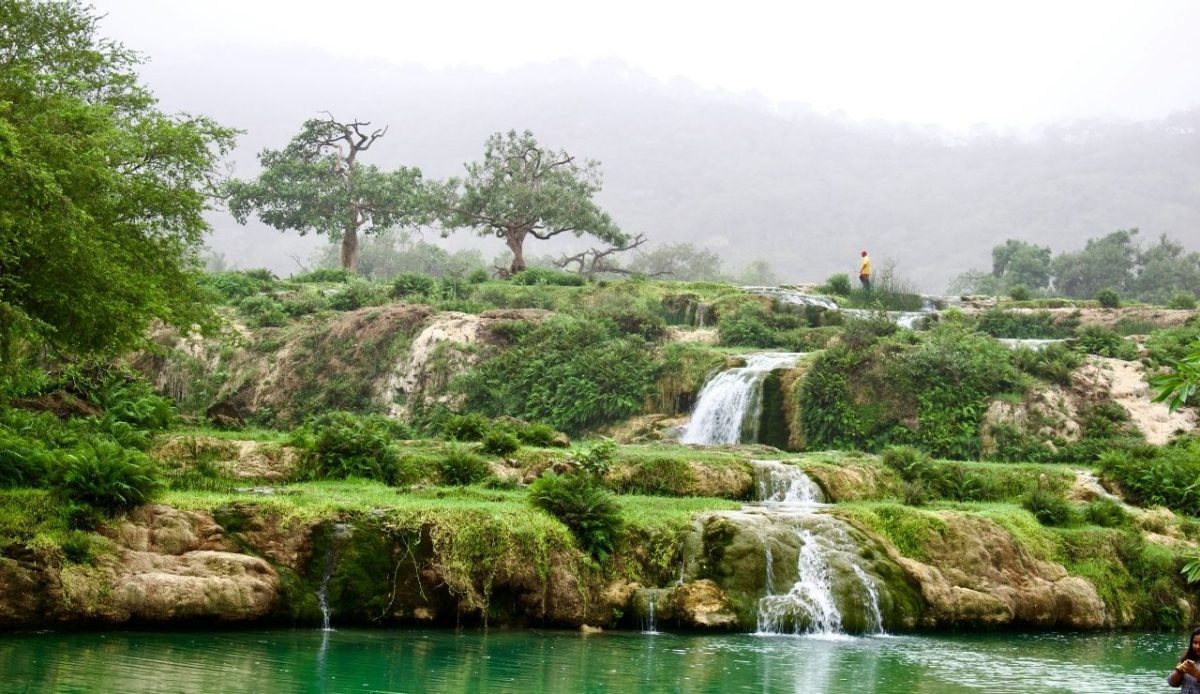
Wadi Darbat lies inland from Salalah and shows the khareef effect in a compact area. Rain and runoff collect in the basin, forming pools and a broad lake that can last well beyond the wettest weeks. Waterfalls are often active, and reeds and trees line channels where livestock graze. The air can feel humid, especially when fog lingers over the water in the morning. To keep the visit practical, arrive early for parking and wear shoes that handle mud near the banks. After heavy bursts, currents can be stronger than they look, so swimming should be avoided in fast sections. Photos work best when clouds break.
3. Jabal Samhan Nature Reserve, Oman
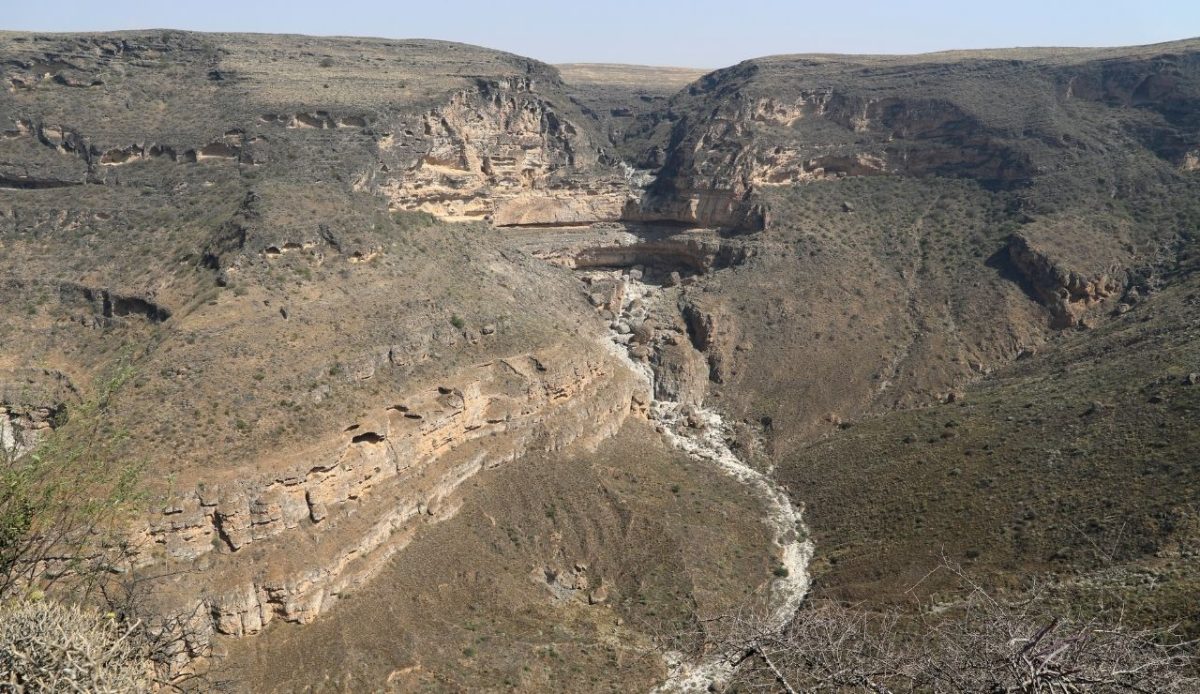
Jabal Samhan reaches above the Dhofar plain and is known for clouds and fog during the monsoon months. Even when rainfall is light, moisture can be captured as droplets on rocks and plants, which helps ground cover persist. Temperatures are lower than on the coast, and strong winds can appear on exposed viewpoints. This combination creates a green highland zone that feels damp rather than dusty. Carry a light jacket, keep water in the car, and expect sudden visibility changes on the road to the plateau. The reserve is alsoan important habitat for the Arabian leopard, so off-road driving is restricted in many areas.
4. Jabal Al Qamar, Western Dhofar, Oman
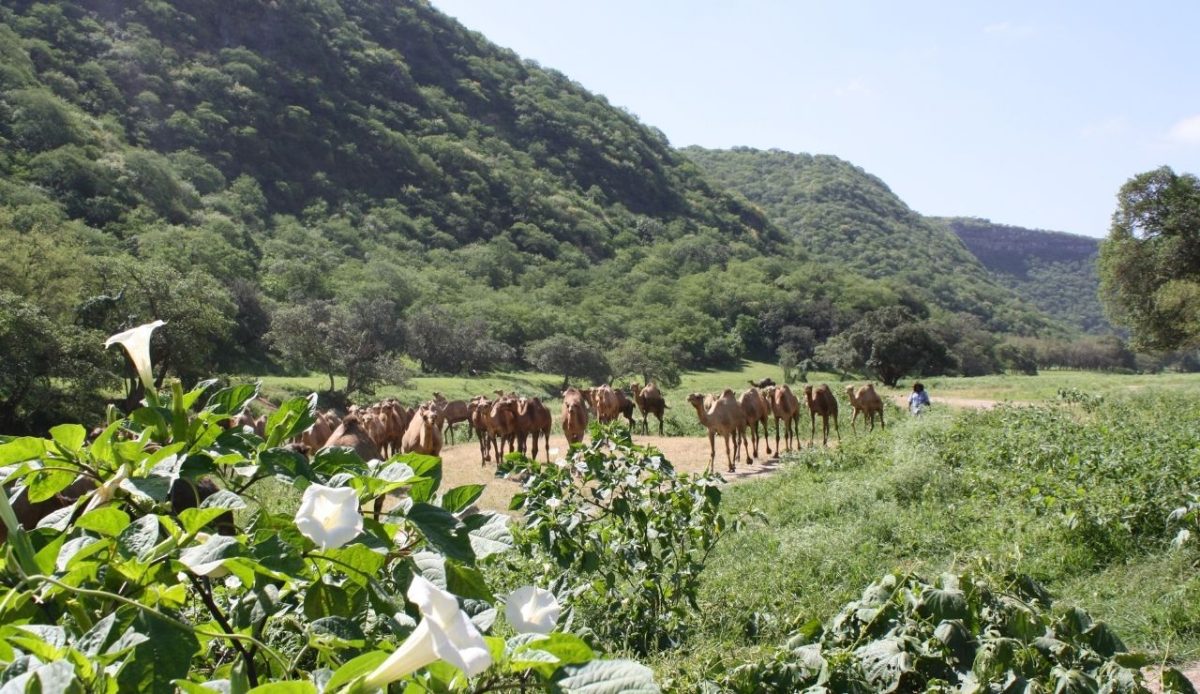
Jabal Al Qamar forms the western Dhofar escarpment facing the Arabian Sea, so it receives dense khareef cloud bands. Moist air condenses along cliffs and ridgelines, feeding short-lived streams and supporting grass cover on slopes. During peak season, road cuts can drip with water, and roadside plants remain green without irrigation. Outside Khareef, much of the same ground turns brown, so trip dates matter. Use caution on mountain roads, since wet pavement, fog, and wandering animals can appear with little warning. Wind can be strong near overlooks, and simple layers help when temperatures drop after sunset.
5. Socotra Archipelago, Yemen
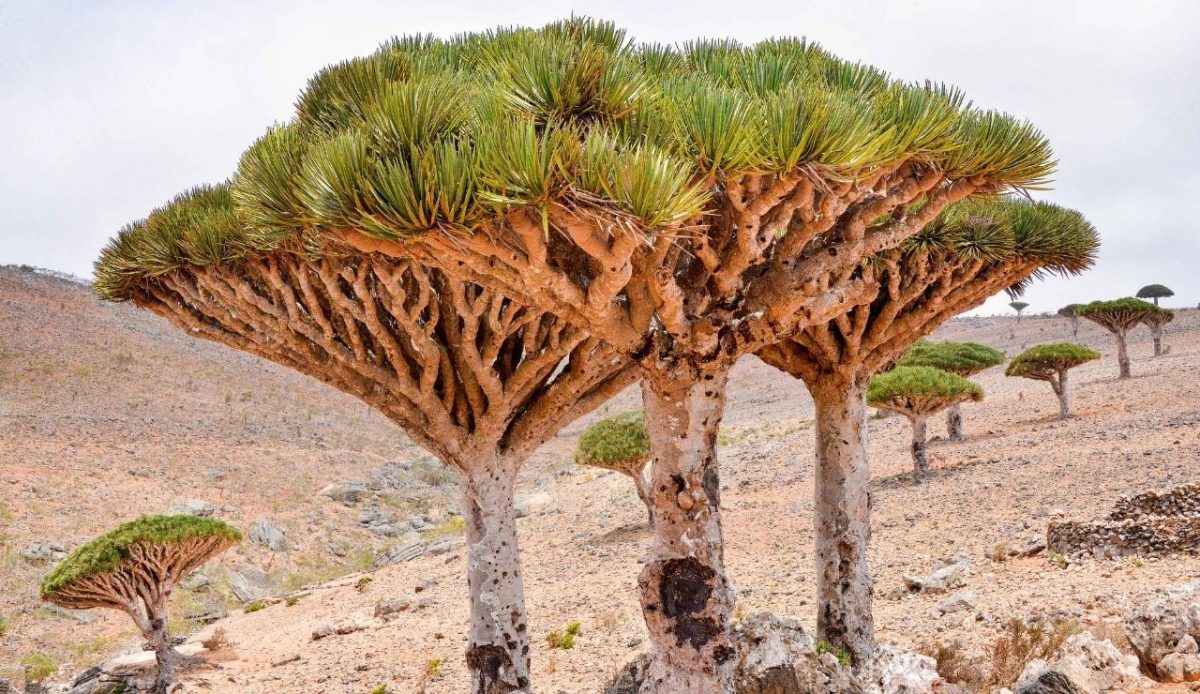
Socotra in the Indian Ocean belongs to Yemen and supports plant communities that feel far from the region’s usual dry image. Seasonal winds and localized rain patterns affect different parts of the island, while fog moisture helps some upland areas stay greener. Dragon blood trees and other endemic species grow where soil and moisture allow, creating dense pockets of vegetation among rocky ground. Humidity near the coast can be noticeable, especially in calmer weather. Because flights and permits can change, check access rules early and plan for limited services once outside the main town. Cash is often required.
6. Hawf Protected Area, Al Mahrah, Yemen
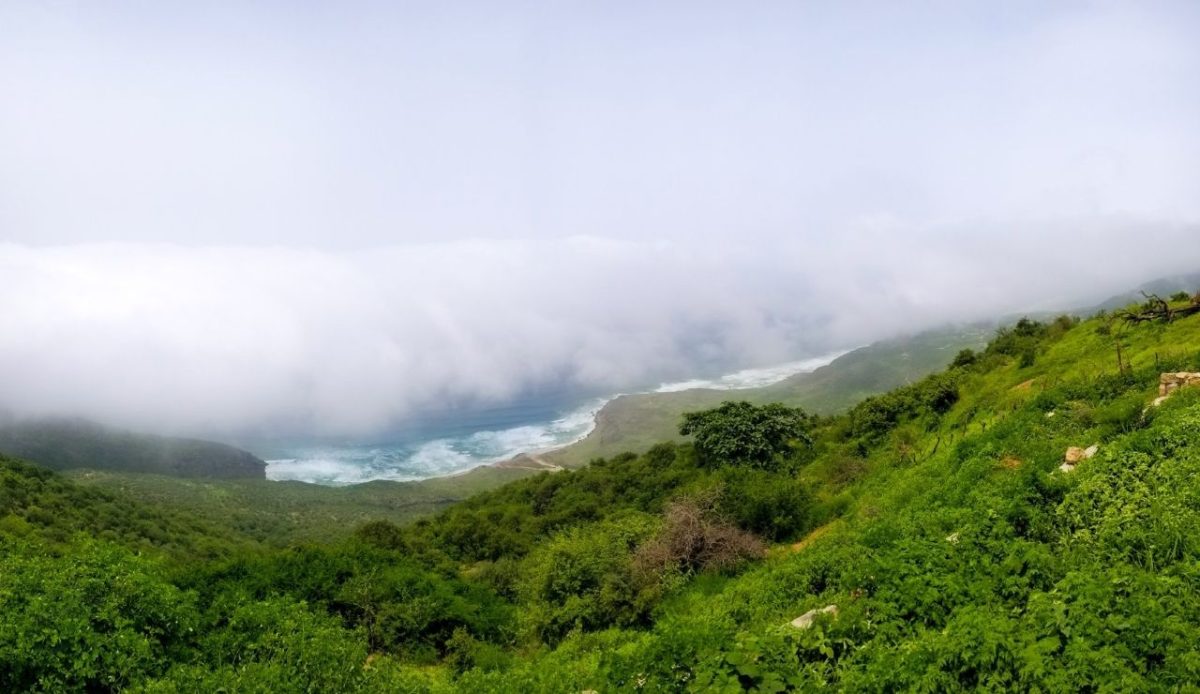
Hawf Protected Area in Al Mahrah holds one of Arabia’s rare fog-fed woodlands. Moist air from the sea moves inland and condenses on hills, supplying water even when rain totals are low. That steady input supports a closed canopy in places, with understory plants that are uncommon in the wider peninsula. Conditions can feel cool and wet compared with nearby desert plains. Road access may be basic, and checkpoints are possible, so local guidance and current security information should be treated as essential. Visits are best after periods of persistent fog, when leaves hold moisture and trails are less dusty.
7. Asir Region Around Abha, Saudi Arabia
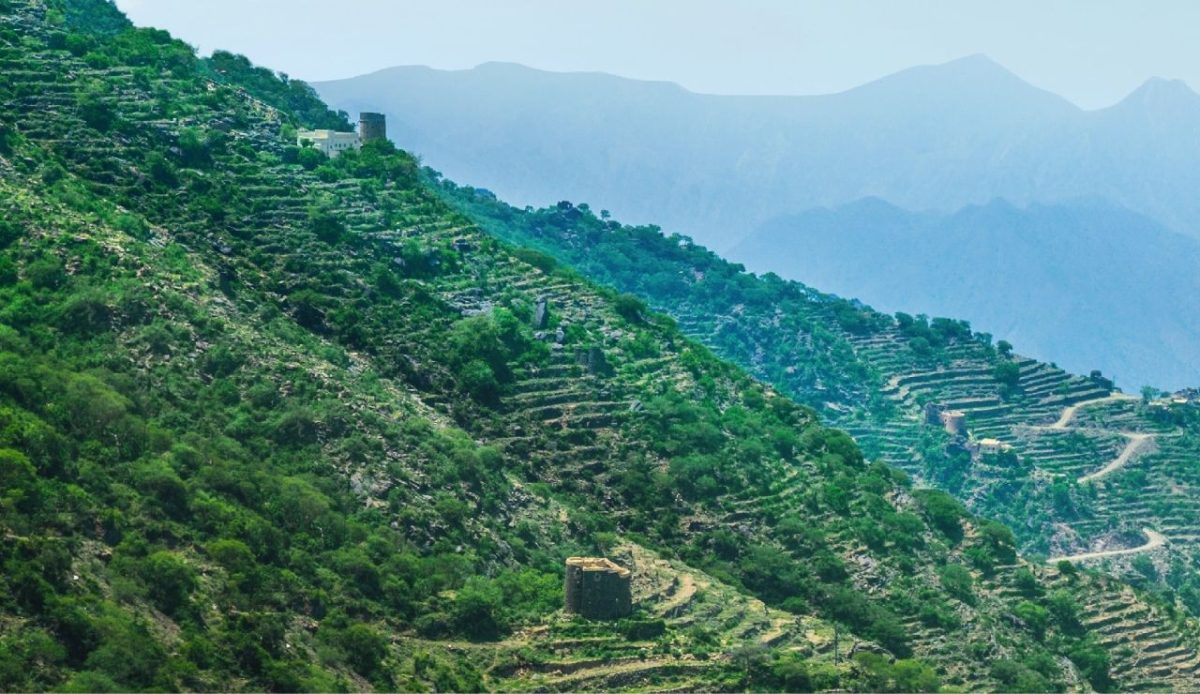
The Asir highlands around Abha are greener than most of Saudi Arabia because elevation boosts rainfall and lowers summer heat. Juniper woodland covers many slopes, and terraced fields show where moisture has supported farming for generations. Clouds and light showers can occur during warmer months, and cooler nights are common. The result is a mountain environment that feels fresh and sometimes humid, not sandy and dry. Bring a light layer, respect park rules, and watch for reduced visibility when clouds settle on ridge roads. Weekends draw crowds, so early starts help if you want quiet trails and open viewpoints.
8. Raghadan Park, Al Baha, Saudi Arabia
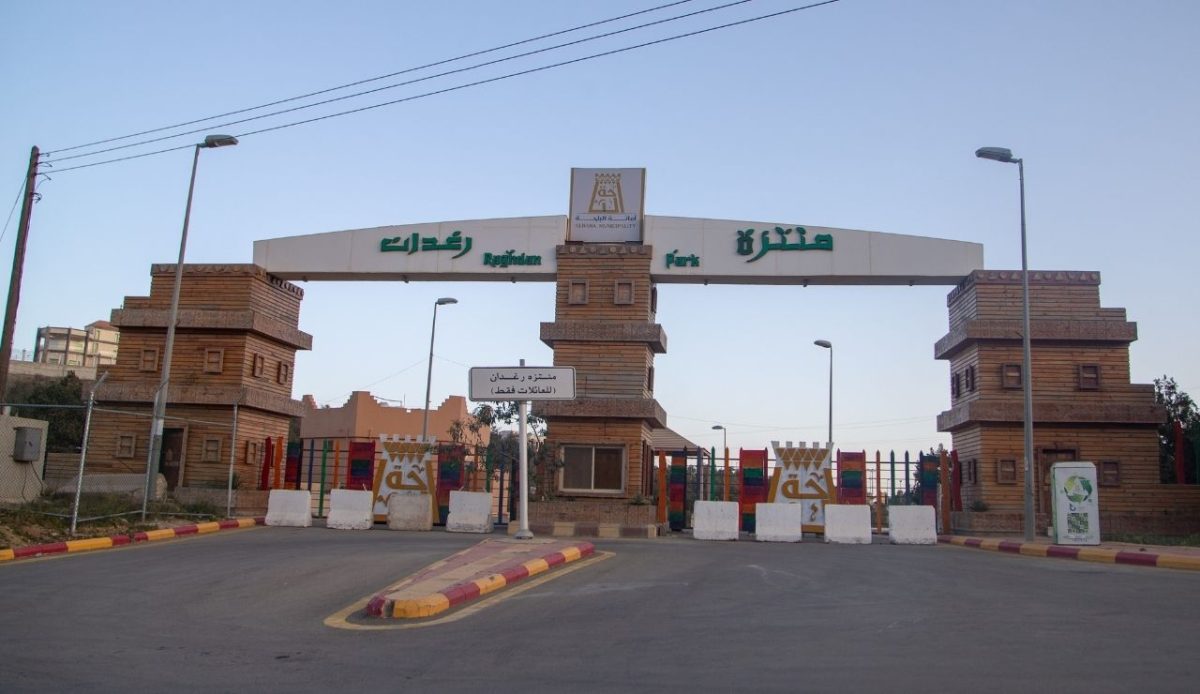
Raghadan Park near Al Baha lies in the Sarawat Mountains and benefits from cooler temperatures and frequent mountain clouds. Juniper groves create steady shade, and ground plants hold on longer here than in the surrounding lowlands. During warm months, mist can drift through picnic areas, and the air may feel damp after short showers. It is a good example of how elevation can produce a green microclimate in western Saudi Arabia. Paths can be slick after rain, so footwear with grip and a careful pace make the visit safer. Even in summer, evenings cool quickly, and a light jacket is useful if you stay past sunset.
9. Al Thakira Mangroves, Qatar
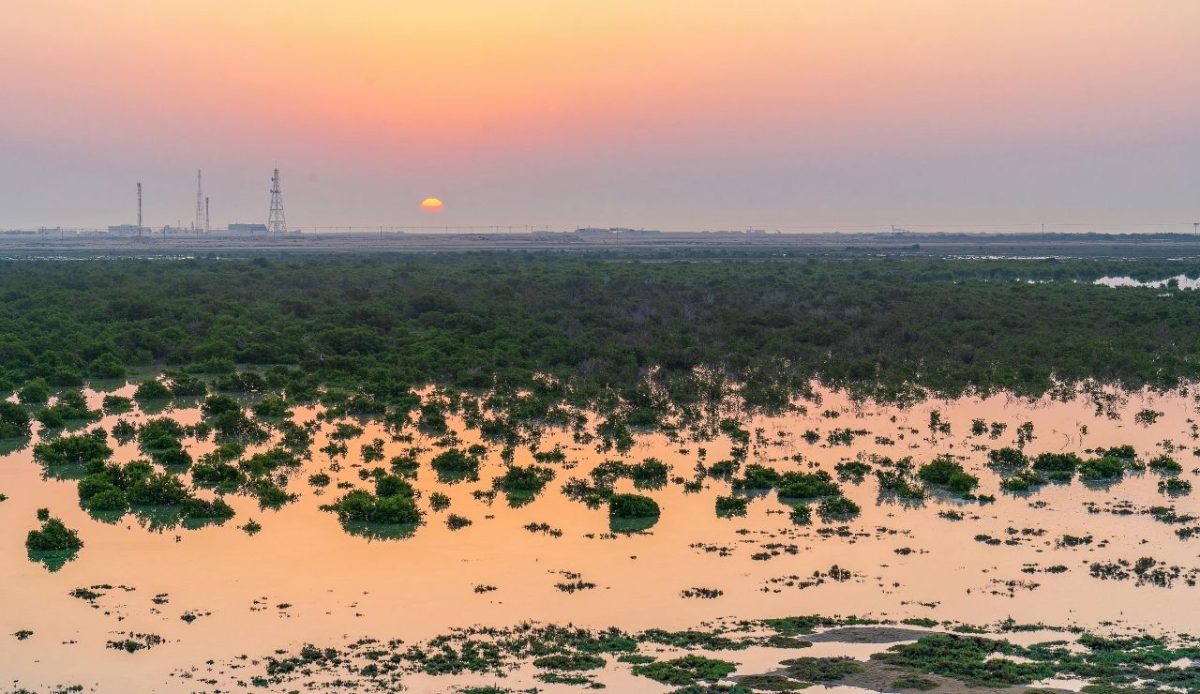
Al Thakira near Al Khor contains one of Qatar’s largest natural mangrove areas, supported by tidal seawater and shallow lagoons. Mangrove roots trap sediment and provide nursery habitat for fish, while the canopy creates shade that reduces heat. This creates a wetland corridor with dense greenery and higher humidity than nearby beaches. Kayak routes pass through narrow channels where birds feed at low tide. Go early to avoid midday glare, and avoid disturbing wildlife by keeping noise and wake low. In cooler months, the water stays comfortable for paddling, and mosquitoes can appear near still pools after rain.
10. Abu Dhabi Mangroves, United Arab Emirates
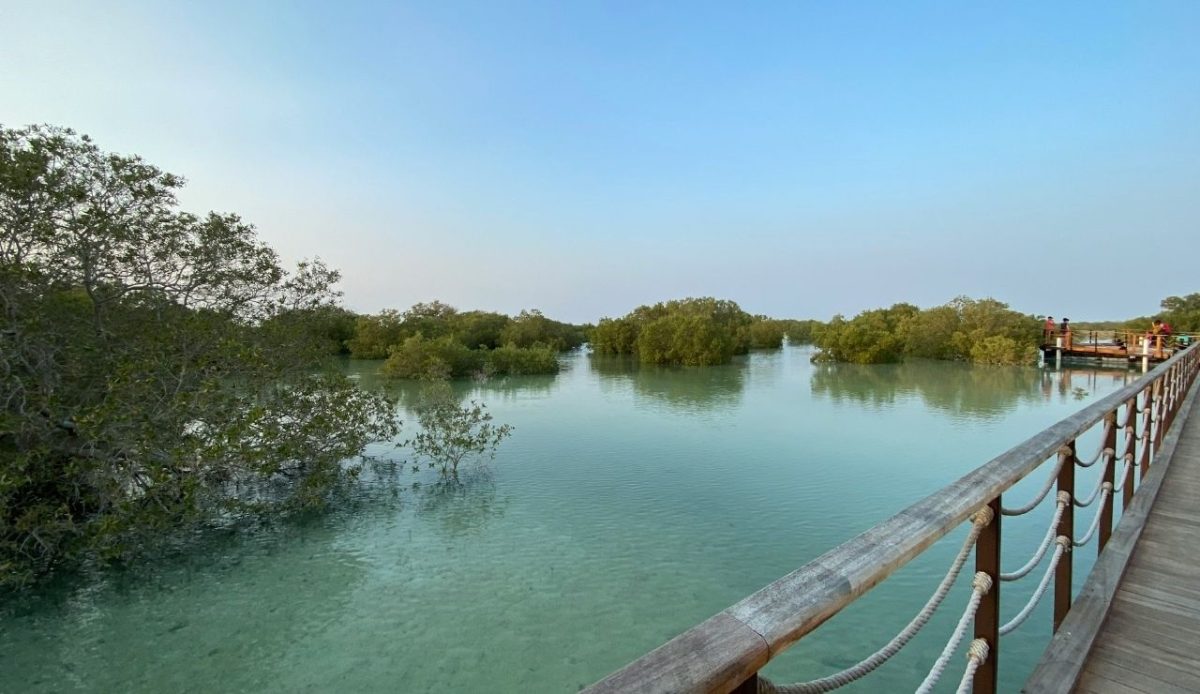
Abu Dhabi’s mangrove zones protect a functioning coastal wetland within an urban setting, where seawater tides keep channels flushed. Thick mangrove growth cools the air over the water and raises humidity, creating a sheltered environment that feels closer to a tropical lagoon than a desert coast. Boardwalk access and guided paddling make the habitat easy to experience without entering sensitive areas. Birdlife is common, and crabs and juvenile fish are often seen at low tide. Visit near sunrise or late afternoon for gentler heat and calmer wind on the water. Rules may limit drones and loud music.
