
Far East trips can feel smooth until everyday habits collide with local expectations. American visitors often notice friction in how people use public space, handle payments, and follow rules on transit. These moments usually are not hostile, but they can feel sharp because they happen in crowded settings where mistakes are visible. The cities below were chosen for concrete, repeatable issues documented in official guidance, local regulations, and common visitor reports, not stereotypes or vague culture talk. Knowing them ahead of time helps travelers adjust quickly and avoid awkward scenes on day one.
1. Tokyo, Japan
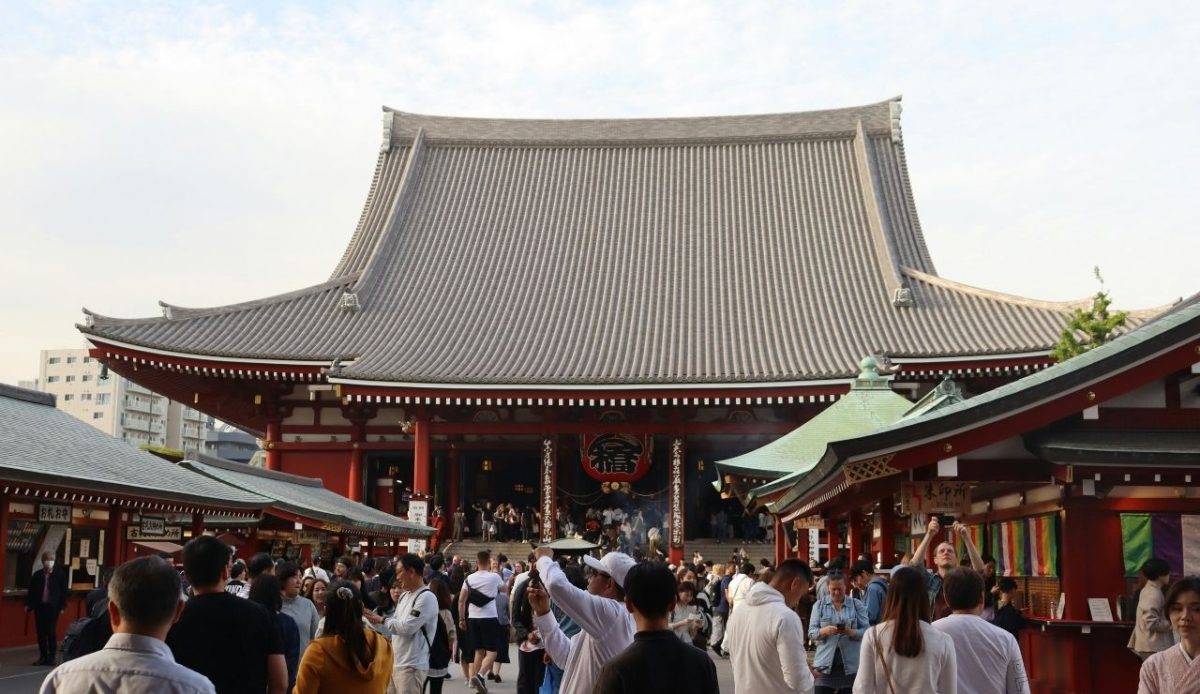
Tokyo friction often comes from quiet norms that are enforced through social pressure. On commuter trains, phone calls and loud talk are discouraged, so an American speaking at full volume may get pointed looks instead of a verbal warning. Tipping can also create confusion because it may be refused or returned. Orderly lines, careful trash handling, and on-time routines are treated as shared duties. Visitors rarely are confronted, yet the silence can make mistakes feel bigger than they are. Even in shops, staff may avoid saying no directly, so Americans may miss hints about pace, space, or where to stand while waiting.
2. Kyoto, Japan
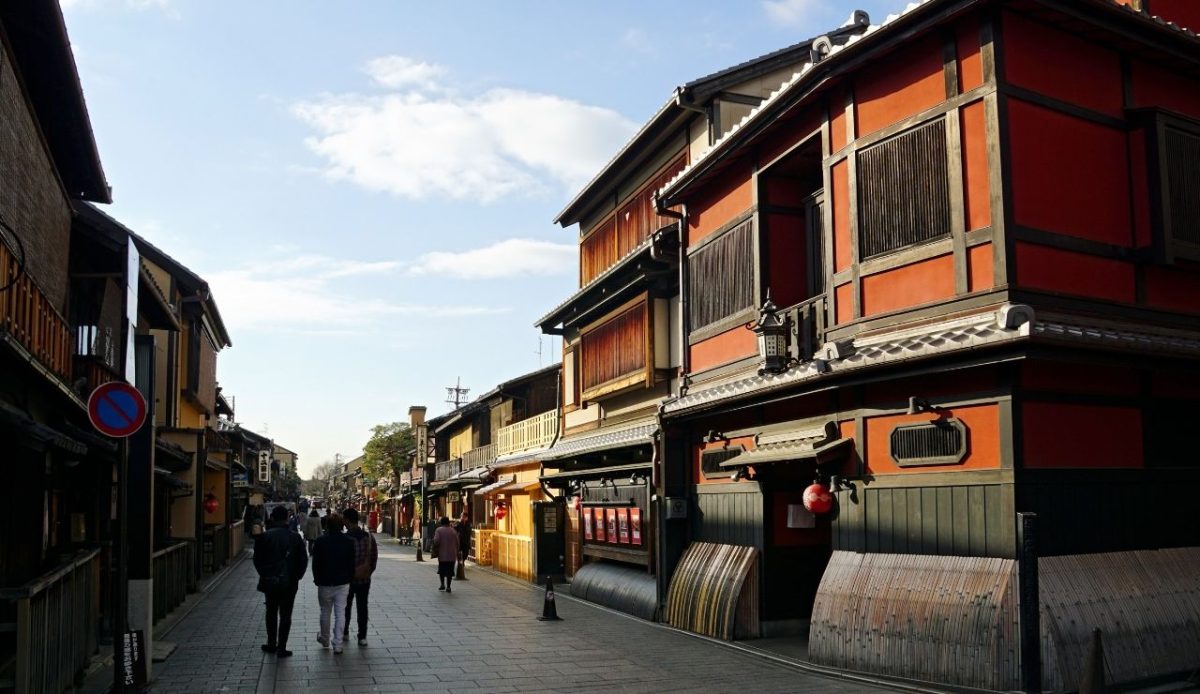
Kyoto tension is linked to preservation and resident privacy in crowded historic areas. Many lanes are private, and signs may ask visitors to stay out, keep voices down, and avoid blocking doorways. Americans who treat the streets like a photo set can draw pushback, especially around geisha districts where rules and fines have been used to reduce harassment. Small actions such as stepping into an alley for a picture or filming strangers up close can be viewed as disrespect, not curiosity. Inns also expect calm entry and clear reservations, so loud walk-ins can strain nearby guests during peak evenings.
3. Seoul, South Korea
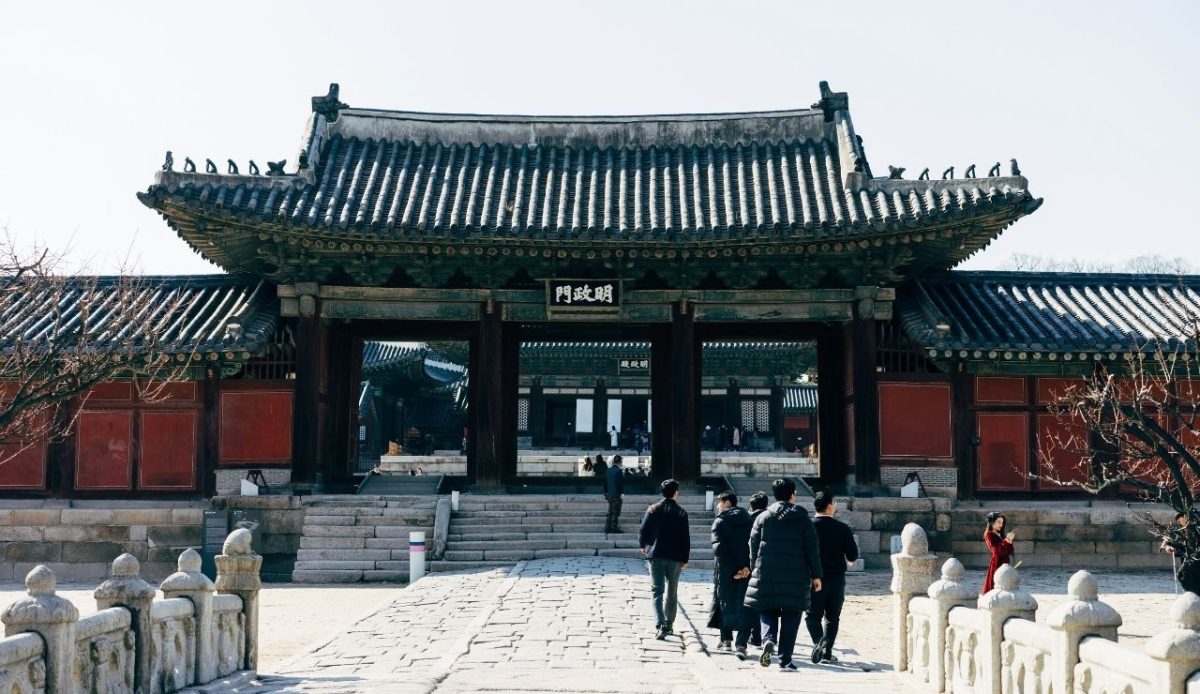
Social hierarchy shapes many interactions in Seoul and can surprise American travelers. Age and status shape greetings, seating, and how items are handed over, with two hands often used for drinks or business cards. In group meals, the eldest may start first, and pouring for oneself can be frowned upon. Shoeless spaces are common in homes and some restaurants, and missed cues can cause quite discomfort. Because corrections may be indirect, visitors can leave unsure why the mood changed. On subways, priority seats are treated seriously, and taking them casually can draw reactions even if the rider intends to move later.
4. Beijing, China
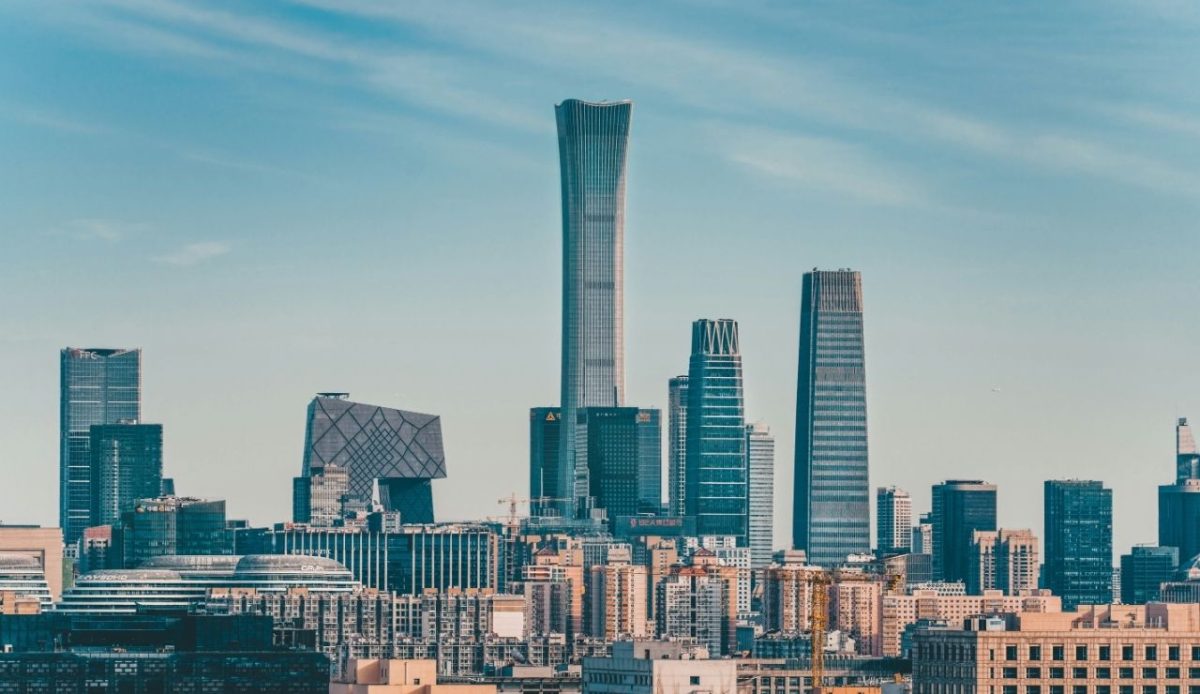
Beijing stands out for travel procedures that feel stricter than many Americans expect inside a city. Foreign visitors must register their place of stay with public security within a required window, and hotels handle this through passport checks. At major sights and some transit points, security screening and ID verification can be routine. These steps are normal locally, yet they can feel intrusive to travelers used to freer movement. Planning extra time and keeping documents accessible reduces stress and avoids delays. Some sites restrict photography, and rules may be enforced quickly with little English.
5. Shanghai, China
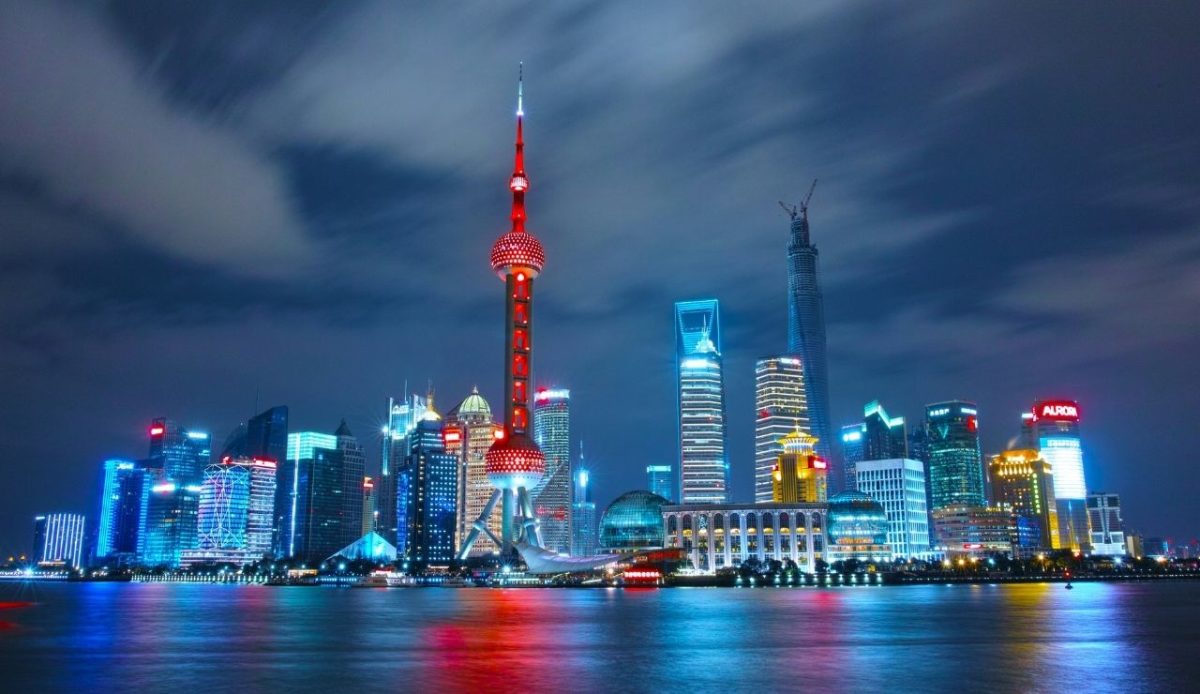
Shanghai friction often shows up at the cashier. Daily life is built around QR payments through local apps, so small eateries, markets, and taxis may not accept foreign cards. Americans who rely on tap to pay can end up stuck at the counter while staff look for a workaround. Even when cash is accepted, making change may be slow. Setting up a visitor-friendly wallet option before arrival, or carrying enough cash for short rides and snacks, prevents awkward moments and keeps plans moving. Some venues also require an online reservation code for entry, and the booking screens may assume a local phone number, adding another layer of friction.
6. Hong Kong
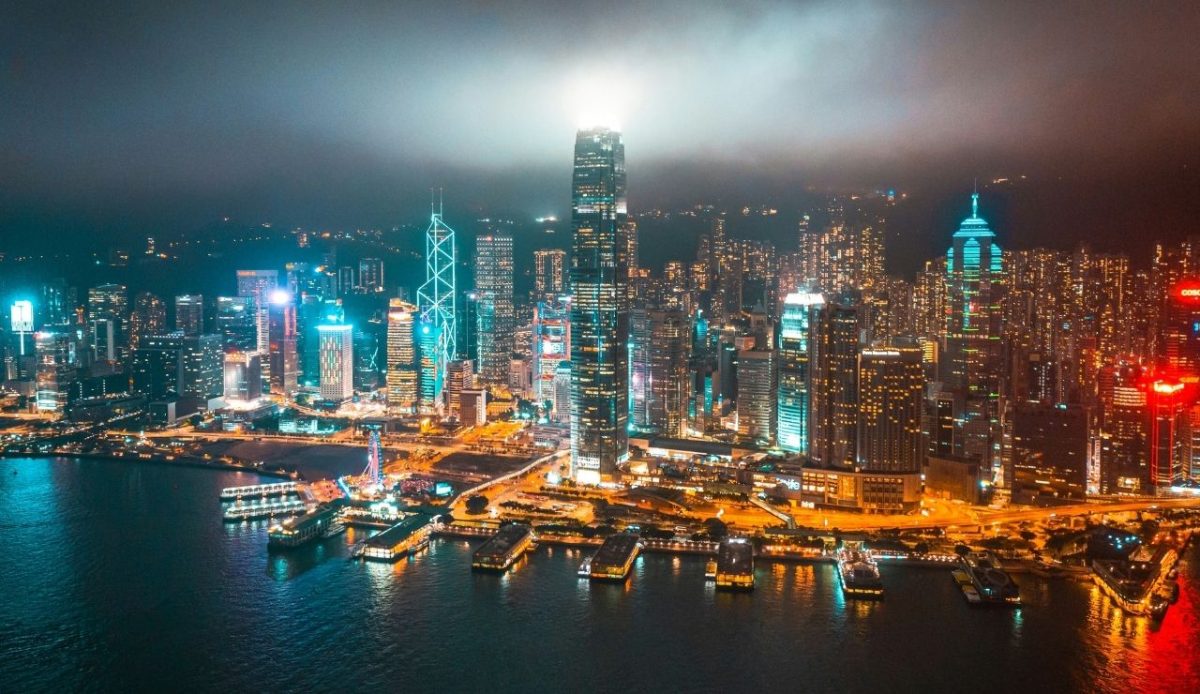
Hong Kong can feel sharp because speed is treated as courtesy. On the MTR, people expect riders to let others exit first, stand to one side on escalators, and move through gates without pausing. Stopping to check a map in a narrow corridor or blocking the doors while boarding can trigger irritated comments. Food and drink restrictions in transit areas add another mismatch for Americans used to sipping water on the go. Keeping payment ready and stepping aside before looking up directions lowers the chance of tense exchanges. In districts, loudspeakerphone use can draw stares, since public audio is expected to stay low.
7. Taipei, Taiwan
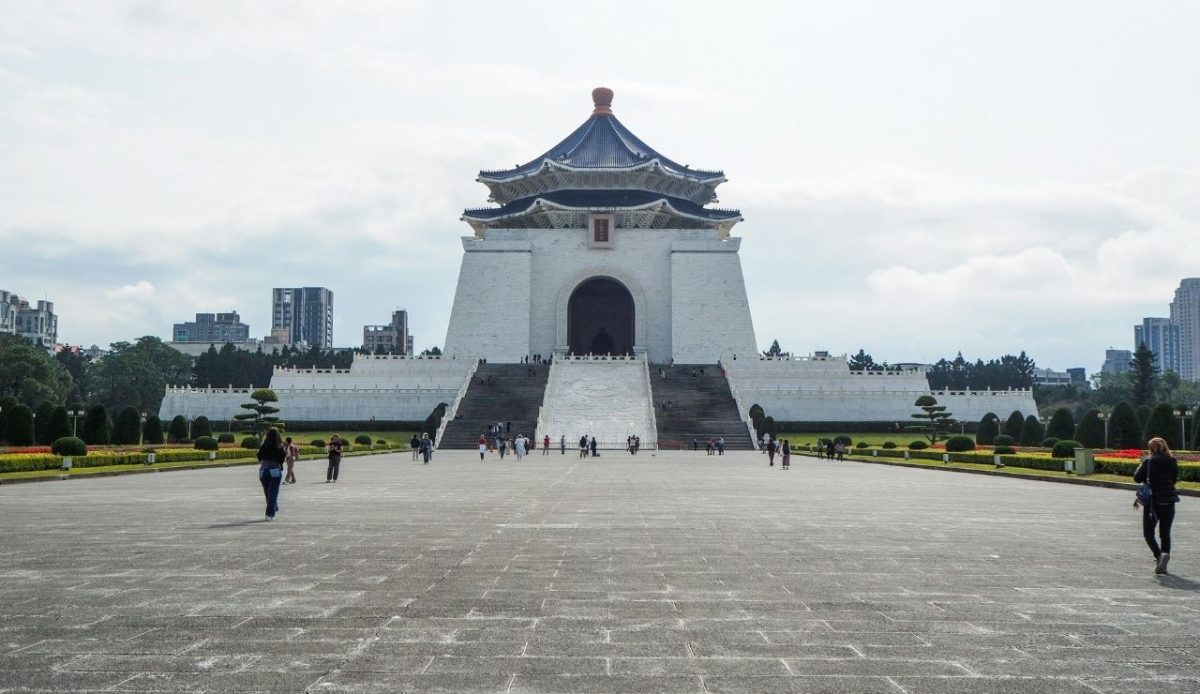
Taipei’s metro system is a common friction point because rules are clear and widely followed. Eating and drinking are banned in trains and stations, including water, and fines can apply. Americans who take a quick sip may be corrected by signs, announcements, or other riders’ attention. Line discipline is strong, and boarding is expected to be orderly. The result is a very clean system, but it leaves little room for the casual habits many US travelers carry into public transit. Even on the street, many people keep their own trash until a bin is found, so leaving packaging behind can be judged more harshly than visitors expect.
8. Singapore
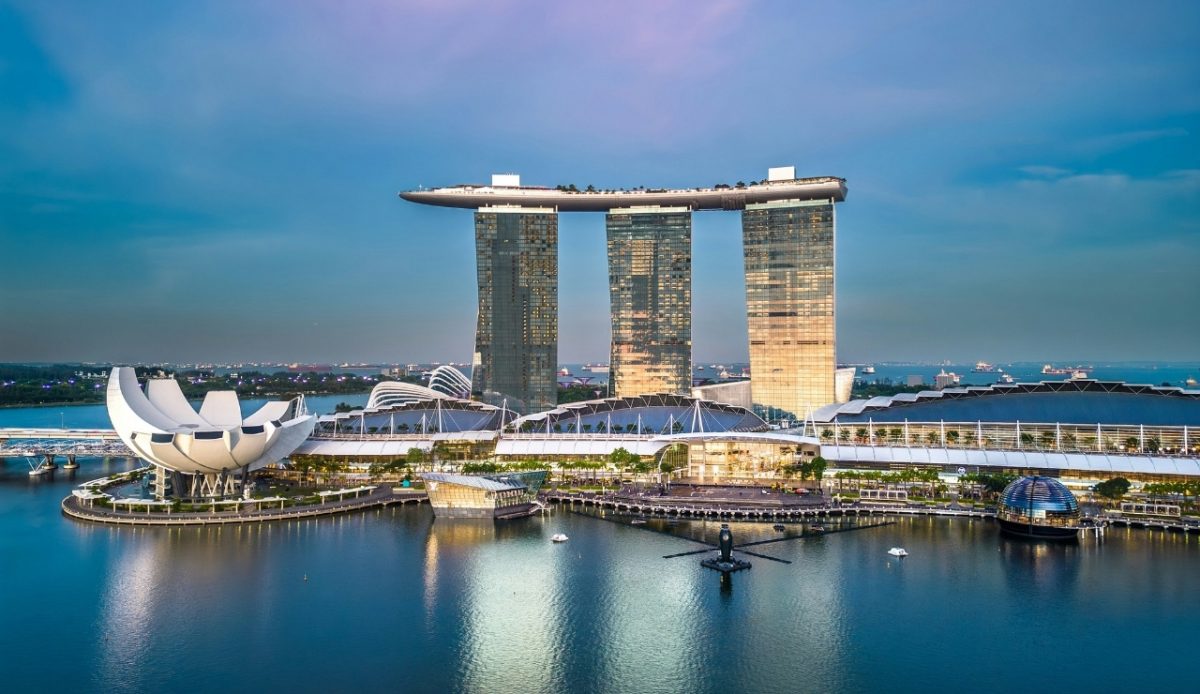
Singapore friction for Americans is often legal rather than social. Rules on littering, smoking zones, and other public conduct are backed by fines, so habits that might pass unnoticed at home can become costly. Drug laws are strict, and penalties can be severe, with little tolerance for mistakes. Some visitors feel watched because compliance is expected everywhere. Reading posted notices, keeping receipts for prescribed medicine, and avoiding casual assumptions about what is allowed help keep interactions calm and predictable. Even crossing streets or eating on certain trains may be regulated, so copying local behavior is a safe approach.
9. Vladivostok, Russia
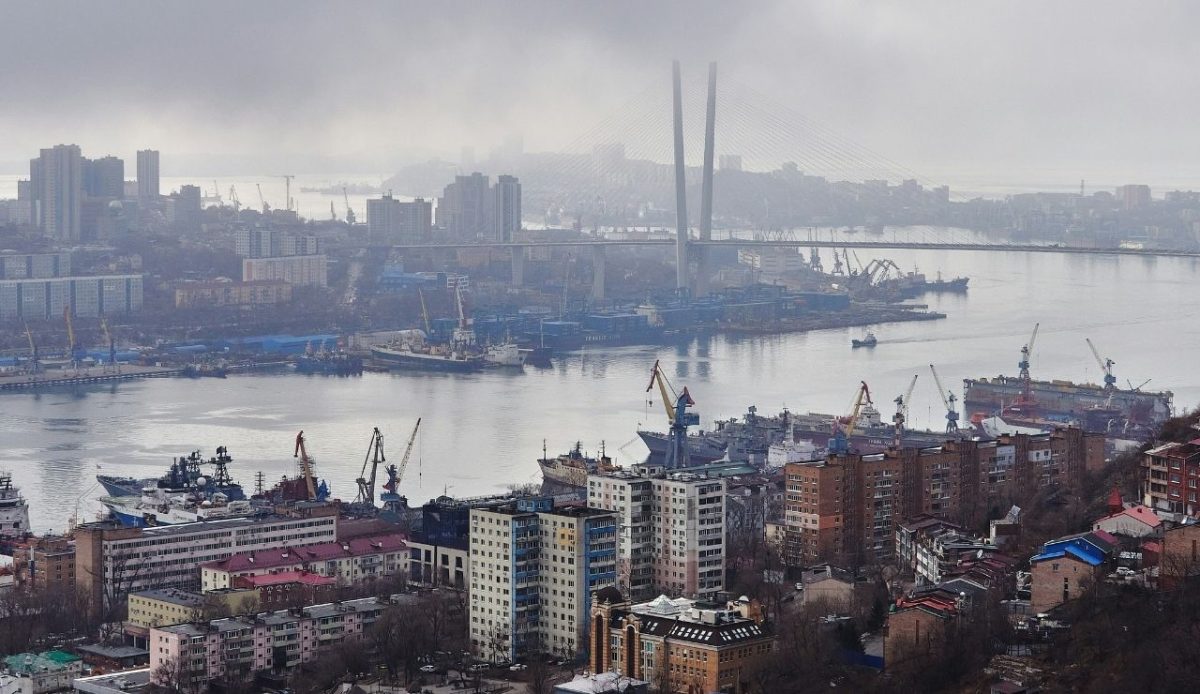
Vladivostok friction is driven by practical limits that affect social comfort. English can be limited outside hotels, and signage may be hard to decode on the move. For Americans, payments are the biggest shock. U.S.-issued cards may fail due to network restrictions, pushing visitors toward cash. That changes simple tasks such as buying tickets, paying for a ride, or ordering food, and it can create dependence on staff help. Having a cash plan and using official transport options reduces stress and keeps interactions smooth. Many services also assume a local phone number, so arranging a SIM plan ahead of time can prevent long waits at counters.
