
Air cabins turn small behaviors into shared experiences, so passengers often judge what looks odd even when it is permitted. Airlines focus on safety, crew workload, and federal rules, not social comfort. Some habits are tolerated because they create no measurable risk, while others are allowed only when done carefully or when medical needs are involved. Many policies also depend on flight attendants’ judgment, which is why the same act may be corrected on one flight and ignored on another. The list below stays on inflight conduct that is typically permitted, even if it earns side eye from seatmates in economy.
1. Eating Strong Smelling Food From Home

Opening a container of garlic-heavy noodles or curry can annoy nearby rows, yet eating outside food is usually allowed. Airlines mainly care that the meal does not spill, block the aisle, or create a safety issue during service. Foods that behave like liquids, such as soup or sauce cups, should be kept sealed and handled like other drink items to avoid a mess. Solid meals are treated as personal items, and crew members typically step in only if a strong odor triggers repeated complaints or if trash is left behind. Keeping portions small and sealing leftovers reduces attention, but the act itself is normally permitted.
2. Feeding Babies With Large Liquid Containers

Large bottles of formula, breast milk, or toddler drinks can surprise passengers who think every liquid must be tiny. Onboard, feeding is allowed because children cannot wait for a service cart or match adult schedules. These items are considered essential for care, so the crew is unlikely to question them as long as the bottle is handled safely and warmed in an approved way. Most airlines ask that hot water requests be made to a flight attendant rather than mixing at the galley sink, which keeps burns from happening. Parents are also expected to keep supplies beneath the seat in a pouch and to clean spills quickly so the aisle stays clear.
3. Knitting Or Stitching During Long Flights
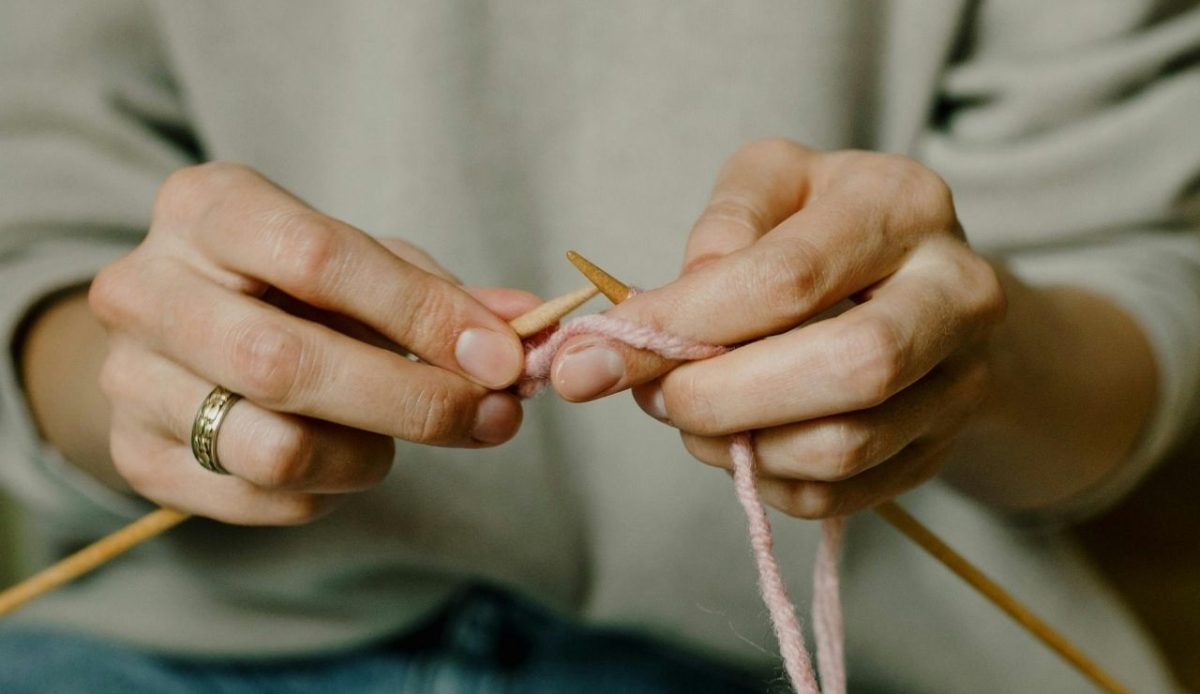
Knitting or stitching can look tense to seatmates when needles flash in a tight cabin, but the activity is commonly allowed. Airlines typically follow screening rules that permit small craft tools, then rely on crew discretion once onboard. Many travelers switch to circular needles or short hooks to keep points away from neighbors and to prevent drops under seats. Needles should be capped or stored during takeoff, landing, or turbulence, since sudden jolts can cause injury. As long as elbows stay within the seat space and yarn does not tangle in the aisle, the work is treated like reading or using a tablet.
4. Clipping Fingernails At The Seat
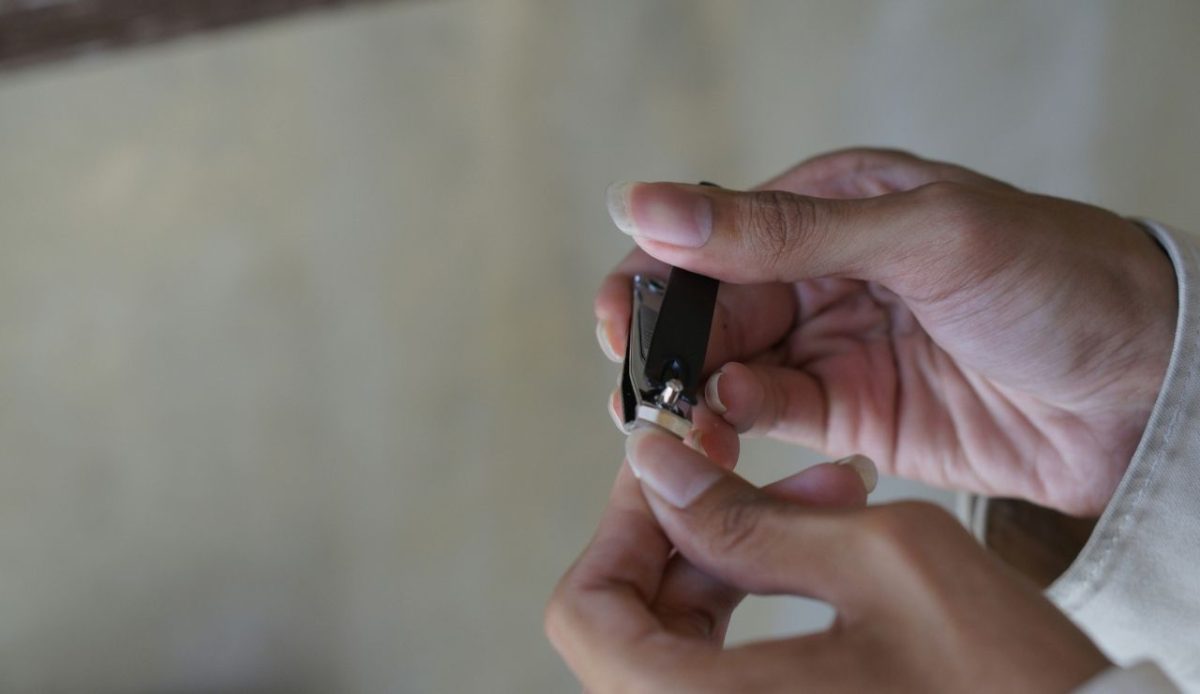
Nail clipping at the seat is one of the fastest ways to irritate a cabin, yet it is rarely banned outright. Clippers are standard personal items, and no safety rule is violated when they are used quietly. Problems start when clippings scatter, so the habit is tolerated only when hands are kept close and waste is contained. Many crews prefer it to be done in the lavatory, where cleanup is easier, and others are not exposed to flying debris. A passenger who wipes the area and disposes of clippings properly is less likely to be corrected, but the act can still draw complaints from nearby rows at all.
5. Using Medical Devices Like CPAP Machines
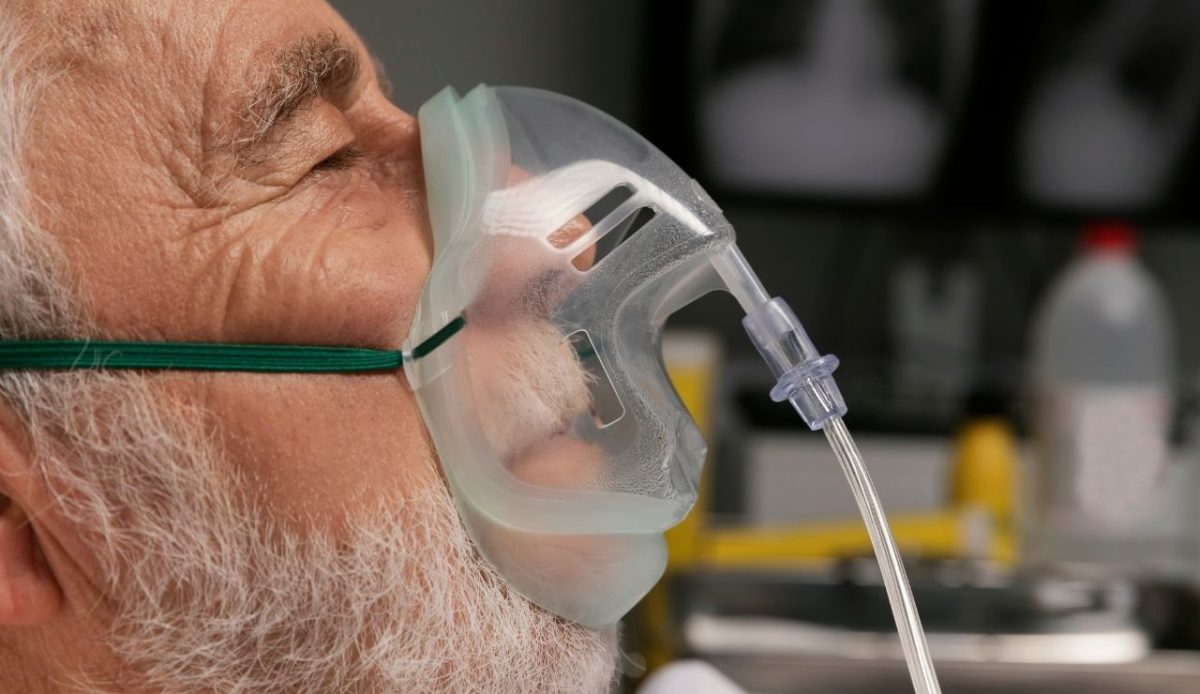
Seeing a CPAP mask and hose can confuse seatmates who assume medical machines are prohibited in flight. Most airlines allow approved respiratory devices because they support health and are treated as assistive equipment. Many carriers recommend notifying them in advance, so seat power limits and outlet location can be planned. Use may be limited by power access, so passengers often rely on an airline-approved battery and keep cords secured. When the device fits under the seat and does not block egress, it is usually accepted, and questions are handled through crew discretion rather than confrontation.
6. Carrying But Not Using Vapes
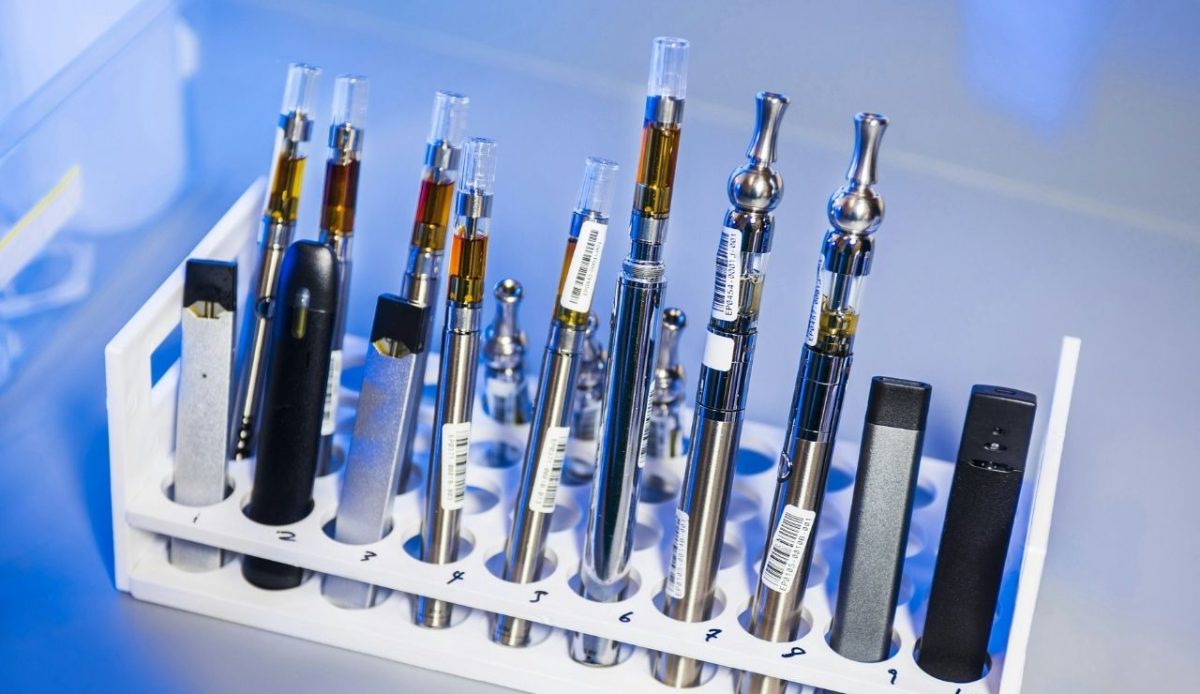
Holding a vape or e-cigarette can alarm passengers who know it cannot be used in the cabin. Airlines still allow the device to be carried onboard because lithium batteries must stay with the traveler, where overheating can be noticed quickly. The rule is about storage, not permission to inhale. Devices should be turned off, protected from accidental activation, and kept in carry-on bags rather than checked luggage. Some crews will ask that a device be removed from a pocket if it appears hot or damaged. If vapor is produced, the crew can treat it as a serious violation that may involve reporting after landing.
7. Charging Devices With Power Banks
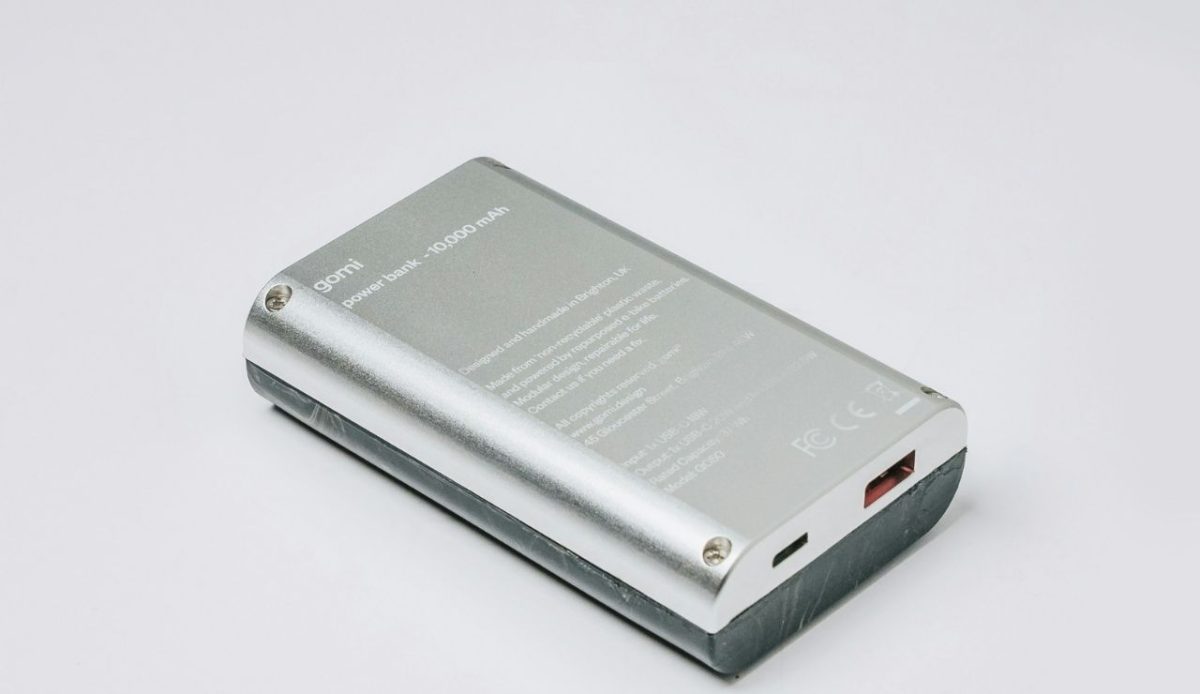
Power banks plugged into phones can look risky, yet they are commonly allowed because spare lithium batteries are expected to stay in the cabin. Many airlines permit charging when the bank is in good condition and not hidden under blankets or inside a bag. Some carriers restrict very high-capacity packs or require that the bank remain visible while it is powering a device. Heat, swelling, or a burning smell should be reported immediately, and the device may be isolated by the crew. Passengers are also asked to avoid dangling cords that could trip others in the aisle, especially during beverage service.
