
Northern Europe is famed for its stunning landscapes, vibrant cities, and rich history, but travelers often make avoidable mistakes that can disrupt their experience and enjoyment. From misjudging weather conditions to misunderstanding local customs or rushing schedules, small errors can lead to discomfort, frustration, or unintended disrespect. By being aware of what to avoid, visitors can maximize their enjoyment while respecting cultural norms and the environment. This guide highlights practical tips, common pitfalls, and cultural considerations to help travelers navigate Northern Europe confidently and responsibly.
1. Ignoring the Weather
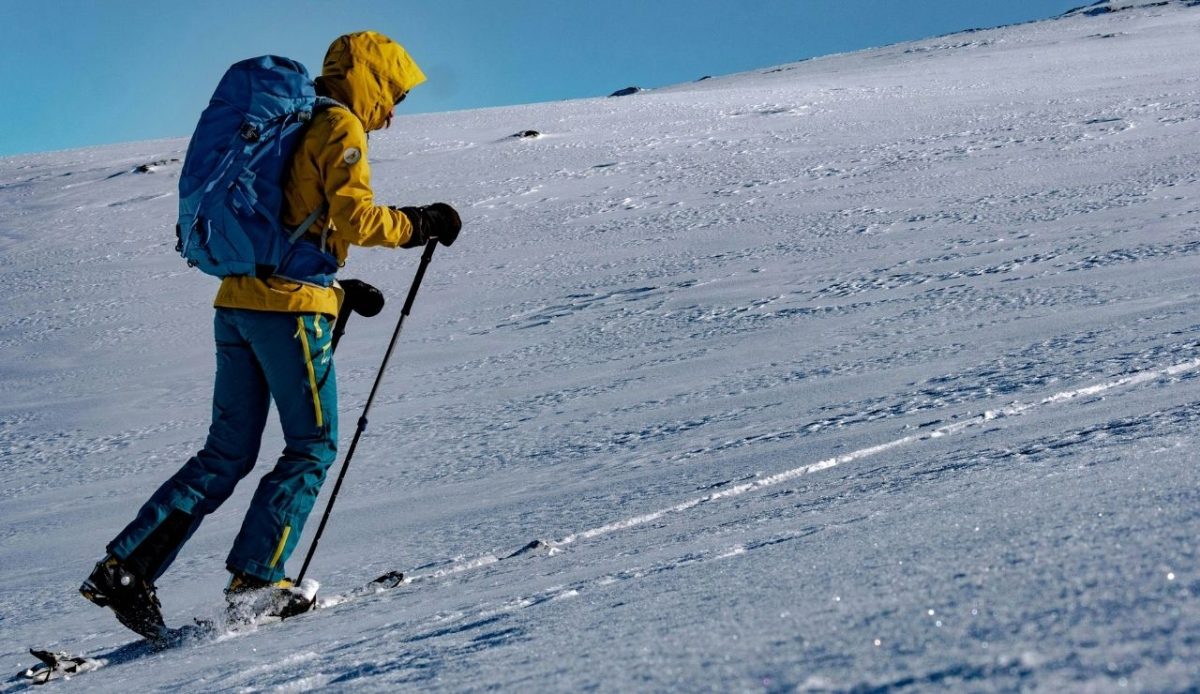
Northern Europe is known for unpredictable weather, with sudden rain, chilly winds, or rapid temperature changes. Travelers who pack lightly or fail to bring layers can find themselves uncomfortable and unprepared. Wearing appropriate clothing, waterproof jackets, and sturdy shoes ensures comfort during sightseeing and outdoor activities. Checking local forecasts and planning accordingly prevents unnecessary stress. Embracing the climate rather than ignoring it allows visitors to enjoy city tours, fjord cruises, or nature hikes without disruption, making the Northern European experience more enjoyable and memorable.
2. Disrespecting Local Customs

Northern Europe places a high value on etiquette, punctuality, and personal space. Travelers who ignore local customs, such as queuing properly, speaking loudly in public, or disregarding social norms, risk offending locals. Understanding behaviors like greeting formally, tipping appropriately, and observing quietness in certain areas shows respect. Learning a few local phrases or cultural basics enhances interactions. Travelers who embrace local customs can enjoy a more welcoming atmosphere, build positive connections, and gain authentic insights into Northern European societies, avoiding unnecessary misunderstandings or cultural faux pas.
3. Skipping Public Transportation Prep
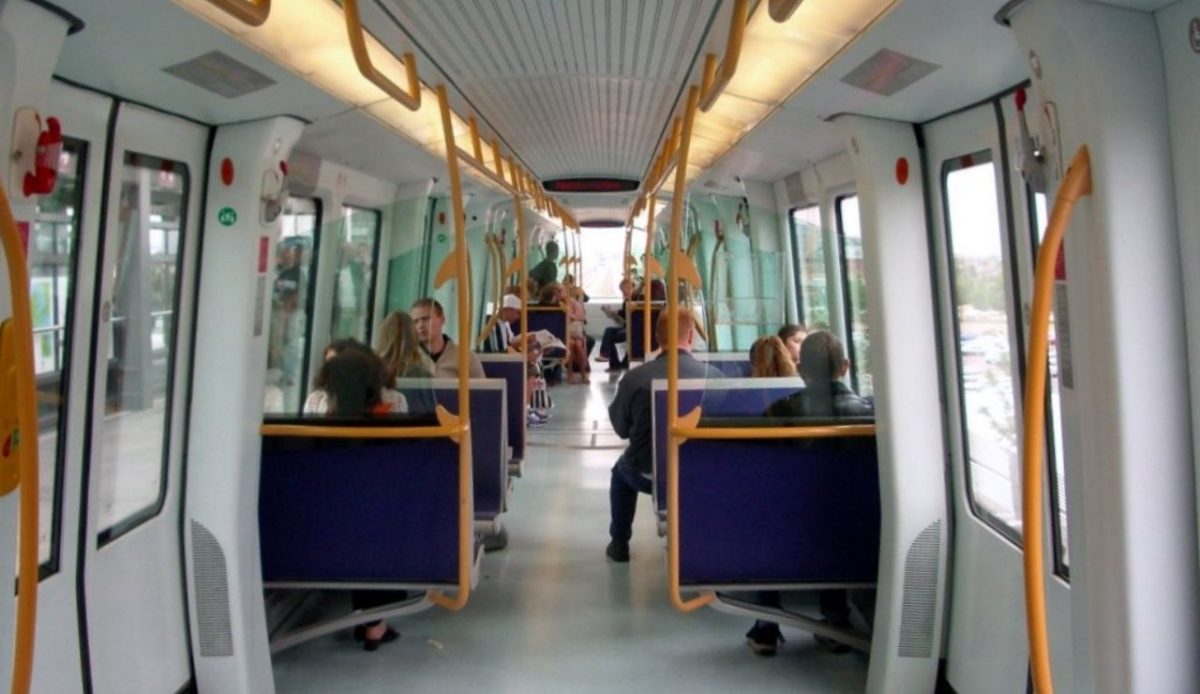
Northern European cities boast efficient public transportation, but unprepared travelers may struggle. Not researching ticket options, schedules, or passes can lead to fines, delays, and frustration. Understanding metro, bus, and train systems, and using apps or city cards, saves time and money. Avoiding peak hours and knowing how to validate tickets ensures smooth travel. Proper preparation allows visitors to navigate cities like Copenhagen, Stockholm, or Oslo efficiently, enjoying the urban landscape without stress. Being informed about transit etiquette and rules also fosters positive interactions with locals and fellow travelers.
4. Overpacking Your Itinerary
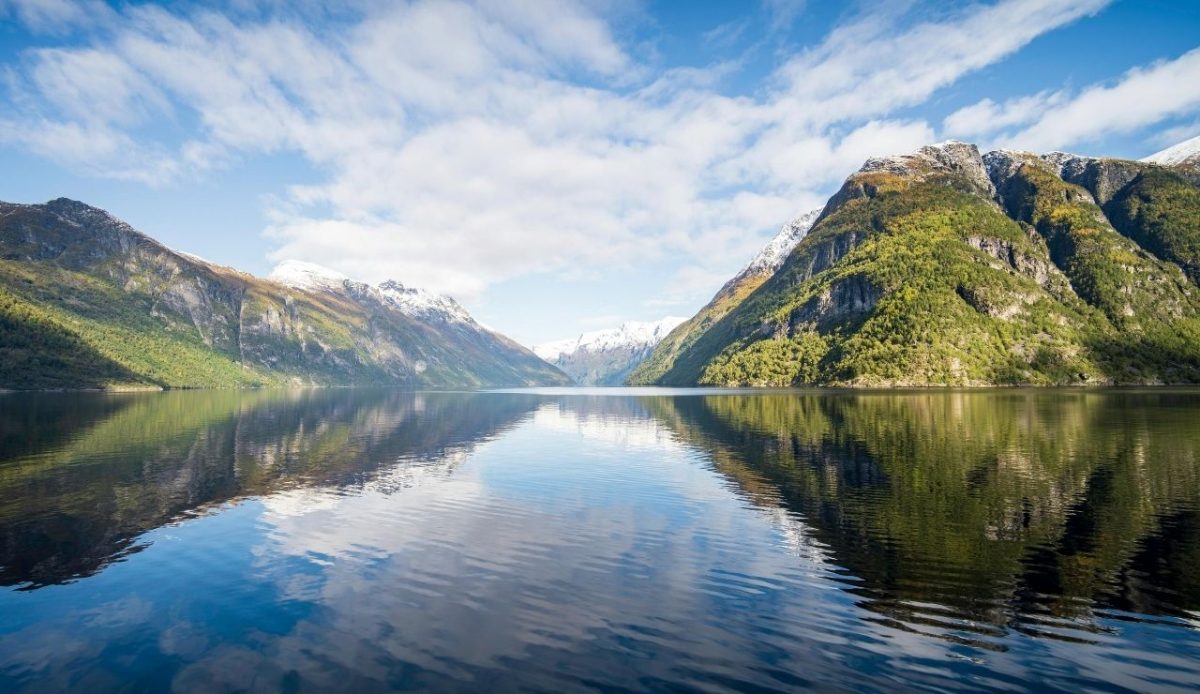
Trying to see everything in Northern Europe often leads to rushed trips and burnout. Traveling from city to city without breaks prevents appreciation of local culture, cuisine, and scenery. Overpacking activities can increase stress and diminish the enjoyment of each destination. Prioritizing must-see attractions, leaving room for spontaneous discoveries, and scheduling downtime creates a balanced experience. Travelers who pace themselves can enjoy museums, coastal towns, and scenic landscapes fully. Slowing down allows for richer cultural immersion, relaxation, and a more meaningful connection with Northern European surroundings.
5. Ignoring Seasonal Variations
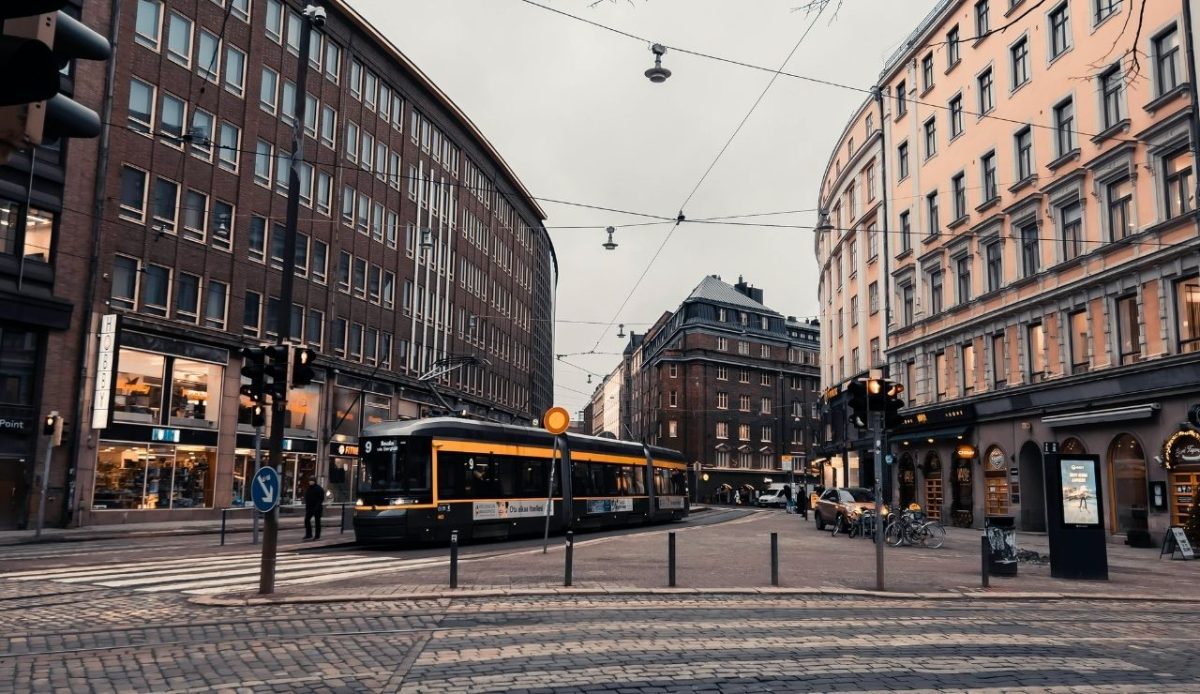
Seasons in Northern Europe greatly affect daylight, weather, and activities. Travelers visiting in winter may encounter short days and frozen landscapes, while summer offers endless daylight and bustling events. Ignoring seasonal conditions can result in disappointment, missed experiences, or logistical challenges. Planning trips according to desired activities, from skiing to hiking, ensures maximum enjoyment. Being aware of daylight hours and seasonal attractions allows visitors to schedule tours, festivals, and outdoor adventures effectively. Understanding seasonal differences enhances comfort and the Northern European experience.
6. Disregarding Local Cuisine

Northern Europe offers unique culinary experiences, from Danish smørrebrød to Swedish meatballs, yet travelers sometimes stick to familiar foods. Avoiding local cuisine limits cultural immersion and appreciation of regional flavors. Sampling street food, regional dishes, and traditional drinks enriches the travel experience. Visiting local markets and cafés fosters interaction with residents. Embracing culinary diversity allows travelers to fully experience Northern European culture. By being open-minded about meals, visitors enjoy authentic tastes, discover new favorites, and connect more deeply with local traditions.
7. Neglecting Language Basics

While English is widely spoken in Northern Europe, not learning basic local phrases can hinder simple interactions. Greetings, polite expressions, and essential words improve communication and show respect. Travelers relying solely on English may miss opportunities to connect with locals or navigate smaller towns. Using language apps, phrasebooks, or practicing pronunciation helps in restaurants, shops, and transit. Even minimal effort fosters goodwill, enhances cultural understanding, and enriches the travel experience. Knowing key phrases allows visitors to navigate challenges gracefully and show appreciation for local culture.
8. Overlooking Cultural Sites Outside Major Cities
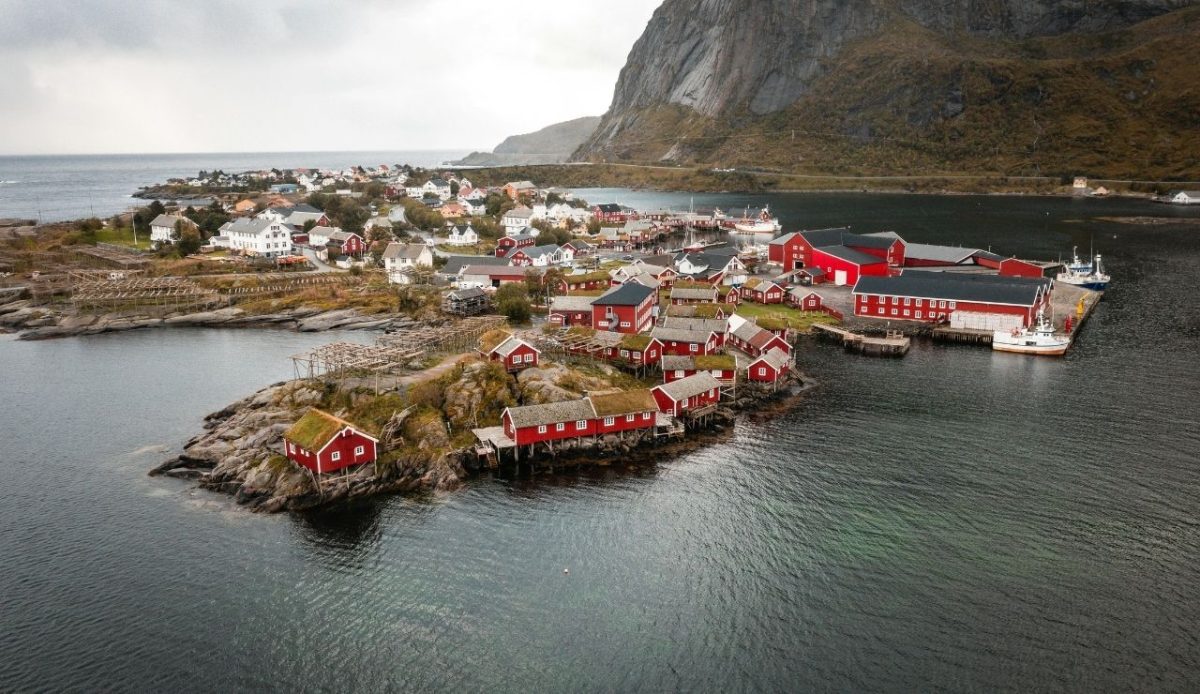
Focusing only on capitals like Stockholm or Copenhagen can make travelers miss charming towns, historic villages, and natural wonders. Many Northern European gems lie in rural areas, fjords, islands, and UNESCO sites. Ignoring these locations limits exposure to local heritage and scenic beauty. Renting a car, taking regional trains, or joining guided tours reveals hidden gems. Exploring smaller towns and the countryside allows travelers to experience authentic traditions, quiet landscapes, and local festivals, providing a more complete view of Northern Europe beyond urban centers, enriching cultural understanding and travel memories.
9. Misjudging Costs

Northern Europe is known for high living costs, and travelers who underestimate expenses risk overspending. Accommodation, dining, and transport can be expensive, especially in cities like Oslo or Copenhagen. Budgeting carefully, researching cost-effective options, and using city passes or hostels can prevent financial stress. Travelers who plan for meals, attractions, and transport enjoy a smoother trip without compromising comfort. Understanding cost expectations allows visitors to enjoy attractions, food, and culture responsibly. Proper planning ensures a stress-free Northern European adventure.
10. Forgetting Environmental Etiquette
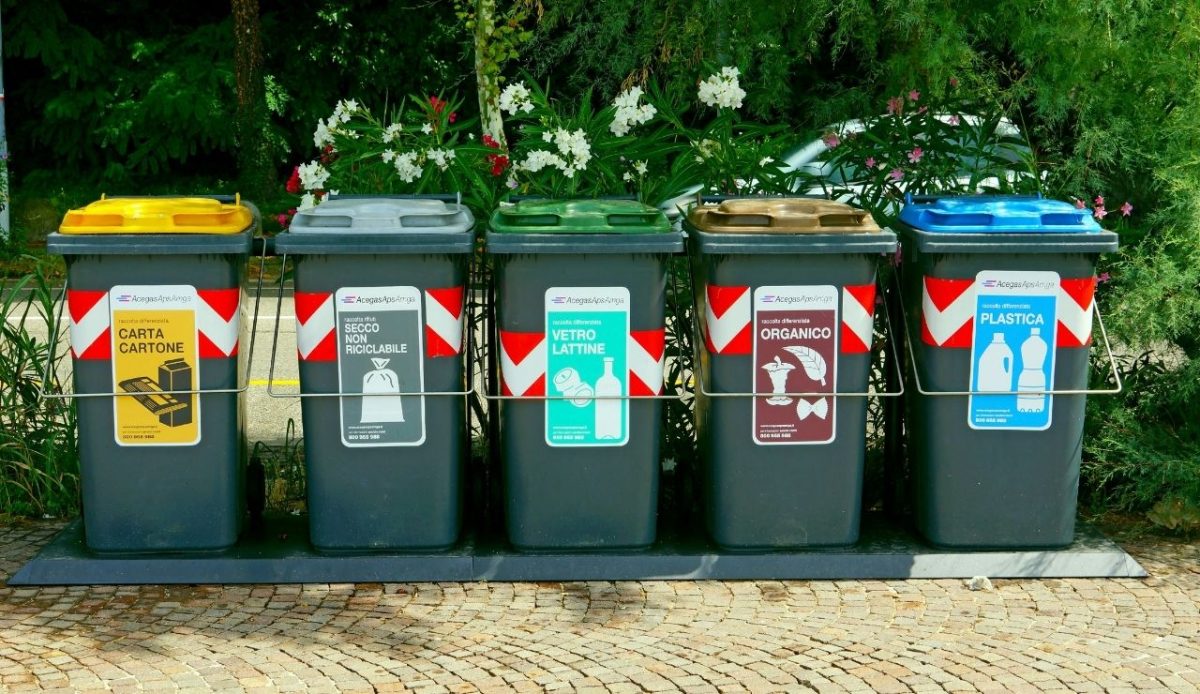
Environmental awareness is crucial in Northern Europe, where recycling, waste reduction, and eco-conscious behaviors are strictly observed. Travelers who litter, ignore recycling rules, or damage natural sites risk offending locals and harming the environment. Respecting protected areas, following signage, and using sustainable practices preserve forests, fjords, and coastal regions. Visitors can participate in eco-friendly tourism, ensuring their presence supports conservation. Observing environmental etiquette allows travelers to enjoy pristine landscapes responsibly and gain respect from locals, enhancing the overall experience.
11. Rushing Through Seasonal Festivals
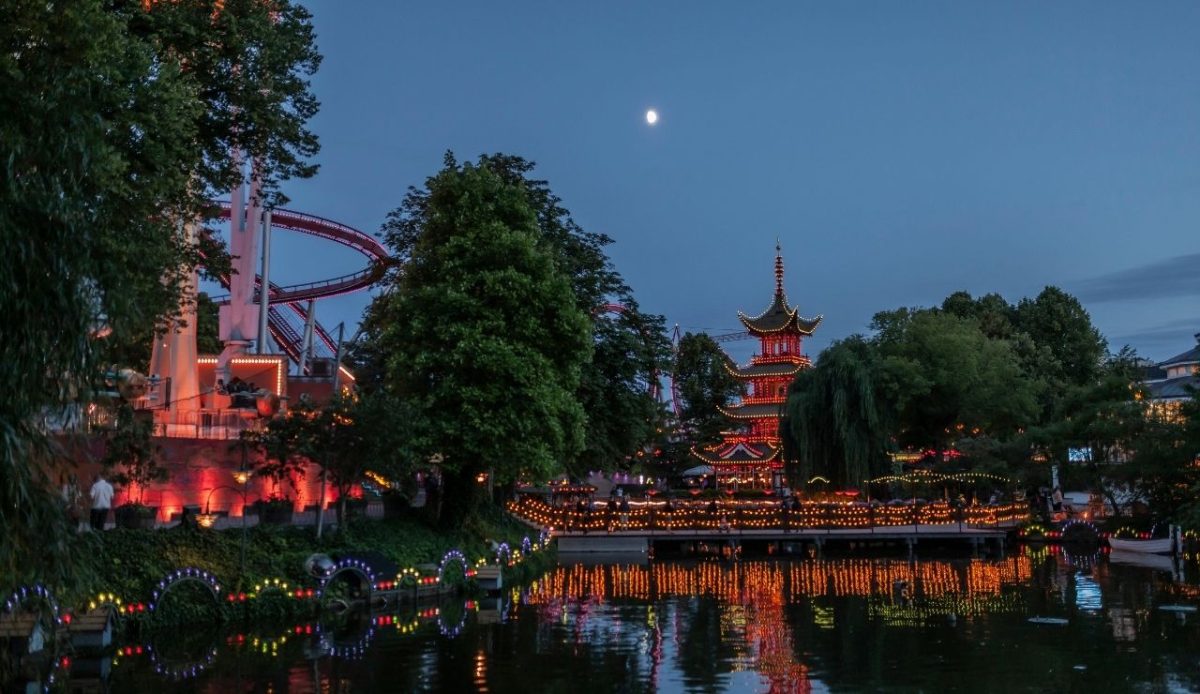
Northern Europe hosts unique seasonal festivals, from midsummer celebrations to winter markets. Travelers who plan trips without checking event schedules may miss immersive experiences. Arriving unprepared can mean overcrowded venues or sold-out tickets. Learning about local festivals, booking early, and understanding cultural significance ensures meaningful participation. Festivals offer music, food, traditions, and social interaction, defining regional identity. Experiencing these events at a relaxed pace allows visitors to connect with locals, witness traditions firsthand, and create lasting memories.
