
Gilded Age mansions were built as public statements of private power, funded by rail, steel, finance, and brewing fortunes. Many later faced demolition when upkeep outpaced family wealth, yet a number survived through nonprofits and public agencies. Touring them today shows how rooms were organized for entertaining, how servants kept households running, and how new building tech, such as elevators, central heat, and electric systems, entered elite homes. The mansions below are open to visitors through regular admissions or scheduled tours. Hours vary by season, so checking the official site before arrival helps avoid missed tour times.
1. The Breakers, Newport, Rhode Island
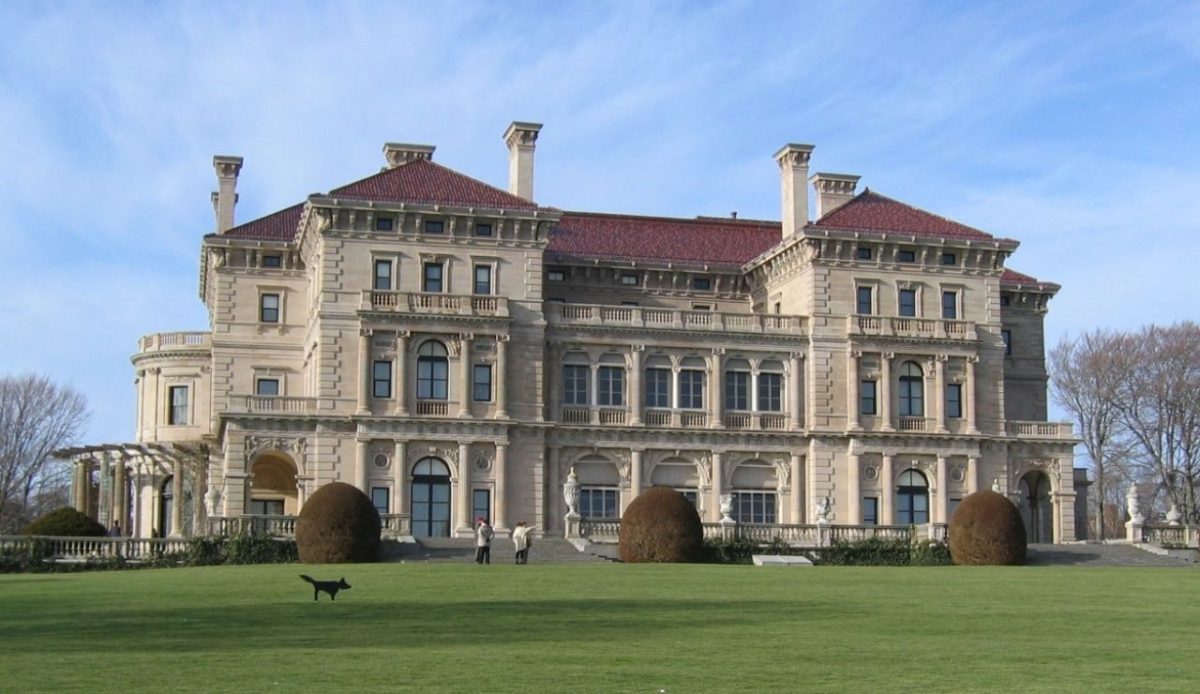
The Breakers in Newport was commissioned by Cornelius Vanderbilt II and completed in 1895 as a summer residence built for large gatherings. Visitors move through the Great Hall, formal dining spaces, and family rooms, then see back corridors that explain how staff served meals and managed laundry. Tours offered by Newport Mansions include timed entry and options that add context on architecture, fireproof construction, and the social rules that governed house calls during the height of the era. The admission experience often uses an audio guide so guests can set their pace while still following a clear room order.
2. Marble House, Newport, Rhode Island
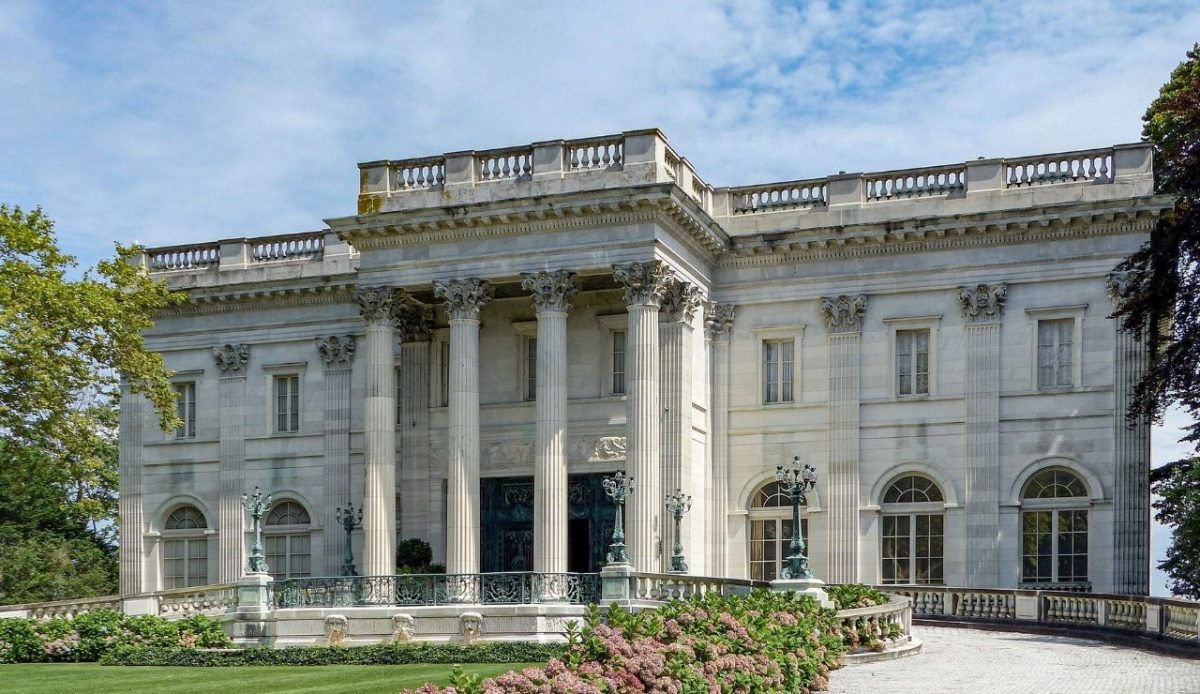
Marble House in Newport was finished in 1892 for William K Vanderbilt and Alva Vanderbilt, and its design leaned on European precedent to signal status. The building uses extensive stonework and gilded interiors that contrast with more practical spaces used by cooks and housekeepers. Public tours are run by Newport Mansions with timed tickets, and the interpretation highlights both formal entertaining and Alva’s later role in hosting civic meetings and public causes on the property. Many guests also walk to the Chinese Tea House on the grounds, which shows how outdoor settings were used for controlled social display.
3. The Elms, Newport, Rhode Island
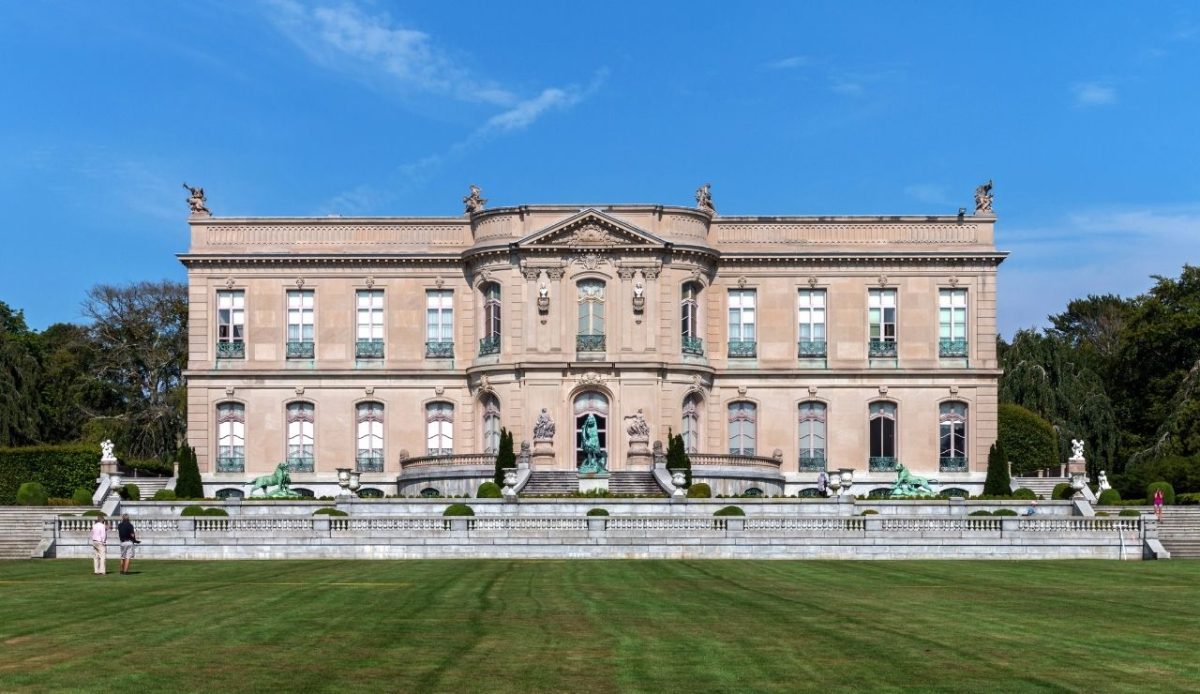
The Elms in Newport was completed in 1901 for coal baron Edward Julius Berwind and is often grouped with the city’s late Gilded Age houses. A main route through reception rooms shows the formal side of hosting, while separate tours highlight pantries, boilers, and servant stairways that kept the home functioning. Because it reopened as a museum early in the preservation movement, the site offers strong documentation of household labor, including schedules, call systems, and storage planning. Grounds walks add detail on landscaping and how owners framed views for arriving guests without revealing work areas.
4. Biltmore Estate, Asheville, North Carolina
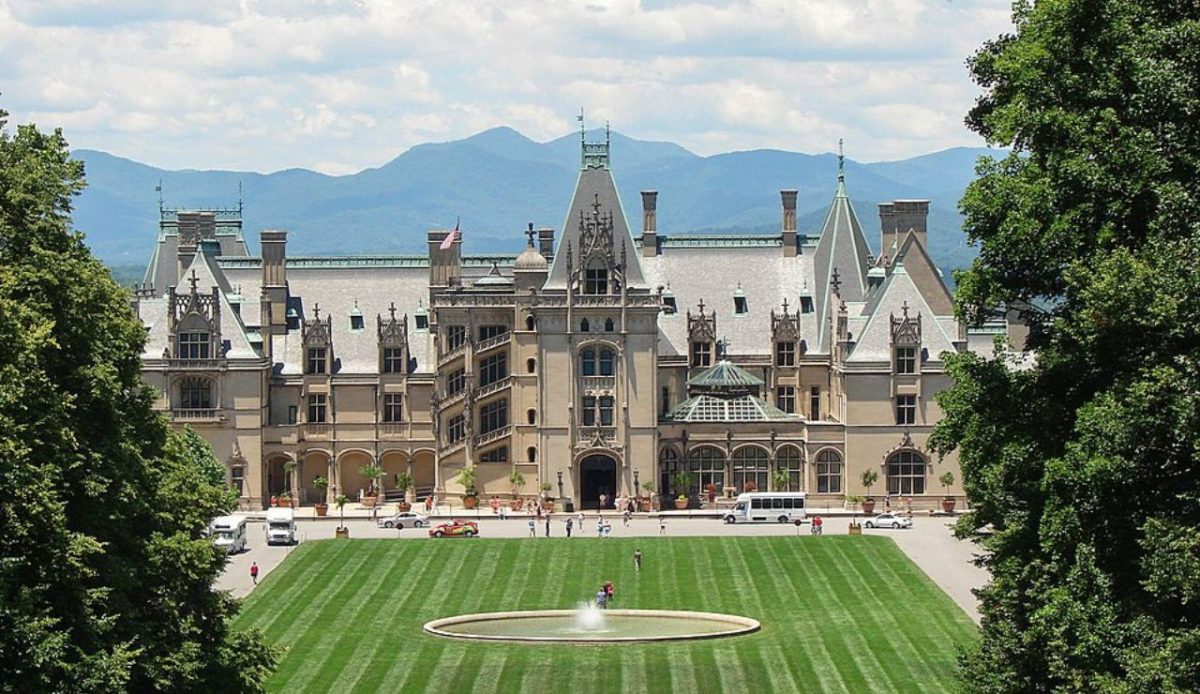
Biltmore Estate near Asheville was built for George Vanderbilt and opened in 1895, combining a massive house with a planned estate grounds program. Daytime admission typically includes timed entry to major rooms, bedrooms, and long service corridors that show how meals, heat, and deliveries were managed. The tour also connects the mansion to forestry and farming programs developed on site, which help explain how wealthy owners tested land management ideas while maintaining a high-profile social calendar. Ticket options change across the year, so planning can help visitors choose between self-paced access and added guided room stops.
5. Vanderbilt Mansion, Hyde Park, New York
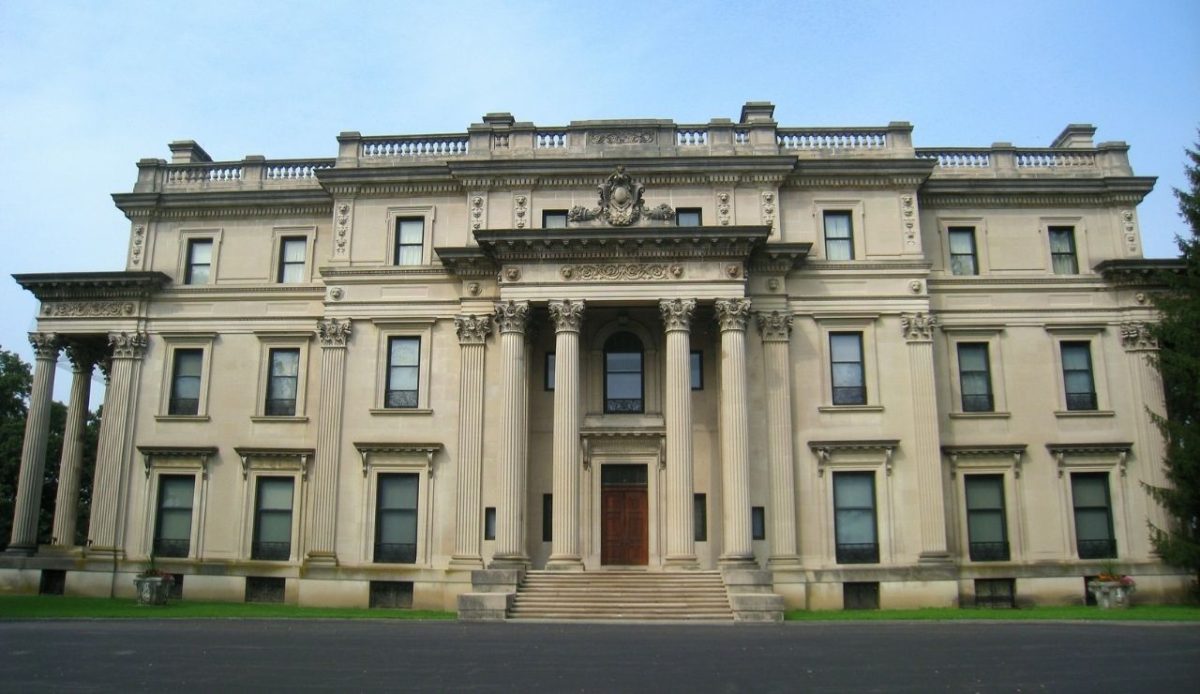
The Vanderbilt Mansion National Historic Site in Hyde Park preserves Frederick Vanderbilt’s Beaux Arts home, completed in 1899 above the Hudson River. The National Park Service generally relies on ranger-led interior tours, which keep traffic controlled and protect finishes, furniture, and textiles. Interpretation covers how country houses supported leisure while staying close to rail routes, and it explains systems such as early electric lighting and central heat that were installed to reduce daily inconvenience for residents and guests. The grounds matter too, since carriage approaches and river views were planned to impress on arrival.
6. Lyndhurst, Tarrytown, New York
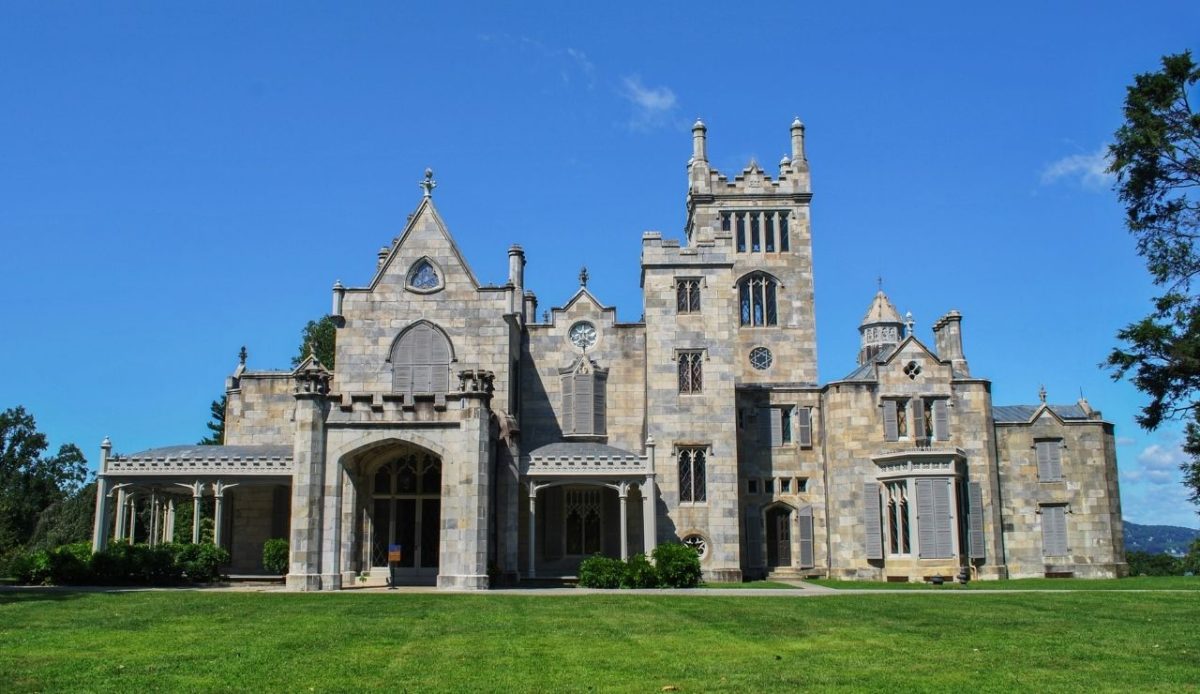
Lyndhurst in Tarrytown is tied to Gilded Age culture through railroad financier Jay Gould, even though parts of the mansion date to an earlier period. Guided house tours explain how owners updated interiors, added modern utilities, and used the estate for public-facing social events along the Hudson. Visitors can also tour the grounds and outbuildings, which helps show how carriage routes, stables, and staff housing supported a lifestyle that depended on constant maintenance and careful control of who entered which spaces. The Gothic Revival look also makes it a useful contrast to the classical style favored by many later tycoons.
7. Pabst Mansion, Milwaukee, Wisconsin
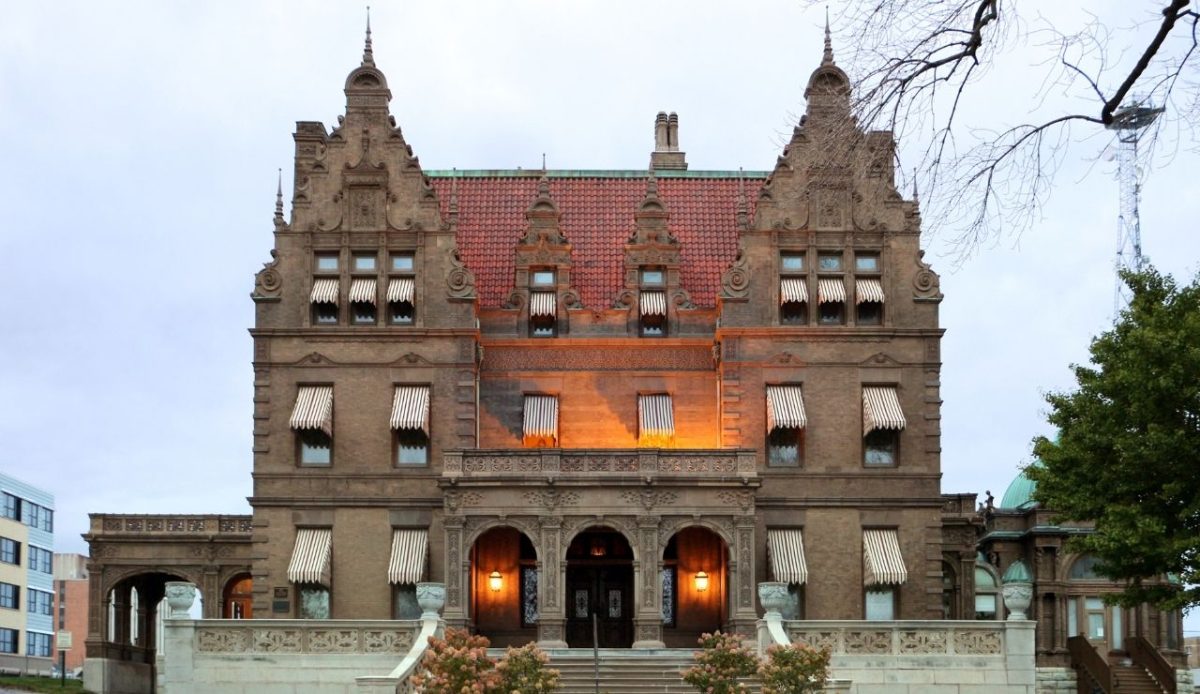
The Pabst Mansion in Milwaukee was finished in 1892 for beer brewer Frederick Pabst and remains one of the best preserved big city homes in the Midwest. Docent-led tours walk through parlors, bedrooms, and dining rooms, then explain original wood carving, stained glass, and period furnishings. The story also covers how a regional fortune interacted with national markets, since the Pabst business relied on rail shipping, advertising, and bottling changes that expanded reach well beyond Wisconsin. The house operates with scheduled tour times through much of the year, making it a reliable stop for travelers not limited to summer seasons.
8. Driehaus Museum, Chicago, Illinois
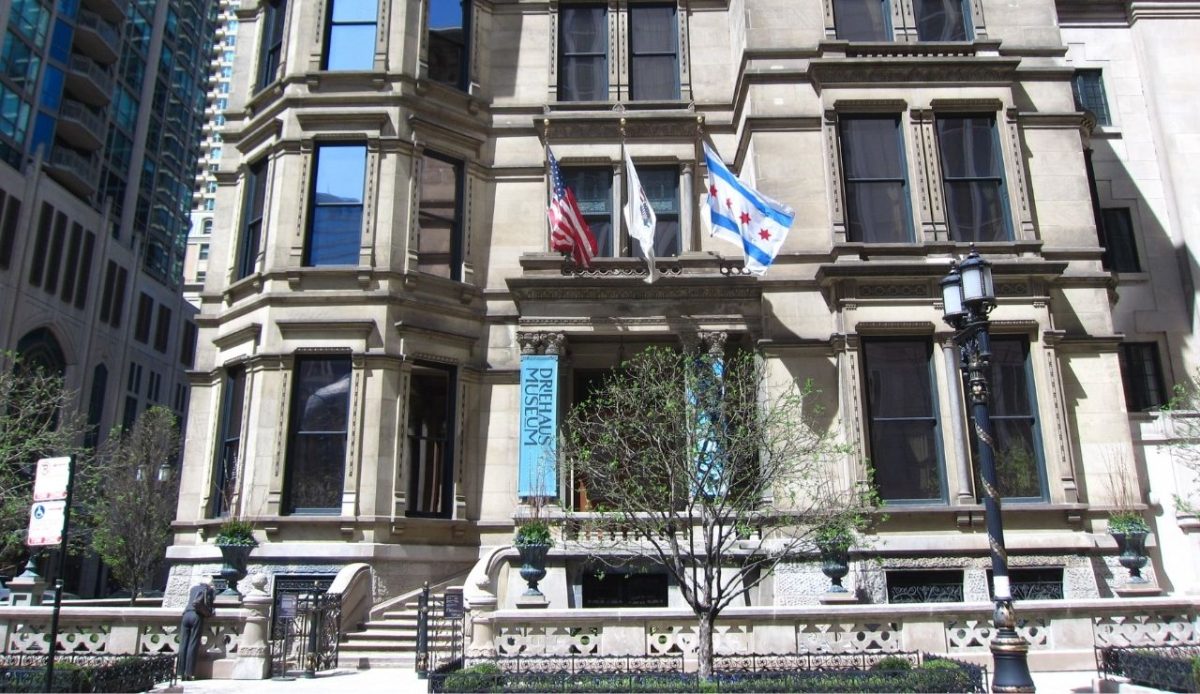
Chicago’s Driehaus Museum occupies the Nickerson Mansion, completed in 1883, and it offers a clear look at urban wealth during the period. Admission includes access to restored rooms where decorative arts are presented alongside the architecture, and optional guided tours add detail on materials and makers. The mansion’s location helps explain why elite families built close to booming business districts, using formal interiors to host donors and partners while the city’s growth created new sources of private capital. Rotating exhibitions and programs keep the visit current without changing the historic fabric of the house.
9. Ventfort Hall, Lenox, Massachusetts
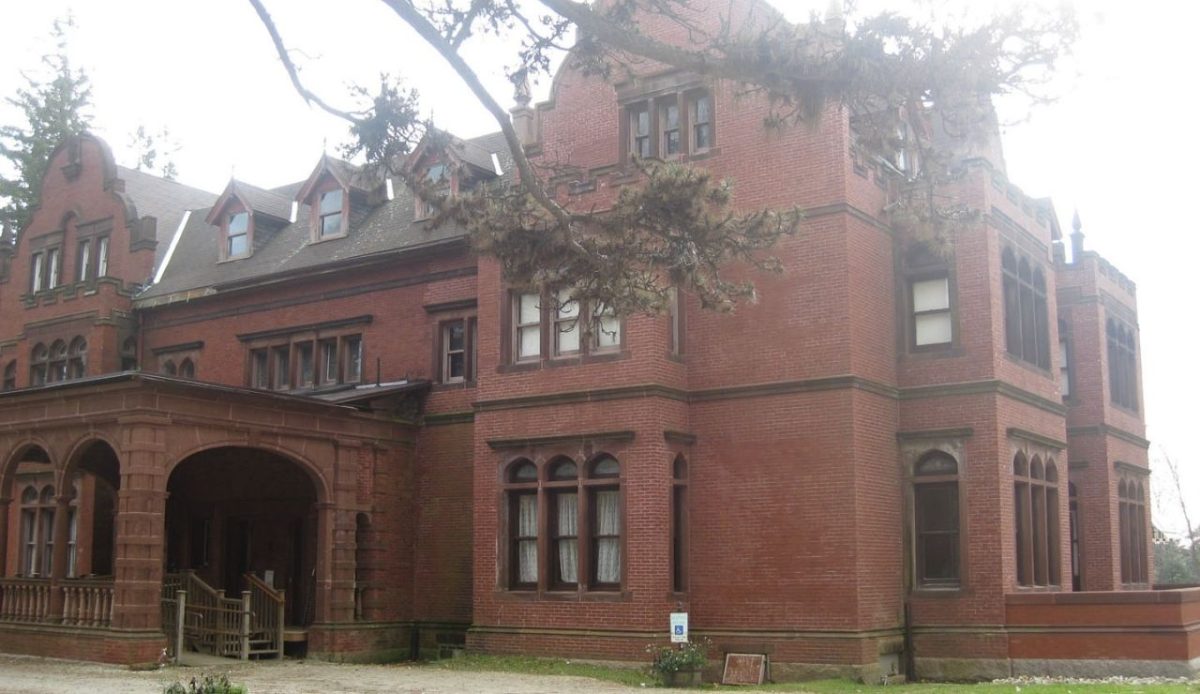
Ventfort Hall in Lenox was completed in 1893 for George and Sarah Morgan and now operates as the Gilded Age Mansion and Museum in the Berkshires. Visitors tour principal rooms and learn how summer colonies worked, including the way large houses supported visiting schedules, charity events, and strict etiquette. Because the region drew families from Boston and New York, the museum places the mansion within a network of nearby estates, rail access, and resort services that made seasonal life possible for the wealthy and their staffs. Depending on the day, access may be guided or self-directed, and exhibits add context on preservation and reuse.
10. James J. Hill House, St. Paul, Minnesota
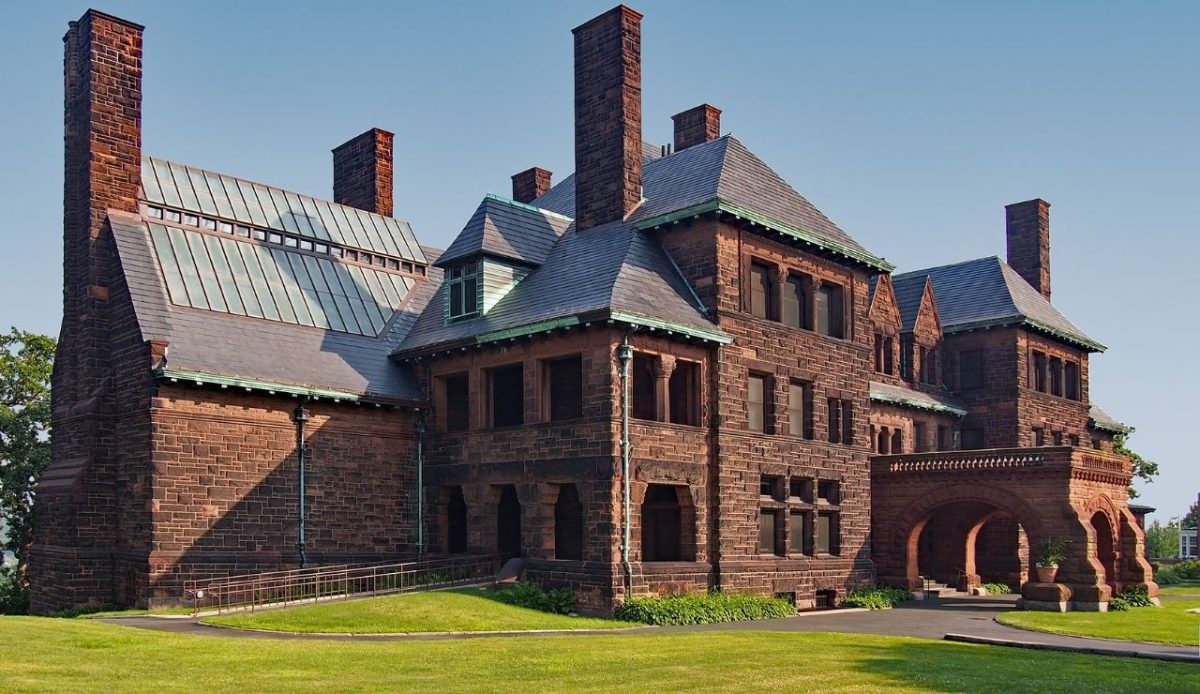
The James J Hill House in St Paul opened in 1891 as the home of a railroad executive whose business decisions affected the Upper Midwest. The Minnesota Historical Society manages tours that focus on planning, stonework, and how rooms were arranged for family life and receiving visitors. Guides also explain how rail wealth influenced local development, since the house served as a setting for negotiations, charitable commitments, and social duties tied to Hill’s public reputation in a growing regional capital. Tour tickets are often scheduled in advance, which helps keep groups small and protects original surfaces.
11. Glensheen, Duluth, Minnesota
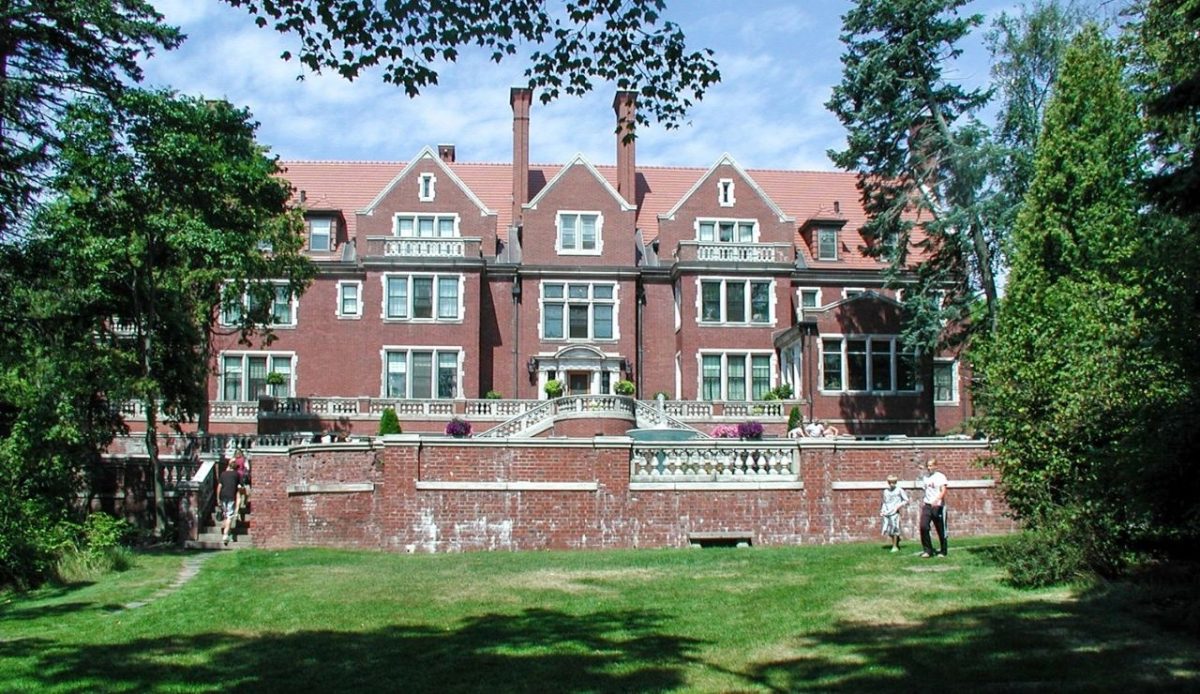
Glensheen in Duluth was built for lawyer and businessman Chester Congdon between 1905 and 1908, extending late Gilded Age habits into a new century. Public touring includes major rooms and, on some options, a fuller route that covers private spaces and work areas used by staff. The interpretation connects the estate to resource-based wealth from mining and timber, and it shows how complex heating, plumbing, and electrical systems were used to support year-round living on Lake Superior despite harsh winters. Visitors can also see shoreline grounds, which clarify how location and transport access mattered for a remote elite household.
