
Japan underwent profound transformations following World War II, reshaping its economy, society, and cultural identity. From urban development and technological innovation to evolving social norms and art forms, these shifts continue to influence daily life and traveler experiences. Visiting Japan today reveals how postwar changes created a unique blend of tradition and modernity. Travelers can witness how architecture, cuisine, festivals, and lifestyle reflect historical adaptation, resilience, and creativity, making the country a dynamic destination where history is visible in contemporary culture and everyday interactions.
1. Urban Reconstruction and Modern Architecture
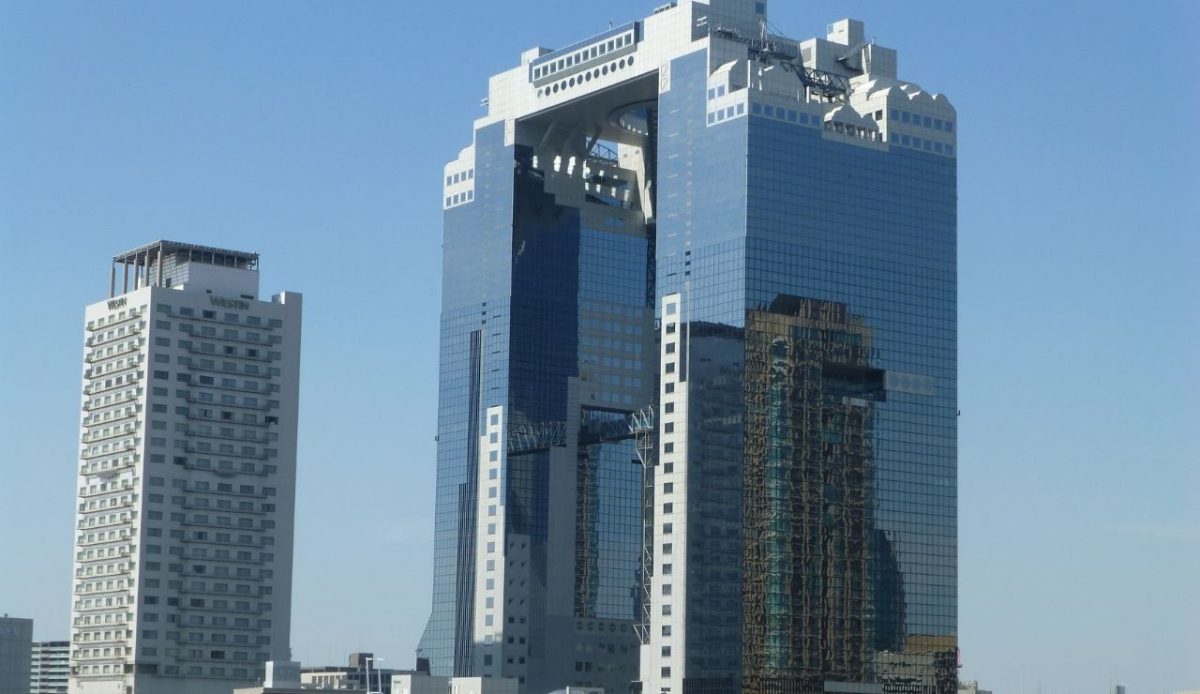
After the devastation of World War II, Japanese cities underwent rapid reconstruction, blending modernist architecture with traditional elements. Cities like Tokyo and Osaka showcase sleek skyscrapers, metro systems, and public spaces alongside historic temples and shrines. Travelers notice wide boulevards, functional housing complexes, and urban planning designed for efficiency and resilience. Postwar architectural shifts also reflect Western influence, combining minimalist design with local aesthetics. Exploring these cities offers insight into Japan’s recovery, innovation, and ability to harmonize modern development with cultural heritage.
2. Emergence of Consumer Culture
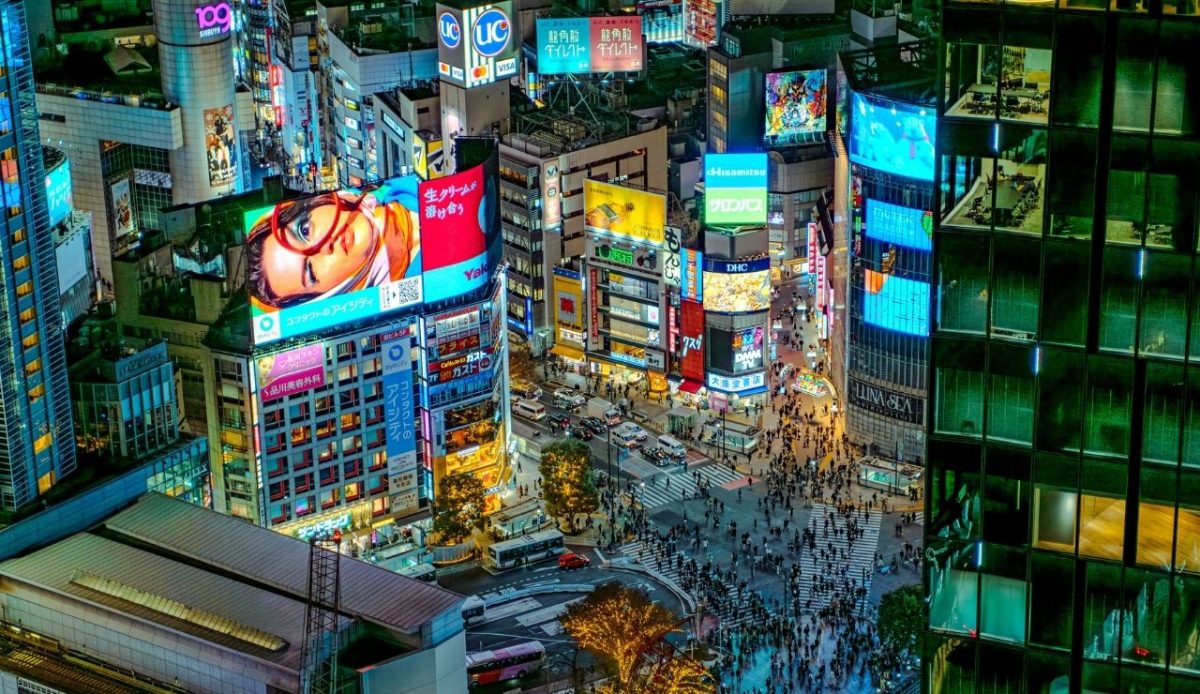
The postwar period saw Japan embrace a vibrant consumer culture, fueled by economic growth and modernization. Department stores, shopping streets, and electronics markets became central to urban life. Travelers can explore bustling districts like Ginza, Shibuya, and Dotonbori, filled with fashion boutiques, cafes, and tech displays. This shift transformed routines, leisure, and social interactions. Japanese consumer habits blend efficiency, innovation, and design sensibility, giving visitors a unique view into the economic miracle and how society embraced convenience, entertainment, and material culture.
3. Western Influence on Fashion and Lifestyle
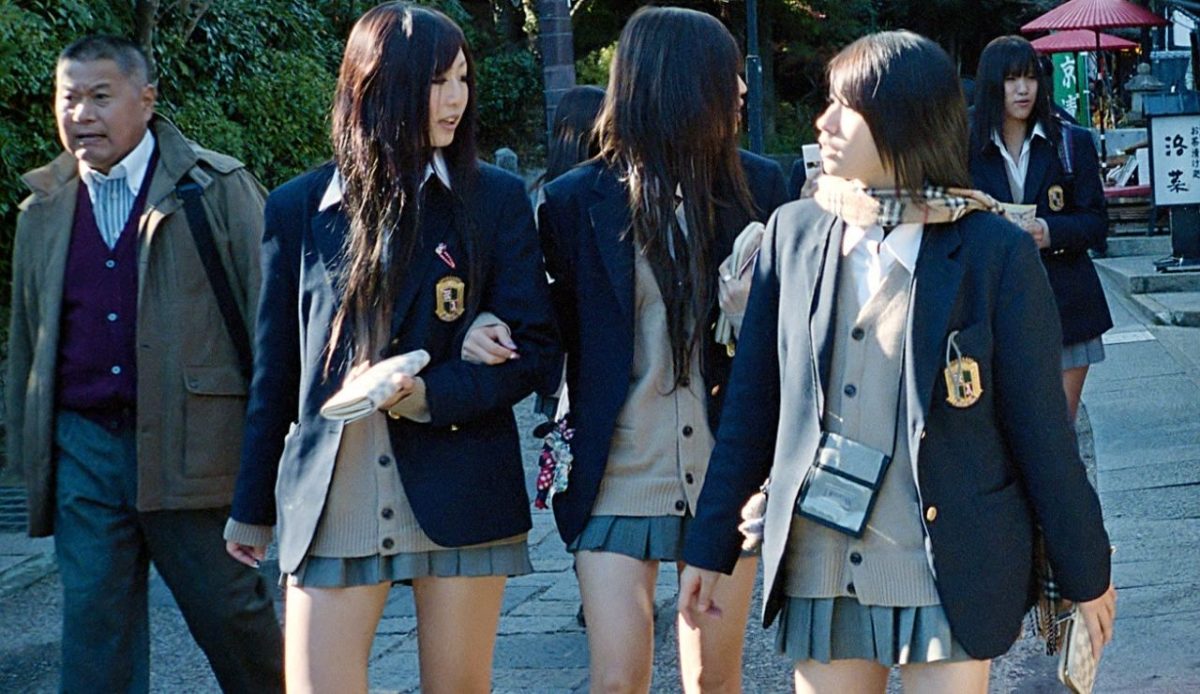
Postwar Japan experienced Western influence on clothing, design, and lifestyle, visible in urban districts. Travelers notice stylish street fashion blending traditional elements with modern trends, cafes, and cosmopolitan entertainment. Western design principles influenced interior décor, public spaces, and consumer products, adapted to local tastes. This shift reflects the nation’s openness to global trends while keeping its identity. Visitors encounter a juxtaposition of kimono traditions alongside contemporary fashion, highlighting Japan’s ability to merge global influence with cultural heritage.
4. Rise of Popular Media and Manga Culture
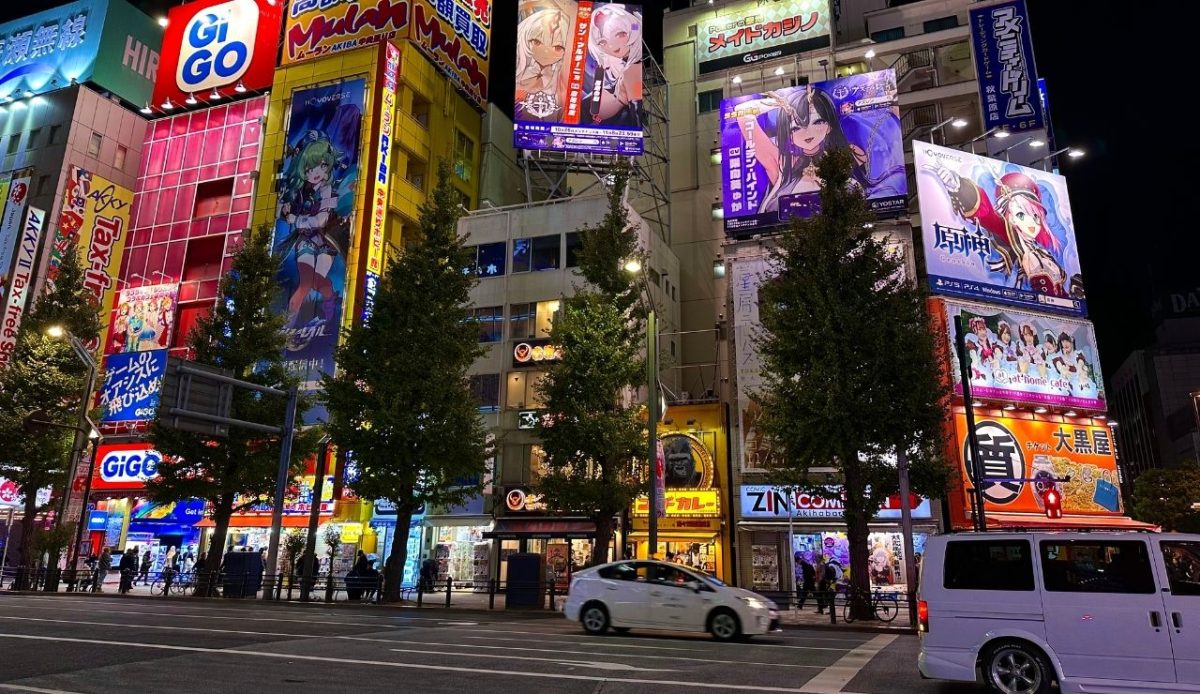
The postwar era fueled the growth of Japan’s media, including manga, anime, and television. Travelers notice this in shops, galleries, themed cafes, and public spaces. Manga and anime are global phenomena, with districts like Akihabara showcasing merchandise and exhibitions. This cultural shift reflects storytelling, creativity, and modern entertainment rooted in postwar urban culture. Visitors explore traditional and contemporary narratives, understanding how Japan’s media industries evolved, shaping identity and lifestyle, providing immersive experiences that remain a hallmark of travel in Japanese cities.
5. Shifts in Culinary Culture
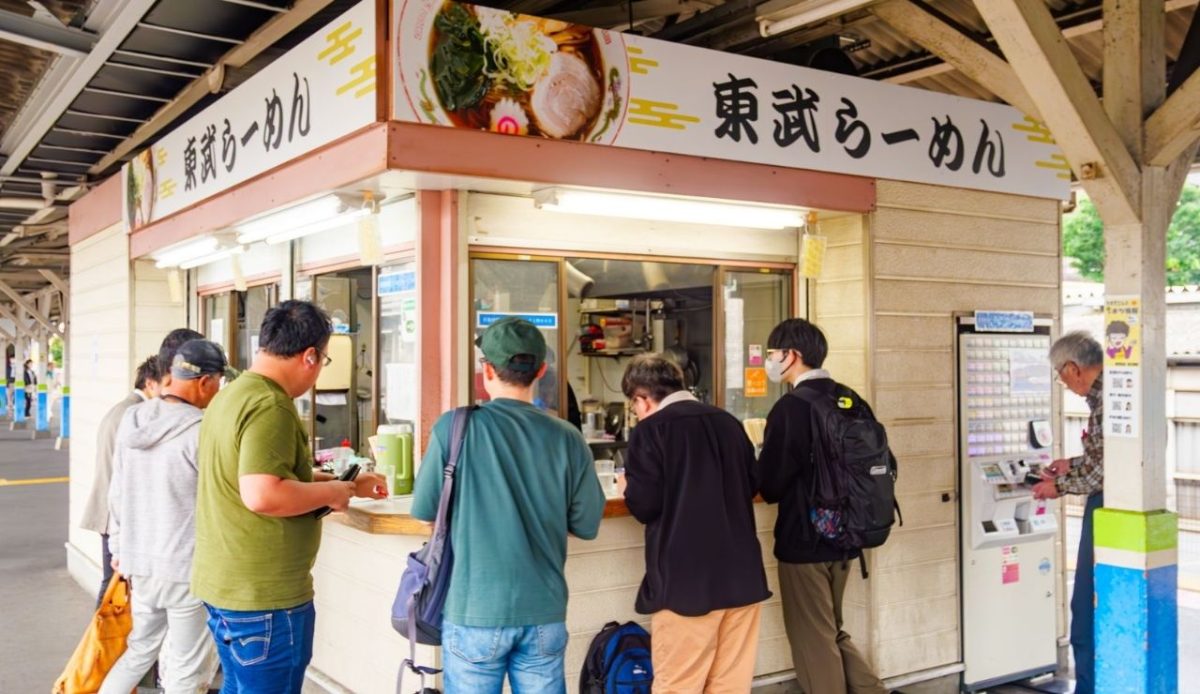
Postwar Japan modernized cuisine, combining traditional techniques with global influences. Travelers notice sushi bars, ramen shops, and international restaurants alongside street food stalls. Convenience stores and packaged meals reflect changing lifestyles. Culinary innovation expanded from cities to regional areas, blending local ingredients with trends. This shift shows how postwar recovery and globalization influenced eating habits, social dining, and gastronomy. Exploring Japan’s food culture offers insight into societal adaptation, creativity, and the integration of old and new culinary traditions.
6. Transformation of Public Transportation
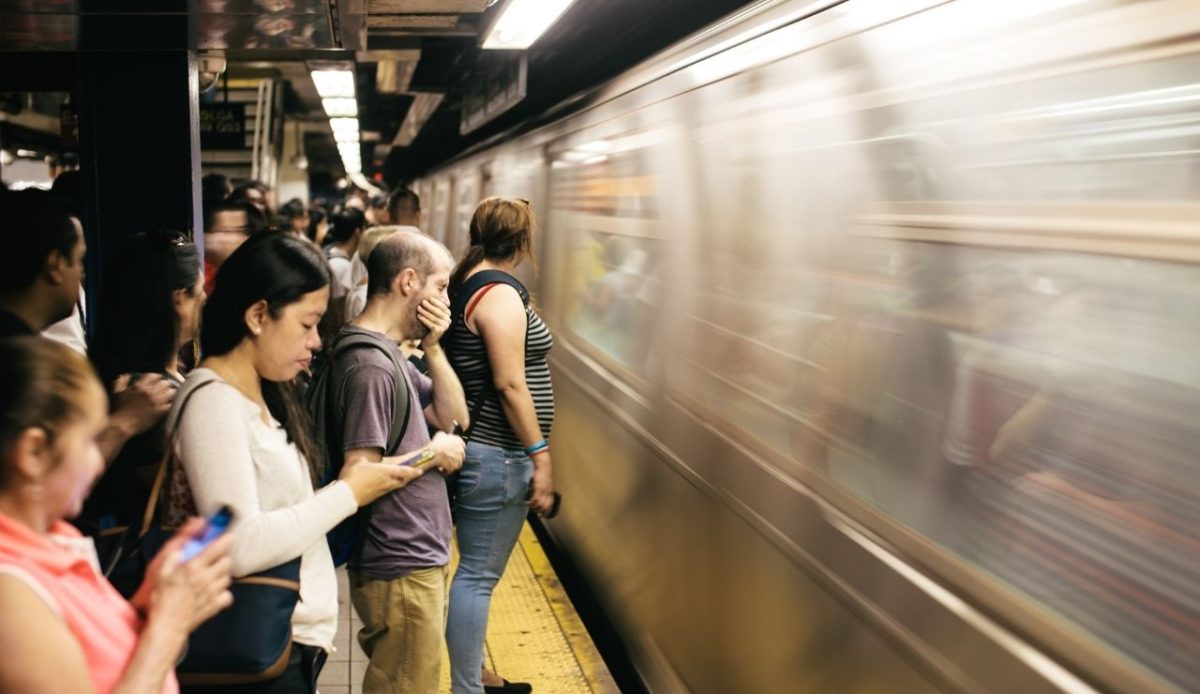
Japan’s postwar reconstruction revolutionized public transportation, with high-speed trains, subways, and buses shaping urban life. Travelers navigate cities using punctual systems like the Shinkansen and extensive metro networks. Station architecture, signage, and convenience services reflect modernization and user-focused design. This shift improved mobility, connected regions, and supported economic growth. Visitors experience urban culture where transportation is integral, reflecting postwar priorities of efficiency and innovation while highlighting Japan’s ability to harmonize technology with daily convenience.
7. Revival of Traditional Arts in a Modern Context
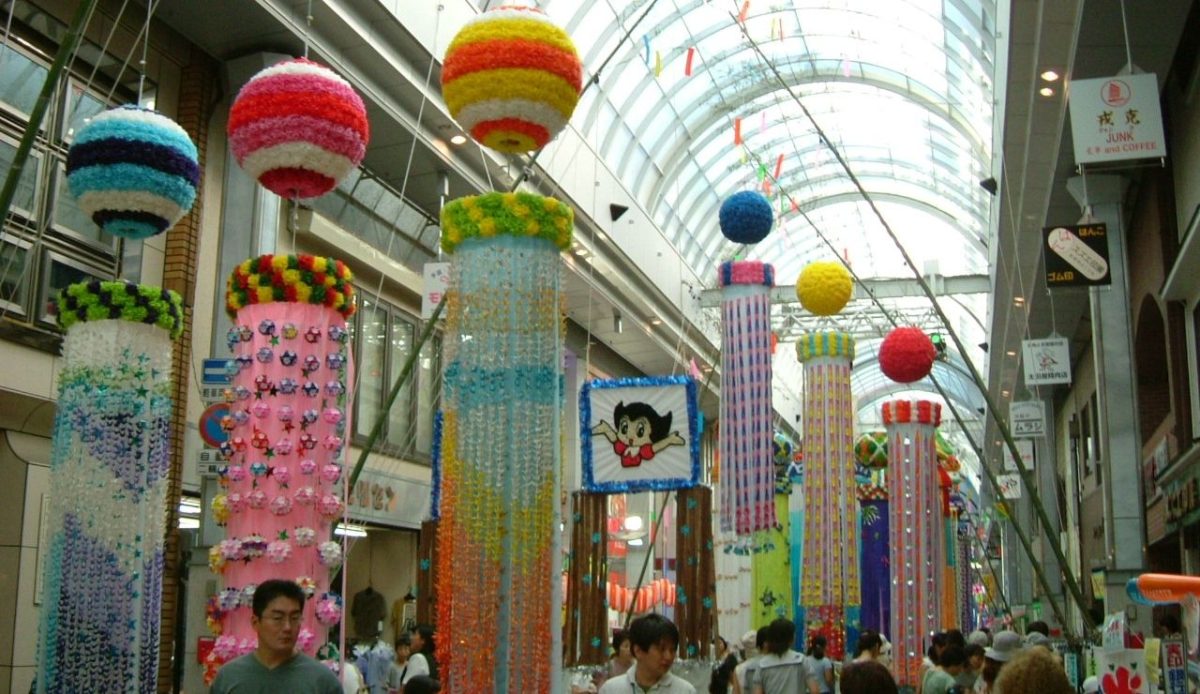
After World War II, Japan reinvigorated traditional arts such as tea ceremonies, pottery, and calligraphy while integrating modern aesthetics. Travelers witness cultural performances, galleries, and workshops offering hands-on experiences. Preservation efforts ensured crafts adapted to contemporary tastes. Festivals and exhibitions combine historical techniques with innovation. This shift demonstrates Japan’s dedication to heritage while embracing modernity. Visitors encounter a vibrant artistic landscape where traditions coexist with contemporary interpretations, providing education and immersive experiences.
8. Changing Social Norms and Gender Roles
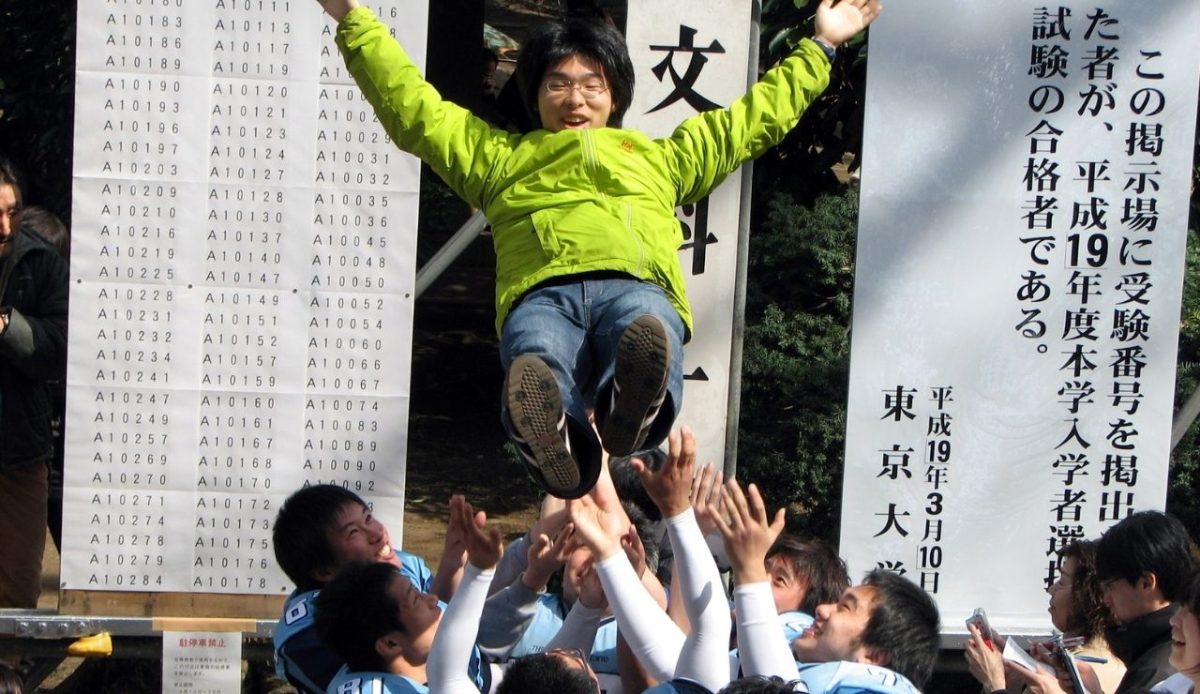
Postwar Japan saw gradual social changes, including family structures, gender roles, and workplace dynamics. Travelers notice women in professional environments, youth culture, and evolving public interactions. Educational reforms, economic growth, and media reshaped expectations, blending tradition with modernization. Festivals and daily life reflect these shifts, offering insight into postwar adaptation. Visitors observe how historical changes influenced behavior, clothing, and social norms, providing context for Japan’s contemporary culture and highlighting the nation’s resilience and gradual transformation.
9. Urban Green Spaces and Parks
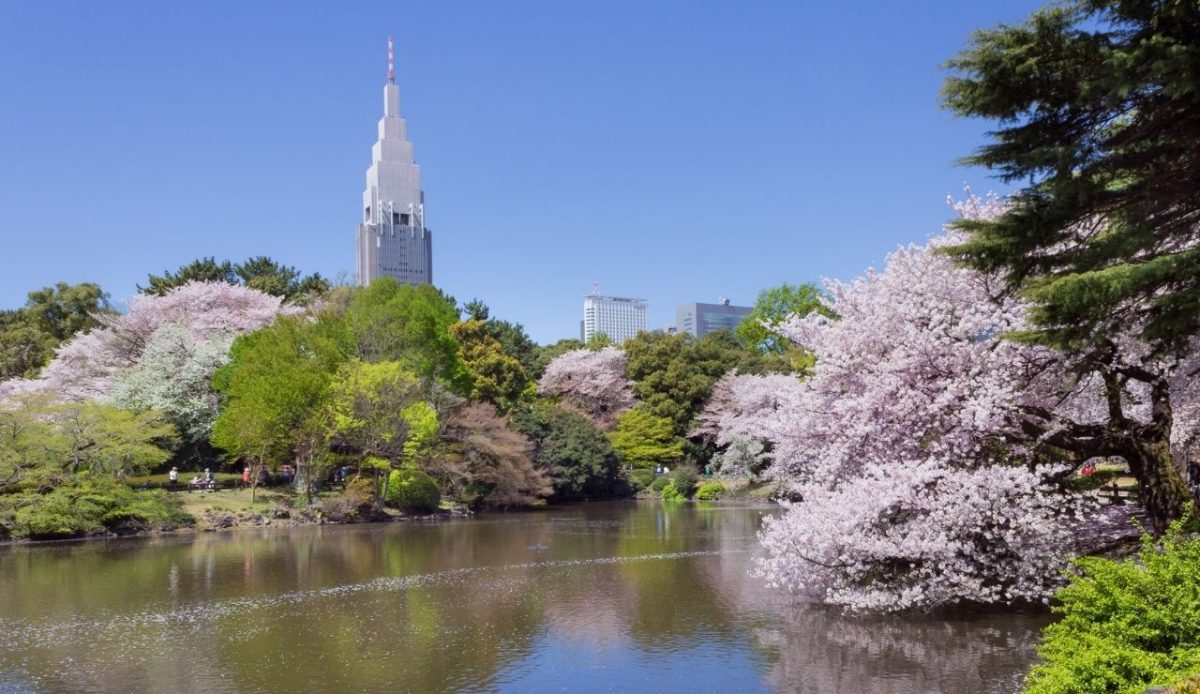
Postwar reconstruction included planning urban green spaces, parks, and public gardens to enhance livability. Travelers notice Tokyo’s Shinjuku Gyoen, Kyoto’s gardens, and Hiroshima’s Peace Park, blending landscaping with historical significance. Green spaces provide recreation, reflection, and social interaction, reflecting priorities of urban design. These areas commemorate events or integrate traditional aesthetics with functionality. Visitors experience tranquility amid bustling cities, seeing how postwar planning combined practicality, culture, and nature to create harmonious public spaces for residents and travelers alike.
10. Education Reforms and Public Learning
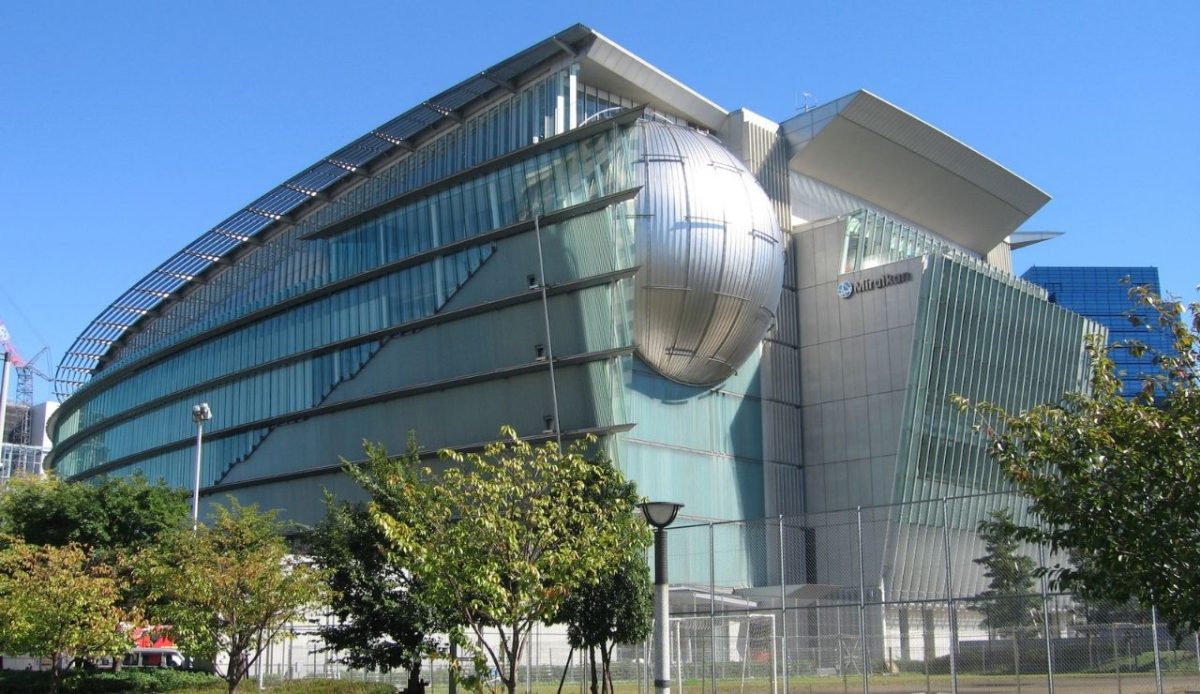
Postwar Japan implemented education reforms promoting literacy, democratic principles, and modernization. Travelers notice English signage, museums, cultural centers, and informative public spaces reflecting this shift. Schools emphasize technology, creativity, and global engagement. Cultural attractions provide interactive programs integrating history with contemporary experiences. This shift shaped society, fostering innovation and civic awareness. Visitors gain insight into how reforms influenced intellectual growth, cultural understanding, and the prominence of education in daily life and travel experiences.
11. Expansion of Tourism Infrastructure
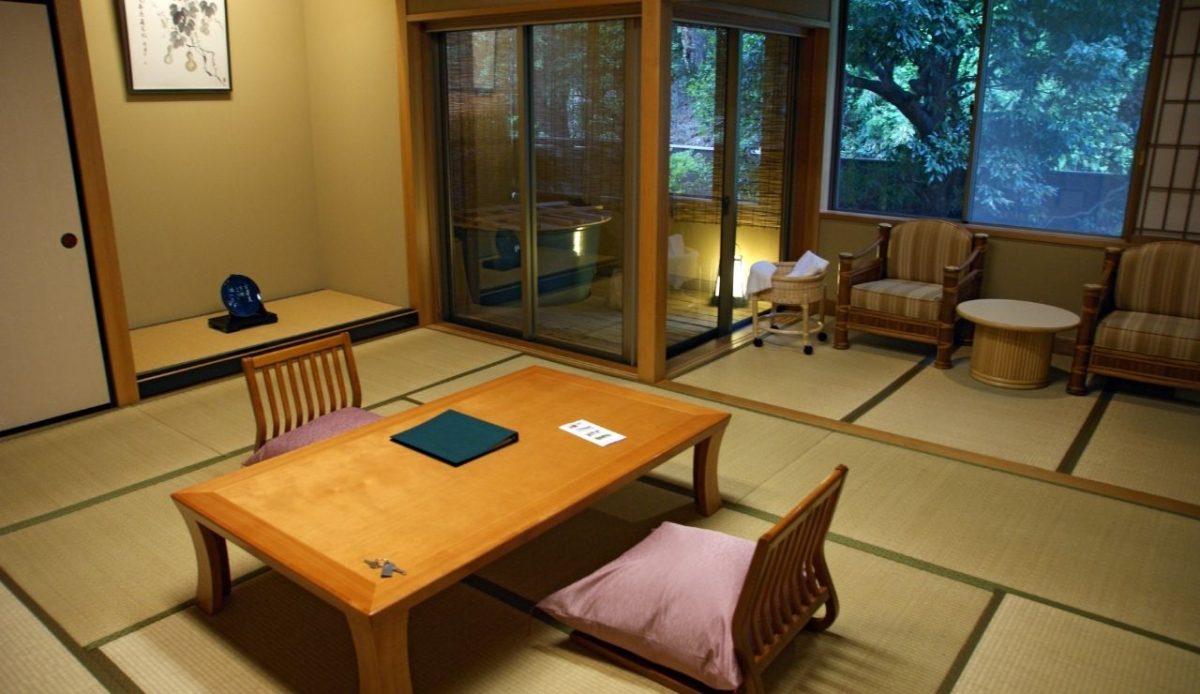
Postwar Japan invested in tourism infrastructure, creating hotels, transport networks, and visitor services for domestic and international travelers. Cities, cultural sites, and scenic areas became accessible with signage, guided tours, and multilingual support. This development reflects modernization and openness to global engagement. Travelers can navigate attractions efficiently while enjoying local culture and hospitality. Postwar planning transformed Japan into a world-class destination, balancing convenience with authenticity. Visitors experience the legacy of reconstruction in well-maintained facilities preserving historical charm.
12. Technological Integration in Daily Life
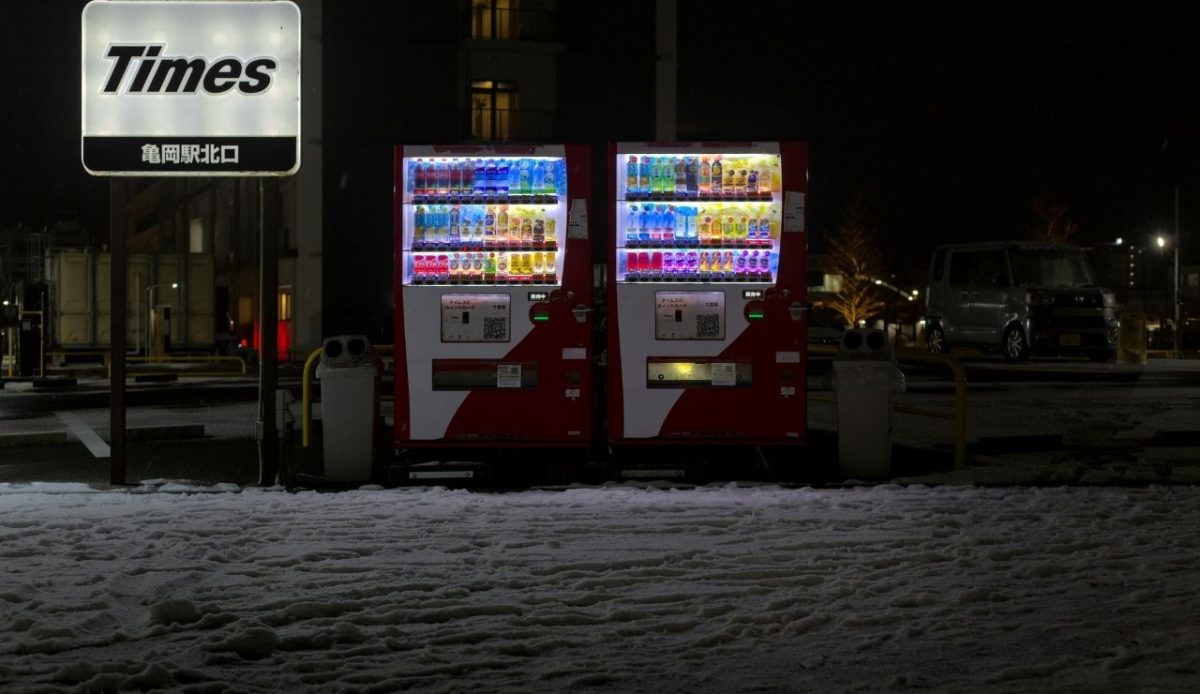
Japan’s postwar technological boom influenced daily life, urban landscapes, and cultural practices. Travelers notice electronics, automated systems, and public innovations in city life, from high-speed trains to vending machines. Technology complements traditional practices in shopping, entertainment, and communication. This shift reflects postwar economic growth, innovation, and adaptation. Visitors experience a country where technology enhances convenience while respecting heritage, showing how postwar reconstruction transformed Japan’s urban and cultural environment in visible and impactful ways.
