
French colonial influence left a lasting mark on architecture, language, and culture in destinations around the world. From Africa to the Caribbean and Southeast Asia, travelers can explore vibrant cities, historic sites, and local customs shaped by centuries of French presence. These ten destinations showcase how colonial legacies continue to influence urban design, cuisine, language, art, and social life. Visiting these regions offers both cultural education and immersive experiences, allowing travelers to understand history while enjoying modern attractions, local life, and unique landscapes that tell captivating stories of the past.
1. Hanoi, Vietnam
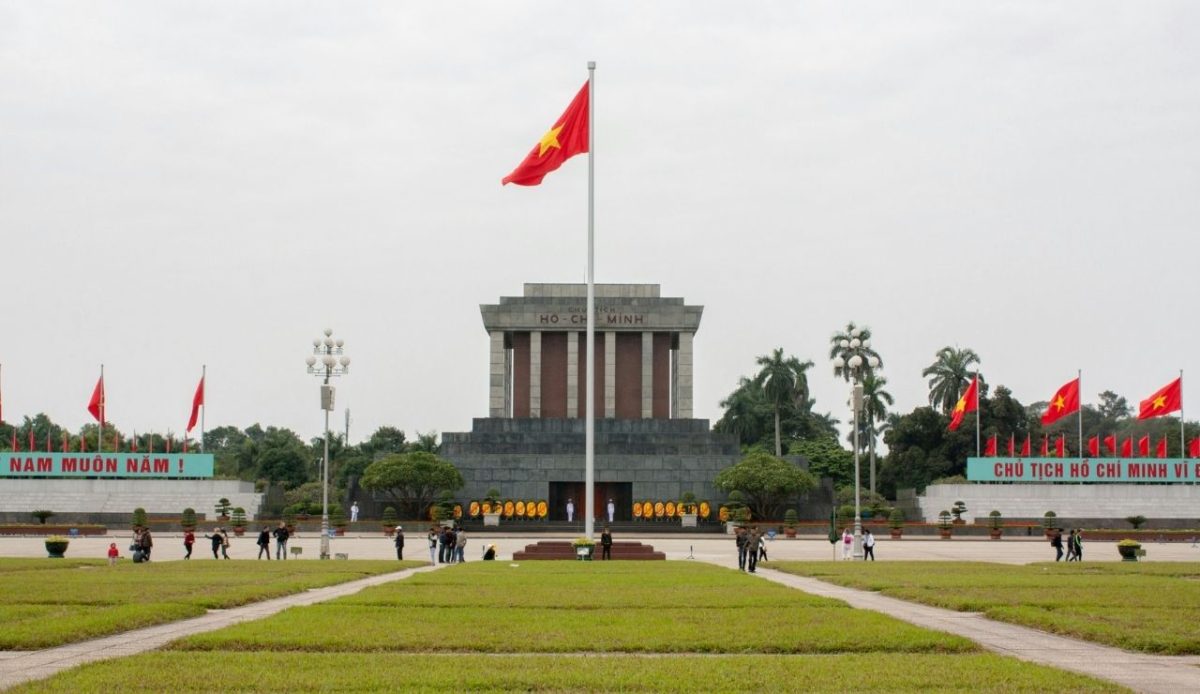
Hanoi, Vietnam’s capital, showcases French colonial architecture alongside bustling street markets and historic temples. Wide boulevards, colonial villas, and cafés reflect French influence, blending with Vietnamese culture. Travelers can explore the Old Quarter, the Opera House, and scenic lakes while enjoying French-inspired cuisine. Local history museums offer insight into the city’s colonial past and the struggle for independence. Hanoi combines vibrant street life, historical architecture, and cultural depth, giving visitors a sense of how French colonialism shaped Vietnam’s urban design, gastronomy, and artistic traditions.
2. Dakar, Senegal
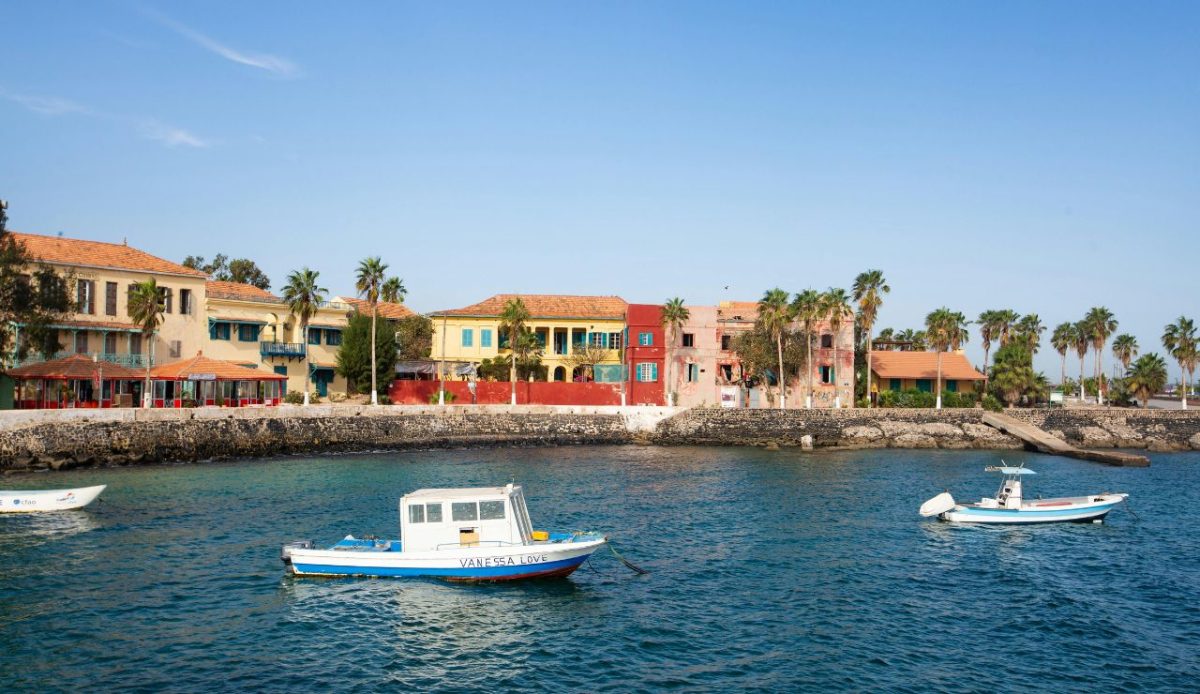
Dakar, the capital of Senegal, features French colonial architecture, boulevards, and administrative buildings. The city’s museums, markets, and cultural centers reflect both European influence and rich local traditions. Visitors can explore Gorée Island, a UNESCO World Heritage Site, which tells the story of the Atlantic slave trade. Dakar’s vibrant music scene, art galleries, and coastal promenades showcase a unique blend of colonial history and modern Senegalese identity. Travelers experience a city shaped by French administration, education, and language, yet animated by local culture, resilience, and creativity.
3. Quebec City, Canada
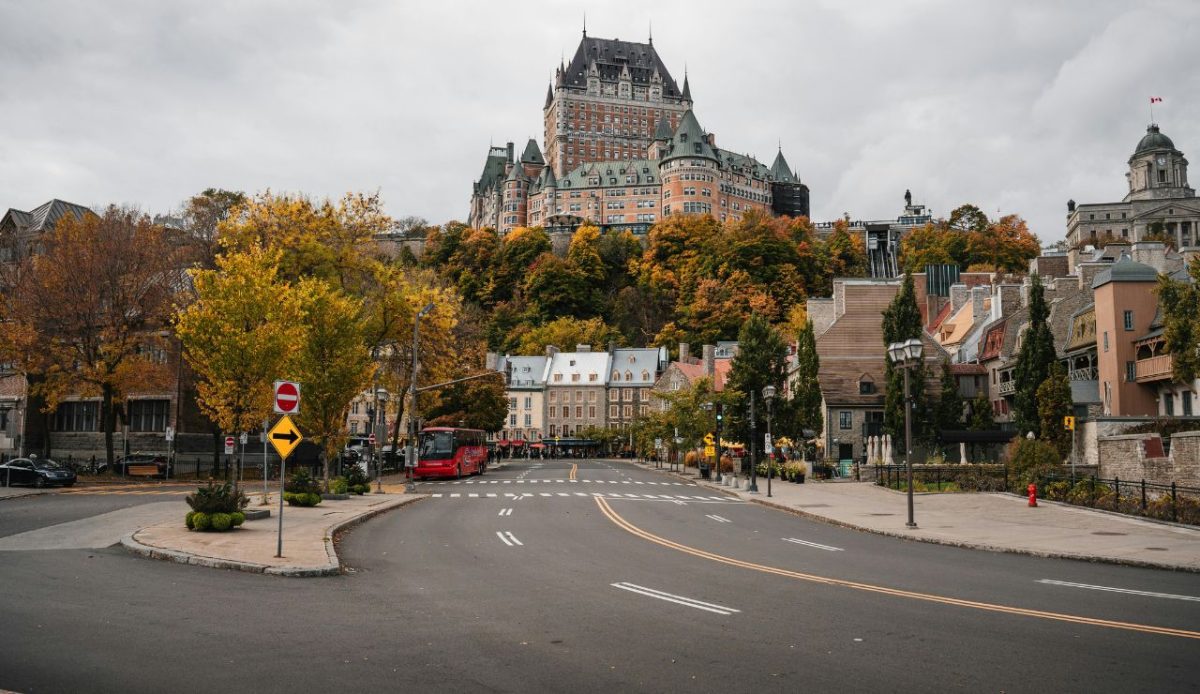
Quebec City, one of North America’s oldest French settlements, preserves cobblestone streets, fortified walls, and colonial-era buildings. Travelers can stroll through Old Quebec, a UNESCO World Heritage Site, enjoying historic architecture and charming plazas. French influence is visible in language, cuisine, and cultural festivals throughout the city. The blend of colonial charm with modern amenities allows visitors to experience history firsthand. Quebec City demonstrates how French colonialism shaped urban planning, culture, and identity, offering an immersive journey into the past while celebrating contemporary French-Canadian life.
4. Phnom Penh, Cambodia
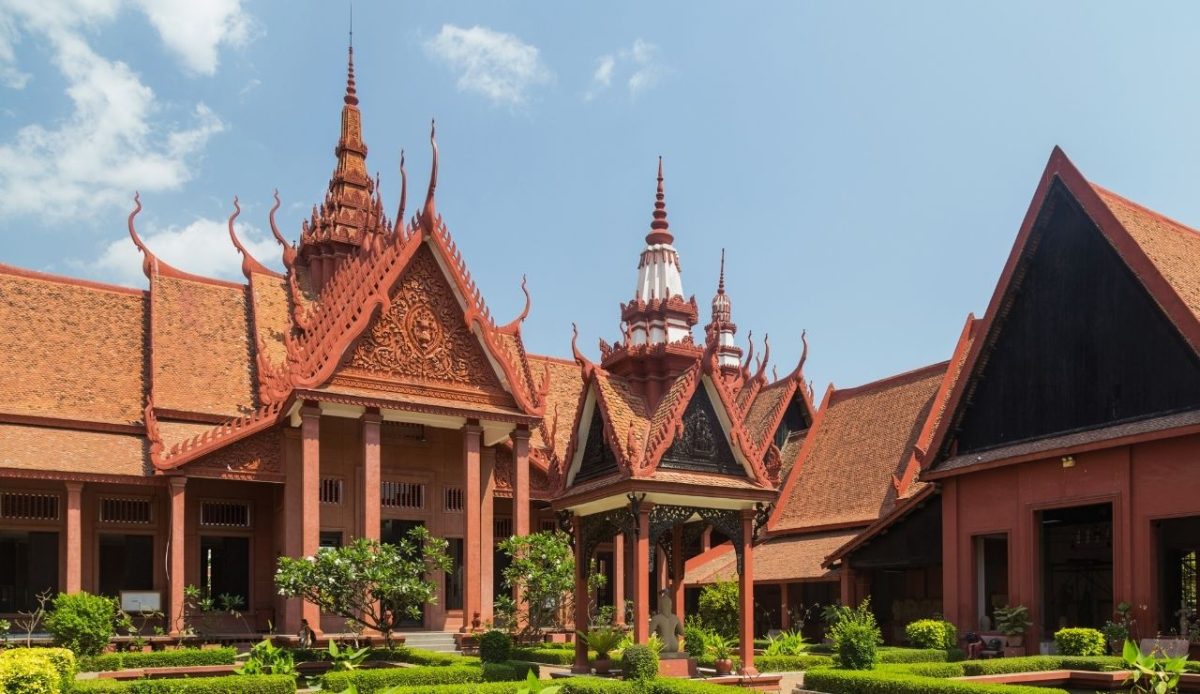
Phnom Penh, Cambodia’s capital, reflects French colonial influence in its wide boulevards, neoclassical buildings, and riverside promenades. Visitors can explore the Royal Palace, French-style administrative buildings, and museums documenting both colonial history and local heritage. Cafés and bakeries echo Parisian styles, offering a cultural fusion in cuisine and leisure. The city’s urban design and artistic legacy highlight the intersection of French and Khmer cultures. Phnom Penh’s streets, landmarks, and cultural experiences give travelers a nuanced perspective on colonial influence and its lasting impact on modern Cambodian life.
5. Port-au-Prince, Haiti
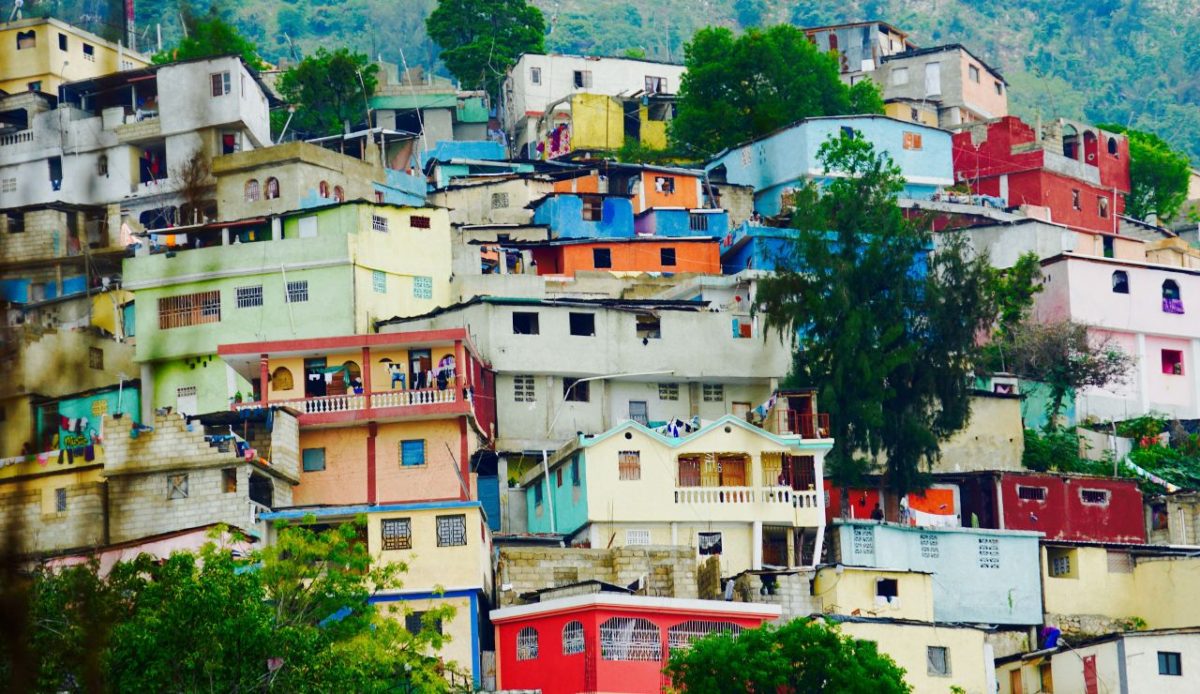
Port-au-Prince, Haiti’s capital, is shaped by French colonial architecture, urban planning, and cultural traditions. The city’s museums, marketplaces, and historic buildings reflect French influence alongside vibrant Haitian culture. Travelers can explore the National Palace, iron market, and local art galleries, learning about Haiti’s colonial past and independence struggles. French language and culinary traditions persist alongside Creole culture, creating a unique blend. Port-au-Prince shows how French colonial legacies inform architecture, governance, and daily life, offering travelers an educational experience.
6. Casablanca, Morocco
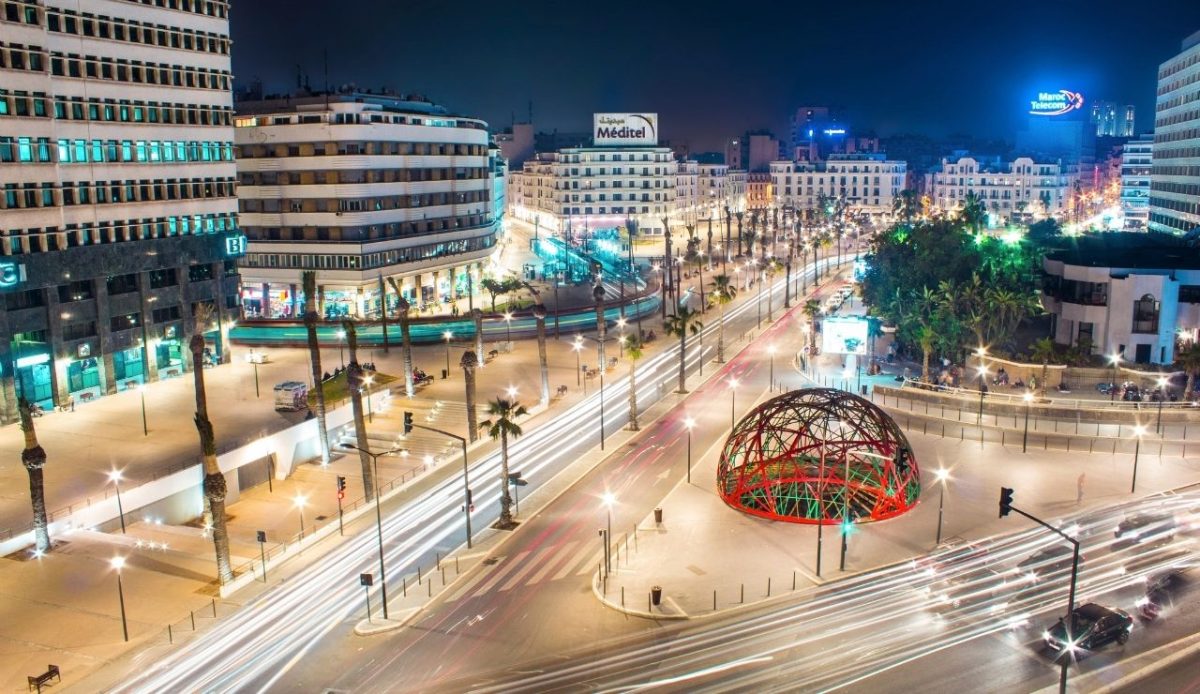
Casablanca, Morocco’s economic hub, showcases French colonial architecture with wide avenues, art deco buildings, and public squares. The city’s mix of modern infrastructure and historic structures reflects French influence on urban planning. Travelers can explore the Hassan II Mosque, central markets, and French-style cafés while learning about Morocco’s colonial past. Casablanca’s architecture and layout show how French administration shaped public spaces, trade, and culture. Visitors experience a dynamic city where colonial history and Moroccan traditions converge, creating a culturally rich environment.
7. Algiers, Algeria
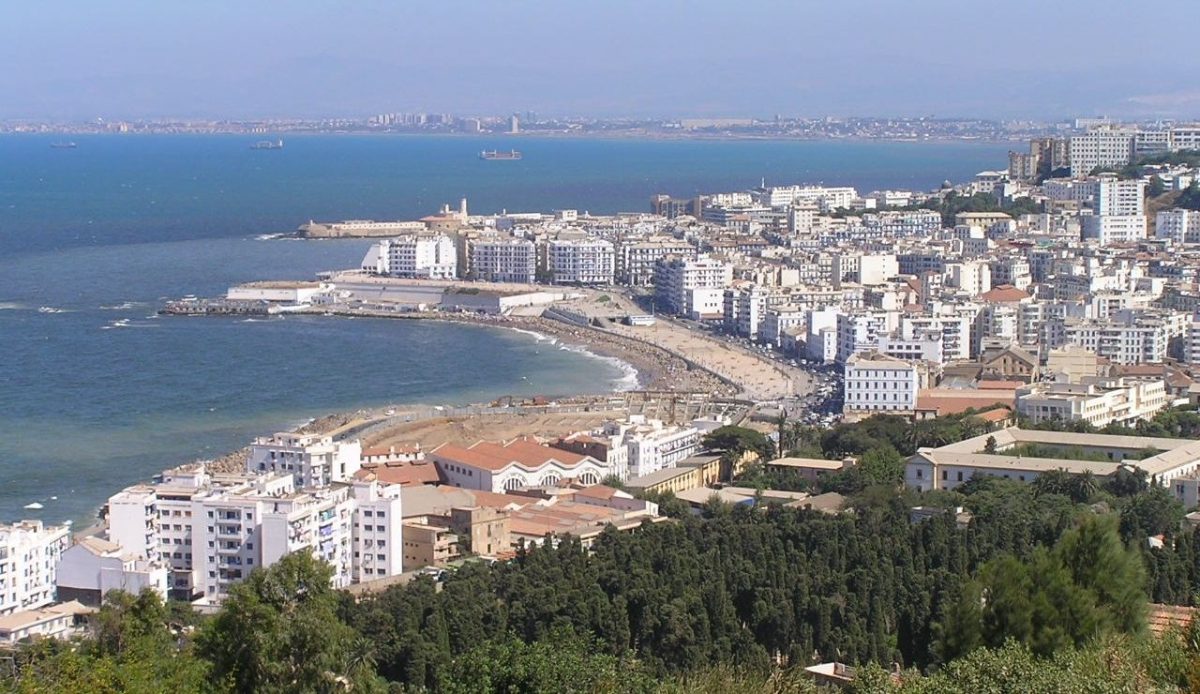
Algiers, Algeria’s capital, features French colonial boulevards, administrative buildings, and Mediterranean architecture. The city’s Casbah and historic districts contrast with European-style neighborhoods, showing a mix of indigenous and colonial influences. Museums, monuments, and historic sites offer insight into Algeria’s fight for independence. Travelers can enjoy local cuisine, cultural performances, and architecture reflecting centuries of French presence. Algiers highlights the lasting impact of colonial history on urban planning, culture, and society, offering visitors an educational and immersive experience.
8. Saint-Pierre, Martinique
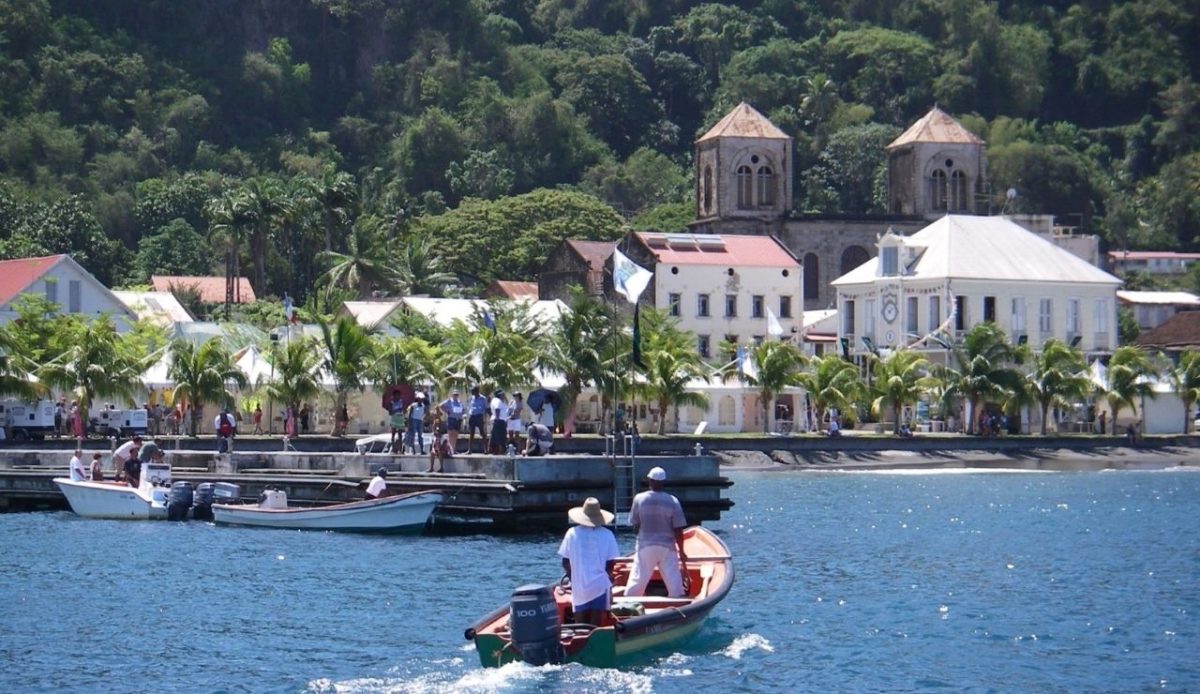
Saint-Pierre, a historic town in Martinique, preserves French colonial architecture and cultural traditions. Once known as the “Paris of the Caribbean,” the town features colonial buildings, museums, and cobblestone streets. Visitors can explore the remnants of the 1902 volcanic eruption alongside cultural landmarks. French influence is evident in language, cuisine, and urban design, blended with Caribbean culture. Saint-Pierre provides travelers with a glimpse into the historical fusion of French and local influences, offering scenic views, historical context, and a rich cultural experience on this tropical island.
9. Pondicherry, India
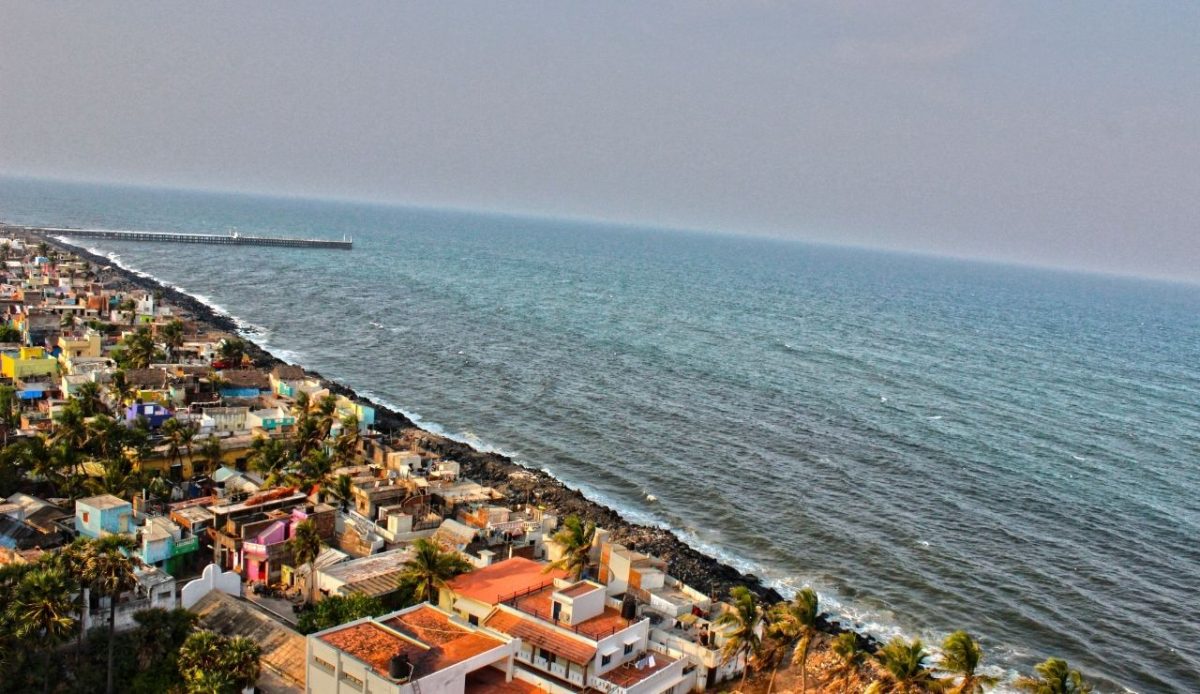
Pondicherry, a former French colony in India, retains French-style boulevards, colonial villas, and seaside promenades. Travelers can explore the French Quarter, visit churches, and enjoy cafés serving European and local cuisine. The city’s art galleries and cultural events highlight a blend of French and Tamil traditions. Street signs, language, and architecture reflect the colonial past, while beaches and markets showcase Indian vibrancy. Pondicherry shows how French colonial influence coexists with local culture, creating a unique destination that educates visitors while offering scenic beauty and cultural richness.
10. Brazzaville, Congo
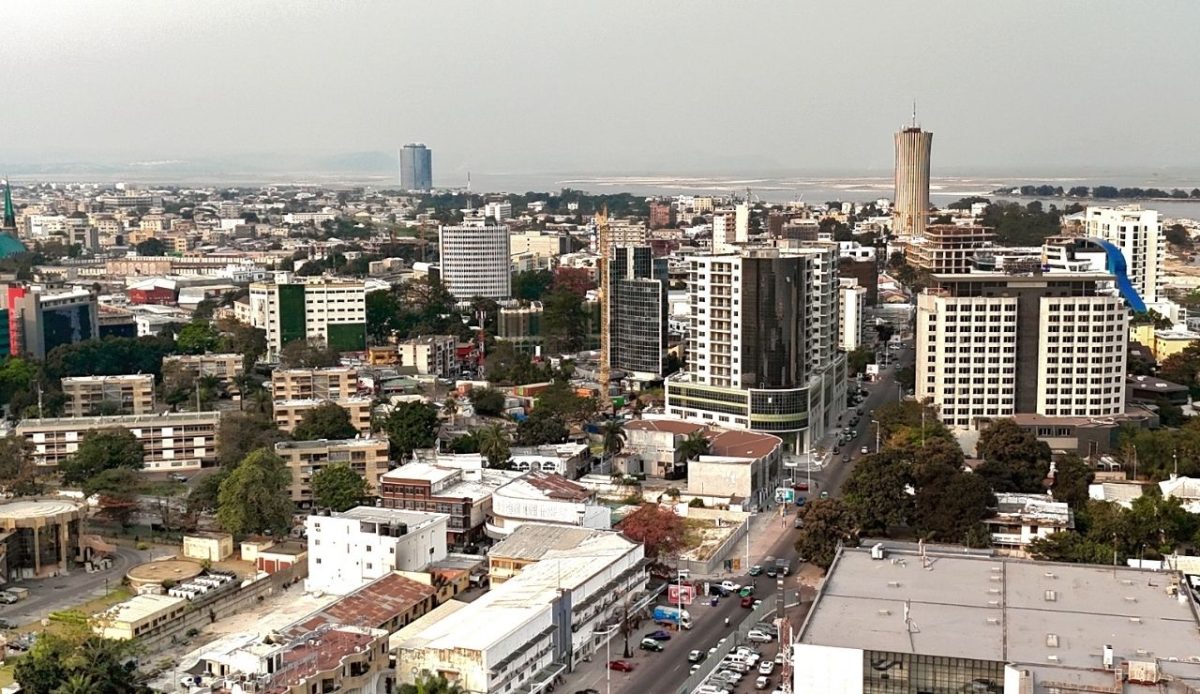
Brazzaville, the capital of the Republic of Congo, preserves French colonial architecture, including administrative buildings, theaters, and boulevards. French language, education, and urban planning remain prominent, blending with local traditions and modern culture. Travelers can visit museums, markets, and historical sites reflecting the city’s colonial past and evolving identity. The Congo River adds scenic beauty, while cultural events highlight local music, art, and cuisine. Brazzaville exemplifies the enduring impact of French colonialism on urban development, language, and cultural expression in Central Africa.
