
Vietnam is often marketed through tunnels, memorials, and battlefield stories, yet many travelers want quieter days that are not built around conflict history. The places below were chosen because official park agencies, UNESCO designations, and wetland or geopark listings describe them mainly through ecology, geology, and community life. Outdoor rules, ranger guidance, and conservation plans steer what visitors do. You will find hiking, boat rides, birding, and village stays, while war-themed stops are not the core draw. Most are reached from regional hubs, then by local roads or boats, so timing and permits should be checked before arrival.
1. Nui Chua Biosphere Reserve and Vinh Hy Bay
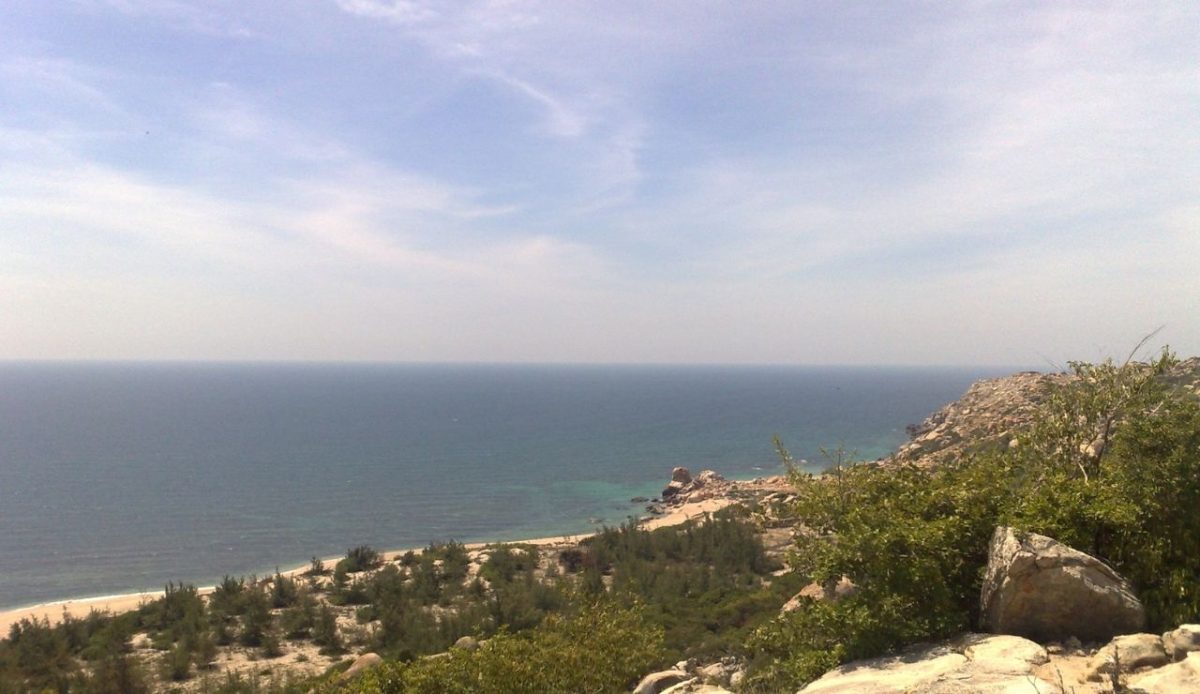
Nui Chua Biosphere Reserve in Ninh Thuan is known for dry forest, coastal ridges, and protected reefs near Vinh Hy Bay. UNESCO biosphere status and park messaging focus on habitat protection, coral monitoring, and seasonal sea turtle nesting. Visitors usually follow marked treks, snorkel with operators who follow marine rules, and learn why freshwater is limited in this region. No major war museum circuit is tied to the reserve, so time is spent on nature access that is controlled by conservation guidance. Trips are often planned around calm seas and park entry procedures, and small groups are preferred to reduce reef stress.
2. Cu Lao Cham Hoi An Biosphere Reserve
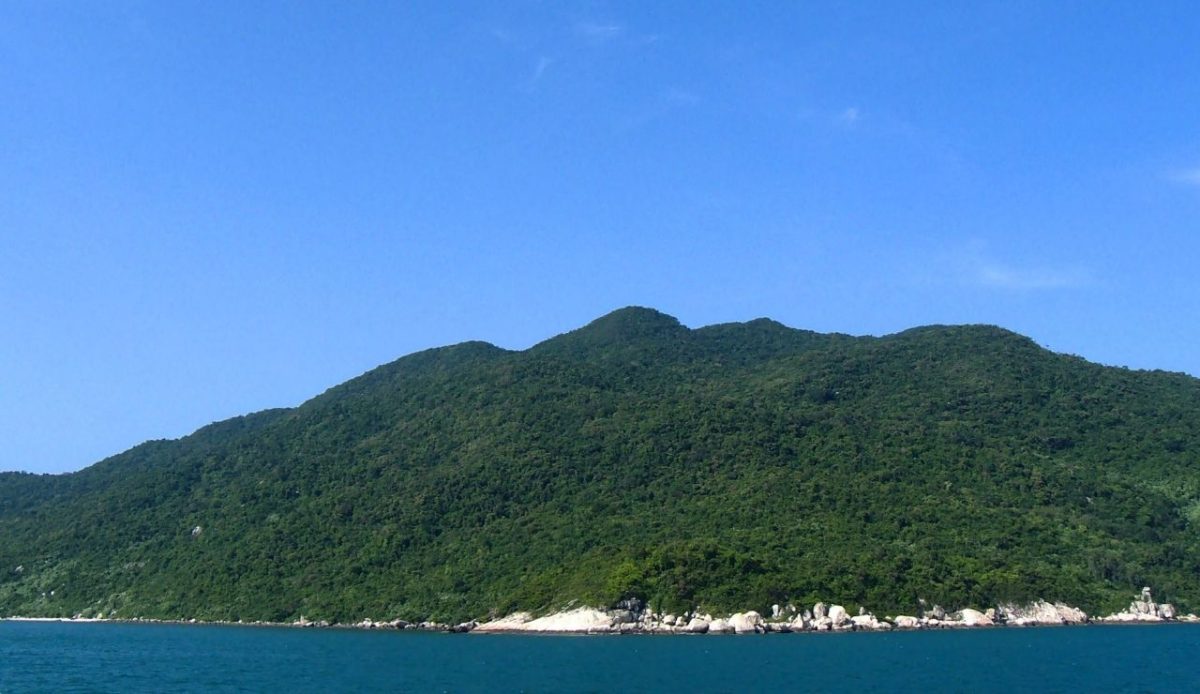
Cu Lao Cham, off the coast of Quang Nam, is managed as a biosphere reserve and marine protected area. Local regulations are reinforced through limits on waste, reef access, and boat activity, which keep the visit oriented toward stewardship. Most itineraries center on swimming, snorkeling, simple beach time, and short walks through the island forest. Cultural notes usually cover fishing traditions and older sea trade links, while conflict sites are not presented as the reason to go. Many travelers arrive by speedboat from Hoi An, and overnight stays follow set zones so that freshwater and shoreline areas are protected.
3. Cat Tien National Park
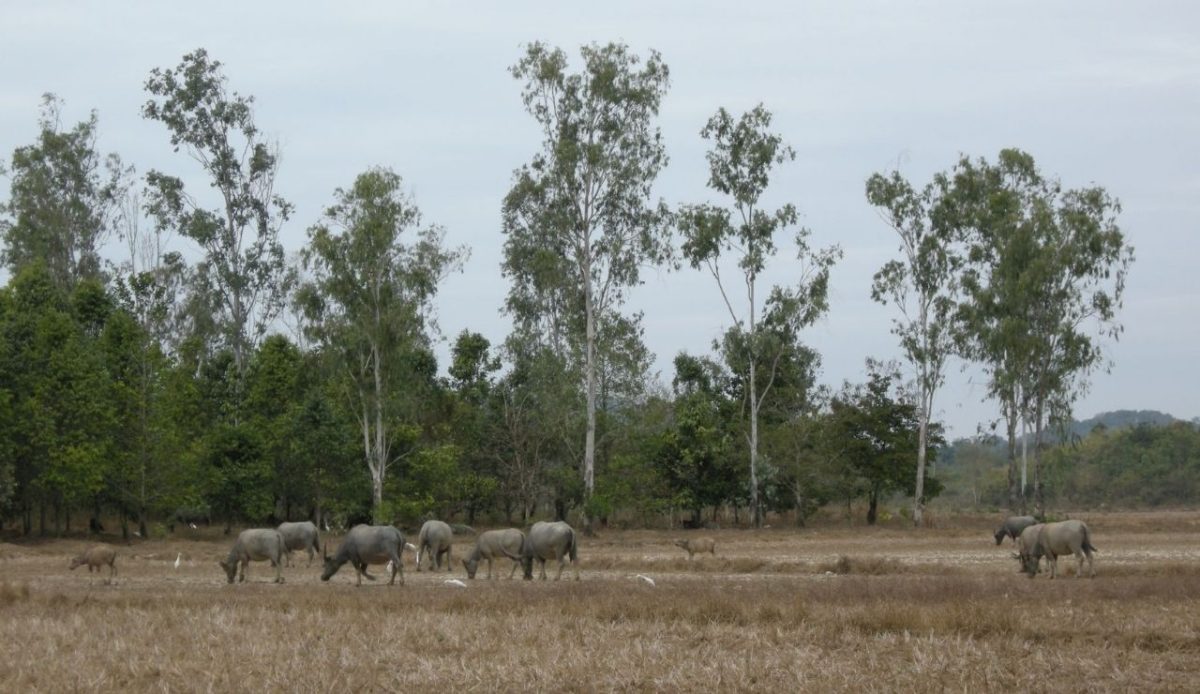
Cat Tien National Park protects lowland rainforest in southern Vietnam and is promoted for wildlife and research rather than military history. Ranger-led walks, cycling routes, and night spotting are offered, with rules that keep noise and light low. Bau Sau wetland is recognized under the Ramsar criteria, so access can be scheduled and guided to avoid disturbance. Interpretation highlights primates, birds, and habitat restoration, and the park experience is guided by conservation priorities. It is commonly reached from Ho Chi Minh City by road, and staying inside the park can keep early morning bird activity within reach.
4. Bidoup Nui Ba National Park
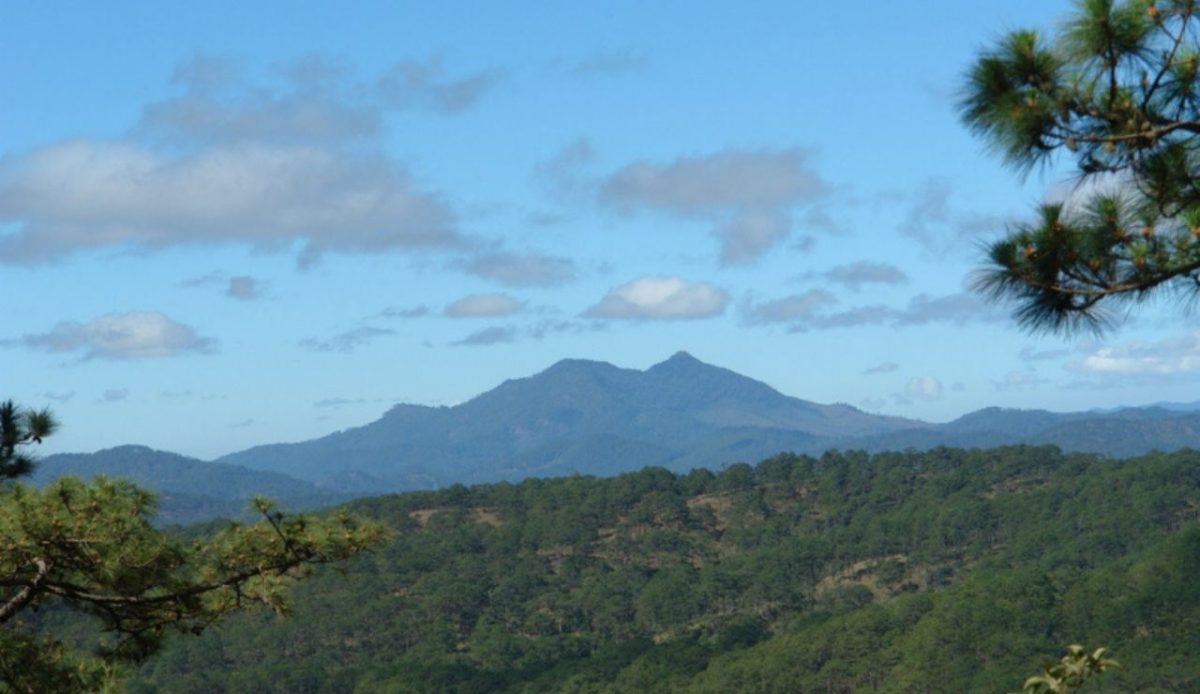
Bidoup Nui Ba National Park in Lam Dong anchors the Langbiang Biosphere Reserve and is described through high-elevation forests and endemic plants. Trail use is managed, and guided trekking is often required in sensitive zones, so the landscape is experienced under supervision. Cooler temperatures support different species than those in nearby lowlands, which is why botany and birding are common reasons for a visit. War tourism narratives are absent, and the area is framed as a conservation and science site. Most trips start from Da Lat, and weather can change quickly, so permits, layers, and ranger advice are taken seriously.
5. Ba Be National Park and Ba Be Lake
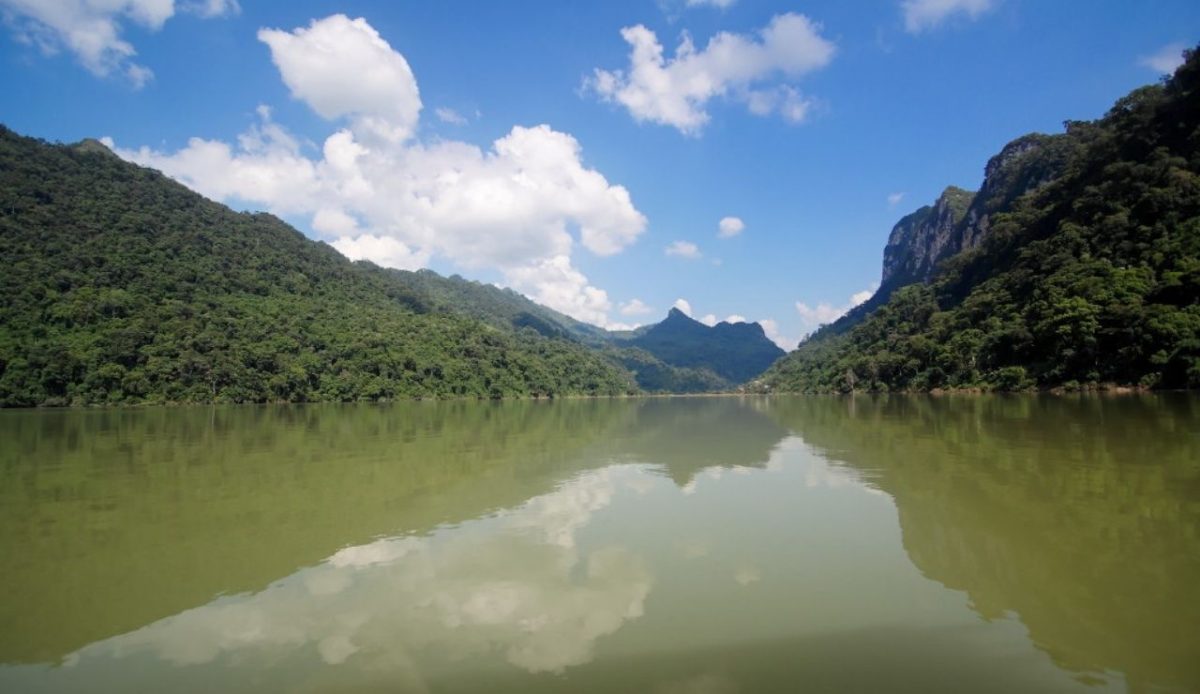
Ba Be National Park in Bac Kan centers on a large natural lake bordered by limestone forest, caves, and small villages. Boat travel on the lake is a main activity, linking visitors to waterfalls, river passages, and quiet shore paths. Ramsar recognition supports a focus on wetland value, so interpretation commonly covers water systems and habitat care. Homestays with Tay families add cultural context through daily routines and local food, with little connection to war-themed touring. Because it is several hours from Hanoi, schedules often include an overnight stop, and weekdays can feel calmer than holiday periods.
6. Pu Luong Nature Reserve
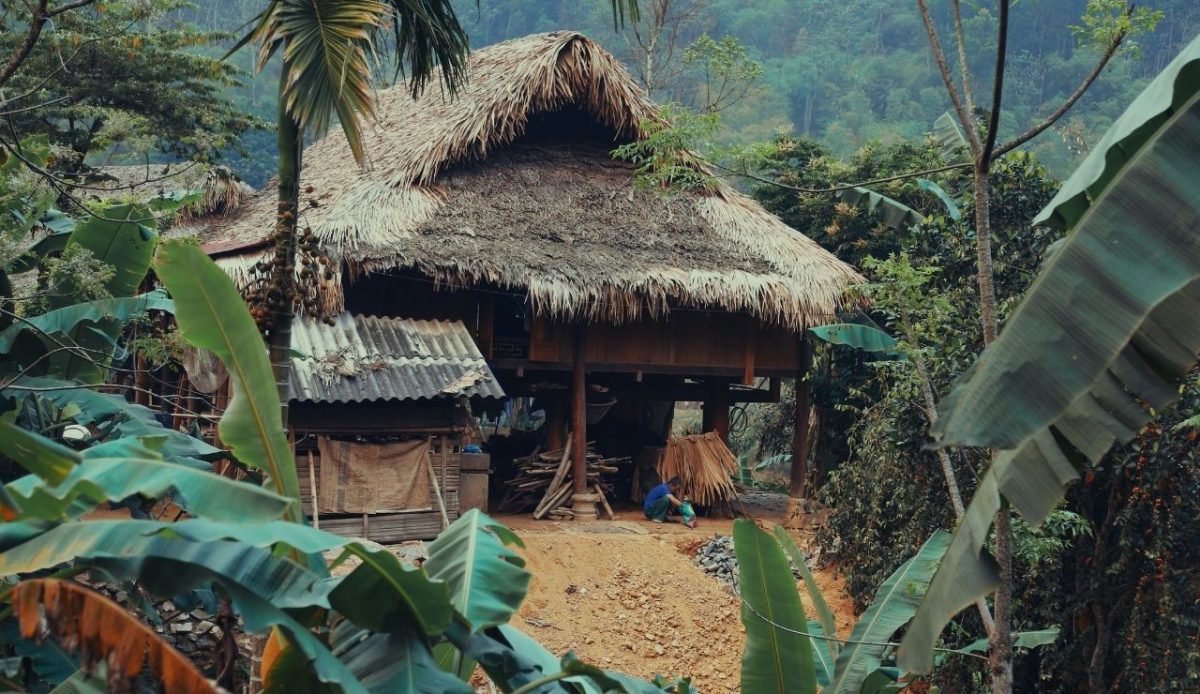
Pu Luong Nature Reserve in Thanh Hoa is promoted for terraced fields, forest valleys, and village-based stays, not for conflict history. Walking routes connect hamlets and viewpoints, and many visitors choose homestays that follow community tourism guidelines. The reserve’s management approach emphasizes land use balance and protection of forest corridors, so large developments are limited. A typical day involves short hikes, local markets, and quiet evenings, with no expectation of museum hopping or battlefield stops. Spring and early fall are often chosen for clearer trails, while wet months can slow travel on narrow roads.
7. Dong Van Karst Plateau Global Geopark
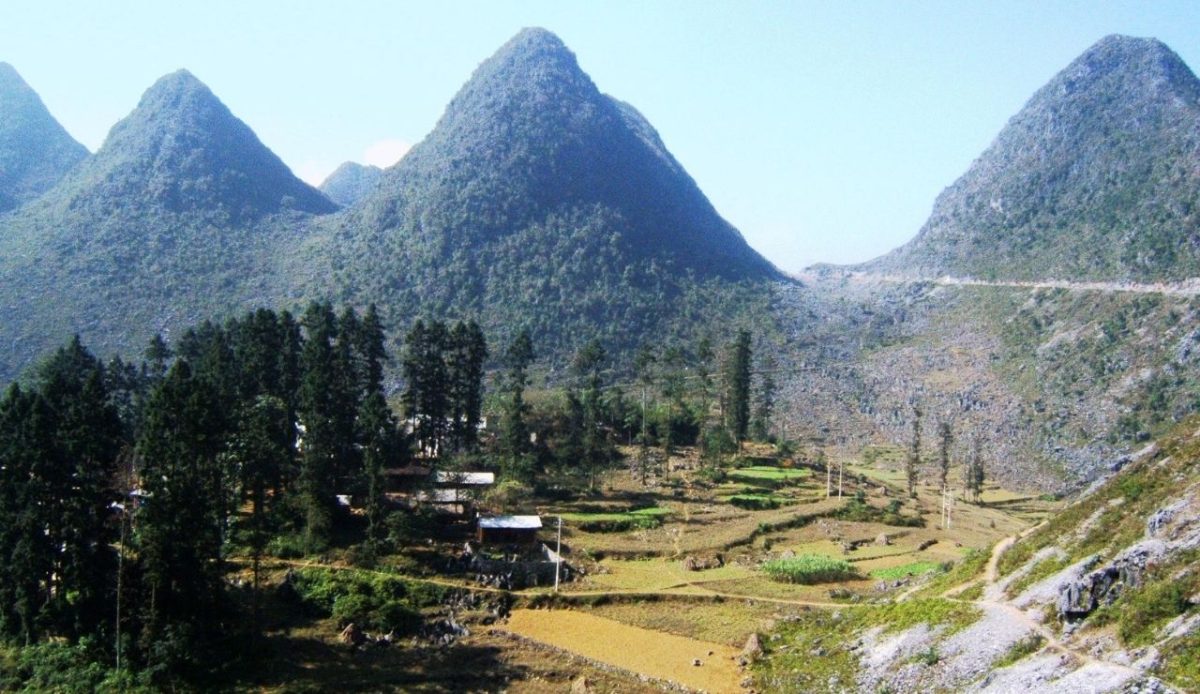
Dong Van Karst Plateau Global Geopark in Ha Giang is recognized by UNESCO for its limestone geology and long human settlement in a harsh mountain setting. Visitor centers and signage explain rock layers, caves, and farming methods adapted to thin soils. Travel here is usually a road trip with stops at ethnic markets, ridge viewpoints, and stone villages rather than any military exhibit. Because the geopark brand is science-focused, the experience is framed around landscape learning and local culture. Some routes approach border areas, so documents may be checked, and slow driving is encouraged when fog and sharp turns appear.
8. Tam Dao National Park
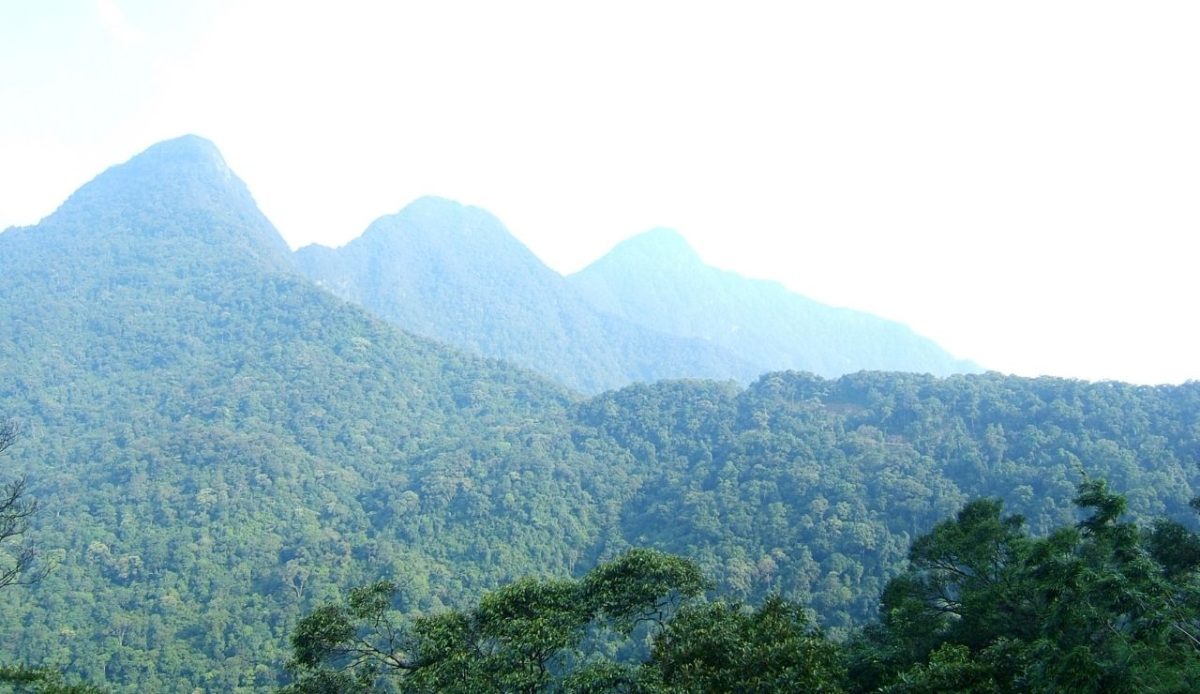
Tam Dao National Park in Vinh Phuc offers forest trails and biodiversity close to Hanoi, making it an easy escape from city schedules. Park materials highlight bird species, amphibians, and plant diversity, and research has been supported through protected status. Hiking routes are used for recreation and education, and visits are guided by weather since mist and rain can reduce visibility. It is not marketed through war narratives, so the emphasis stays on outdoor time and habitat awareness. For a quieter visit, travelers often start early, choose lesser-used paths, and avoid peak weekends when the nearby hill town fills up.
9. Bach Ma National Park
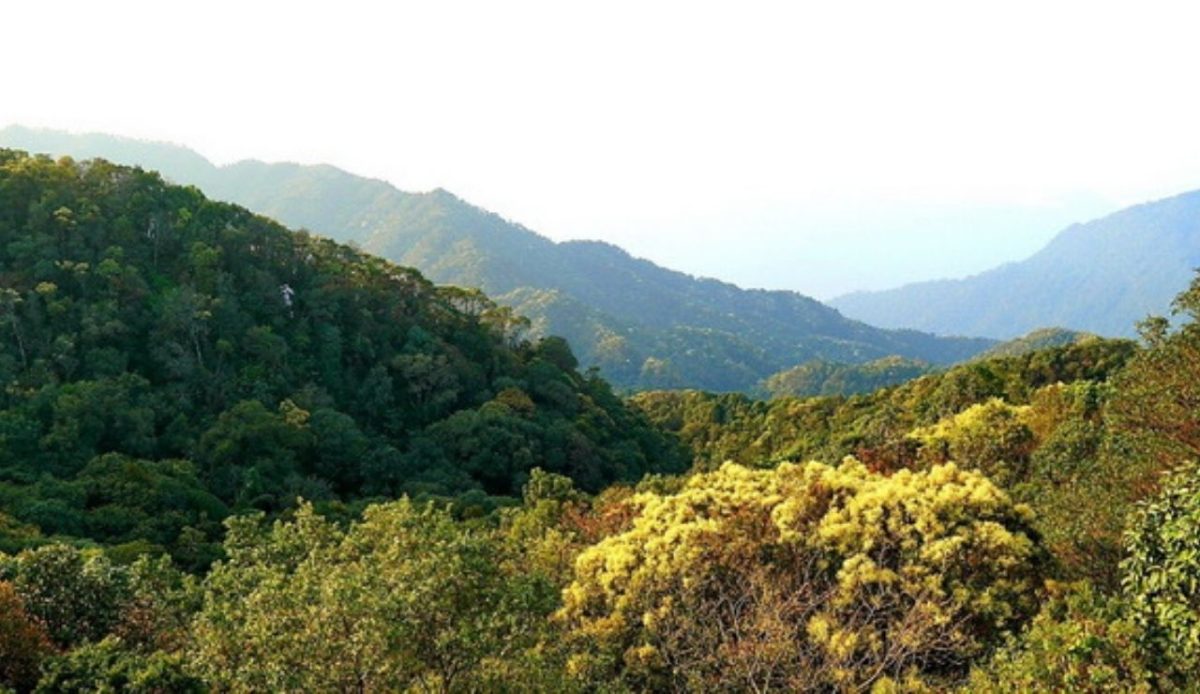
Bach Ma National Park, between Hue and Da Nang, is managed for montane forest protection and is known for waterfalls and ridge trails. Official guidance encourages set routes and safe timing because rain can raise stream levels and make steps slick. Species monitoring and habitat recovery work are often referenced in park information, keeping attention on ecology. Although Hue supports many historical visits, Bach Ma itself is a natural stop, and conflict interpretation is not a standard part of the visit. Day trips are common, but transport should be arranged in advance since options are limited near the gate and closing times are enforced.
10. Tram Chim National Park
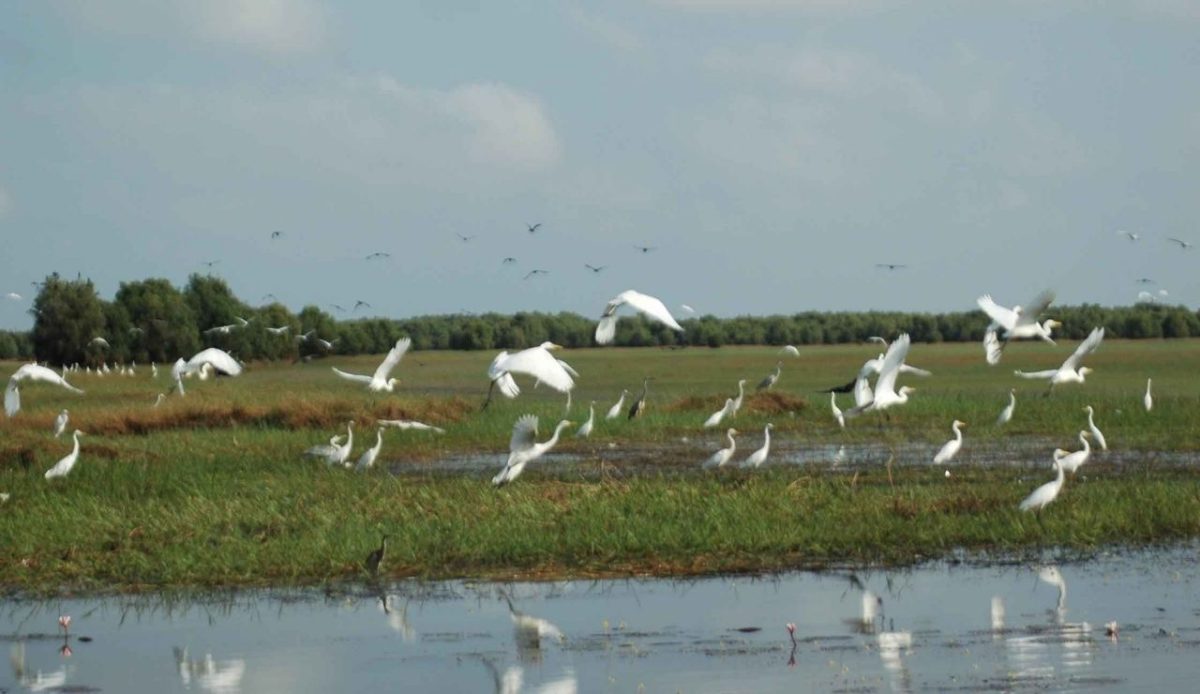
Tram Chim National Park in Dong Thap is a protected Mekong Delta wetland listed under the Ramsar Convention. Seasonal flooding drives what visitors see, so boat routes and viewing areas are adjusted to protect breeding and feeding sites. Birdwatching is the main draw, with interpretation focused on wetland restoration and native grassland management. The park is not associated with battlefield tourism, and visitors devote their time to quiet observation guided by conservation rules. Peak viewing is often planned for the dry season, and local boat fees help fund patrols and habitat work across the reserve.
11. Van Long Wetland Nature Reserve
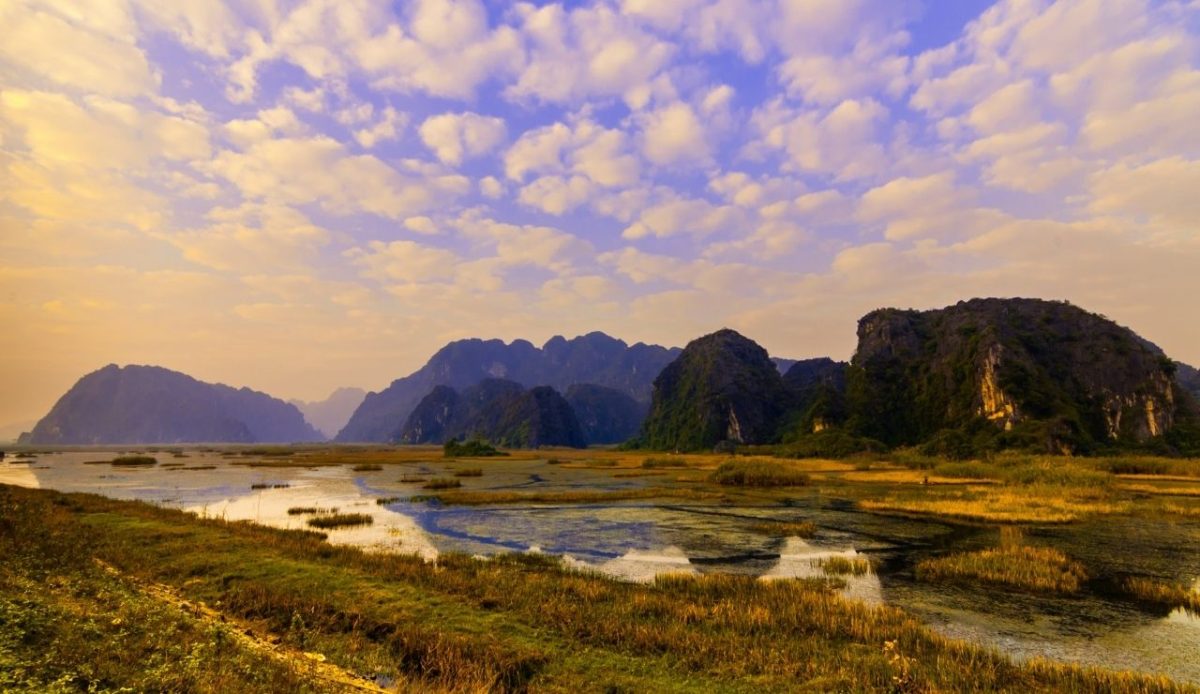
Van Long Wetland Nature Reserve in Ninh Binh is visited for calm boat trips through limestone wetlands and for endangered Delacour’s langurs. Local management limits motor noise and directs boats along set channels, which keeps wildlife disturbance lower. Birdlife and karst ecology are the topics most often explained during rides, and stops are timed around animal movement. The reserve is separate from war-themed touring, so visitors come for nature viewing and low-intensity travel near rural communities. Early morning departures can improve sightings, and guides encourage distance and silence so the primates are not pressured.
