
In parts of Eastern Europe and Asia, unresolved disputes are felt in practical travel details. Checkpoints, buffer zones, and heightened policing can alter routes, opening hours, and the ease of crossing a city or region. Some areas require additional documents, while others demand careful consideration of photos, public speaking, or social media. Plans are often changed by security alerts rather than weather. Local sensitivities can also be tested when language, flags, or faith symbols appear in public spaces. By planning with these realities in mind, disruption is reduced, and misunderstandings are less likely.
1. Jerusalem And West Bank Access Corridors
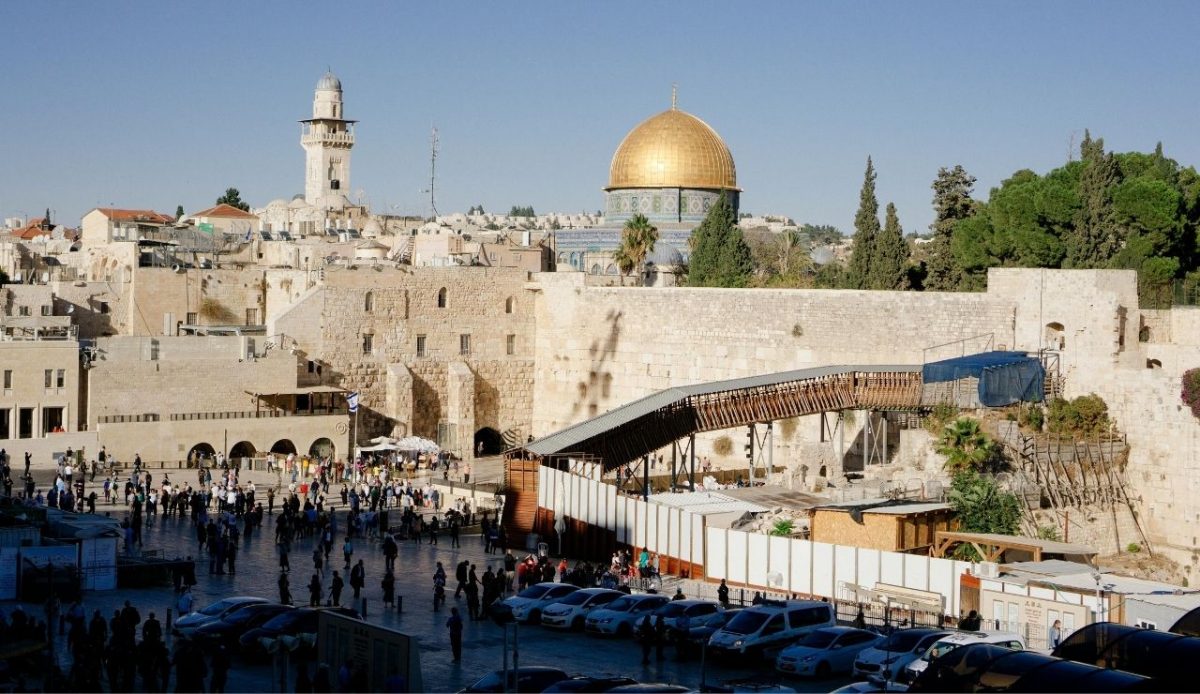
Competing national and religious claims influence Jerusalem travel, and nearby West Bank access adds another layer. Entry to certain streets or holy compounds may be limited during periods of tension, and extra screening can appear with little notice. Day trips to Bethlehem or Jericho can be slowed by checkpoint queues, so timing must be padded. Different entry points and ID rules can affect who is allowed through and when. Rules around dress and conduct are enforced more closely near sacred places, and photography may be questioned. Tour routes are often adjusted on the day when security plans are updated.
2. Indian Administered Kashmir
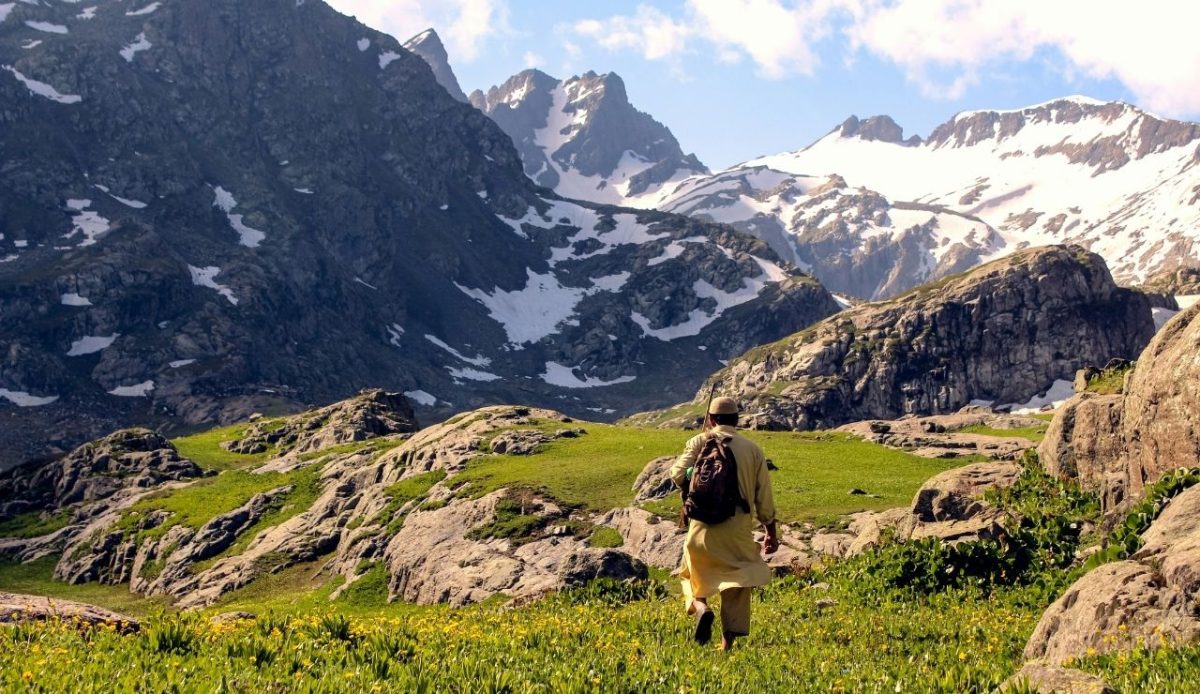
In Indian administered Kashmir, tourism runs alongside a heavy security posture created by a long conflict. Highways can include frequent checkpoints, and travel times between Srinagar, Gulmarg, or Pahalgam may stretch beyond the map estimate. After major incidents, popular parks or resorts can be closed temporarily, and permits may be requested for certain routes. At times, movement has been limited by curfews or convoy controls on key roads. Mobile networks have been restricted, which affects navigation and bookings. Keep hotel confirmations offline and plan backup outings that stay within one area if conditions change.
3. Nicosia And The Cyprus Buffer Zone
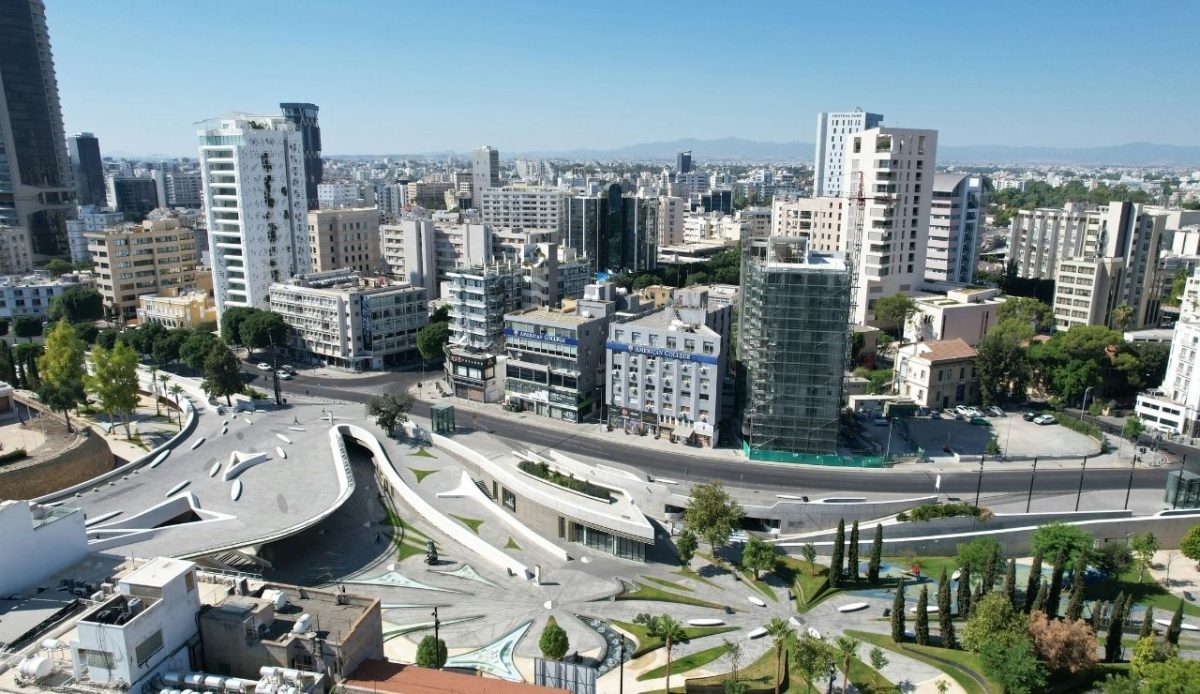
Nicosia is Europe’s last divided capital, and the split is experienced through routine border-style steps. Crossing between the south and the north is done only at official points within the UN buffer zone, where identification is checked. A short walk can involve lines, questions, and rules about what goods can be carried across. Some rental cars are not covered on the other side, so insurance must be arranged separately. Currency, mobile service, and emergency numbers can differ after you cross. Because signage and services shift quickly, travelers benefit from downloading maps for both administrations.
4. Northern Kosovo And North Mitrovica
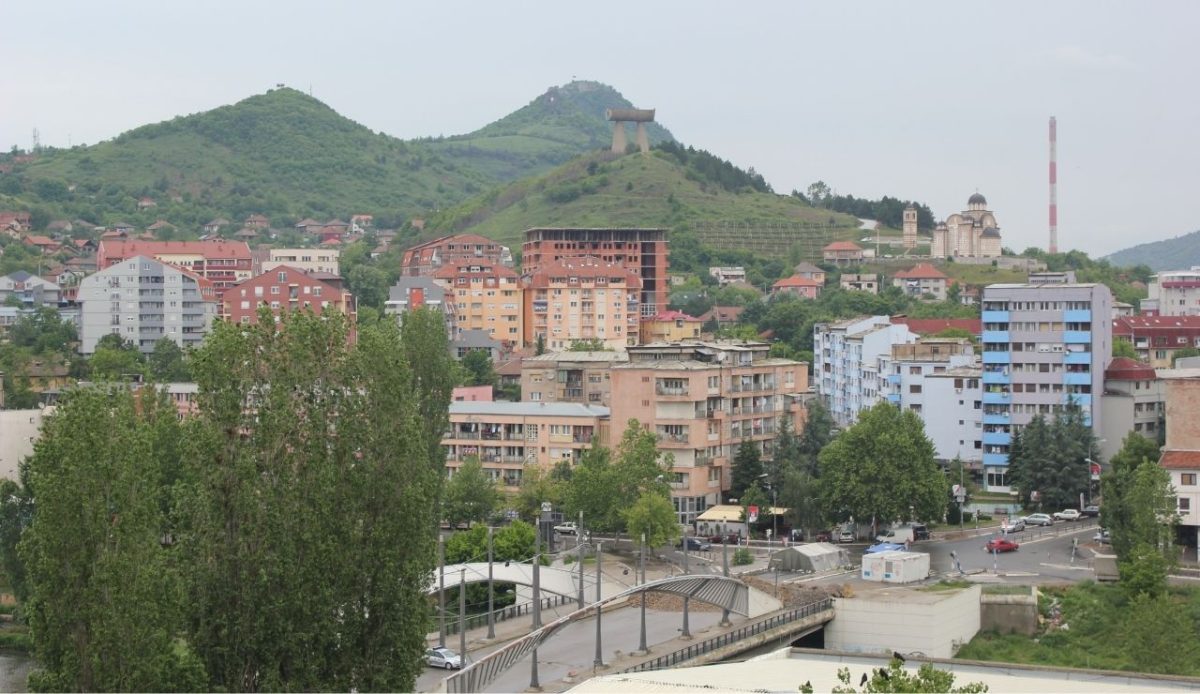
Northern Kosovo, especially North Mitrovica, is affected by tension between the Serb and Albanian communities and the politics around governance. Protests and roadblocks have occurred, and policing can be intensified with little warning. Some areas have been listed in official advisories as places where nonessential visits should be reconsidered. Visitors may find that buses are delayed or rerouted, and some roads are avoided by drivers after dark. Symbols matter, so care is needed with flags and sensitive filming near bridges or municipal buildings. Ask hosts about the calmest approach roads and keep plans flexible if movement is slowed.
5. Taiwan And Offshore Island Routes
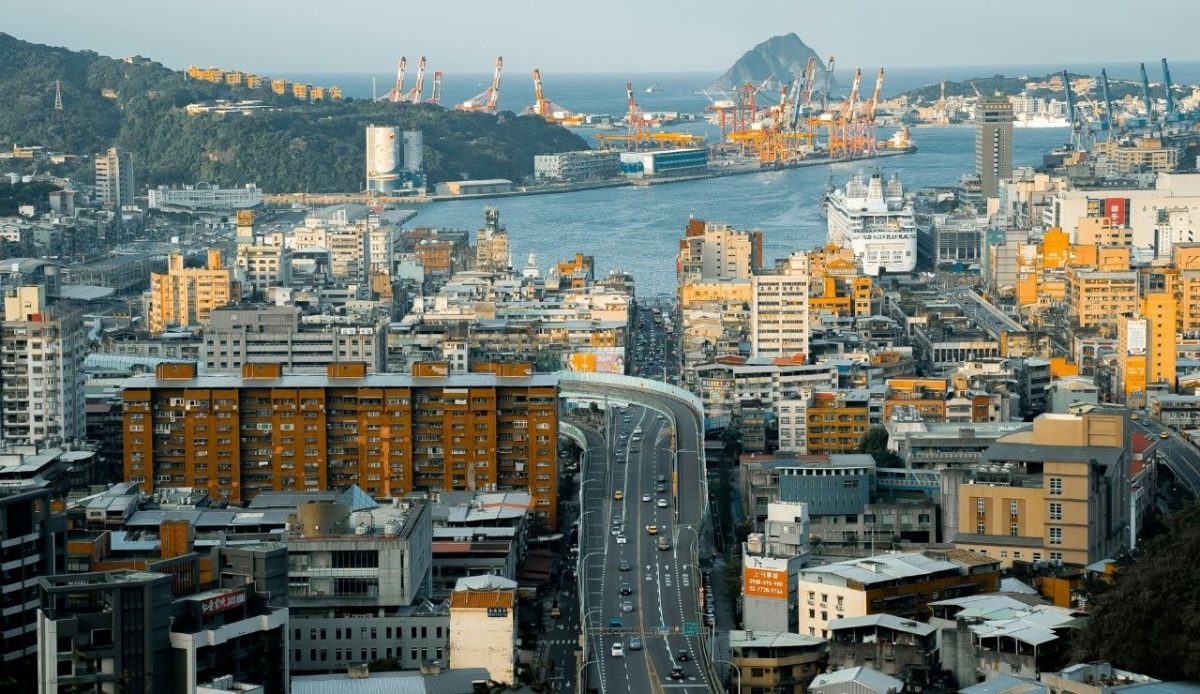
Taiwan is generally easy to visit, yet cross-strait tensions can affect transport in ways that surprise tourists. Large-scale military drills and airspace limits have led to rerouted flights, and services to offshore islands like Kinmen and Matsu can be disrupted. Ferry schedules may also be adjusted when security activity rises, even with clear weather. For travelers, this means keeping buffer time between connections and avoiding tight same-day transfers. Notifications should be enabled for airline and port updates, and alternate lodging should be identified in case an overnight stay is forced.
6. Hong Kong
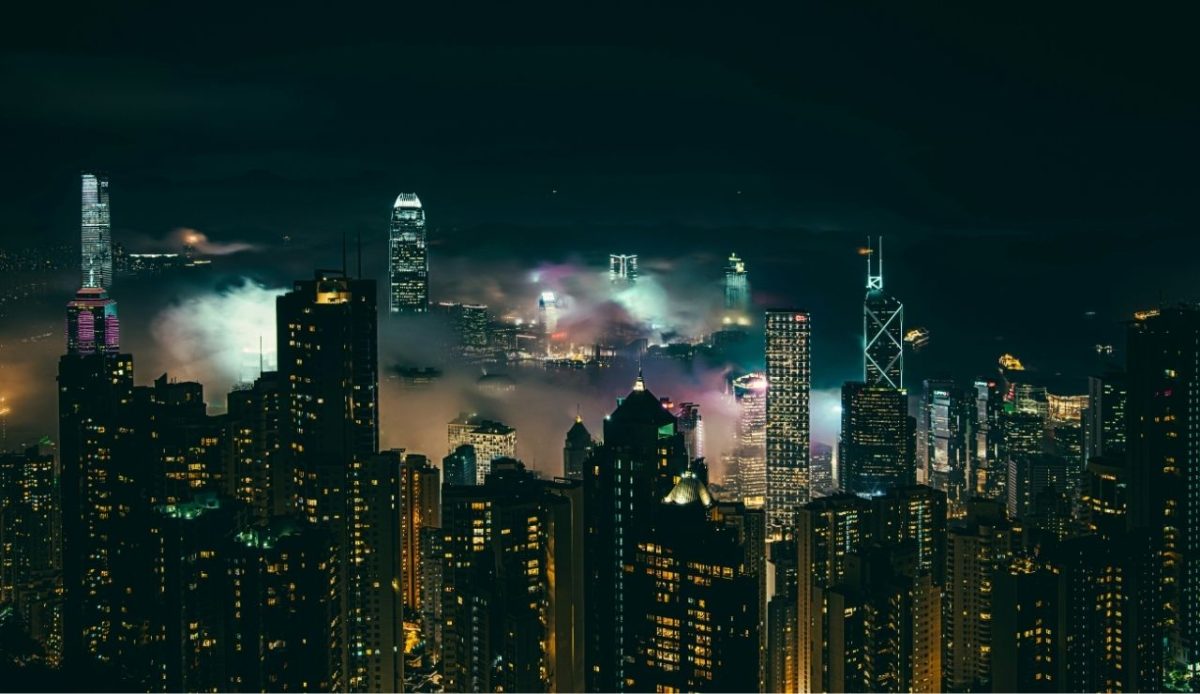
Hong Kong remains a major hub, but political tension has changed what feels low risk for visitors. Security-related laws have been used broadly, so official guidance often urges people to avoid demonstrations and to be cautious with public statements. Photography of police activity or government sites can draw attention, and online posts may be reviewed if they are linked to activism. Most tourists will have a smooth stay, yet behavior is moderated more than in the past. Journalists and researchers should carry clear documentation of purpose, and sensitive interviews are best avoided in public venues.
7. Georgia Abkhazia And South Ossetia Border Regions
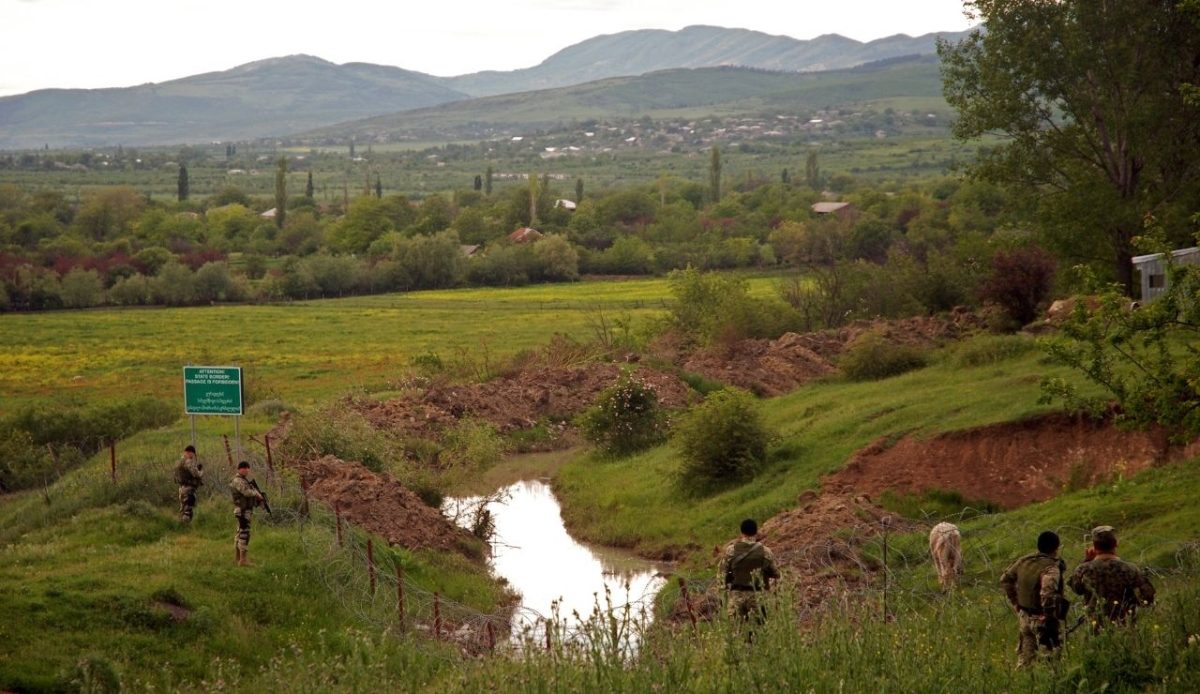
Georgia’s disputes over Abkhazia and South Ossetia shape travel near their boundary areas and create legal traps for the unaware. Access from the Georgian side is limited, and the lines are monitored, so detours are sometimes required. Entering either region from Russia is treated by Georgia as illegal entry, and penalties can include fines or future entry bans. Even a stamp or permit issued locally can complicate later travel. Some insurers exclude incidents in these areas, which leaves travelers exposed. Verify routes before hiring drivers, avoid informal crossings, and keep passports secure near the lines.
