
Quiet travel in Canada often depends on access rules, distance, and seasons rather than hype. Places that require boats, small aircraft, or formal registration tend to stay calm because quick day trips are discouraged. This list highlights destinations where visitation is naturally limited and where planning is expected. Each entry explains a concrete barrier that keeps numbers low, such as roadless entry, charter flights, or ferry links, so the peaceful feel is supported by logistics, not guesswork. Briefings and local guidance are often required. When travel is slowed by design, time goes to setting instead of lines, noise, or stops.
1. Gwaii Haanas National Park Reserve, Haida Gwaii, British Columbia
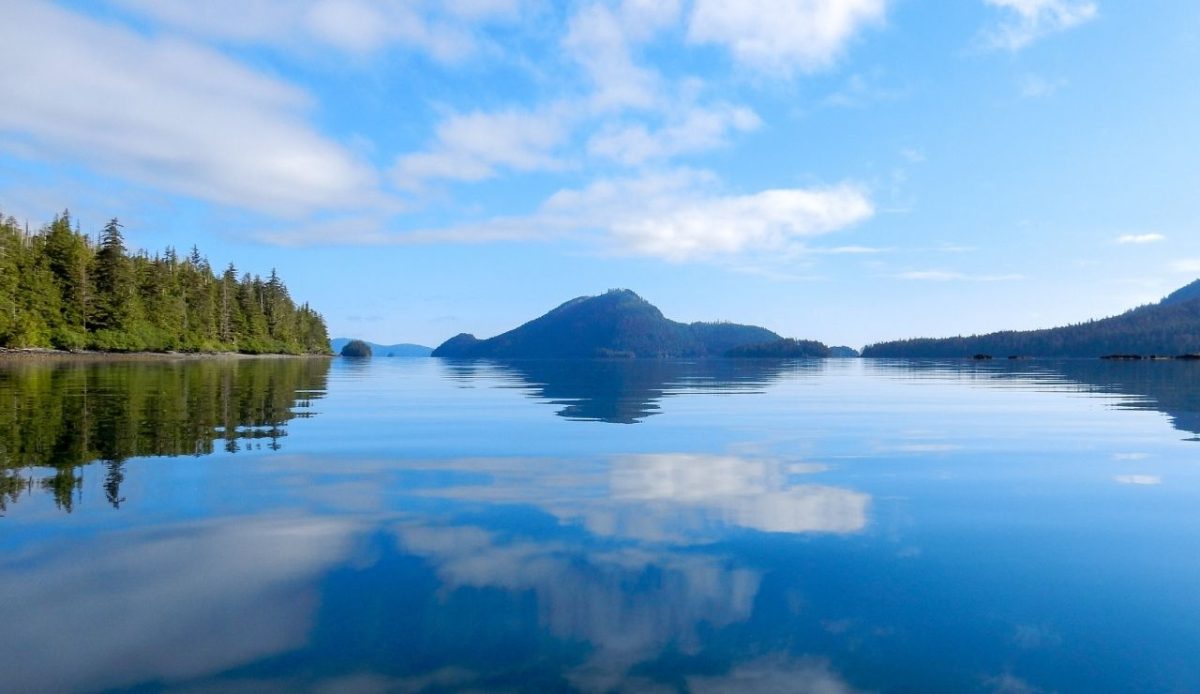
Gwaii Haanas is road-free, so entry is by boat or seaplane, and trips must be arranged in advance. Permits are issued under a cooperative approach with the Haida Nation, and visitor conduct is reviewed before travel. With no drive-up viewpoints and limited landing options, groups move along planned routes and camp at approved sites. Weather windows and supply planning keep itineraries realistic, and crowding is avoided because arrivals cannot surge on a whim. Many visitors join guided kayak or small vessel trips that cover long distances between anchorages, so people are spaced out. Cultural areas are treated with care, and noise remains low.
2. Nahanni National Park Reserve, Northwest Territories
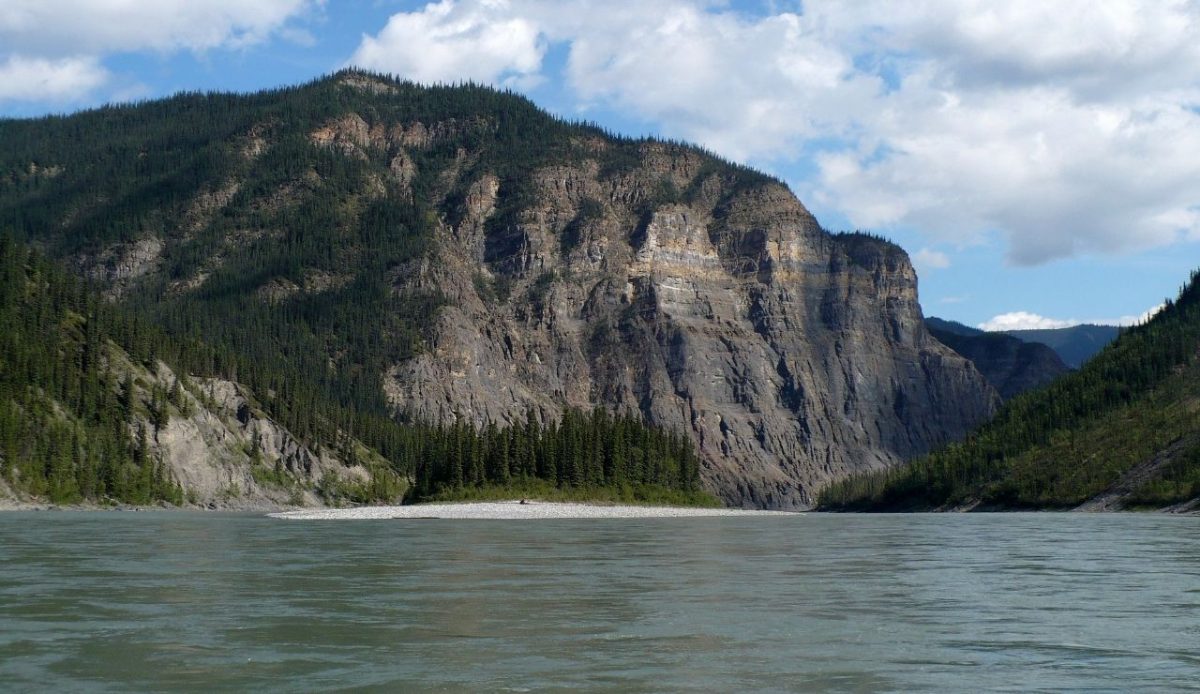
Nahanni is reached mainly by floatplane from Fort Simpson, which limits casual traffic and keeps numbers predictable. Most visitors choose river trips or flightseeing rather than short walks, because the park has little roadside infrastructure. Backcountry routes require skills and gear, and safety guidance is provided before departure. Even well-known Virginia Falls feels quiet when groups are scattered along the South Nahanni River, and schedules are set by weather and aircraft availability. The operating season is brief, and camps are used lightly, so sound carries across canyons without being interrupted by constant arrivals.
3. Torngat Mountains National Park, Northern Labrador
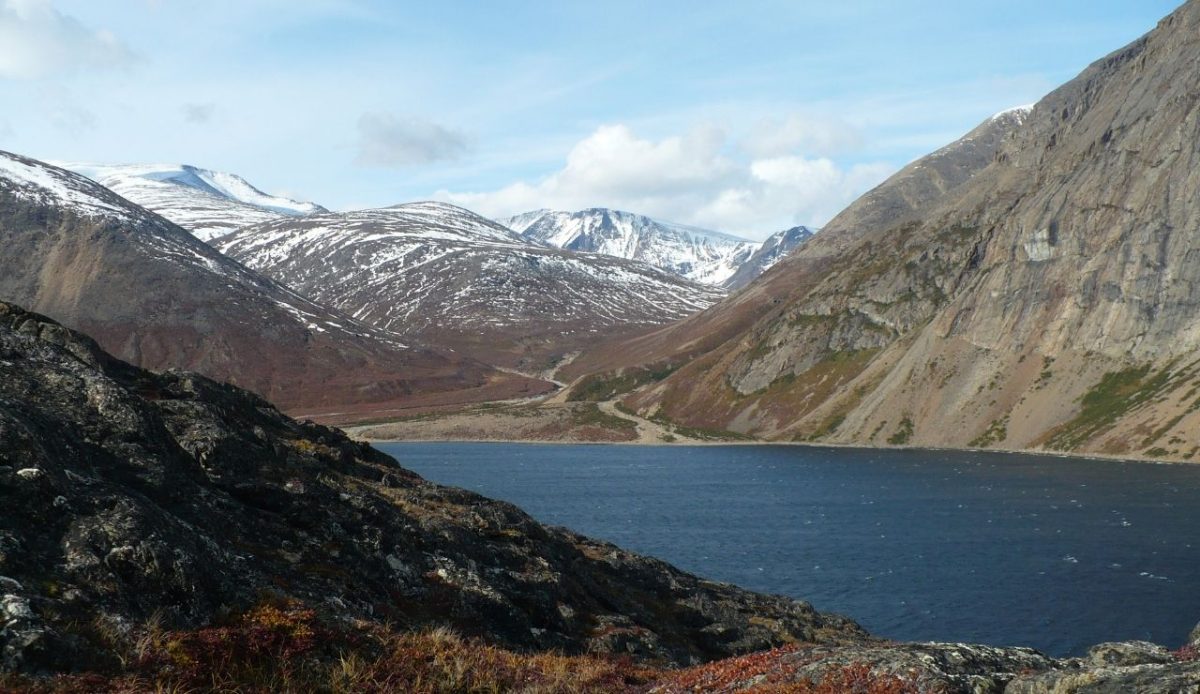
Torngat Mountains National Park in northern Labrador requires planning because access is by charter flight, followed by boat or helicopter transfers. A base camp system supports orientation, bear safety, and Inuit cultural guidance before travel begins. Road access is absent, and developed campgrounds are not provided, so routes are chosen for conditions and group ability. Visits are concentrated in a short summer window, and the cost of logistics keeps numbers low, leaving large valleys and fjords largely undisturbed. Communications can be limited, so trip plans are reviewed carefully and time is built in for delays caused by fog or wind.
4. Auyuittuq National Park, Nunavut
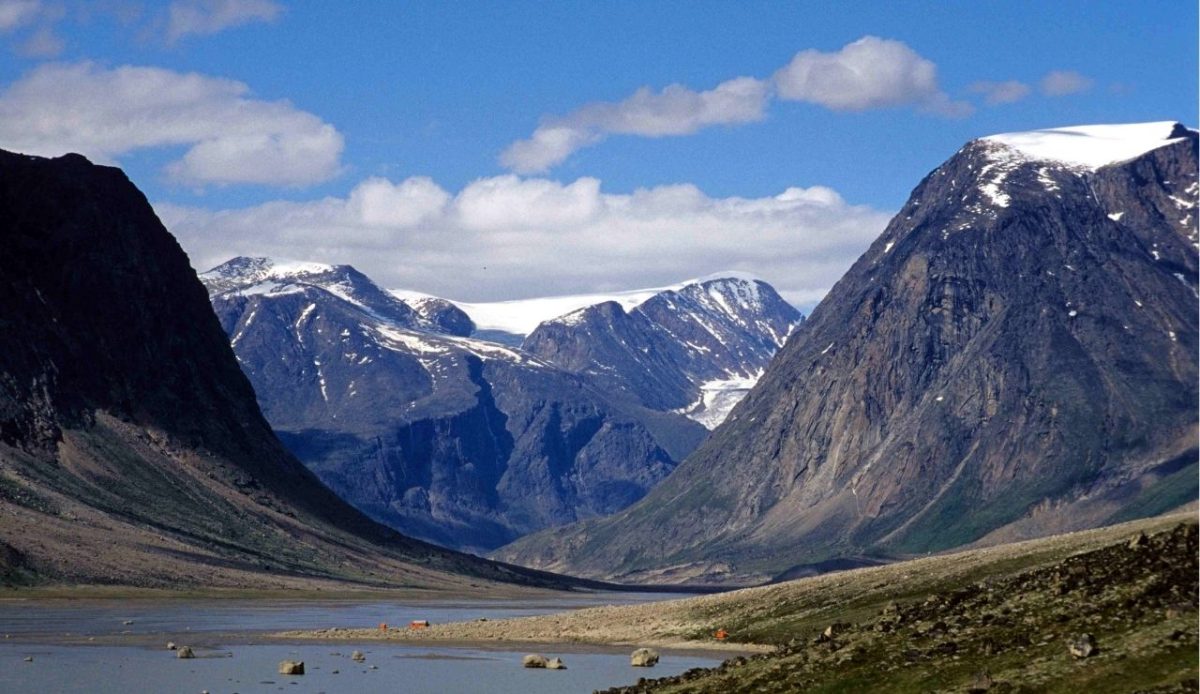
Auyuittuq on Baffin Island is treated as an expedition setting, and visitors must register and attend an orientation before entering. Route plans, emergency contacts, and equipment are checked, and that review filters out unprepared travel. Access is through small Arctic communities and local transport, so arrival numbers stay modest. Because conditions change quickly, progress can be slow, and long stretches of quiet are experienced along valleys and ice fields where only a few parties may be present at once. The travel season is short, and camps are self-supported, so the landscape is left as found, and noise does not build over time.
5. Mingan Archipelago National Park Reserve, Quebec North Shore
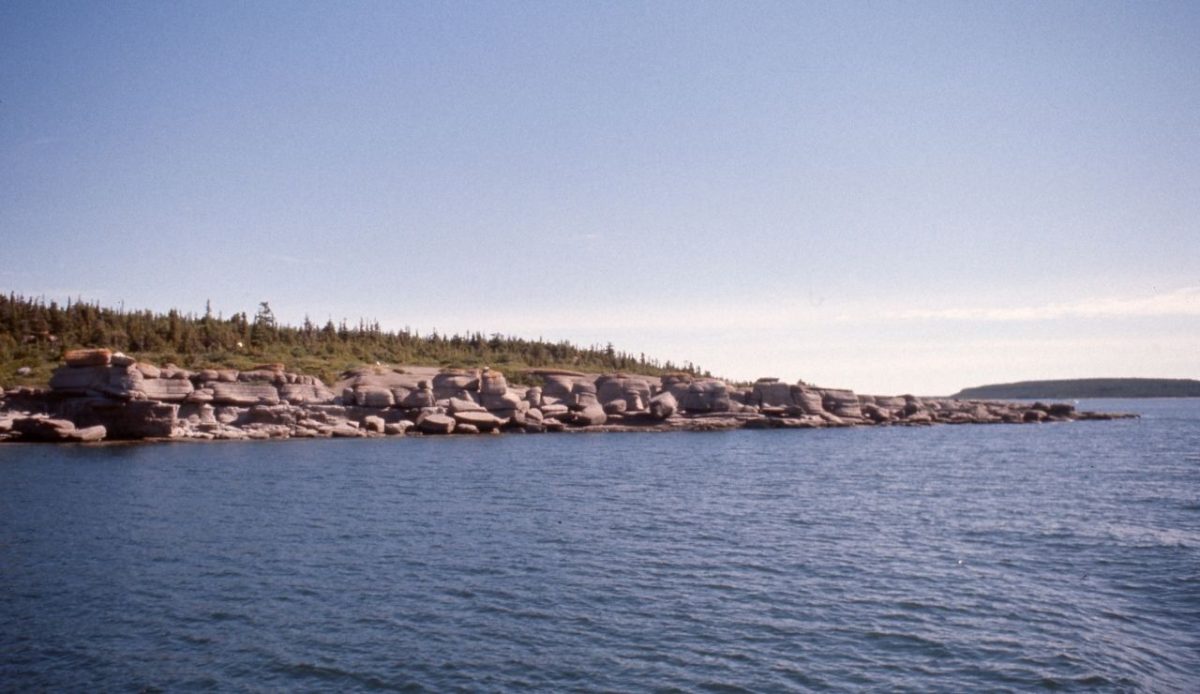
Mingan Archipelago on Quebec’s North Shore is reached by boat, and transport is usually arranged with local operators based on tides and weather. That reliance on marine access limits day-to-day volume and keeps timing controlled. Instead of one central hub, islands are visited in small loops, so groups are spread across a wide coastal area. Outside the peak summer weeks, departures are fewer, and the shoreline remains quiet, with wildlife viewing and short hikes replacing crowded viewpoints. Services are limited once on the islands, so visitors pack what they need and return with their operators, which prevents large gatherings from forming.
6. Fogo Island and Change Islands, Newfoundland and Labrador
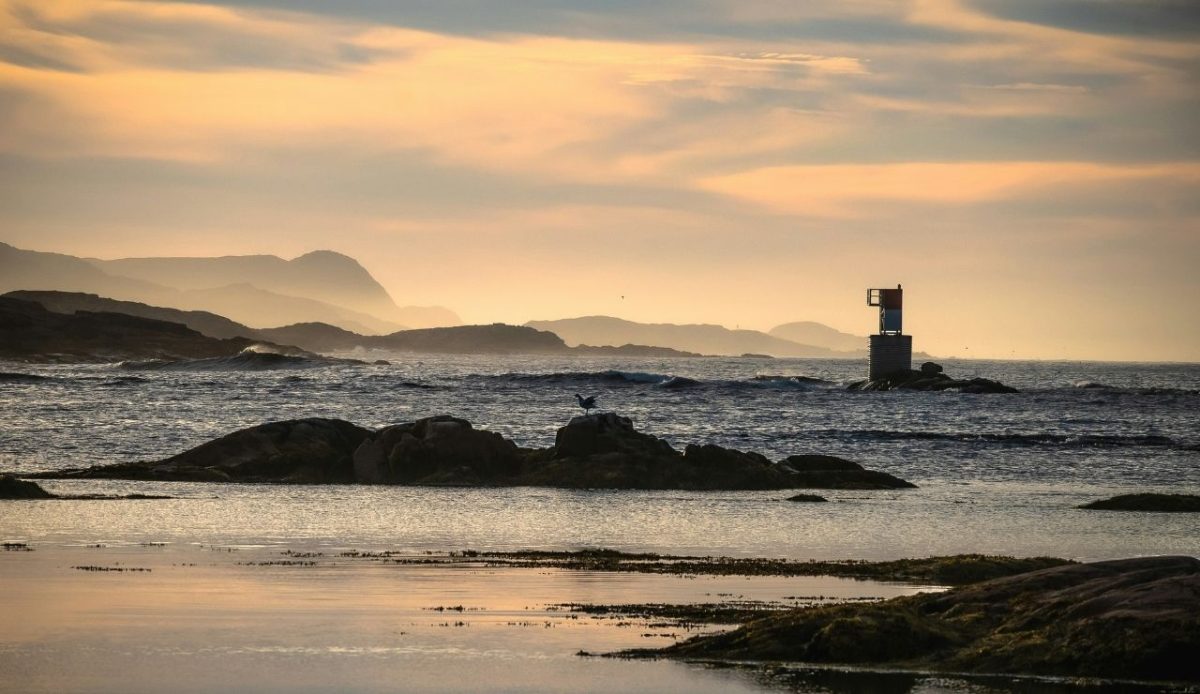
Fogo Island and the nearby Change Islands are reached by ferry, which sets a fixed rhythm and prevents constant turnover. Small communities, limited lodging, and weather-dependent crossings keep visitor numbers modest even in summer. Days are built around short drives, walks, and conversations rather than packed attraction lists. Because services are practical and locally focused, travel tends to be respectful and low noise. The pace is controlled by local schedules, so quiet moments are common along harbors, trails, and shore roads. Booking is often needed, and shoulder season stays calm when ferry frequency is reduced.
7. Grasslands National Park, Saskatchewan
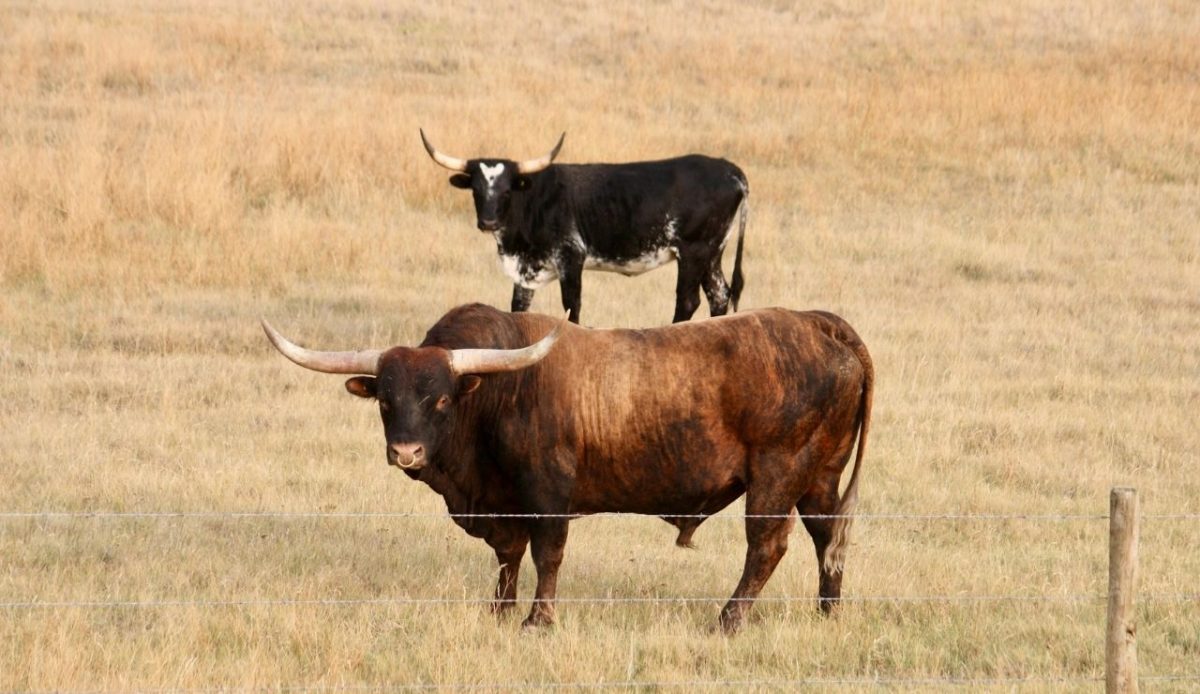
Grasslands National Park in southern Saskatchewan is defined by wide horizons and low visitation, so people are separated by distance rather than barriers. Facilities are limited, and most exploration happens on foot, by car on park roads, or at small trailheads. As a Dark Sky Preserve, nights are kept free of bright lighting, and stargazing becomes a main activity. Because the area is far from major cities and not on common road trip loops, traffic stays light, and the park’s quiet character is maintained across both the East and West blocks. Prairie wind and wildlife sounds carry, and visits feel unhurried because time pressures are few.
8. Tuktut Nogait National Park, Northwest Territories
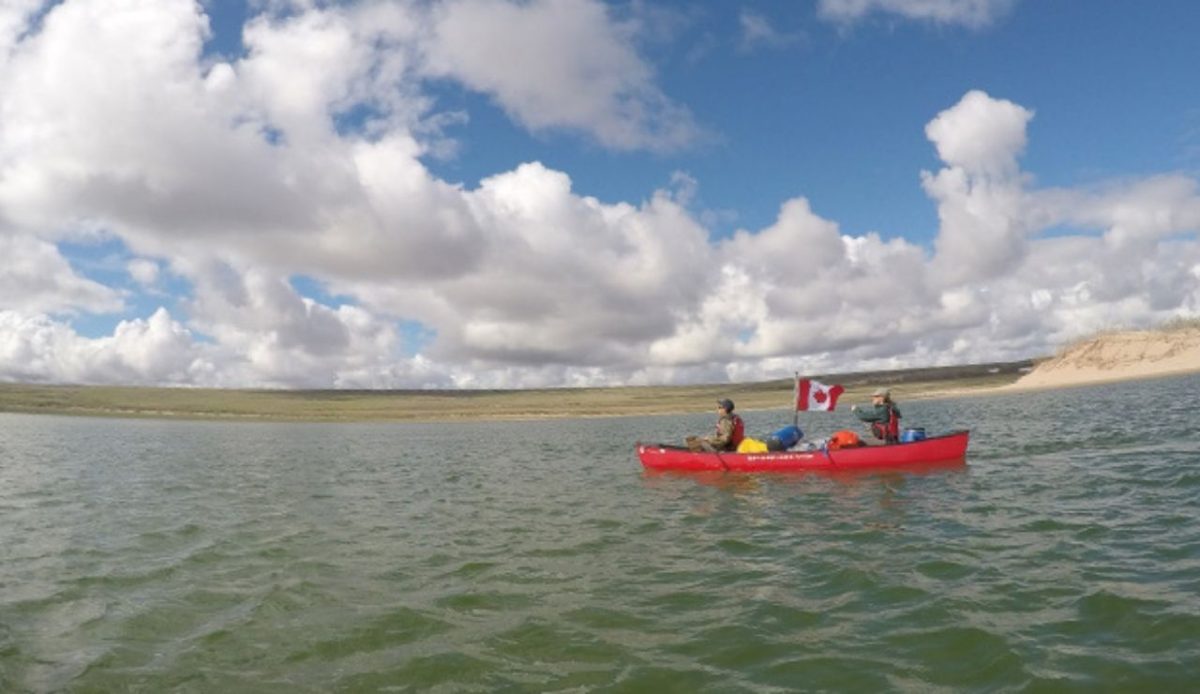
Tuktut Nogait National Park remains little visited because entry requires registration, orientation, and permits arranged before arrival. Most access is by charter aircraft connected to Paulatuk or approved landing areas, and public roads do not reach the park. With no marked trails or visitor facilities, travel must be fully self-reliant and carefully timed. Groups are kept small for safety, and the landscape is experienced with minimal human presence, so quiet dominates for long periods, and wildlife movement is less likely to be disrupted. Delays can be caused by fog or wind, so extra days are planne,d and camps are left clean.
