
Some U.S. landmarks face vandalism again and again, even with guards, cameras, and strict laws. Graffiti, etched names, stickers, and illegal driving can leave marks that take days to remove or cannot be undone. Budgets get redirected to cleanup, while staff time is pulled from interpretation and habitat work. This list focuses on places where repeated incidents have been documented across multiple years, not one-off damage. Problems often spike at crowded viewpoints and after-hours access points, and cleanup can still wear surfaces. In several sites, closures or restricted routes have been used when damage kept returning.
1. Lincoln Memorial
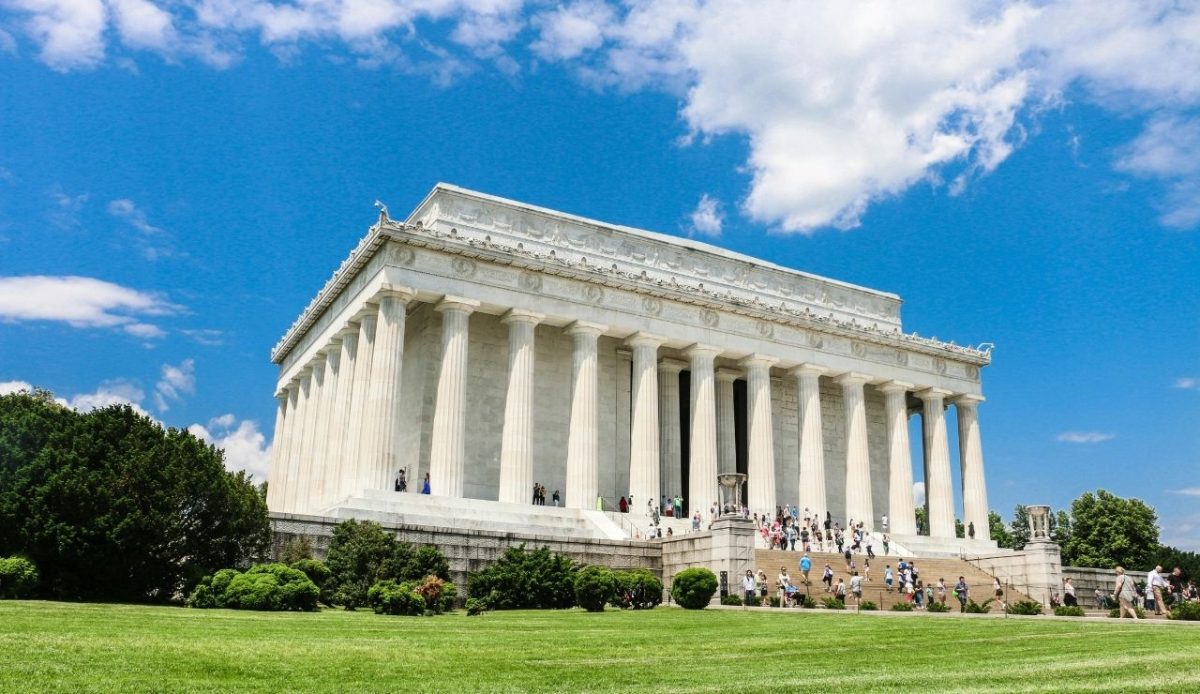
At the Lincoln Memorial in Washington, D.C., graffiti has been removed for more than a year, including incidents reported by the National Park Service in 2017 and later defacement tied to major gatherings. Because marble can absorb pigment, cleaning is done slowly with conservation products and careful rinsing. Even small markings can force a closed area and add patrols. The site is kept open and iconic, so new attempts keep occurring. The work is costly and must be repeated, since the same railings and steps draw a constant crowd,s and quick access is available at night. Damage is often caught on video.
2. Washington Monument
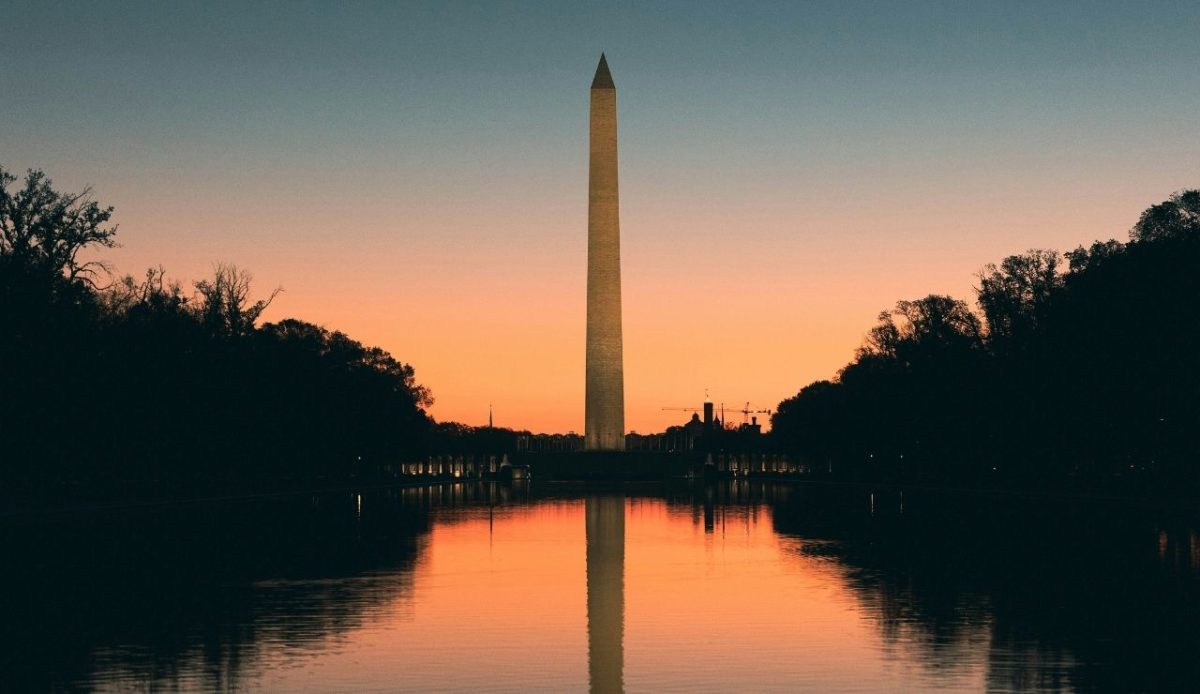
The Washington Monument has dealt with recurring graffiti near entrances and along the surrounding grounds, with notable cases in 2017 and later years that triggered professional removal. Smooth stone shows paint immediately, and even marker lines can require specialized gels and repeated passes. Closures have occurred when cleanup crews needed safe access. High holiday crowds increase opportunities, so the cycle returns. Security measures have been adjusted over time, yet open public space around the base makes full prevention hard during peak visitation and late evening hours. Repairs can take more than a day.
3. World War II Memorial
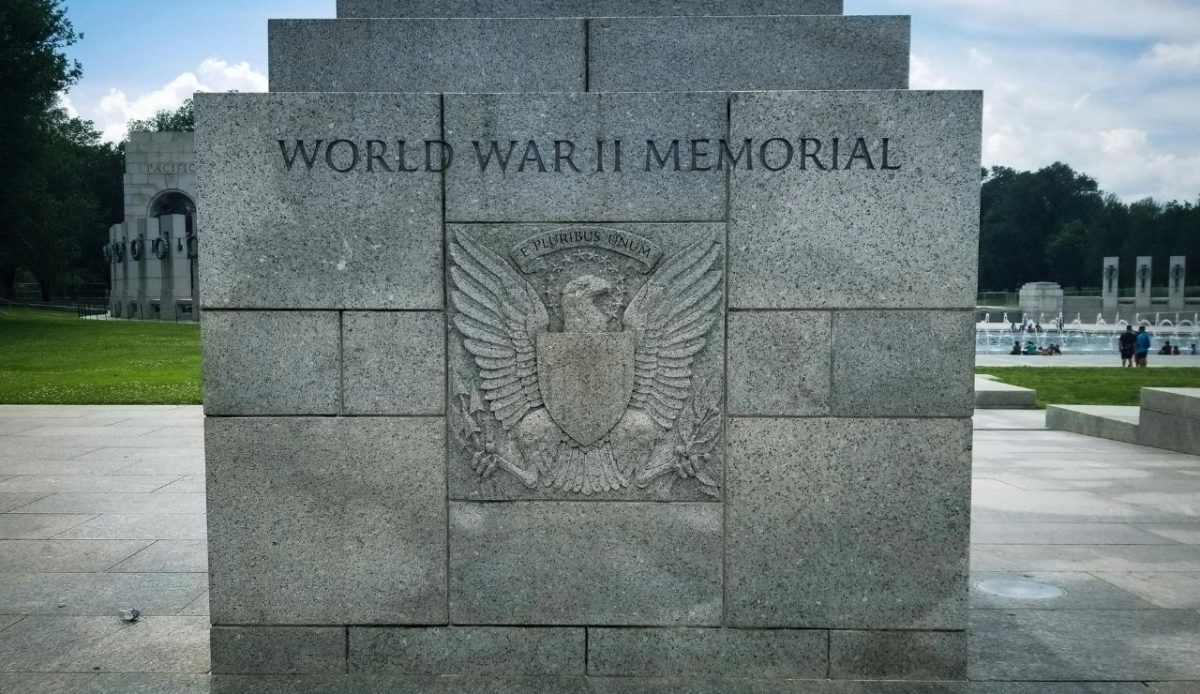
The World War II Memorial has required repeated graffiti cleanup on stone walls and nearby surfaces since it opened, with damage documented in 2017 and again during the 2020 unrest. Water features and light colored granite make stains stand out, and residue can seep into seams. Cleaning is often done before dawn to reduce disruption, yet new markings still appear after large events and weekends. Maintenance budgets are stretched because the same areas must be treated repeatedly, and barriers cannot fully block access without changing the visitor experience. When stone is scrubbed, minor wear is created.
4. Petroglyph National Monument
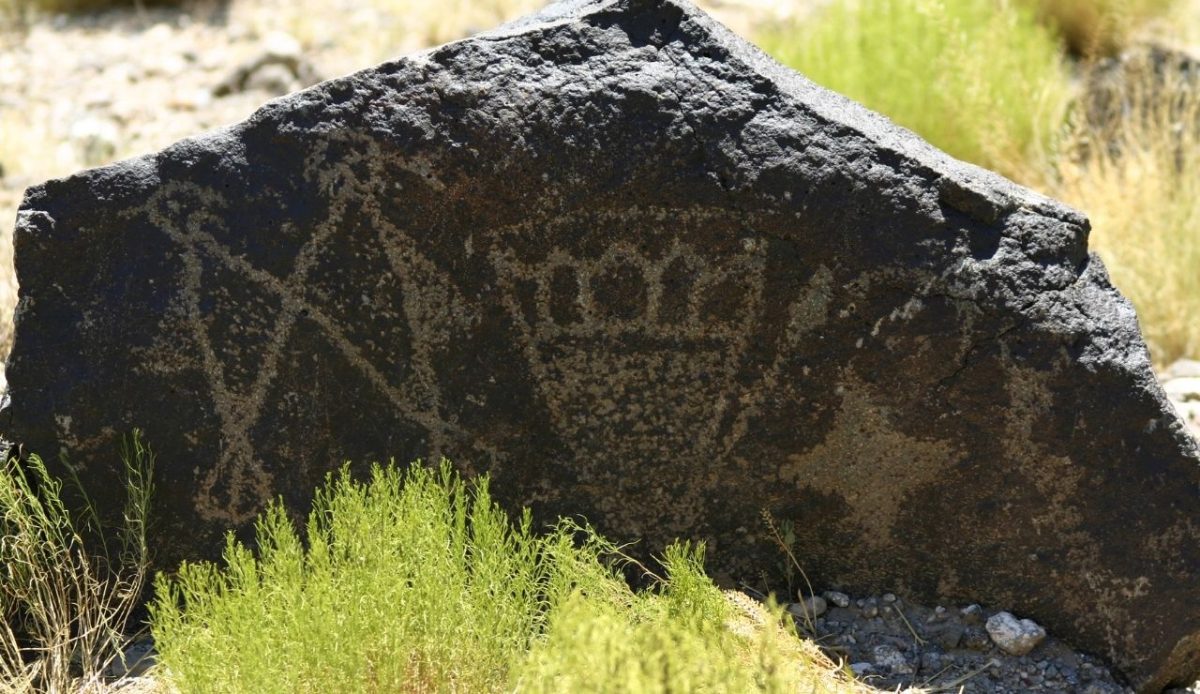
At Petroglyph National Monument in New Mexico, ancient rock carvings have been scratched, chipped, and written on for years, leading to repeated closures in parts of Boca Negra Canyon. Unlike modern walls, damaged petroglyph panels cannot be restored to their original form. Rangers use patrols, signs, and education, but the site lies near a metro area and is easy to reach, so offenses continue. Investigations have been opened after new damage was found, and visitors are urged to report suspicious behavior because quick intervention is the best protection. Many panels are only a few steps off the path.
5. Bandelier National Monument
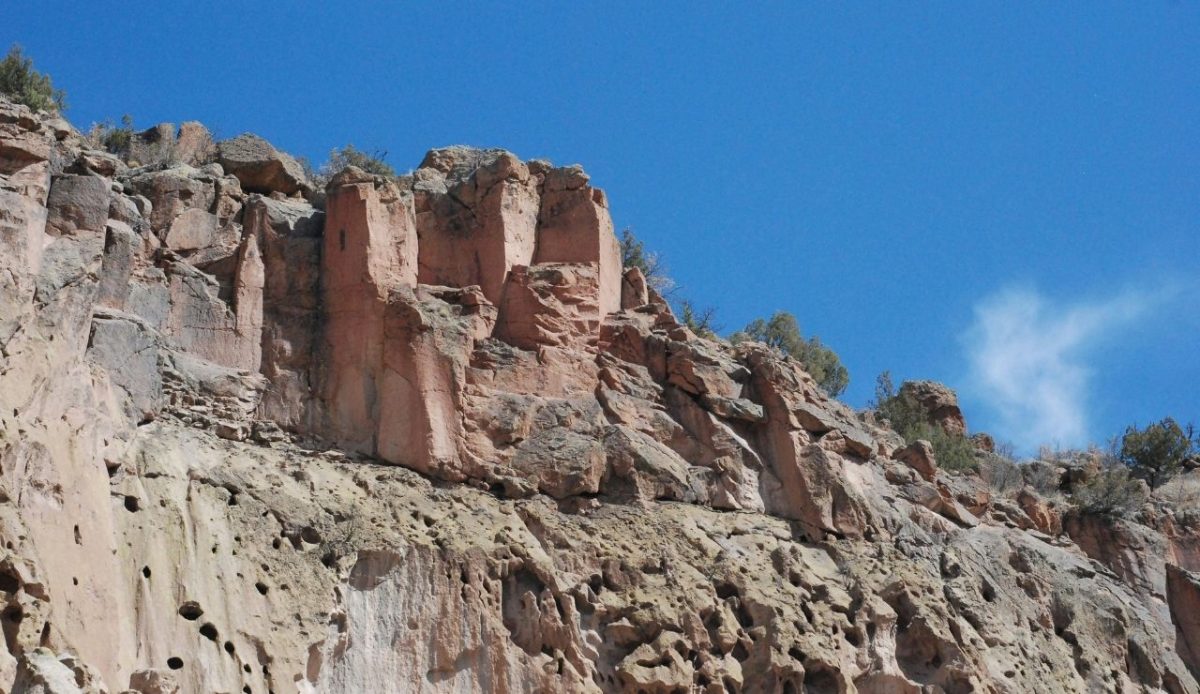
Bandelier National Monument protects ancestral Pueblo sites built into soft volcanic tuff, and graffiti has been reported in different years, including a 2022 incident that led to area restrictions. Because the rock is fragile, a marker line can cut into the surface and remain after cleaning. Staff must balance access with protection, using limited entry and monitoring in popular cavates where repeated damage has been observed. Visitors are reminded that even touching walls can leave oils, and penalties can include fines, yet the same tight spaces and photo spots keep attracting careless acts.
6. Yosemite National Park
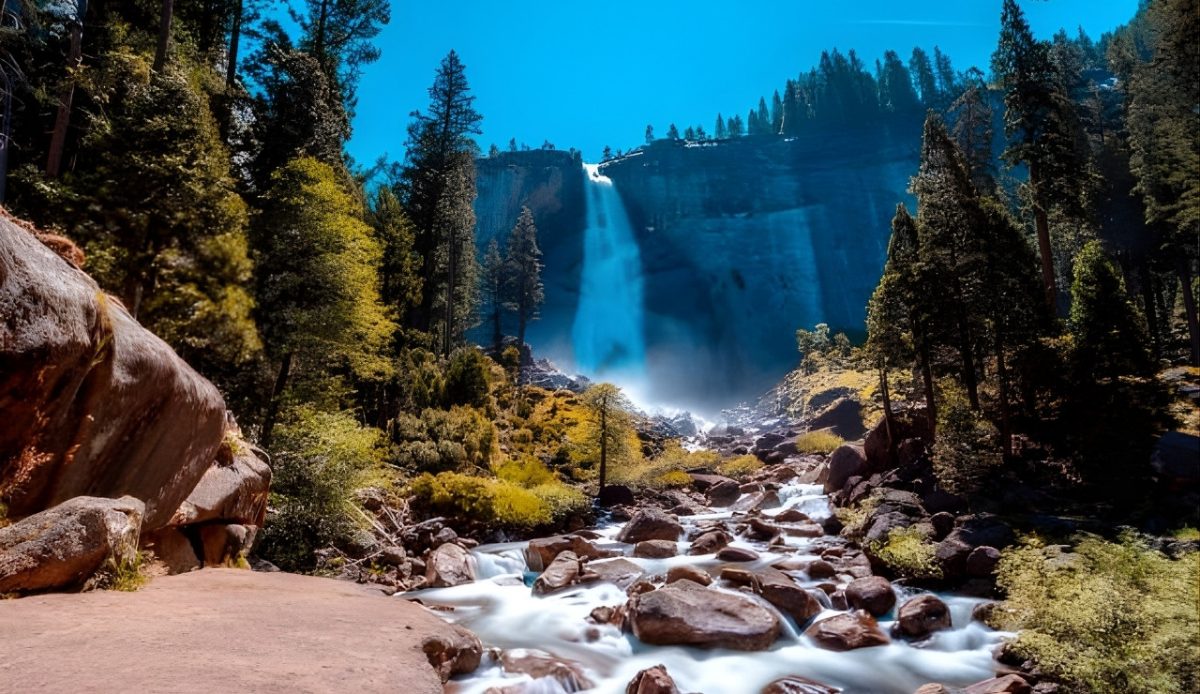
Yosemite National Park has faced repeated vandalism pressures, with a major 2022 spray paint spree along the Yosemite Falls Trail adding to earlier concerns about graffiti at busy corridors. The park is vast, so patrol coverage is uneven, and remote sections can be targeted without quick detection. Removal often requires hauling supplies on foot, and rock surfaces can be stained. Public tips have been sought when patterns emerge. Cleanup can take weeks because each marking is treated separately, and workers must avoid harming lichens and natural patina while restoring the area for hikers. Some stains remain visible.
7. Joshua Tree National Park
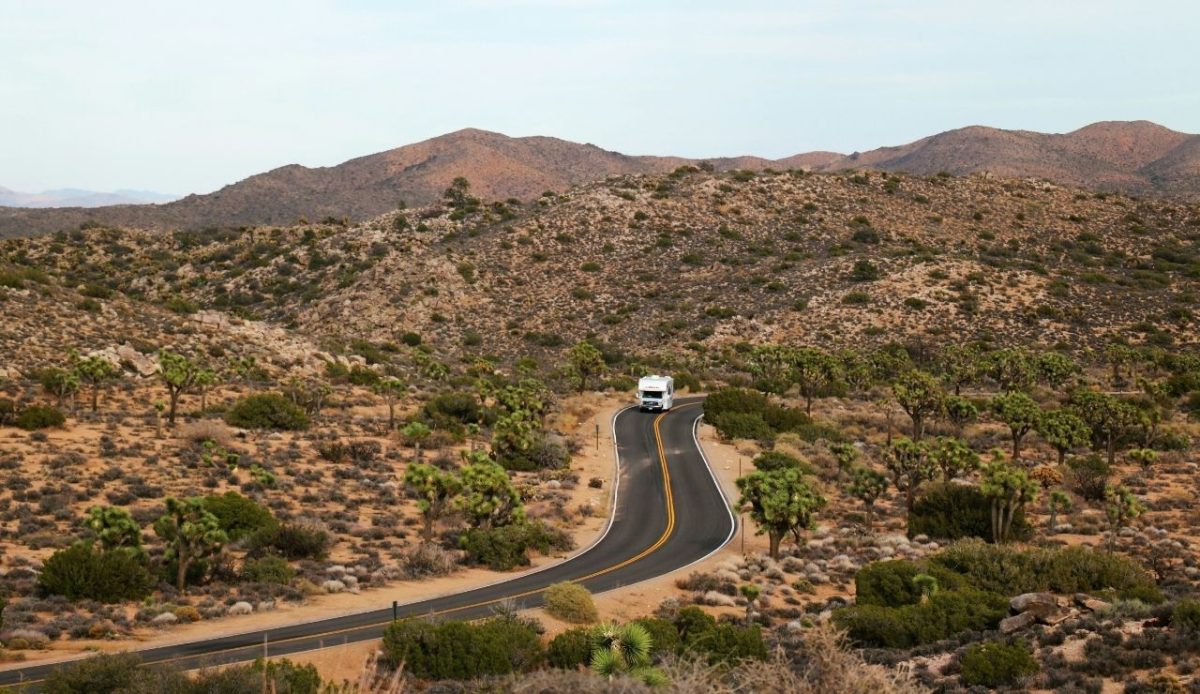
Joshua Tree National Park has seen recurring vandalism such as painted rocks, damaged signs, and carved markings in frequently visited zones. The desert heals slowly, so scars can last long after a surface is cleaned or a sign is replaced. Incidents were reported before the well-known staffing gap period and continued afterward, showing a persistent problem. Rangers focus on education, citations, and targeted patrols. Sensitive soils can also be harmed when visitors step off the trail to reach a vandalized spot for photos, so one act can trigger additional damage across an area. Repairs are planned around heat and safety.
8. Zion National Park
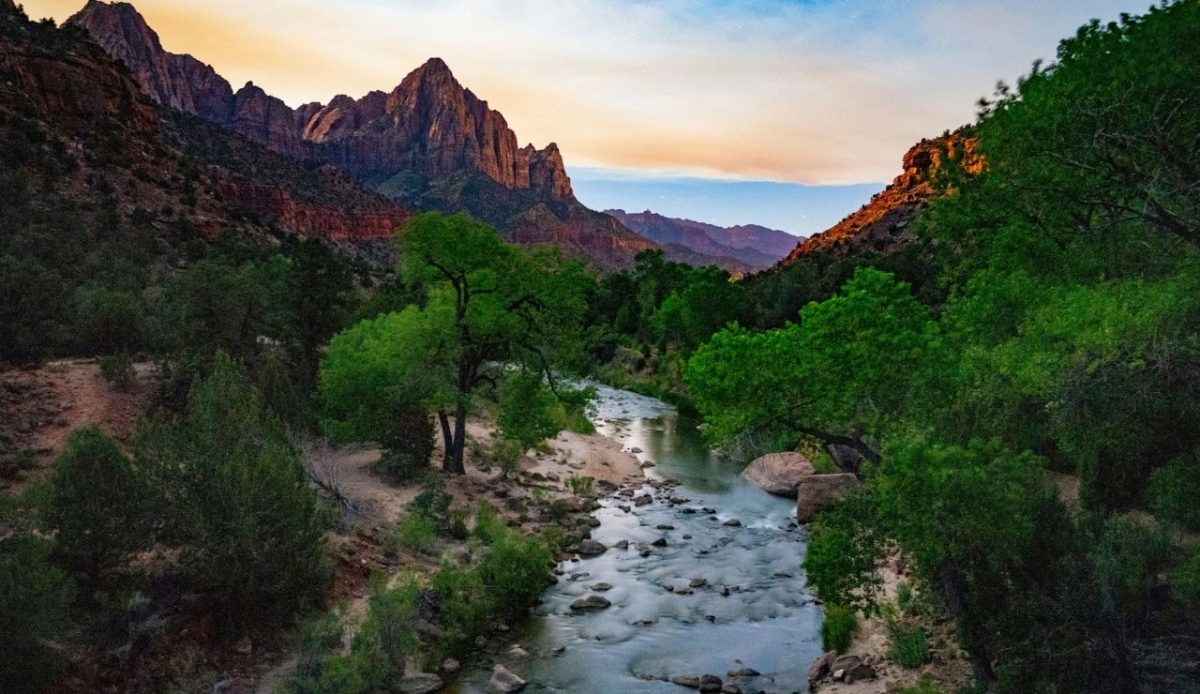
Zion National Park has long dealt with names carved into sandstone, spray paint on walls, and sticker residue on signs and shuttle stops. Sandstone breaks down easily, so scraping can remove the outer layer and leave a pale patch that looks like new damage. Rangers document cases each year, and cleanup is often coordinated during low-visitation windows. The park’s popularity keeps access high, which fuels repeated incidents. Visitors are asked to report vandalism quickly so evidence is preserved, and fines can be substantial, yet prevention remains difficult along crowded trails and overlooks.
9. Mesa Verde National Park
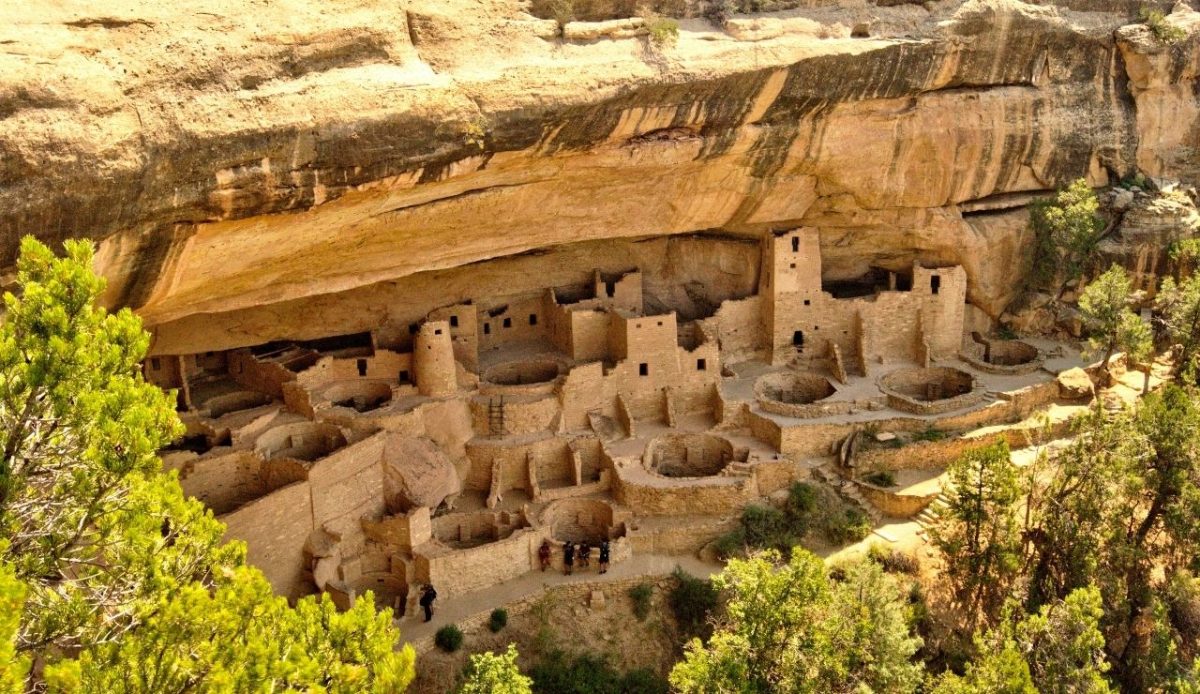
Mesa Verde National Park contains fragile cliff dwellings and masonry rooms, and repeated vandalism has been reported over time, including scratched initials and writing on stone. Because these structures support research and education, damage erases context that cannot be replaced. Access is controlled through tours and railings, and some areas are kept closed when risk increases. Even so, incidents still surface as visitation remains steady across seasons. When a wall is marked, documentation photos are taken, and investigations may be opened, but remote settings limit how fast staff can respond to reports.
10. Death Valley National Park
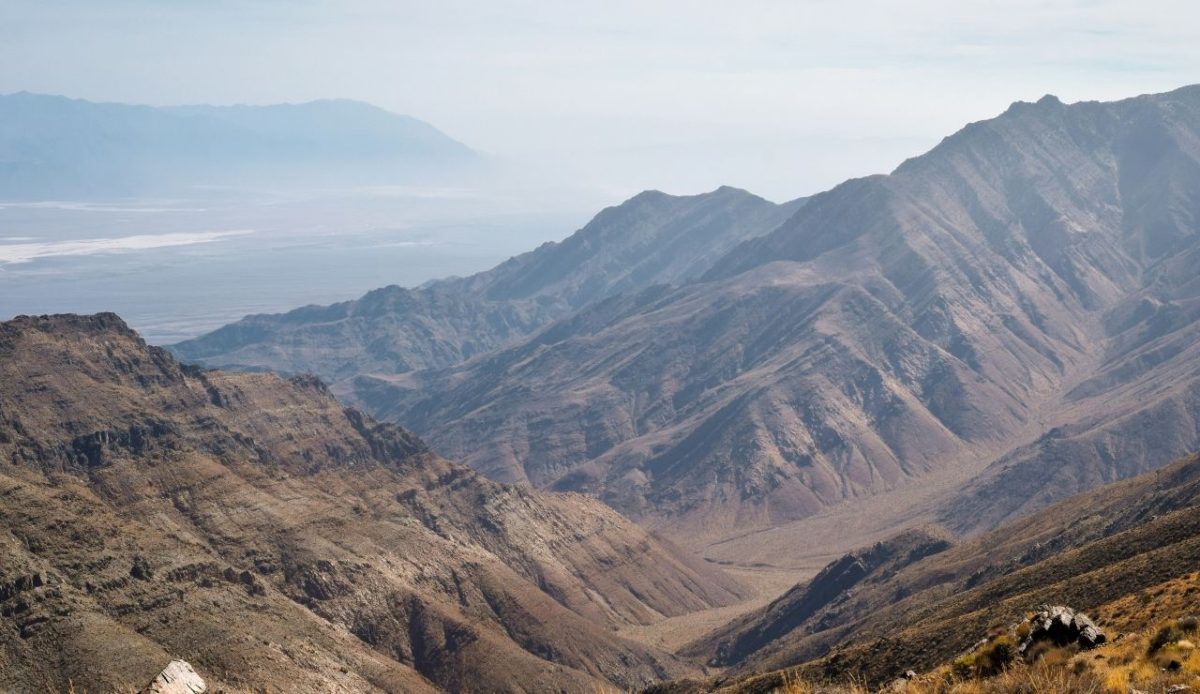
At Death Valley National Park, the Racetrack Playa has been damaged by illegal vehicle tracks more than once, including a widely reported 2016 incident that left long-lasting ruts. The flat clay records disturbances clearly, and natural smoothing can take many years, depending on rain and wind. Enforcement is hard because the area is remote and reached by rough roads. Signs and patrols are used, yet new tracks still appear from time to time. Attempts to rake or blend marks can cause additional harm, so managers often document and letthe weather work slowly rather than rushing a fix that worsens the surface.
11. Glen Canyon National Recreation Area
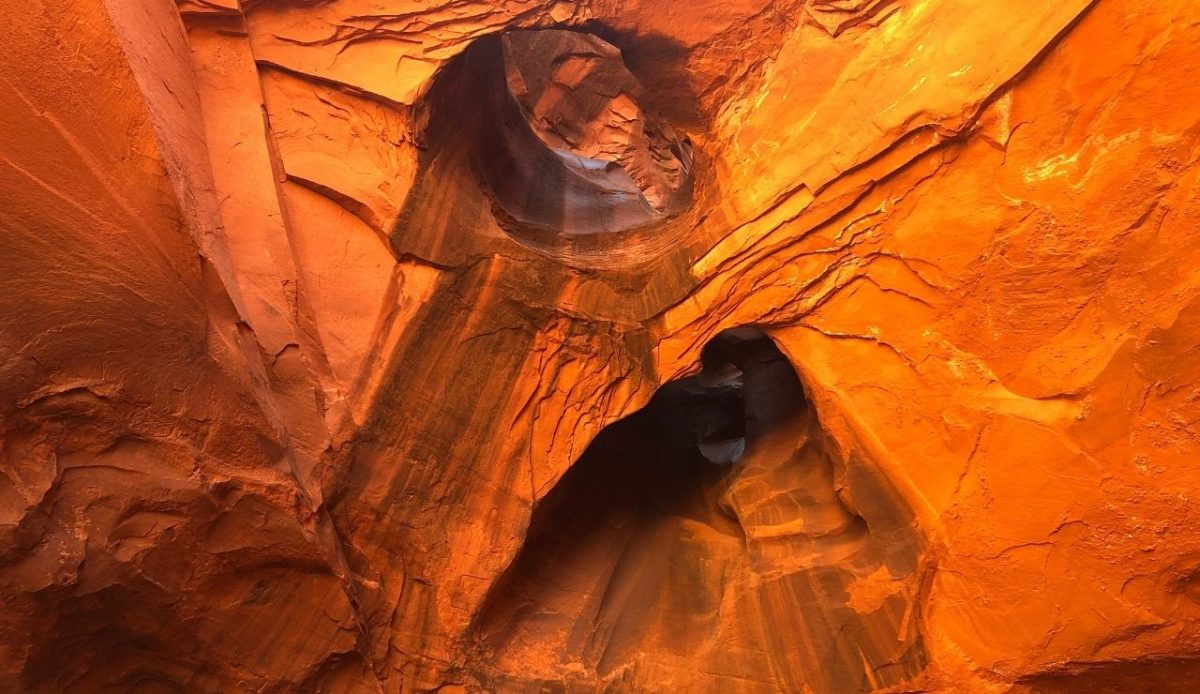
Glen Canyon National Recreation Area has recorded graffiti problems since the early 2000s, especially on canyon walls reached by boat along Lake Powell. Some markings are far from roads, so removal crews must travel by water and work from unstable ledges, which raises risk and cost. Organized cleanup programs exist because new paint and carving are found repeatedly. The remote setting also means vandals may assume they will not be seen. Sun-baked rock can lock pigment into pores, so removal may take multiple visits, and a faint outline can remain even after careful treatment by specialists. Repeat spots are mapped over time.
12. Hollywood Sign
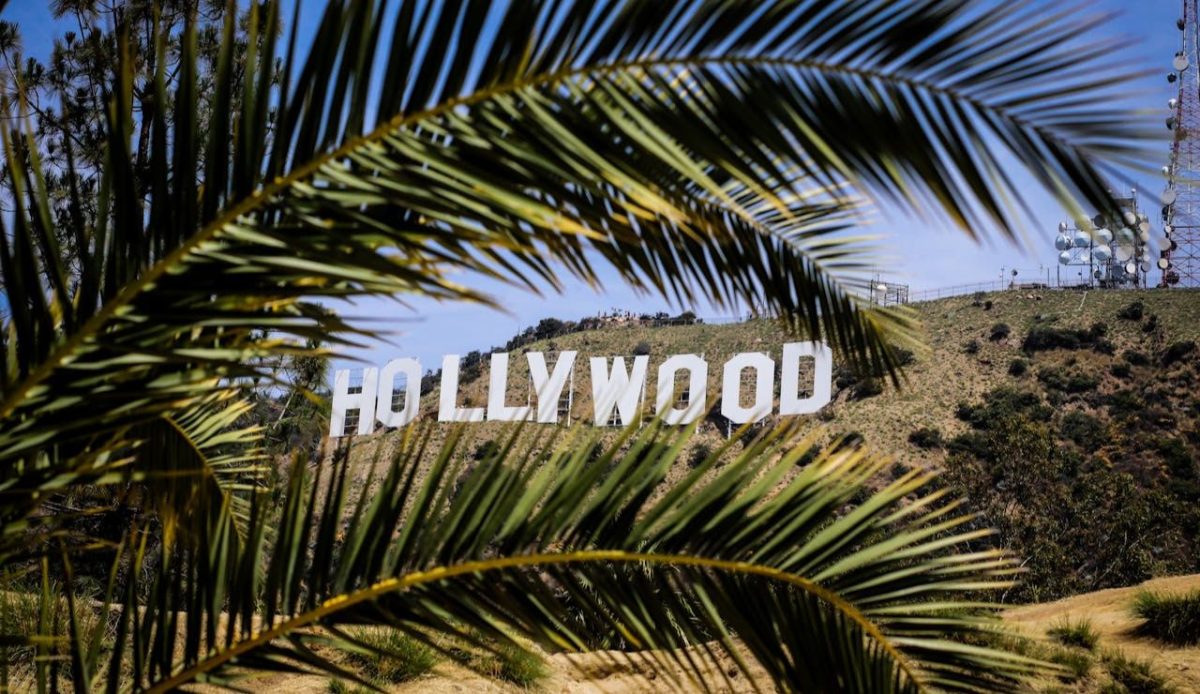
The Hollywood Sign in Los Angeles has faced repeated defacement and alteration attempts for decades, ranging from painted letters to large stunt modifications that require rapid reversal. Fencing and cameras cover much of the ridge, yet determined offenders still find routes during low traffic hours. Because the sign is a global symbol, any change is amplified quickly, which can encourage copycats. Maintenance teams keep materials ready so repairs can be completed fast. The area is patrolled, and arrests have occurred, but the visibility of the target keeps pressure high year after year. Repairs are often done before sunrise.
