
South Asia’s ancient trade routes once linked empires, merchants, and cultures across the region, shaping history through commerce and cultural exchange. Today, travelers can still explore remnants of these historic pathways, from bustling bazaars to serene caravanserais, ancient ports, and fortified towns. Visiting these stops offers a glimpse into centuries of trade, art, and cultural fusion. For those eager to combine adventure with history, these seven destinations showcase how South Asia’s vibrant past continues to influence modern life while offering unique, immersive travel experiences.
1. Lahore, Pakistan
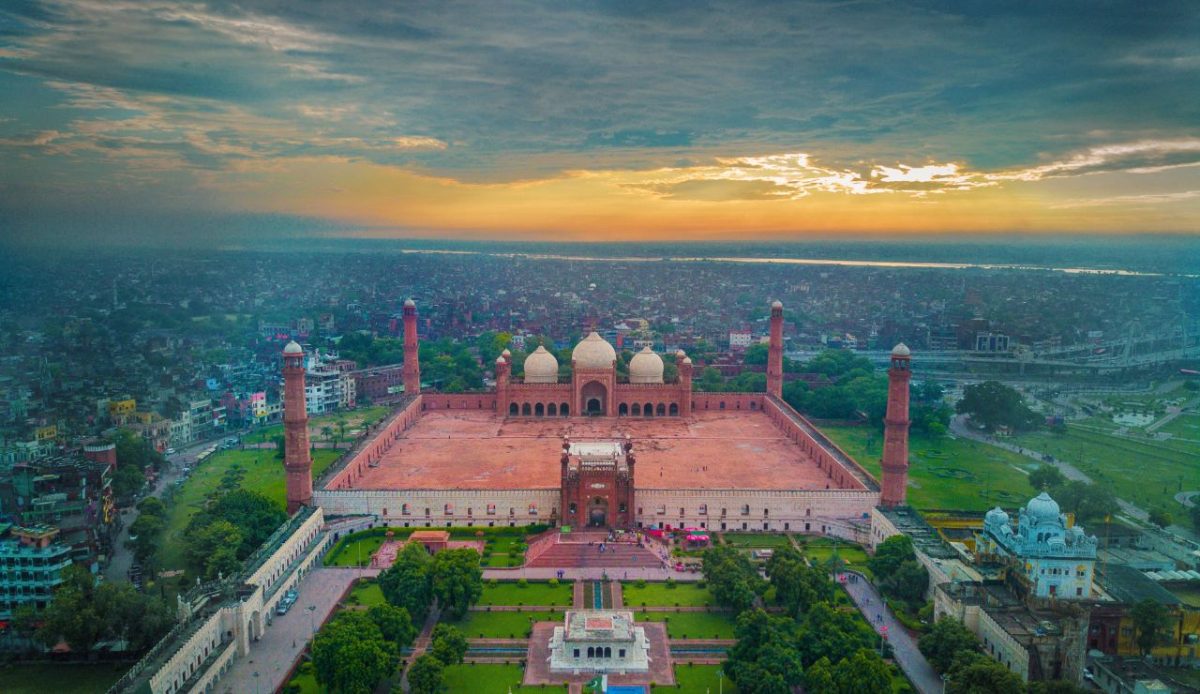
Lahore was a key city along the Silk Road, connecting Central Asia with the Indian subcontinent. Its historic walled city, grand mosques, and vibrant bazaars reflect centuries of trade and cultural exchange. Travelers can explore the Lahore Fort, Shalimar Gardens, and the bustling Anarkali Bazaar, where traditional crafts and spices recall the city’s mercantile past. Culinary experiences, including local street food and Mughal-inspired dishes, further immerse visitors in Lahore’s rich heritage. As one of South Asia’s most dynamic cities, Lahore provides a living window into the region’s trade-driven history.
2. Jaipur, India

Jaipur, part of the historic Amber trade network, flourished as a hub for textiles, gemstones, and spices, attracting merchants from across the region. The Pink City’s iconic forts, palaces, and bustling markets echo its mercantile legacy. Travelers can wander through Johari Bazaar and Bapu Bazaar, exploring traditional crafts like jewelry, textiles, and pottery. Jaipur also offers access to historic caravan routes and the nearby Amber Fort, which once guarded traders’ paths. Its blend of architectural splendor, local artistry, and vibrant street life makes Jaipur an essential stop for those following South Asia’s ancient trade trails.
3. Bhaktapur, Nepal
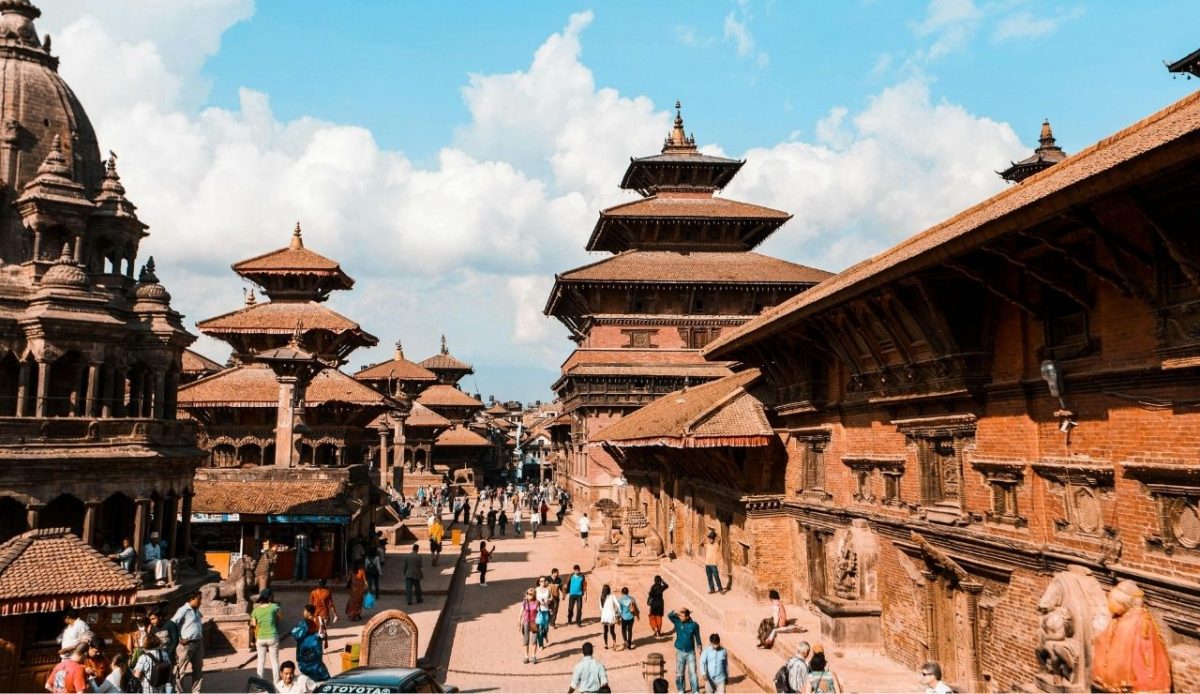
Bhaktapur, a jewel of the Kathmandu Valley, was historically a key trading center for crafts, pottery, and textiles along Himalayan trade routes. Its medieval squares, wood-carved temples, and traditional Newari architecture showcase the city’s prosperity during centuries of commerce. Travelers can explore local markets, taste traditional foods like “king curd,” and witness artisans at work. Despite modernization in nearby cities, Bhaktapur retains its historic charm and quiet streets, offering a tangible connection to Nepal’s trading past while providing a serene and culturally immersive experience.
4. Colombo, Sri Lanka
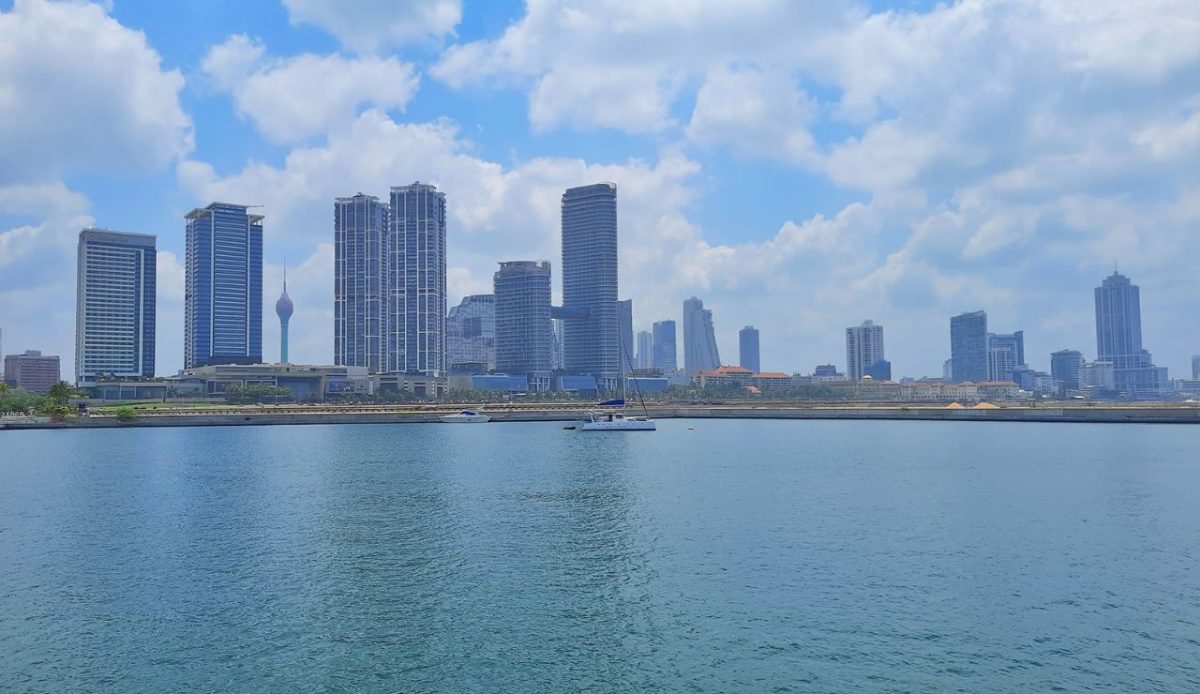
Colombo, strategically located on the Indian Ocean, served as a vital port along ancient maritime trade routes connecting South Asia with Arabia, Africa, and Southeast Asia. Today, travelers can explore colonial architecture, bustling markets, and coastal forts that reflect centuries of commercial exchange. Pettah Market is a sensory hub of spices, textiles, and local crafts, offering insight into Colombo’s trading legacy. The city blends historical charm with modern amenities, providing visitors with a dynamic experience that highlights Sri Lanka’s pivotal role in maritime trade over centuries.
5. Galle, Sri Lanka
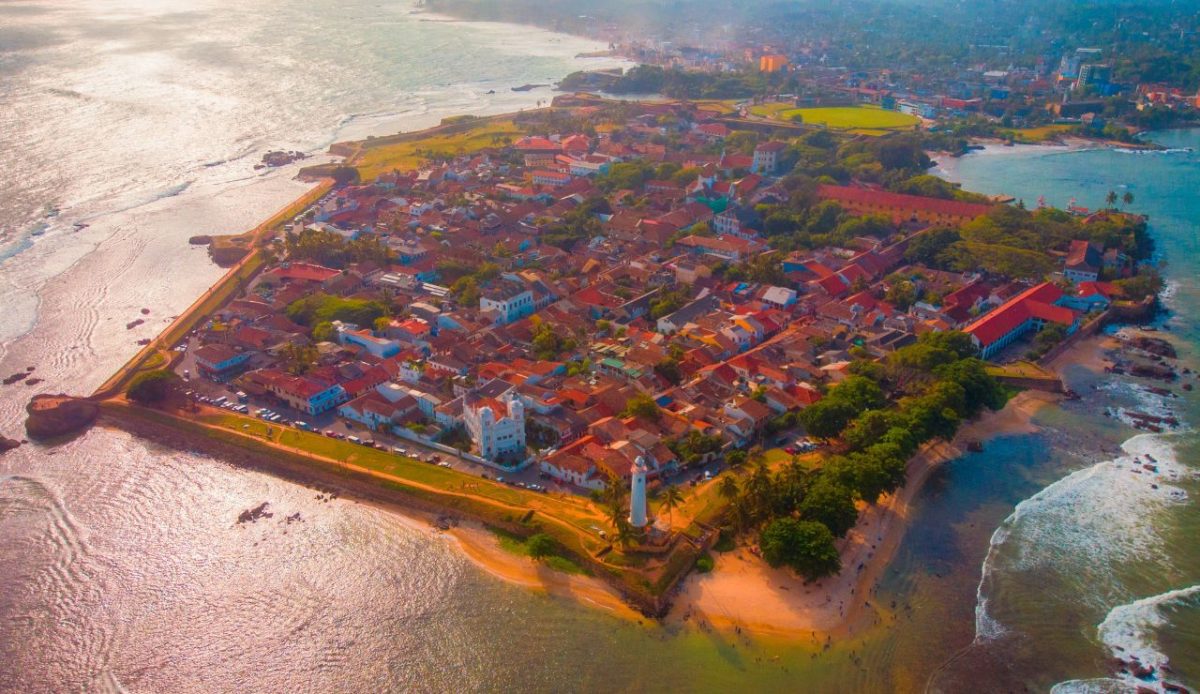
Galle, once a key stop on the Indian Ocean trade routes, is famous for its UNESCO-listed fort, constructed by the Portuguese and later expanded by the Dutch. Narrow cobblestone streets, colonial architecture, and vibrant markets recall the city’s mercantile past. Travelers can explore antique shops, art galleries, and local cafes while admiring spectacular views of the ocean and harbor. Galle’s combination of history, culture, and seaside charm makes it an excellent destination for those tracing South Asia’s trade routes, offering a tangible glimpse into centuries of maritime commerce and cultural exchange.
6. Bikaner, India
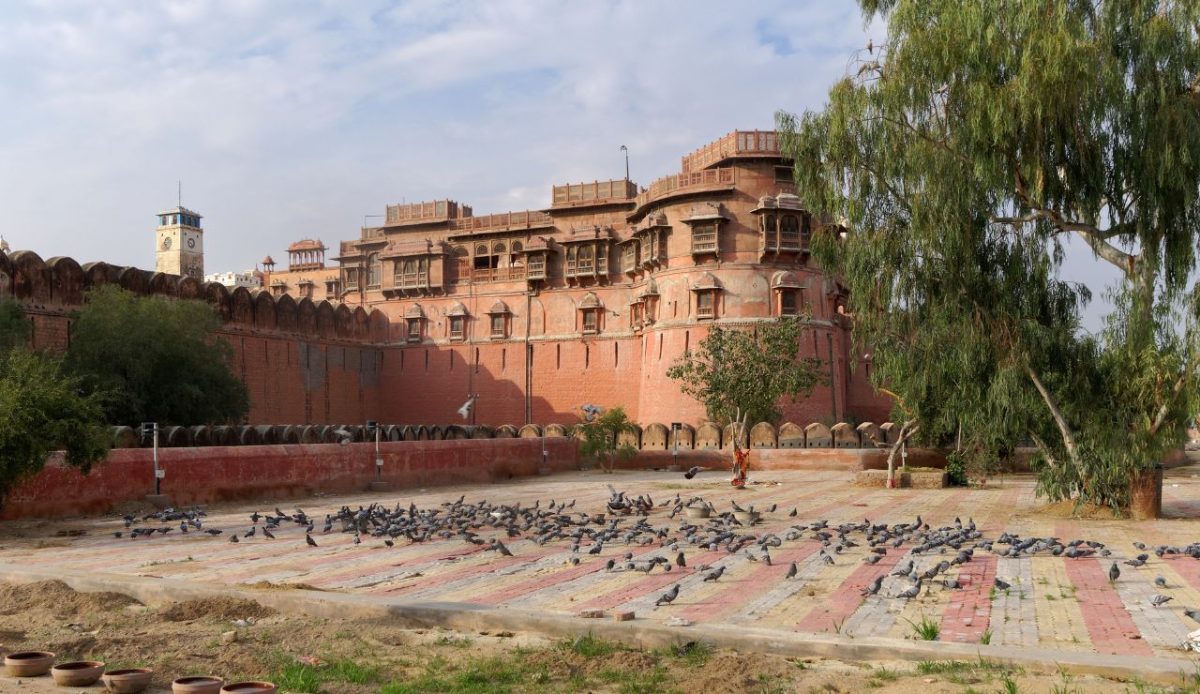
Bikaner, located in Rajasthan, was a vital caravan hub linking northern India to Central Asia. Its forts, palaces, and desert landscapes reflect a history of trade, strategic defense, and cultural fusion. Travelers can explore Junagarh Fort, vibrant bazaars, and traditional camel caravans that evoke the city’s mercantile past. Bikaner also hosts festivals showcasing folk music, dance, and crafts that originated from centuries of cultural exchange along trade routes. The city’s blend of history, desert adventure, and local tradition makes it a hidden gem for travelers interested in South Asia’s ancient commerce.
7. Kandahar, Afghanistan
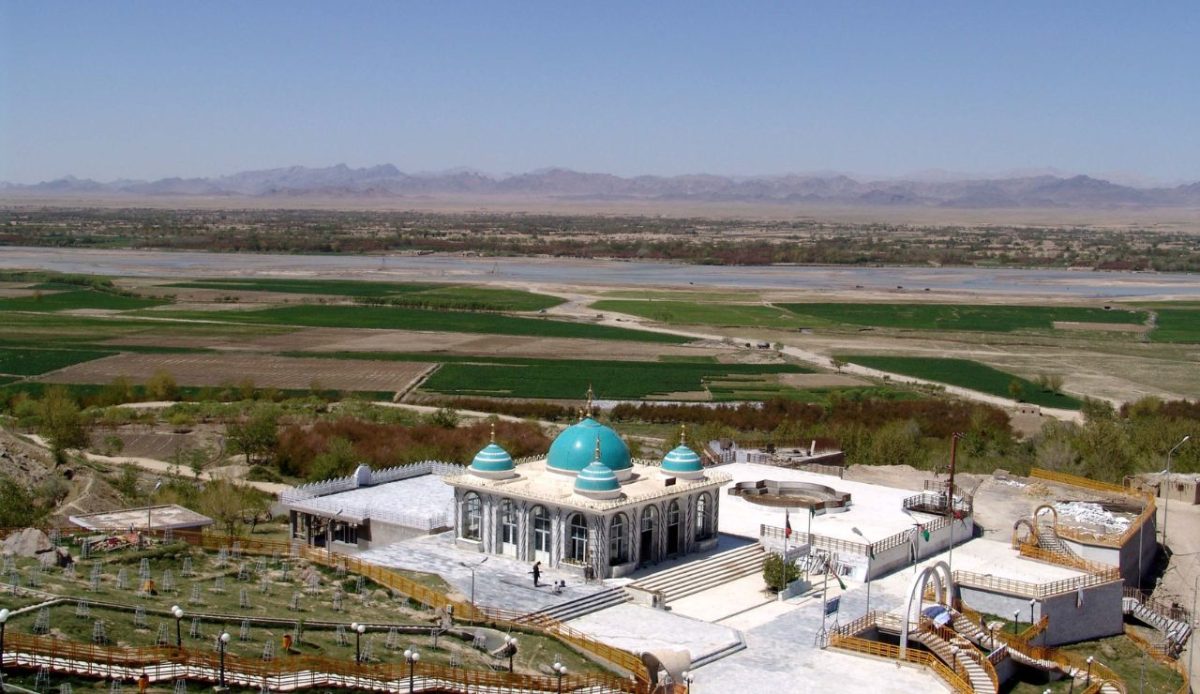
Kandahar, historically central to the Silk Road, served as a major trade hub connecting South Asia with Central Asia and the Middle East. Travelers can visit ancient citadels, bustling bazaars, and historical mosques that reflect the city’s commercial and cultural significance. Despite modern challenges, Kandahar’s heritage sites offer glimpses into a rich trading past, including caravan routes, spice markets, and artisan workshops. For adventurous travelers, Kandahar provides a rare opportunity to explore the crossroads of South Asian trade history, where centuries of commerce shaped local culture and architecture.
