
Many travelers focus on famous capitals and heavily promoted cities, yet some of the strongest cultural experiences appear in places that rarely dominate global rankings. These destinations show living traditions, preserved urban form, and daily rituals that residents still rely on. Selection here reflects UNESCO listings, academic history, and consistent traveler interest rather than social media trends. Each location below remains culturally influential while staying outside mass tourism patterns, allowing visitors to observe heritage as part of normal life instead of a staged display.
1. Valparaíso, Chile
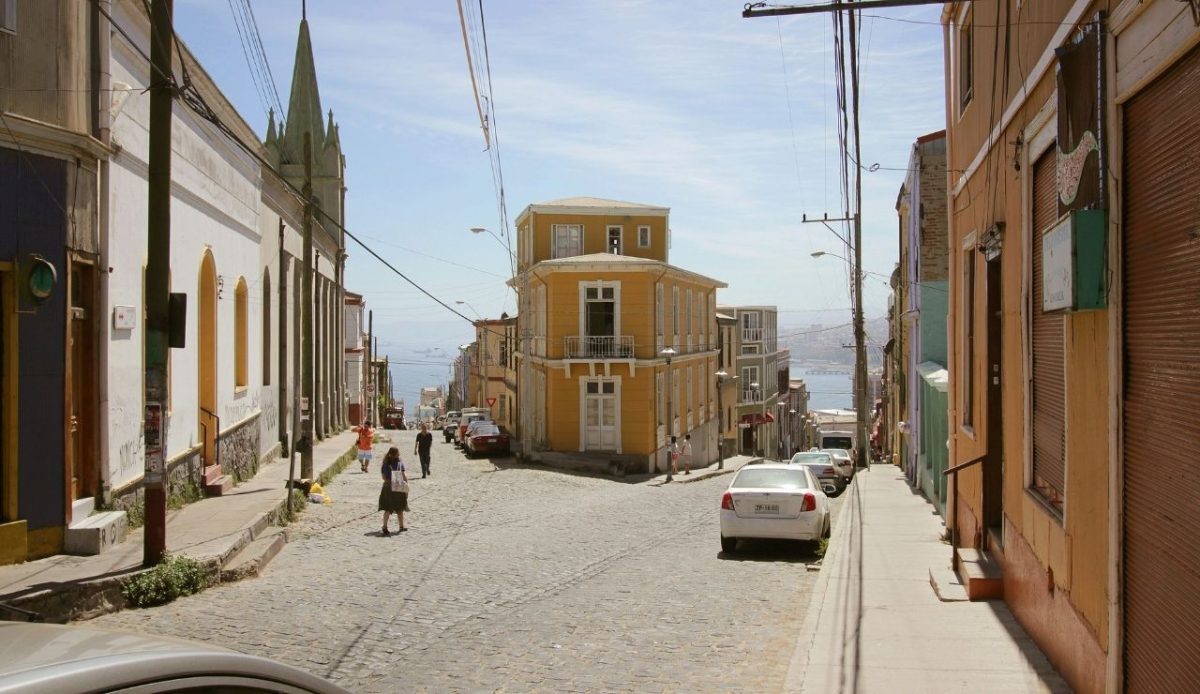
Valparaíso developed as a Pacific port formed through trade, migration, and steep coastal geography. Its UNESCO-protected historic quarter preserves nineteenth century warehouses, civic buildings, and hillside neighborhoods linked by funicular railways. Street art plays a documentary role, reflecting labor history and political memory rather than decoration. Many visitors arrive briefly from Santiago, yet extended stays reveal a working port city where culture grows from daily routines, neighborhood life, and maritime heritage. Local festivals, small museums, and informal viewpoints reinforce this character.
2. Tbilisi, Georgia
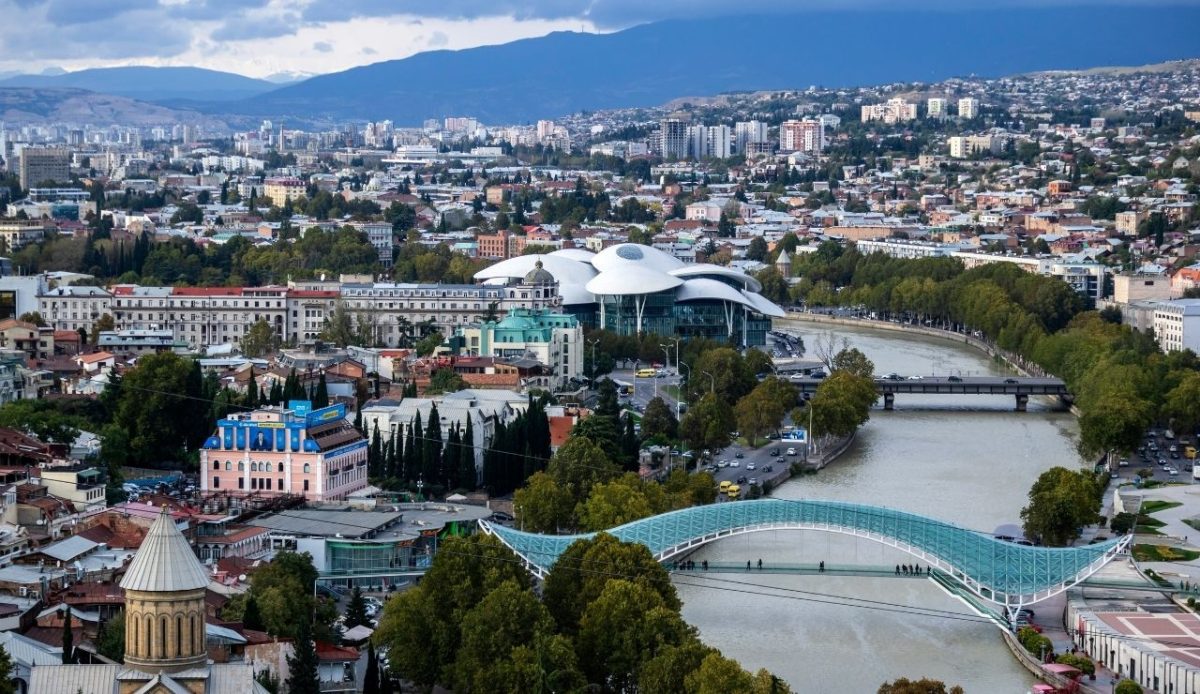
Tbilisi reflects centuries of cultural exchange between Europe and Asia, visible in architecture, cuisine, and religious landmarks. The Old Town combines medieval churches, Persian influences, and later imperial structures within walkable streets. Sulfur baths remain part of social life rather than symbolic attractions. While Georgia receives growing attention, the capital still feels grounded in local customs, offering travelers direct exposure to everyday culture without heavy crowd pressure or packaged experiences. Neighborhood markets and family-run eateries support this sense of continuity.
3. Luang Prabang, Laos
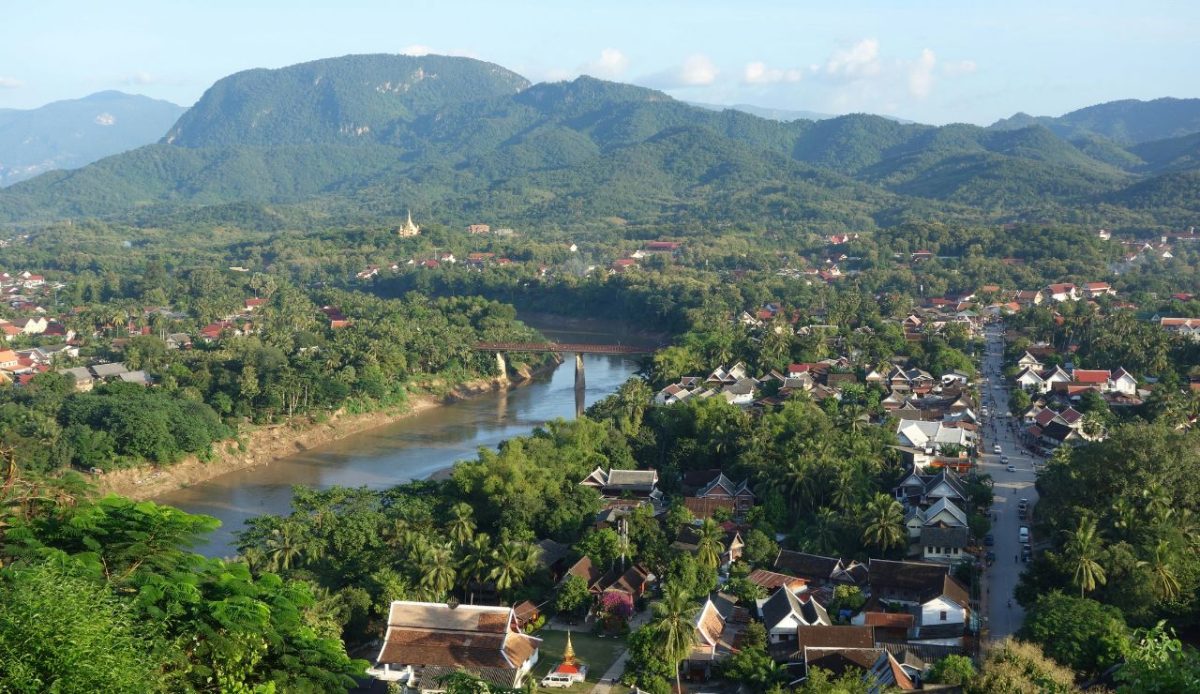
Luang Prabang stands out for the visibility of religious practice in daily life. Monks collect alms each morning, temples anchor neighborhoods, and ceremonial calendars guide community rhythm. UNESCO protection has limited large-scale development, preserving traditional houses alongside colonial era buildings. Visitors often cite the calm pace and respectful access to rituals as reasons the town feels authentic. Tourism supports local livelihoods while remaining secondary to long-established spiritual and civic traditions. This balance strengthens trust between residents and guests. It also preserves a clear sense of place.
4. Morelia, Mexico
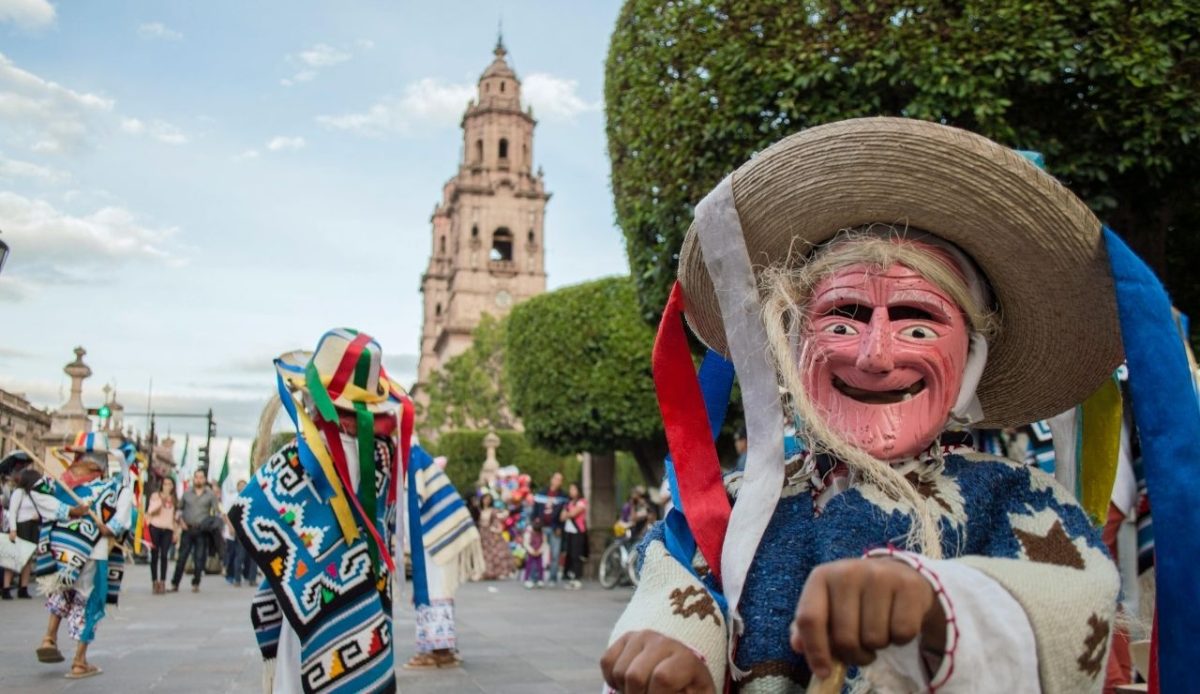
Morelia holds one of Mexico’s most intact colonial urban centers, recognized by UNESCO for architectural unity and historical depth. Built largely from local stone, the city reflects centuries of religious, academic, and civic development. Unlike major tourist hubs, daily life dominates public squares, markets, and festivals. Travelers experience music traditions, regional cuisine, and evening promenades as residents do, which keeps cultural exchange grounded and informal rather than staged. This normalcy often surprises first-time visitors. Universities and cultural institutions reinforce the city’s influence.
5. Mostar, Bosnia and Herzegovina
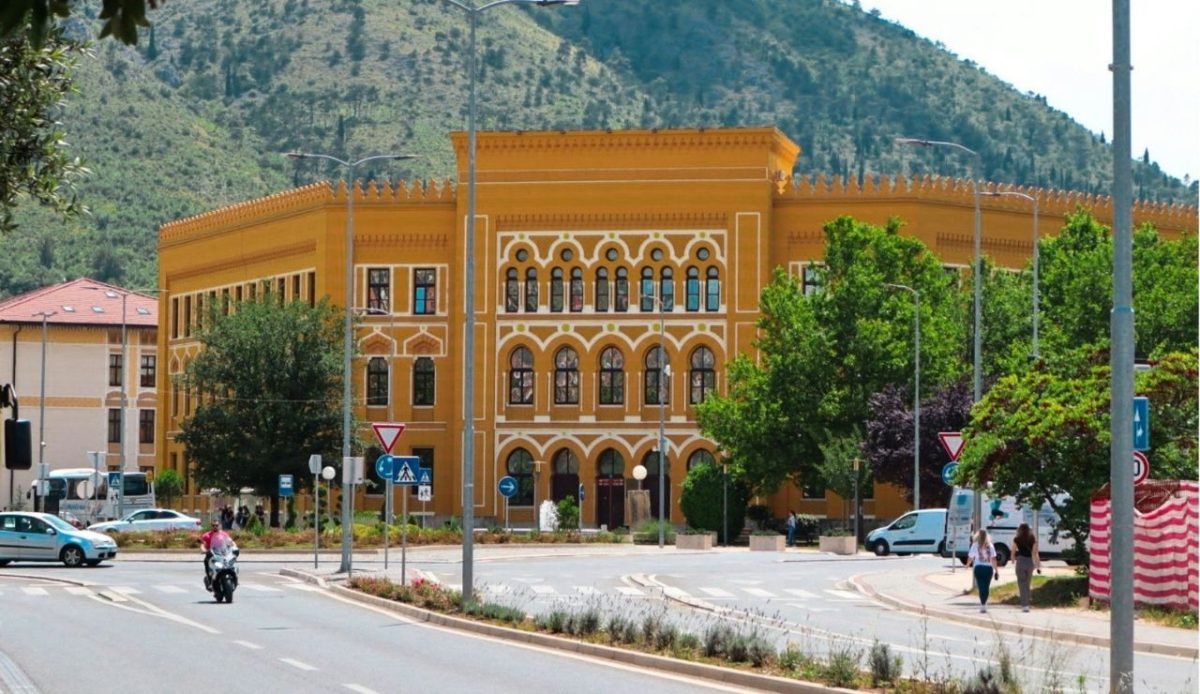
Mostar’s cultural identity is shaped by its Ottoman-era old town and the rebuilt Stari Most bridge. The UNESCO-listed area reflects centuries of coexistence among religious communities, followed by visible scars from recent conflict. Rather than presenting polished heritage, the city communicates history through lived spaces, memorials, and conversation. Visitors frequently describe a strong emotional response, noting that the experience feels educational and human, not theatrical or detached from reality. This depth distinguishes Mostar from busier heritage centers. Time spent beyond the bridge reveals everyday resilience.
6. Bukhara, Uzbekistan
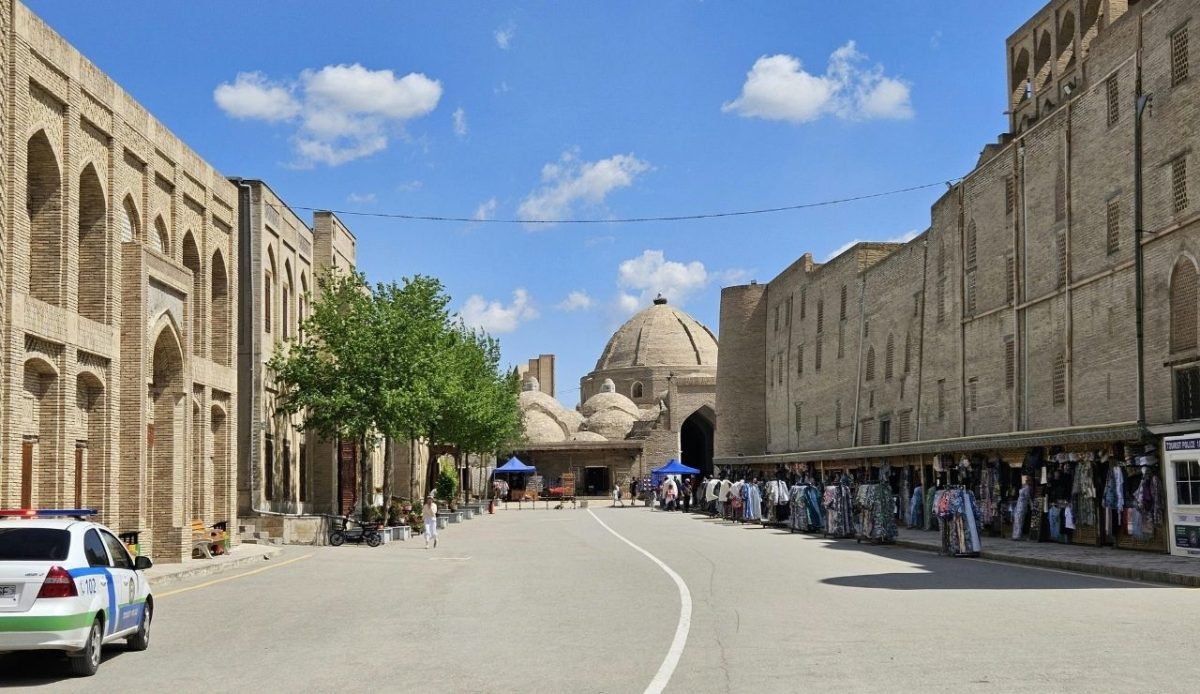
Bukhara functioned for centuries as a major center of Islamic scholarship and Silk Road trade. Its UNESCO-listed historic core preserves mosques, madrasas, caravanserais, and market domes in near original urban form. Unlike isolated monuments, these structures remain connected through active streets and courtyards. Travelers encounter a complete historical environment where learning, commerce, and worship once overlapped, offering a context that is difficult to replicate in more fragmented heritage sites. Visitor numbers remain modest, supporting immersive exploration. This pace allows careful observation.
7. Yogyakarta, Indonesia
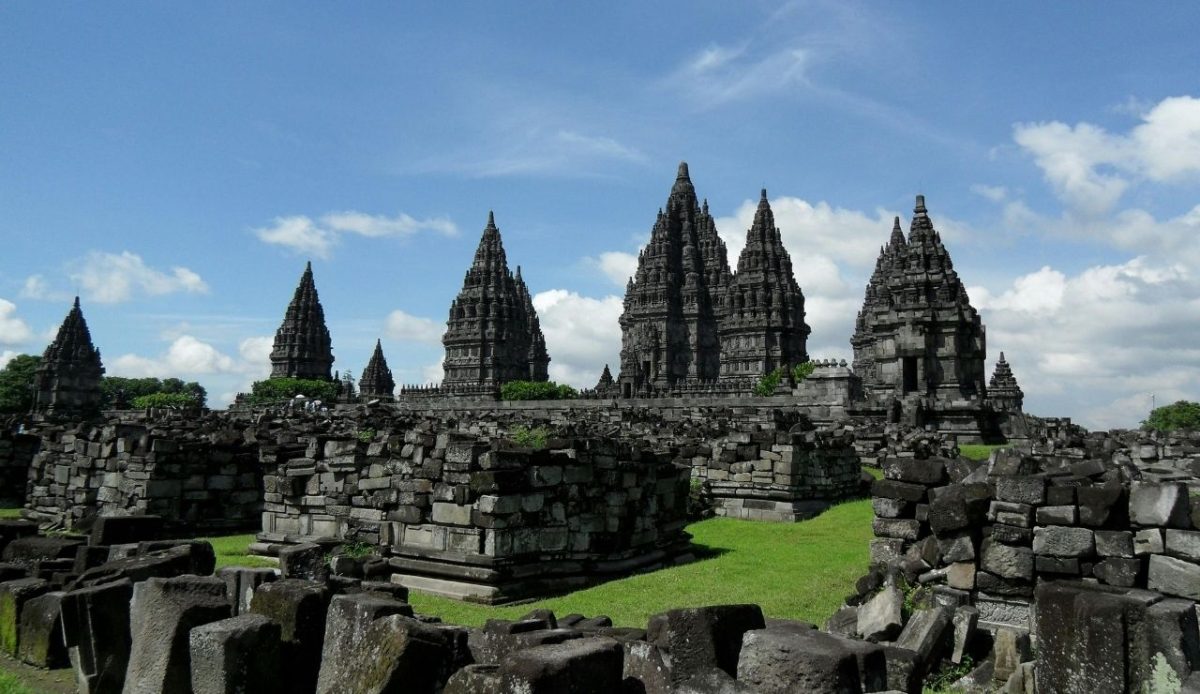
Yogyakarta is widely regarded as the cultural heart of Java, defined by royal court traditions, classical arts, and craft production. The city maintains an active palace culture, with ceremonies and performances tied to the sultanate. It also serves as the main base for visiting Borobudur and Prambanan, both UNESCO-listed monuments. Many travelers focus on Bali instead, leaving Yogyakarta vibrant but comparatively uncrowded despite its national importance. This contrast strengthens local character. Street life, student communities, and workshops sustain continuity. Visitors often stay longer than planned.
8. Berat and Gjirokastër, Albania
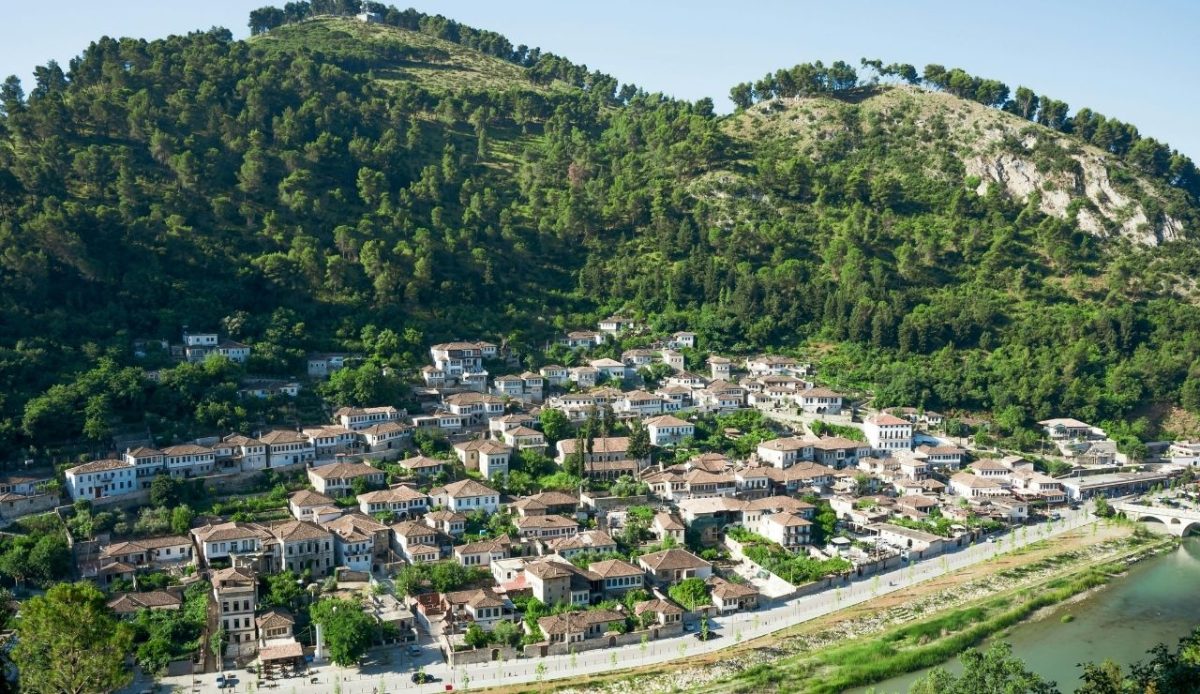
Berat and Gjirokastër share UNESCO recognition for preserving rare Ottoman-era townscapes in the Balkans. Stone houses, fortress districts, and layered religious sites illustrate centuries of regional life under shifting rule. Unlike coastal resorts nearby, these towns remain oriented around resident needs. Travelers walk residential streets, enter family homes, and visit citadels that function as community centers, creating a direct relationship between heritage and present-day routines. This accessibility defines their appeal. Cultural continuity feels visible rather than symbolic. Time spent there often feels personal.
