
Governments are revising the duration for which foreign remote professionals can stay without taking local jobs. In 2026, a few places are activating new permits, while others are finalizing rules that were previously announced. This list focuses on changes that affect 2026 planning, separating programs already usable from those still awaiting published application steps. Details such as income proof, length of stay, and tax exposure vary, so travelers should check the latest official notices before booking long-term housing or moving dependents. Processing times and document checks can differ by consulate, and some routes start with online pre-approval.
1. Bulgaria

Bulgaria’s new residence option for location-independent workers became practical for most applicants only as 2026 began, because filings opened in late December 2025. The route is aimed at people paid from abroad, and it expects solid proof of income, health coverage, and a clean record. Applicants also face registration steps after arrival, which makes the status more stable than repeated tourist entries. Anyone planning a long stay should also review how local tax residency might be triggered by time spent in the country. Some applicants can add family members, and rental contracts are often requested when the permit card is issued.
2. Taiwan

Taiwan is applying revised rules from January 1, 2026, that broaden longer stay pathways for foreign professionals, including people supporting themselves with overseas work. Rather than a single labeled nomad visa, the update fits into its wider talent and residence framework, which can reduce frequent exit and re-entry patterns. Expect careful document review for income sources, contract terms, and insurance coverage. Travelers should confirm which office handles the case, since requirements can differ by nationality and filing location. Work must remain for non-Taiwan clients. Local employment generally requires a separate permit.
3. South Korea

South Korea is tightening and clarifying its remote-friendly entry options in 2026 as earlier workation-style programs are translated into more consistent residence rules. The practical focus is on people employed by foreign firms or running businesses outside Korea who want a longer lawful stay than standard visitor limits. Applicants can expect scrutiny of financial stability, accommodation plans, and return intent, plus possible limits on local revenue activity. Because policy details are still being refined, checking current guidance from Korean immigration before filing is essential. Rules may vary by consulate.
4. Nepal

Nepal has signaled a coming digital nomad-style visa through its national budget for the 2025 to 2026 fiscal period, which places likely rollout activity in the 2026 calendar year. What exists today is a public commitment rather than an open application portal, so applicants should treat it as pending. Key questions include minimum monthly income, tax treatment for foreign earnings, allowed stay length, and whether renewals will be offered. Once regulations are published, Nepal could appeal to remote workers seeking lower living costs near major trekking regions. Expect proof of medical coverage and background checks.
5. Sri Lanka

Sri Lanka has repeatedly stated it intends to offer a visa aimed at foreign remote earners, and 2026 remains a plausible window for the program to move from announcement to usable process. Until formal rules are issued, travelers should avoid assuming a specific duration or renewal right. The final design may define income thresholds, insurance obligations, and whether tax registration is required after a certain number of days. If the visa launches with clear online filing, it could support longer stays near Colombo and coastal hubs without relying on frequent extensions. Details should be checked before arrival.
6. Peru
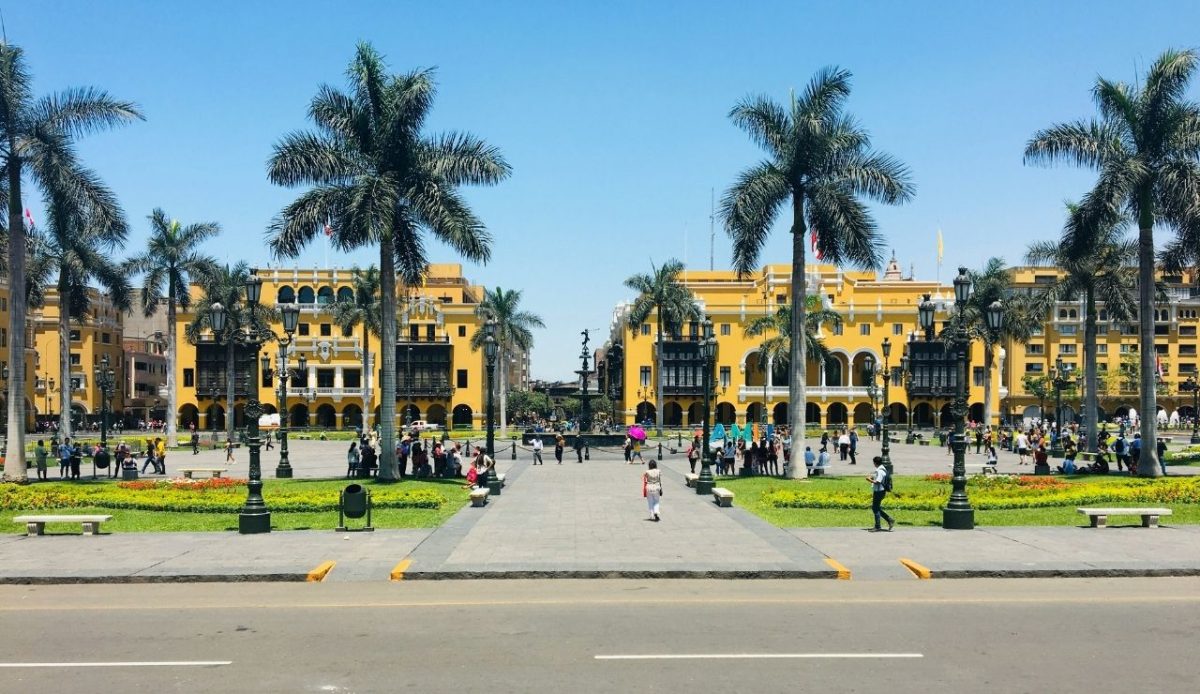
Peru has approved legislation creating a residence category for people who work remotely for foreign employers, but the benefit depends on implementing regulations that convert the law into a live application path. Many observers expect those rules to be finalized during 2026, yet an exact opening date is not guaranteed. When active, the category should allow a lawful stay without entering Peru’s local job market, though income proof and police certificates are likely. Applicants should also watch for guidance on tax residency and whether dependents can be included. Filing may begin at consulates or in the country.
7. Philippines
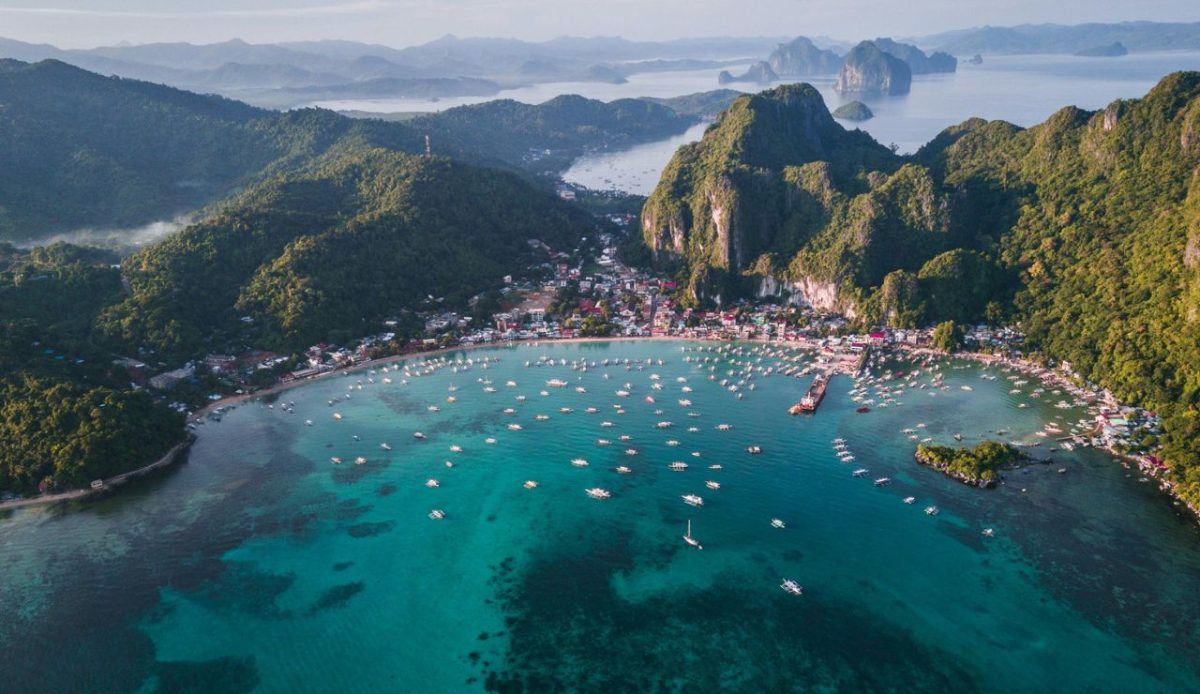
The Philippines authorized a digital nomad visa route earlier, but agencies have been working through operational details, so 2026 is when many applicants expect more consistent real-world processing. Key issues include how income is verified, how long the stay can last, and whether foreign earnings create local tax obligations after extended presence. Applicants should be ready to show contracts, bank history, and health coverage, and they should confirm whether entry starts with an embassy filing or a domestic office. Until guidance is fully harmonized, timelines can vary by location. Keep copies in print and digital.
