
Medieval charm is easiest to feel when an entire city core still works the way it did centuries ago, not when a single tower survives on a traffic circle. In the places below, old street routes still guide the walk, walls and gates still frame entry, and market squares remain the main stage for daily life. Trade leagues, border wars, and church power left permanent footprints, and later growth stayed outside the oldest ring. Visitors can read the past in stone widths, steep lanes, and how neighborhoods connect, even with modern shops in view. Each pick has a preserved old town where medieval form can be traced block by block.
1. Tallinn, Estonia
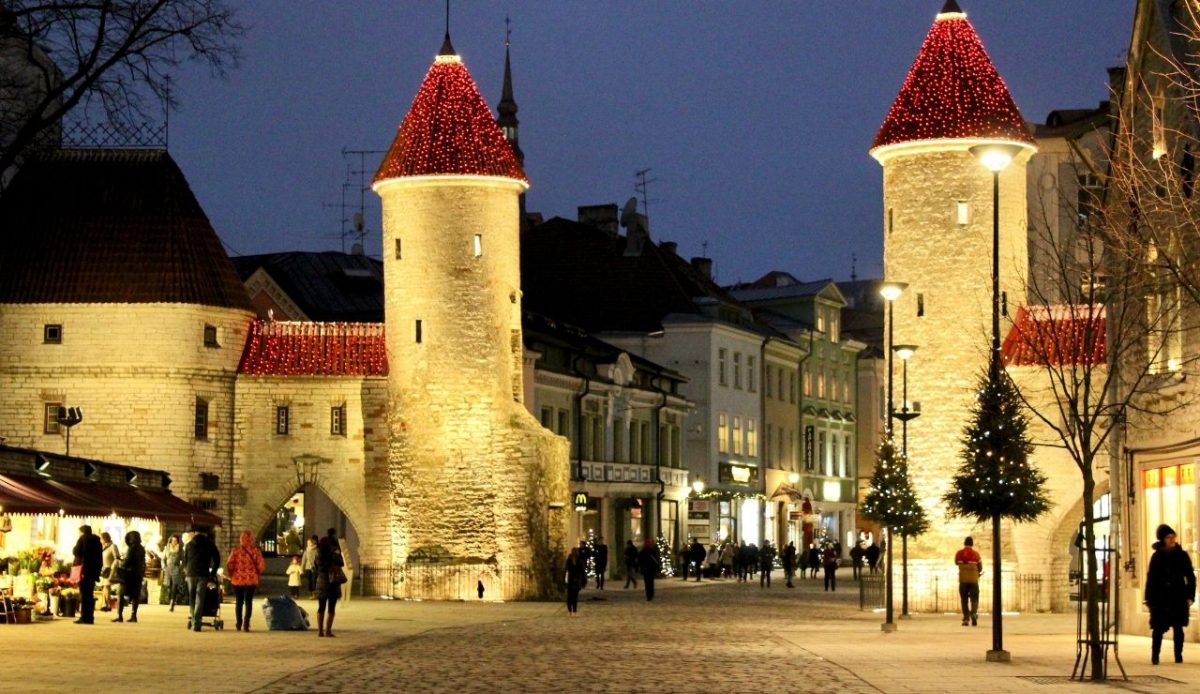
Tallinn’s preserved center keeps the feel of a Baltic trading city. Merchants once worked the Lower Town near the harbor, while rulers controlled Toompea hill above. Much of the defensive ring survives, including gates and towers that can still be followed on foot. Streets remain narrow and irregular, so turning a corner reveals courtyards and small squares. Warehouses and guild halls from the Hanse era are still present along the streetscape, and church spires guide orientation. In winter fog or summer light, the stonework feels continuous across blocks.
2. Dubrovnik, Croatia
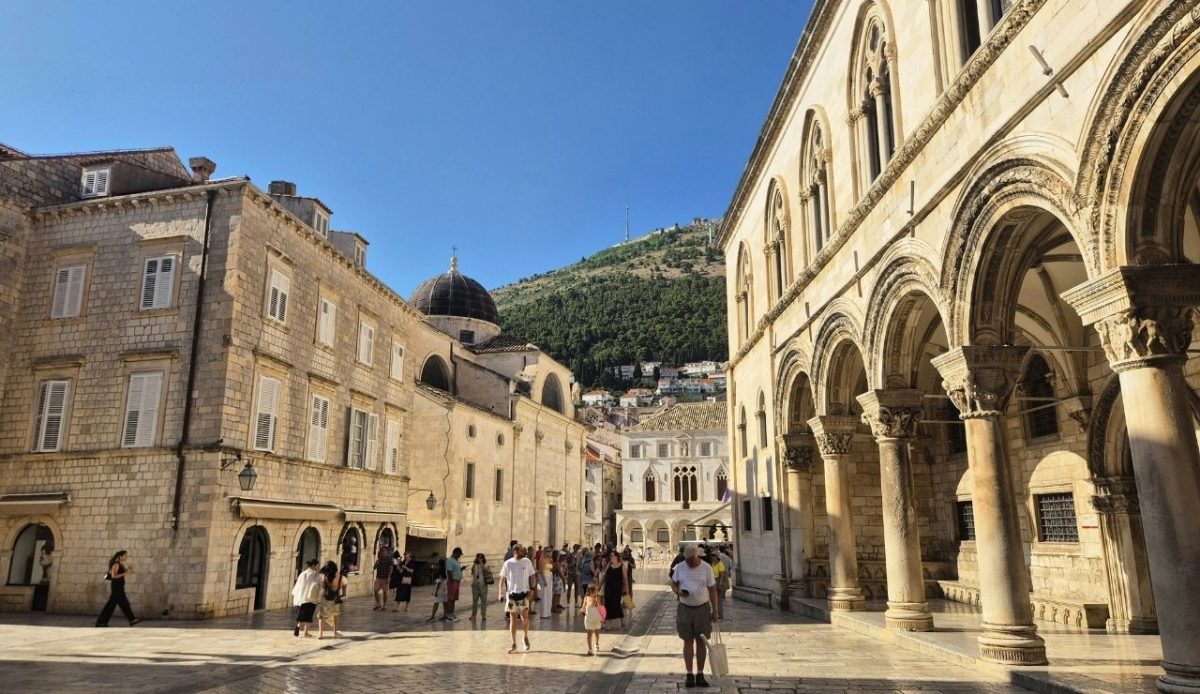
Dubrovnik continues to feel like a medieval sea fortress because its walls define everything. A continuous belt of stone ramparts, towers, and gates encloses the historic core and dictates entry points. Inside, limestone lanes connect monasteries, a cathedral area, and civic halls linked to the former republic. The plan is dense, so most walks return to the main street and the port side. Earthquakes and later repairs occurred, yet the enclosed footprint stayed intact, keeping the pre-modern scale clear. From the battlements, the city feels like one stone ship. Cliffs and the sea limited sprawl, so the medieval core stayed dominant.
3. Carcassonne, France
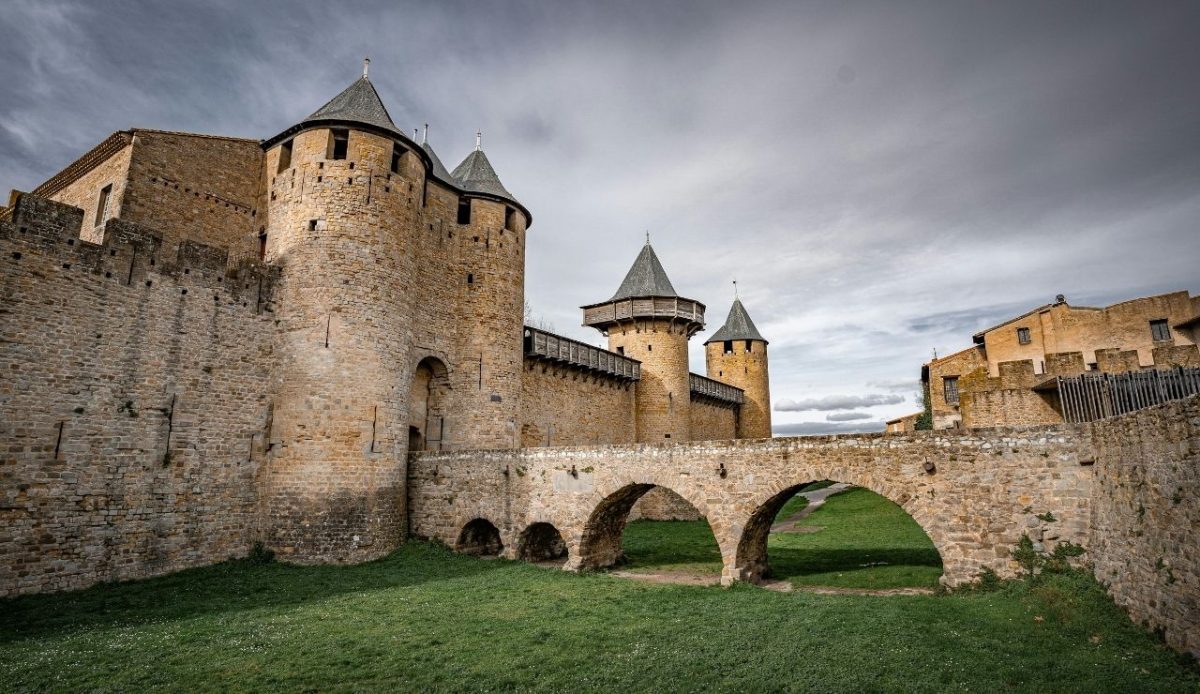
Carcassonne offers a clear lesson in medieval defense because the fortified town remains complete in outline. Double walls, heavy gates, and closely spaced towers create layered protection around the upper settlement. Within the ramparts, routes narrow and bend, which slows movement and controls sight lines. Space was used tightly, and buildings were packed close to the defenses. Later restoration influenced rooflines and details, but the strategic form can still be read from any walk along the battlements. It feels less like a museum set and more like a working diagram of border security. It endures today.
4. Bruges, Belgium
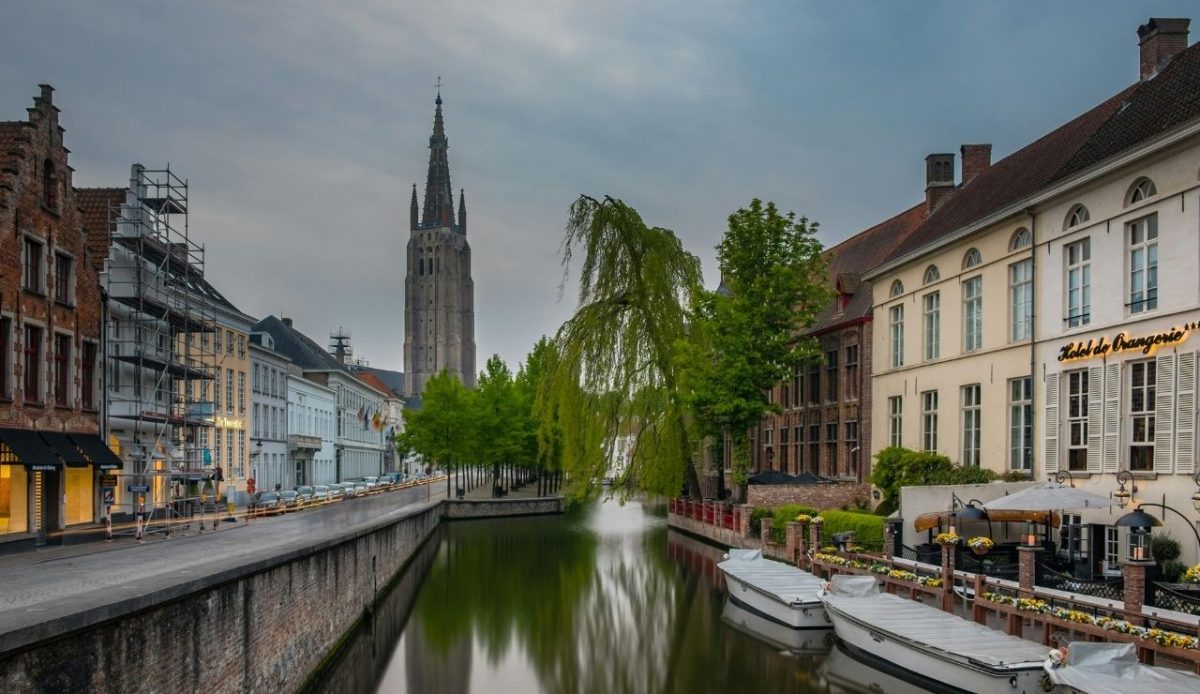
Bruges kept its medieval atmosphere partly because later industrial rebuilding arrived late and lightly. Canals that once served merchants still trace the city, and bridges funnel pedestrians toward compact squares. Gothic facades, guild buildings, and narrow lanes reflect the era when the cloth trade financed civic pride. When shipping access declined, the street pattern stayed intact instead of being widened for heavy traffic. Many views still align around spires and stepped gables, with water edges acting as natural borders. That quiet continuity makes the historic center feel unusually close to its medieval rhythm.
5. Prague, Czechia
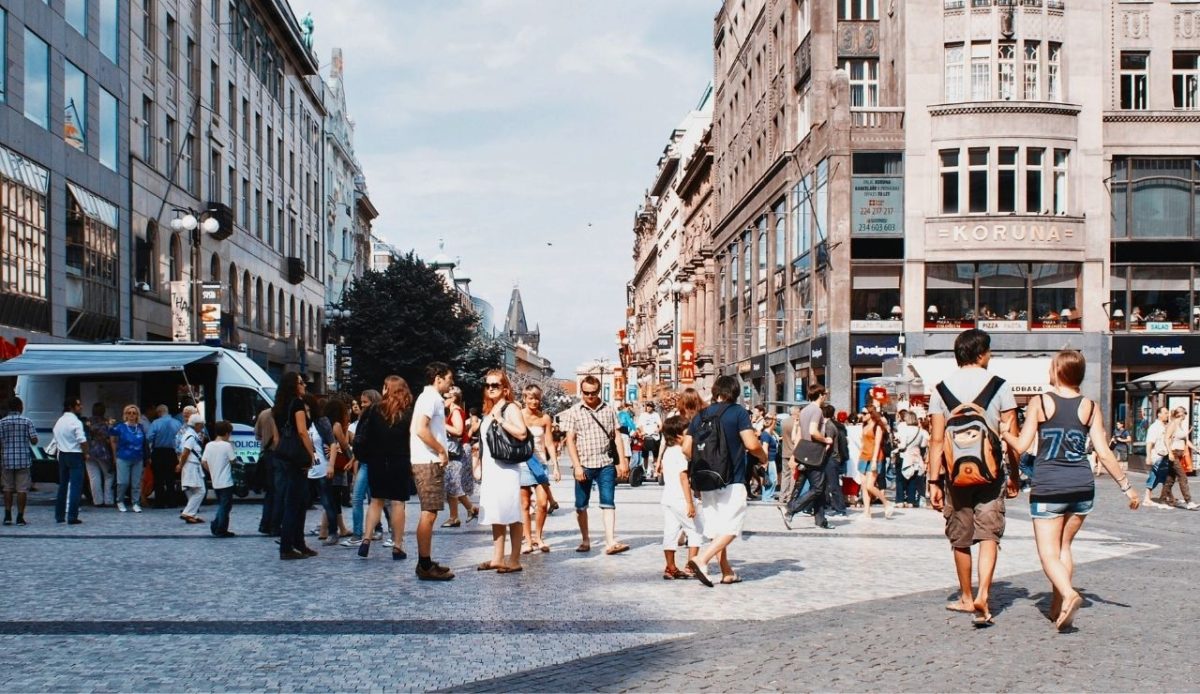
Prague shows a medieval character through the way its earliest districts still connect across the Vltava. The Old Town grew around markets and parish churches, while the castle precinct concentrated royal power. Streets twist rather than run in straight lines, and small courtyards appear behind archways. Charles Bridge remains a practical crossing, so daily routes still follow a medieval link between quarters. Baroque and later architecture was added, yet the underlying layout from the Middle Ages continues to guide movement. Because large-scale wartime demolition was avoided, the historic core stayed readable as one city plan.
6. Siena, Italy
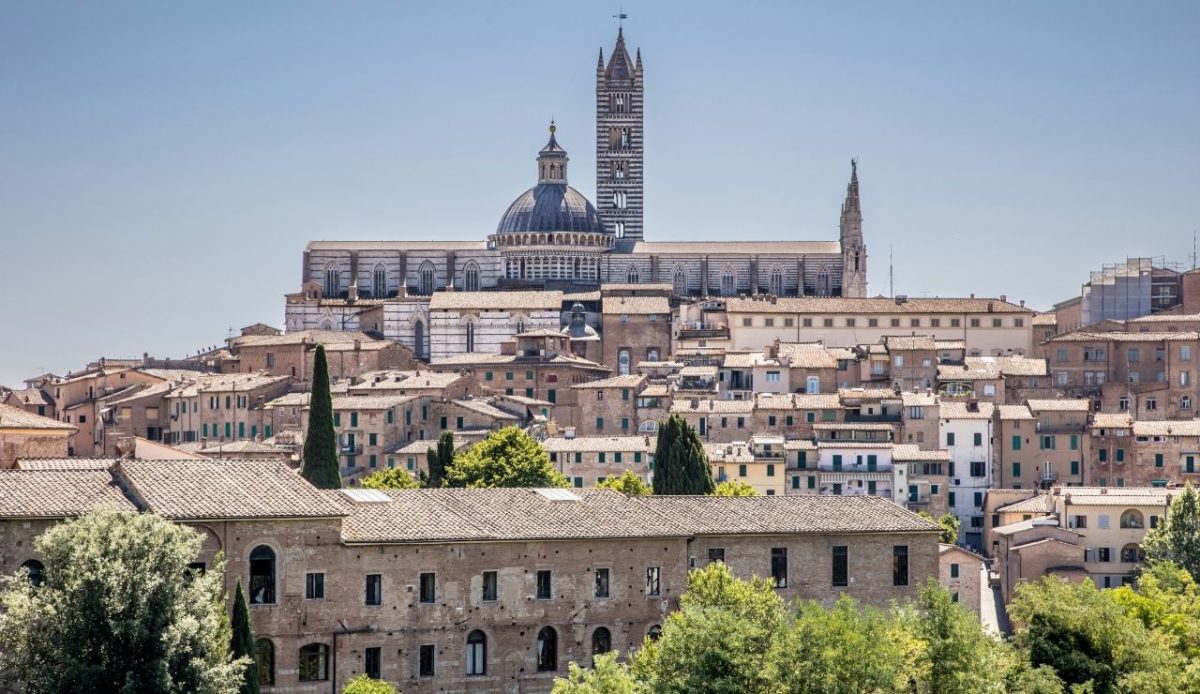
Siena retains a strongly medieval feel because its historic core was preserved as a whole rather than as isolated landmarks. Streets radiate toward the shell like the main square, which still functions as the civic center. Brick paving, tall houses, and Gothic palaces create a consistent street wall that keeps the scale intimate. Much of the later growth was pushed outward, so the older network was not cut by broad modern avenues. The famous horse race is held in the same public space that anchored medieval government and trade. Walking here, the city reads as a planned medieval organism that continued to be used.
7. San Gimignano, Italy
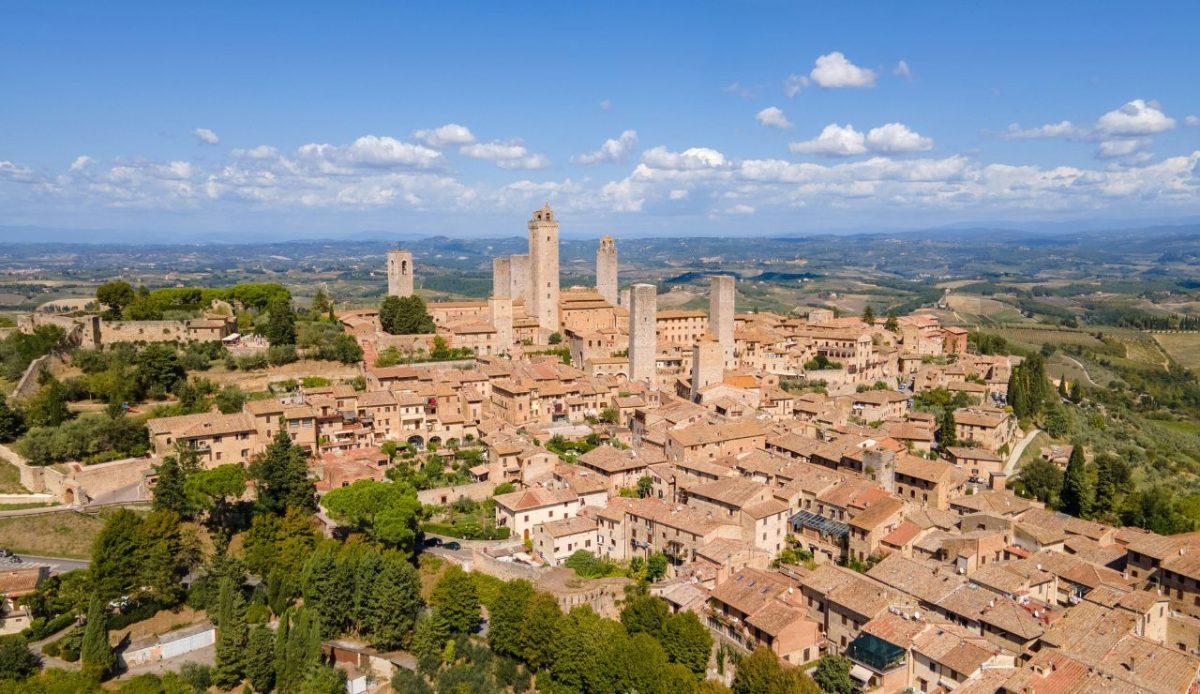
San Gimignano is medieval at first glance because its surviving family towers still dominate the skyline. In the thirteenth and fourteenth centuries, rival clans built upward to display wealth and influence. Many towers were later reduced, yet enough remain to show how status was expressed through height. The town stayed relatively small, so later expansion did not swallow the original walls and street lines. Inside the gates, lanes are steep and compact, with stone buildings clustering around small plazas. The result is a rare townscape where medieval social competition is visible in architecture.
8. Toledo, Spain
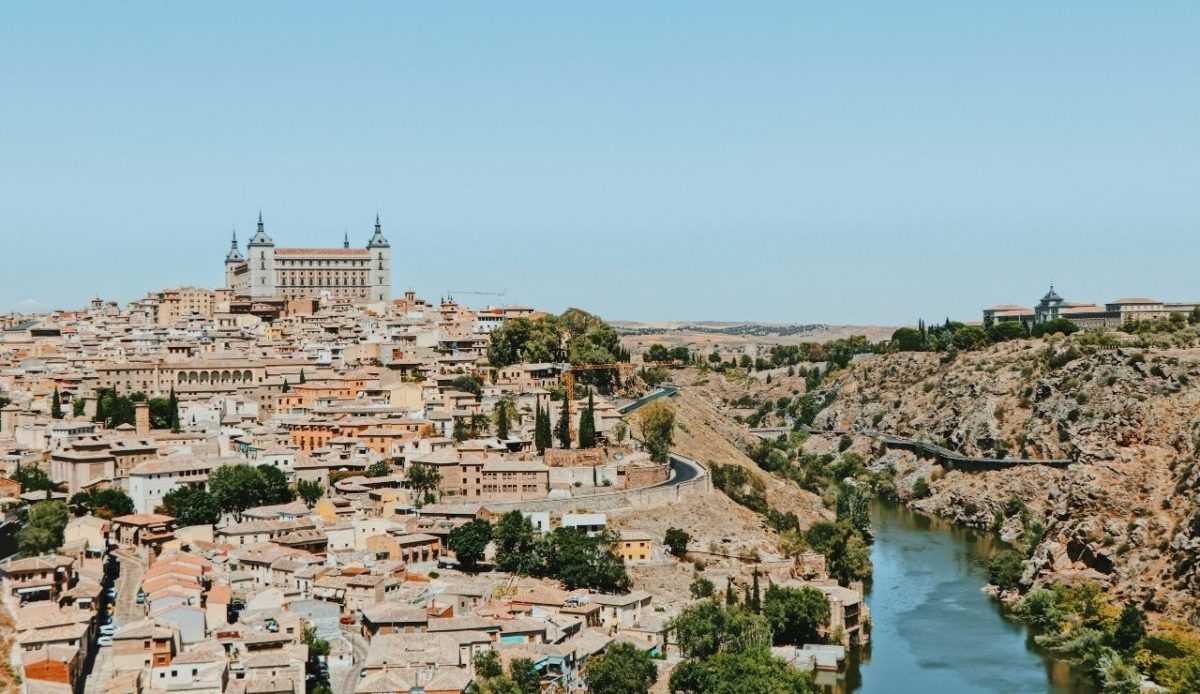
Toledo feels medieval because its layout was constrained by a river loop and fortified slopes. That geography limited outward growth and encouraged dense building within a tight footprint. Routes are narrow, shaded, and often indirect, reflecting medieval property boundaries and security needs. Christian, Muslim, and Jewish communities left monuments, but the strongest medieval signal is the street logic itself. Even where facades date to later centuries, the walking experience follows older passages that connect gates, markets, and worship sites. From many viewpoints, the city often appears as a defended hill settlement.
9. Avila, Spain
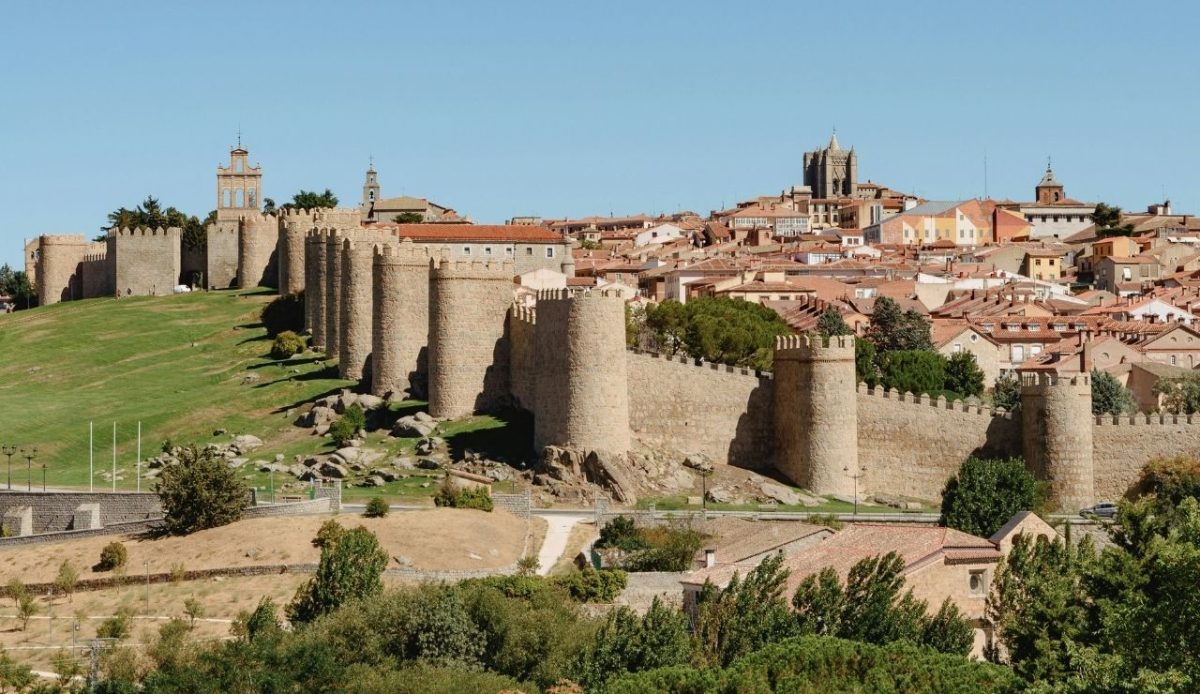
Avila delivers medieval charm through its extraordinary ring of walls that still fully encircles the historic center. Tall stone ramparts, punctuated by towers and strong gates, create a boundary that remains visually and physically present. Inside, streets are compact and quiet, with Romanesque churches and sturdy houses that fit a frontier town mindset. The wall walk reveals how defense once organized daily life, from watch points to controlled entrances. Because modern development largely occurred outside the ramparts, the interior kept its medieval proportions. Few places in Europe make fortification feel so immediate.
10. Edinburgh, Scotland
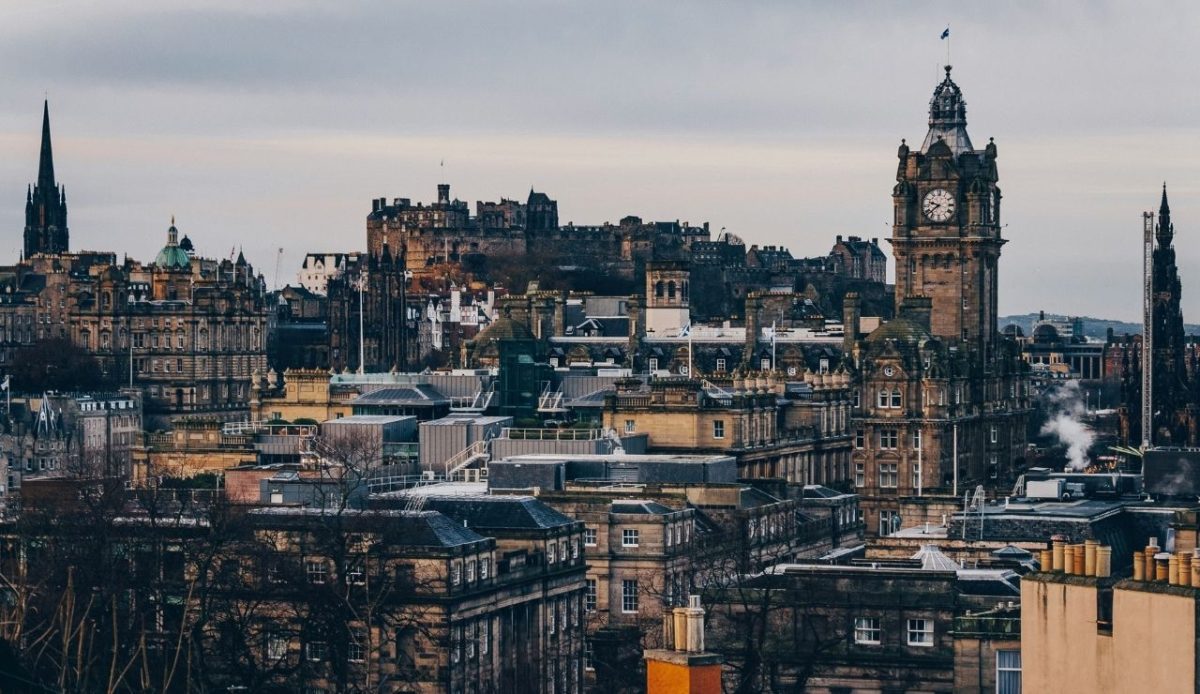
Edinburgh’s Old Town keeps its medieval character through its ridge-top plan and tight vertical density. A main spine route runs from the castle area toward Holyrood, and narrow closes drop away on both sides. Space inside the defended core was limited, so buildings grew taller and packed closer than in many cities. Stone stairways, wynds, and hidden courts create quick shifts in level and light. Later Georgian expansion occurred nearby, yet the older district still operates on medieval circulation patterns. The result is an urban maze where topography and defense remain part of the experience. It rewards slow walking.
11. Riga, Latvia
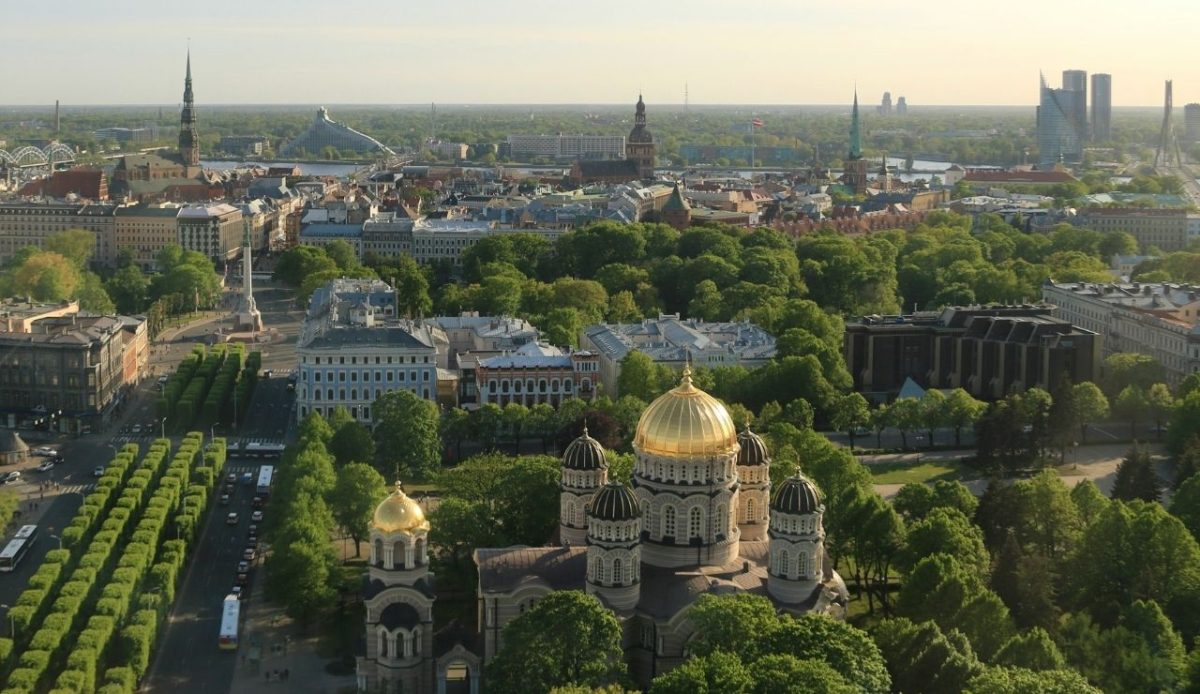
Riga shows medieval roots in the compact Old Town that grew from Hanseatic commerce on the Daugava River. The street network remains tight and walkable, with routes that still lead toward former market areas and quays. Early churches and guild traditions anchor the memory of a trading city that needed both wealth and protection. Many buildings were rebuilt after fires and war, so later styles appear, yet the medieval ground plan was retained. Because the core is small, visitors can sense how merchants, craftsmen, and clergy once shared limited space. It remains one of the Baltic’s clearest surviving medieval urban footprints.
