
Trip planning for 2026 is already shaping up, and Eastern Europe is showing unusually strong demand in early flight searches and itinerary saves. Cities that pair solid transit, walkable cores, and dependable lodging are being chosen sooner, while shoulder season dates are being booked more often. Airlines have added or restored routes into several regional hubs, so connections are less awkward than in prior years. This list follows those demand signals rather than vague popularity, highlighting places where growth has been recorded across major search and booking platforms. It also reflects where longer average stays are being planned.
1. Prague, Czech Republic
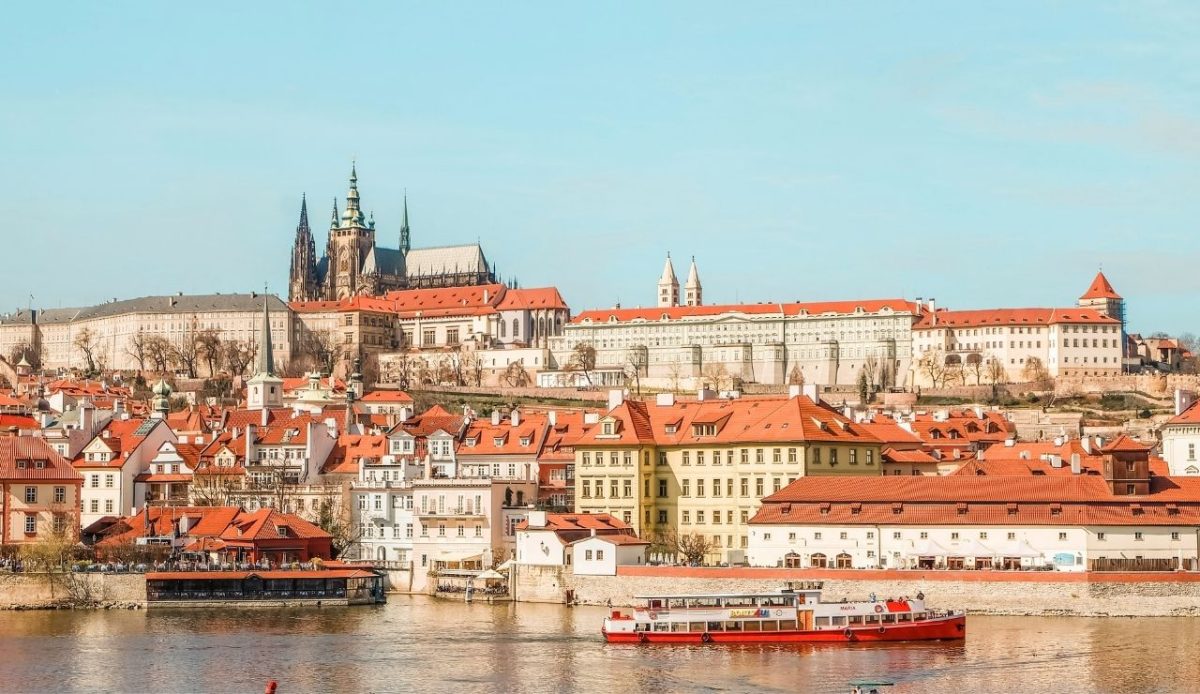
Prague keeps climbing in 2026 interest because it works for both first-timers and repeat visitors who want more than a weekend. Search spikes are being driven by expanded flight choices and by the ease of building a multi-city plan using rail. Crowd pressure in the Old Town is real, so neighborhoods like Vinohrady and Karlin are being booked earlier for quieter nights and better prices. Visitors often add day trips to Kutná Hora or Karlštejn, which extend stays without adding complexity. A reliable transit pass and late-night trams also make planning feel low-risk. That confidence is being reflected in earlier purchases.
2. Sofia, Bulgaria
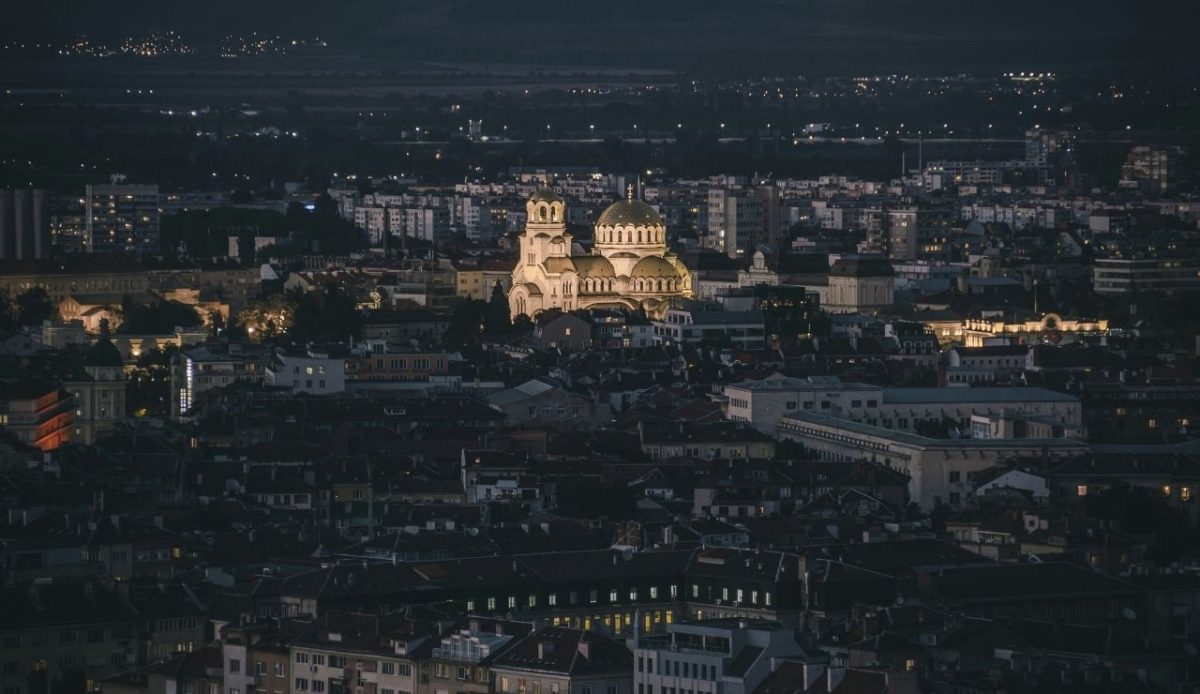
Sofia is being picked as a smart 2026 base because travelers can land in a capital city and reach real nature fast. Interest has been boosted by better connections through the airport and by low total trip costs compared with many European capitals. The city center is compact, so sights like the cathedral, markets, and museums can be done on foot between metro rides. Modern cafes and coworking spots support longer work-friendly trips, so midweek demand has been rising. Many itineraries add Vitosha for hikes or winter ski days, plus Plovdiv by train for an easy overnight. Hotel inventory has grown, which keeps rates more predictable.
3. Krakow, Poland
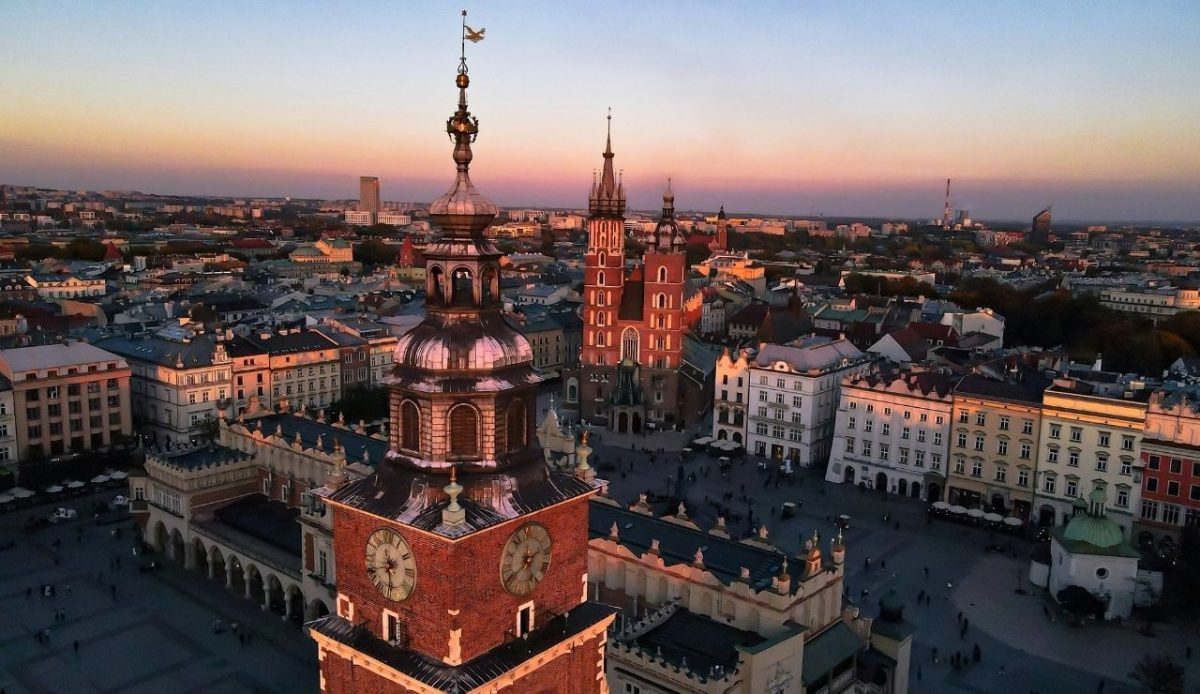
Krakow remains a 2026 favorite because its historic core is easy to navigate, and the rail network makes onward travel simple. Demand has been strengthened by travelers pairing culture days with nearby excursions, so stays are being extended beyond two nights. The Main Square, Kazimierz, and the river paths can be covered without taxis, which keeps budgets steady. Museum reservations and guided history walks are being scheduled weeks ahead, a sign of more planning. Trips to Wieliczka or the Tatra gateway towns are often added, and shoulder season dates are being chosen to avoid peak crowds and secure better lodging availability.
4. Budapest, Hungary
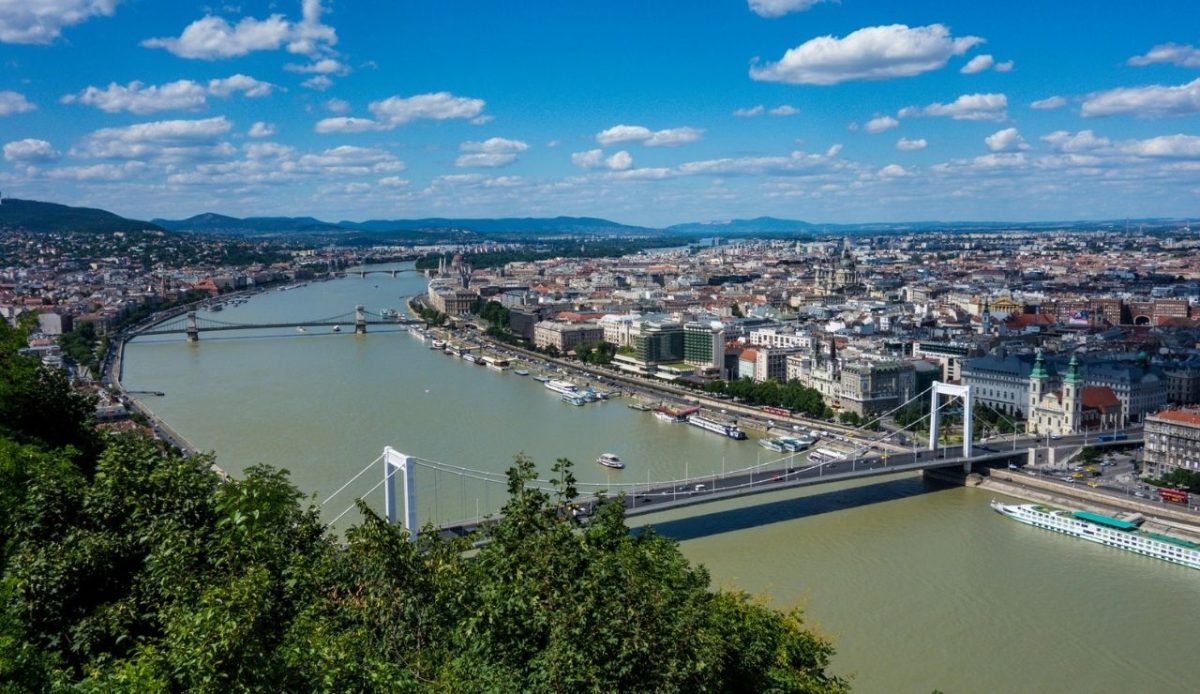
Budapest is still being treated as a high-value city break for 2026, yet the way it is being visited is changing. Travelers are building longer itineraries around baths, food markets, and riverfront walks, then using fast trains to reach Vienna or Bratislava. Because events and conferences are booked year-round, demand is spread across the calendar instead of peaking only in July. A 72-hour transit pass keeps planning simple, and evening neighborhoods stay active without needing a car. Rooms in the inner districts are being reserved earlier, while Buda side rentals are being chosen for calmer nights.
5. Bucharest, Romania
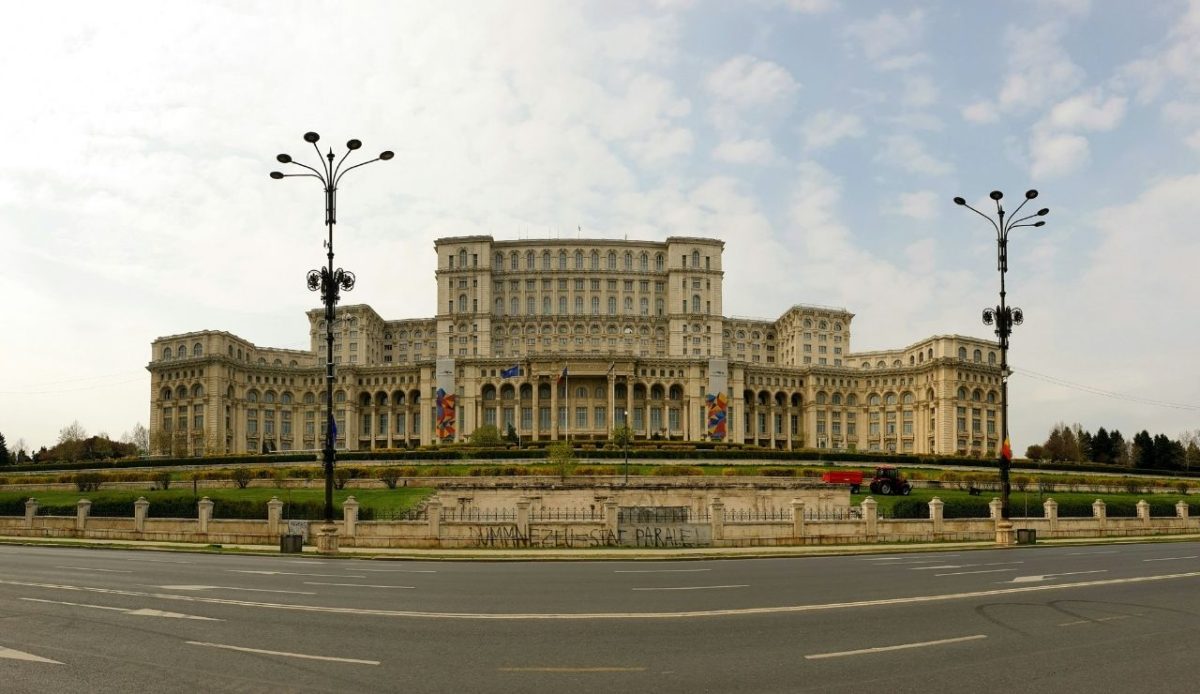
Bucharest is gaining 2026 as travelers notice how much city life can be packed into a short flight from Western Europe. Search growth has been linked to competitive airfares and to the city’s expanding hotel and apartment supply. The center offers museums, cafes, and restored streets that work well for long weekends, while guided walks explain the communist era and older quarters. Parks, late-night dining, and a growing craft bar scene support trips that do not depend on sightseeing alone. Many visitors add day trips to castles and mountain towns, so a Bucharest booking often turns into a broader Romania route.
6. Tirana, Albania
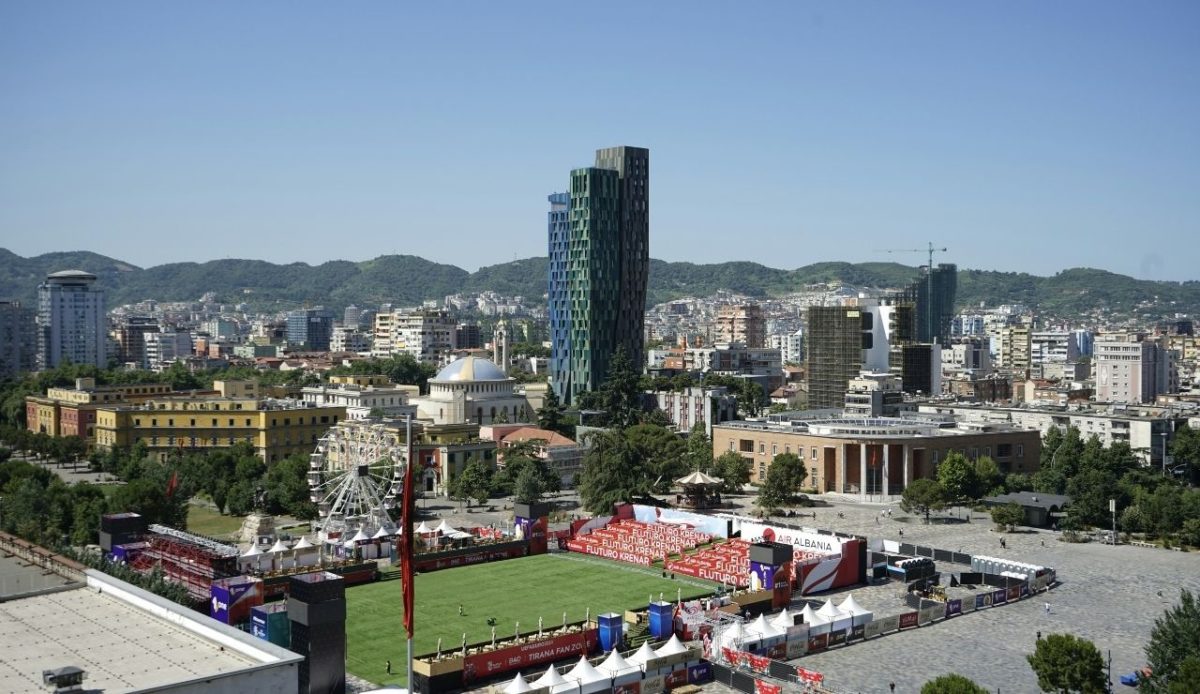
Tirana is being planned as a primary stop for 2026 instead of a quick gateway, and the shift can be seen in longer stays. Better flight options and a rise in midrange hotels have reduced the uncertainty that once kept visitors away. Bunkers turned museums, new galleries, and a lively evening promenade give the city more reasons to stay put. Ride apps and intercity buses keep logistics straightforward, even for travelers who avoid renting a car. Travelers commonly add Kruje, Durres, or the Riviera, so Tirana functions as a practical hub instead of a one-night transfer. Early bookings suggest confidence is building quickly.
7. Sarajevo, Bosnia and Herzegovina
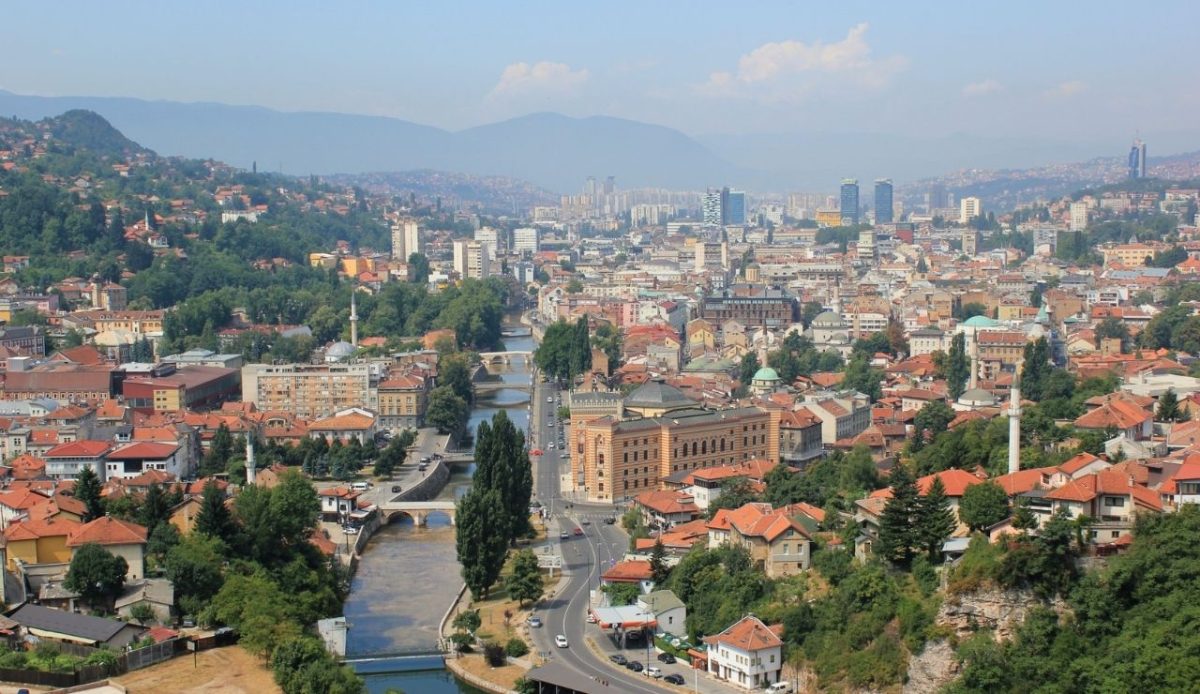
Sarajevo is being noticed for 2026 because it offers a layered history and a food scene that feels distinct within a compact city. Interest has been pushed by travelers looking for destinations that remain affordable while providing guided context for the past. The old bazaar streets can be explored on foot, and cable car access to viewpoints helps visitors map the city quickly. Coffeehouses, winter snows, and summer film events support trips in multiple seasons, so demand is less tied to one month. Many itineraries pair Sarajevo with Mostar, which turns a short visit into a longer Bosnia route.
